Sharing your space with a living, breathing plant is quite magical. A kind of calm that not many can explain settles in when there is greenery in the home. And while the benefits of houseplants go well past just good looks, many of us still haven't gotten around to filling our windowsills and shelves with them.
According to the U.S. Environmental Protection Agency (EPA), Americans spend roughly 90% of their time indoors. If you are going to be inside that much, you might as well make that space as beautiful, healthy, and peaceful as possible. With houseplants, that's as easy as it can get.
Time to Go Houseplant Shopping
Few would argue that it's nice to have some houseplants around, and yet, a lot of people skip out on them. Whether because costs add up, they find it hard to care for plants, or they simply never get around to it, those arguments may sound reasonable on the surface. But the health benefits of houseplants are real and well worth a second look. So, here are five reasons to welcome more plants into your home.

1. Beautiful, Living Decorations
One of the most immediate benefits of having a houseplant is the way it changes the feel of a room. Plants add life, warmth, and a natural sense of beauty to any space; no interior designer needed.
Take the Majesty palm, for example. It grows many stems and fronds in graceful, fan-like sections, and it absolutely loves sunlight. Place one near a bright window and watch it spread its fronds wide. Tuck it into a sunlit corner of your living room, dining area, or bedroom, and it becomes an instant focal point. Unlike most decor, it grows and changes with you over time.

And the options don't stop there. A trailing Pothos on a shelf, a compact snake plant on a side table, or a cluster of succulents on a windowsill, each one brings its own personality to a space. Plants work in small apartments just as well as large homes, and they have a way of pulling a room together that few decorative objects can match. Best of all, no two plants look the same, so your home always ends up feeling uniquely yours.
2. Real Health Benefits of Houseplants in Ensuring a Healthier Home
Aside from the good looks, plants support your well-being. This is one of the most talked-about benefits of houseplants, and the science backs it up. An earlier article on the Top 10 Healthy Houseplants touches on this well.

The Anthurium, for instance, is a gorgeous flowering plant with rich green leaves and deep red spathes that has been shown to help lower stress levels. When you are more relaxed and carrying less tension, your home becomes a place of actual peace, not just a place you sleep.
Research also shows that spending time around plants can lower blood pressure, ease anxiety, and even support faster recovery after illness. The health benefits of houseplants are not just anecdotal, but are backed by studies from hospitals, universities, and space agencies. One well-cited study published in the Journal of Physiological Anthropology found that simply interacting with indoor plants, even briefly, noticeably reduced psychological and physiological stress in participants.
There is also the matter of humidity. Plants release moisture through a process called transpiration, which can raise indoor humidity to more comfortable levels. This is particularly helpful in winter, when heating systems tend to dry the air out and leave people dealing with dry skin, irritated eyes, and scratchy throats.
3. Houseplants Are More Affordable Than You Think
Cost is one of the most common reasons people hold off on getting plants. But there is good news: the benefits of a houseplant do not come with a big price tag. Some of the most popular and effective indoor plants, including Philodendron, Anthurium, Aloe vera, and spider plants, are also among the most budget-friendly.

Many garden centers and even supermarkets sell small starter plants for just a few dollars. And if you want your collection to grow without spending extra, you can propagate the baby spiderettes that dangle from an adult Spider plant. With a little patience, each one grows into a new, full plant. Isn’t that a good deal?
Even the slightly pricier options, like a statement fiddle-leaf fig or a trailing Monstera, tend to be a one-time purchase that lasts for years. Compare that to cut flowers, which are beautiful but gone within a week, and the long-term value of a houseplant is hard to beat. You're essentially buying a living decoration that keeps giving.
4. They Are Really Easy to Care For
When you don't have houseplants, it can feel like one more responsibility on an already full list. But this is where the benefits of having a houseplant look like in practice. A little water, a little light, and you're mostly done.
In fact, one poll by Gala Bingo found that about a third of people count watering their plants as the single easiest house chore they deal with. Sure, the occasional flowering plant needs a bit more attention, and some varieties do best with specific light conditions. But for the most part, common indoor plants are wonderfully low-maintenance. They grow and thrive, asking for very little in return.
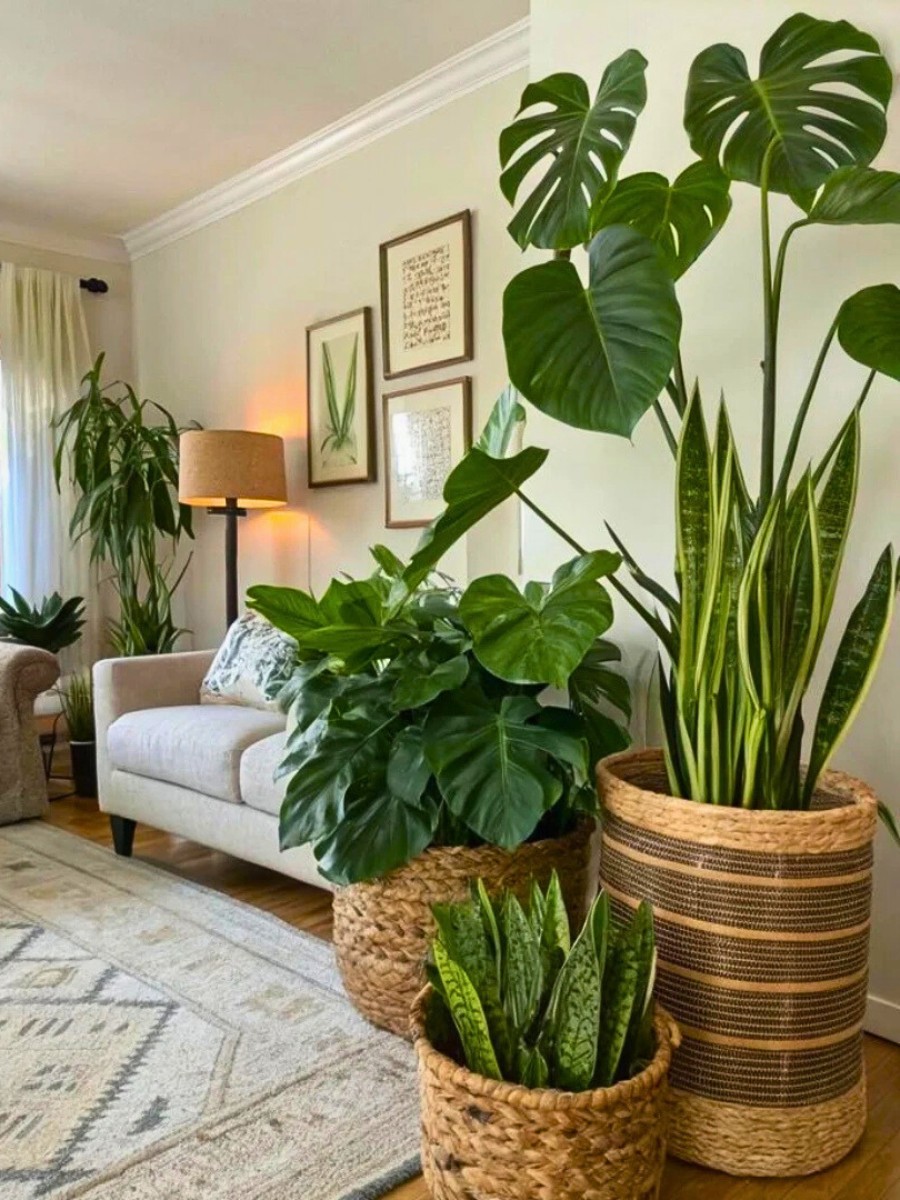
If you are worried about forgetting to water, plants like Pothos, ZZ plants, and Snake plants are practically designed for busy people. They do well with infrequent watering and tolerate low light without complaint. Some plants even prefer to be left alone for stretches of time. Once you find the right plants for your lifestyle and your home, the whole thing starts to feel less like a chore and more like a small, satisfying daily ritual.
5. Cleaner Indoor Air Is One of the Most Surprising Benefits of Houseplants
You don't need to spend hundreds of dollars on air purifiers to improve the air quality in your home. This is one of the most compelling reasons to ask: “What are the benefits of houseplants, really?”
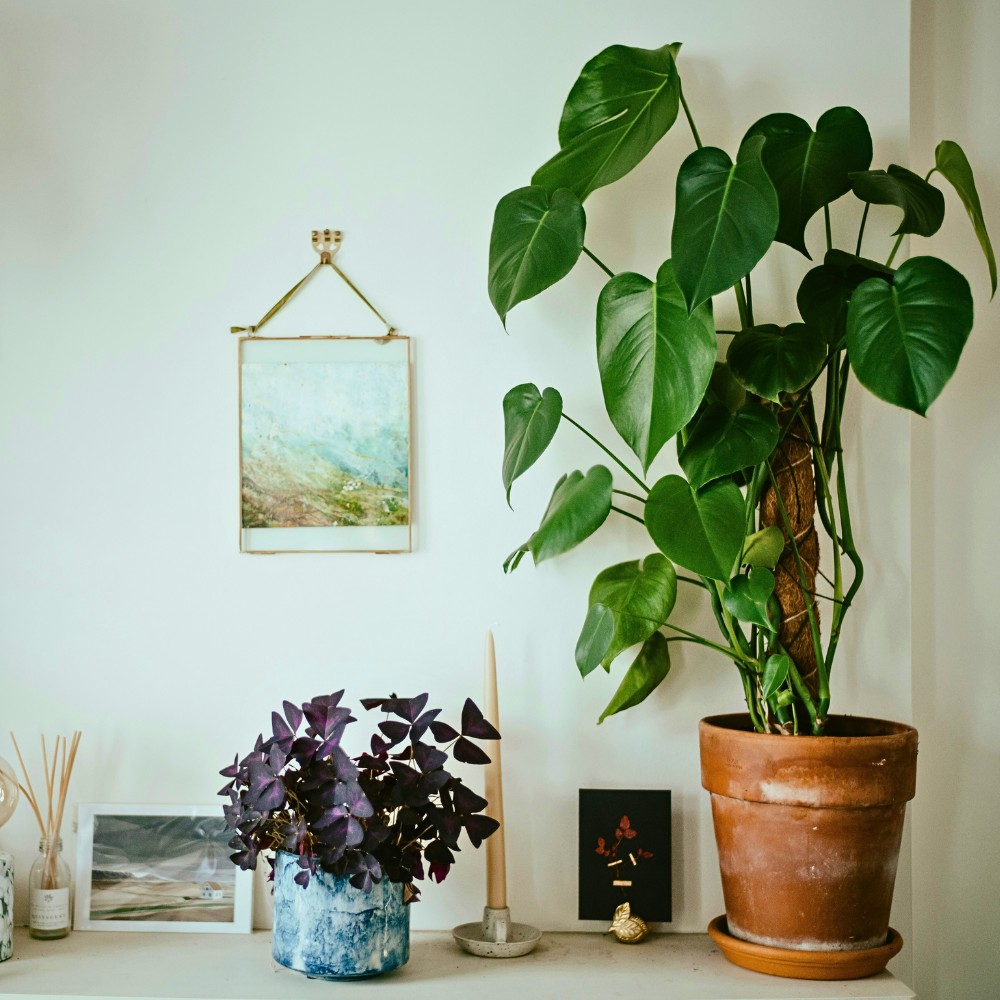
According to NASA research, certain plants are highly effective at filtering indoor air. The Dracaena, for example, is a natural air-cleaning powerhouse. It is particularly good at filtering airborne chemical compounds like xylene, a solvent that evaporates from paint, printer ink, and floor coverings. These fumes often pass through your home unnoticed, but a well-placed Dracaena can steadily clear them out.
Other strong performers include the peace lily, Boston fern, and the humble spider plant, all of which absorb toxins and release clean oxygen back into your space. The peace lily, in particular, is known for tackling ammonia and benzene, two compounds commonly found in cleaning products and synthetic materials. It also happens to be one of the more beautiful plants you can keep indoors, with its glossy leaves and graceful white flowers.
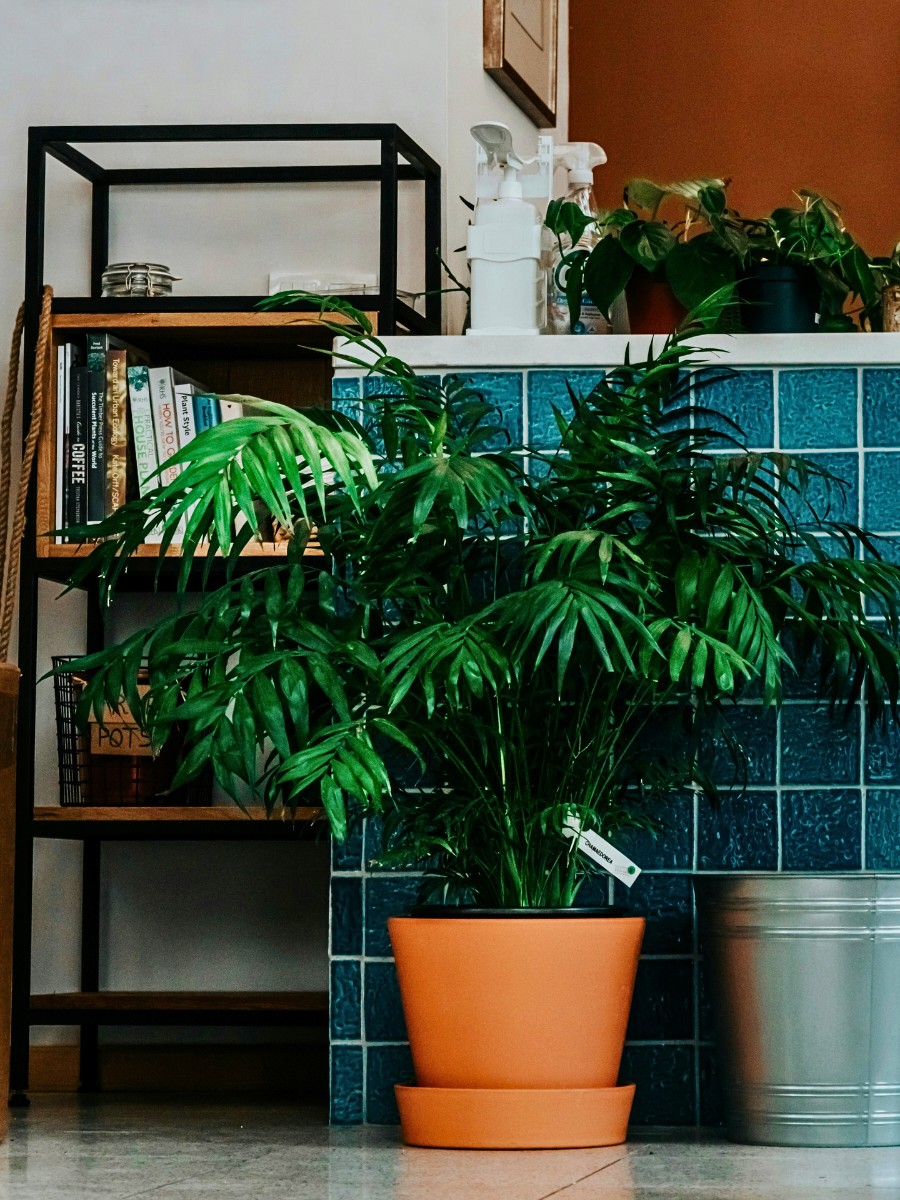
Why Houseplants Are More Than Worth a Trip to the Plant Shop
It is worth noting that these houseplants work best as part of a general approach to clean indoor air, not just as a standalone solution. But as one piece of a healthy home, the air-purifying benefits of houseplants are well worth the minimal effort involved in keeping them.
Houseplants may seem like a lot of extra work, but most of them are not. The benefits of these houseplants are real, accessible, and honestly, a little hard to argue with. They make your home more beautiful, your air a little cleaner, your stress levels a little lower, and your daily routine a little more grounded.

Simply having plants in your home can make life feel more stress-free, more balanced, and more alive. And all of that is more than worth a trip to the plant shop.
Feature image by Tanner The Planter. Header image by Huy Phan.