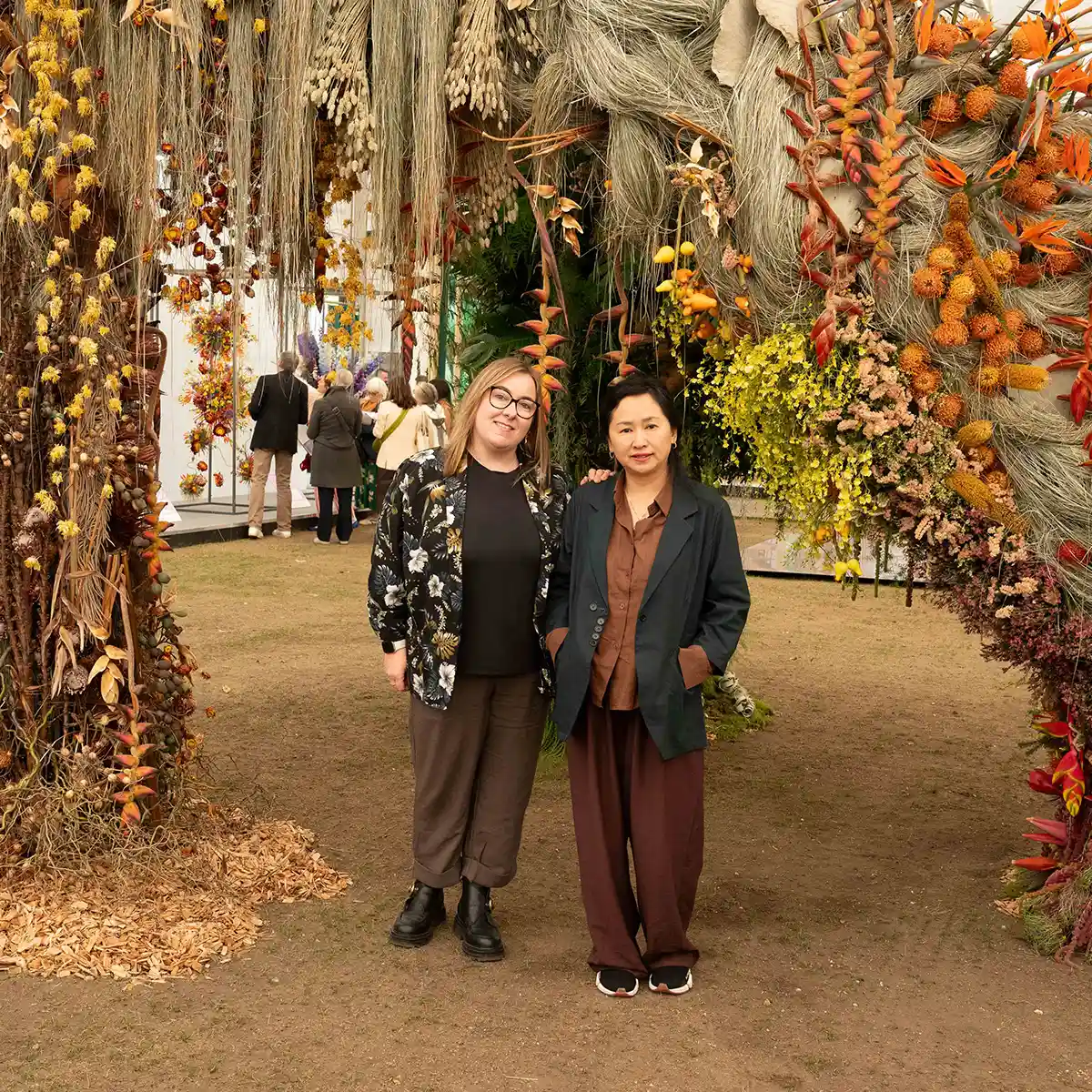
Acacia Creative Studio will return to the RHS Chelsea Flower Show in 2026 for its fifth consecutive year, bringing a new installation that looks closely at one of nature’s most essential but often overlooked processes. Led by Rachel Kennedy and Xue Wang, the South Yorkshire-based floral design studio will present 'Chlorophyll: The Colour of Life', a sculptural work created within the Floristry Laboratory theme. The installation explores the hidden chemistry behind photosynthesis and translates it into a floral story about energy, change, and renewal.
For florists and floral designers, this new Chelsea project is another clear example of how Acacia continues to position floristry as more than decoration. Their work regularly moves between floral design, art, and spatial experience, using shape, negative space, structure, and storytelling to create pieces that feel immersive and thoughtful. Over the past few years, the studio has built a recognizable voice through installations that are narrative-led, sculptural in form, and grounded in sustainable practice.
A Floral Studio With a Distinct Sculptural Language
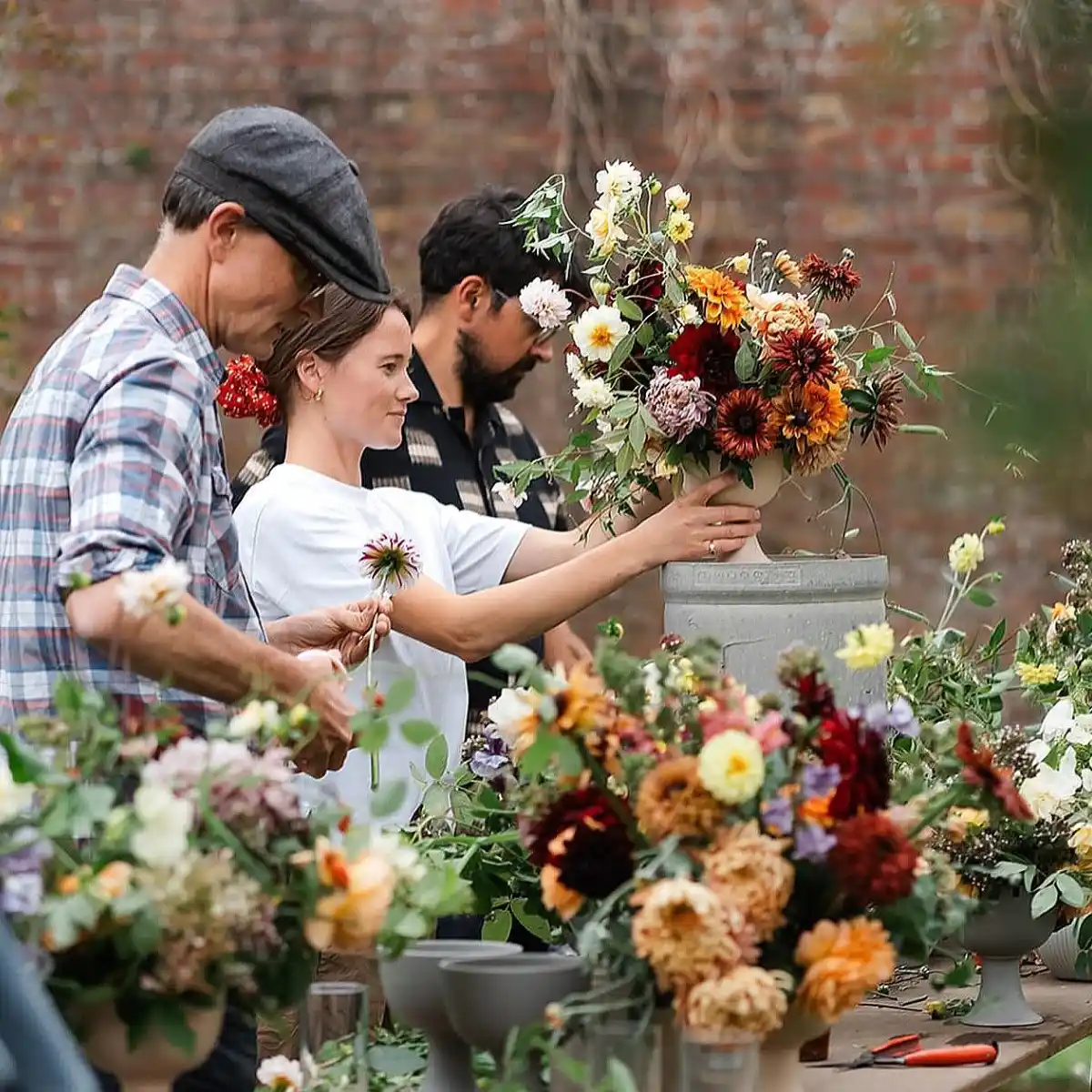
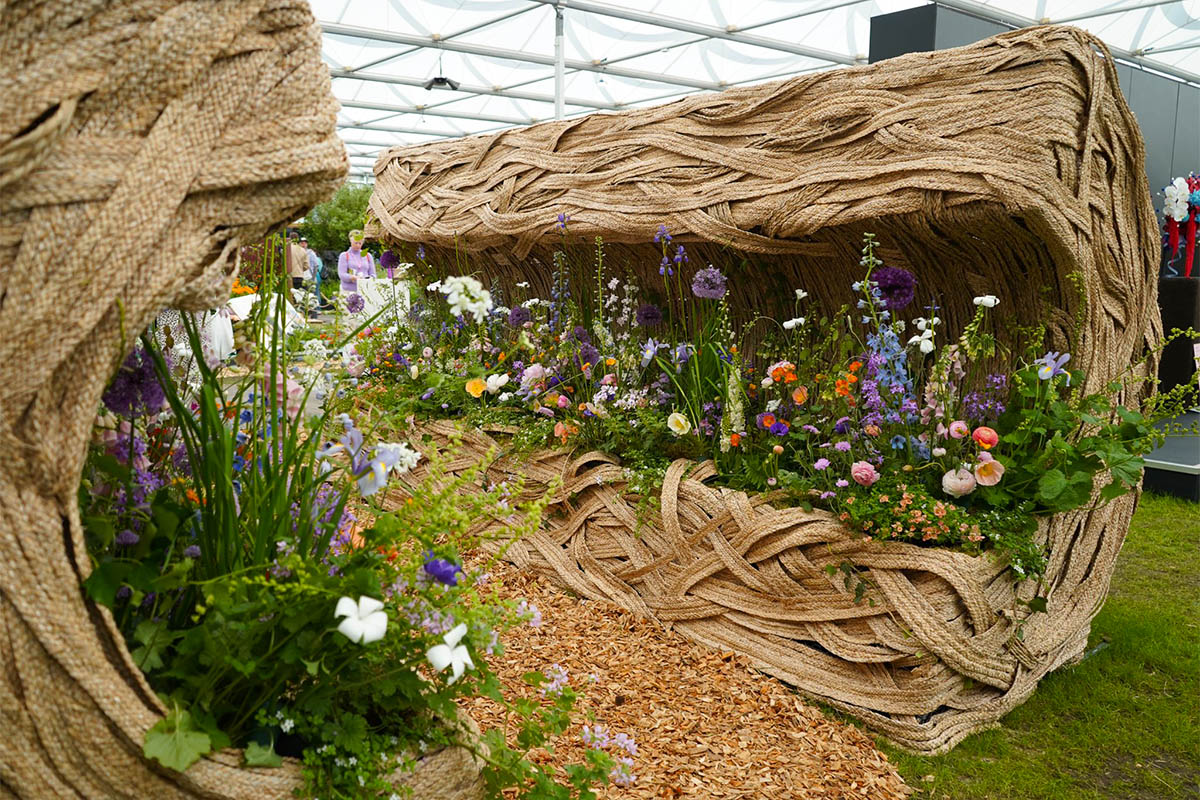
Rachel Kennedy and Xue Wang have become known for combining botanical materials with steel, wood, and other natural or reclaimed elements. That material language gives their work a strong architectural quality, but it never loses its floral character. Instead, it allows them to create pieces with depth, movement, and atmosphere.
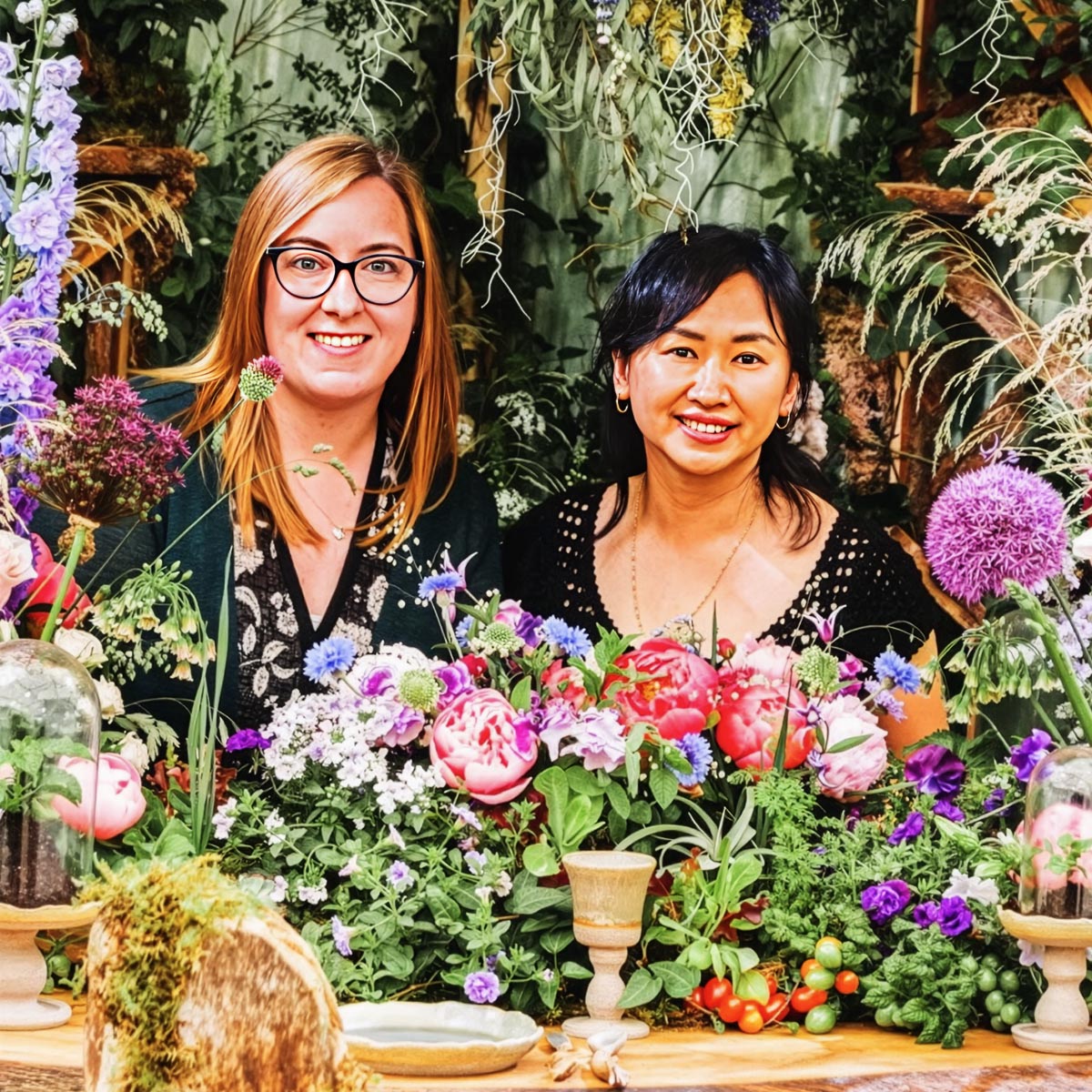
Their background includes study with European floral masters, and over time, they have developed a style that sits somewhere between contemporary floristry and fine art.
About their style, they say:
"Our work sits between floristry and art, using natural systems as both inspiration and structure."
From their base in South Yorkshire, the duo works across large-scale events, bespoke commissions, workshops, and educational projects. They also maintain strong creative links with China and regularly teach sustainable floral techniques to visiting groups from Asia. That mix of hands-on design work and education has become part of the studio’s identity, especially as sustainability keeps gaining importance across the floral industry.
What Chlorophyll Means in the 2026 Installation
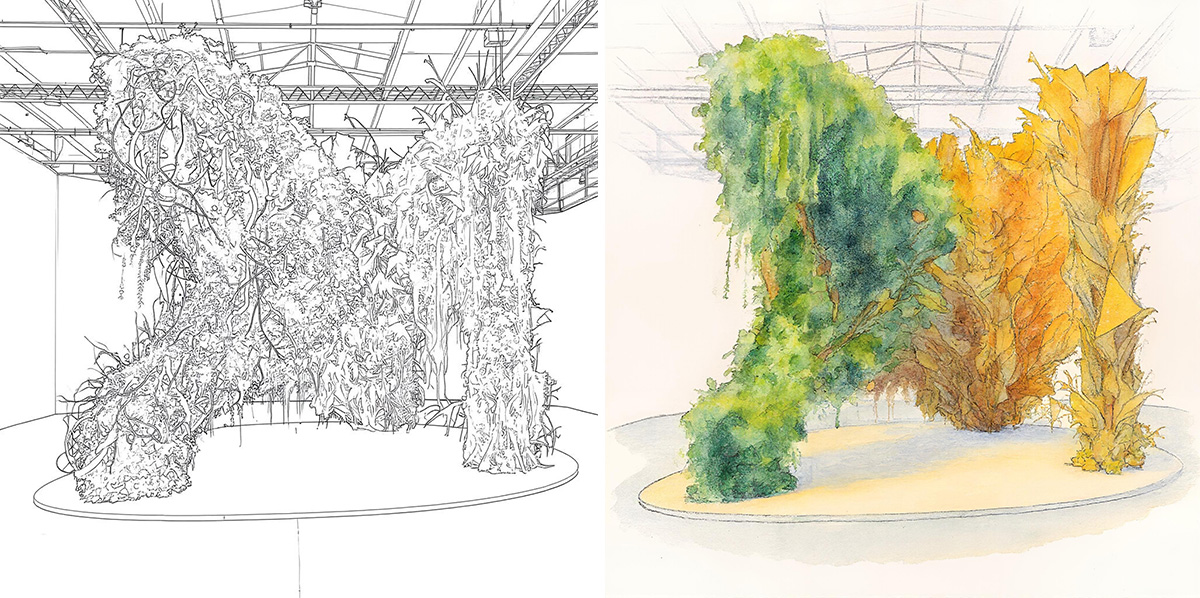
With Chlorophyll: The Colour of Life, Acacia Creative Studio takes something familiar to every grower and florist, but not always fully noticed, and brings it into focus. Chlorophyll is the material that allows plants to convert light into life. In this installation, that scientific process becomes the basis for a visual journey through different stages of plant energy. Instead of explaining photosynthesis in a technical way, the designers turn it into a sequence of color, form, and texture that visitors can move through and experience.
Xue Wang comment:
"Chlorophyll is something we rarely see, yet it underpins everything. By making this invisible process visible, we hope to encourage visitors to pause and reflect on nature’s cycles and our relationship with them."
The idea behind the installation is not only about growth at its peak, but also about transition and return. Acacia treats vitality and decay as connected parts of the same cycle. That matters because it gives the design a broader emotional and environmental message. Change is not presented as loss. It is shown as part of how nature keeps moving, renewing itself, and returning to the earth.
The Four Zones of the Installation
Green Peak
The first section, Green Peak, represents the height of life and energy. Here, the installation rises in a spiral of lush green foliage, celebrating the moment when chlorophyll is at its strongest and photosynthesis is fully active. This zone stands for vitality, abundance, and the visible force of plant growth.
Yellow Transform
From there, the work moves into Yellow Transform, where light begins to fade, and the first signs of change appear. Chlorophyll starts to break down, and the installation reflects that unstable and fleeting moment when green starts shifting into other tones. It is a section about movement, tension, and transformation.
Orange Reveal
In Orange Reveal, the colors hidden beneath the green come forward. Warmer pigments begin to dominate, and floral forms open in layers of orange and amber. This part of the design suggests that change can also uncover something previously unseen. It is a moment of revelation, warmth, and renewed appreciation for the complexity inside the natural cycle.
Brown Memory
The final zone, Brown Memory, settles into quieter, earthier tones. Forms soften and fold inward, symbolizing rest, return, and the breakdown of organic matter back into soil. Rather than ending the story, this section points to the beginning of a new cycle. It reminds visitors that what fades also feeds what comes next.
A Strong Chelsea Presence With Visual Impact
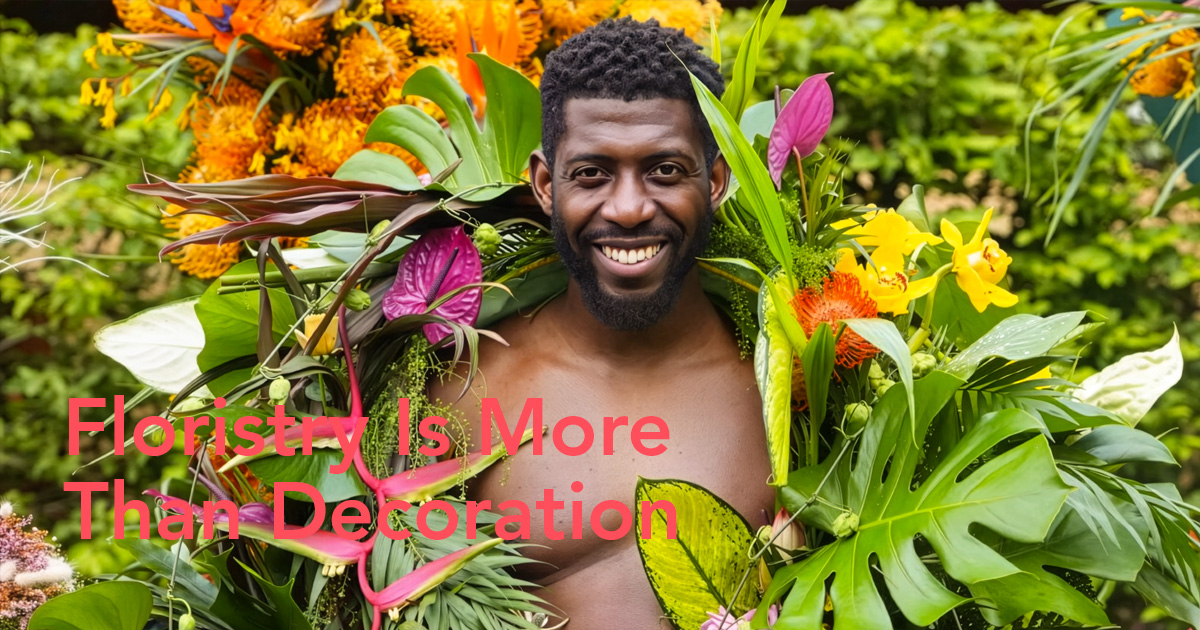
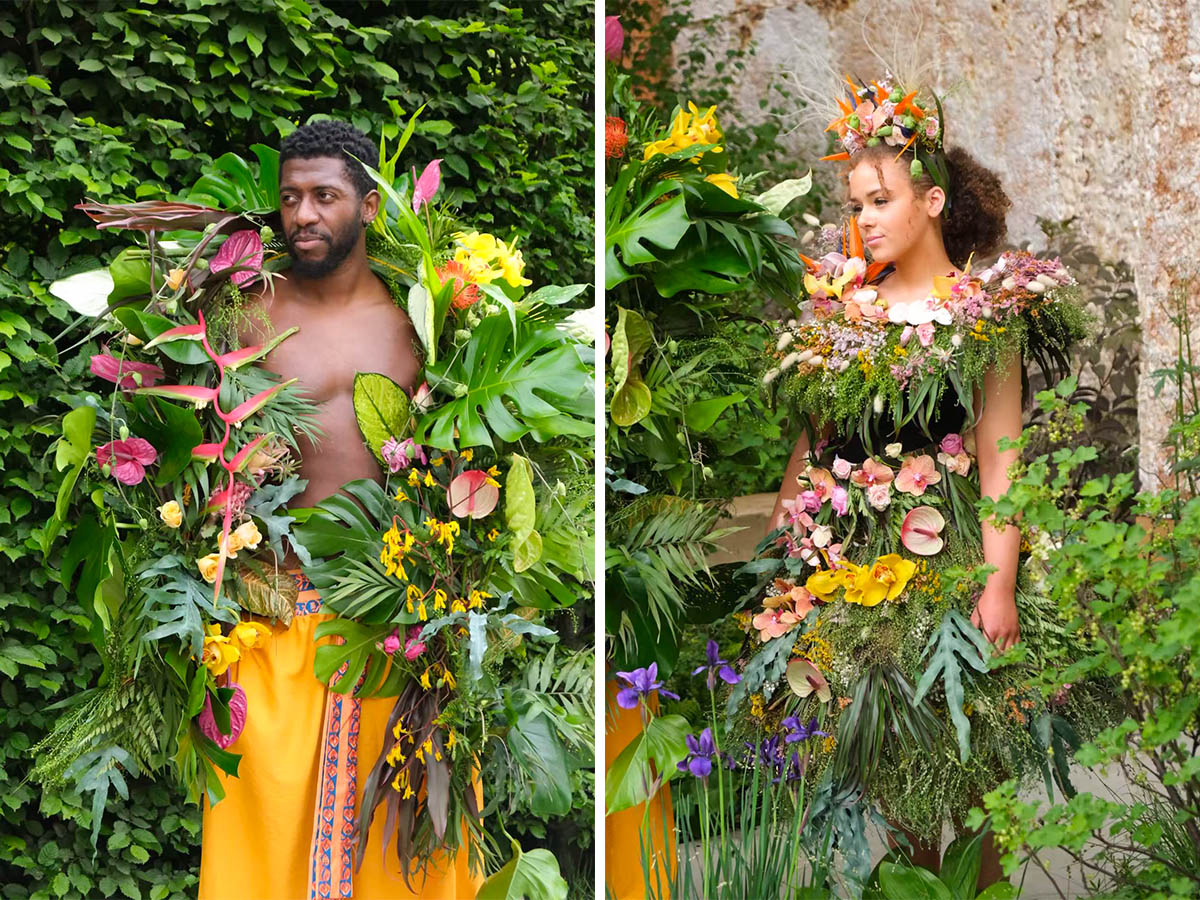
This installation is designed to be both conceptually rich and visually striking. Acacia will also present a floral couture photocall with two models dressed in fresh foliage and florals, moving from deep green into yellow and burnt orange. This living extension of the design adds another layer to the installation and creates a strong moment for the press and for Chelsea visitors.
Rachel Kennedy:
"Returning to Chelsea for a fifth year feels like a celebration of growth, learning and evolution. Chelsea gives us the freedom to explore ideas and take creative risks in a truly meaningful way."
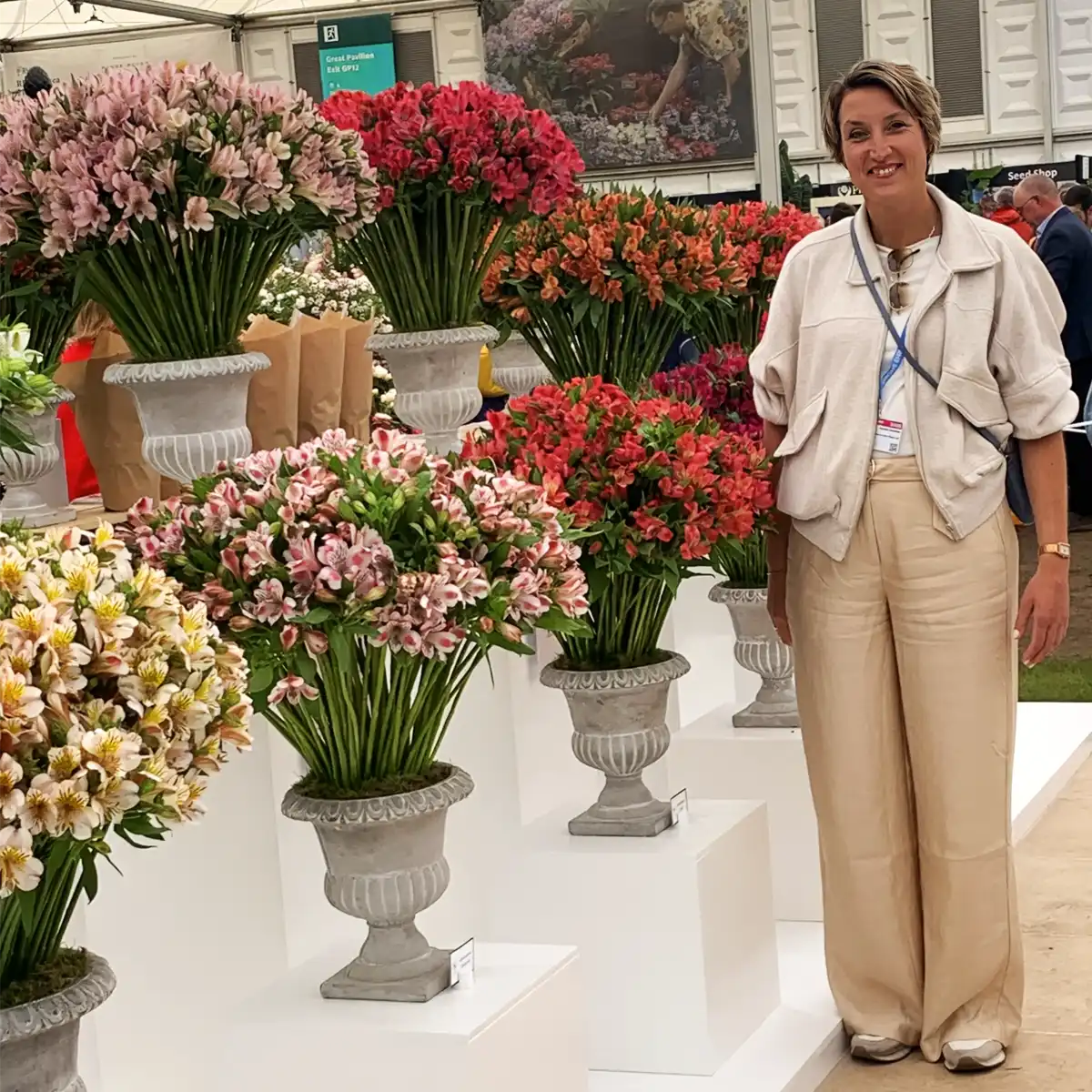
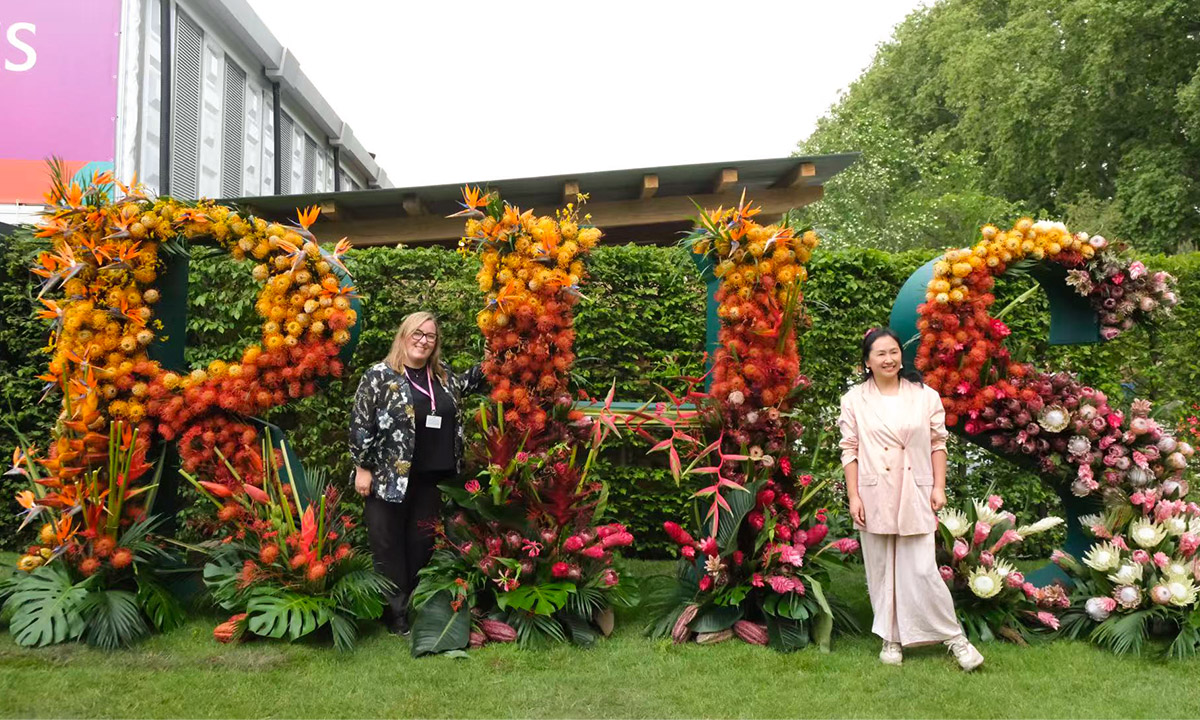
That approach builds on the studio's successful 2025 Chelsea appearance, when their RHS Letters: Tropical Ombre installation drew notable attention during Press Day and the Private View. Their earlier Chelsea work also includes Heartwood in 2024, Woven Tranquility in 2023, which received Silver Gilt, and Wild Melody in 2022, which received Silver. Together, those projects show a steady progression and a studio that is comfortable working across formats while maintaining a clear design identity.
Sustainability as Part of the Practice
Sustainability continues to sit at the core of Acacia Creative Studio’s work. For Chelsea 2026, the studio highlights environmentally responsible sourcing, the use of reusable structural materials such as steel and wood, and an ongoing commitment to material reuse, adaptation, and responsible disposal after the show. Importantly, the studio does not present sustainability as a limitation. It is treated as part of the creative process itself.
Rachel and Xue:
"We see sustainability not as a constraint, but as a creative opportunity."
That way of thinking is increasingly relevant for florists, designers, and growers who are looking for better ways to work with natural materials while staying thoughtful about impact. Acacia’s practice suggests that sustainable floral design can still be ambitious, layered, and visually strong.
Why This Chelsea Installation Matters
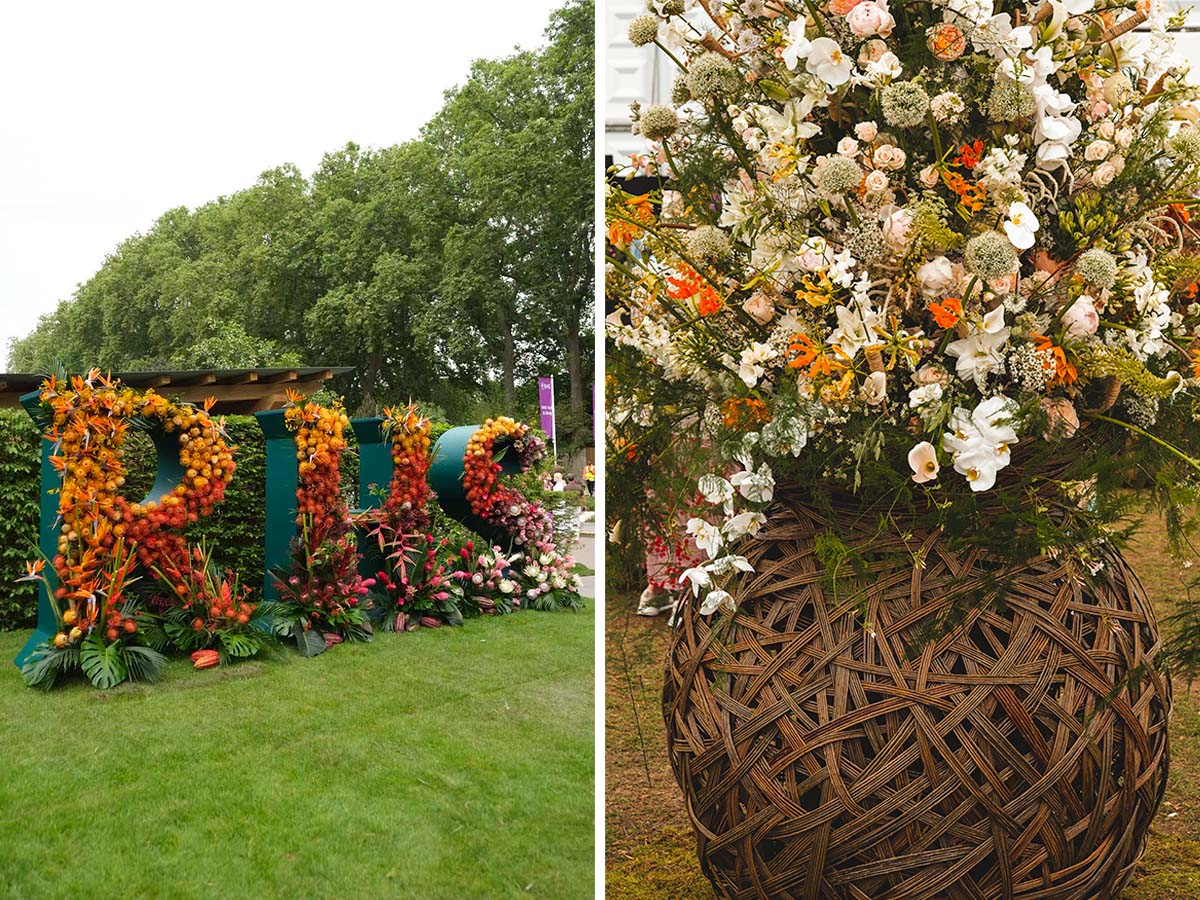
With Chlorophyll: The Colour of Life, Acacia Creative Studio brings together science, floral art, and environmental reflection in a way that feels well-suited to the RHS Chelsea Flower Show. The installation has a clear narrative, a strong color journey, and a message that connects directly to the natural systems florists work with every day. For visitors, it promises a piece that is easy to enter visually, but also gives more to think about the longer you stay with it.
As Acacia returns for a fifth year, this new installation feels like a natural next step in the studio’s development. It reflects growth, confidence, and a deeper interest in using floral design to explore the processes that shape life itself. At Chelsea 2026, that should make Chlorophyll: The Colour of Life one of the floral works worth paying attention to.
All images courtesy of Acacia Creative Studio.