If you're an appreciator of all things flowers and plants, a botanical-garden-hopping trip might be just what you need. And you'll certainly get a thrill from a diverse array of blooms or finding a rare orchid or unusual floral combination along the way!

For florists, horticultural professionals, and anyone who gets particularly excited about a spectacular floral display, Europe is an absolute treasure trove. If you'd like to plan a holiday around seeing extraordinary plant collections, imaginative landscaping, and plenty of inspiration for your next arrangement, there are five must-see botanical gardens to add to your floral bucket list.
1. Royal Botanic Gardens: Kew in London, England
If botanical gardens had royalty, Kew would certainly be wearing a crown. This extraordinary London landmark is involved in deep botanical research and has some of the world's most beautiful garden designs. The Royal Botanic Gardens was established in 1759 and is now a UNESCO World Heritage Site.
The Great Broad Walk Borders are especially inspiring. Stretching more than 1,000 feet, these spectacular plantings bring together salvias, rudbeckias, lilies, and ornamental grasses in a masterclass of color, texture, and proportion.
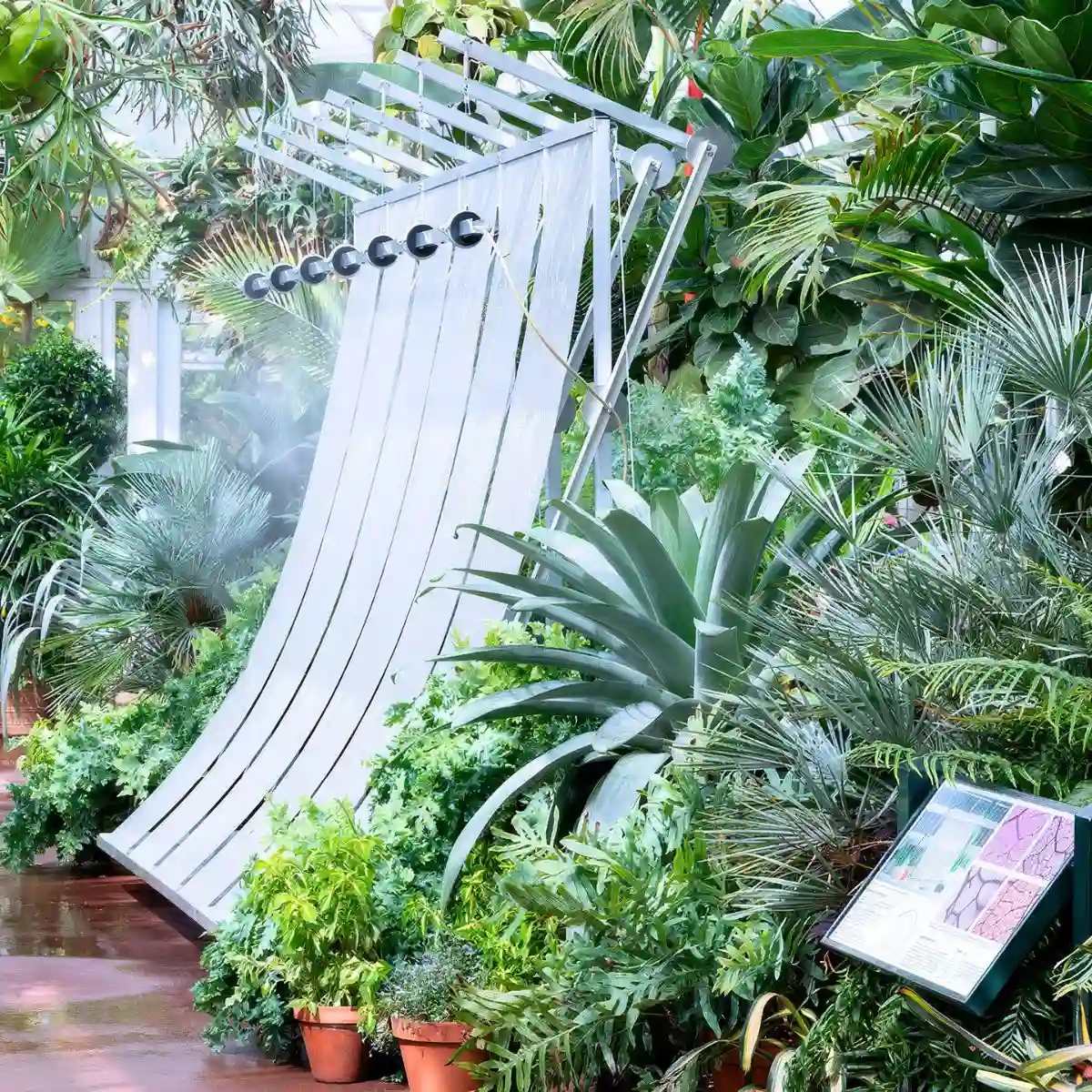
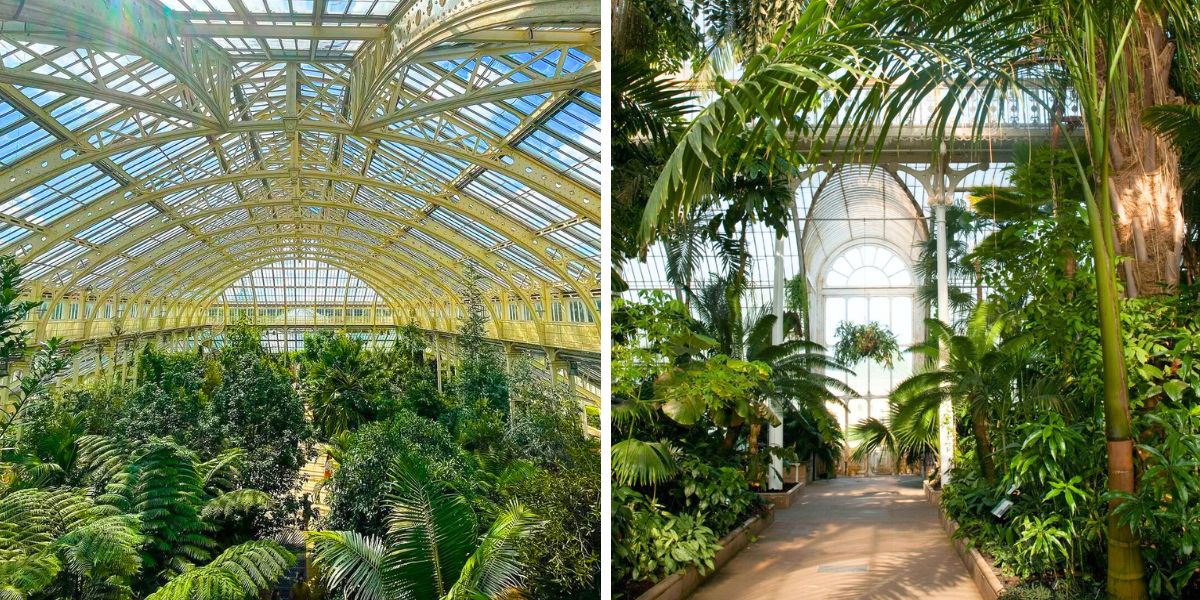
Then there's the magnificent Temperate House, which is the world's largest surviving Victorian glasshouse. Here you will find rare and threatened plants flourishing beneath soaring glass ceilings.
Best time to visit: Kew's orchid festival is traditionally hosted in February and features elaborate floral installations. June through August offers glorious herbaceous borders and fresh design inspiration.
2. Keukenhof: Lisse, Netherlands
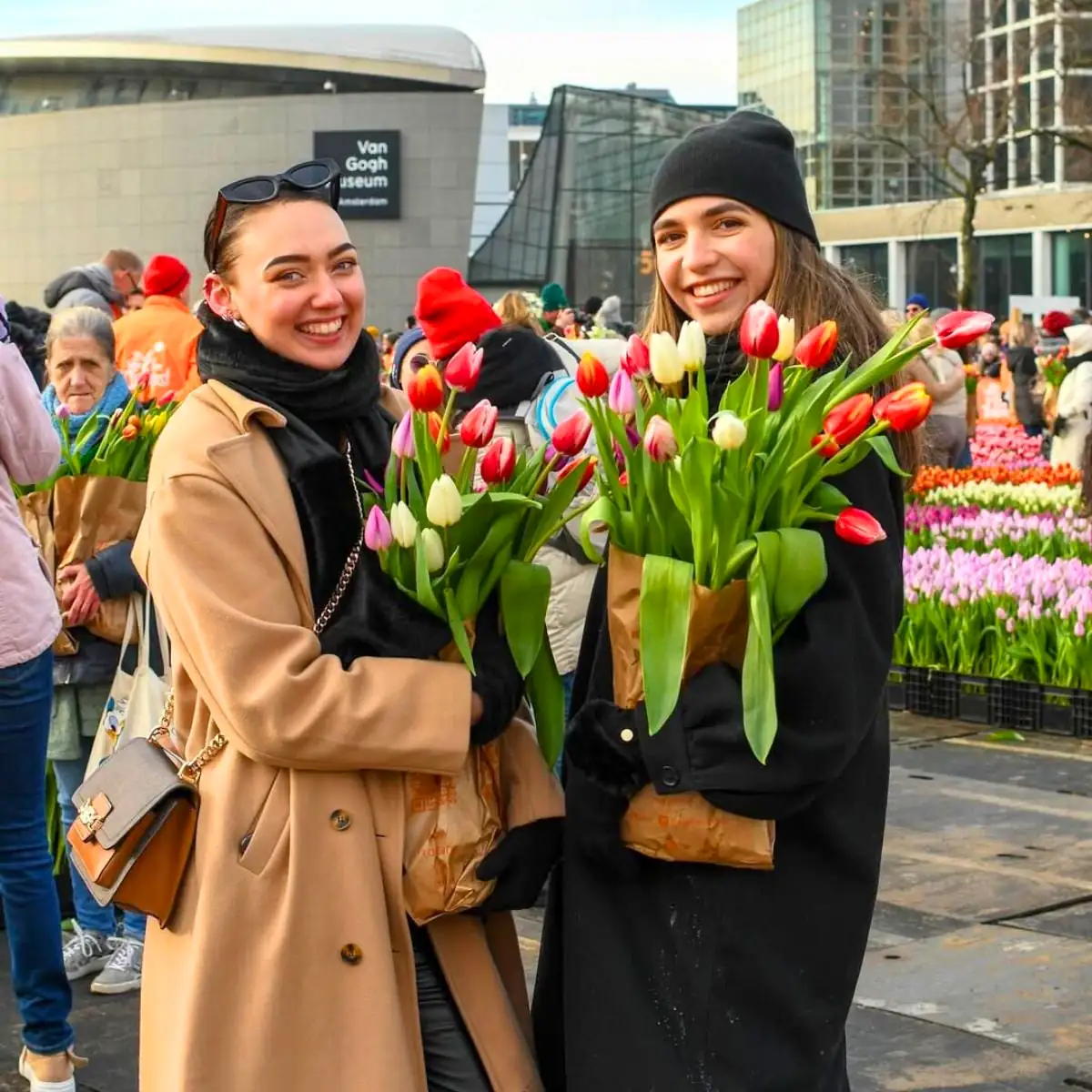
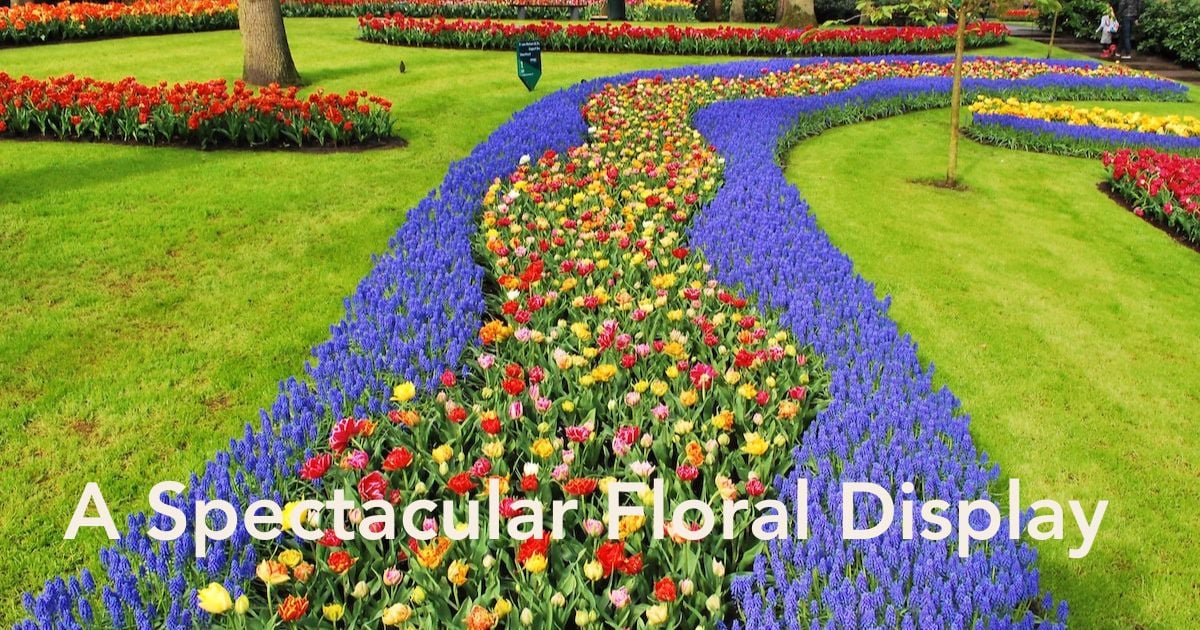
Beautifully landscaped grounds proudly boast millions of tulips, daffodils, and hyacinths in extravagant ribbons of color across the Keukenhof gardens. As you can imagine, spring is a special time here.
Although its landscape design dates back to the 19th century, Keukenhof became a spring flower exhibition in 1950. Approximately seven million bulbs are planted for its annual displays, alongside indoor flower shows that showcase the Dutch floricultural industry's creativity.
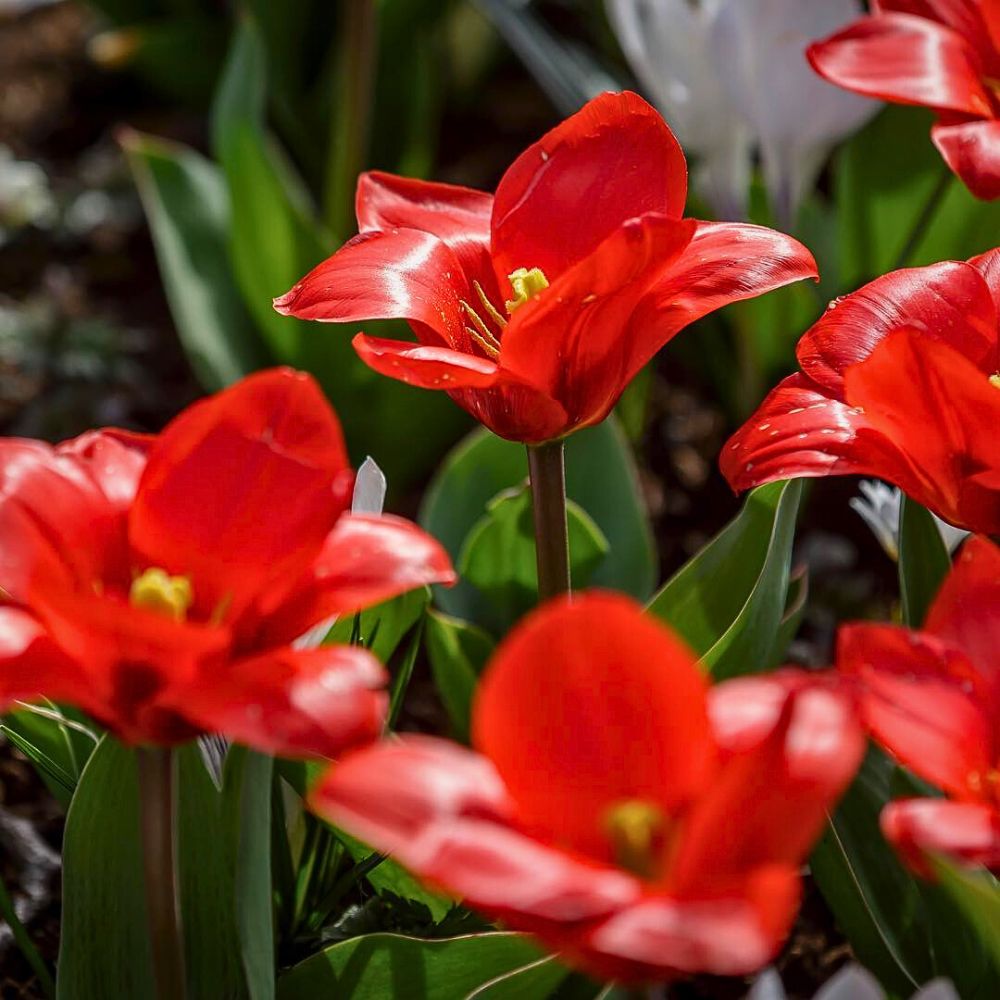
What makes this garden so exciting from a florist's perspective is its approach to color-blocking. Rather than relying on individual blooms, the designers create dramatic effects through repetition, contrasting heights, and carefully coordinated flowering periods.
Best time to visit: From late March through April, you can generally expect magnificent displays of tulips and other spring bulbs, although flowering depends on the weather. The garden opens seasonally, so check its dates before traveling.
3. Jardin des Plantes: Paris, France
Paris certainly knows a thing or two about romance, and its historic Jardin des Plantes proves that flowers are very much part of the city's charm. This beautiful botanical institution was founded in 1626 as a royal medicinal plant garden. Now, it houses remarkable collections that combine scientific importance with artistic appeal.
Its rose garden features approximately 300 varieties, and the Alpine Garden contains more than 2,000 species of mountain plants. Florists will particularly appreciate the iris and perennial collections where delicate shapes, unusual foliage, and complementary colors create beautifully balanced displays. It's also inspiring to see how the garden combines formal planting with softer, more naturalistic compositions.
Best time to visit: May is particularly lovely for the iris displays, while late spring and early summer offer great opportunities to admire roses and flowering perennials.
4. Berlin Botanical Garden: Berlin, Germany
If you enjoy discovering plants that look almost too extraordinary to be real, Berlin Botanical Garden is a must-see. This botanical wonderland was developed around the turn of the 20th century and is home to around 20,000 plant species. Collections are arranged to showcase different habitats and botanical relationships.
Its tropical greenhouses contain orchids, bromeliads, begonias, and exotic foliage that could inspire some seriously adventurous floral arrangements. The Victoria House is especially memorable, where giant water lilies produce enormous floating leaves. For professional florists, it's a fascinating opportunity to explore the relationship between foliage, scale, architectural structure, and floral focal points.
With so much to explore, it's worth opening the garden's online map before you start wandering. You'll need an internet connection to access it while exploring, so having an eSIM or a SIM card for Europe is a handy way to stay connected without worrying about expensive roaming charges. The botanical garden's app will help you find everything from the tropical greenhouses to the fragrance garden without missing something spectacular along the way.
Best time to visit: Summer is ideal for the giant water lilies, although the tropical greenhouses provide year-round inspiration.
5. Orto Botanico di Padova: Padua, Italy
Our final stop takes us to Italy, where one of the world's most historically significant botanical gardens has been welcoming plant enthusiasts for centuries. Padua's botanical garden was established in 1545, and it's the world's oldest surviving university botanical garden in its original location. Its beautifully preserved circular layout, which is divided into carefully organized planting areas, offers a glimpse into the origins of modern botanical science.
Unlike gardens designed primarily for dramatic floral displays, Padua encourages visitors to appreciate individual species, medicinal plants, biodiversity, and the extraordinary stories behind botanical discoveries. Its symmetrical design provides a wonderful lesson in structure, balance, and allowing individual specimens to command attention.
Best time to visit: Spring through early summer is particularly rewarding for outdoor plant collections, while the biodiversity greenhouses offer additional discoveries throughout the year.
Let Europe's Gardens Inspire Your Next Floral Creation
Whether you're admiring Keukenhof's spectacular tulip combinations or discovering rare tropical plants in Berlin, these gardens offer far more than a beautiful afternoon outdoors. They're living collections of botanical knowledge, creativity, and inspiration that can transform how you approach floral design. Pack your camera, leave some space in your itinerary for unexpected discoveries, and prepare to return home with more floral inspiration than you know what to do with!