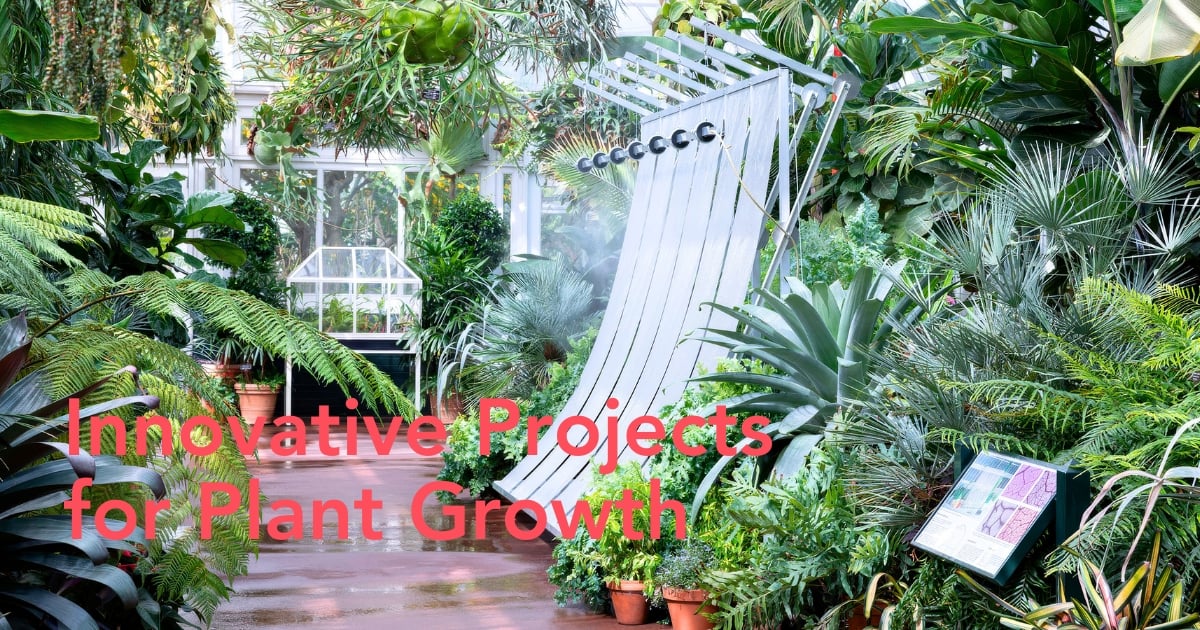
Architectural designers Hermine Demaël and Stephen Zimmerer, in collaboration with Dr. Evelyn Beaury, present Greenhouse Prototype 2, an interdisciplinary installation developed at the New York Botanical Garden’s Enid A. Haupt Conservatory. The project combines architectural design and scientific research through a lightweight, mobile climate device designed to create a controlled micro-environment for plants and people.
A Lightweight Climate Device Rethinks the Future of Greenhouses
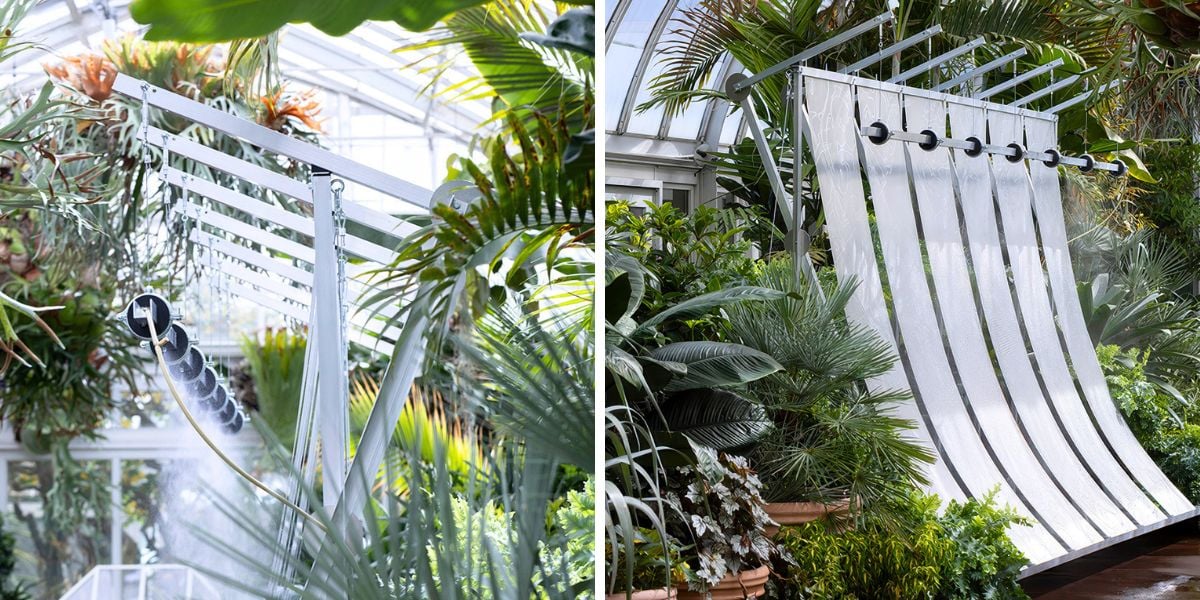
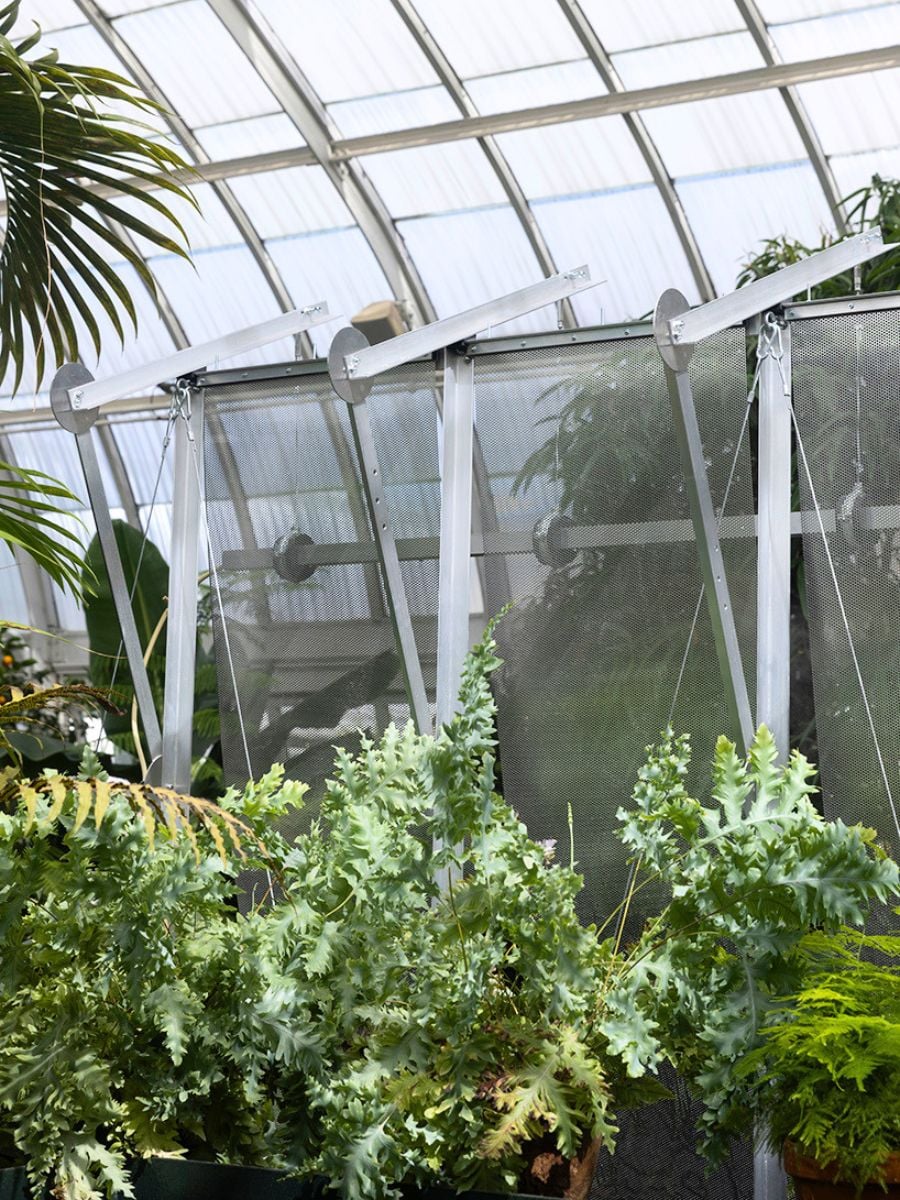
The installation explores how future greenhouse structures could evolve from sealed enclosures into more permeable habitat refuges capable of supporting species under changing environmental conditions. Through passive airflow, shading, and misting systems, Greenhouse Prototype 2 regulates temperature and humidity while maintaining an open relationship with its surroundings. Constructed using reused materials from previous projects, the installation’s aluminum frame was recycled and reconfigured from a greenhouse exhibited in 2025 at the Syracuse University School of Architecture.
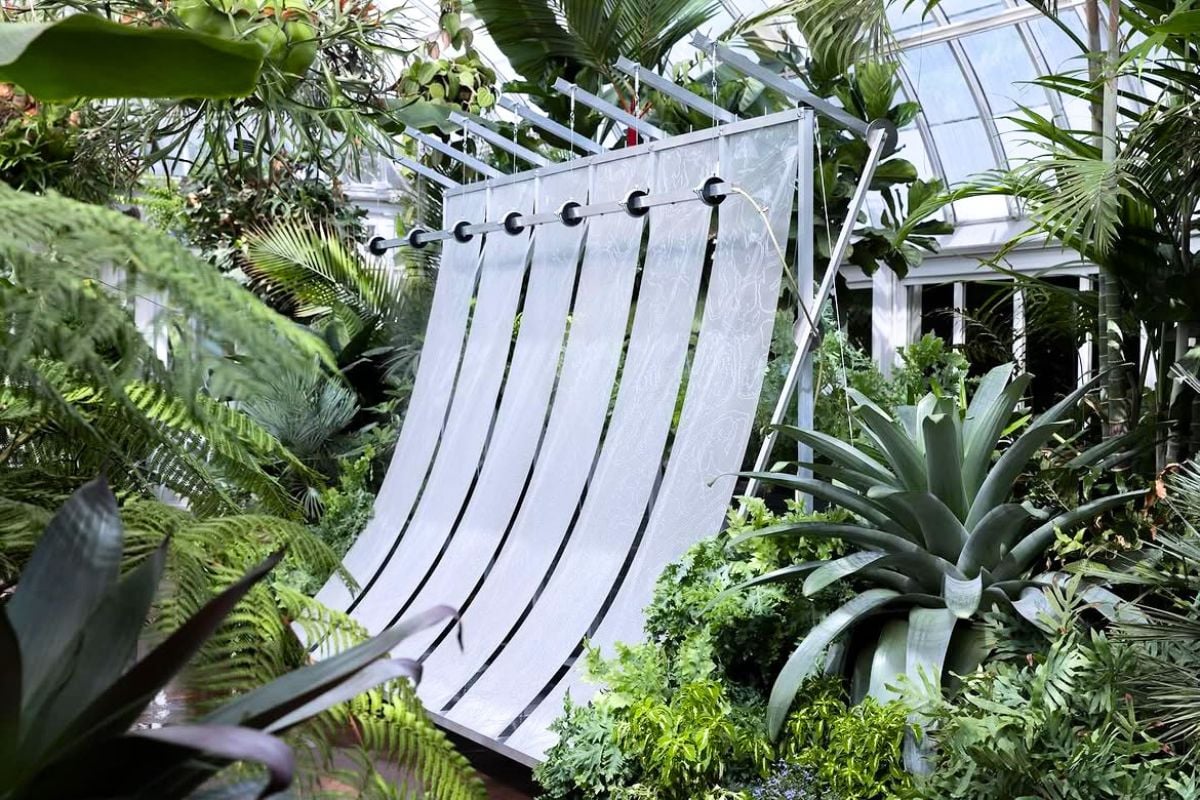
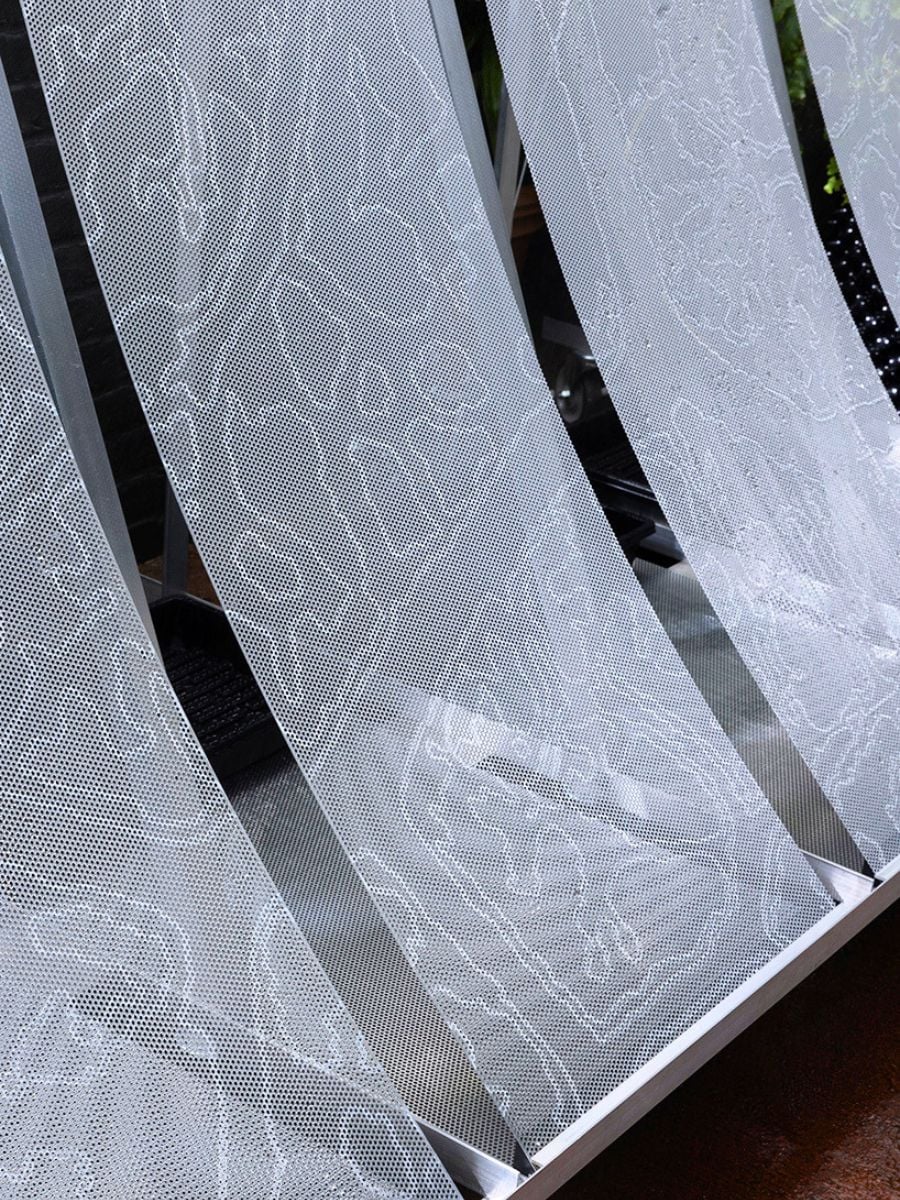
The current structure features perforated aluminum panels shaped along a ten-foot radius, referencing the curved geometry of the historic glass roof of the Enid A. Haupt Conservatory. Over time, the lightweight surfaces are designed to become covered by vegetation, gradually blending into the surrounding environment.
Etched Metal Surfaces Reveal the Hidden Networks of Plant Life
A large-scale research drawing developed by designers Hermine Demaël and Stephen Zimmerer in collaboration with scientists at the New York Botanical Garden is integrated into the installation. Etched into the aluminum panels, the drawing abstracts microscopic views of leaf vein structures, illustrating the ways plants transport water and distribute resources. Together, the installation and drawing examine different scales of environmental adaptation and responses to climate stress.
The interdisciplinary team combines Demaël’s architectural design background, Zimmerer’s landscape and architectural practice, and Dr. Beaury’s research on climate change, species movement, and migration. Dr. Beaury is Assistant Curator in the Center for Conservation and Restoration Ecology at the New York Botanical Garden. The project was developed through workshops involving architects and scientists from NYBG and Syracuse University. It is supported by a grant from the Architectural League of New York and the New York State Council on the Arts.
The Importance of Plants in Architecture and Design
Projects like this demonstrate that plants are becoming far more than decorative additions to buildings. Architects and designers are increasingly treating vegetation as an active part of the built environment, where it contributes to climate adaptation, biodiversity, and human well-being. Living plants can help moderate temperatures, improve air quality, support local ecosystems, and create healthier spaces for the people who use them.
As cities continue to grow and environmental challenges become more pressing, integrating plants into architecture offers practical solutions while strengthening the connection between people and nature. Rather than existing separately from buildings, plants are becoming an essential element in shaping the future of sustainable design.
Photos: @annamorgowicz.