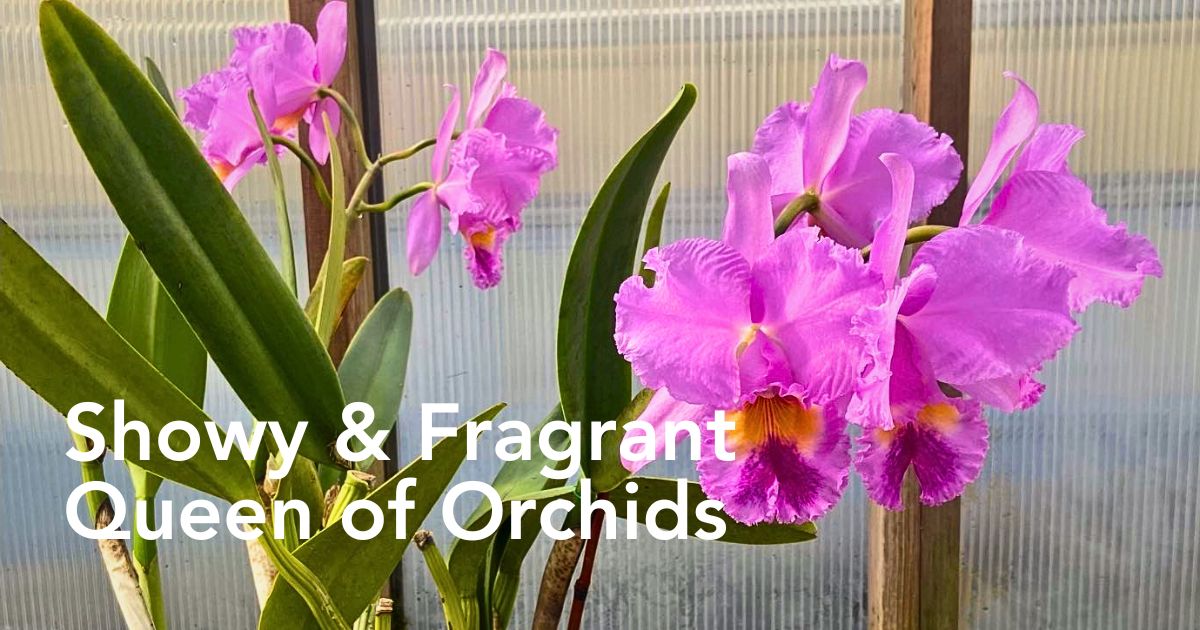
Why does a Cattleya sulk on one windowsill and flower like royalty on the next? Light, mostly. Cattleya orchid care comes down to five things: bright indirect light, a cooler night, water only when the bark is nearly dry, a coarse mix that lets the roots breathe, and repotting just as new roots appear. Get those right, and this orchid flowers once or twice a year, often with a scent you'll notice from across the room.
The Cattleya orchid has long reigned as the undisputed 'Queen of Orchids.' Flamboyant blooms, an intoxicating fragrance, and a storied history make it easy to see why. You'll find it in Victorian conservatories and on modern city windowsills alike, where it stands for luxury, resilience, and the sheer inventiveness of nature.
This epiphytic plant is native to tropical America, from Costa Rica down to Argentina. One of its best-known sources today is Chadwick & Son Orchids Inc. in Virginia, Richmond's foremost orchid supplier for more than 35 years.
A Fascinating Tale of Serendipity: Where Cattleya Orchids Come From
The story of Cattleya orchids begins with a happy accident. In 1817, English horticulturist William Cattley received a shipment of tropical plants packed in some odd-looking leaves. He potted up the packing material out of curiosity. Cattley is believed to be the one who then wheedled Cattleya labiata into bloom in 1818, and the genus that carries his name soon became the crown jewel of Victorian greenhouses.
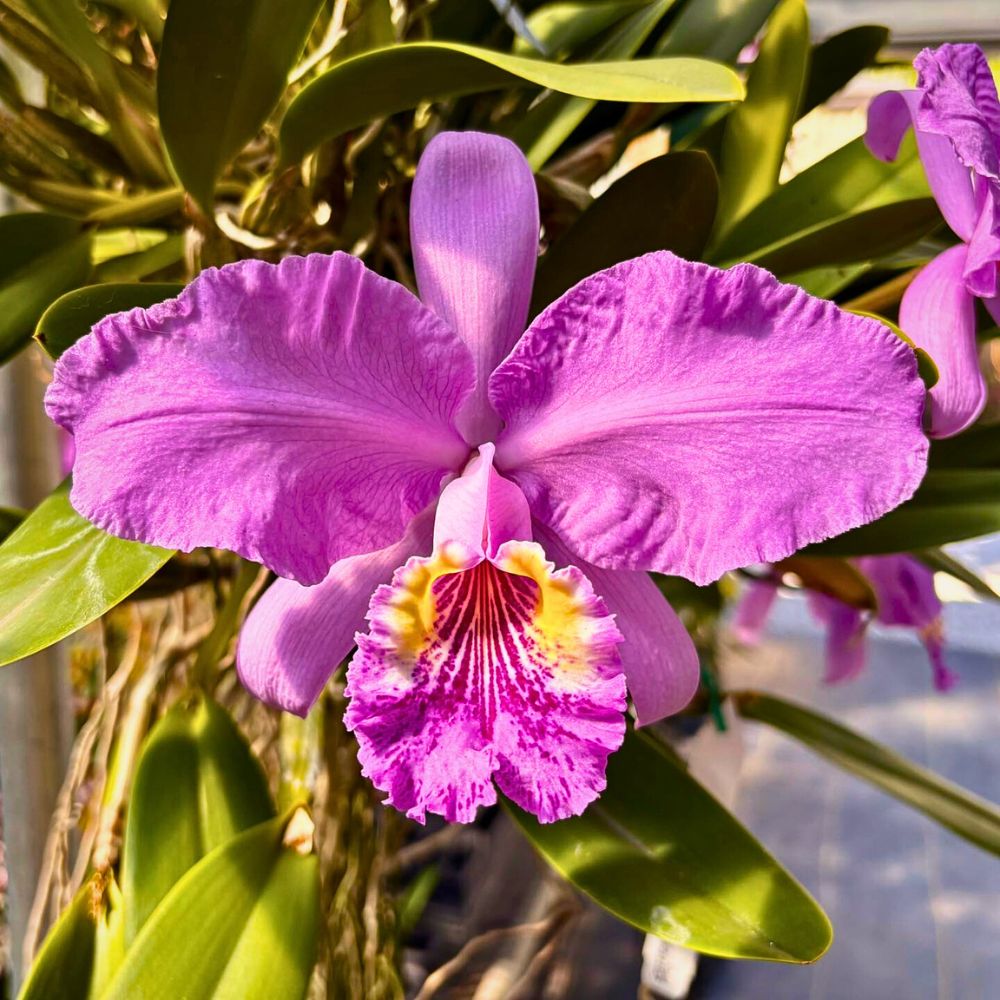
Photo by @palmerorchids
Today's hybrids descend from those ancestors, and the range is staggering. There are compact 4-inch miniatures and sprawling plants with 9-inch blooms, in lavender, crimson, and the ethereal white Cattleya orchid. Unlike more delicate orchids, they store water in succulent pseudobulbs. That makes them forgiving if you forget a watering. With more than 50 species and countless hybrids, they are, perhaps, the peak of orchid elegance.
Chadwick & Son Orchids: The Gold Standard for Cattleyas
Chadwick & Son Orchids has built quite a legacy by preserving and propagating exceptional Cattleyas. Arthur E. Chadwick and his father founded the business in 1989. Today, it has three locations in and around Richmond: greenhouses in rural Powhatan County, the Belmont retail store in the Museum District, and the Gaskins store in the West End.
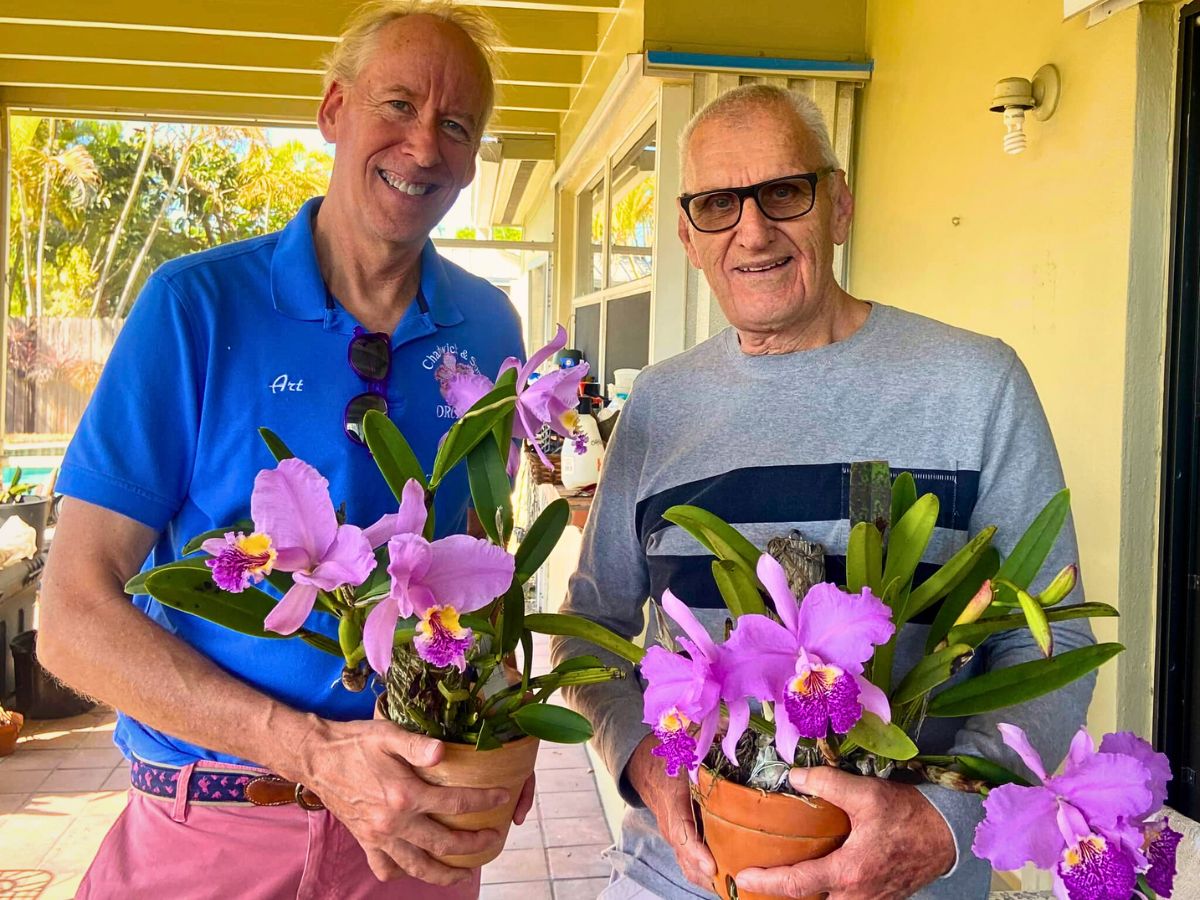
Photo by Chadwick & Son Orchids Inc.
Some of their plants are named after key individuals, including the First Ladies of the U.S. One is Cattleya Michelle Obama, a fuchsia-and-lavender Cattleya that Chadwick gave the former First Lady. It continues a tradition that began with Lucy Hayes, First Lady from 1877 to 1881. The whole story is in the book First Ladies and Their Orchids: A Century of Namesake Cattleyas.
Chadwick & Son also teaches. Buyers of their Cattleya orchids for sale get cultivation advice with the plant, so they know what to do once it's home. That reputation makes the nursery a go-to for serious collectors and first-time growers alike.
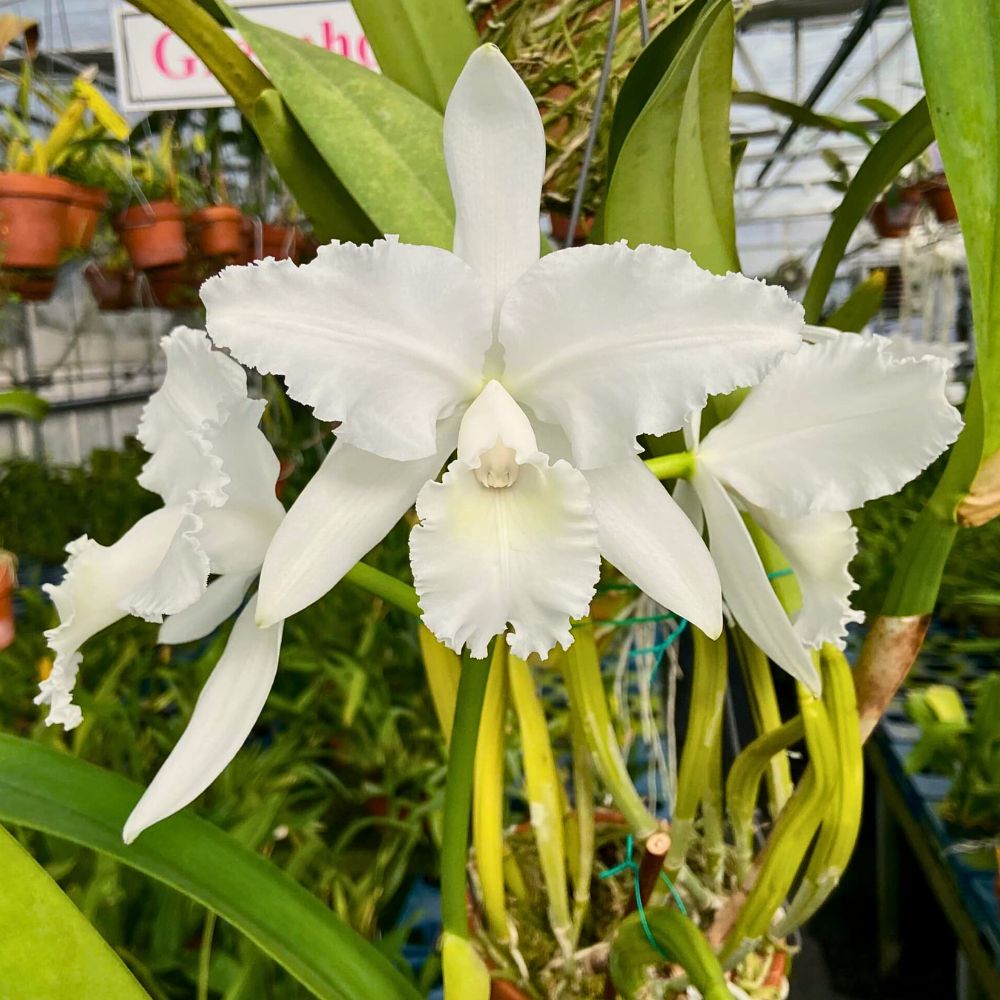
Photo by Chadwick & Son Orchids Inc
The Elegant White Cattleya Orchid
The white Cattleya orchid is elegance in its purest form. Its large, snow-white flowers often carry a touch of yellow or green on the lip. That small splash of color shows off the flower's intricate structure. White Cattleyas stand for purity, innocence, and new beginnings.
Hybrids like Cattlianthe White Bridal show what white Cattleya orchids can do. It's a compact plant with jasmine-scented flowers that bloom reliably with good care. Bred from Cattleya Angelwalker and Cattleya Candy Tuft, it keeps the classic form of its Cattleya walkeriana ancestry at a manageable size.
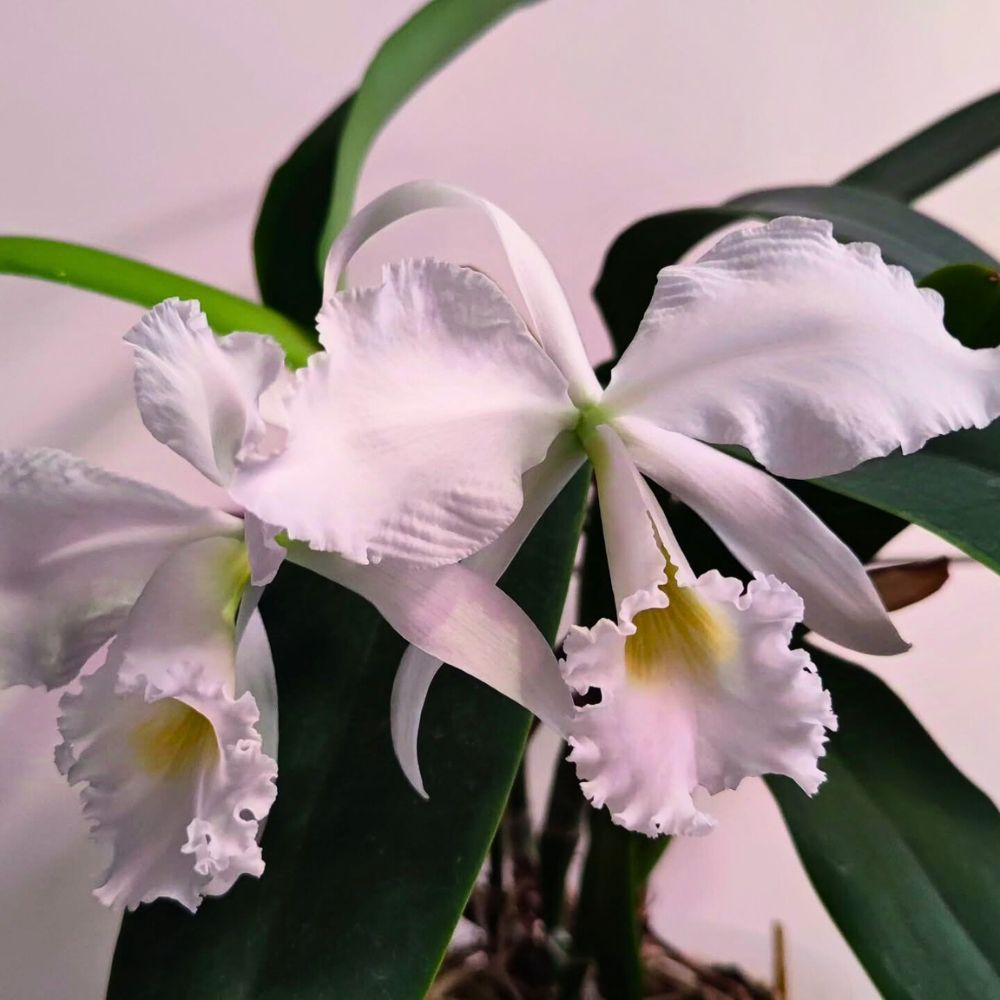
Photo by @alisa_chibis
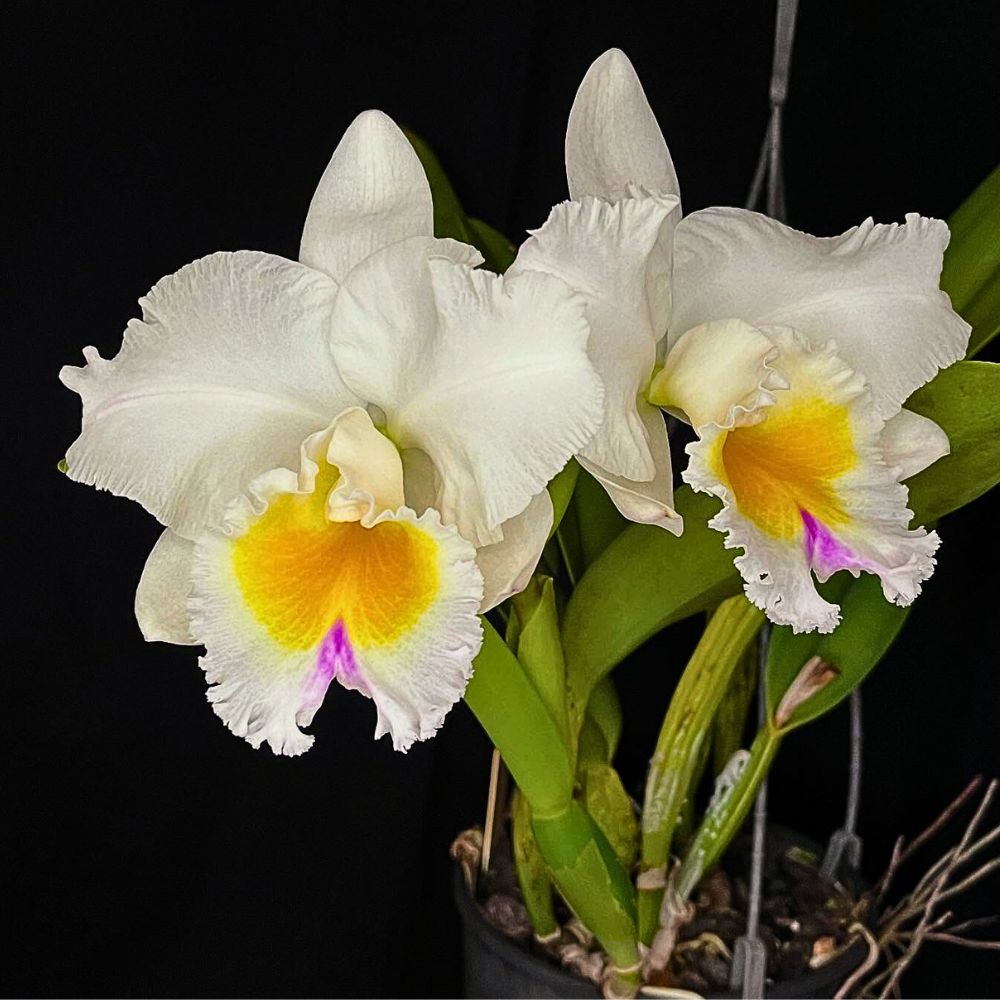
Photo by @orchid.vista
When it comes to care, white Cattleya orchid plants need the same attention as the colored ones. They still need plenty of brightness to flower, so a white Cattleya kept in a dim corner gives you leaves and nothing else. And yes, many of the whites are fragrant too.
White Cattleyas are a favorite for weddings, formal events, and religious ceremonies, where their message of purity fits the day. Little wonder florists prize them.
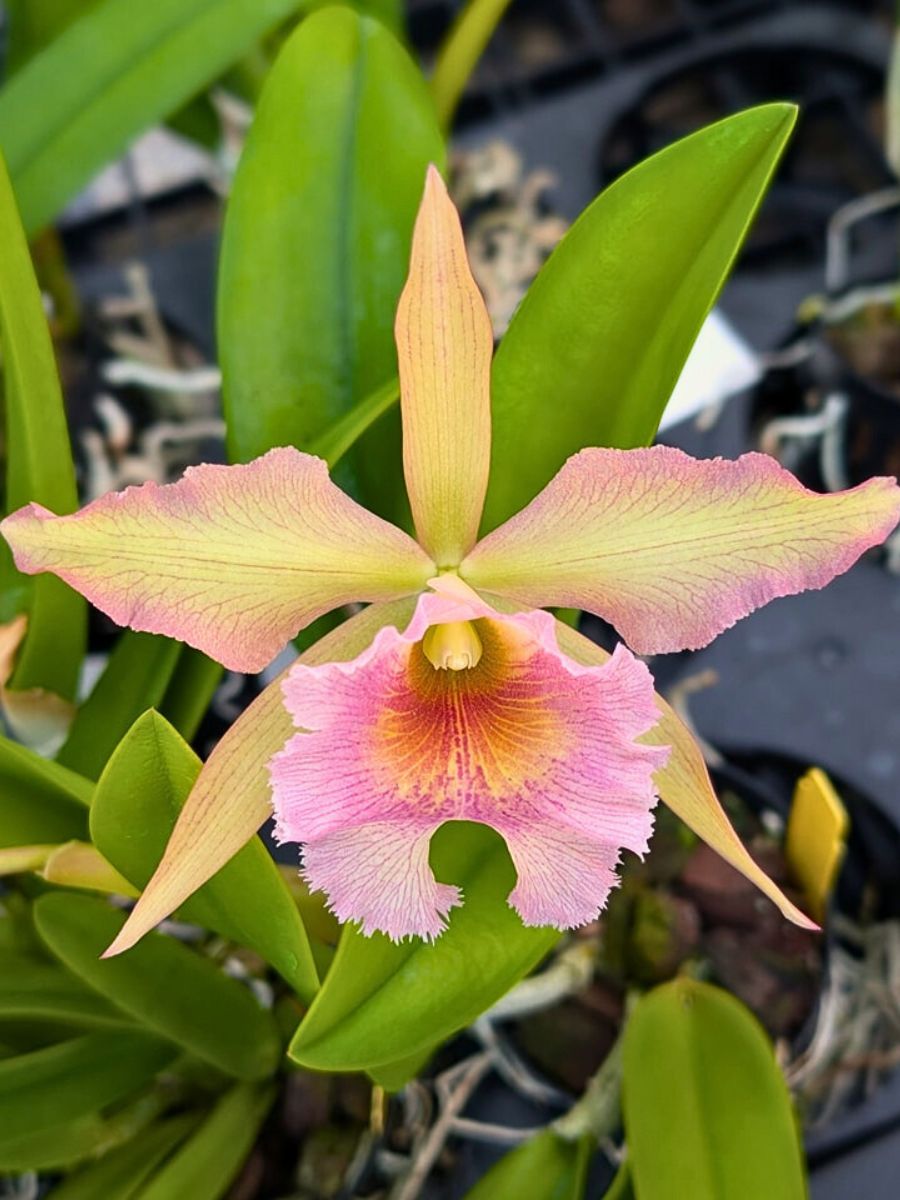
Photo by @barefoot_orchids
Mini Cattleya Orchids for Compact Spaces
Mini Cattleya orchids are the answer if you're short on space. Most stay around 12 to 18 inches tall, yet their blooms are big for the plant and every bit as fragrant as their larger cousins.
The advantages of mini Cattleya orchids include easier care requirements and a wider comfort zone. They forgive an irregular watering, and they don't mind a little neglect. Many mini Cattleya hybrids can flower more than once a year, which is quite a reward for a plant that fits on a kitchen windowsill.
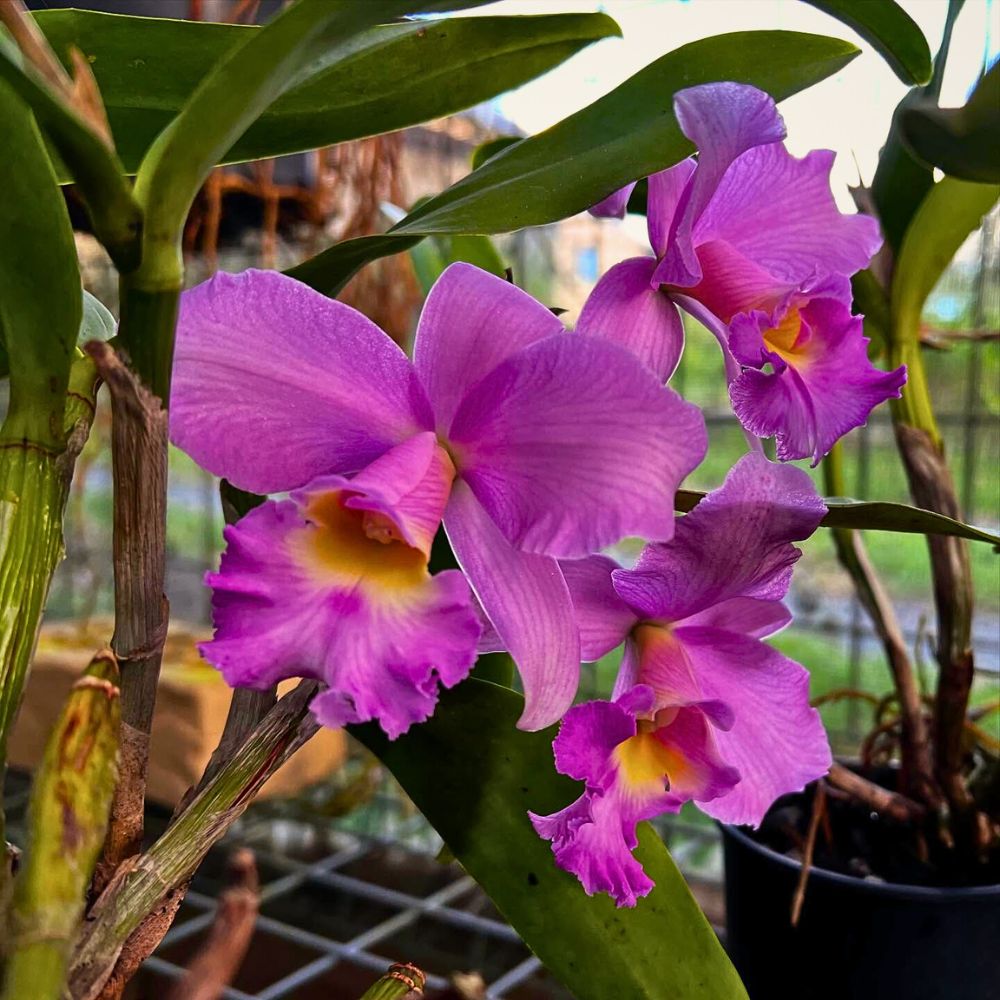
Photo by @veronica_sartori
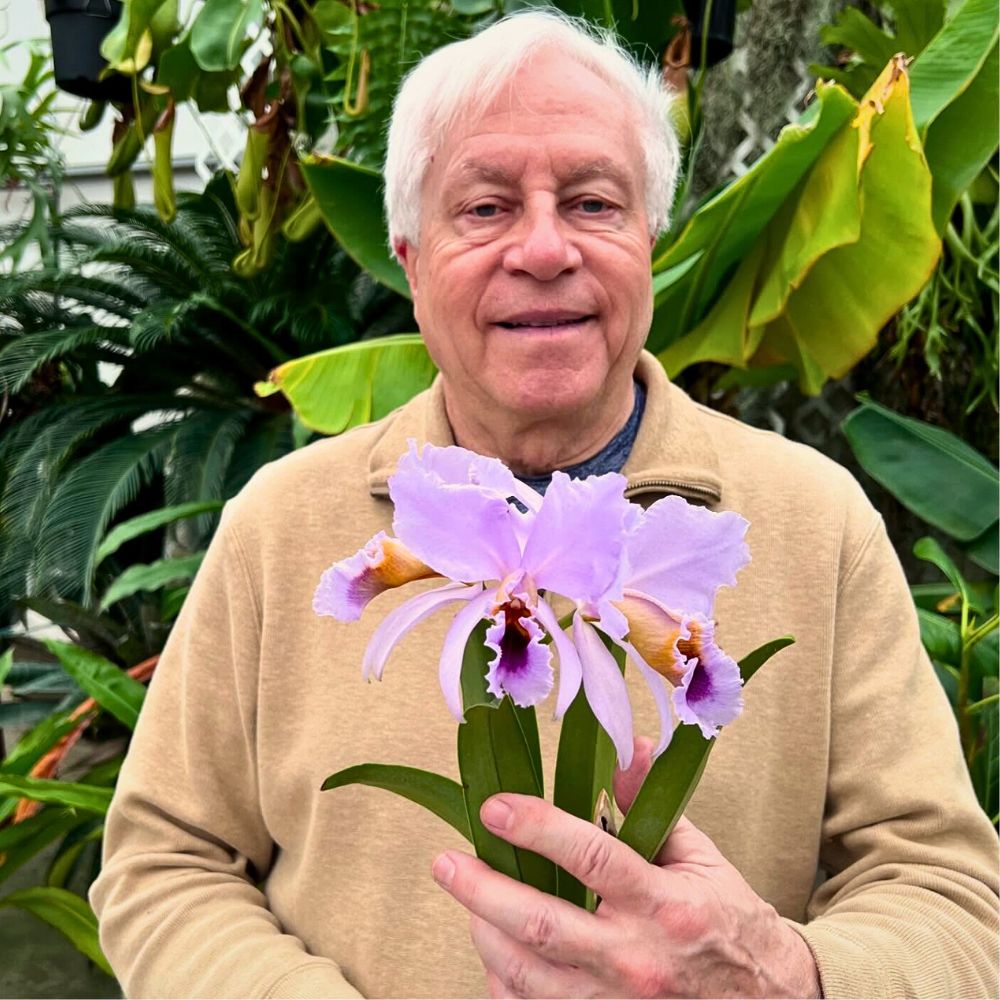
Photo by @wife_of_orchidguy
Cool-growing mini Cattleyas do well where larger types struggle. Hybrids with Sophronitis genetics in their background often cope with cooler rooms while keeping the classic Cattleya orchid flower form.
Understanding Cattleya Orchid Care Requirements
Want to know how to care for Cattleya orchids? Start with where they live. In the wild, they grow on trees in the dappled light of tropical forests, where their roots soak up rain and then dry fast in the moving air. The rules below copy that life as closely as a home allows. For the wider family, the orchid care guide covers watering and reblooming across the common orchids. If you're interested in other popular houseplants, check out these stunning Calathea varieties.
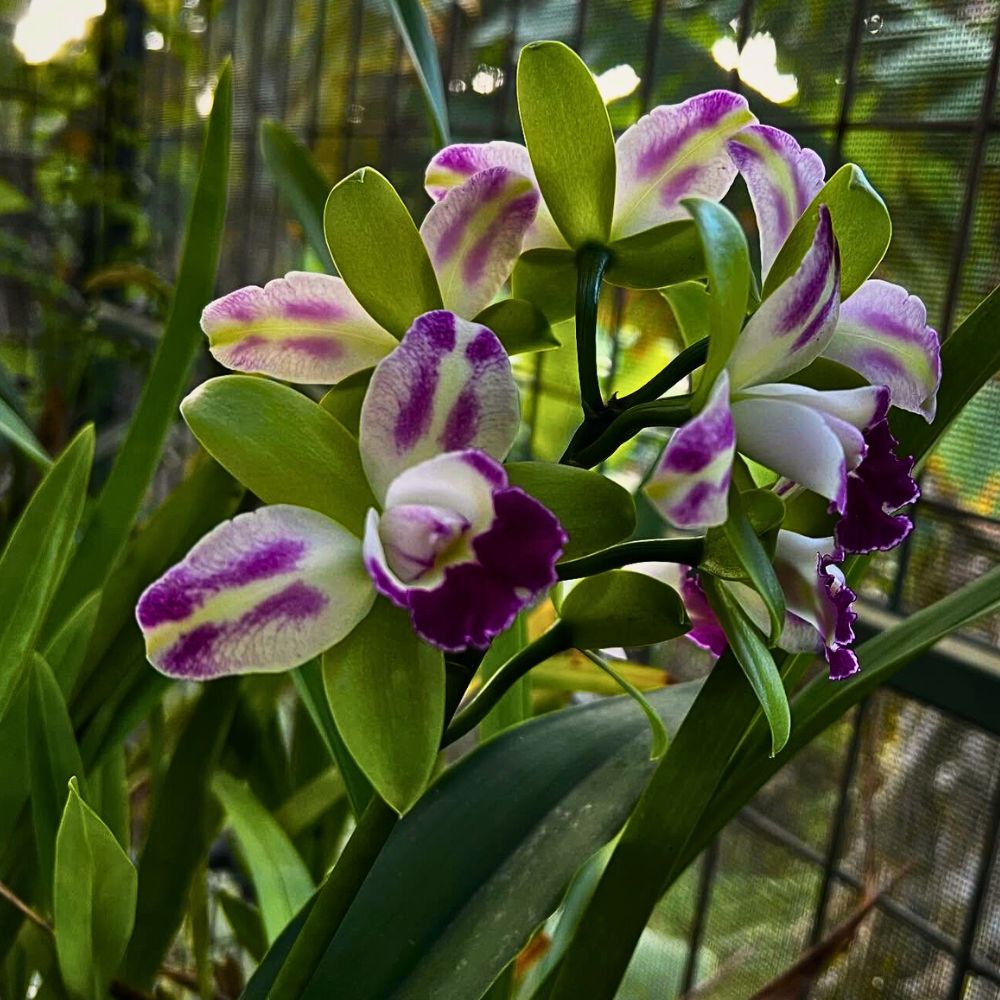
Photo by @veronica_sartori
Good Cattleya care starts with light. These epiphytes want bright light, roughly 2,000 to 4,000 foot-candles, which indoors means a bright window with filtered light. Harsh direct sunlight at midday scorches their leaves. An east-facing window gives ideal morning sun. A south-facing window works too, with a sheer curtain from February through October. Your best guide is the leaf color: medium green is right, dark green means too little light, and pale yellow-green means too much. In a dark home, a full-spectrum grow light (artificial light for 12 to 14 hours a day) can make up the difference.
Temperature matters just as much in Cattleya orchid care. Most cattleyas are intermediate growers: days of about 21 to 29°C (70 to 85°F) suit them, with night temperatures of 13 to 18°C (55 to 64°F). They cope with short spells up to about 35°C (95°F) if the air moves and humidity levels stay up. That nightly drop is what triggers flower buds. It mimics the cooler nights of their mountain forests, and it's often the missing piece in a warm apartment.

Photo by @bibitanggrek.mlg
Humidity is the third piece of how to care for Cattleya orchids. Aim for 40 to 70%, which is more than most homes offer in winter. High humidity is easier than it sounds: a tray of wet pebbles under the pot or a room humidifier helps, as long as the pot never stands in the water. Just don't forget the air: moving air prevents the fungal and bacterial problems that love a stuffy, humid corner.
Watering and Feeding Routines That Keep Cattleyas Thriving
The watering regime for Cattleya orchids isn't like that of other houseplants. Water when the potting medium feels dry almost to the bottom of the pot, usually about once a week while the plant is actively growing. Then water thoroughly with lukewarm water, until it runs from the drainage holes. Never let the pot stand in water, and let the medium dry well before you water again.
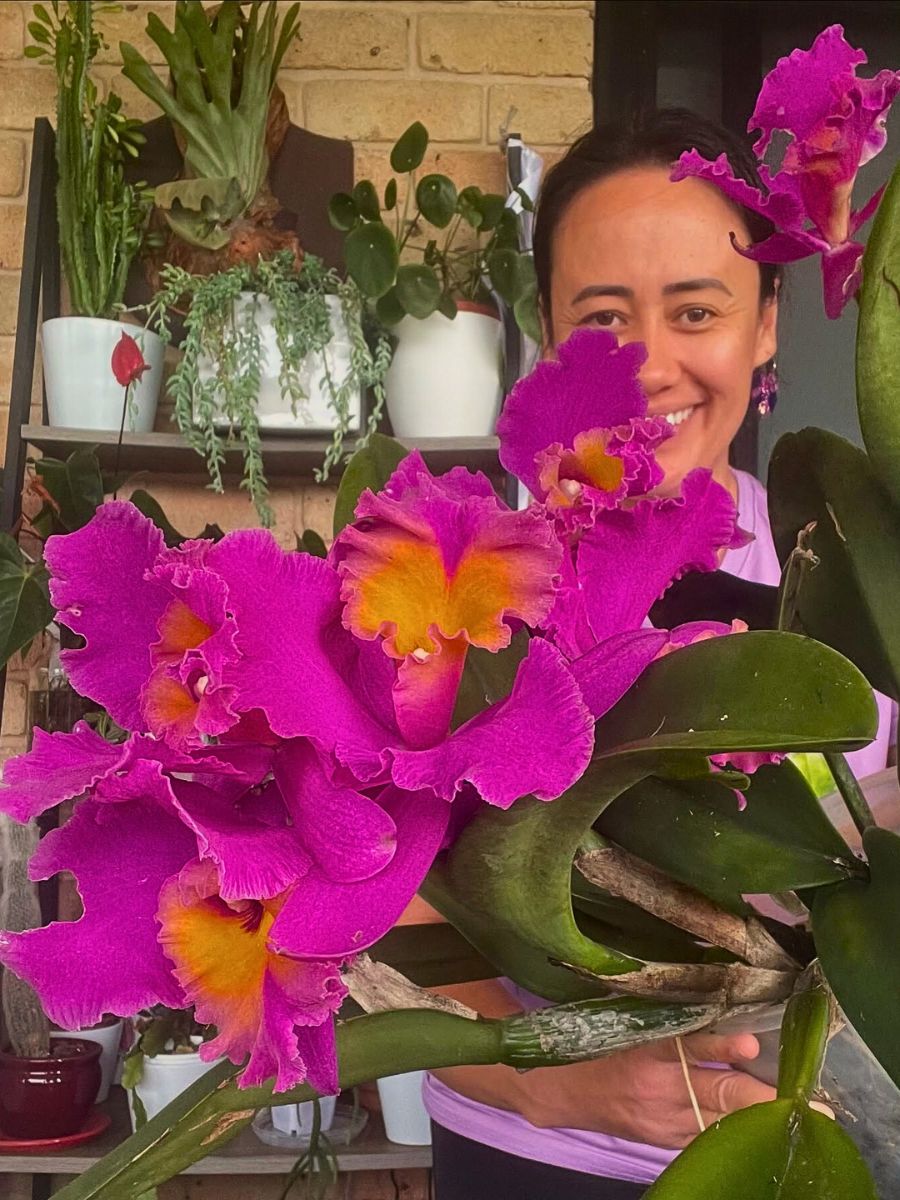
Photo by @planted.in.maries.heart
Water quality affects Cattleya care too. These plants prefer clean water that's low in minerals. Rainwater, distilled, or reverse osmosis water works best, while hard tap water can build up salts that burn the roots. Water in the morning, so the leaves are dry by evening and rot has less of a chance.
Feed them when they grow, not when they rest. A balanced orchid fertilizer every two weeks in spring and summer is plenty, and once a month in winter. Fertilize at half strength or less; orchids are light feeders. In fresh bark, a higher-nitrogen fertilizer makes up for the nitrogen the bark uses up as it breaks down. Once a month, flush the pot with plain water to wash out fertilizer salts.
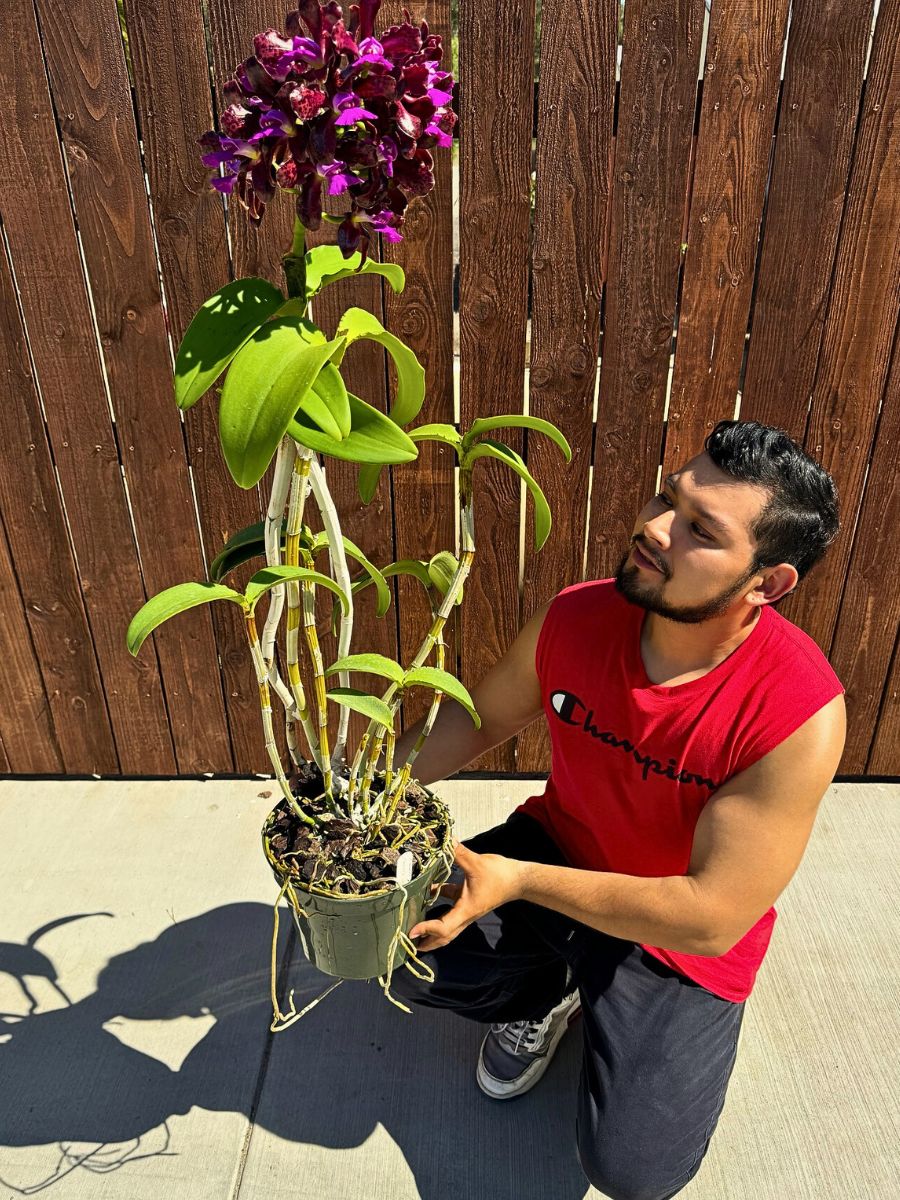
Photo by @theorchidgeek
Potting Mix and Repotting: Timing Is Everything
A Cattleya's roots want air as much as water. In the wild, they cling to bark and dry within hours of a downpour, so a dense houseplant soil is a slow death sentence. Use a coarse, free-draining potting medium with good drainage: medium-grade fir bark is the usual base, often opened up with charcoal or perlite. Clay pots dry faster and suit heavy-handed waterers; plastic pots hold moisture longer and suit dry rooms. As Ned Nash of the American Orchid Society puts it, "It is the plants' love of good root aeration that leads us to use the relatively coarse, free-draining media that we do."
Timing matters more than the pot. Repot when the bark has broken down or the newest growth is about to climb over the rim, which for most plants means every two years or so. The right moment is just before fresh roots start from the newest pseudobulb; repot then and the plant settles in within weeks. Wait too long, and the long root tips snap off. Like other sympodial orchids, a Cattleya grows sideways along its rhizome. Set the oldest pseudobulbs against the rim, and leave room for about two years of growth in front of the lead. Never pick a huge pot, because a big pot stays wet and rots the roots. Never repot a plant in bud. After repotting, keep the air humid but the mix only barely damp until new roots grip.
Unifoliate or Bifoliate? Know Which One You Have
Look at the top of a pseudobulb. One leaf means a unifoliate Cattleya, the big-flowered type behind most corsage orchids, such as Cattleya labiata and Cattleya trianae. Two or three leaves mean a bifoliate, usually with smaller flowers in bigger clusters and a waxier texture.
The difference shows up in the watering can. Most unifoliates like a drier rest after flowering: water less until the next growth starts, and they flower better for it. Bifoliates tend to grow on with fewer pauses and dislike drying out completely. Most hybrids sit somewhere in between, so watch the plant, not the calendar: a new growth or new roots mean it's time to water and feed more again.
When Do Most Cattleya Orchids Flower?
Knowing when Cattleya orchids bloom helps you plan their care. Spring and summer are the peak for many species. Timing still varies a lot between species and hybrids, and some varieties flower in fall or winter.
The blooming season for Cattleya orchids typically runs from April through September. Some species keep their own calendar: Cattleya labiata blooms in fall, while Cattleya trianae flowers from January to February. Savannah Stelwagen, writing for Thursd on Colombia's orchids, called Cattleya trianae the most sold variety there, loved for its perfume and Colombia's national flower since 1936. Pick the right mix of species and hybrids, and you can have a Cattleya in bloom most of the year.
Most cattleyas produce flowers in clusters of two to six, with large, frilly petals and the prominent lip that makes a Cattleya easy to spot. Many are fragrant, with scents that range from vanilla to cinnamon.
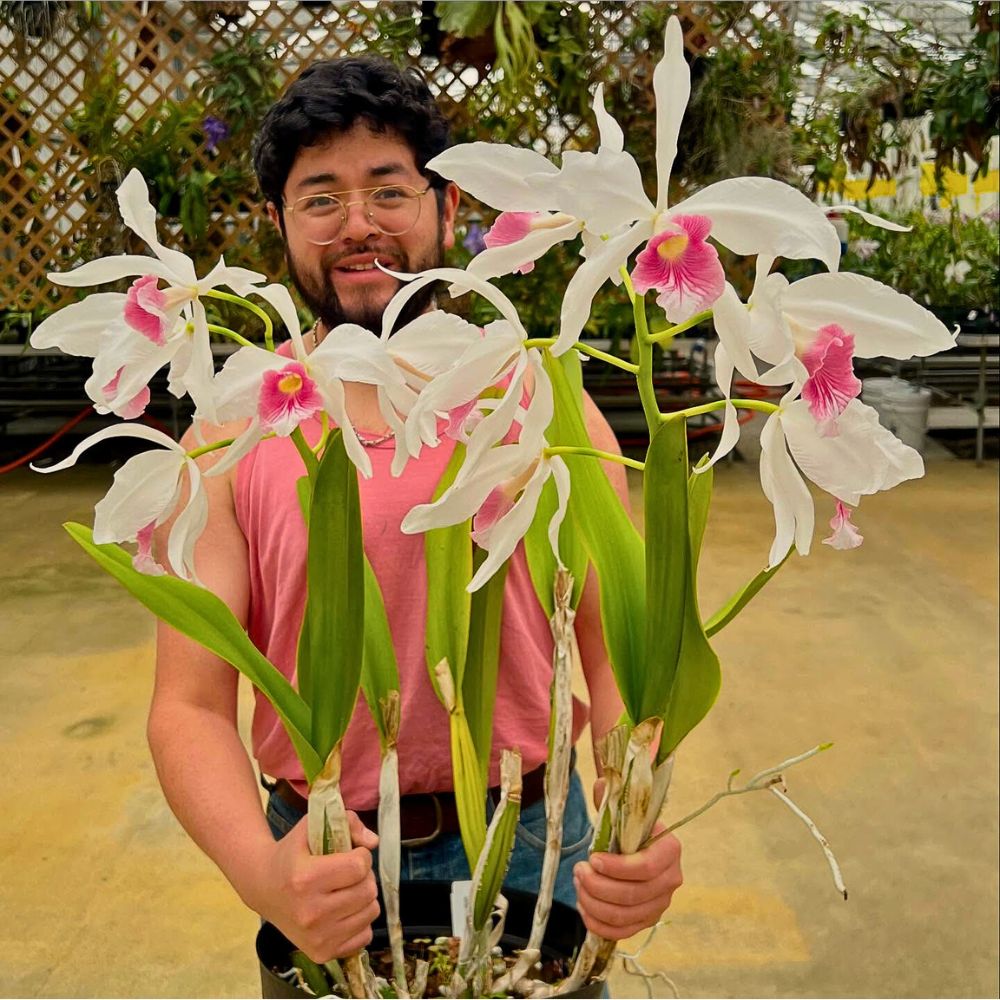
Photo by @wife_of_orchidguy
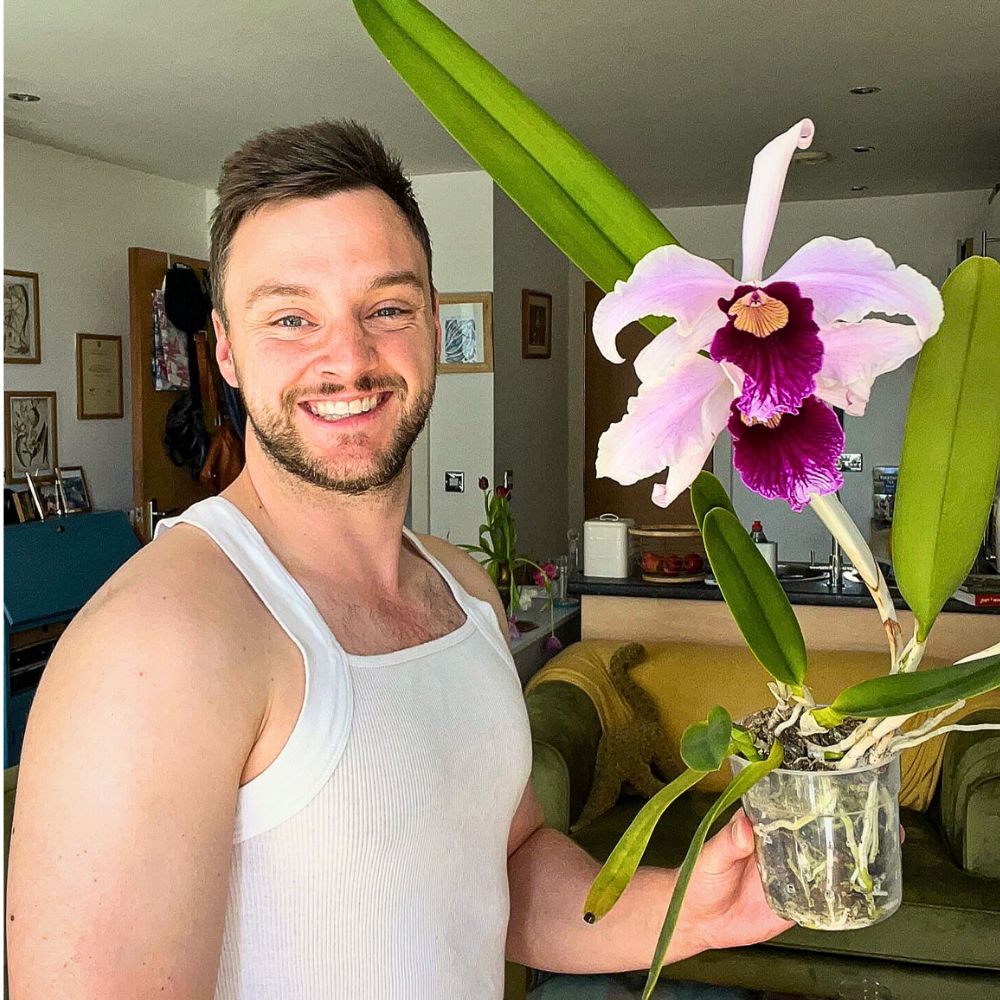
Photo by @matt_emc
So what makes a Cattleya flower? Light first. Too little light is the most common reason a healthy plant won't bloom. The difference between day and night temperatures comes second; it's the signal that tells the plant to set buds.
Why Your Cattleya Won't Bloom, and Other Common Problems
No flowers is almost always a light problem. Dark green, soft leaves are the giveaway: move the plant closer to the window, or give it a summer outside in bright shade once nights stay mild. A plant that has light but still won't flower usually lacks the cooler night, so a room that never drops below daytime warmth keeps it in leaf.
Shriveled pseudobulbs point to roots, not to thirst. Either the plant is too dry, or the roots have rotted in a stale mix and can no longer drink; tip it out and look. Firm, silvery roots with green tips are healthy. Brown, mushy ones go, and the plant goes into fresh bark. Yellow, bleached leaves mean too much sun, and black spots that spread fast call for better air movement and less water on the leaves. In short, a Cattleya tells you what it needs; you only have to read it.
Check for pests as you water. Scale insects hide under dry sheaths and along the rhizome. Peel the dead papery sheaths away now and then and look. Thrips and mealybugs show up as streaked flowers or white fluff in the leaf joints. Wipe them off with a cotton swab dipped in rubbing alcohol, isolate the plant, and repeat weekly until they are gone.
Where to Buy Quality Cattleya Orchids
Looking for Cattleya orchids for sale? Chadwick & Son Orchids is a good first stop, for the reasons above. Their collection includes rare, heirloom, and mature plants, many of them already at blooming size. The nursery also runs a boarding program, where orchids that need specialist attention are cared for until they recover.
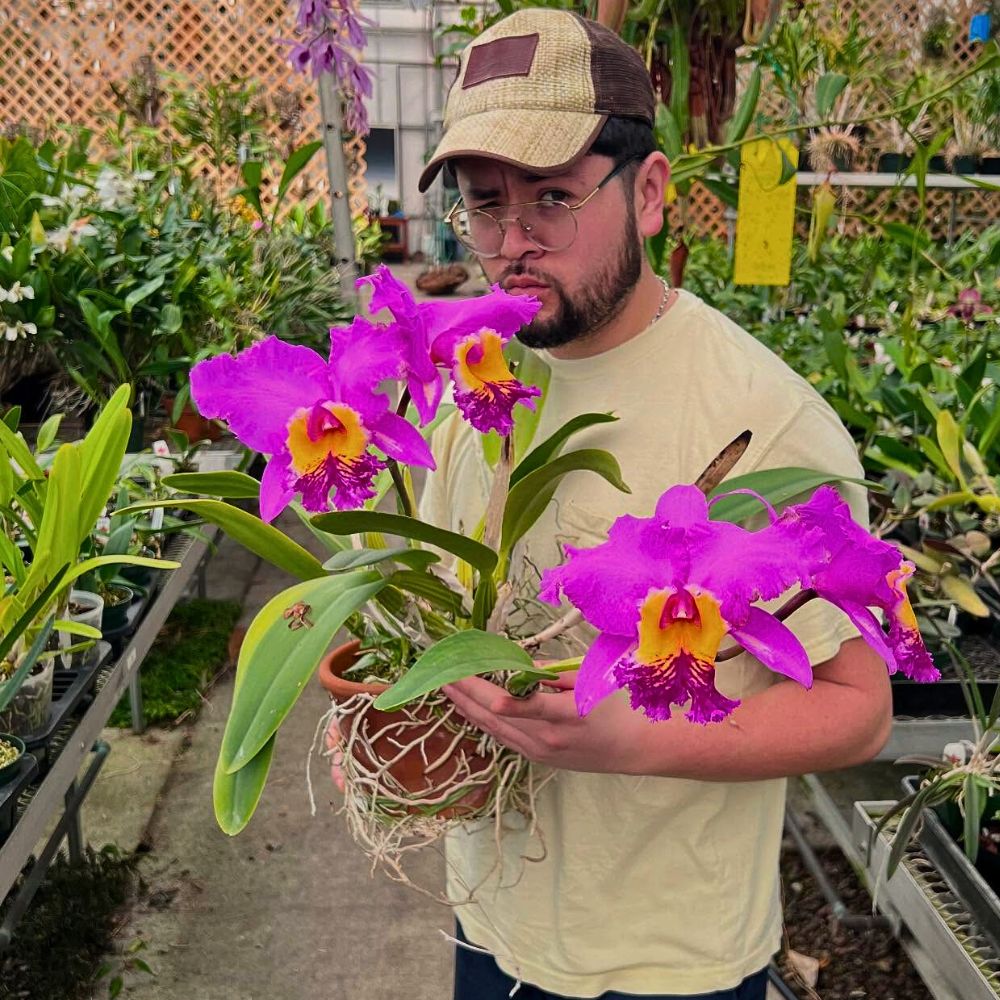
Photo by @wife_of_orchidguy
Wherever you buy, a few things help when searching for where to buy Cattleya orchids. A local nursery lets you see the plant and ask questions before you pay. Online sellers offer a wider choice, but check their reputation and how they ship, especially in cold weather.
A Queen That Rewards Patience
A Cattleya is not a fussy plant; it is a particular one. Give it the light of a forest edge, a cooler night, a drink only when the bark asks for it, and a fresh pot at the right moment, and it pays you back for decades. Basically, the crown is earned, not given.
Featured image by @orchid.vista, header image by @chadwick_orchids