Your backyard should be a place where both you and your pets feel completely at ease. Yet for the roughly 66% of American households that own a pet, choosing garden plants is rarely easy. Toxic shrubs and ornamentals are everywhere, from Azaleas to foxgloves. But the good news is that there is a select group of outdoor plants that check every box. They are beautiful, forgiving to grow, and confirmed non-toxic to both dogs and cats by the American Society for the Prevention of Cruelty to Animals (ASPCA).
Why Choosing Low-Maintenance Outdoor Plants Safe for Dogs and Other Pets Is Essential
Before we get into the plants themselves, it is worth understanding the stakes. According to the ASPCA Animal Poison Control Center, plant ingestion is one of the most common reasons pet owners call the hotline each year.
Dogs, in particular, are curious creatures. These pets would sniff, bite, chew, and dig practically anything in their sights. If your border is planted with something toxic, even a brief, unsupervised moment alone in the yard can turn into an emergency vet visit.
These five plants are all listed as non-toxic to dogs and cats on the ASPCA's database. They are also low maintenance, meaning they do not demand constant watering, deadheading, or intervention to stay healthy and presentable. Most of them are perennials, so you plant them once and enjoy them for years.
1. Lavender (Lavandula Angustifolia)
Few plants possess the combination of beauty, fragrance, drought tolerance, and pet safety quite like lavender. It is a full-sun perennial that, once established, practically takes care of itself. Plant it in well-drained soil, give it a good trim after flowering each season, and it will give you at least a decade or more of those familiar purple flower spikes that attract bees and butterflies without attracting trouble for your pets.
The ASPCA lists lavender as non-toxic to both dogs and cats, and its strong scent actually works in your favor as a pet owner. The aromatic oils in lavender naturally deter fleas and ticks, which means your garden is doing double duty as a pest-repelling habitat. Dogs (and cats) tend to avoid chewing on it because of the strong smell, making it one of the most naturally self-protecting plants on this list.
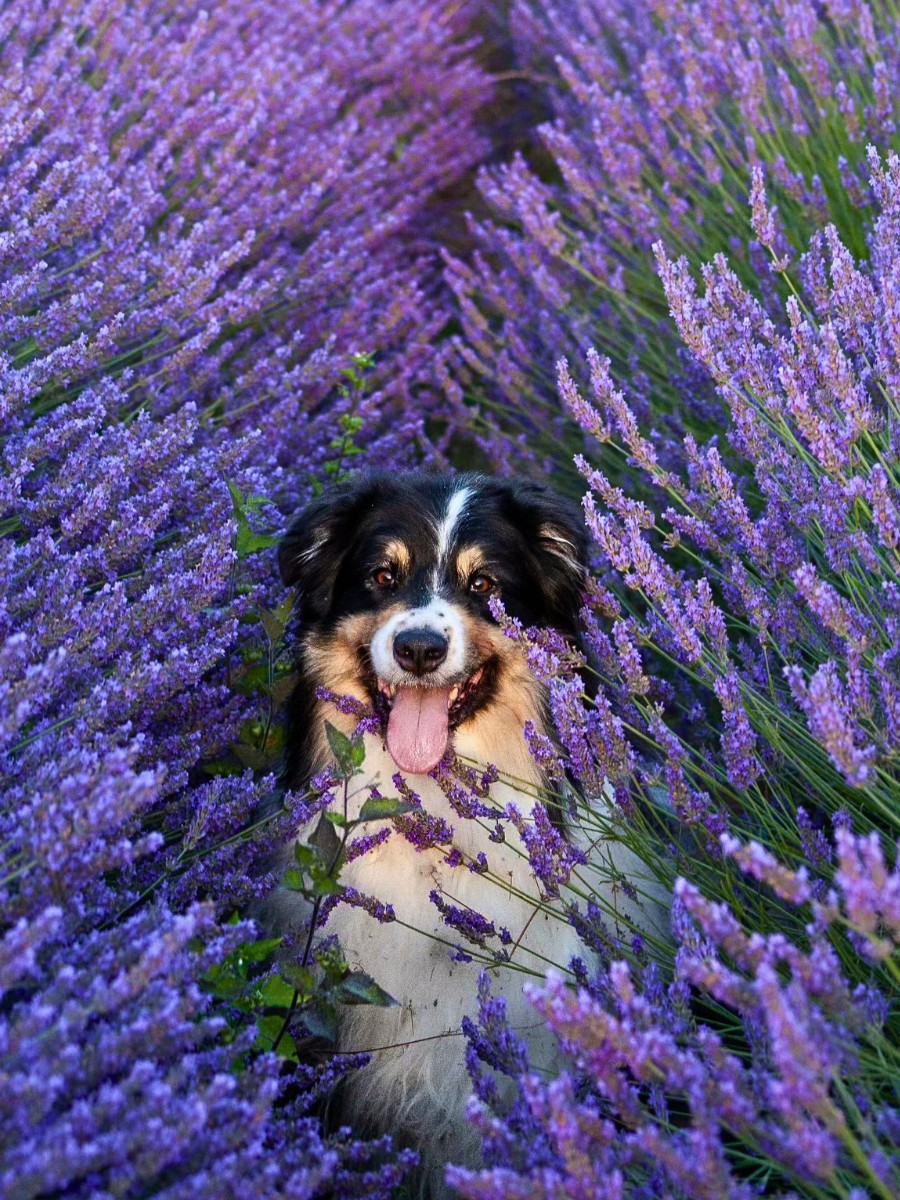
Lavender care at a glance: Full sun, well-drained soil, and water once established only during dry spells. Trim by about a third after its flowering. It is hardy in USDA zones 5 through 9.
2. Rosemary (Salvia Rosmarinus)
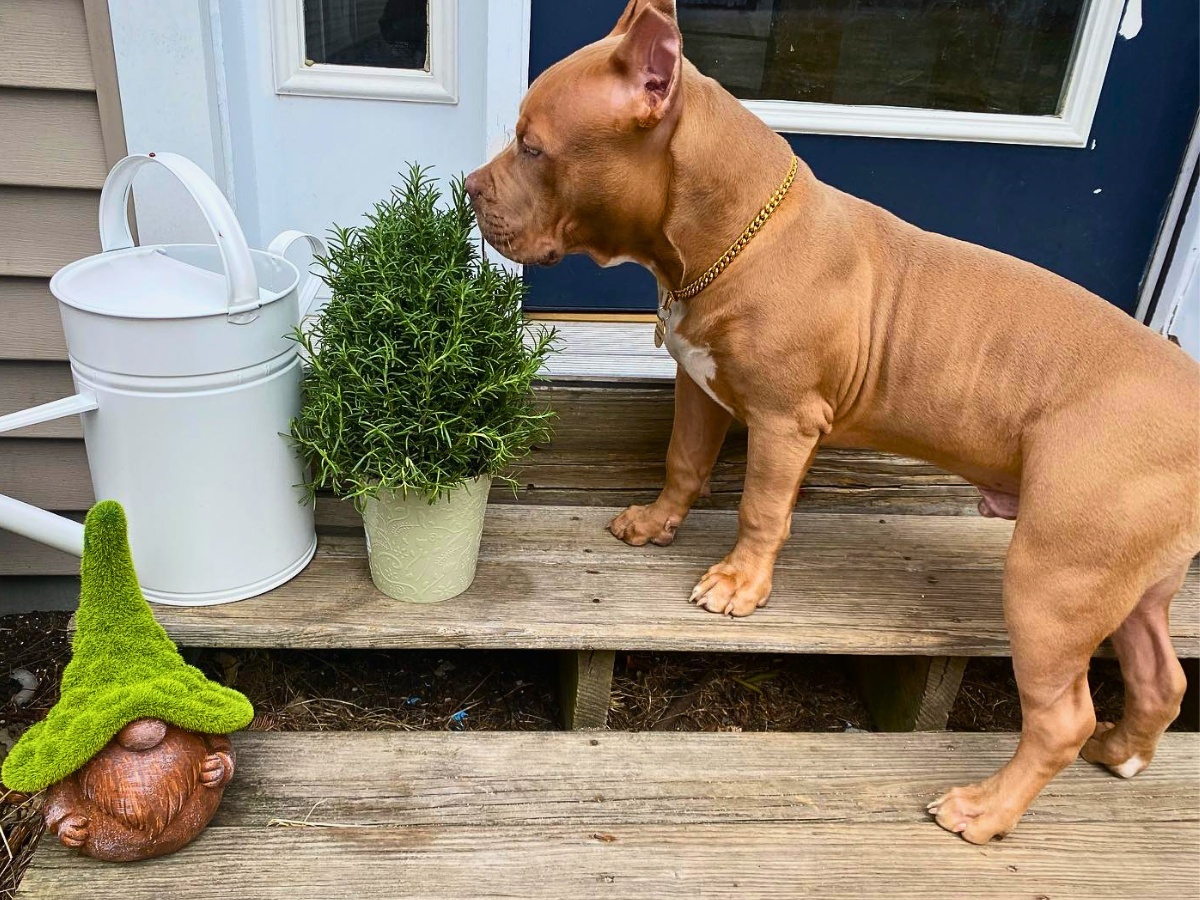
A hardy, low-maintenance outdoor plant safe for cats and dogs, Rosemary is one of the most underused landscape plants in American yards, which is quite a shame. It is tough, aromatic, evergreen in mild climates, and absolutely safe for both of these pets. As a garden plant, it functions beautifully as a low hedge, a border accent, or even a standalone specimen in a sunny spot. Unlike many ornamental shrubs, it does not ask much of you at all.
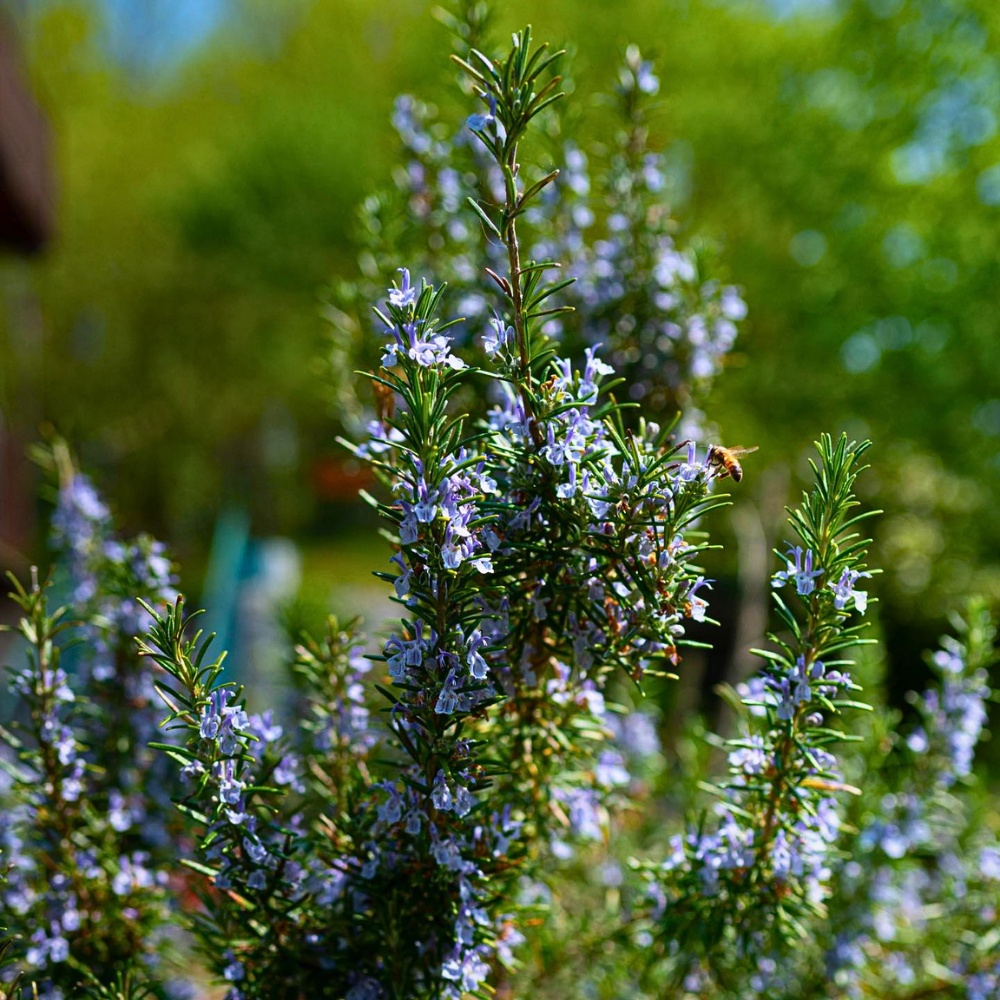
Once rosemary is settled into its spot, it handles drought conditions with ease and rarely needs fertilizing. Its silver-green, needle-like foliage adds structure and year-round interest to the garden and outdoor spaces, even when nothing else is actively growing. As a bonus, the same aromatic compounds that make rosemary a kitchen staple also work as a natural mosquito and flea deterrent in the yard.
For households with cats, rosemary is particularly valuable because it is one of the few woody, shrubby plants that pose no risk. Cats that like to brush through garden borders or snack on greenery can do so here without any cause for concern. For its care, it needs just full sun, excellent drainage, and minimal watering once established. Prune lightly to maintain shape. It is hardy in USDA zones 7 through 11, and worth growing in containers in cooler zones.
3. Sunflowers (Helianthus Annuus)
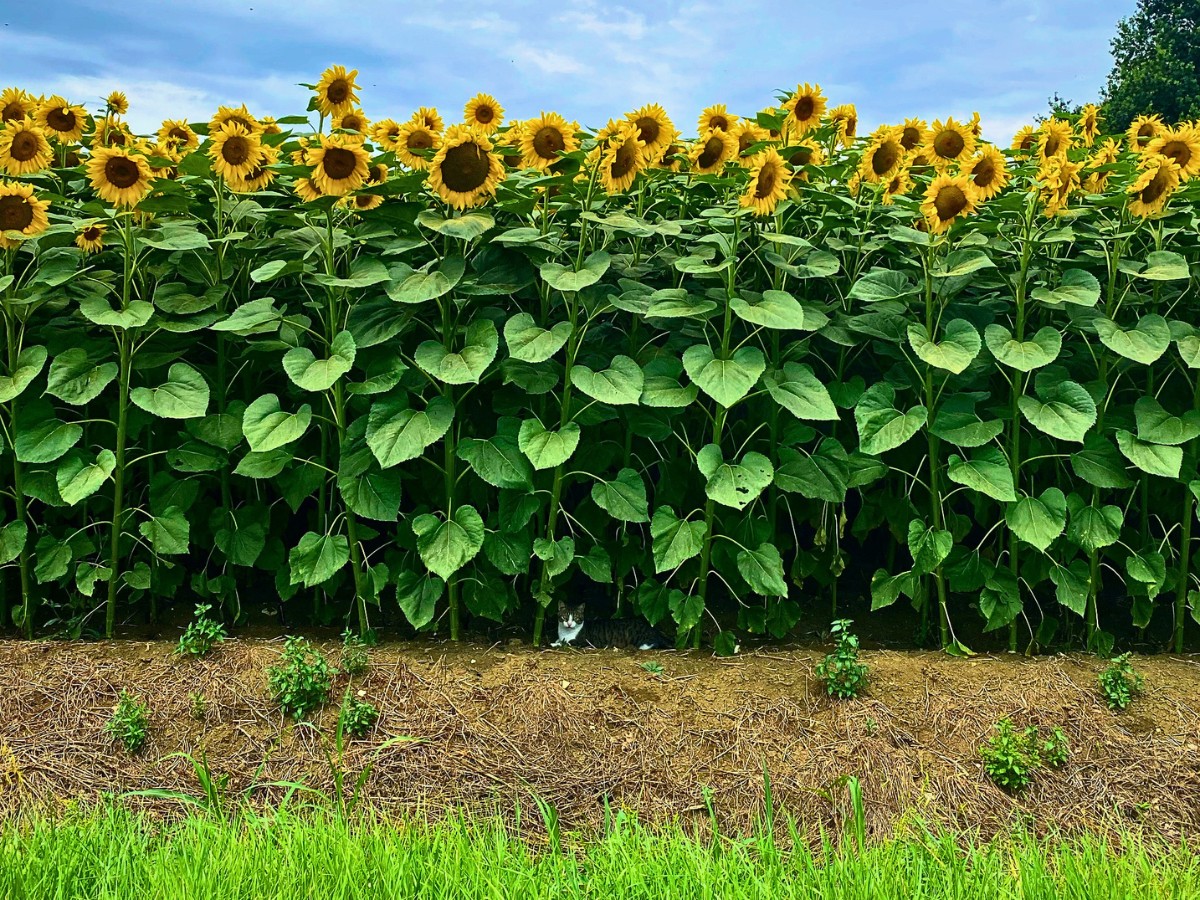
This is a cheerful, low-maintenance outdoor plant safe for dogs and several other pests. Essentially, sunflowers are one of the most joyful plants you can grow in a garden, which happen to be entirely safe for both dogs and cats. They are annuals, which means you will replant from seed each year, but that is the most effort they require. Sow seeds directly in the ground after the last frost, give them full sun and a modest amount of water, and within a few weeks, you will have strong, fast-growing plants heading skyward.
Away from their visual appeal, sunflowers are ecologically generous. They attract pollinators throughout the summer and produce seeds that feed birds well into fall. For households with large dogs that like to patrol garden beds, they are a practical choice too, since their sturdy stems can withstand a bit of casual contact without collapsing.
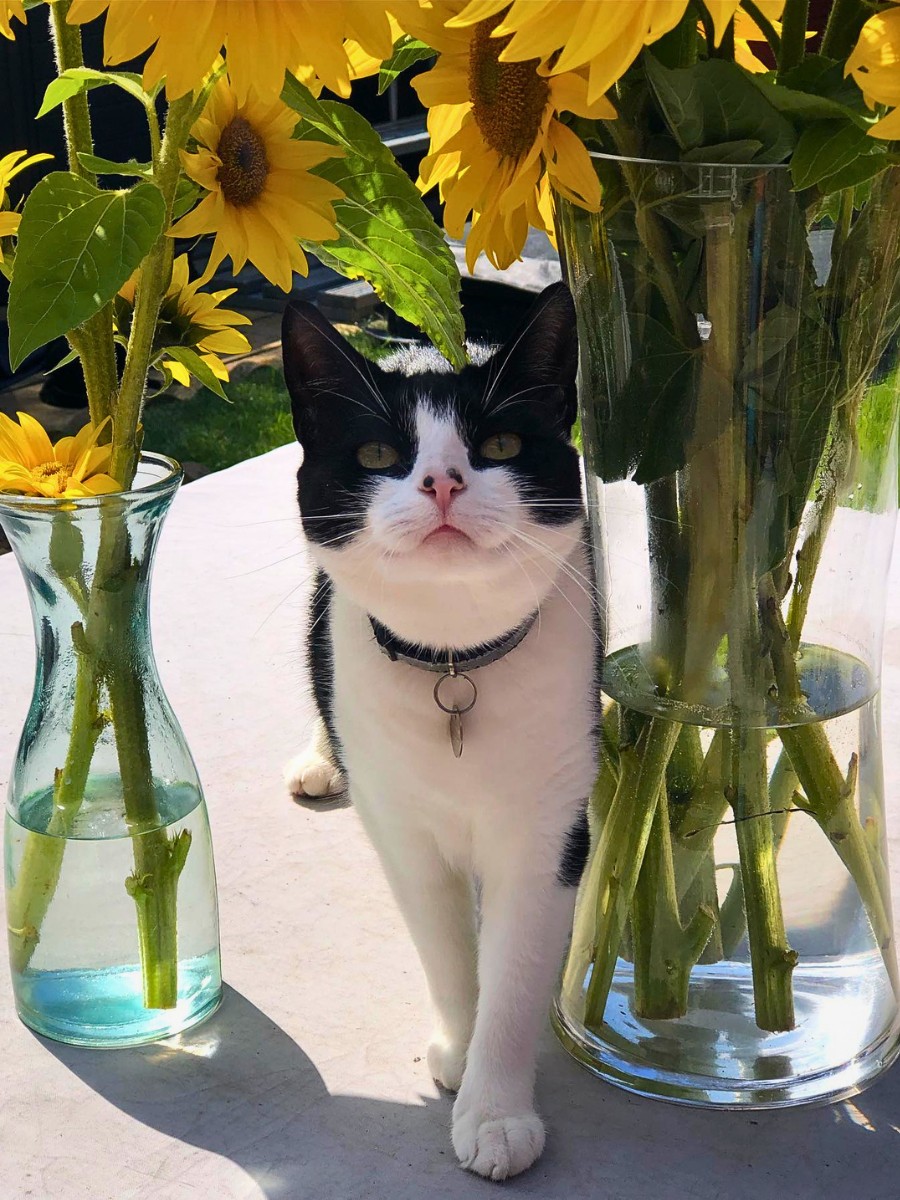
Sunflowers come in a wide range of sizes and forms, from compact dwarf varieties that work well in containers to towering 10-foot giants that create a genuine sense of drama in a backyard. All of them share the same pet-safe profile. Growing and caring for them requires full sun, average soil, and water regularly until established, then reduce. Deadhead spent flowers to extend the blooming season.
4. Coral Bells (Heuchera)
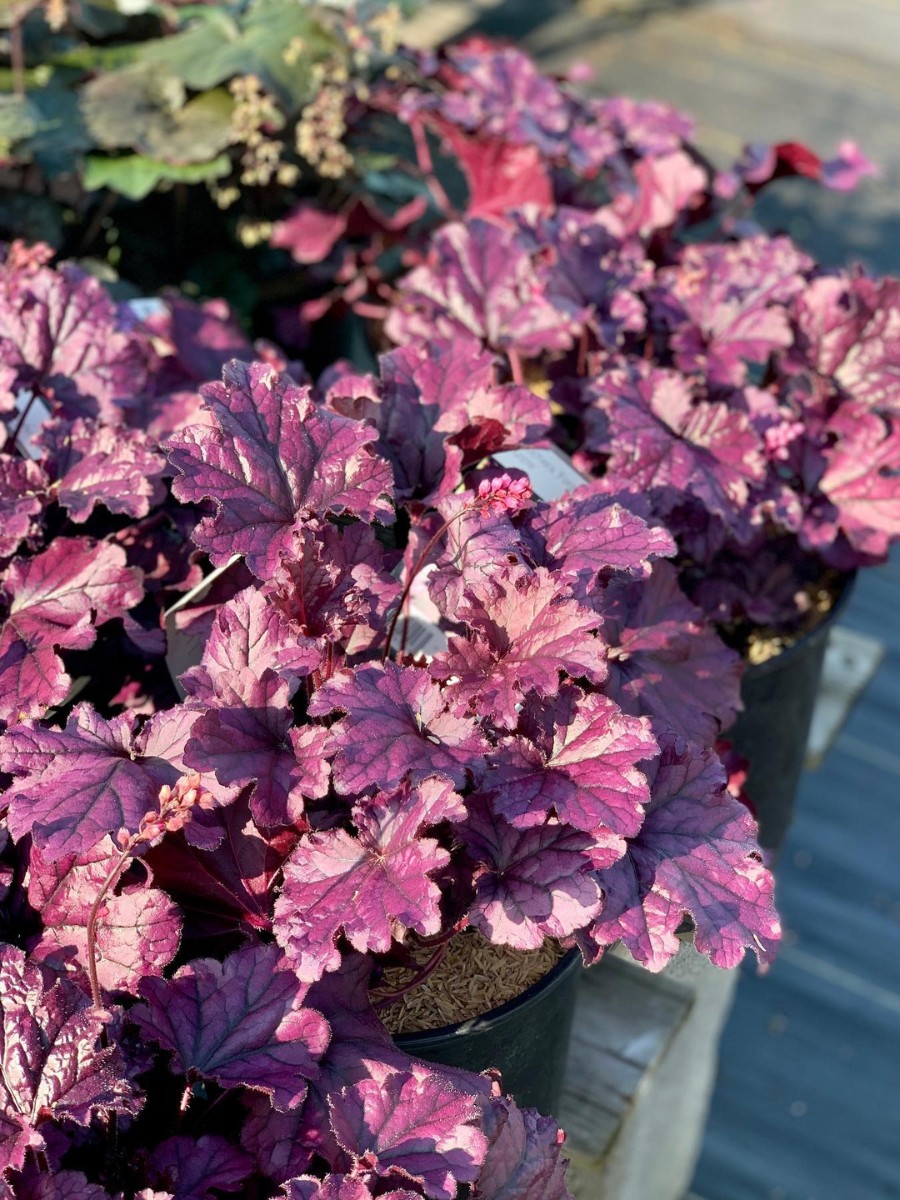
If lavender is the fragrant workhorse of a pet-safe garden, coral bells is the visual anchor. This native North American perennial produces mounds of deeply lobed, colorful foliage in shades ranging from rich burgundy and bronze to lime green and silver, holding its color from spring through the first hard frost. Its delicate, wiry flower stems rise above the foliage in late spring and early summer, drawing hummingbirds and pollinators.
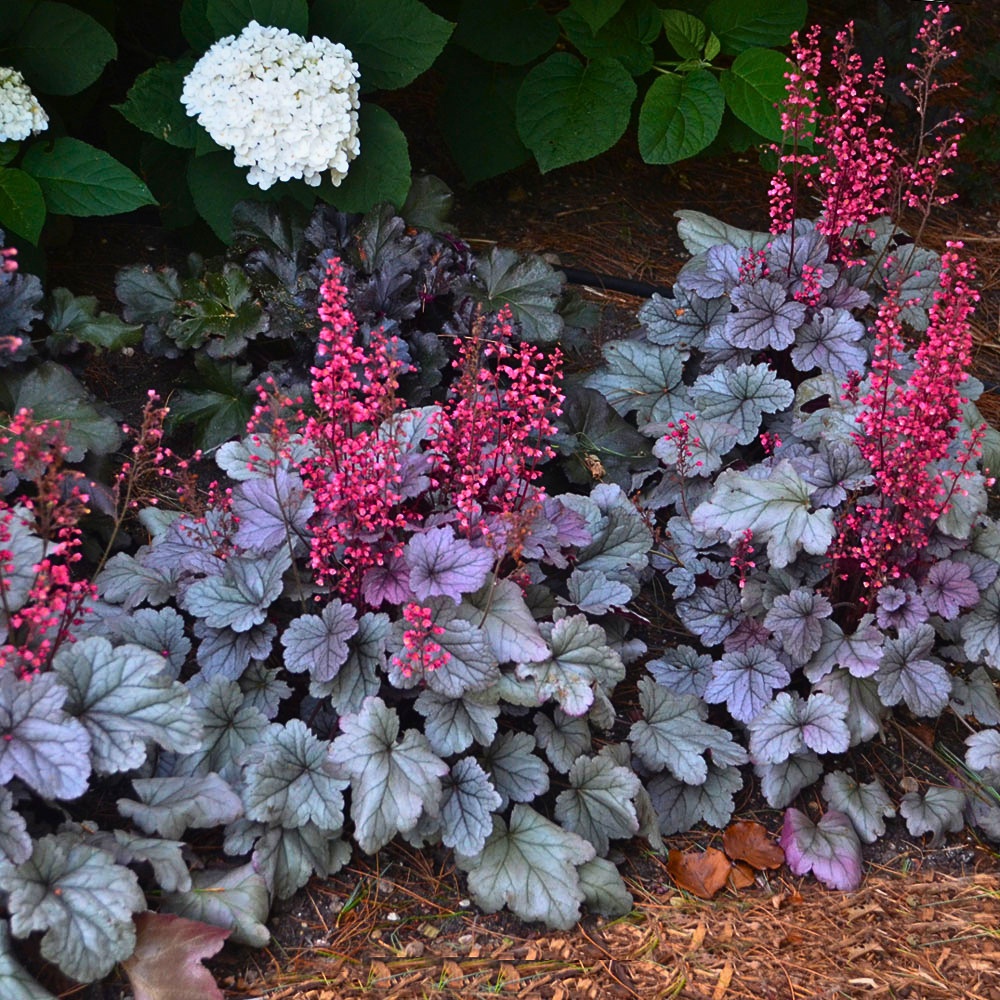
Heuchera thrives in partial shade to full sun, depending on the variety, making it one of the more flexible plants on this list. It works wonderfully as ground cover under trees, as a border planting along pathways, or massed together for a bold sweep of color. It is fully hardy through USDA zones 4 to 9 and requires almost no maintenance outside of dividing the clumps every few years when they become crowded.
For pet owners, coral bells gets its place on this list not only because of its ASPCA-confirmed non-toxic status, but because its low, dense growth habit means dogs and cats can walk right through it without damaging anything significant. It is a forgiving plant in every sense. Growing and caring for it requires part shade to full sun, average to moist well-drained soil, and dividing it every three to four years.
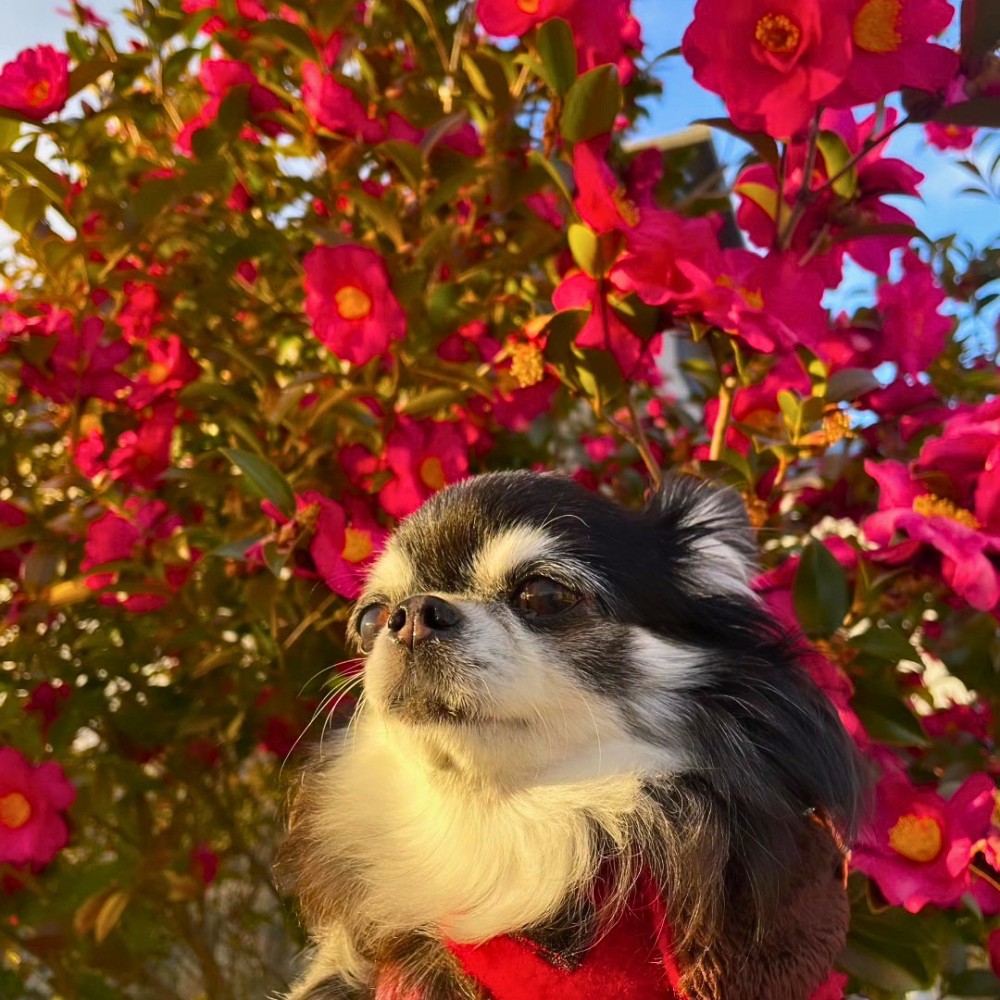
5. Camellia (Camellia Japonica)
A refined, low-maintenance plant safe for both cats and dogs, this plant is the kind suitable for gardeners who want something with real presence. Camellia is a flowering shrub with glossy evergreen foliage and stunning late-season color that is non-toxic to both dogs and cats and, once established in the right conditions, remains remarkably self-sufficient.
This plant prefers partial shade and slightly acidic, well-drained soil, but in the right location, it can go years with little more than a light prune and a top dressing of acidic fertilizer each spring. A distinguishing feature of this plant is its timing. It blooms in late fall through spring, when very little else in the garden is putting on a show.
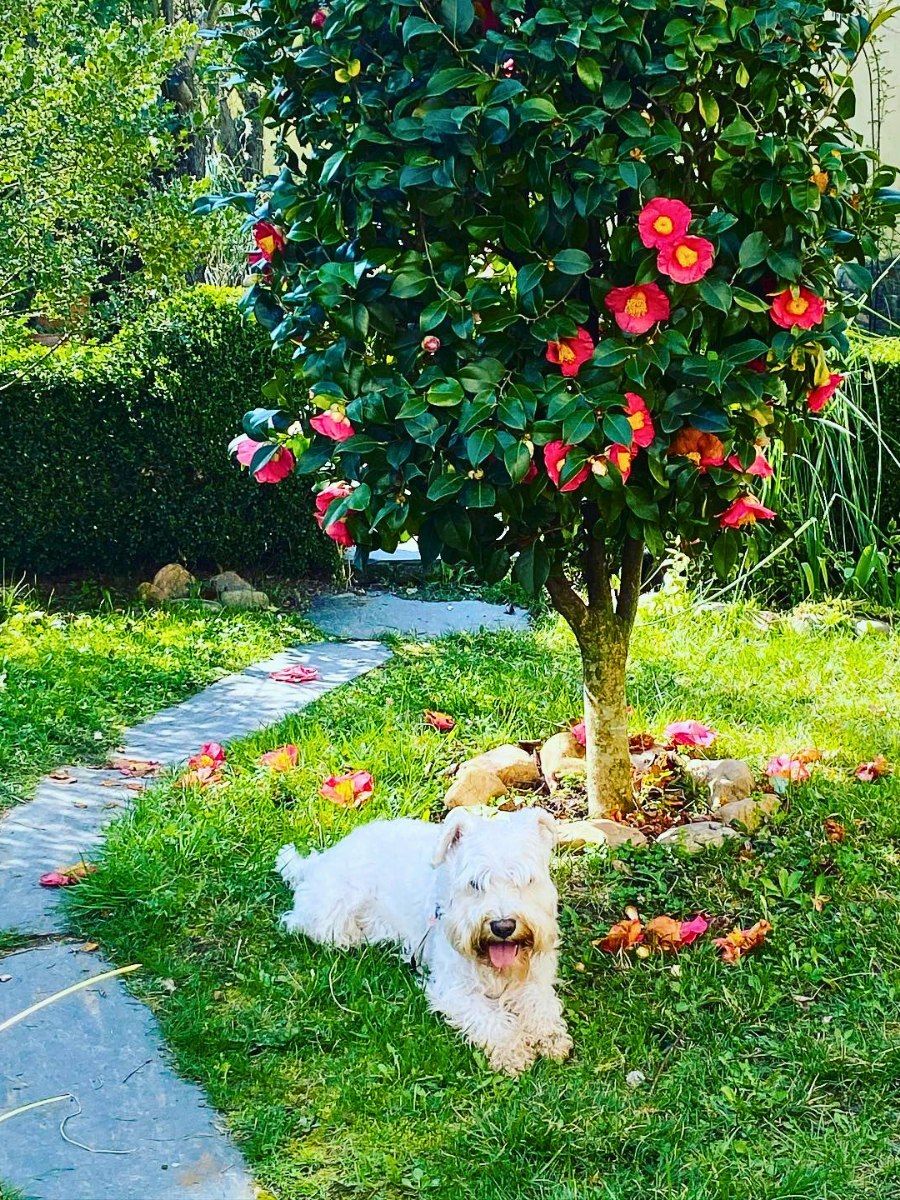
Its flowers, in shades of white, pink, and deep red, stand out against the glossy dark foliage with real elegance. In warmer climates (USDA zones 7 through 10), it functions as a substantial, privacy-providing hedge that a dog can run alongside without any concern.
For cat owners in particular, Camellia is worth noting because cats are famously prone to chewing on foliage while lounging in shaded spots, and this plant tends to favor exactly the shaded garden corners that cats enjoy most. Knowing that the plant poses no risk makes outdoor cat supervision a little less stressful. You can grow this plant in part shade, acidic, well-drained soil, and protect it from harsh winds. Light pruning after flowering is essential.
What to Plant Around and What to Remove When Building a Pet-Safe Outdoors
Choosing safe plants is only half the equation. It is equally worth auditing what is already growing in your yard. Some of the most popular ornamental plants in American gardens are highly toxic to pets. Sago palms, for instance, can cause liver failure in dogs from even small amounts of ingestion.
Azaleas, rhododendrons, foxglove, Oleander, and autumn crocus all carry serious risks. Tulip and daffodil bulbs are toxic as well, and dogs have a habit of digging where you have planted them. The ASPCA maintains a searchable, up-to-date database of toxic and non-toxic plants, and it is the most reliable resource to check before adding new plants to a yard where pets roam freely.

When designing a pet-friendly garden space, it also helps to think about structure. Raised beds, low fencing around newly planted areas, and dense ground covers can redirect where dogs and cats choose to walk and rest, reducing the likelihood that they will disturb or sample your plantings at all.
Featured image by @tinaspetparadise. Header image by Natalia Jones