Most garden makeovers pour all their thought into the plants. The ground those plants sit on gets picked at the last minute, usually off a showroom sample under fluorescent light. Then the beds fill in, and suddenly the paving is either doing the planting a favour or quietly working against it every day.
Getting it right is mostly a matter of holding back. A loud surface competes. A quiet one lets the greenery come forward. Here is how to choose paving that stays in the background where it belongs.
Start With Your Plant Palette, Then Pick the Tile
Look at what you are actually growing before you look at a single sample. Silvery foliage, lavender, and olive create one mood. Glossy tropical leaves create a completely different one. The floor should answer to whichever mood you have, not argue with it.
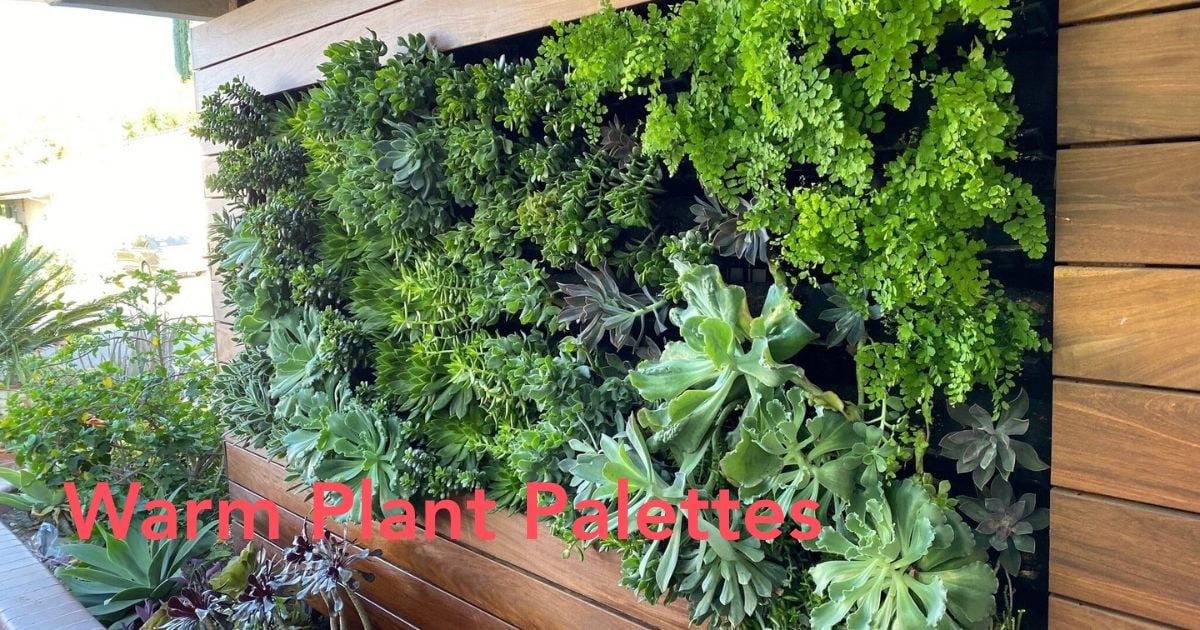
Warm plant palettes usually sit well on warm-toned surfaces. Soft creams and honey tones flatter Mediterranean and cottage planting, and they let grey-green foliage glow. Go greener and more architectural in your planting, and mid-greys or charcoals tend to look sharper, giving clean lines something to push against without chilling the space.
Then there is texture, which matters just as much. A busy, heavily veined tile fights with fine-leaved planting, and your eye never gets to rest. So where the planting is detailed, keep the surface calm. Where it is bold and simple, mass-planted grasses or a run of clipped hedging, you can afford a stone with real character underfoot. You can read more about: National Gardening Day
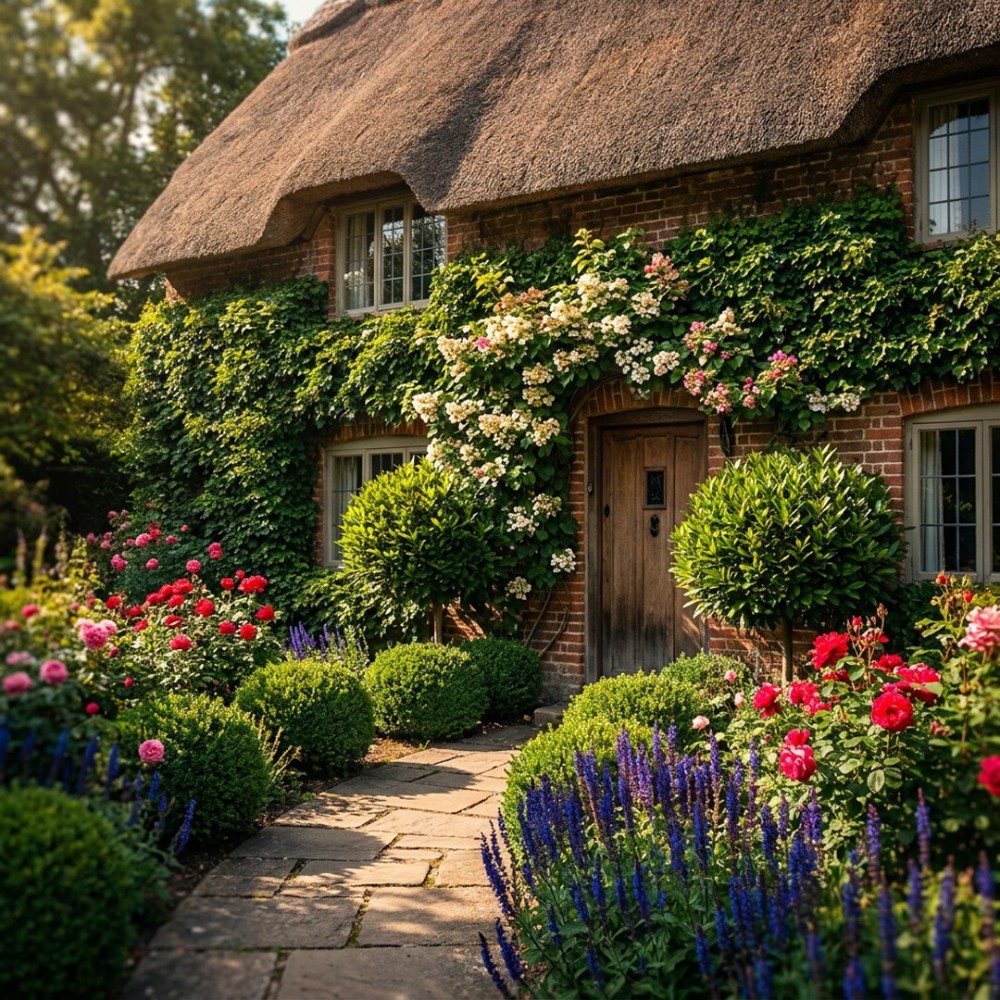
Paths That Wind Through the Beds
A path is the one surface plants are allowed to spill over. Treat its edges as soft. Catmint tumbling over a stone lip, creeping thyme filling a joint, that is what makes a garden feel lived-in instead of freshly installed.
Smaller pavers or a slightly irregular stone read better on a winding path than big, rigid formats. They turn corners without awkward cuts, and they let the planting frame each step. A dead-straight run of oversized slabs, by contrast, tends to look like a driveway that wandered into the garden by mistake. Leave a little breathing room between the path and the densest planting so foliage can arch over rather than get trodden on.
Pool Surrounds Set Among Foliage
A pool is a large expanse of a single material, which makes it the surface most likely to bully the plants around it. So let the surroundings recede and let the plants carry the interest. Feathery grasses, a well-placed frangipani, a cluster of birds of paradise: any of these reads beautifully against a plain pale stone, and the water picks up the green.
Lighter surrounds have a second advantage. They stay cooler underfoot, which counts for a lot when the paving runs right up to the beds and bare feet.
What the Surface Actually Has to Withstand
Paving in a planted garden works harder than any indoor floor. It cops rain, frost, splashing from the beds and the pool, plus hours of direct sun that can leave some materials too hot for bare feet by mid-afternoon. Australian tile specialists like Cheap Tiles Online group their outdoor porcelain, stone, and paving by exactly these use cases, so you can shop by where the tile is going rather than by look alone. Once you know the palette you are planting around, it is worth shortlisting from a hard-wearing range of outdoor tiles built for garden conditions rather than borrowing an indoor tile that will struggle outside. Porcelain is the usual pick because its low porosity helps it shrug off rain and temperature swings. Natural stones such as granite and travertine bring warmth and grip around pool edges and paths. For anywhere that gets wet, look for a slip rating of R11 or above so a courtyard or pool surround stays safe when the planting gets watered.
Heat deserves a second thought where paving meets planting. Dark surfaces soak up sun and hold it, which is miserable barefoot and can bake the roots of anything growing tightly against the edge. Lighter tones and stone tend to stay kinder, both to your feet and to the plants leaning in from the beds.
Water is the other thing people forget. Every surface in a planted garden needs somewhere for rain and irrigation to drain, ideally toward the beds rather than pooling on the tiles or running back at the house. A slight fall across the paving, planted joints between the pavers, a gravel margin between the hard surface and the bed: any of these helps the water reach the roots that want it. Get the drainage wrong, and the plants nearest the paving show it first, sitting either waterlogged or parched depending on which way the ground tips.
Alfresco Floors and Courtyards That Show off Pots
In a small courtyard or an alfresco zone, the paving is often most of what you see. That makes it the backdrop for your potted plants, so keep it plain and let the containers do the talking. A simple large-format tile makes a compact space feel calmer and bigger, and a grouped collection of pots gets a clean stage to sit on.
Material choice gets practical here. Porcelain gives you the most consistent, low-maintenance floor and copes best with the wet-and-dry cycle of pots being watered. Natural stone brings warmth and a lived-in quality that suits a courtyard you actually sit in, though travertine and marble ask for more care around staining. Want the soft matte grey so many designers love without sealing and babying real concrete? Concrete-look porcelain gets you there.
Let the Ground Stay Quiet
One idea runs through all of this. The paving is the setting, not the subject. Pick a colour that flatters your foliage, avoid a texture that fights fine planting, and choose a material that can genuinely take the rain and sun a real garden throws at it. When you do, the surface stops asking for attention. And that is the point. Step outside, and it is the planting you see first.