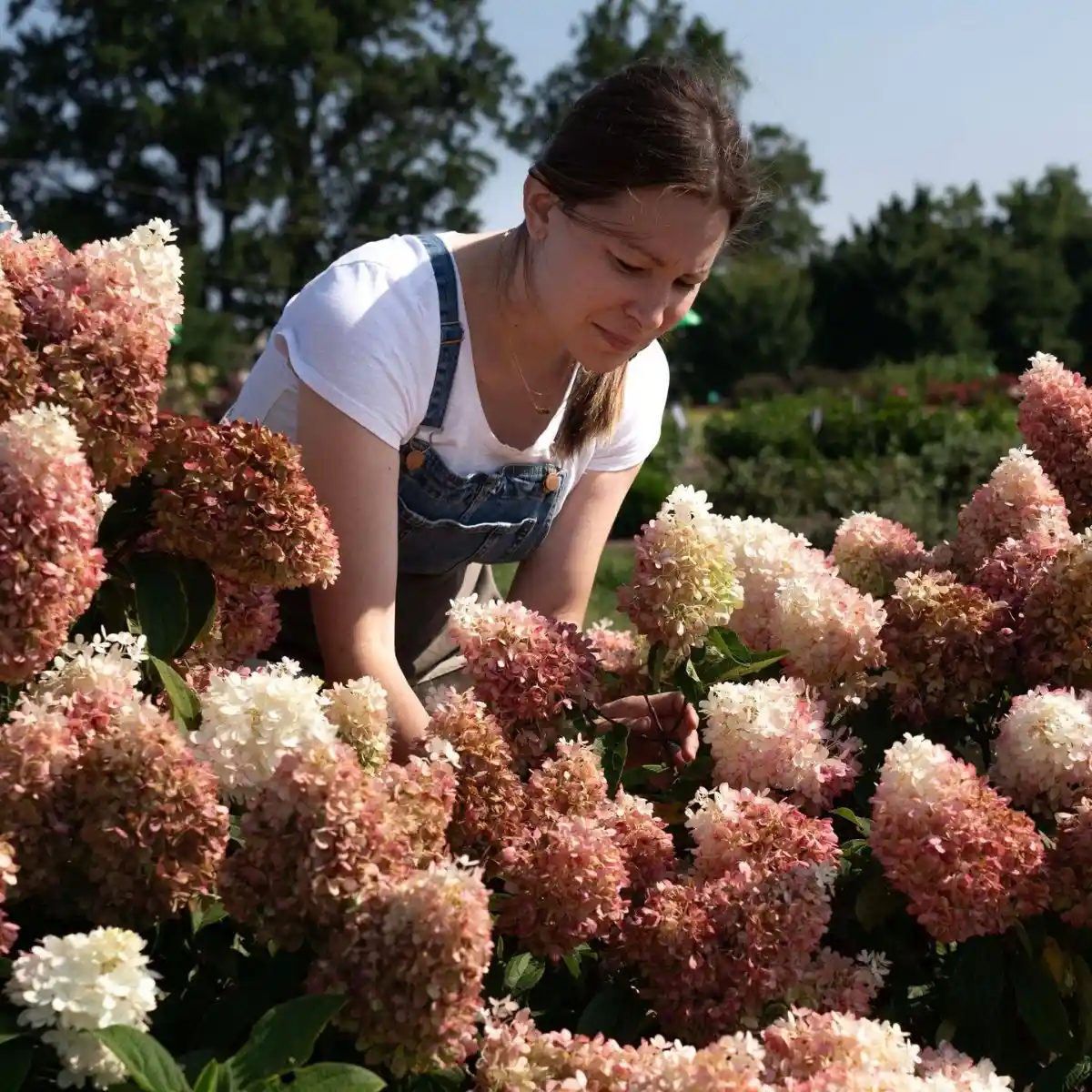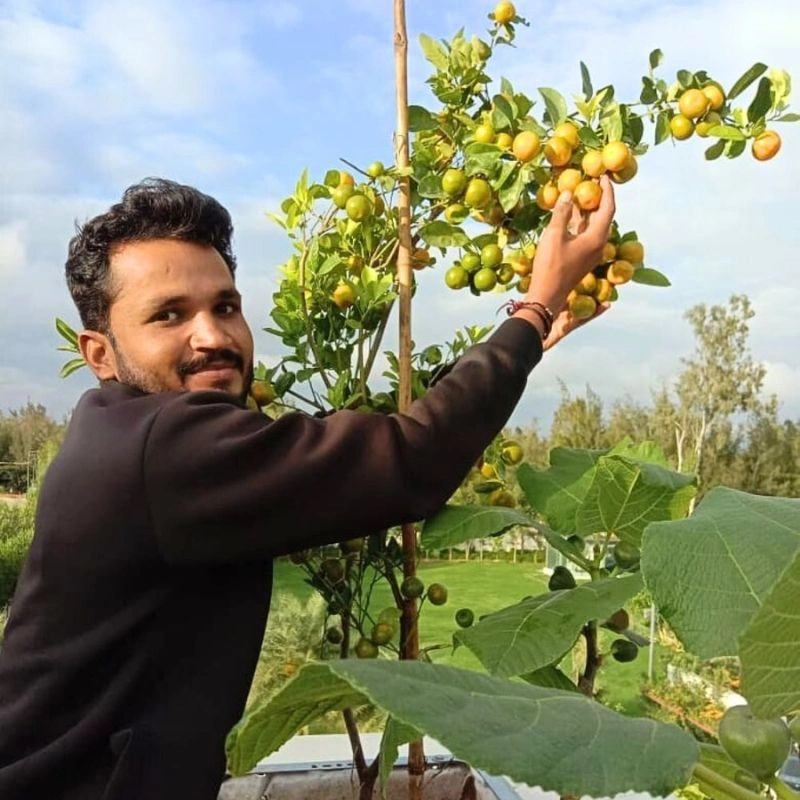
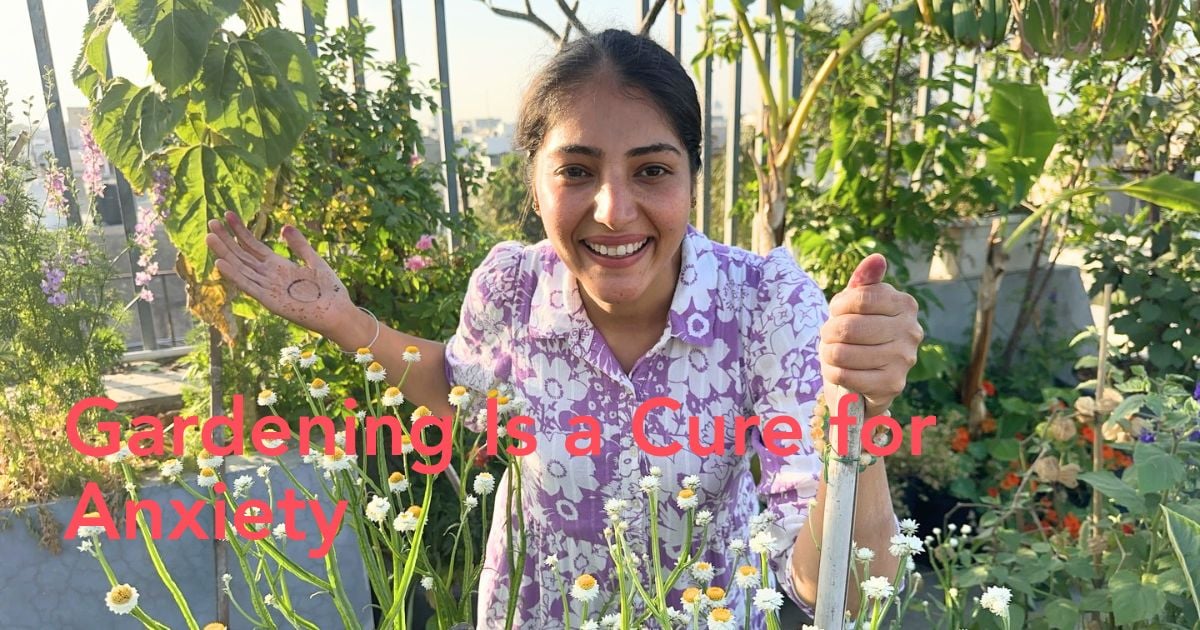
Gardening does not need to be large, expensive, or perfect to feel meaningful. Sometimes, the smallest routine can make the biggest difference. Watering a few pots in the morning, removing dry leaves, checking soil, or watching new growth can create a quiet rhythm in the day.
For many people, emotional balance is not built through one big change. It comes from small actions repeated with care. Gardening offers exactly that. It gives your hands something to do, your eyes something natural to notice, and your mind a short break from constant screens, tasks, and noise.
This does not mean gardening is a cure for anxiety, depression, grief, or stress. It is not. But it can be a supportive habit that helps people feel more connected to time, place, and routine.
Why Gardening Feels Grounding
Gardening brings attention back to the present moment.
When you water a plant, you have to notice the soil. When you prune, you have to look closely. When you plant seeds, you accept that growth takes time. These small tasks can gently pull the mind away from overthinking and back into what is happening right now.
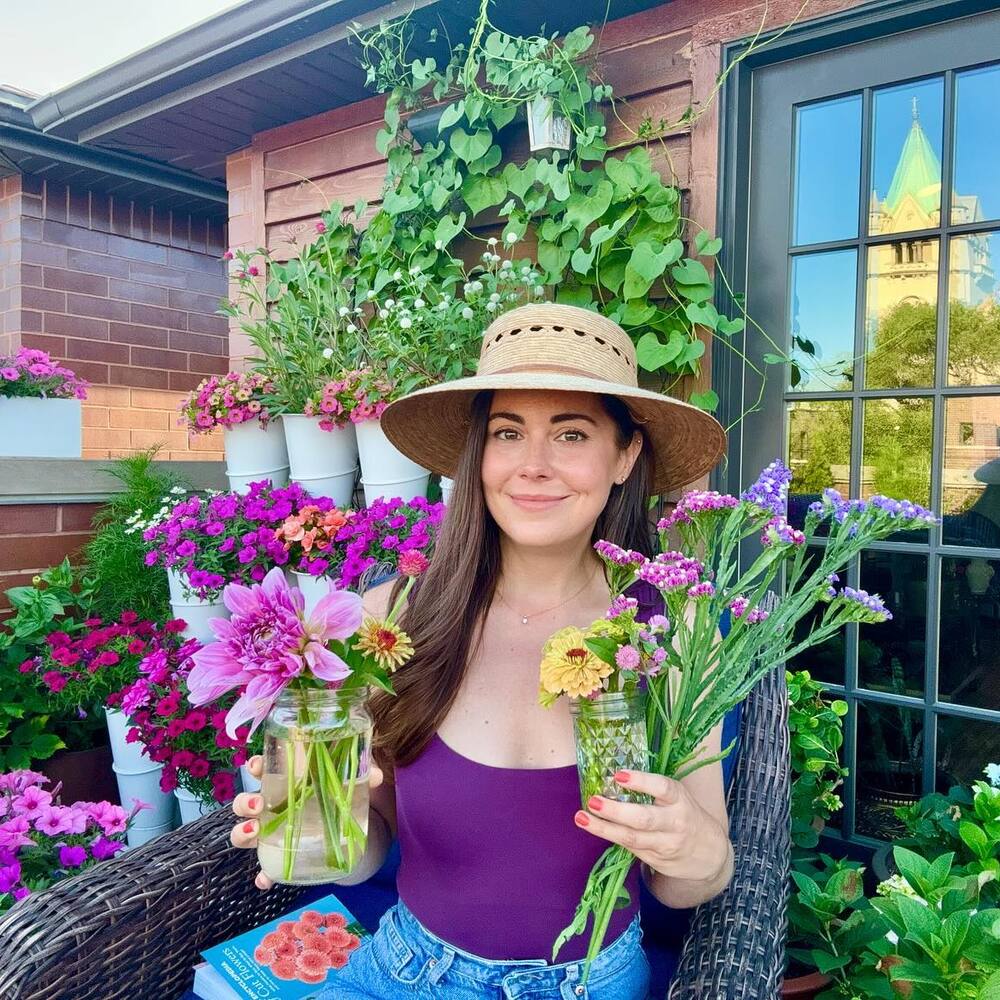
There is also something helpful about working with living things. Plants respond slowly. They do not demand instant answers. They remind us that progress can be quiet and gradual.
For people who feel emotionally overloaded, this slower pace can feel steadying.
Small Tasks Can Reduce Overwhelm
One reason gardening works well as a supportive routine is that it can be broken into tiny tasks.
You do not need to redesign a whole garden. You can start with one pot. You do not need to spend hours outside. You can spend five minutes checking leaves. You do not need to grow rare plants. You can care for herbs, marigolds, pothos, tomatoes, or whatever feels manageable.
Small tasks matter because they are easier to begin. When life feels heavy, a simple action like watering one plant can feel more possible than a long self-care routine.
When Gardening Is Not Enough
Gardening can support calm, but it should never be treated as a replacement for professional mental health care.
If someone is dealing with ongoing sadness, panic, anxiety, depression, or emotional distress that affects daily life, it is important to ask for qualified support. For readers looking for professional options, searching for Depression and Anxiety Help Near Me can be a practical step toward finding care beyond at-home routines.
Plants can support the environment around healing, but people should not feel they have to manage everything alone.
Create a Morning Plant Check
A morning plant check can be simple.
Walk through your garden, balcony, or indoor plant area. Look for dry soil, yellow leaves, pests, new growth, or flowers opening. You do not need to fix everything at once. Just notice what needs attention.
This small routine helps start the day with observation instead of urgency. It gives the mind one clear task before emails, messages, and responsibilities take over.
A good morning plant check may include:
- touching the soil before watering
- turning pots toward the light
- removing one or two dead leaves
- checking if any plant needs support
- noticing new growth
The point is not to create more work. The point is to begin the day with something steady.
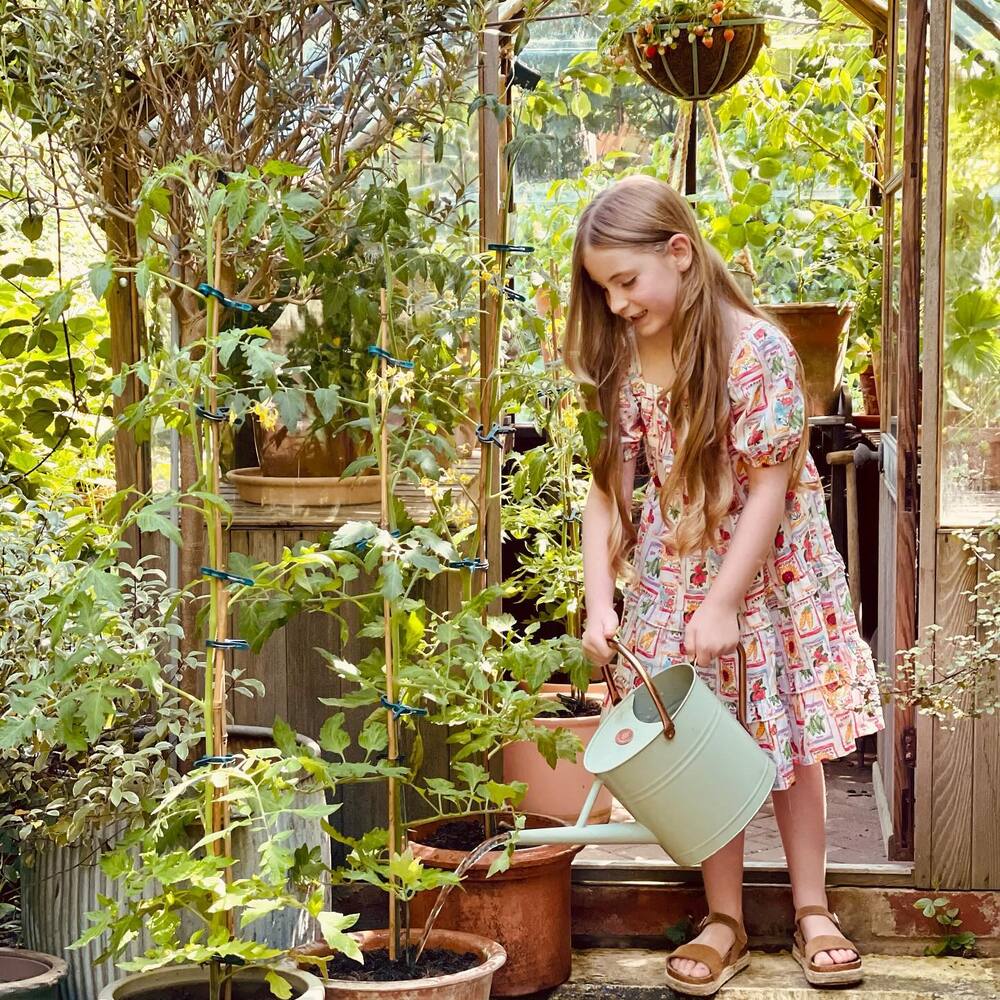
Use Watering as a Calming Ritual
Watering can become more than a chore if it is done slowly.
Instead of rushing through every pot, try paying attention to the sound of water, the smell of soil, and the way leaves move when the plant is watered. These details can make watering feel like a short pause.
It also teaches moderation. Too much water can harm plants. Too little can stress them. Learning to check before acting is a quiet lesson in balance.
For indoor plant lovers, this kind of routine also keeps plants healthier because it reduces overwatering, one of the most common plant care mistakes.
Pruning Helps Create a Sense of Order
Pruning can feel satisfying because the result is visible.
Removing dead leaves, trimming old growth, or cutting back a messy plant can make the space feel clearer. This can be helpful when someone feels mentally cluttered. The act of tidying a plant gives the hands a small, focused task.
Pruning also reminds us that letting go is part of growth. A plant does not need to keep every leaf forever. Sometimes removing what is no longer healthy helps the whole plant use energy better.
That idea can feel meaningful beyond the garden.
Grow Something You Can Use
Growing useful plants can make the routine feel more rewarding.
Herbs are a good place to start. Basil, mint, rosemary, coriander, thyme, and parsley can grow in small spaces depending on light and climate. Harvesting a few leaves for tea, cooking, or garnish creates a direct link between care and daily life.
Vegetables can work too, but choose easy ones first. Leafy greens, cherry tomatoes, chillies, or radishes can be more manageable than complicated crops.
The goal is not production. The goal is connection.
Keep the Garden Easy to Maintain
A garden that is too demanding can become stressful. Emotional balance is better supported by a garden that fits your real energy level.
Choose plants that match your space and routine. If you forget to water, avoid plants that need constant moisture. If you have limited time, choose hardy varieties. If you do not enjoy pest management, avoid plants that are known to attract problems in your area.

A small, healthy garden is better than a large, overwhelming one.
For readers who want more plant-based wellbeing ideas, Thursd’s article The Psychology Of Plant Therapy is a useful internal read.
Spend Time Outside Without Always Working
Not every garden moment needs a task.
Sometimes the best use of a garden is simply sitting in it. You can drink tea, read, stretch, breathe, or watch insects move through the plants. These quiet moments help the garden become a place of rest, not only responsibility.
If you only enter the garden to fix problems, the space may start to feel like another job. If you also sit there without an agenda, it can become a place of recovery.
Even five minutes outside can change the feeling of the day.
Use Seasonal Changes as a Reflection Tool
Gardens change constantly. Leaves appear, flowers open, stems fade, and seasons shift.
This can support emotional reflection. A garden can remind people that not every phase lasts forever. Some weeks are for growth. Some are for rest. Some are for clearing. Some are for starting again.
You can use seasonal change as a simple journal prompt:
- What is growing in my life right now?
- What needs more care?
- What needs to be cut back?
- What am I waiting on patiently?
These questions make the garden part of a deeper routine without making it complicated.
A Weekly Garden Reset
A weekly reset can keep gardening from becoming chaotic.
Choose one day each week for 20 to 30 minutes of care. Water what needs watering. Remove dead leaves. Check for pests. Clean pots or trays. Add compost if needed. Tie up stems. Sweep the area.
This creates structure. It also prevents small issues from becoming bigger problems.
For more nature-based calm ideas, readers can also explore Thursd’s article Natural Stress Relief How Plants Can Soothe Anxiety.
Gardening routines can support emotional balance because they are simple, physical, and connected to real life. They offer small tasks, steady care, fresh air, and visible change.
A garden does not need to be perfect to be helpful. One pot can be enough. One watering routine can be enough. One quiet seat near plants can be enough.
The value is not in having the most impressive garden. It is in building a routine that helps you slow down, notice more, and return to yourself with a little more steadiness.