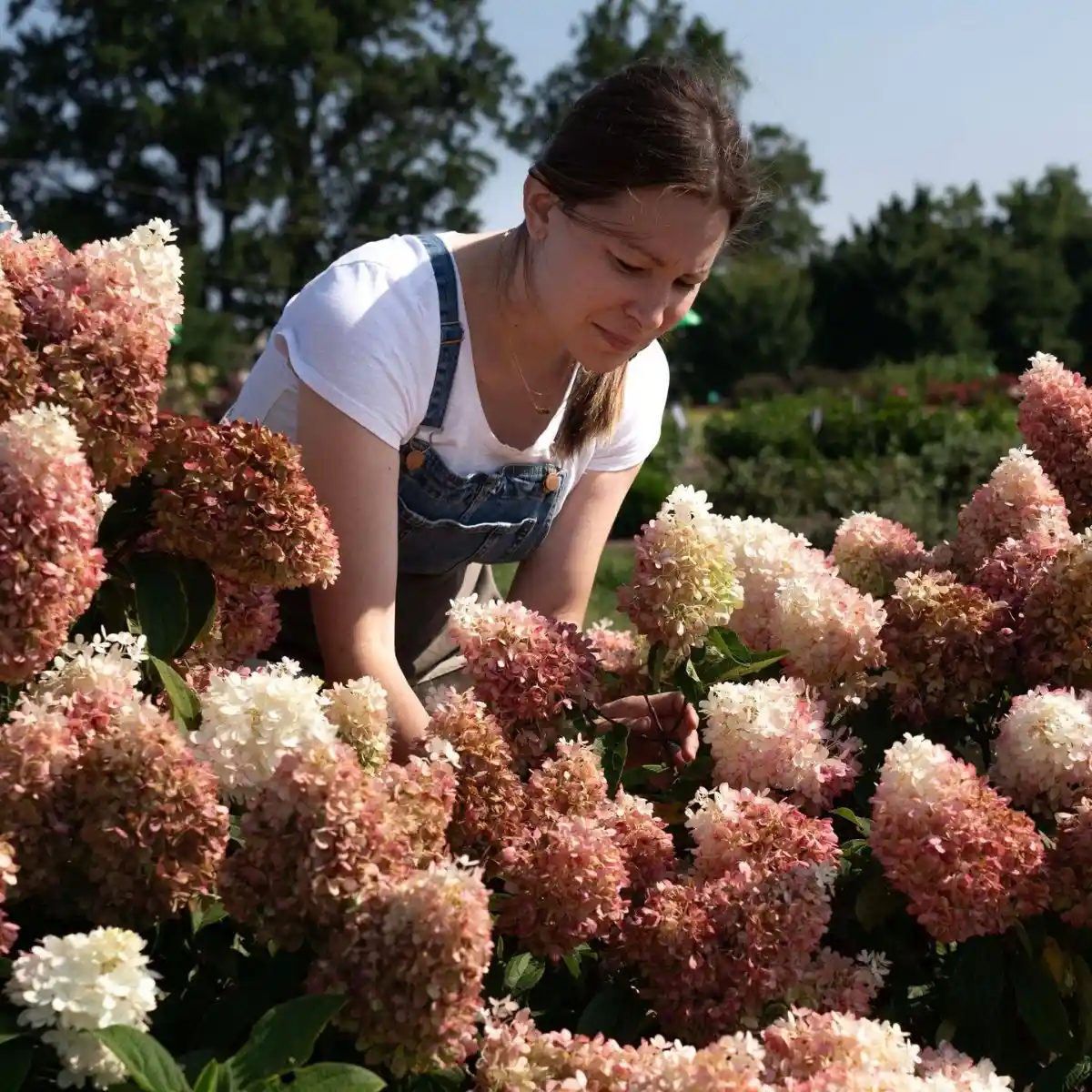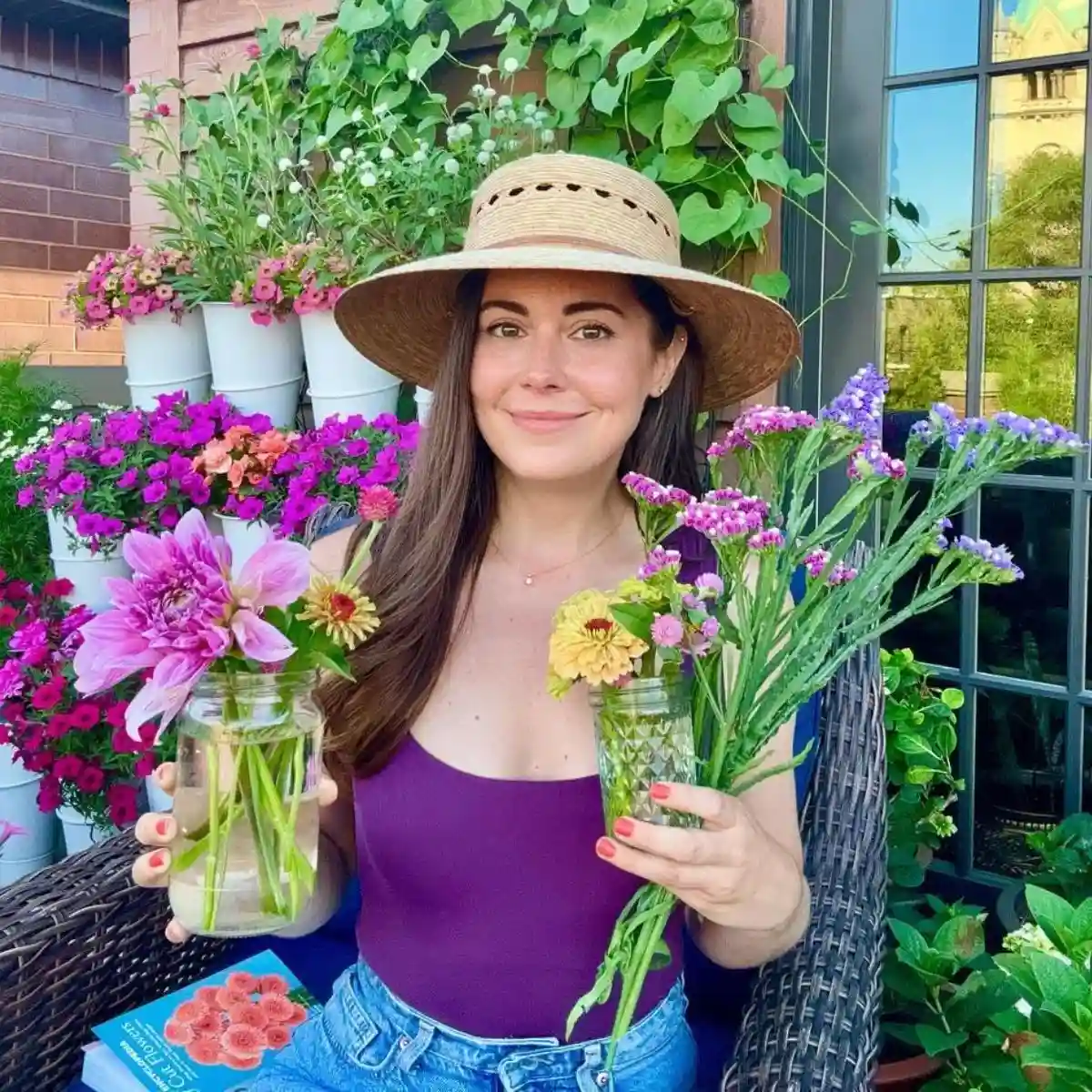
This is where gardens can play a meaningful role. A healing garden does not need to be large or complex. It can be a shaded courtyard, a quiet path, a planted patio, or a small outdoor corner with thoughtful seating and soft planting. What matters most is how the space makes people feel and how easy it is to use.
Plants give structure to a space without making it feel clinical. They soften hard edges, create privacy, and invite slower attention. In recovery environments, that quiet presence can be valuable.
Why Gardens Matter in Recovery Environments
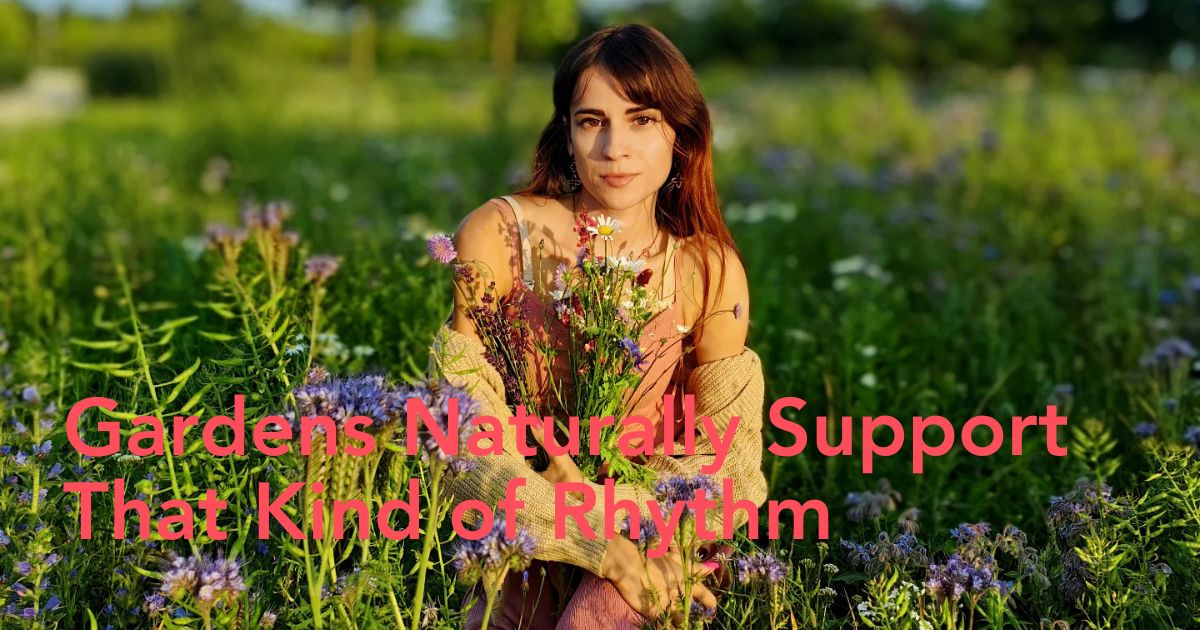
Recovery often asks people to slow down, reflect, and rebuild routines. Gardens naturally support that kind of rhythm.
A plant does not rush. It grows in stages. It needs light, water, space, and time. These simple patterns can be grounding for people who are learning to reconnect with daily structure.
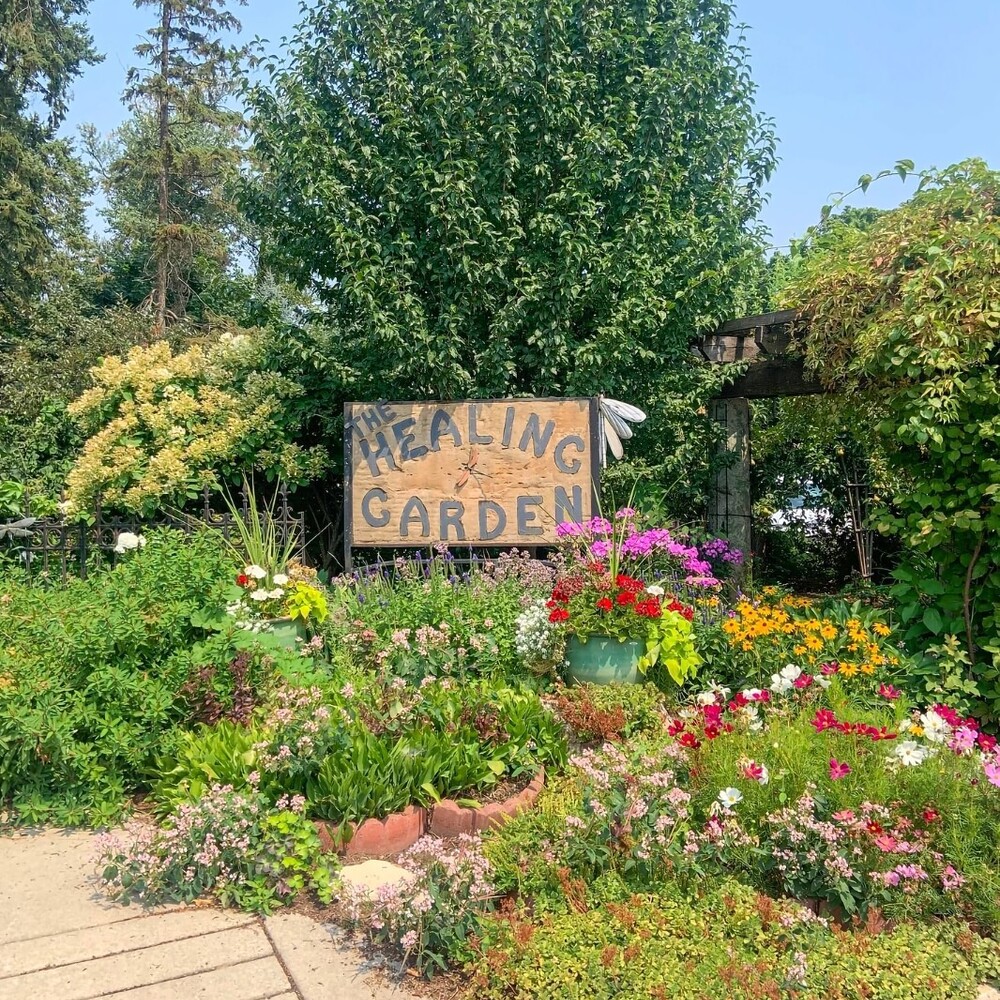
A garden can also offer a break from indoor intensity. Even a short walk outside or a few minutes sitting near plants can shift the feeling of the day. The goal is not to “fix” anything instantly. The goal is to create a space where the body and mind can settle for a moment.
For people researching professional treatment settings, looking at options such as Luxury Rehab Arizona can be part of understanding how clinical care, privacy, and calming surroundings may work together in a recovery journey.
Recovery Spaces Need Calm First
A healing garden should not feel busy. Too many colors, strong scents, sharp textures, or crowded planting beds can become overwhelming.
The best recovery gardens usually start with calm. That might mean soft green planting, clear paths, comfortable seating, and a layout that is easy to understand. People should not feel lost or exposed. They should know where to sit, where to walk, and how to leave the space when they are ready.
Calm design is not boring. It is intentional. It removes visual noise so the person can focus on breathing, thinking, talking, or simply being present.
Privacy and Safety Come Before Decoration
Privacy is one of the most important parts of any recovery garden. People should be able to use the space without feeling watched.
This can be created with hedges, layered planting, trellises, shade screens, or trees placed carefully around seating areas. The goal is not to close the garden off completely, but to create a sense of protection.
Safety matters too. Paths should be even. Seating should be stable. Lighting should be soft but clear. Thorny or toxic plants should be avoided in high-use areas. Water features, if used, should be easy to maintain and not create slipping risks.
In this kind of garden, beauty matters, but safety comes first.
Sensory Planting Should Be Gentle
Plants affect the senses. That is why they are powerful in healing spaces, but it is also why they need careful selection.
Strongly scented flowers may feel calming to some people, but too much fragrance can feel heavy for others. Bright color can be uplifting, but too many competing colors can create visual stress. Rustling grasses, soft leaves, and subtle seasonal changes can be more supportive than loud design choices.
Good sensory planting is balanced. It gives people something to notice without demanding too much attention.
Low-Scent Flowers and Foliage
Low-scent flowers, soft foliage plants, ornamental grasses, and simple groundcovers can create a gentle atmosphere. Herbs can be useful too, but they should be placed with care. Lavender, rosemary, and mint are beautiful, but not everyone enjoys strong aromatic plants in close spaces.
Texture Without Overload
Texture is important because it gives the garden depth. Smooth leaves, fine grasses, soft shrubs, and natural wood can make a space feel more human. Avoid plants that scratch, sting, or drop messy material where people walk or sit.
Desert Gardens Can Teach Low-Stress Design
In Arizona and other dry climates, healing gardens can take inspiration from the desert instead of fighting it.
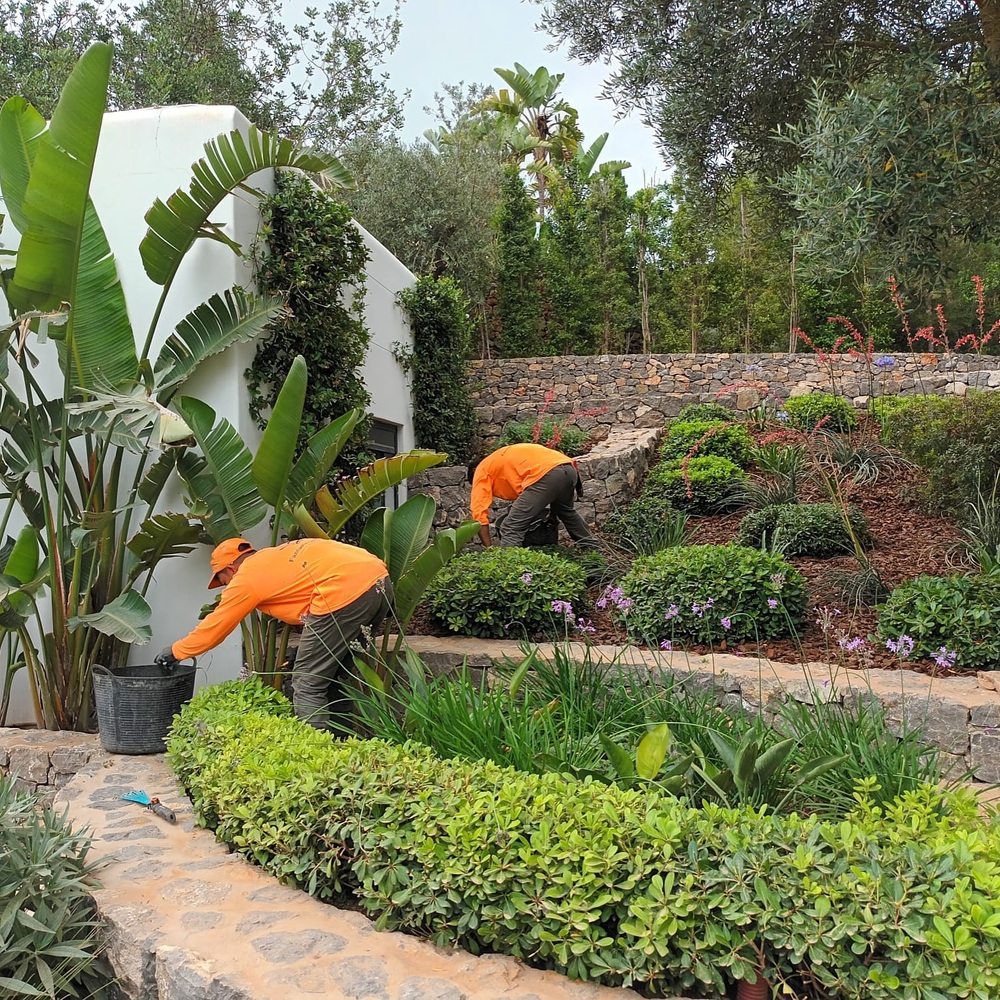
A desert garden does not need to look empty. It can use shade trees, native grasses, succulents, gravel paths, sculptural plants, and warm natural materials to create a calm outdoor space. These gardens are often easier to maintain because they are designed for the local climate.
Low-water planting also supports sustainability. In recovery environments, this matters because a garden should not become a maintenance burden. The easier it is to care for, the more stable and useful it remains.
Routine Makes the Garden More Useful
A garden becomes more supportive when it is part of a routine.
That could mean morning walks, quiet reflection after a session, light watering, guided breathing outside, or a weekly horticultural activity. Simple routines help people return to the same space in a predictable way.
Plant care can also be meaningful. Watering a container, removing dry leaves, or watching new growth appear can create small moments of responsibility and attention. These are not dramatic actions, but they can help people reconnect with patience and consistency.
Spaces for Movement and Stillness
A strong recovery garden should allow both movement and stillness.
Some people need to walk while they think. Others need a bench in a shaded corner. A simple loop path can support gentle movement. A quiet seating area can support conversation or reflection. A small table can support journaling, tea, or group activities.
The garden should not force one way of using it. It should give people options.
Indoor Planting Can Support the Same Idea
Not every recovery space has access to a large garden. Indoor plants can still help create a softer environment.
A calm indoor plant corner can work well in lounges, waiting areas, therapy rooms, or bedrooms. The key is to keep it simple and clean. Choose plants that are easy to care for, low-mess, and suited to the available light.
Good options may include snake plants, ZZ plants, pothos, philodendrons, or other reliable indoor plants. Avoid plants that need constant care, shed heavily, or create pest issues.
For more on the emotional connection between plants and wellbeing, readers can explore Thursd’s article The Psychology Of Plant Therapy.
Gardens Should Support Care, Not Replace It
It is important to be clear: a healing garden is not a treatment by itself.
Gardens can support calm, reflection, privacy, and routine. They can make a recovery space feel less harsh and more human. But professional care, therapy, medical support, and structured recovery programs remain central when someone is dealing with addiction, trauma, anxiety, depression, or other serious challenges.
The garden is part of the environment. It can support the process, but it should never be presented as a cure.
How to Create a Healing Garden at Home
The same principles can work at home, even on a small scale.
Start with one quiet corner. Add a comfortable chair, one or two planters, and a clear path. Choose plants that fit your climate and your care routine. If the space gets hot, add shade. If privacy is lacking, use tall grasses, shrubs, or climbing plants.
Keep the design simple. A healing space should be easy to enter and easy to maintain. If it becomes another stressful project, it is not serving its purpose.
Use Fewer Plants Better
Instead of buying many plants at once, choose a few strong ones and care for them well. A small, healthy garden is more calming than a crowded space full of struggling plants.
Add a Simple Ritual
Use the garden at the same time each day or week. Sit there with morning tea. Water plants on Sunday. Take three slow breaths before going back inside. These small rituals make the space meaningful.
For more gentle nature-based ideas, readers can also visit Thursd’s article Natural Stress Relief How Plants Can Soothe Anxiety. Healing gardens support recovery spaces by making them calmer, softer, and more connected to nature. They offer privacy, routine, sensory comfort, and a place to pause.
The best gardens are not the most complicated. They are the ones people can actually use. A shaded seat, a clear path, a few well-chosen plants, and a feeling of safety can make a meaningful difference.
Plants cannot do the work of recovery for someone. But they can help create an environment where that work feels a little more supported.