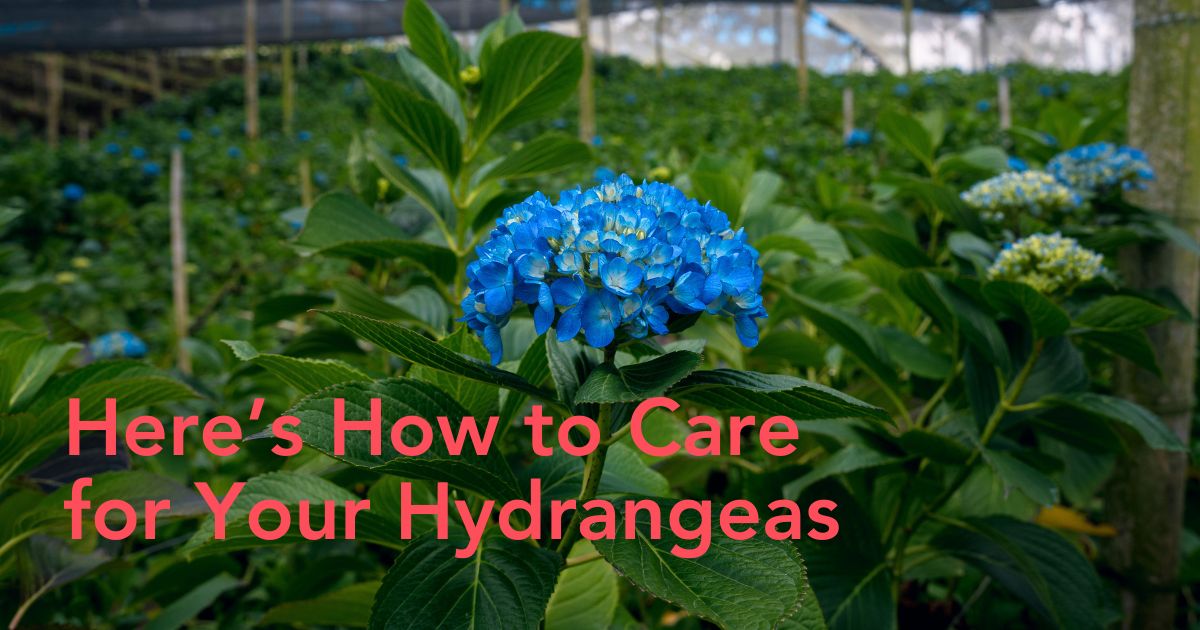
Hydrangeas continue to be one of the most technically demanding yet visually rewarding flowers within the global floral industry. Known for their fluffy, round shape, vast color range, and strong presence in bouquets and event work, they require precise cultivation and postharvest handling to maintain quality from farm to consumer.
In Colombia, growers such as Jardines de la Cuesta have positioned Hydrangeas as a premium export crop, combining production expertise with strict quality standards to meet the expectations of international markets. Join this segment as Chrysal and the Colombian grower give you the best tips for optimal Hydrangea care.
Chrysal x Jardines de la Cuesta's Best Tips for Beautiful-Looking Hydrangeas
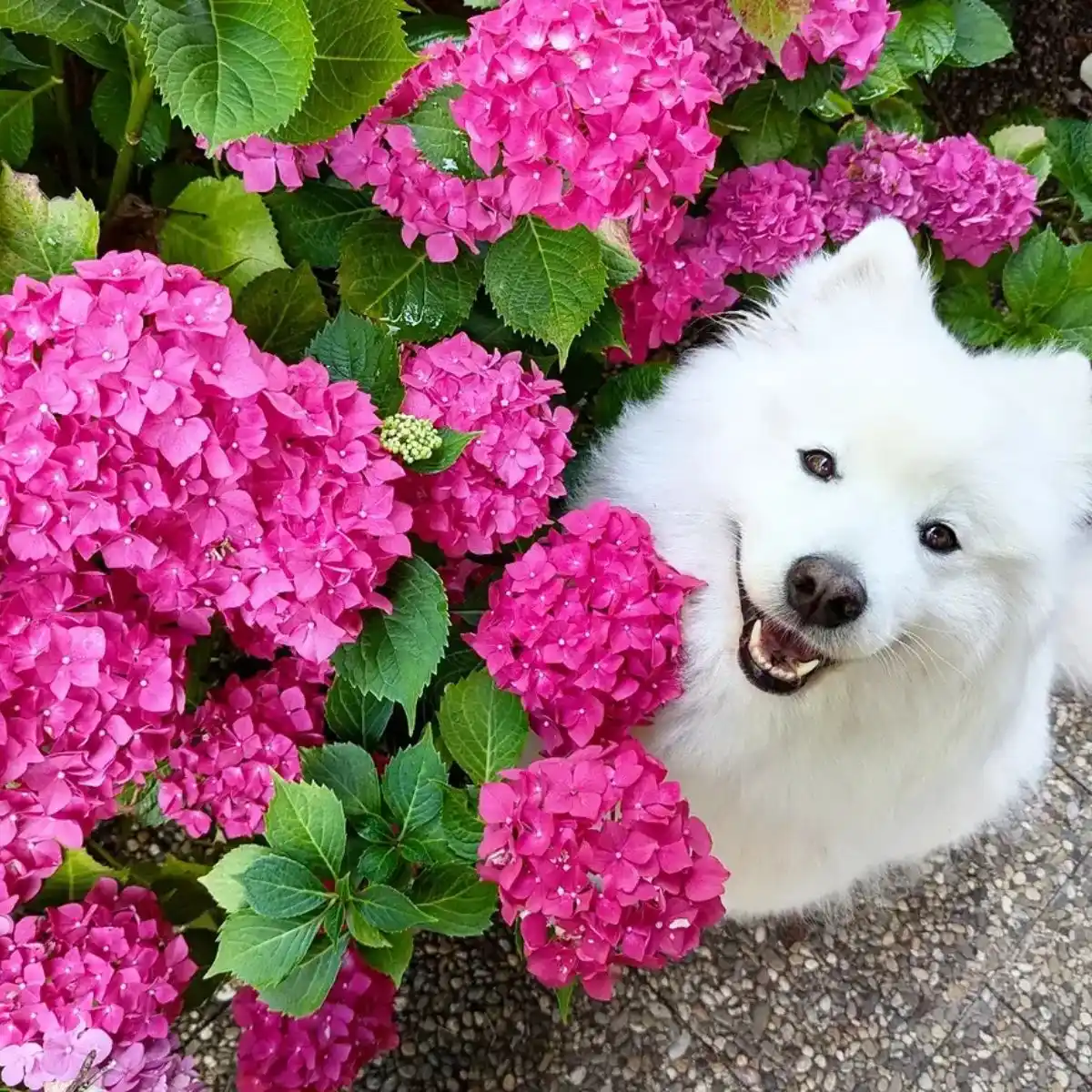
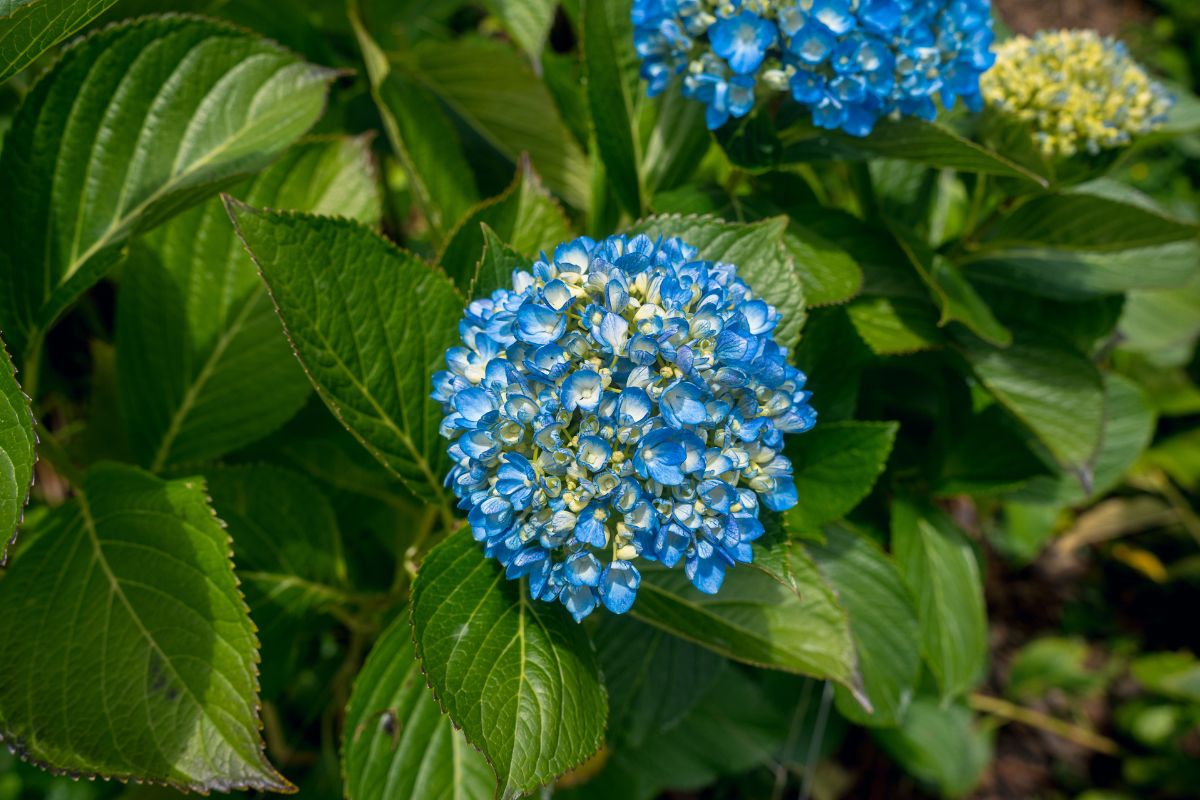
There are two types of Hydrangea, the spring/summer variation and the classic variation, which blooms from summer through to autumn. If you treat them right, Hydrangeas are very rewarding flowers, and they can last for over 3 weeks in an arrangement or a bouquet.
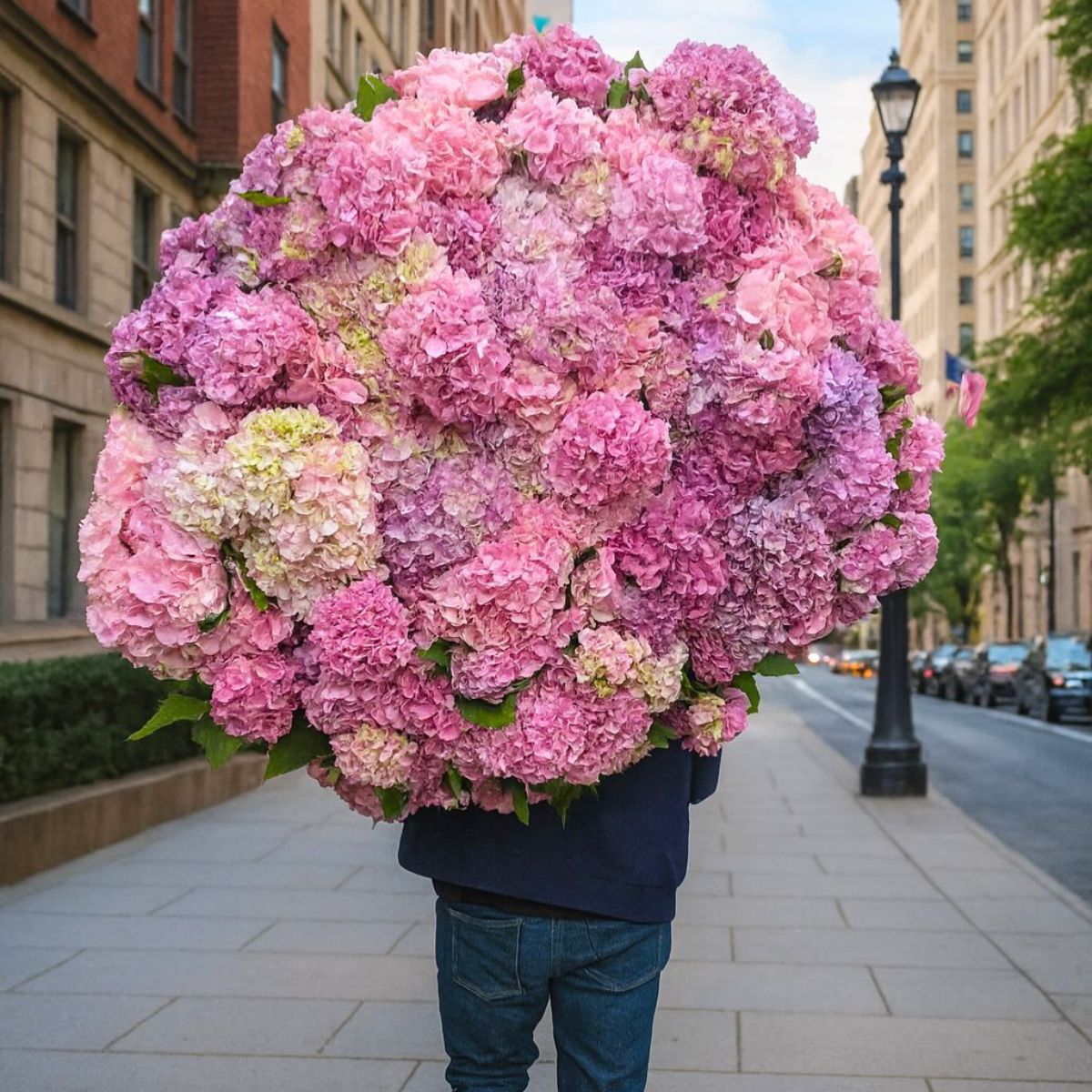
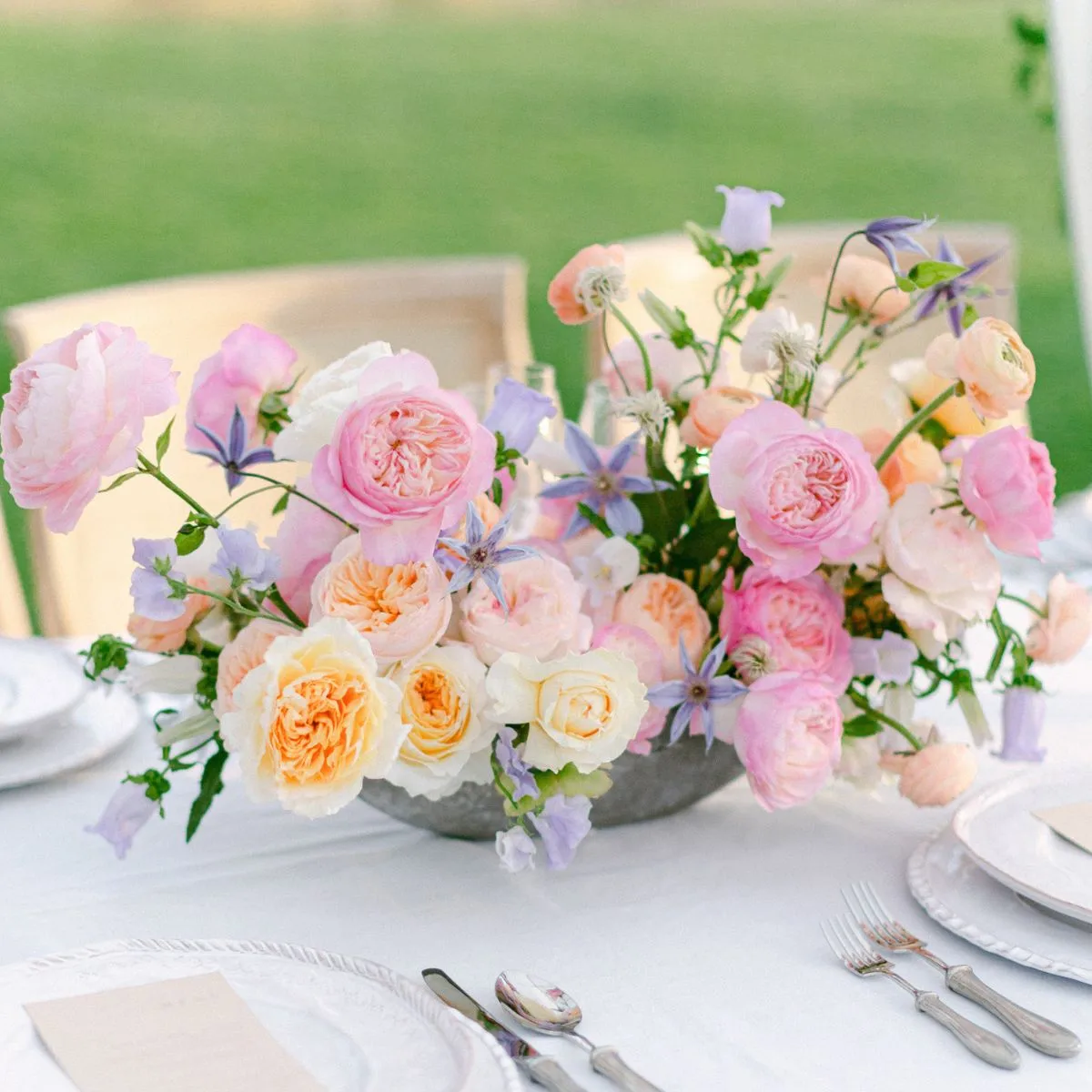
Photo: @stemsfloralstudio
The Hydrangeas that are available in spring/summer are mostly uniform in color and are not left on the plant to mature. Instead, they are harvested when fully opened. The classic variation, available in summer and autumn, can last for months. These flowers change color and become papery. They originate from southern to eastern Asia and the Americas, but are now grown all over the world in greenhouses too. Here are a few recommendations by Chrysal for florists and consumers.

Hydrangea Care Tips for Florists
Hydrangeas have a high energy and water need. They have a very strong transpiration and also need a lot of energy to maintain color and strength. Due to the enormous flower surface and thinness of its petals, the flower will wilt if there is not enough liquid available. If this happens, cut off about 2-5 cm of the stem with a sharp knife and place the flower in cool, fresh water with Chrysal Syringa flower food. This solution quickly hydrates the flower and boosts the energy level of the flower, which is vital for good vase life.
Outdoor-grown Hydrangeas sometimes have a very wooden stem end. Dutch hortensias are produced in greenhouses, and their peak production is in spring until late fall. Abroad, they can be grown outdoors, and depending on the climate, they will be available year-round. They sometimes have a very wooden stem end. In case the flower starts to wilt, cut off that part of the stem.
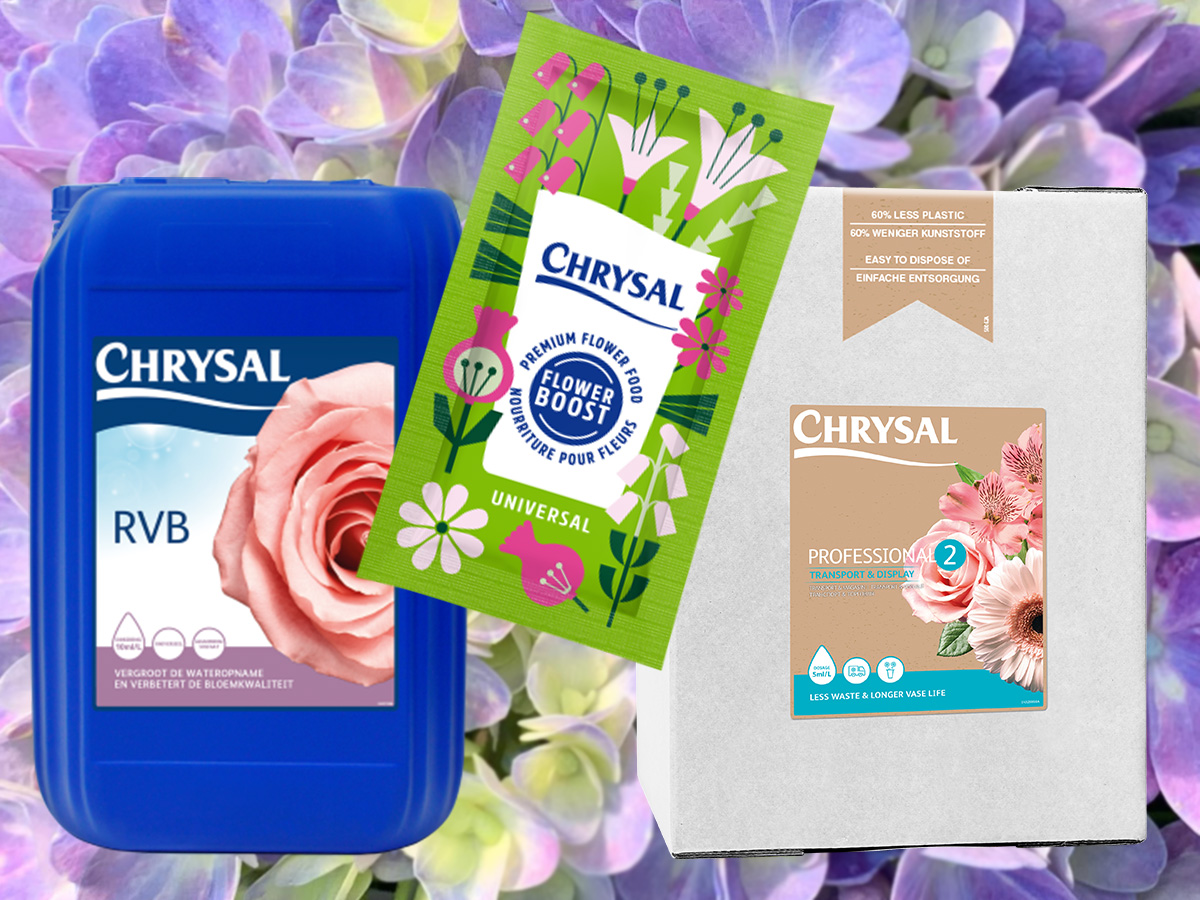
White Hydrangeas can turn blueish, which is a real nightmare for every florist. Most of the time used for weddings, white Hydrangeas can turn blueish in the center of the flower when you use a post-harvest product containing Aluminium sulphate. Therefore, make sure you use clear flower food or conditioners like Chrysal Professional 2 for the storage period and Chrysal Syringa flower food or Chrysal Professional 3 for the consumer phase.
Hydrangea Care Tips for Consumers
Hydrangeas live up to their name, so they need a lot of water. Be sure to keep an eye on the water level and top up when needed. Don't forget to use flower food, though, when refilling the vase with water!
It is recommended to cut the stem 2-5 cm with a clean, sharp knife or secateurs. If the flower has a wooden stem end, cut this off completely when the flower starts to wilt. Use Chrysal Syringa flower food to enjoy your hortensias the longest and keep flowers away from drafts, heat, and direct sunlight.
Jardines de la Cuesta Share Their Love for Hydrangeas
Behind every successful Hydrangea shipment is a careful balance between cultivation, hydration, cold chain management, and postharvest care. Through its collaboration with Chrysal, Jardines de la Cuesta implements hydration and treatment solutions designed to support flower performance throughout the entire supply chain, from harvest and transport to final vase presentation.
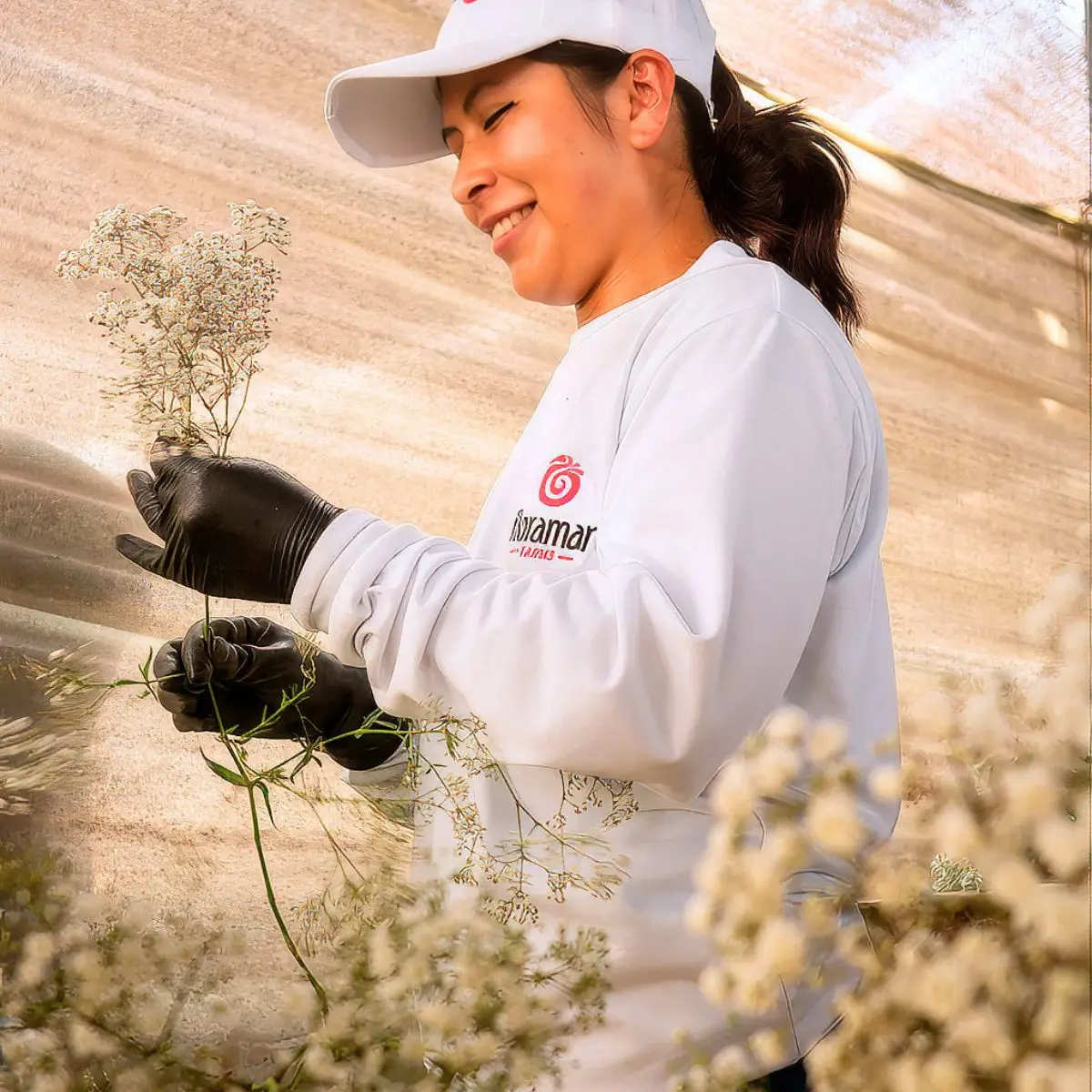
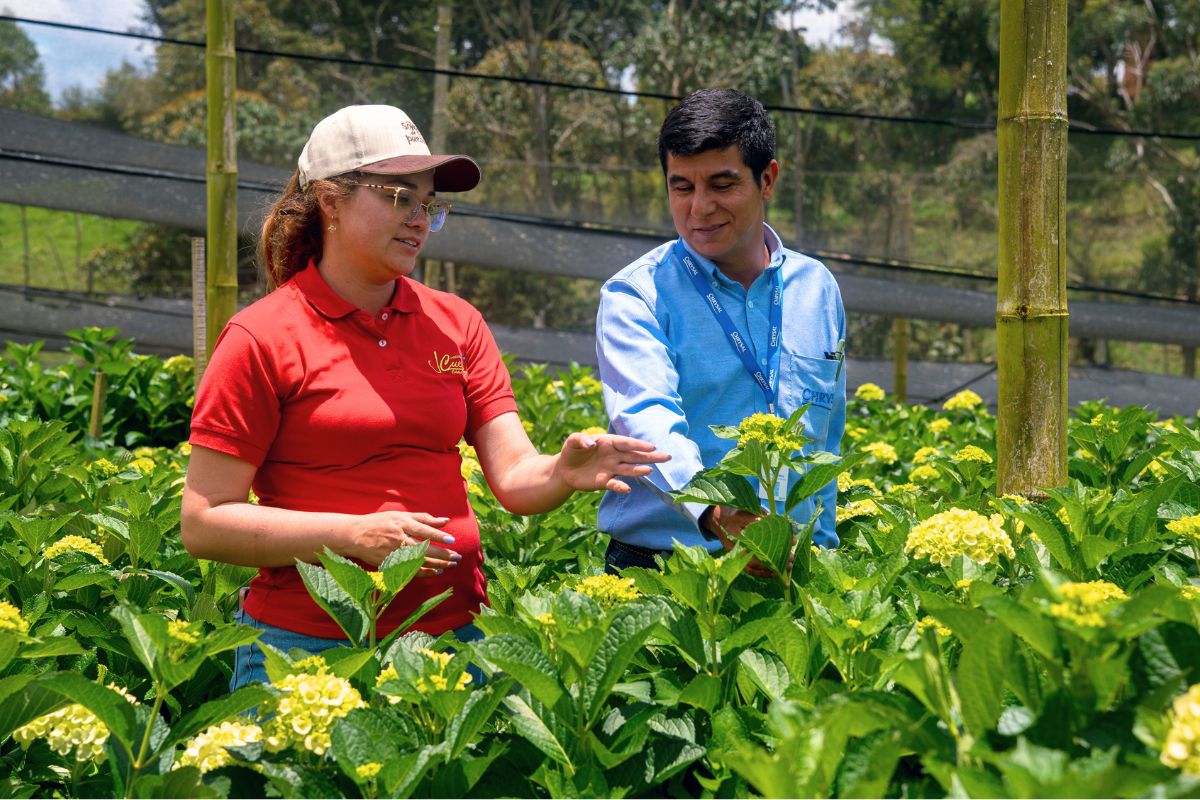
So, what makes Hydrangeas such a special crop for the Colombian grower? Jhon Fernando Aranda, the Postharvest Leader, shared:
"Hydrangea is a truly special crop because it combines technical challenges, market opportunities, and long production cycles. It is not an easy flower to grow, but when managed correctly, it expresses its full potential through outstanding colors and impressive bloom sizes. What I personally value most about working with Hydrangeas is that every detail matters, from pruning practices to the exact timing of harvest and postharvest handling. It is a flower that demands discipline and consistency, but rewards that effort with a product that clearly stands out in the market. Hydrangeas are especially appreciated for religious events and as a complementary flower in bouquets for many seasonal celebrations throughout the year."
For them, the most important international markets include the United States and Europe. For the U.S. market, we mainly export medium-head Hydrangeas in white, blue, and green, as well as the popular Mini Green variety. In Europe, in addition to size, there is a strong demand for uniformity, specific color shades, and premium presentation. For both markets, excellent vase life is essential.
The Most Important Cultivation Practices
When asked about cultivation practices to guarantee the best quality, Jhon said:
"Our approach is built on three key pillars: maintaining the right vegetative-generative balance, precise nutrition and irrigation management, and strong crop protection combined with proper hydration and sanitation practices from harvest through postharvest. This results in strong stems and well-formed flowers that better withstand the full journey, from dispatch to final delivery to the consumer."
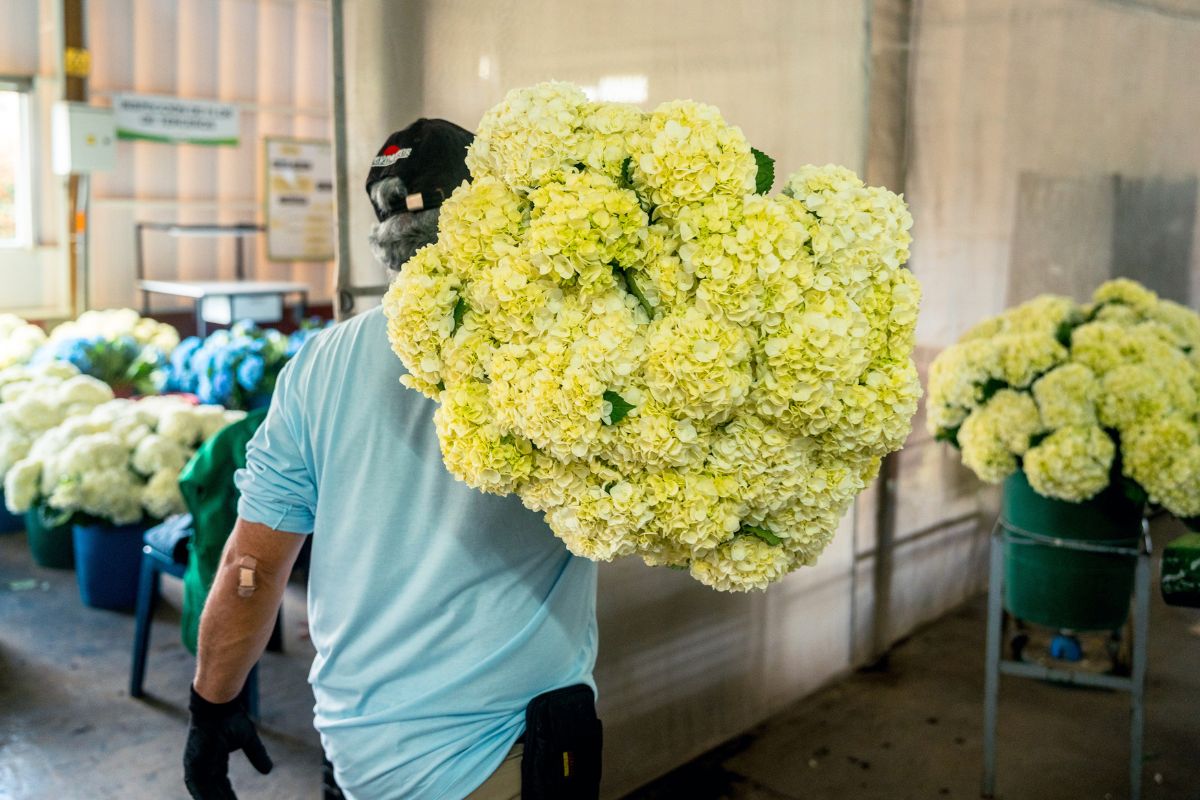
This is continued by the dos and don'ts in the post-harvest process.
Dos: Immediate hydration after harvest, use of clean water, fast transfer from the field to postharvest, appropriate treatment solutions, careful handling, and maintaining the cold chain from dispatch to arrival in the destination country.
Don’ts: Delaying hydration, exposing flowers to sudden temperature changes, or handling flowers without following established quality standards.
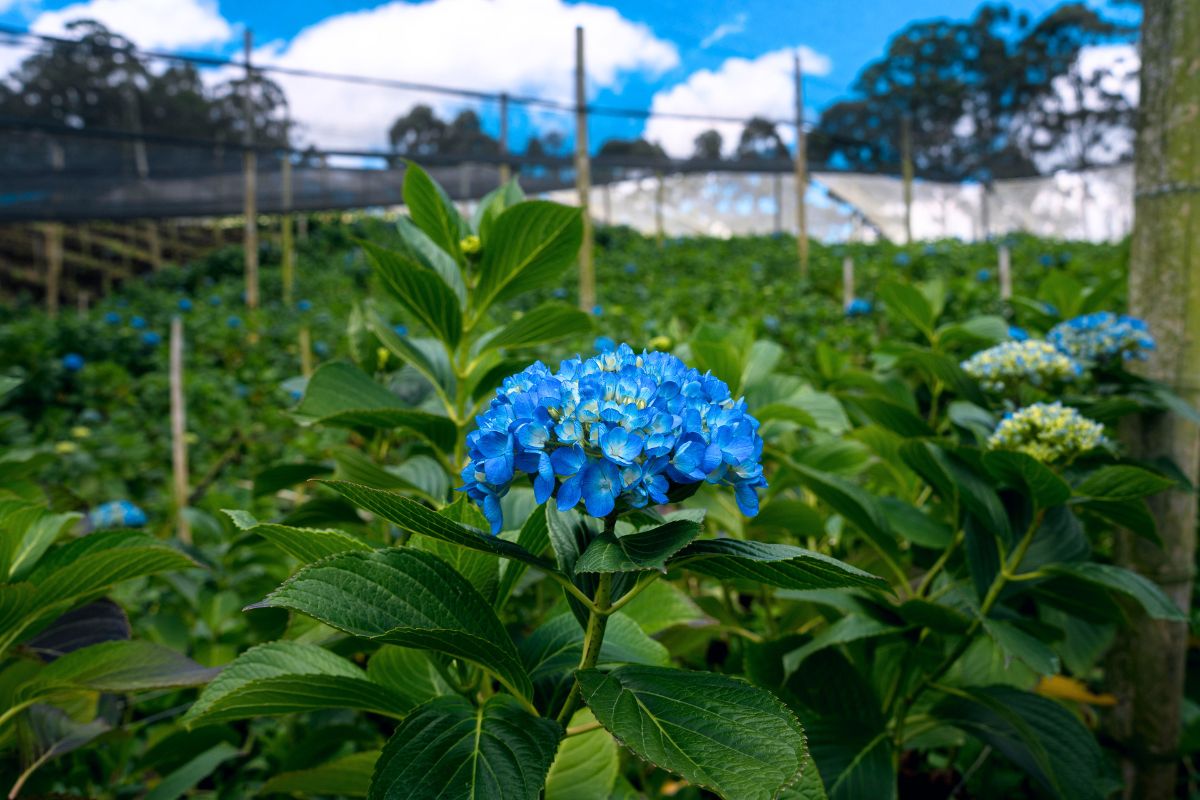
Chrysal Solutions Support Hydrangea Performance From Harvest to International Delivery
Maintaining Hydrangea quality throughout the supply chain requires careful hydration management, postharvest treatment, and reliable transport conditions. Through its ongoing collaboration with Chrysal, Jardines de la Cuesta integrates specialized solutions designed to support freshness, consistency, and vase performance from the field to the final destination.
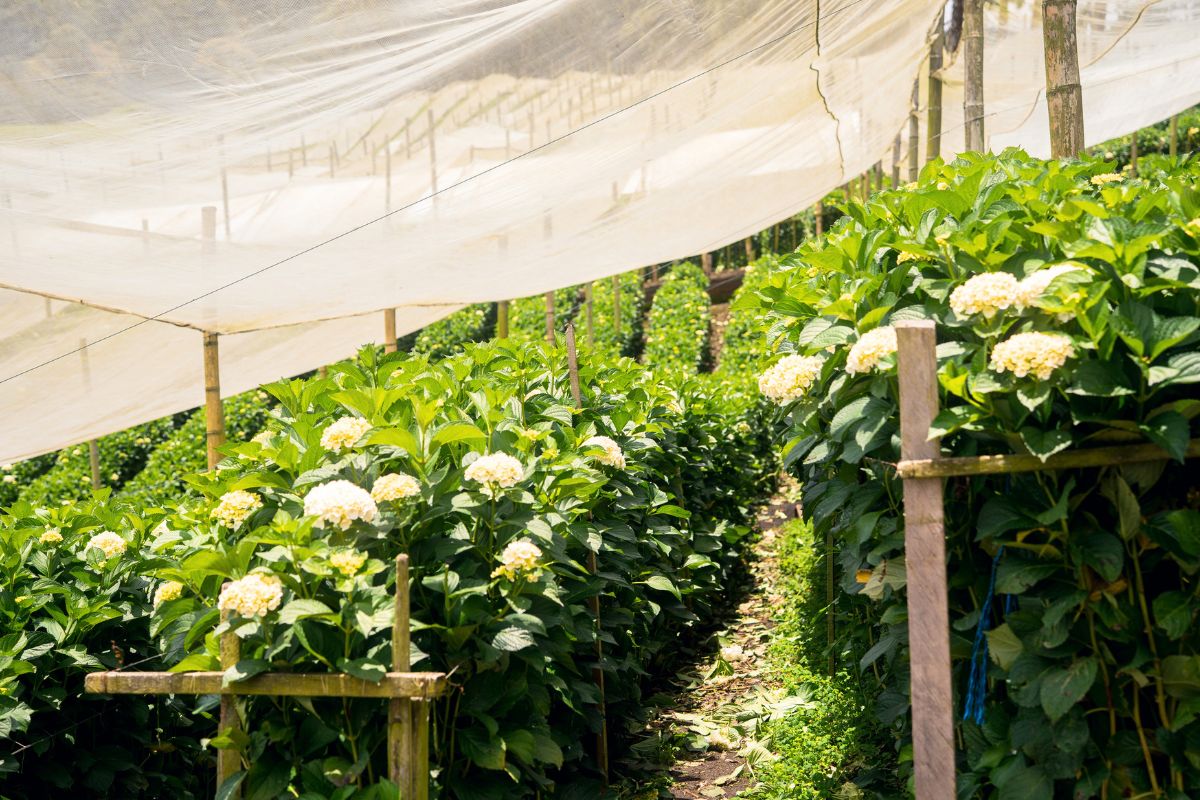
As to the products they use, Jhon detailed:
"We use Chrysal solutions focused on improving stem hydration, including initial treatment solutions in the field and RVB solutions in postharvest. These products provide stability during transportation and optimize vase performance. They help us standardize results, reduce quality variation, maintain a high level of freshness, and protect flowers against bacteria that can compromise quality."
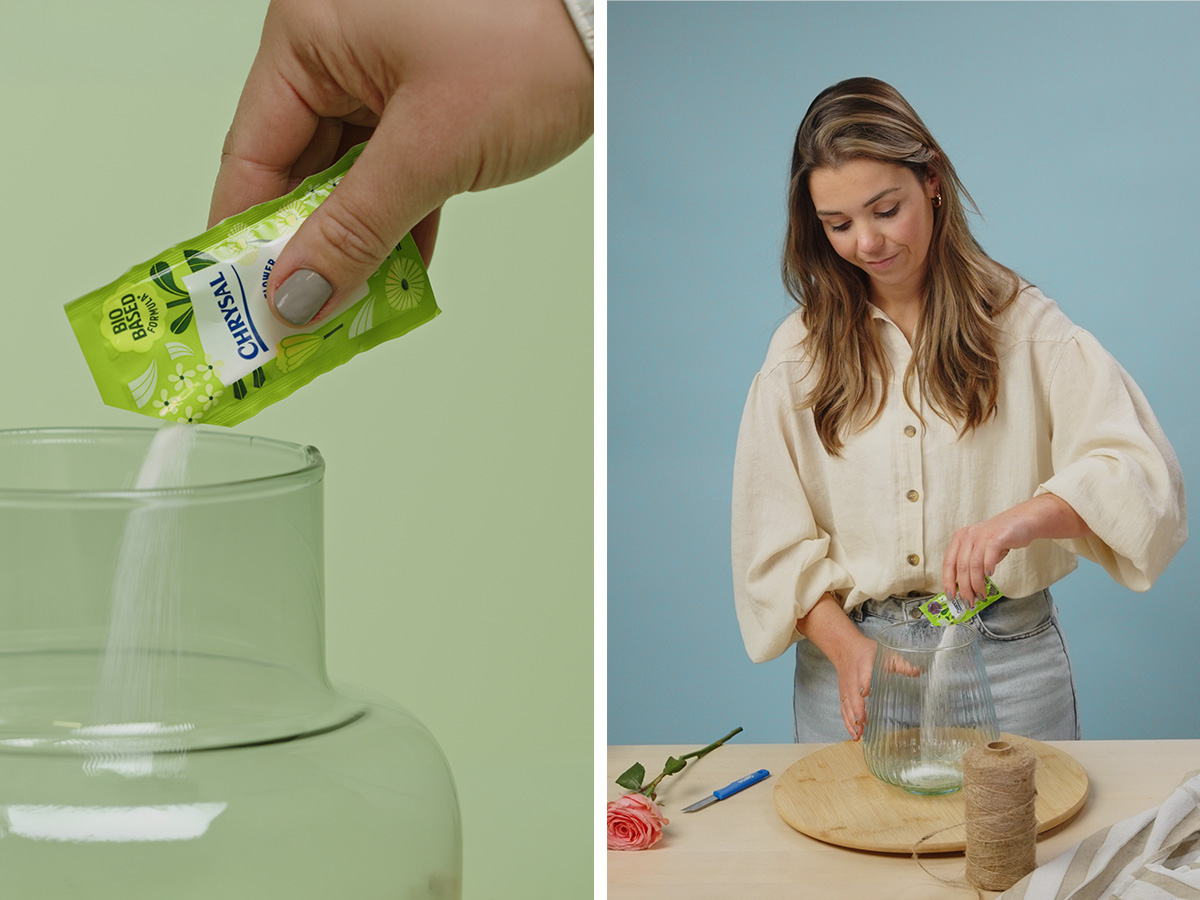
Chrysal helps maintain proper water flow within the stem, reduces dehydration during long journeys, and ensures flowers arrive at market in optimal condition, even on long-distance shipments. When it comes to their relationship, it is a technical partnership. Jardines de la Cuesta benefits from continuous support, testing, and ongoing improvements that help them maintain high-quality standards and consistently meet customer expectations.
Final Recommendations for Beautiful Flowers
Jhon recommends recutting the stem before placing the flower in water, using clean water, and adding floral food sachets to the vase. Keep the flowers in cool environments and change the water regularly as needed. With these simple care steps, Hydrangeas can enjoy longer vase life while maintaining their freshness and showcasing their natural beauty, graceful opening, and harmony.
Photos courtesy of Chrysal.