BLOGS

Our Enemies Are Not Bad People. They Are Bad Ideas.

The flower and plant sector has spent a decade on the receiving end of one idea: local is good, imported is bad, less is moral. The people carrying it are often sincere. The idea itself is destructive. A case for sustainability with soul, not sustainability as guilt.

By: ARNOLD WITTKAMP | 30-05-2026 | 3 min read
Voices of the Industry Sustainability
Sustainability With Soul

Our enemies in this industry are not bad people. They are bad ideas. I have been thinking about this for a long time. The flower and plant sector has been on the receiving end of one particular idea for more than a decade, and it is quietly doing real damage.

Sustainability With Soul, Not Sustainability As Guilt

The idea is simple. Local is good. Imported is bad. Less is moral. Growth is suspect. Flowers from Kenya, Ethiopia, Colombia, or Ecuador are framed as an ecological problem. Sustainability gets reduced to proximity. Anything that travels is automatically guilty.
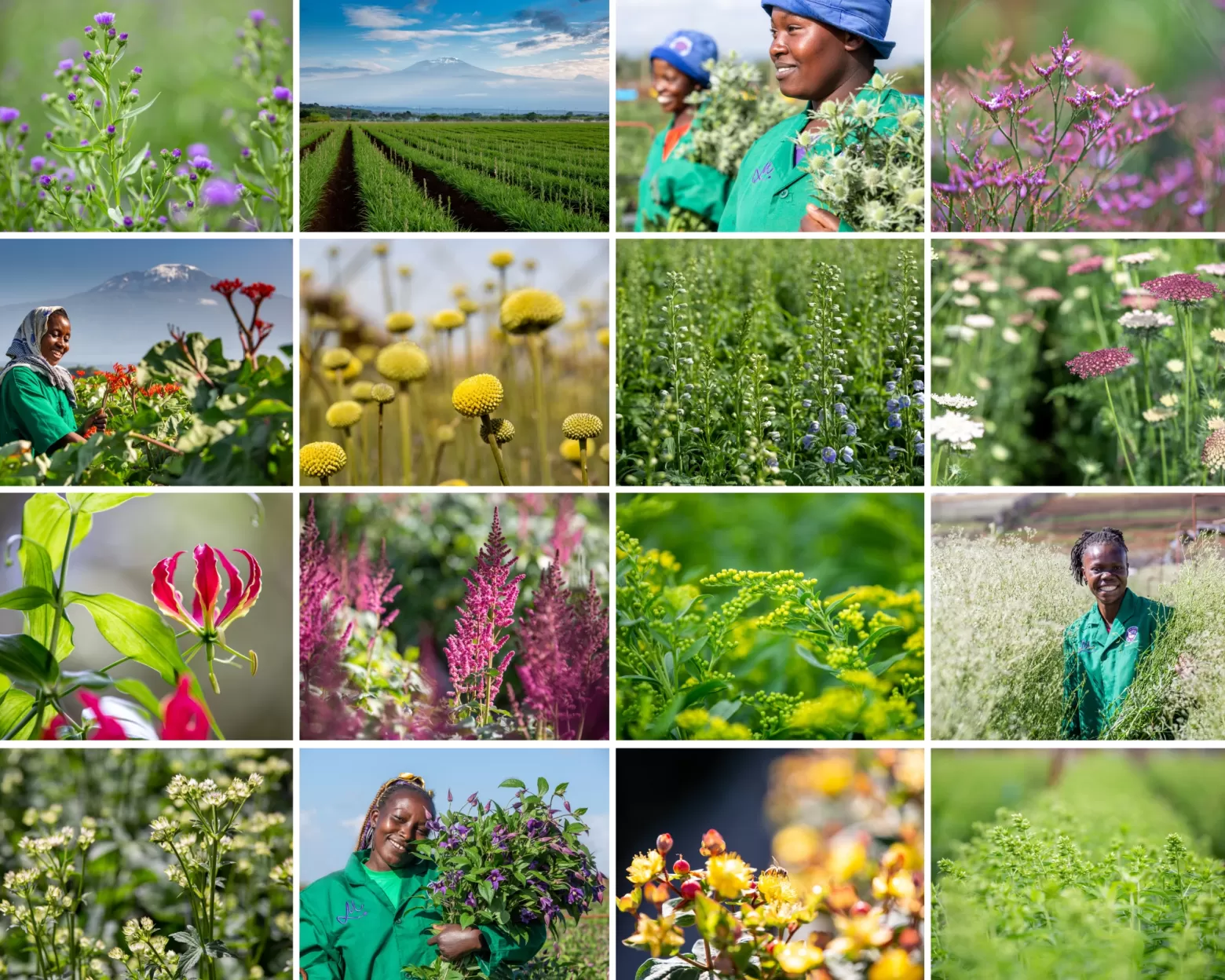
 

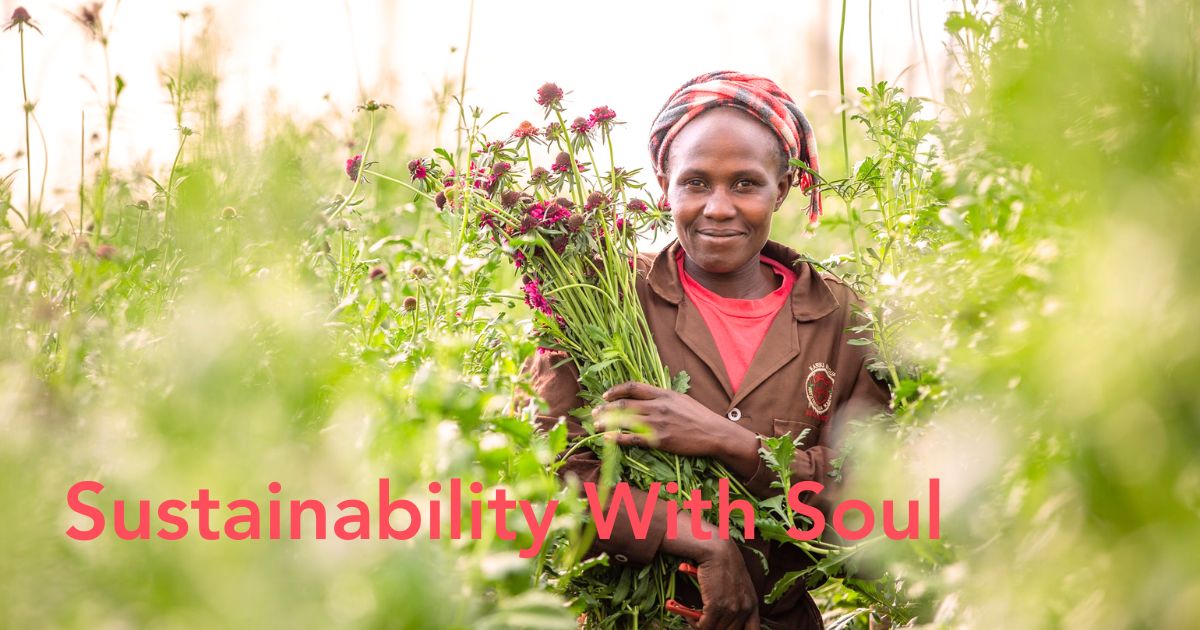
Sustainability with soul at Marginpar
'Sustainability with Soul' at Marginpar


The people carrying this idea are often sincere, articulate, and hardworking. They do not wake up wanting to harm growers in Naivasha or Cayambe. But the idea itself, once it spreads, becomes destructive in a way the people who hold it rarely recognize.

What This Idea Actually Does

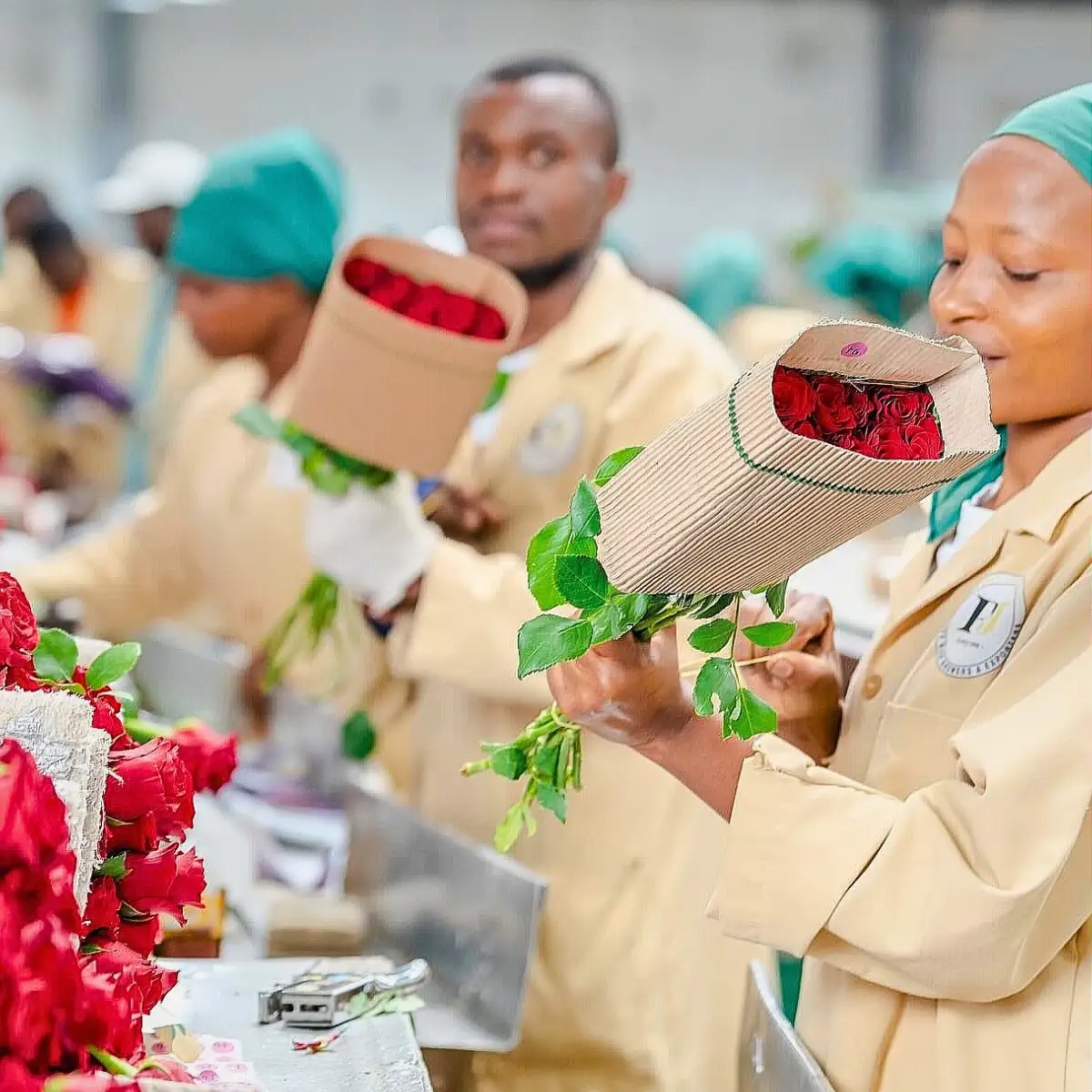
It strips hundreds of thousands of jobs of their dignity. The Kenyan flower industry, the Colombian rose and carnation belt, the Ecuadorian highlands: these are not abstract export categories. They are families, schools, communities, entire regions built on the global demand for flowers. The global south's floriculture is one of the most underreported development stories in global trade.

It turns efficient supply chains into moral failures. The carbon math is more complicated than the slogan suggests. Heated European greenhouses and African open-field production carry very different footprints, and the honest answer requires nuance. The slogan does not.

It tells consumers that the safest choice is to buy less, or nothing at all. It rewards guilt over engagement. And it ignores what flowers and plants actually do for people: emotional value, social value, economic value, and measurable well-being.
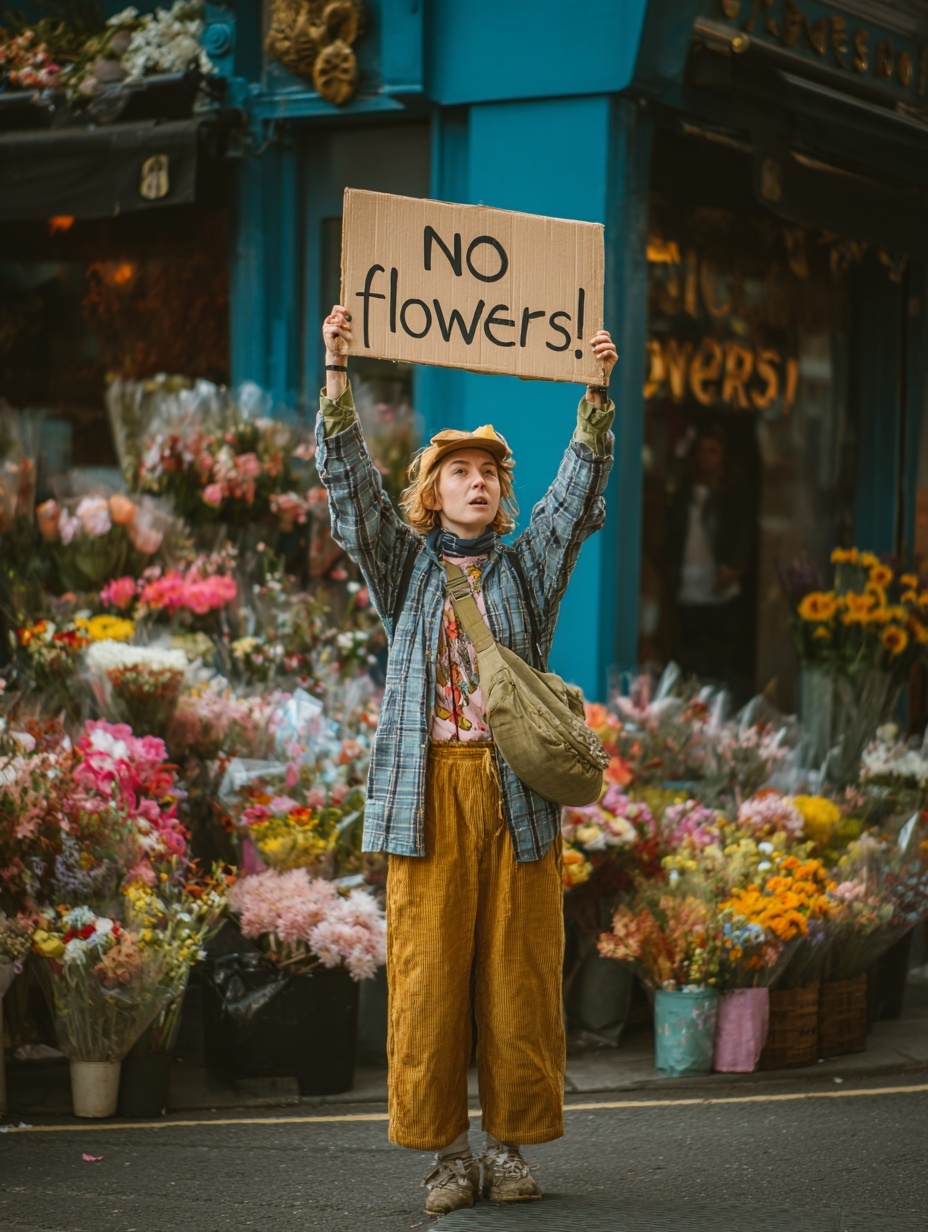
 

No Flowers activist


How It Hollows Out The Sector

I have watched this idea hollow out parts of the sector's confidence. Growers apologize for producing. Florists apologize for importing. Marketers are afraid to celebrate the product they sell. Trade press writers carefully avoid the question rather than go through it. Bad ideas work slowly. First, they make the people who hold them anxious. Then they make the industries they touch defensive. Then they shrink the conversation until nobody remembers what flowers and plants are actually for.

What Comes Next

The answer is not denial. The sector has real work to do on water, on energy, on crop protection, on labor conditions, on transparent footprint reporting. Nothing in this argument is an excuse to slow down. The answer is sustainability with soul, not sustainability as guilt. Real nature has value. The people who grow it deserve respect, not suspicion. The chain that moves a rose from a Kenyan farm to a kitchen table in Amsterdam carries human and economic weight that a slogan cannot capture.

The battle of ideas in this sector is not a side debate. It is the most important one we have. A sector that cannot explain itself will be explained by others.

No flowers, no future.

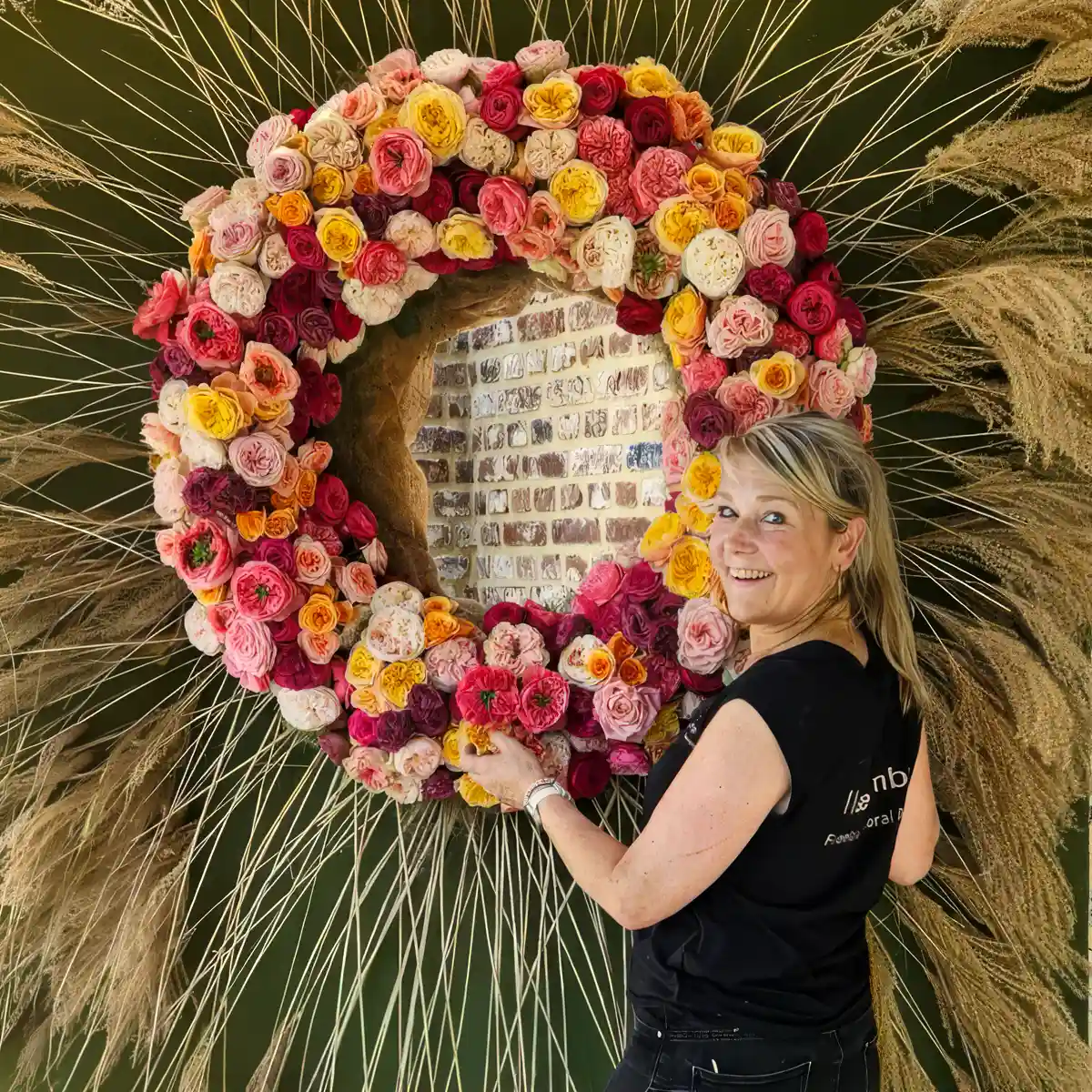
Featured and Header image by Marginpar

FAQ

Are imported flowers worse for the environment than local ones?

Not automatically. The carbon footprint depends on how flowers are grown, not only where. African open-field production and heated European greenhouses carry very different footprints, and honest comparison requires full life-cycle analysis, not proximity assumptions.

Why does the flower industry defend imported flowers?

Imported floriculture supports hundreds of thousands of jobs in Kenya, Colombia, Ethiopia, and Ecuador, and represents one of the most significant development stories in global trade. Reducing the conversation to "local good, imported bad" erases that reality.

What does "sustainability with soul" mean?

It means treating sustainability as a real, multidimensional commitment, including water, energy, crop protection, labor conditions, and transparency, while also recognizing the emotional, social, and economic value flowers create. Sustainability without soul reduces the conversation to guilt; sustainability with soul keeps it honest.

Arnold Wittkamp profile picture
Arnold Wittkamp

I work at the intersection of nature, business, and society. After more than thirty-five years in floriculture — from running a florist shop to importing flowers and plants and leading international marketing campaigns — I’ve learned how powerful the horticultural world can be when it speaks with clarity, confidence, and a sense of responsibility.

Today, as CEO of Thursd, I lead a global platform that connects growers, breeders, exporters, designers, and consumers through data, storytelling, and sector knowledge. Thursd has grown into a digital infrastructure that shapes how millions of people engage with flowers and plants. Alongside this work, I host the Goede Bloemen & Goede Planten podcast, where I explore the emotional, ecological, and economic value of the flower industry with leaders across the sector.

YOU MAY ALSO LIKE

Meet the Thursd Team at IFTEX 2026. Get to Know About Thursd Shop, a Grower-To-Florist Channel Built to Give Growers a Smarter, More Direct Route to Market
Thursd Is at IFTEX 2026, Meet the Team and Discover So Much
Spray roses Alexandra Farms
Alexandra Farms' Spray Garden Rose Collection in Full Expression
Cut Flowers
May 27 | 4 min read
Who Is the British Flower Collective and How Are They Championing Seasonal, Locally Grown British Flowers?
The British Flower Collective – What Do They Do?
TAK leaves
TAK Global’s Commitment to Sustainable Agricultural Practices
Sustainability
May 27 | 4 min read
IFTEX 2026, Kenya’s Flower Industry Gears up for Its Biggest Flower Trade Expo Yet
Kenya’s Flower Industry Gears up for Its Biggest Floral Trade Expo as IFTEX 2026 Arrives
At the IFTEX This Year, Thursd Celebrates the Kenyan Flower Industry
From Farms to Florists, Thursd Is Keen on Championing Kenya’s Flower Industry at IFTEX 2026
four phones with a thursd page open

Can't get enough?

Subscribe to the newsletter, and get bedazzled with awesome flower & plant updates

Sign up