Colombia’s flower industry is used to pressure. Every season brings deadlines, logistics, weather, labor planning, and customers who expect quality without excuses. But what Colombian growers are facing now is different. The pressure is coming from several sides at once: a trade conflict with the United States, inflation in the U.S. consumer market, rising wages at home, shorter working weeks, higher fuel prices, and freight costs that keep moving in the wrong direction.
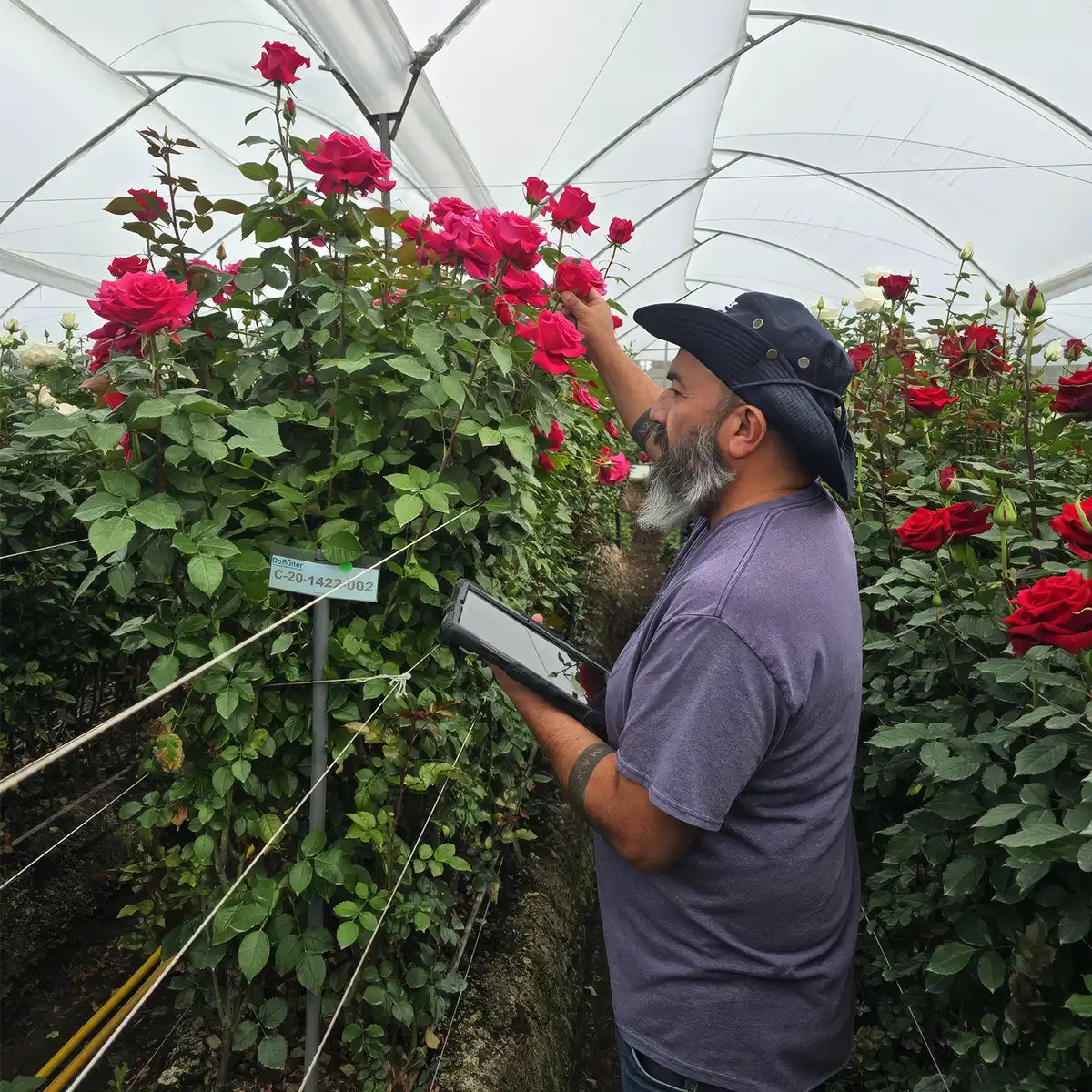
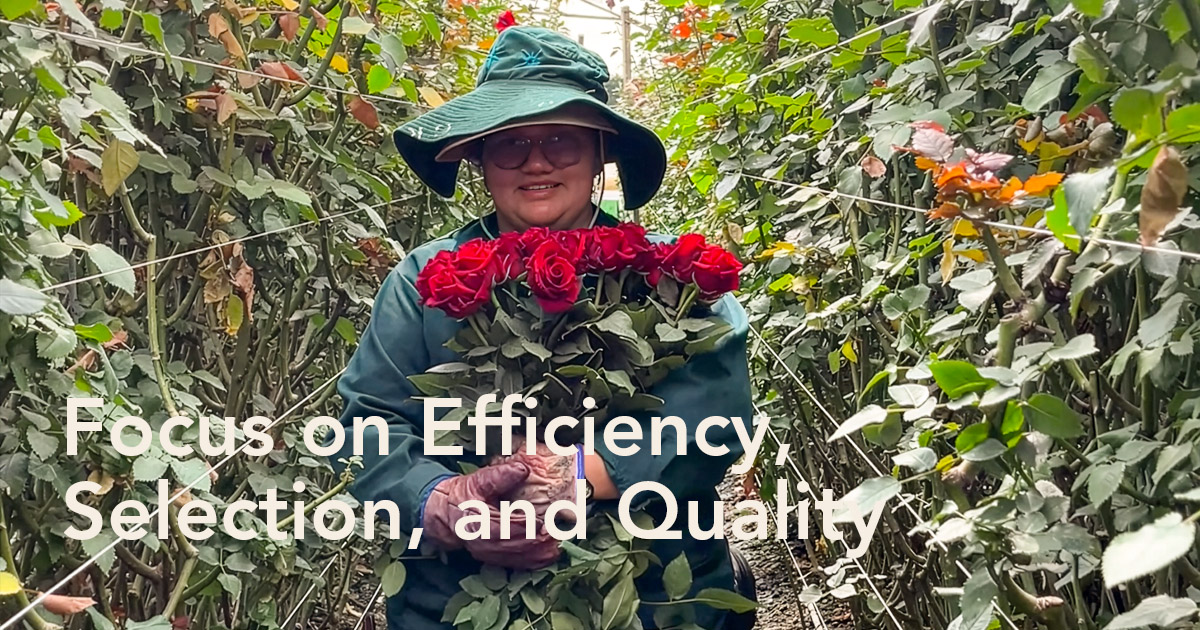
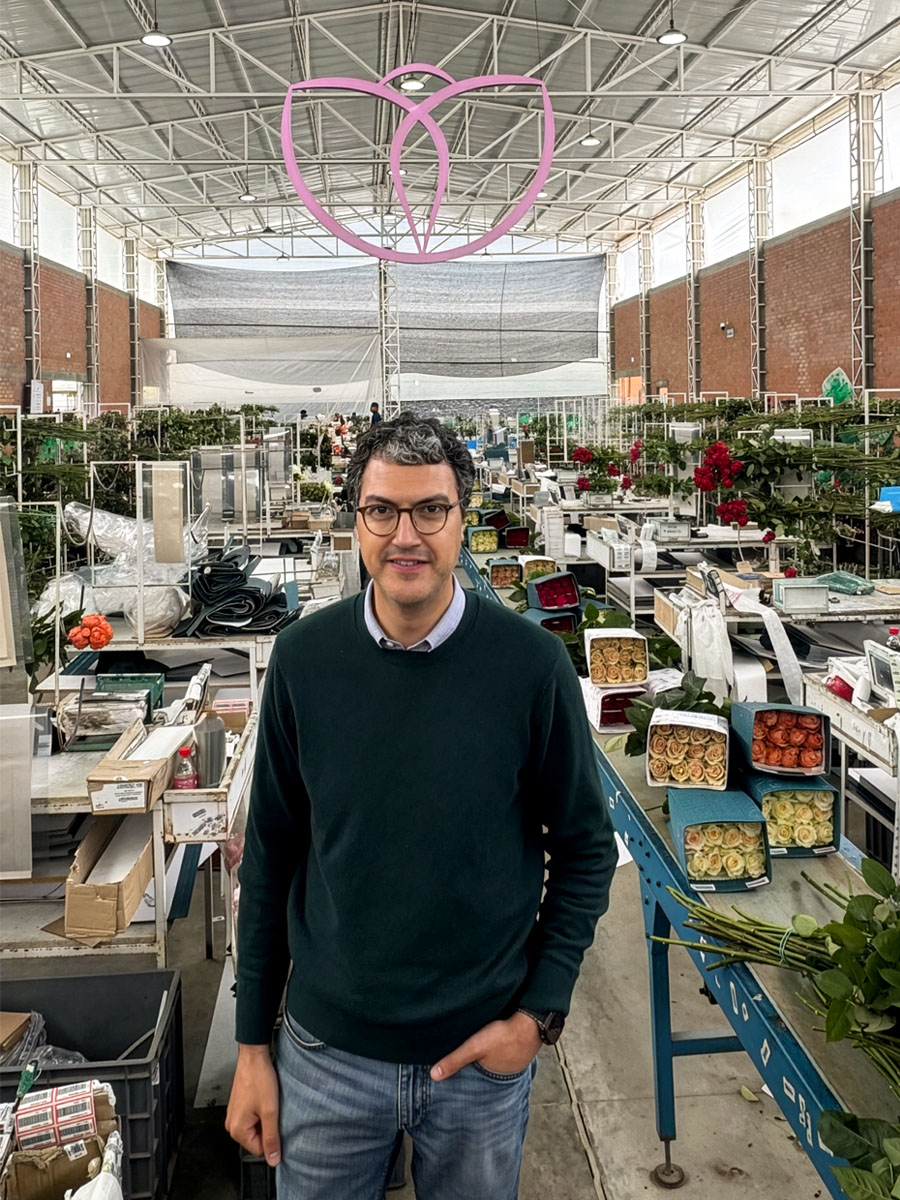
In a recent interview by De Ruiter Colombia, Mauricio Danies, owner of the rose production and export company Milagro de las Flores, shared a clear view from inside the greenhouse. His message was not dramatic, but it was direct: Colombian rose growers have to become more efficient, more selective, and even more focused on quality if they want to keep their place in the market.
A Tougher Market for Colombian Flowers
The United States remains the main market for Colombian flowers. A large share of Colombian flower exports is still destined for the U.S., making every political and economic shift in that market highly relevant for growers. The current trade conflict between Colombia and the United States, including the 10% tariff on Colombian flowers, is putting direct pressure on an already tight business model.
At the consumer end, the picture is shifting as well. Inflation in the United States continues to affect household spending. When consumers pay more for food, fuel, rent, and daily basics, flowers have to fight harder for a place in the basket. Bouquets are still loved, but they are also a discretionary purchase. That means supermarkets, wholesalers, and retailers are watching price points more closely.
This does not mean the U.S. flower market disappears. It means the market becomes more careful. Consumers may still buy flowers, but they may choose smaller bouquets, wait for promotions, or shift to products that feel like better value. For Colombian growers, that puts pressure on volume, price, and margins simultaneously.
Labor Is the First Big Pressure Point
For Danies, labor is the clearest cost issue. In the interview, he explains that labor accounts for 50% to 60% of total costs for flower companies. A wage increase, combined with the reduction of working hours, does not stay on paper. It is directly reflected in a farm's cost structure.
Colombia’s minimum wage increase, along with related payroll costs and the shorter workweek, could mean the practical labor impact for growers rises by around 23%. For a sector that depends heavily on skilled people in production, harvest, post-harvest, quality control, packing, and logistics, that number matters.
Danies does not present this as an argument against workers. He is clear that better wages are positive for people. The challenge is that farms must now find ways to absorb the cost without simply asking employees to work harder. "You have to become much more efficient," Danies says in the interview.
That efficiency, in his view, should come from better systems, smarter planning, and working together with teams so people can cover more area with the same effort. It is not about placing the full burden on workers. It is about finding a better way to organize the work.
Variety Choice Becomes a Business Decision
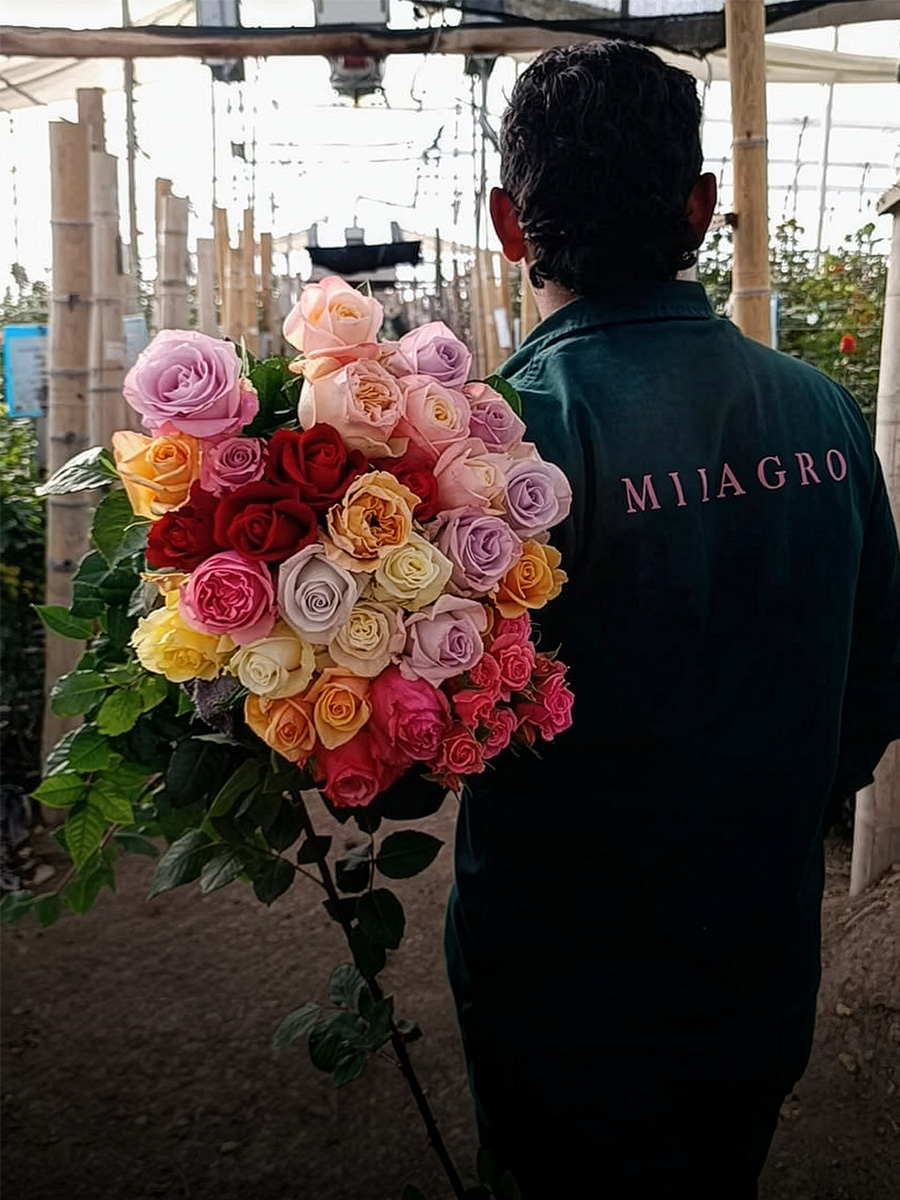
One of the strongest points in the interview is Danies’ view on varieties. A rose variety is not only judged by its selling price. It also has to be judged by what it costs to make that stem export-ready.
Some varieties need more labor. Some have more sanitary challenges. Some require netting, bagging against Botrytis, or extra care during production and post-harvest. Those extra tasks are becoming more expensive. In this new context, a variety that is slightly cheaper to sell can still be more profitable if it is easier to grow, has fewer losses, performs well in the chain, and delivers more exportable stems per square meter.
"The variety is an essential point in that productivity increase," Danies says.
That is where a breeder such as De Ruiter becomes part of the bigger conversation. In the Colombian situation, that role becomes even more practical. Growers need varieties that not only look good, but also help farms manage labor, quality, productivity, vase life, and export reliability. The very productive varieties of De Ruiter are definitely helpful in generating that margin that the Colombian grower now needs more than ever.
Fuel and Freight Costs Add Another Layer
Fuel prices are also pushing the industry. Higher oil and fuel costs affect fertilizers, packaging materials, air freight, trucking, and eventually the final flower price. Danies points out that the whole chain feels this, from the farm to the customer.
If the final consumer price rises too much, consumption can fall. So every link in the chain has to absorb part of the pressure. Growers, exporters, importers, wholesalers, retailers, and customers are all connected in this same reality.
Air freight is especially important for Colombia because most Colombian flowers still move by air. Sea freight is cheaper and more efficient, but it is not always the right choice for premium roses. Danies explains that Milagro de las Flores has worked on durability and quality to make flowers more suitable for sea transport, but also says that premium products often still need air freight to protect their quality and customer promise.
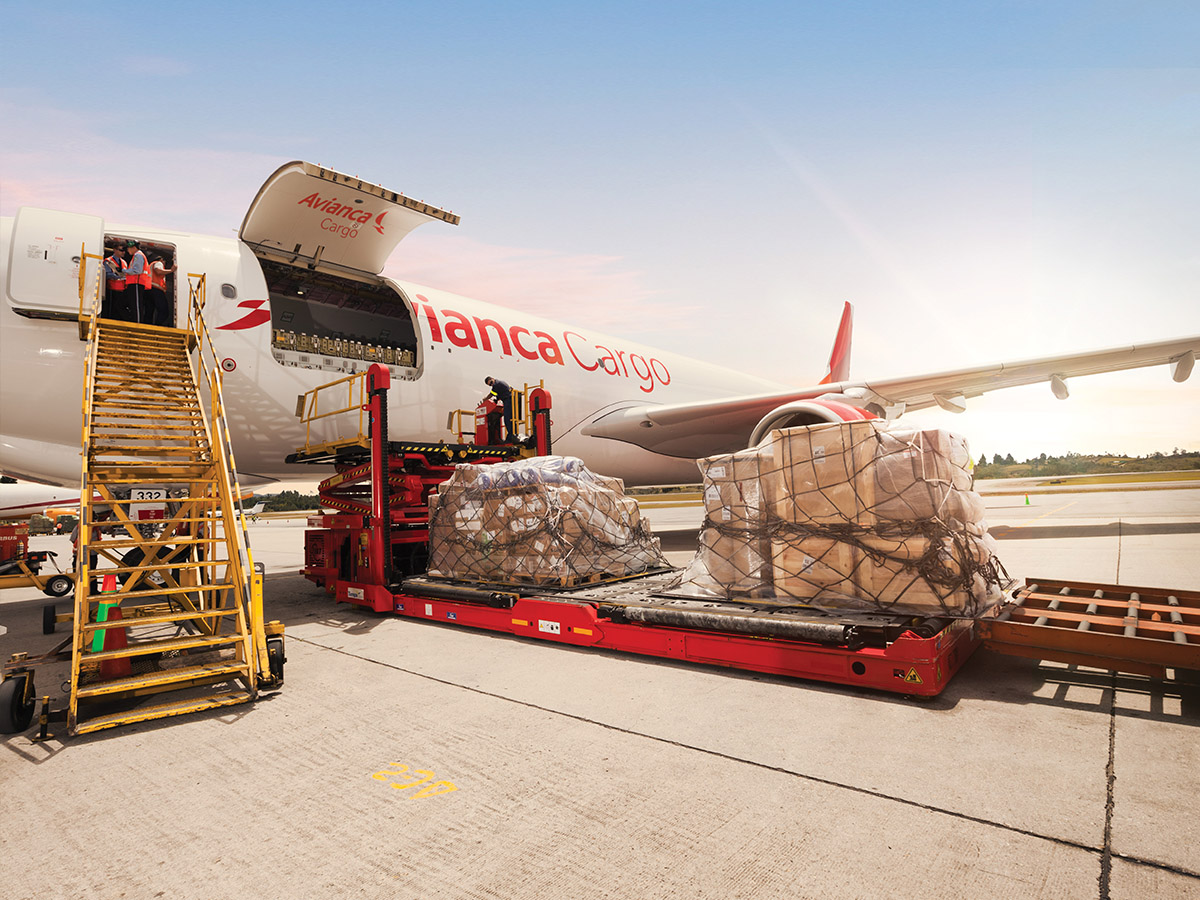
That is the difficult balance: sea freight can reduce transport costs, but for high-end roses, the question is not only whether the flowers arrive. It is whether they arrive in the condition that the customer expects.
Colombia’s Position Against Ecuador
The interview also touches on Ecuador. If Ecuador succeeds in lowering its tariff to the U.S., Colombia could lose part of its historical cost advantage. Danies says Ecuador still has higher freight costs and different logistical limitations, but the tariff gap could narrow the total cost difference between the two countries.
For Colombian growers, this makes competitiveness less about one single number. It becomes about the full package: productivity, quality, logistics, service, varieties, reliability, and the ability to match the right flower with the right customer.
Finding the Right Customer, Not Just a New Country
Danies does not believe there are many completely untouched flower markets left. The global flower trade has already explored most countries with serious demand. For him, the future is more about finding the right niche inside each market.
Even in the United States, often seen as a price-driven mass market, he believes there are customers looking for a better rose, a product that surprises, and a quality level they can actually see. The same goes the other way around: some markets that look premium from the outside may still contain customers who mainly want low-cost, high-volume flowers.
That means the job is not only to open new countries. The job is to connect each producer with the customer who understands that producer’s product.
De Ruiter: "Let's Keep Moving Forward Together"
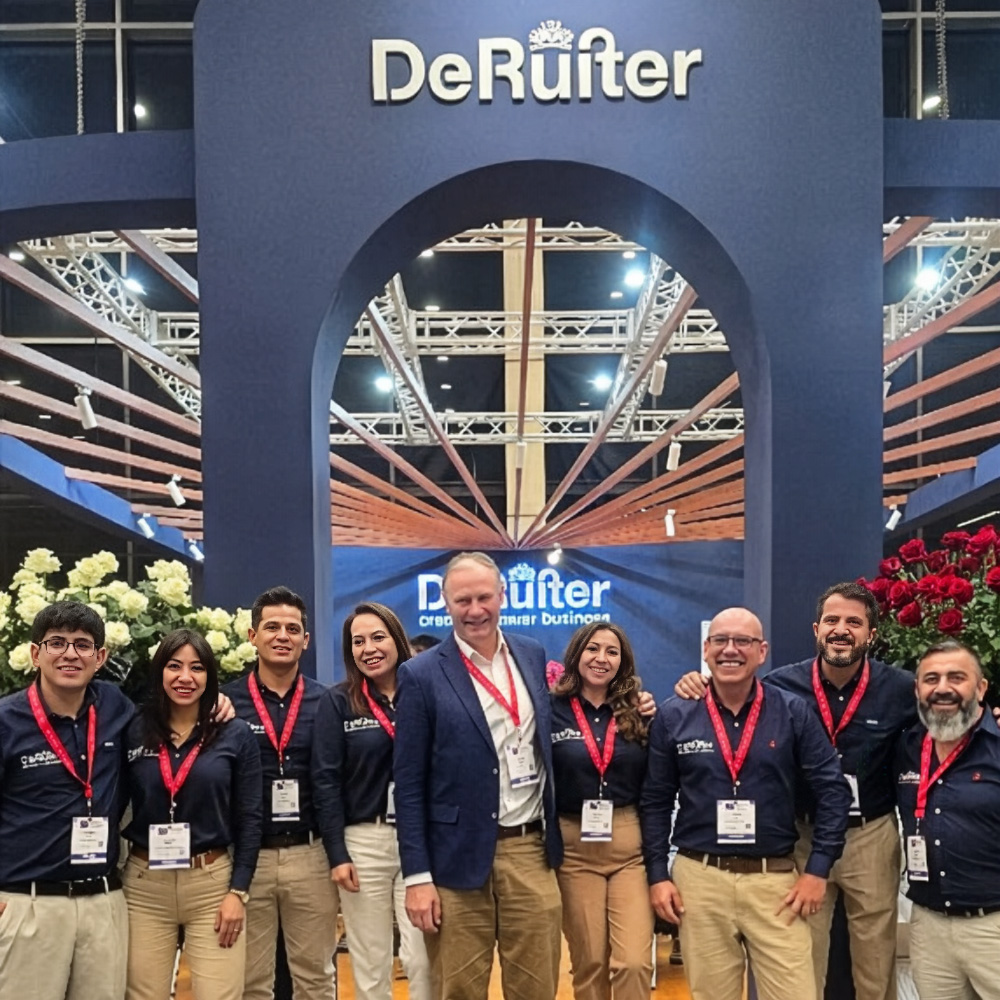
For De Ruiter Colombia, the current situation is exactly the moment to stay close to growers. The company is following the political, economic, and market developments up close, not from a distance, but alongside the producers who deal with them every day.
Its support is practical: listening to growers, discussing variety performance, sharing market signals, and helping farms think through choices that affect productivity and quality. In a market where every extra task, every lost stem, and every freight decision matters, that kind of support becomes part of the daily business. In short: to keep both the technical and commercial talks open.
The central message of the De Ruiter management is clear: De Ruiter and Colombian growers are moving forward together. Not because the situation is easy, but because this is when strong relationships matter most.
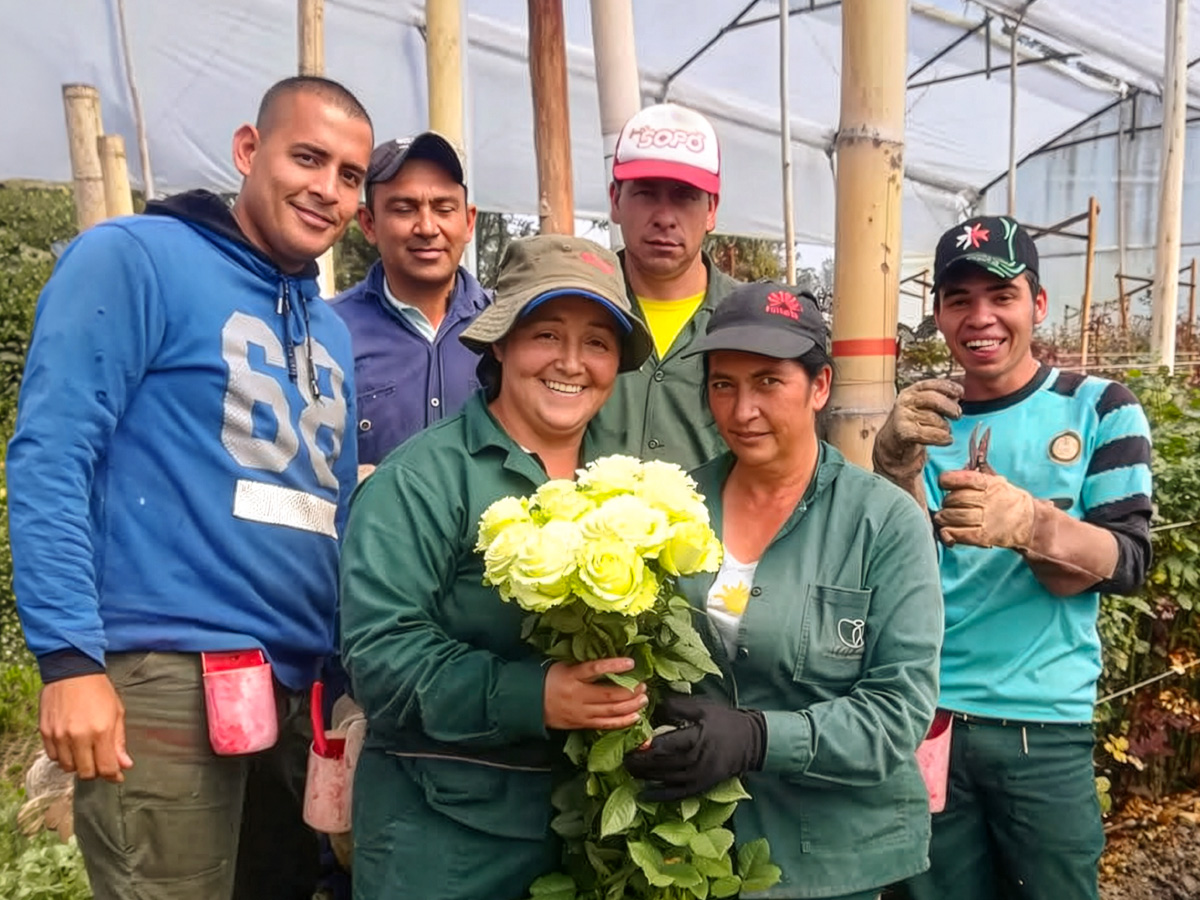
Colombian floriculture has always been built on people, skills, quality, and export discipline. The coming years will ask for more of all four. Growers will have to make sharper decisions. Breeders will have to understand the pressure behind those decisions. Customers will have to recognize that quality has a cost.
But the industry is not standing still. It is adjusting, variety by variety, farm by farm, and conversation by conversation. And in that process, De Ruiter's role is to remain close to the growers, support them where it can, and keep building the rose business with them. When the going gets tough, the tough get going.
Header and feature image by Milagro de las Flores.