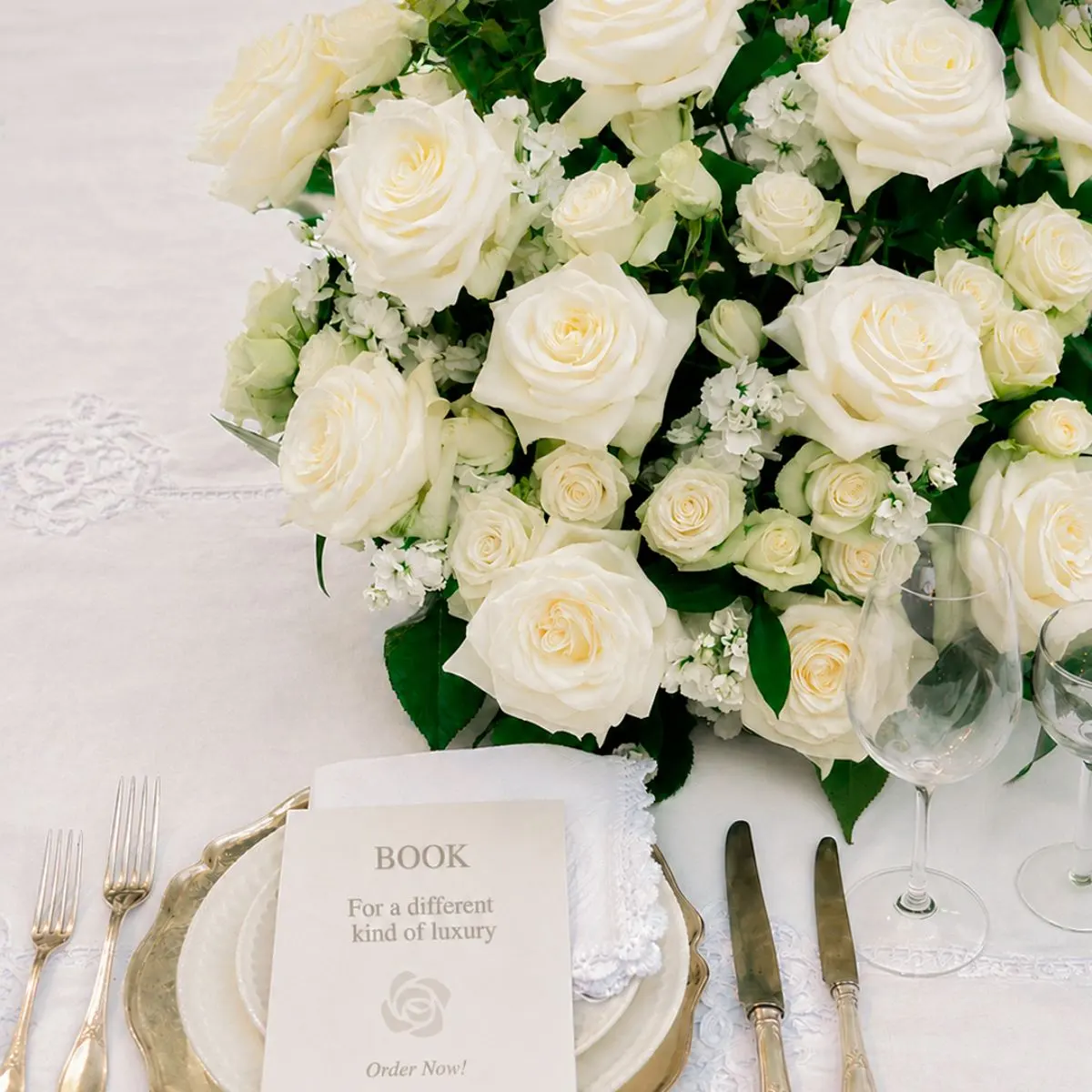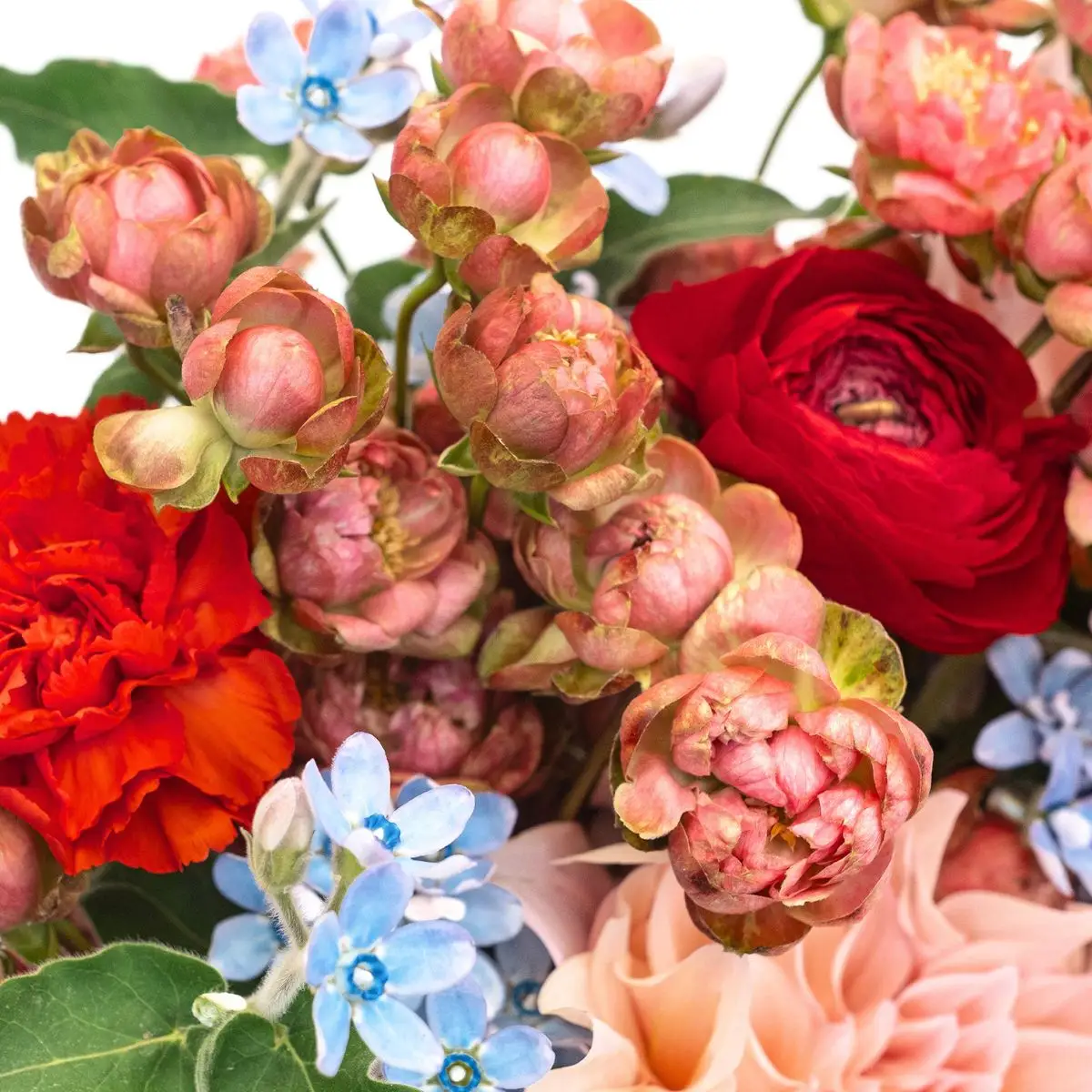
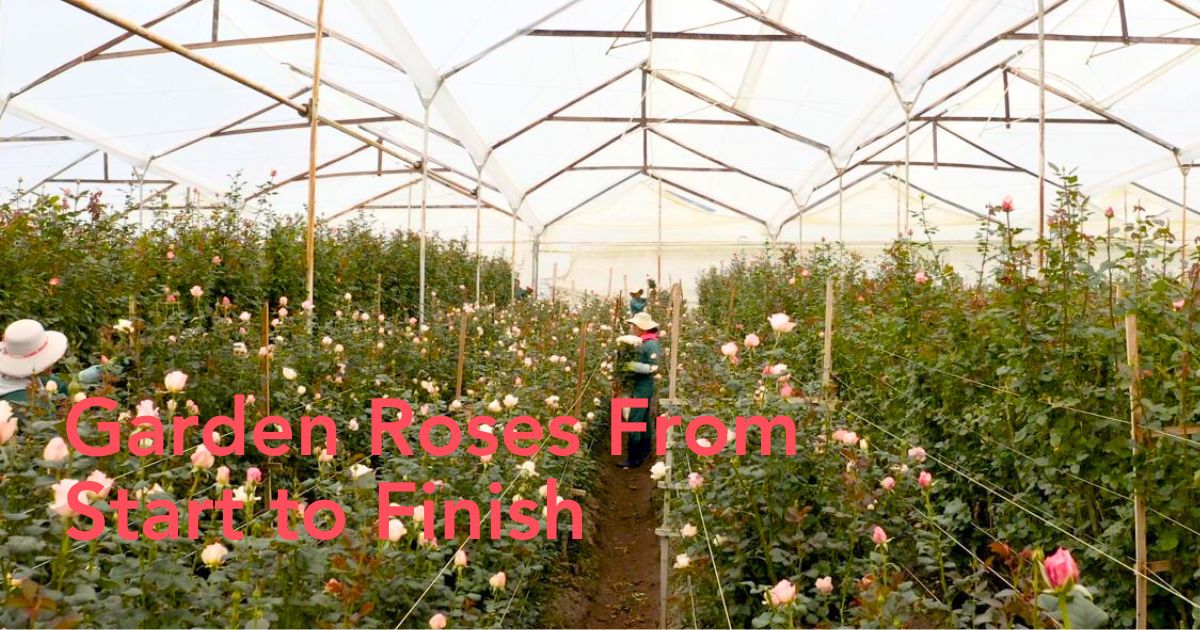
People hardly notice the years of deliberation, testing, and waiting that go into a garden rose until they see it at its best - fully open, fragrant, and full of character. Every garden rose variety at Alexandra Farms symbolizes a protracted journey of perseverance, accuracy, and tireless dedication to quality.
Timing is crucial to everything that takes place behind the scenes, from the initial phases of selection to the point at which a garden rose is prepared for presentation to the public. If you've always wanted to know more about the process behind garden roses, Pilar Buitrago, Alexandra Farm's biologist, shares really insightful information about the roots of it all.
The Road to a New Variety by Alexandra Farms
Developing a garden rose is not a linear process, nor is it quick. It is a careful balance between intuition and data, creativity and discipline. In this interview, Pilar shares how new varieties are selected, evaluated, and ultimately brought to market, revealing why patience, observation, passion, and respect for nature are essential at every step.
From First Selection to Commercial Production
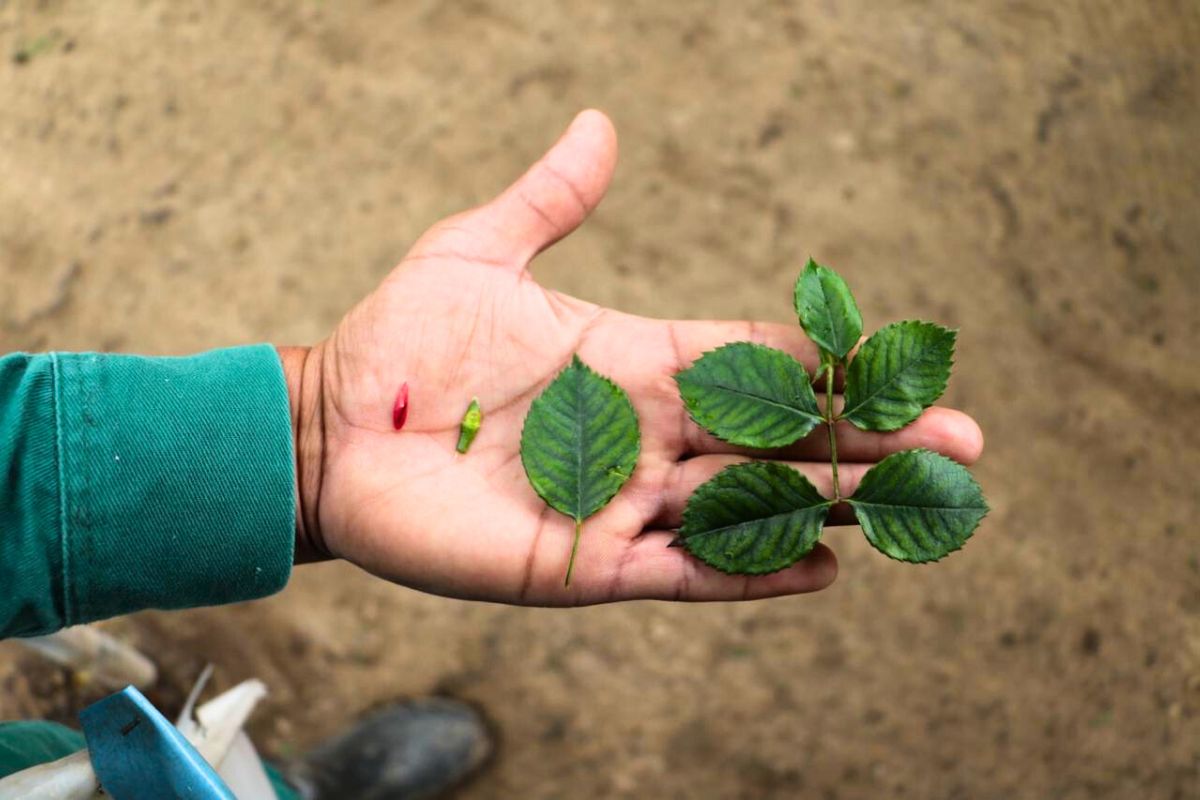
When people see a finished garden rose variety, they often don't imagine everything that happens behind the scenes. Pilar walks us through the timeline, from the first selection to commercial production, to which she said:
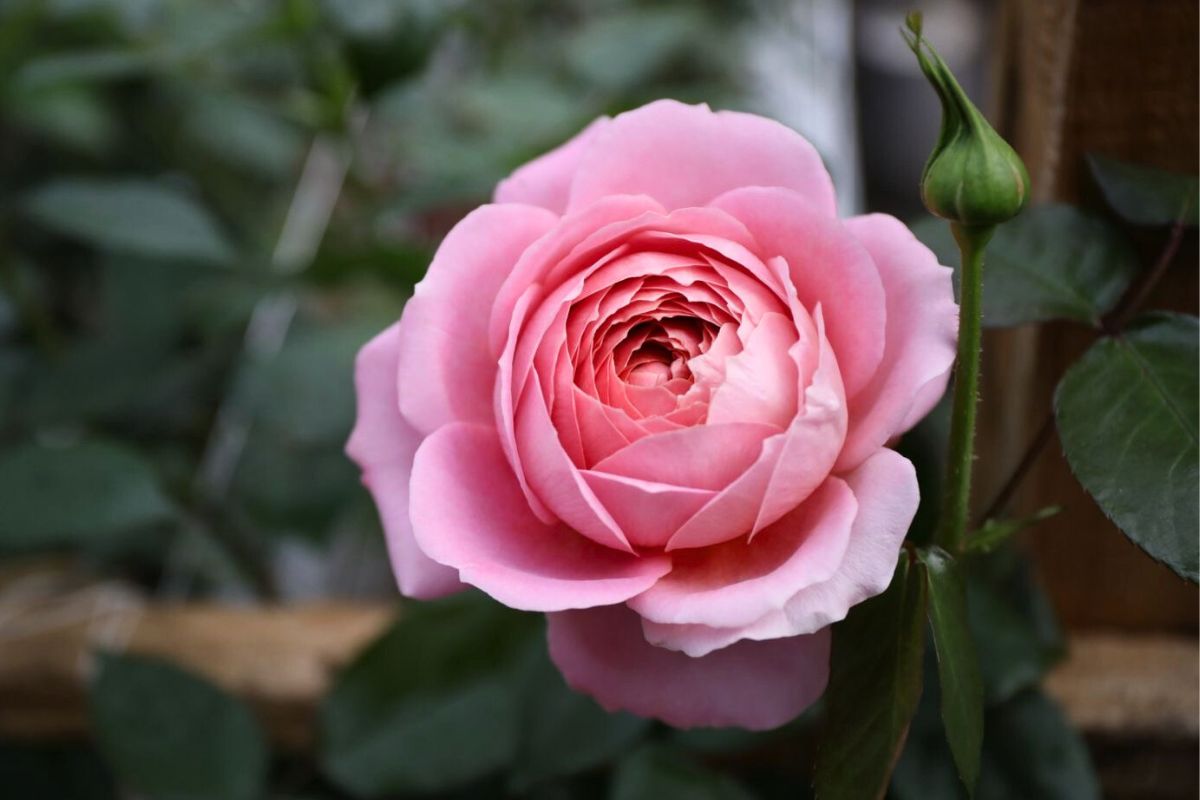
"In the first stage, we search for exclusive garden rose varieties and evaluate key parameters such as color, preferably bridal tones for weddings and events. Form is extremely important; the roses must have a romantic, nostalgic shape, such as cups or rosettes. We also look for fragrance, good opening behavior, long vase life, and exceptional beauty. This stage is both summarized and very thorough. It involves year-round research: speaking with hybridizers, reviewing their collections, visiting them, and studying fashion and design trends within the floral industry.

"The second stage focuses on productivity, stem quality, and resistance to transportation, including simulated travel tests. At this point, we can also begin marketing analysis, sending samples to clients and floral designers worldwide. Statistical analysis of productivity, quality, and vase life is essential here.
Based on these results, we select only a small number of varieties each year to move into the pre-commercial stage. Customer feedback becomes especially important, as does productivity, which we consider a key parameter. Some varieties are discarded, while others move forward to full commercial production. From start to finish, at least two years pass."
Recognizing a Variety Worth the Commitment
For Pilar, identifying a promising new variety is both an intuitive and highly disciplined process. Years of experience have taught her that the earliest signs of potential often reveal whether a garden rose is worth the long-term commitment it demands. With every decision carrying weight for the future of the company, recognizing that promise at the right moment is essential.
So, what are some of the first signs that tell you a new variety is truly worth the years of commitment and work it will require?
Pilar:
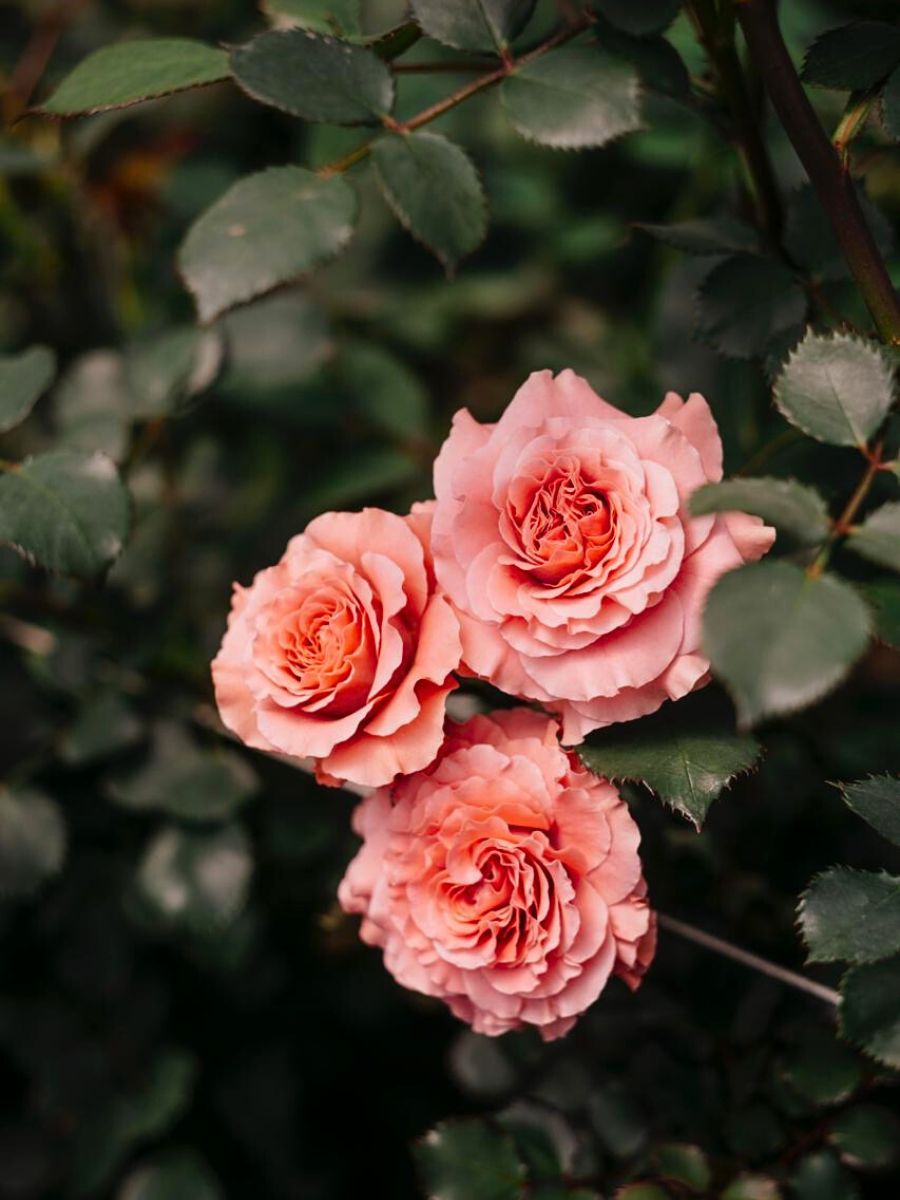
"If a variety meets parameters such as a beautiful, nostalgic garden rose form, appealing color, fragrance, high productivity, strong quality, and long vase life, then it has real potential. These decisions are demanding and greatly influence the future of the company, but when the right variety appears, all the effort is worth it."
About how many years does it take for a garden rose to be truly 'ready' to be grown and shared with the world, she mentioned:
"In my experience, at least two to three years. During this time, we can thoroughly evaluate aspects such as productivity and quality, plant behavior during cultivation, production cycles, resistance to pests and diseases, among others. This allows us to assure our clients that the variety is consistent in its characteristics, has adequate vase life, and is productive and profitable, which is ultimately what we seek as a company."
Patience Is a Virtue in the World of Flowers
Why is patience such a fundamental part of developing new varieties, and what usually happens when the process is rushed?
Pilar says:
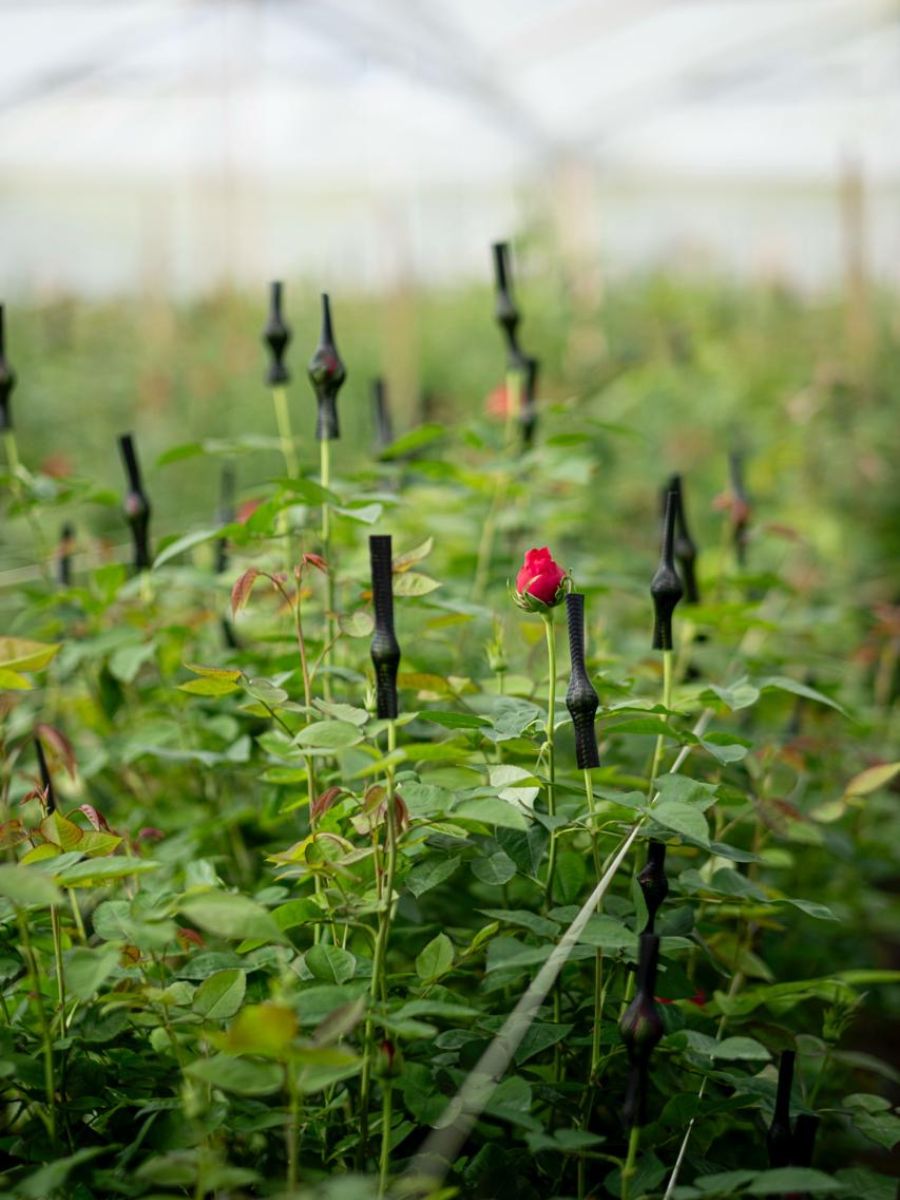
"All work involving a living being requires great patience. We are working with a plant that needs specific conditions to adapt to the environment where it is planted. Most of our varieties are brought from the opposite hemisphere, where climate and soil conditions are completely different. Because of this, they require an adaptation process to new conditions, which demands a great deal of patience and effort on our part. When these processes are rushed, mistakes can occur, such as selecting a variety that will not perform well under our conditions or choosing varieties that do not meet the necessary characteristics to be successfully marketed in the floral industry."
And are there moments during the development stage when it's necessary to step back and simply wait, even when everything seems to be going well?
Pilar:
"Yes. Sometimes a variety simply needs time to function properly, adapt, and reach its full productive potential and vase life. At other times, the world itself needs time to accept and appreciate it. Trends change, and colors or forms that were once unpopular can come back into favor. All of this requires time."
How Harvest Timing Shapes the Final Experience and Product
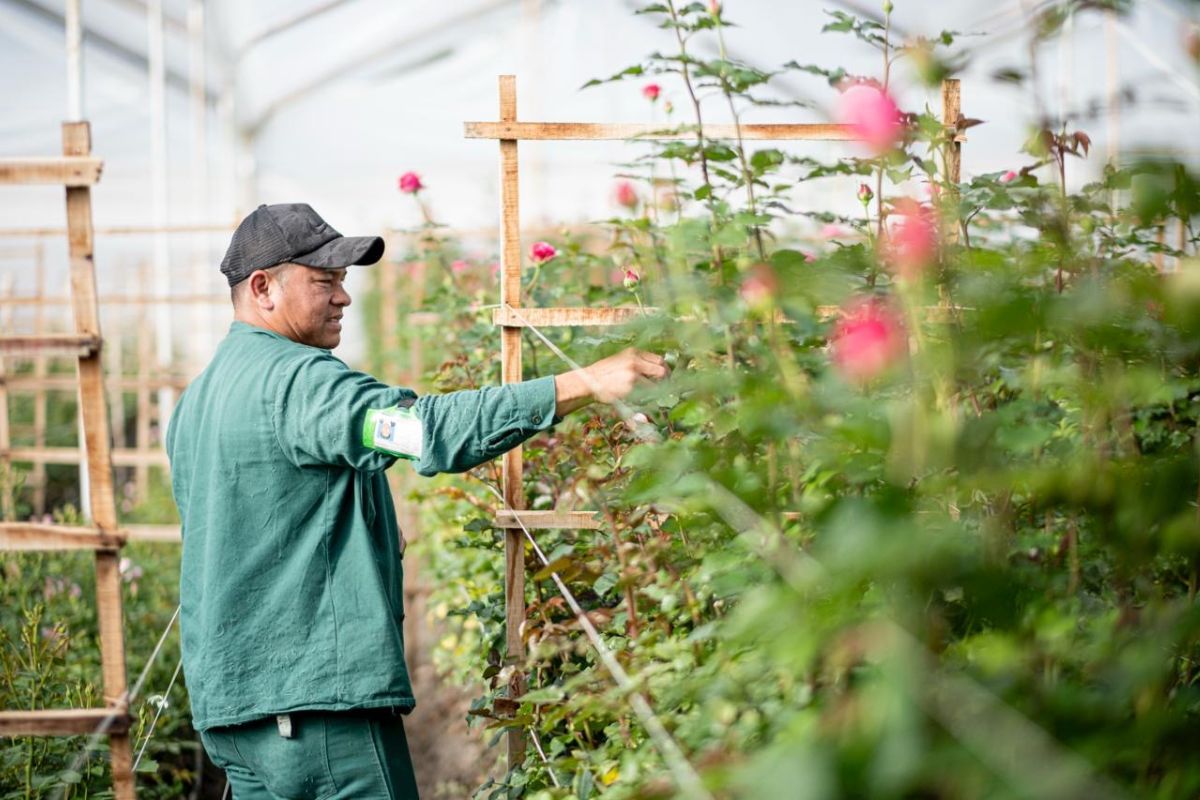
As living beings, garden roses require careful care throughout their growth, as well as during harvest and post-harvest.
Pilar mentions that factors such as the time of day the flowers are harvested, the stage of opening, and post-harvest hydration all determine the quality of garden roses. Alexandra Farm's goal is to ensure that each stage of these processes is carried out in the best possible way so that their customers are fully satisfied with the wonderful product they receive.

This said, what do you think people would value more about garden roses if they understood how much waiting, care, and time go into each stem?
"If people truly understood all the work and processes involved in producing a single garden rose stem, they would value it much more. They would recognize all the people involved at every stage, planting, cultivation, harvesting, post-harvest handling, packing, transportation, and sales, as well as the dedication required to care for each plant and each stem. We would understand that a garden rose represents not only beauty, but also work, care, love, and a great deal of patience."
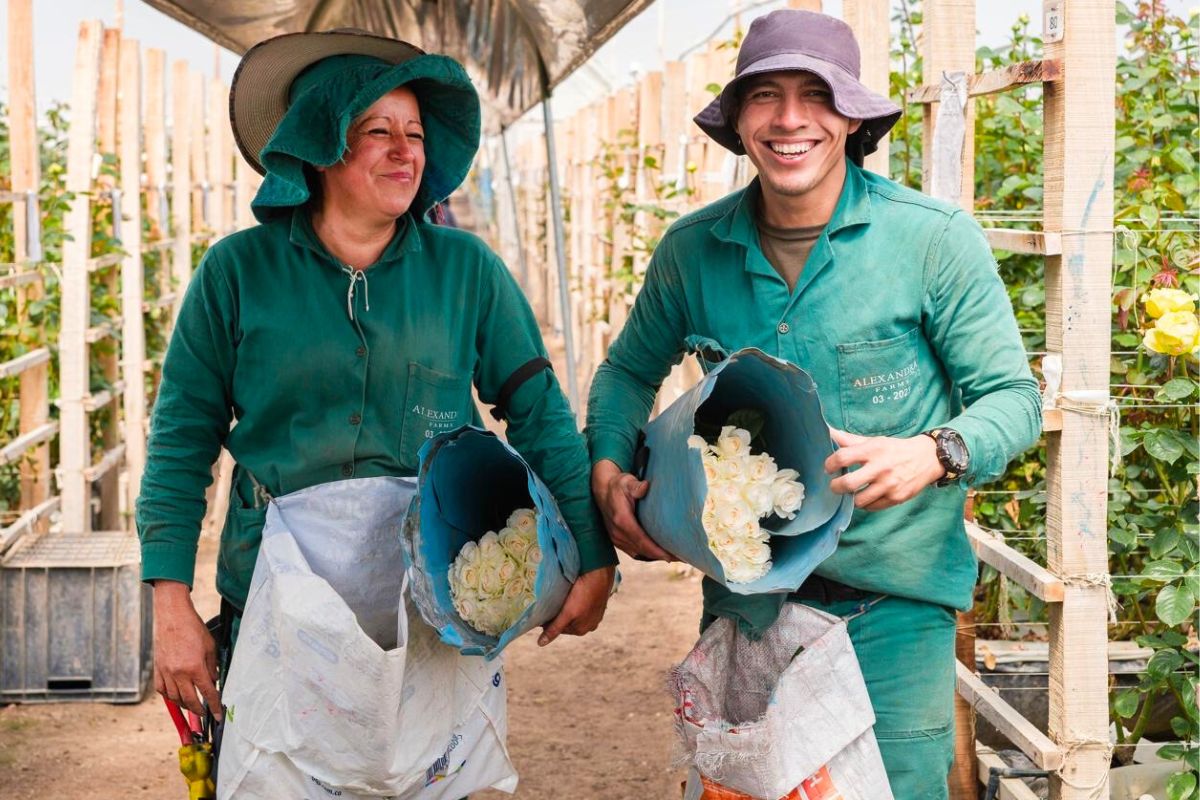
Lastly, Pilar was asked, after working so closely with timing and precision, what 'the right moment' means to her on a personal level, to which she said:
"The right moment is a combination of many things: the prior preparation of a product, a feeling, or an activity, which, thanks to opportunity in the world and each person's intuition, leads us to that right moment of success, at exactly the right time."
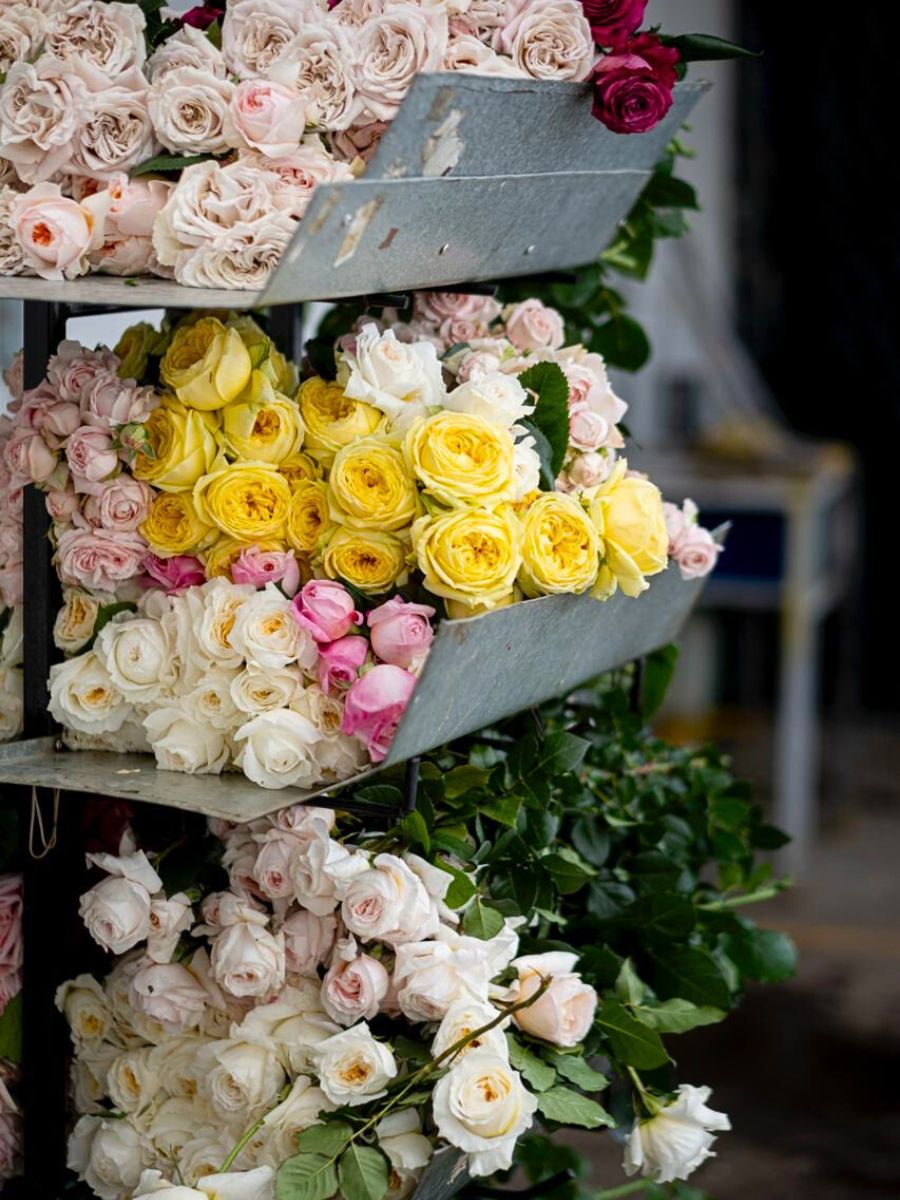
Listening to the Market – Where Feedback Shapes the Future
While laboratory data, productivity metrics, and internal evaluations are essential during the second stage of development, there is another equally critical component in the journey of a new garden rose at Alexandra Farms: direct market feedback.
As pre-commercial varieties begin to show promise, Pilar and her team take the process a step further. Beyond sending samples to designers and partners around the world, they also evaluate new varieties in person with visitors at the farm. Designers from across the globe, sales representatives from key clients, and breeders from different countries are invited to experience the roses firsthand.
During these visits, the team presents an extensive display of trial and pre-commercial varieties. Guests are encouraged to share candid feedback on everything that truly matters in the market: color nuances, petal shape, fragrance, opening behavior, versatility in design work, and potential use in weddings or events. This exchange is a decisive moment in the development process.
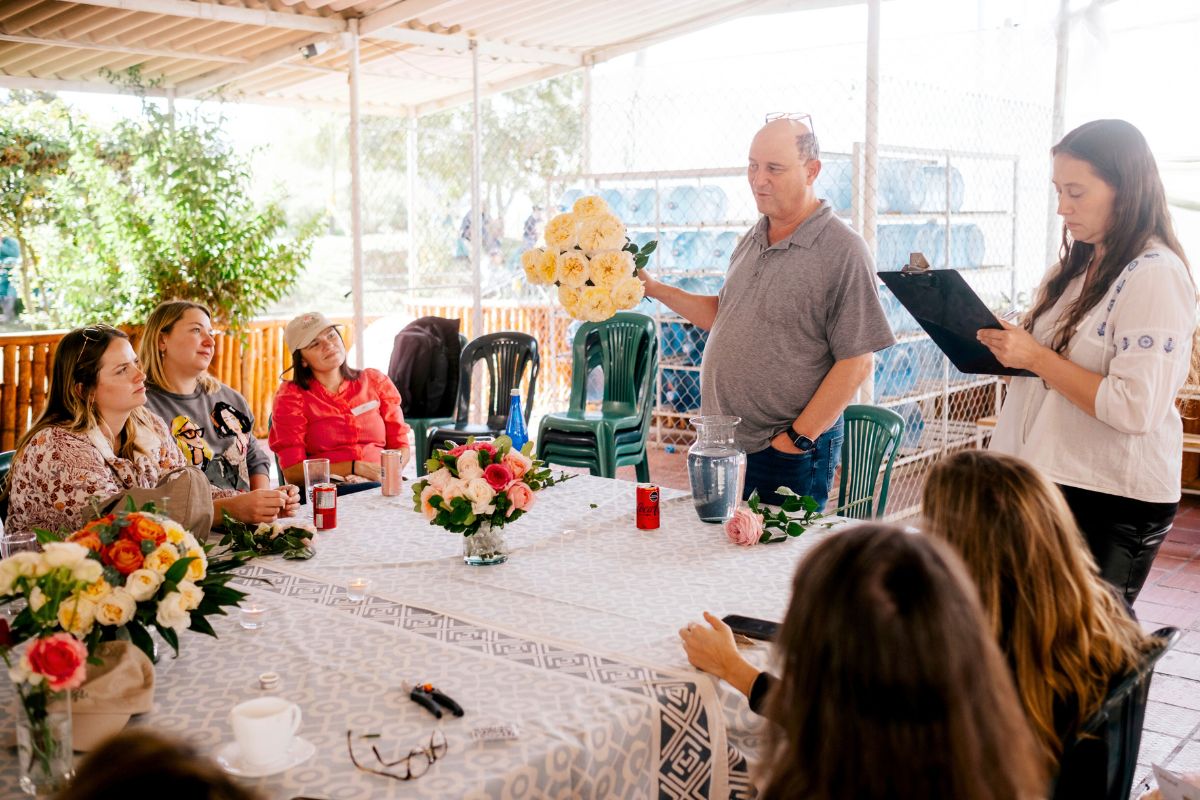
Market response plays a pivotal role in determining a variety's future. A garden rose may perform beautifully in the fields and meet internal quality standards, but if it does not resonate with designers and buyers, it will not move forward into commercial production. In some cases, beloved internal favorites are ultimately discarded because demand does not align.
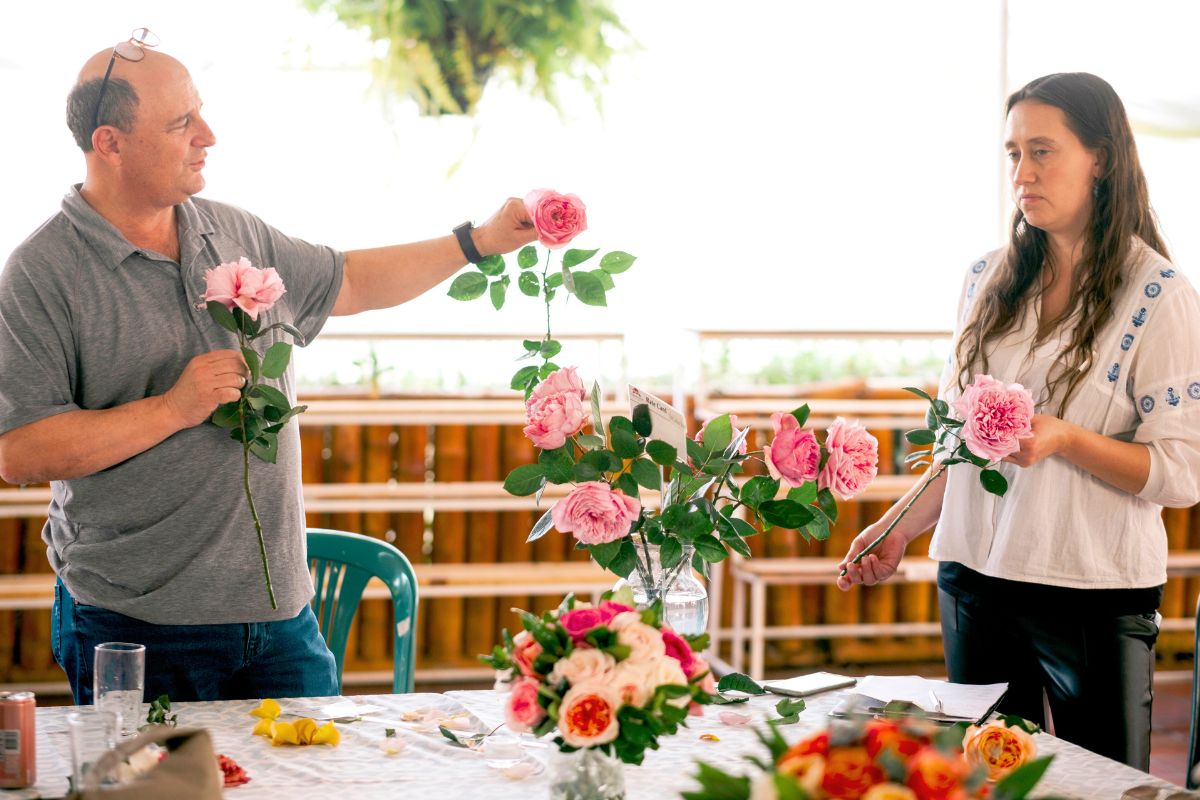
At Alexandra Farms, intuition and expertise guide selection, but the final decision is always grounded in real-world relevance. A garden rose must not only thrive in cultivation; it must also inspire the market.
Photos courtesy of Alexandra Farms.