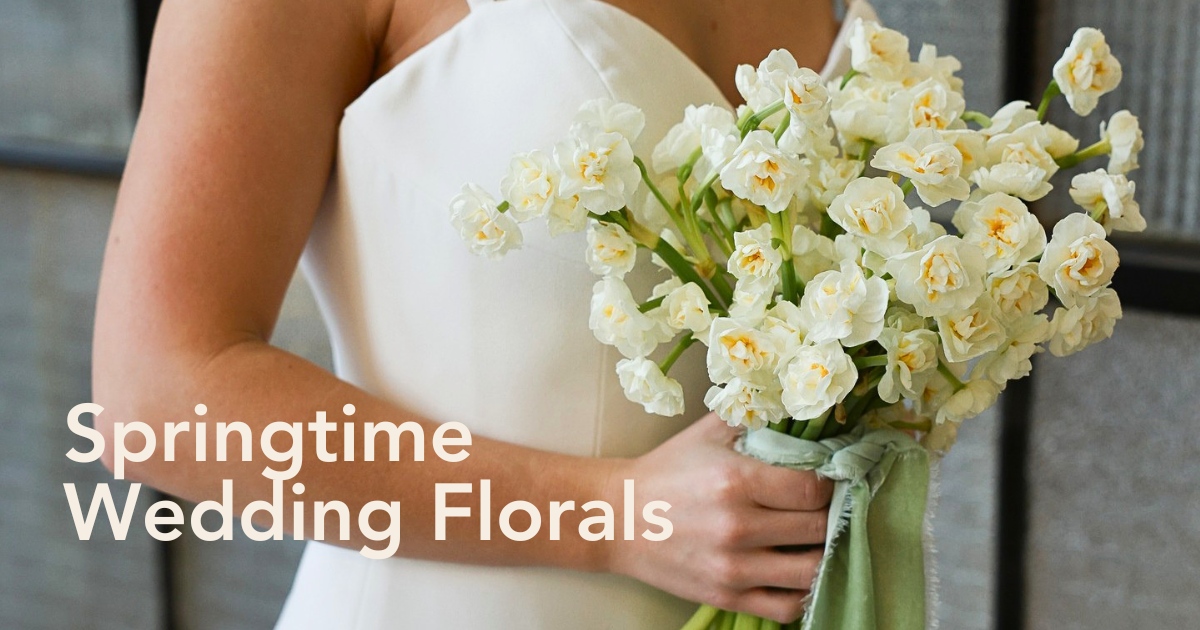
Spring weddings are like a long-awaited exhale after winter inactivity. The earth awakens and everything ‘springs forth’, mirroring the very essence of a wedding, which is new beginnings and (season of) growth. A wedding in this season means the flowers available in March, April, and May are not just seasonally convenient but are also among the most beautiful, fragrant, and emotionally resonant. Which ones to choose (and why), therefore, makes all the difference.
Why the Season Is Important
Picking flowers that are naturally in season during spring is one of the smartest decisions a couple can make. The season brings relief for anyone watching their budget. Tulips are, for instance, plentiful and affordable. A typical spring setup for a few guests is much more affordable. But prices aside, the seasonal flowers are just fresher, more available in a wide range of colors and sizes, and far more likely to look their best since they have not been cold-stored for long, arriving at the peak of their natural cycle.
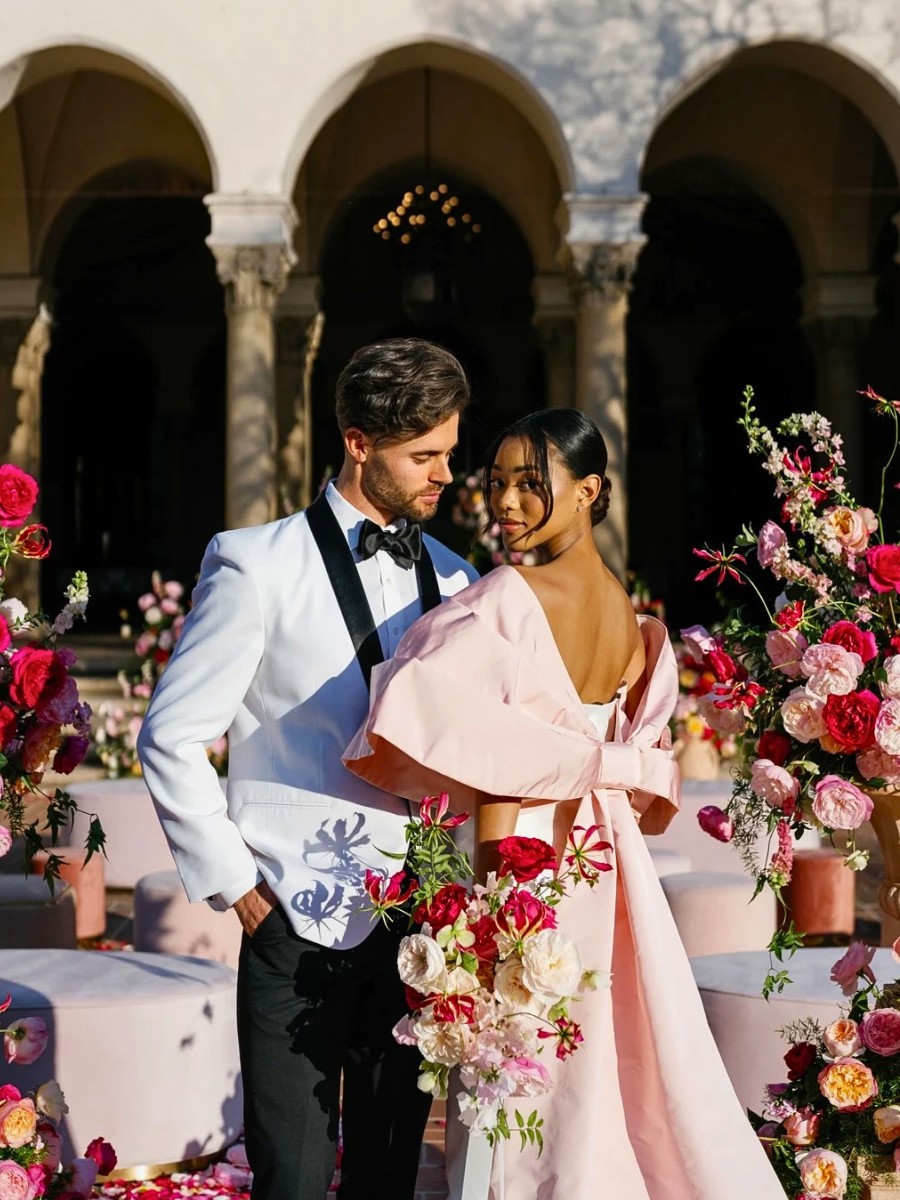
Spring weddings also have a distinct kind of elegance. The light is softer, the air feels lighter, and flowers seem to easily fit the mood. Couples often choose this season because it welcomes palettes like pale pinks, butter yellow, lavender, cream, and fresh green, all of which look refined in bouquets and ceremony spaces.
Why Spring and Weddings Are a Perfect Match
Spring is the season that nature provides a built-in, vibrant landscape of lush greenery and colorful flowers; it is also the Goldilocks weather, given that it is often the most temperate time of year (neither wintry cold of winter nor ‘sweltering’ summer).
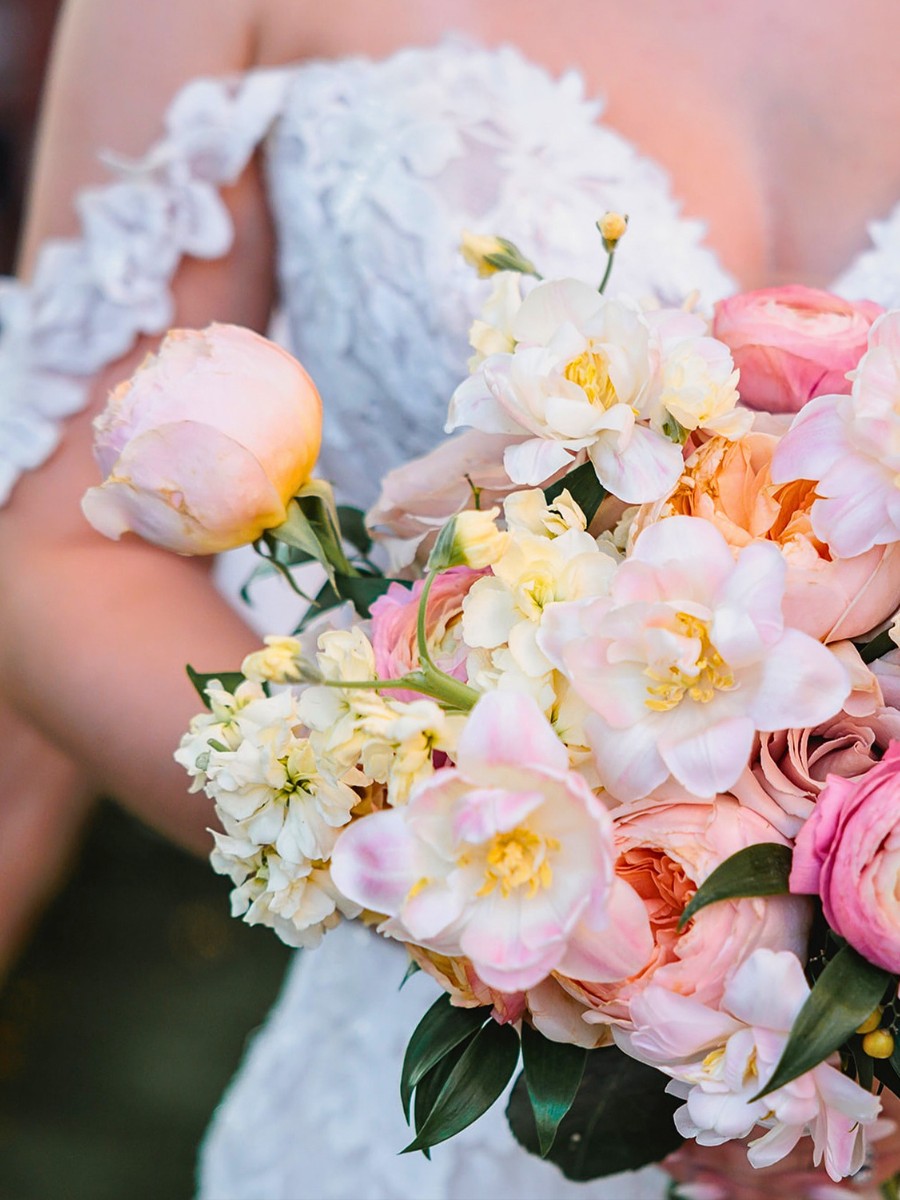
It is comfortable for guests to celebrate and for the bride’s makeup to stay put! Spring also has the golden hour magic, featuring longer daylight hours, and hence more time for those dreamy sunset photos. The soft, natural light of a springtime evening is a photographer's dream!
Which Flowers Are Worth Knowing
There is also an abundance of flowers to choose from, with seasonal favorites like peonies, tulips, Ranunculus, and sweet peas, all readily available. Already thinking of a spring wedding? Here are a few favorites.
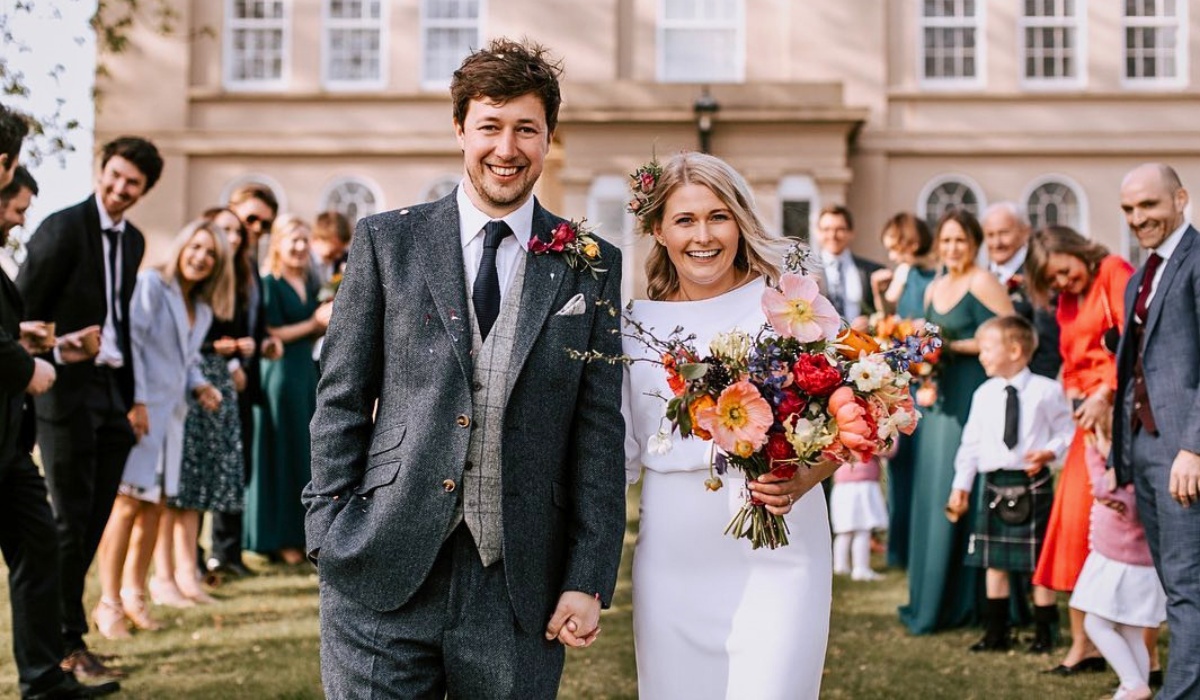
Peonies
Peonies are among the most sought-after spring wedding flowers because they offer a full, romantic shape that needs only a few stems to make an impression. They come into their own in late spring and early summer, making them especially prized when available.
Their large heads work beautifully in bridal bouquets, low compote arrangements, and focal centerpieces, where they create softness even without much else around them. They also hold their shape well in hand-tied bouquets, and come in everything from white to the deepest coral-pink.
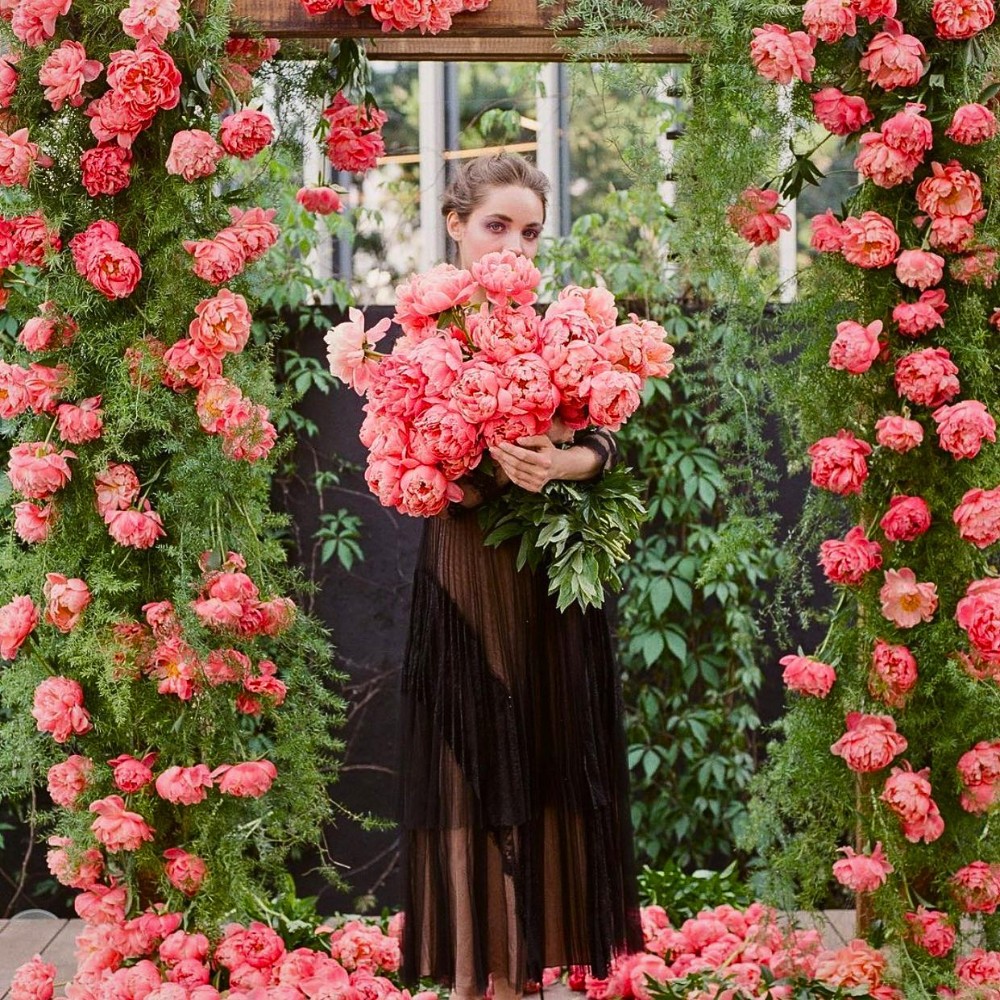
White peonies in particular symbolize romance, prosperity, and good fortune, with sought-after varieties like Peony Ivory Victory loved for their majestic form and premium quality. My Peony Society is one of those supplying varieties worthy of some of the most important occasions. In terms of use, peonies work best as focal flowers, anchoring bridal bouquets, ceremony arches, and softening reception centerpieces. Pair them with garden roses and eucalyptus for the most ideal results.
Ranunculus
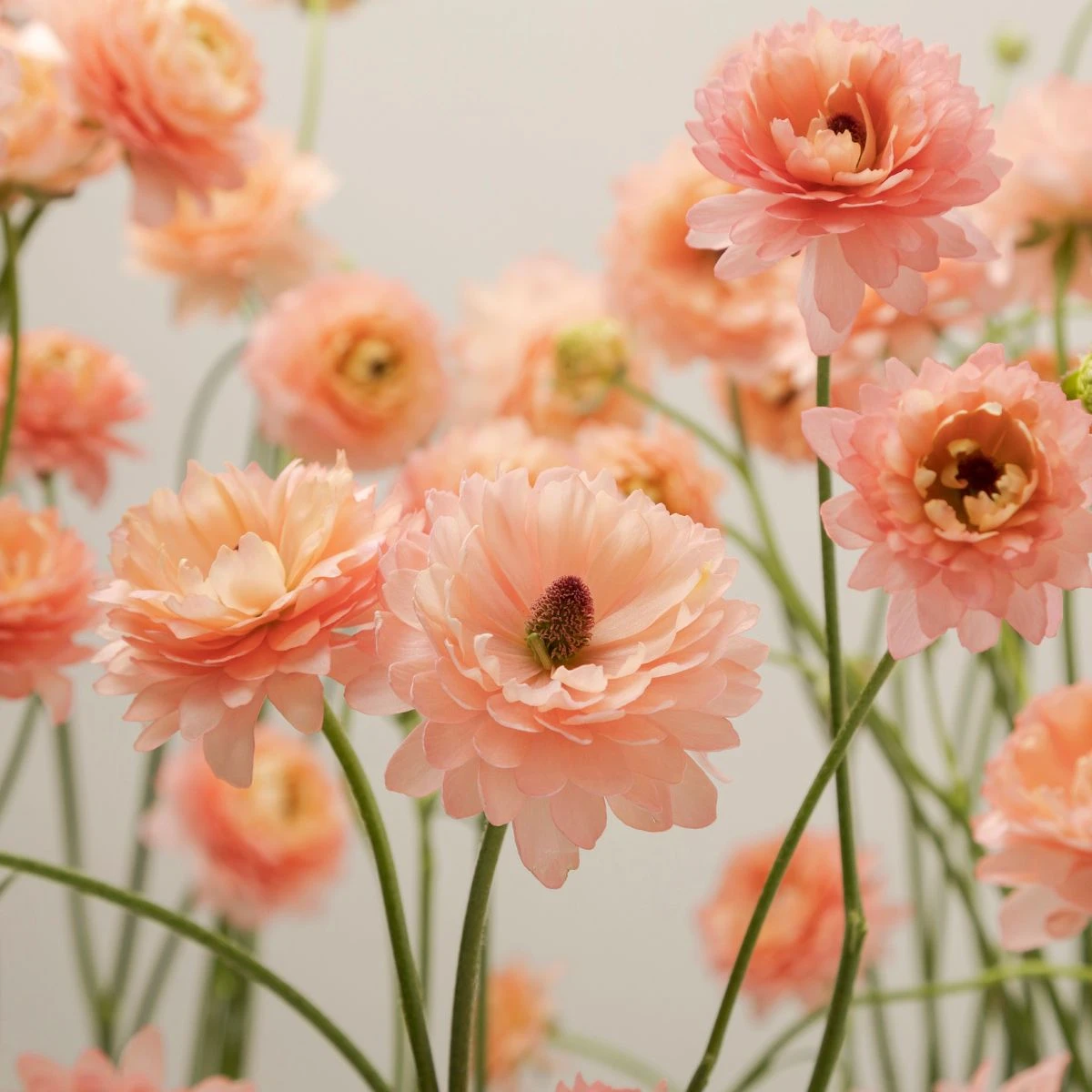
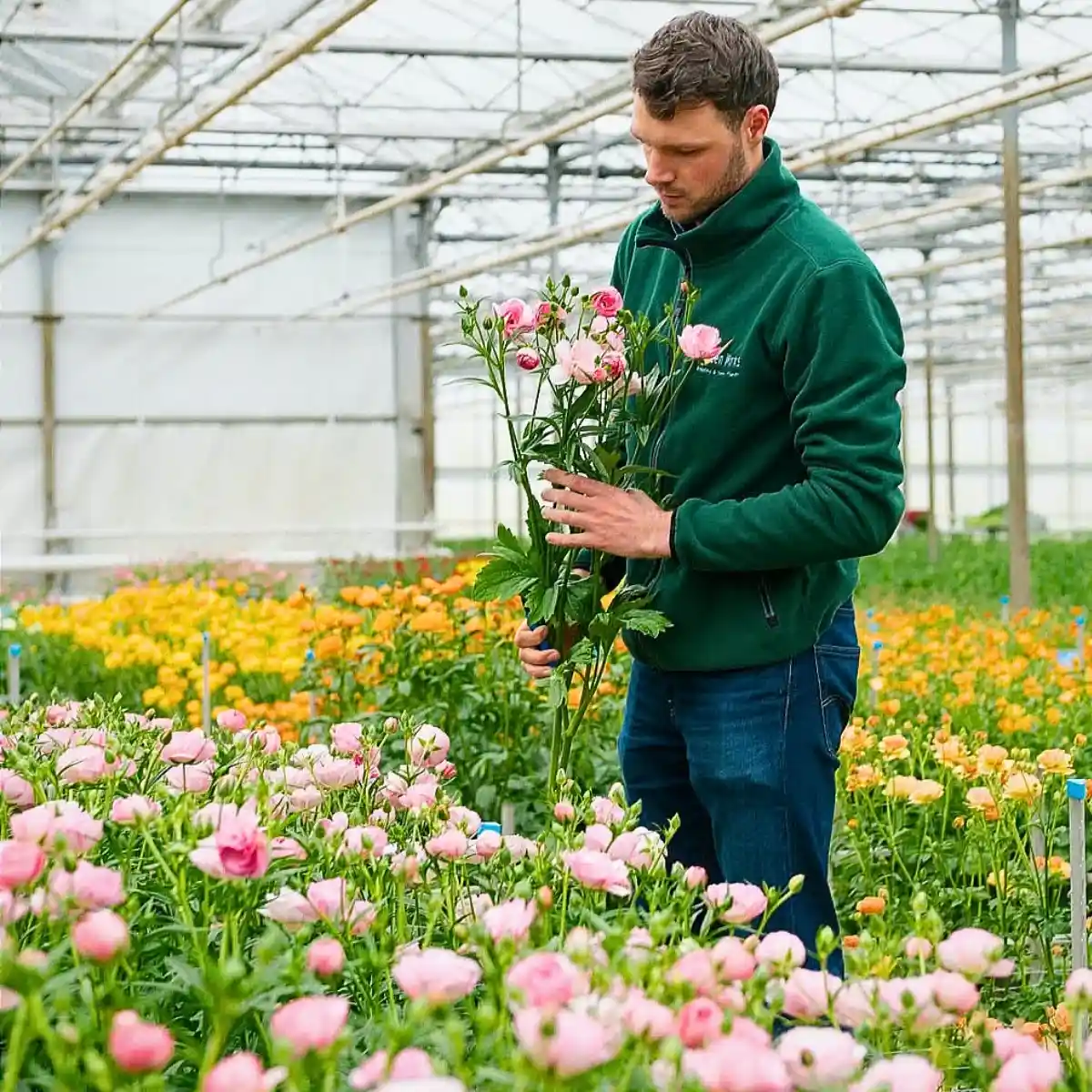
If peonies are the queens of spring, Ranunculus are the co-stars. Their layered petals and delicate look make them easy choices for bridal bouquets, boutonnières, and small centerpiece groups where texture is required. These flowers are available in a color range running from white through peach, blush, coral, yellow, and deep burgundy.
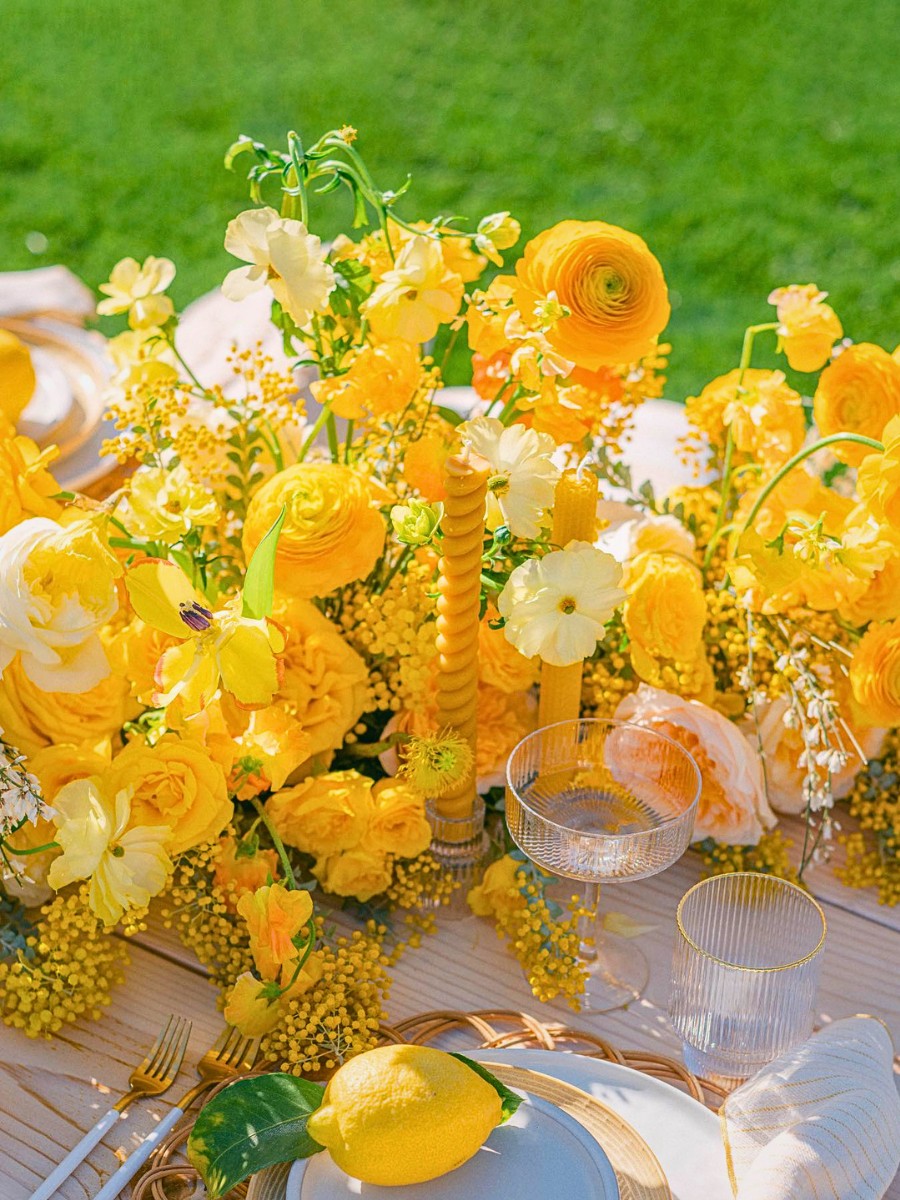
And for one seeking a crisp, couture finish, Ranunculus asiaticus Aazur White delivers refined heads with strong stems, making it excellent for hand-tied designs and event work. Ranunculus also holds up well in arrangements, and their relatively compact heads make them as comfortable in a small boutonniere as in a sweeping ceremony installation. They also mix generously with almost everything, which gives flexibility, especially when creating layered, garden-style arrangements.
Tulips
Clean, architectural, and cheerful, tulips do not have the fussiness of some wedding flowers. They celebrate spring with clean and cheerful colors. Double tulips, in particular, are sometimes called ‘peony tulips’ for good reason because their full, layered heads easily mimic the look of a peony. These are among the best-value choices in the spring market.
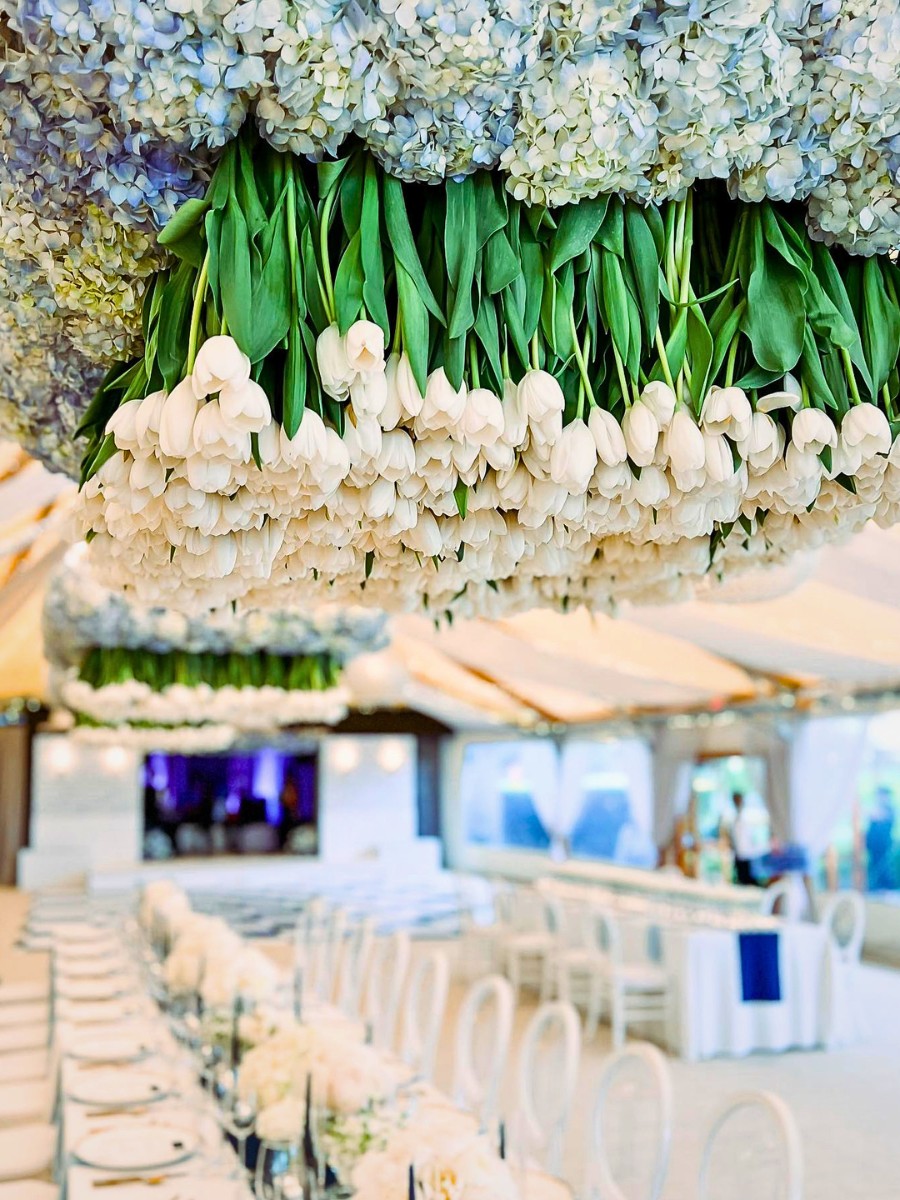
Tulips also continue to grow gently after being cut, which means arrangements have a natural, slightly organic feel over time. This works beautifully in loose, garden-style designs in vases. They are also one of the few flowers that really suit a minimalist wedding aesthetic just as well as a lush one.
Garden Roses
David Austin Roses has some of the best garden roses in a collection designed specifically for the most personal occasions, with varieties available practically all year round, but come into their own alongside the soft palettes of spring.
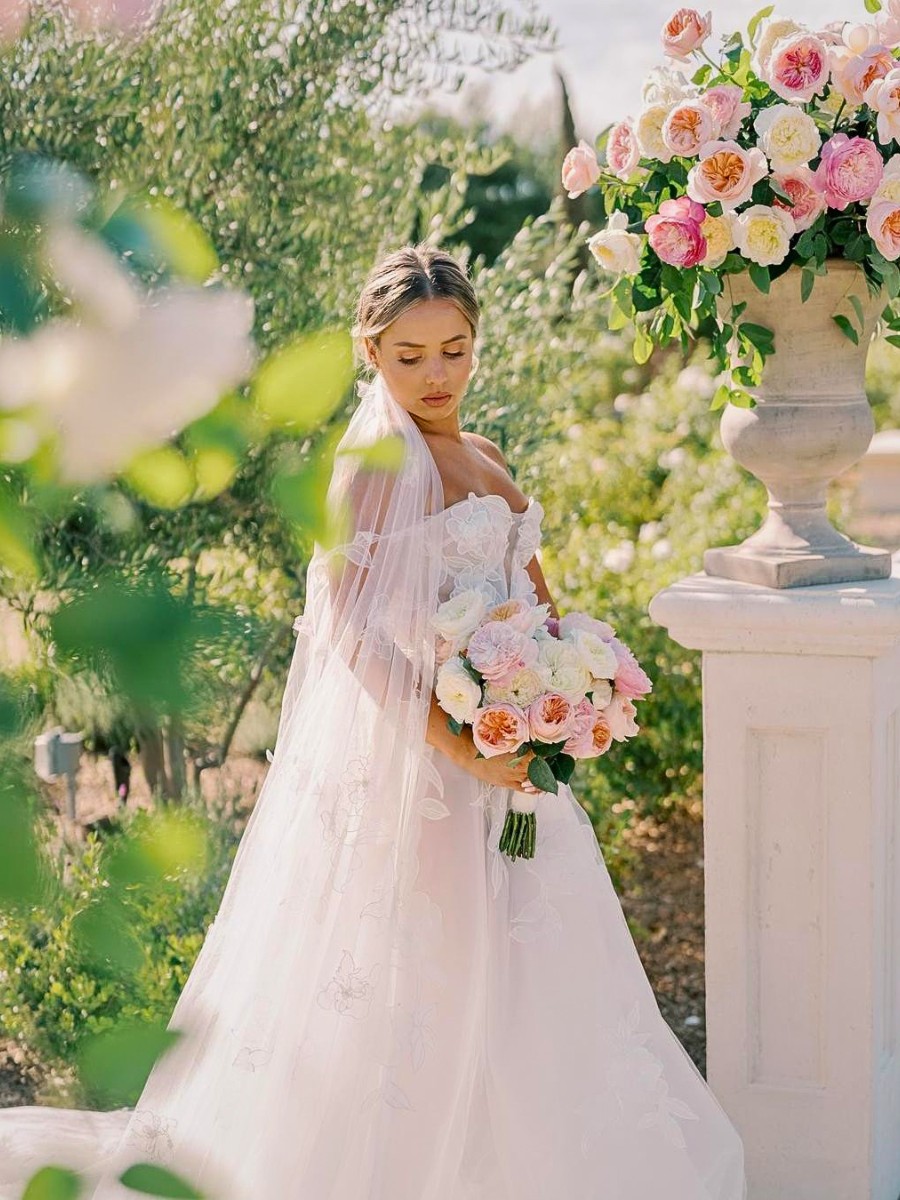
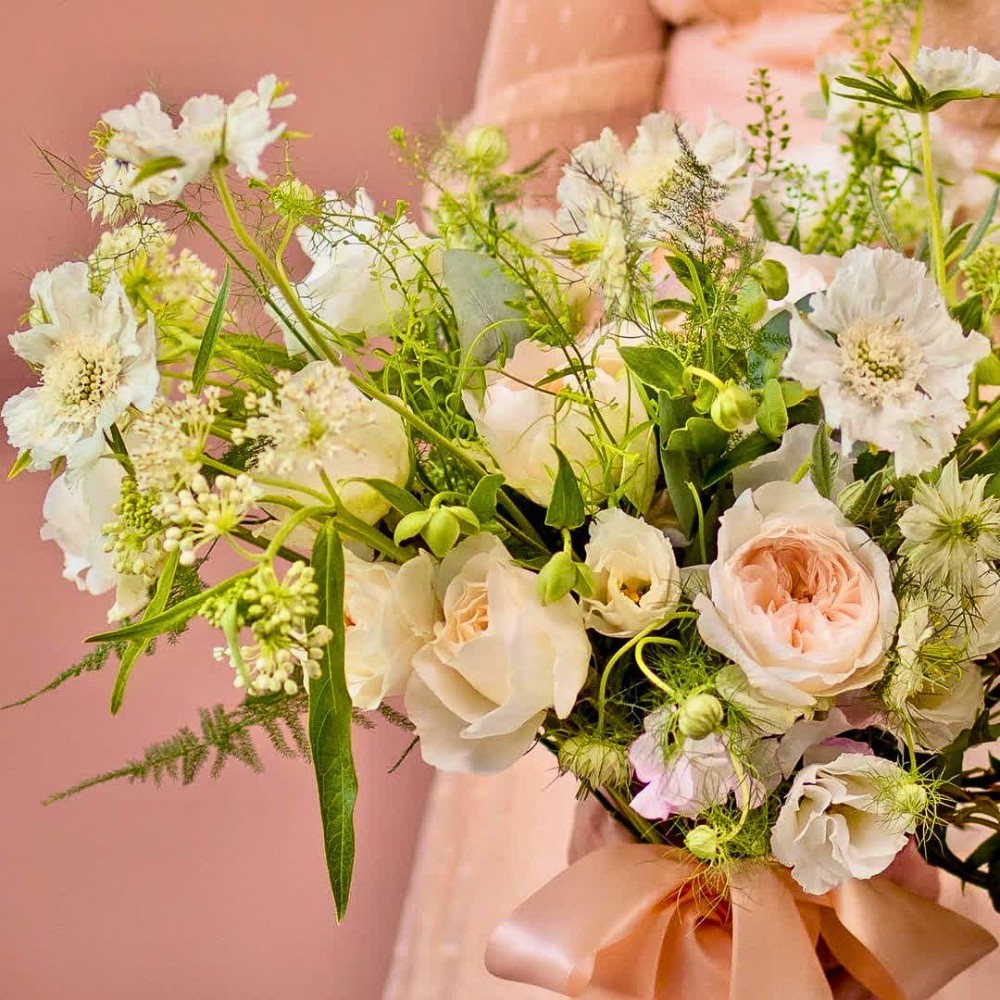
Varieties like Rose Juliet, Rose Keira, and newer introductions like Rose Millicent and Rose Enid bring fragrance and a particularly cupped, old-world form that works perfectly compared to most standard roses. Rose Enid, for example, opens at a deliberate, leisurely pace, presenting as a true cream with subtle pistachio green accents and a scent that begins with delicate rose and continues with hints of myrrh as the flower fully opens.
Garden roses are reliable focal flowers across every part of a wedding, from the bridal bouquet to the ceremony backdrop to the cake flowers. They pair especially well with Ranunculus and sweet peas for a full-garden look that has defined romantic wedding floristry for years.
Sweet Peas
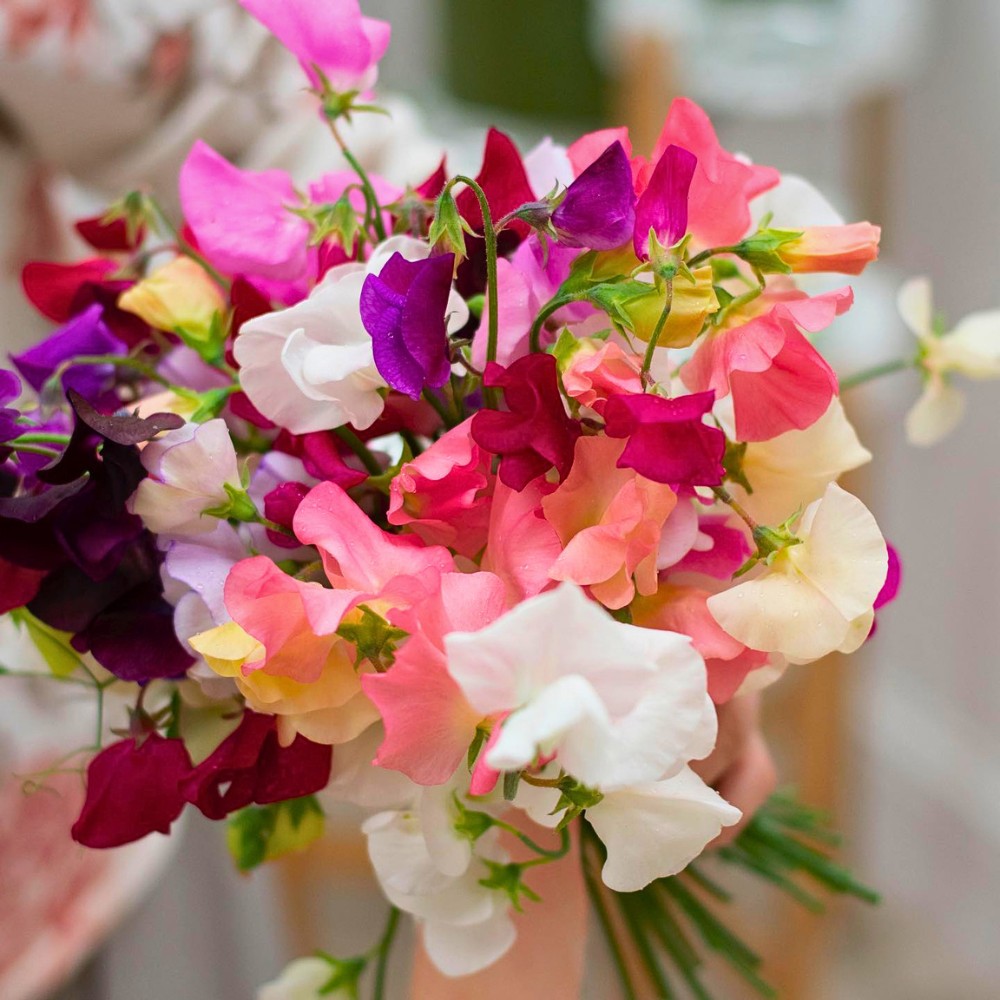
Sweet peas are one of the flowers that most florists often fall in love with. They bring a light, whimsical quality to arrangements with their delicate, ruffled petals that come in white and pale lilac to warm salmon and deep magenta. Sweet peas (botanical: Lathyrus) are loved for their delicate appearance and soft, sweet fragrance, symbolizing blissful pleasure and gratitude.
Their shorter stem length means they work best as a supporting flower and not a focal one, but in that role, they are nearly indispensable, because they add movement and softness to bouquets, and a few stems tucked into a table arrangement can uplift the whole set.
Anemones
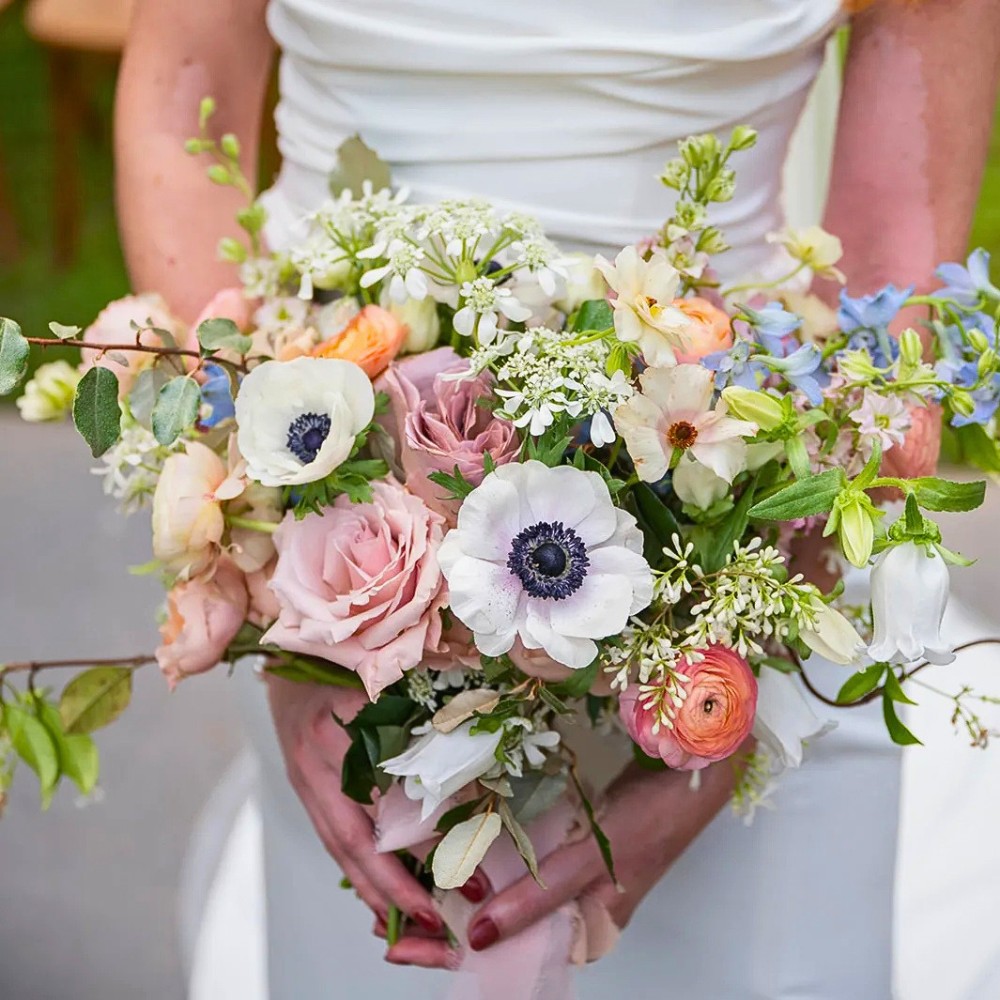
Anemones are another spring wedding flower that merits more attention than it typically gets. With their dark, dramatic centers and wide, open faces, they have a graphic quality that most other flowers do not have. Spring wedding flowers often include anemones for the contrast and textural interest they contribute alongside tulips, Ranunculus, and peonies.
White anemones with jet-black centers are particularly striking in monochromatic bouquets, while colored varieties in deep plum and burgundy add interest to otherwise pastel arrangements.
Lilacs
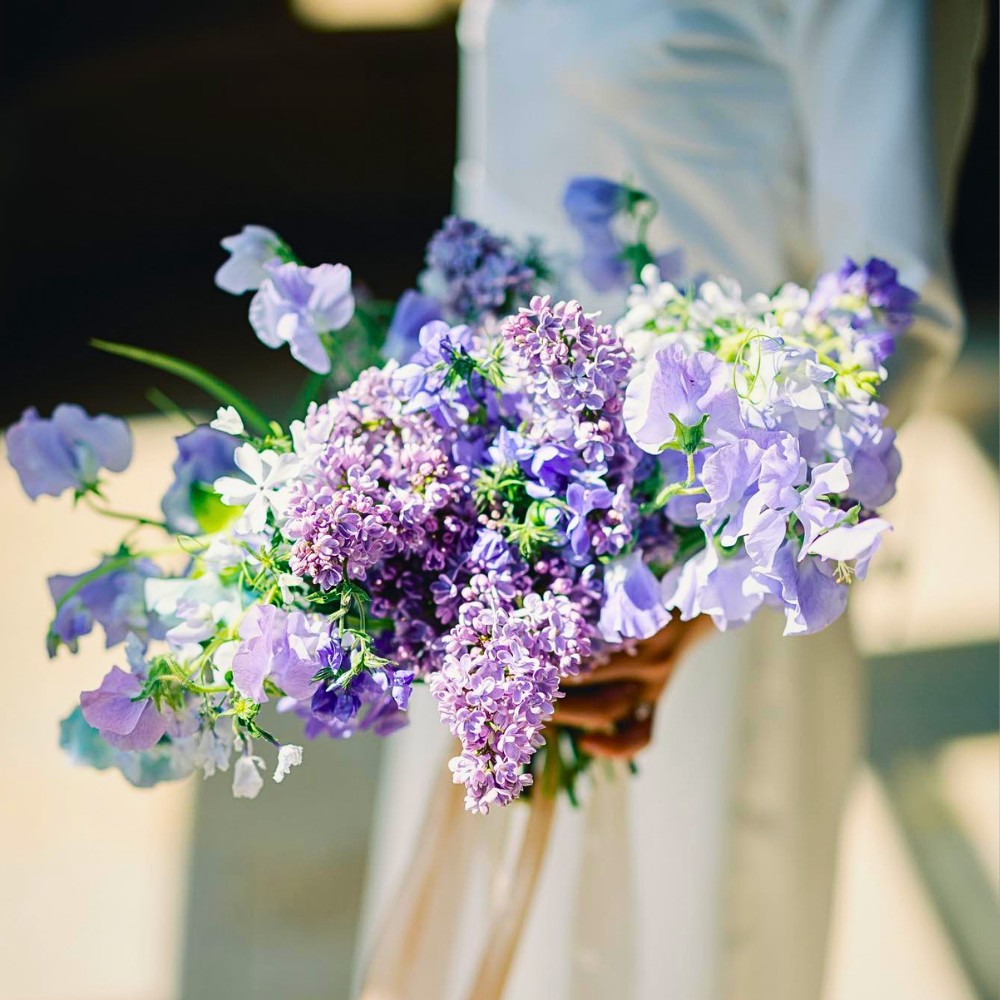
Lilacs (Syringa) bring fragrance and a romantic presence to the wedding set. They are useful in larger installations, bouquet accents, and ceremony pieces where a little volume and scent add atmosphere.
Their purple, lavender, white, and blush tones also work well with many spring palettes. And because they naturally feel abundant and slightly wild, they are especially suited to arches, mantel arrangements, and loose tablescapes that are meant to look graceful.
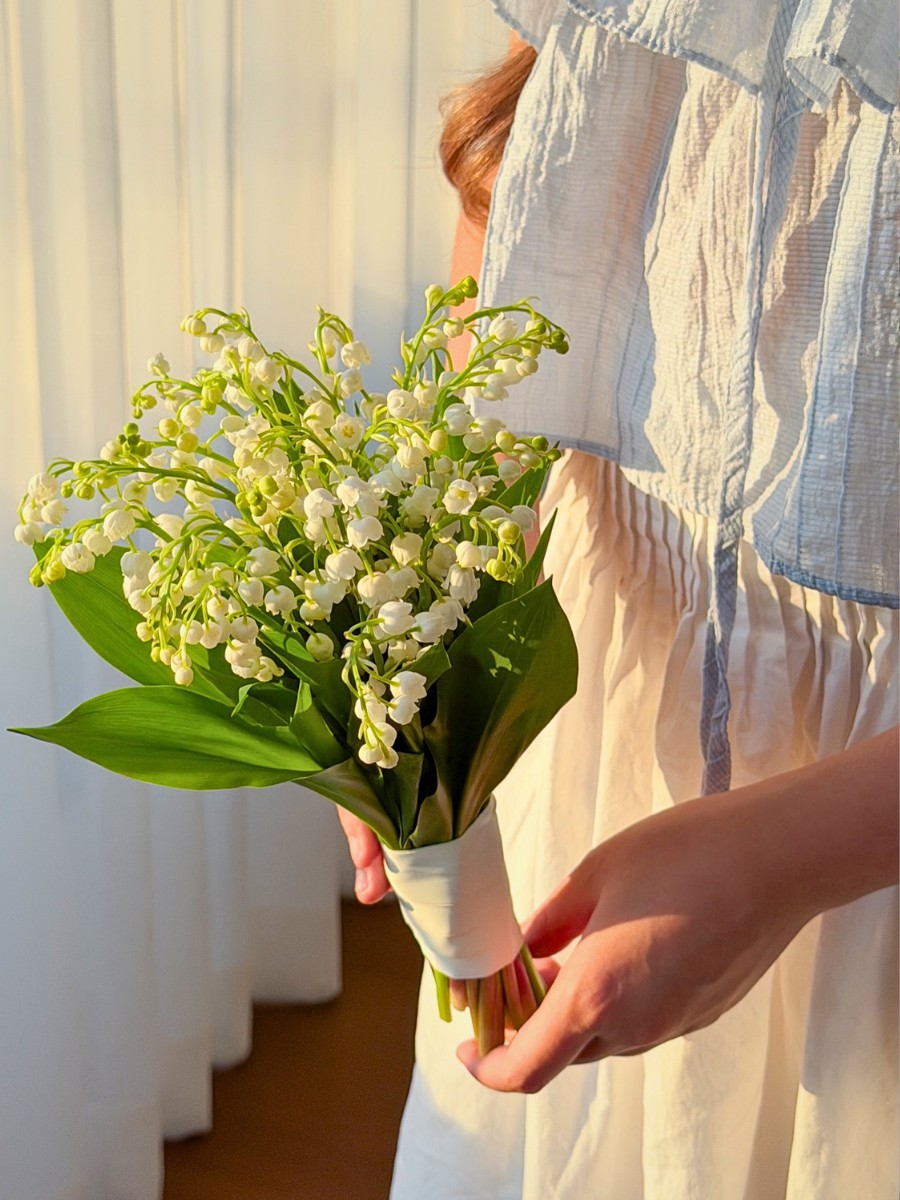
Lily of the Valley
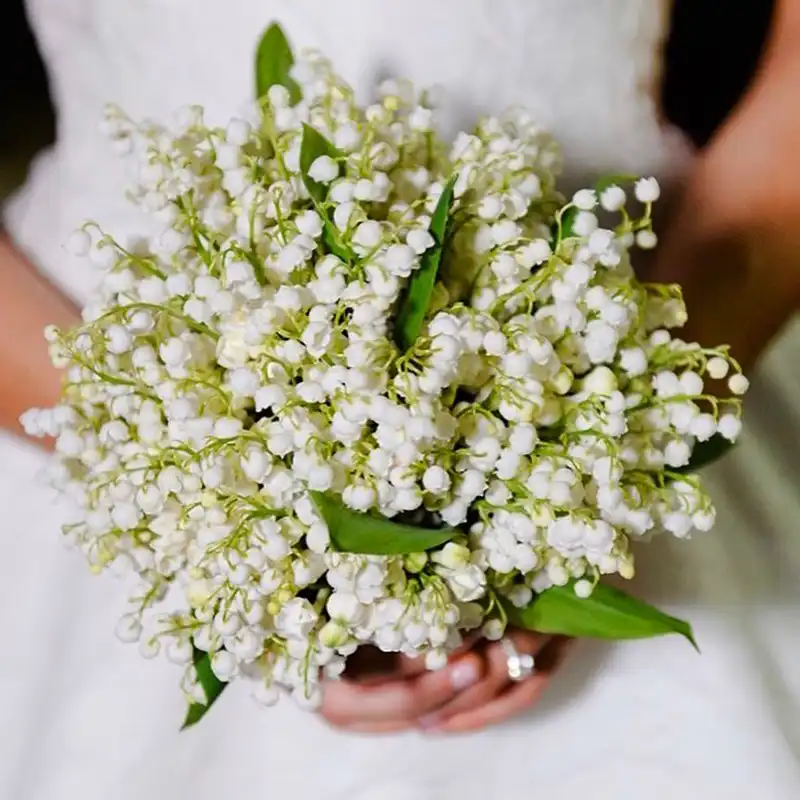
Perhaps no spring flower carries quite the same sense of occasion as the lily of the valley (Convallaria). Small, nodding, intensely fragrant, it has been a bridal favorite for a long time. Its very short natural season in late spring means that when you have it, it feels like a gift.
The lily of the valley works most beautifully in small, personal, refined arrangements, like wrist corsages, boutonnieres, and compact bridal bouquets, where its scent and delicacy can be appreciated up close.
Daffodils and Hydrangea
Daffodils (Narcissus) are one of the clearest symbols of spring, often tied to new beginnings and joy. Their yellow tones have a warm feeling to them, which they transfer to bouquets and tables.
They work well when a couple wants the design to feel cheerful but not too loud. These flowers are especially effective in more casual or country-style weddings, where their simple form can be used in bud vases, aisle decor, and mixed spring bunches.
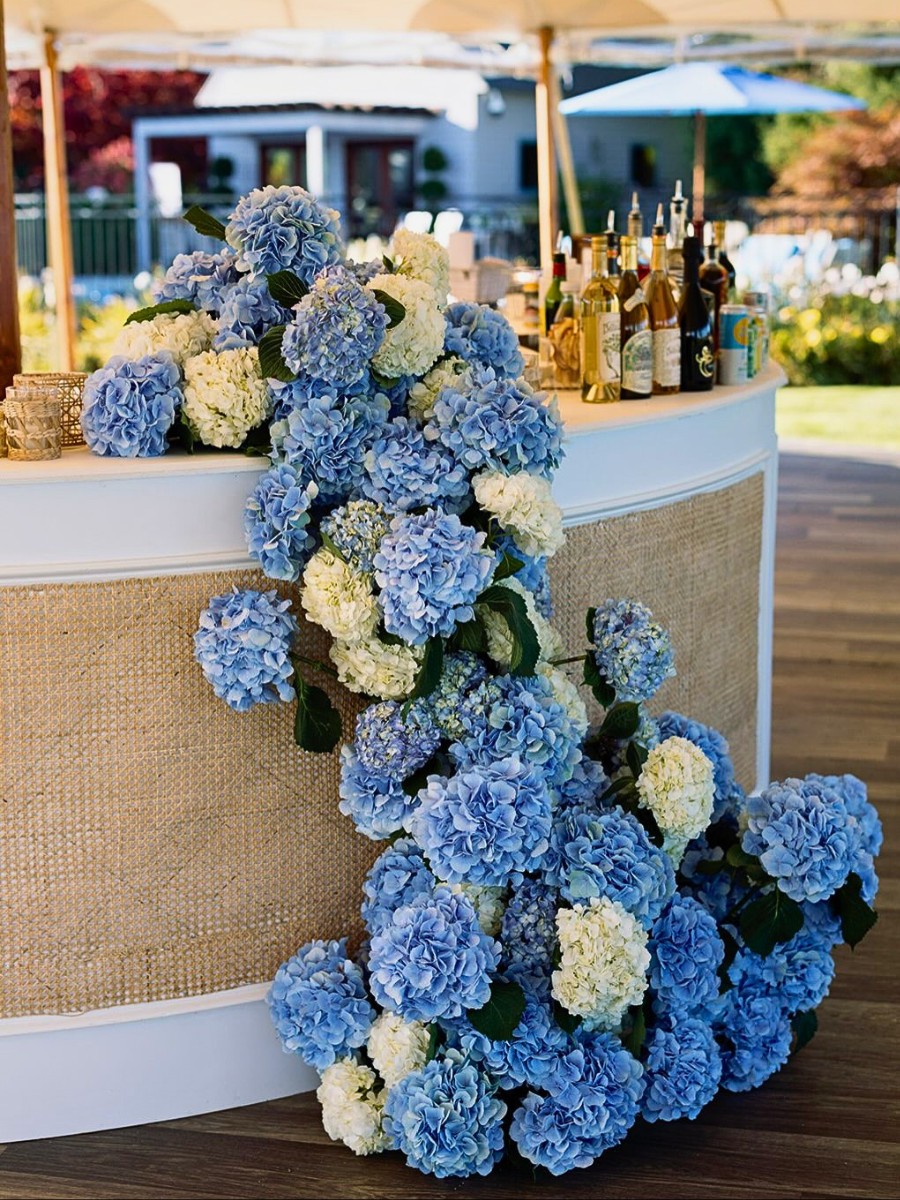
Hydrangeas are, on the other hand, useful when a wedding floral designer needs softness plus volume. They fill space quickly, which makes them practical for larger centerpieces, ceremony arches, and statement urns.
Creative Ways to Use These Flowers in Spring Weddings
A typical well-considered spring wedding usually works with a palette of two or three hero flowers and a handful of supporting textures. The bridal bouquet tends to carry the most elegant version of that palette, with peonies or garden roses as the focal flowers, Ranunculus and sweet peas providing softness and movement, and perhaps a few stems of lily of the valley or anemones for contrast or fragrance.
Ceremony arches and doorway installations can handle more volume, and this is where tulips and garden roses do well. Tablescapes at the reception could have a looser, more gathered approach featuring low arrangements of mixed spring flowers in complementary tones.
Soft pink peonies, cream garden roses, blush Ranunculus, and white sweet peas together create a romantic combo that suits spring light particularly well. That palette works for everything from the bouquet to the centerpieces, and its inherent softness photographs beautifully in both bright outdoor settings and warmer indoor ones.
Essentially, these flowers suit spring weddings because they mirror the season’s qualities in both look and feeling. Their colors are soft, their forms open and inviting, and many of them are naturally at their peak during spring months.
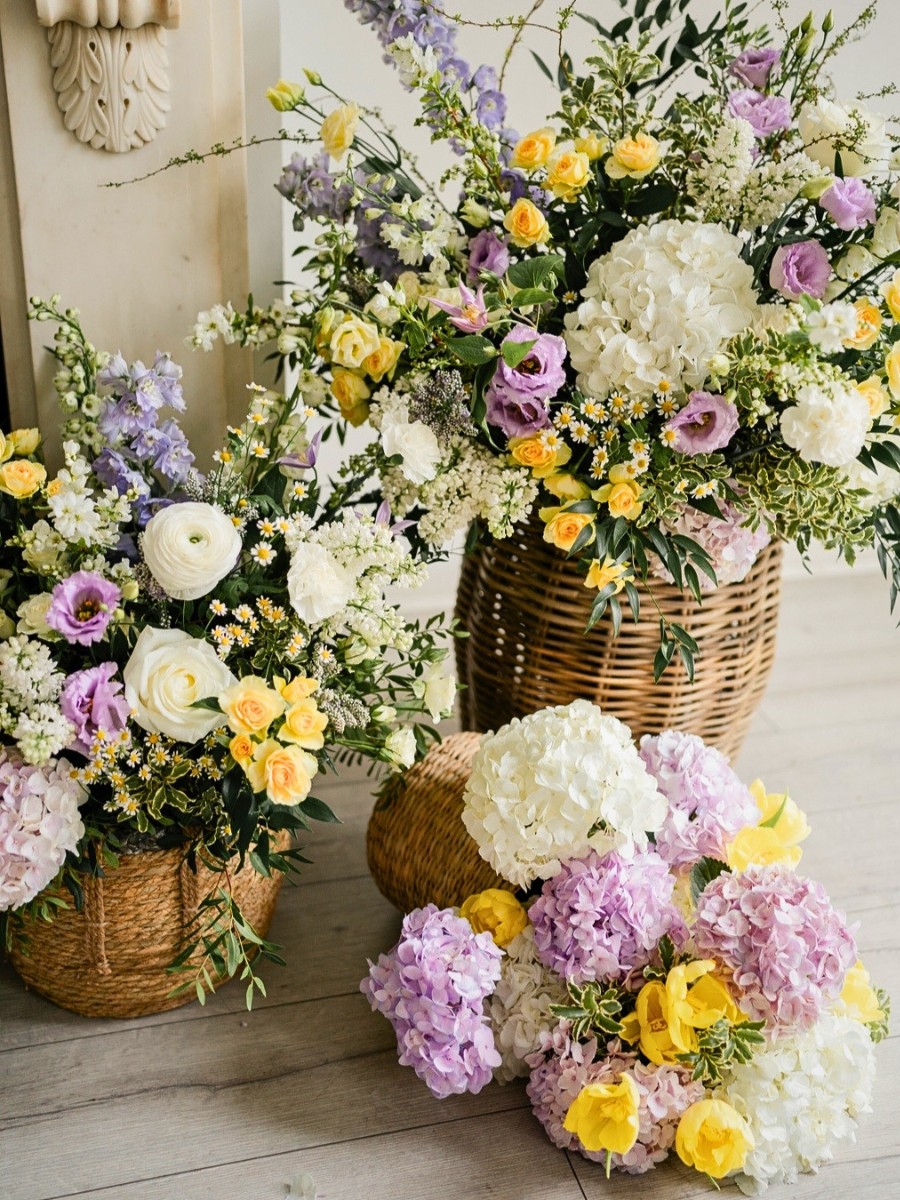
Notably, while pastels, soft pinks, and sage greens are classic, one can also incorporate pretty bright ones, as well. And instead of traditional bouquets, perhaps have bridesmaids carry woven floral baskets filled with wildflowers, or wear flower crowns for a unique, natural look.
Featured image by @davidaustinweddingroses. Header image by @trystfloral. Reel by @thefarmerandi.