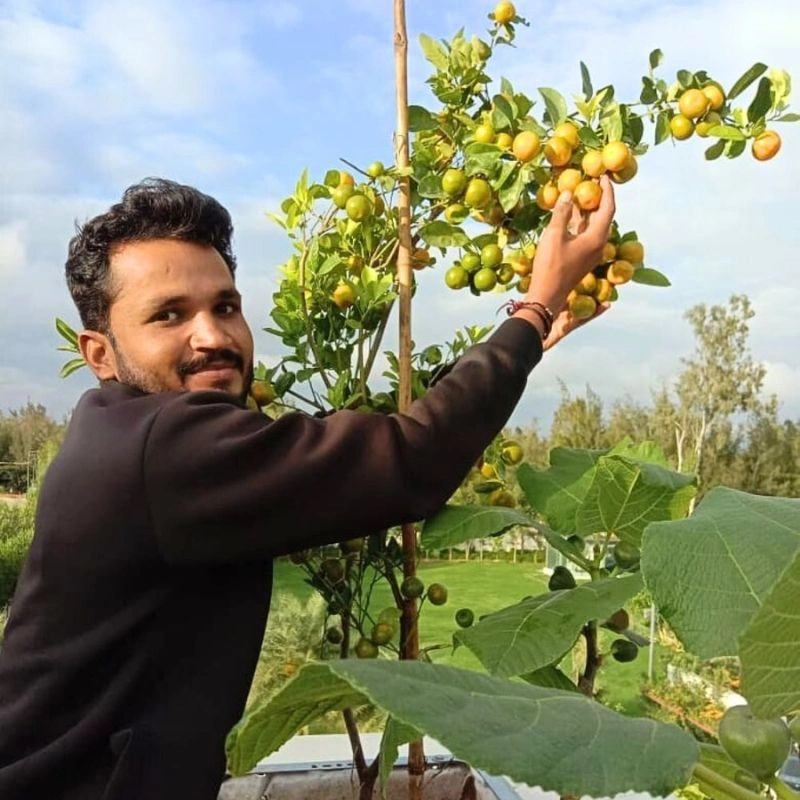
In 2026, more UK gardeners are moving beyond ornamental planting and embracing productive growing. From compact urban gardens to larger rural plots, homegrown fruit is becoming a central feature of modern outdoor spaces.
With the right planning and plant selection, it is now possible to harvest fresh berries and tree-ripened fruit from early summer through to late autumn. The key is choosing high-quality stock, understanding your growing conditions and selecting varieties suited to the British climate.
This guide explains how to successfully grow soft fruit and orchard trees, even in limited space.
Why Is Homegrown Fruit So Popular in the UK Right Now?
The shift towards edible gardens is being driven by several factors:
- A focus on sustainability and seasonal food
- Rising interest in self-sufficiency
- The well-being benefits of growing your own produce
- The superior flavour of freshly picked fruit
Unlike supermarket produce, fruit harvested at peak ripeness delivers higher nutritional value and better taste.

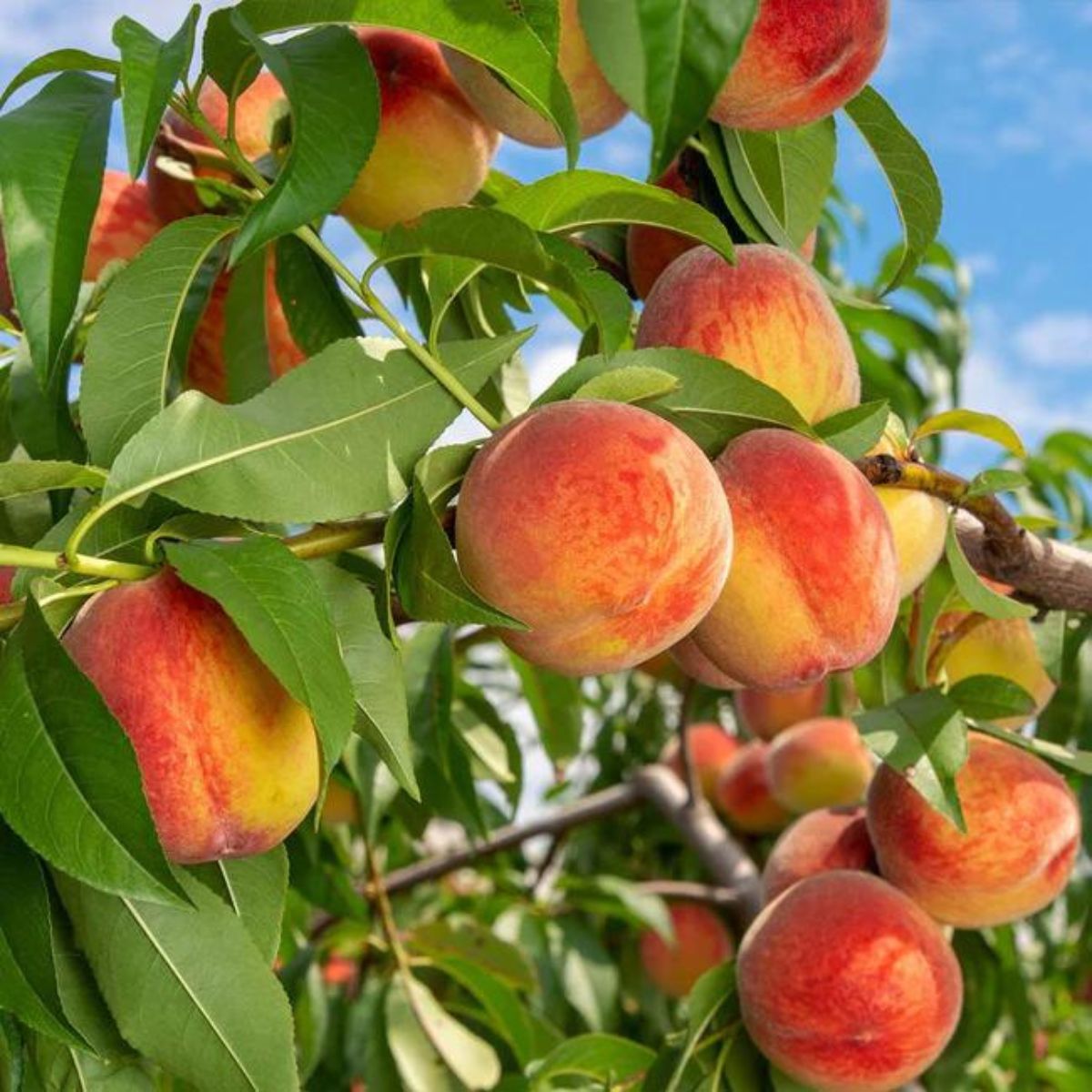
For gardeners looking to establish a productive space, starting with carefully selected raspberry plants, strawberry plants, and fruit trees provides structure and long-term returns.
How Do You Choose the Right Fruit for Your Garden Size?
One of the biggest misconceptions is that fruit growing requires a large orchard. In reality:
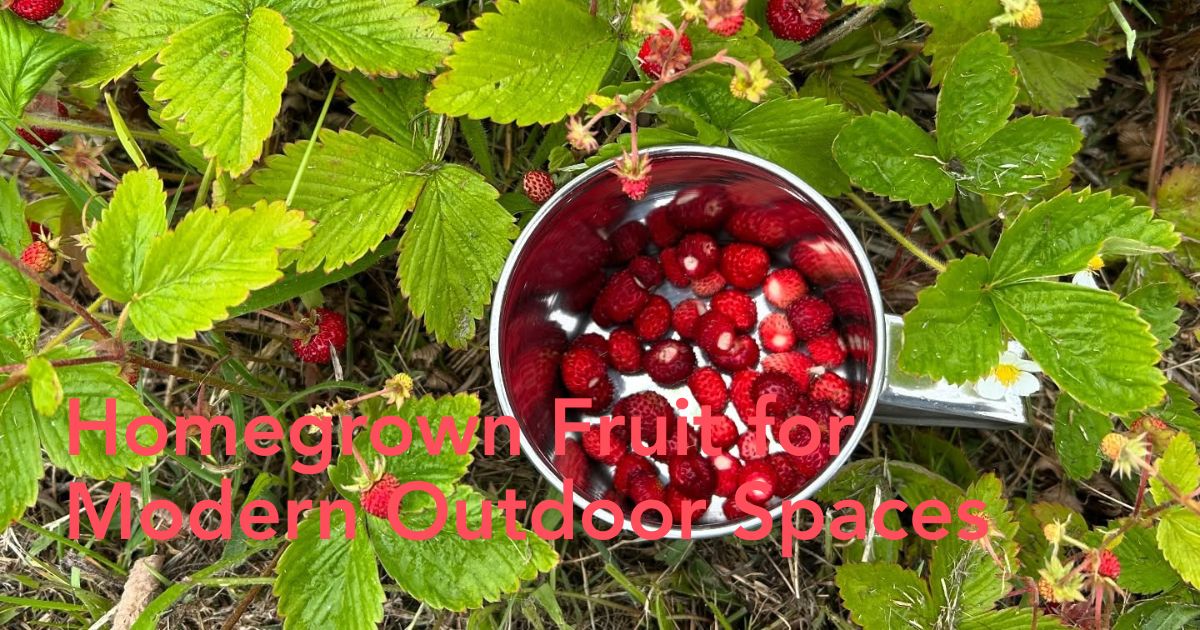
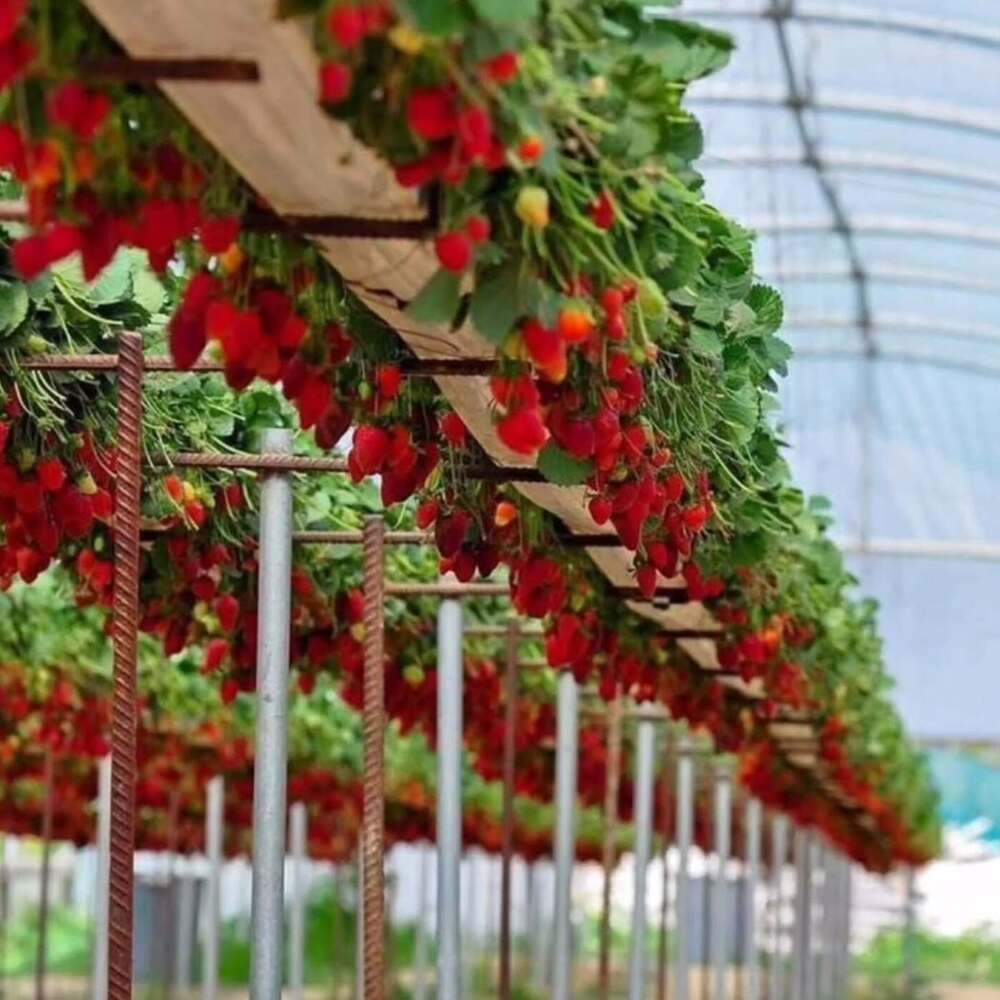
- Strawberries thrive in containers, raised beds, and hanging systems
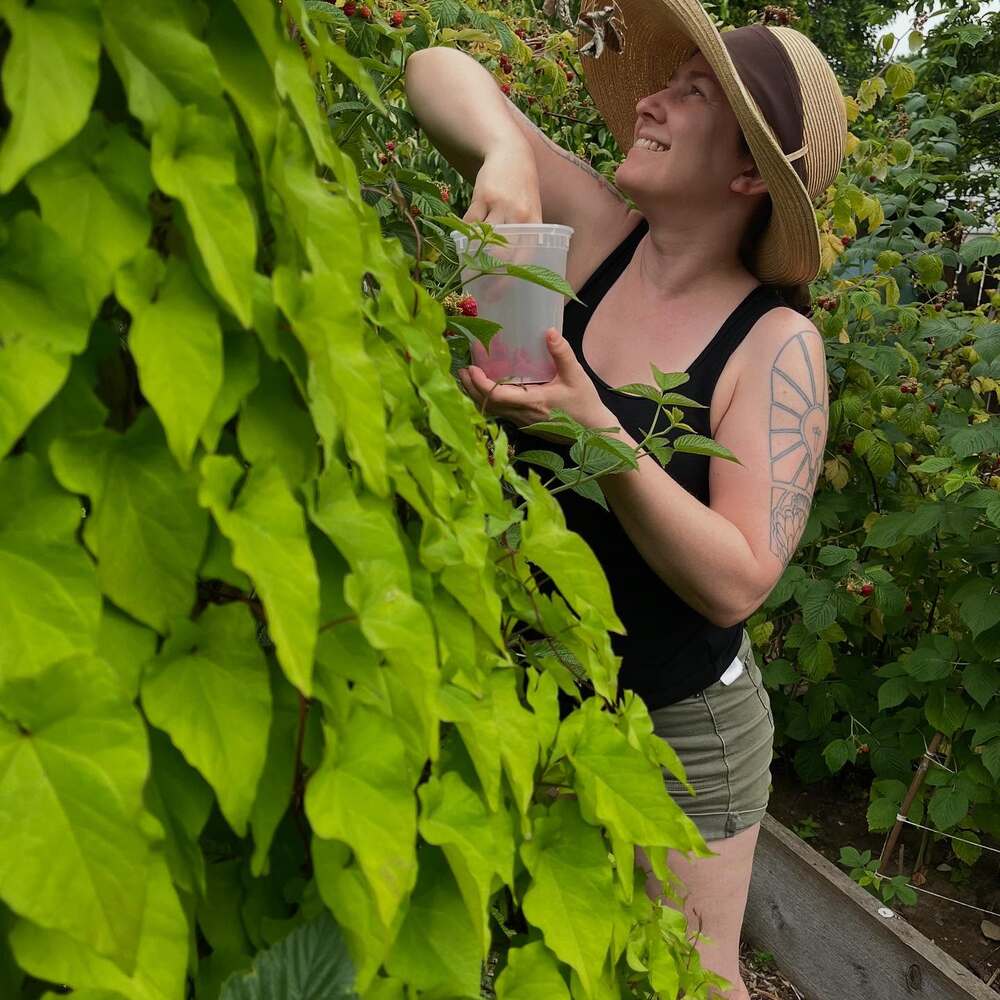
- Raspberries grow vertically and suit narrow spaces
- Many fruit trees are available on dwarf rootstocks for patios and small gardens
This makes it possible for almost any UK grower to produce a meaningful harvest.
What Are the Best Conditions for Growing Raspberry Plants?
Raspberries are one of the most reliable soft fruits for the British climate.
They prefer:
- A sunny, sheltered position
- Free-draining, fertile soil
- Consistent moisture during the growing season
When selecting raspberry plants, it is important to understand the difference between:
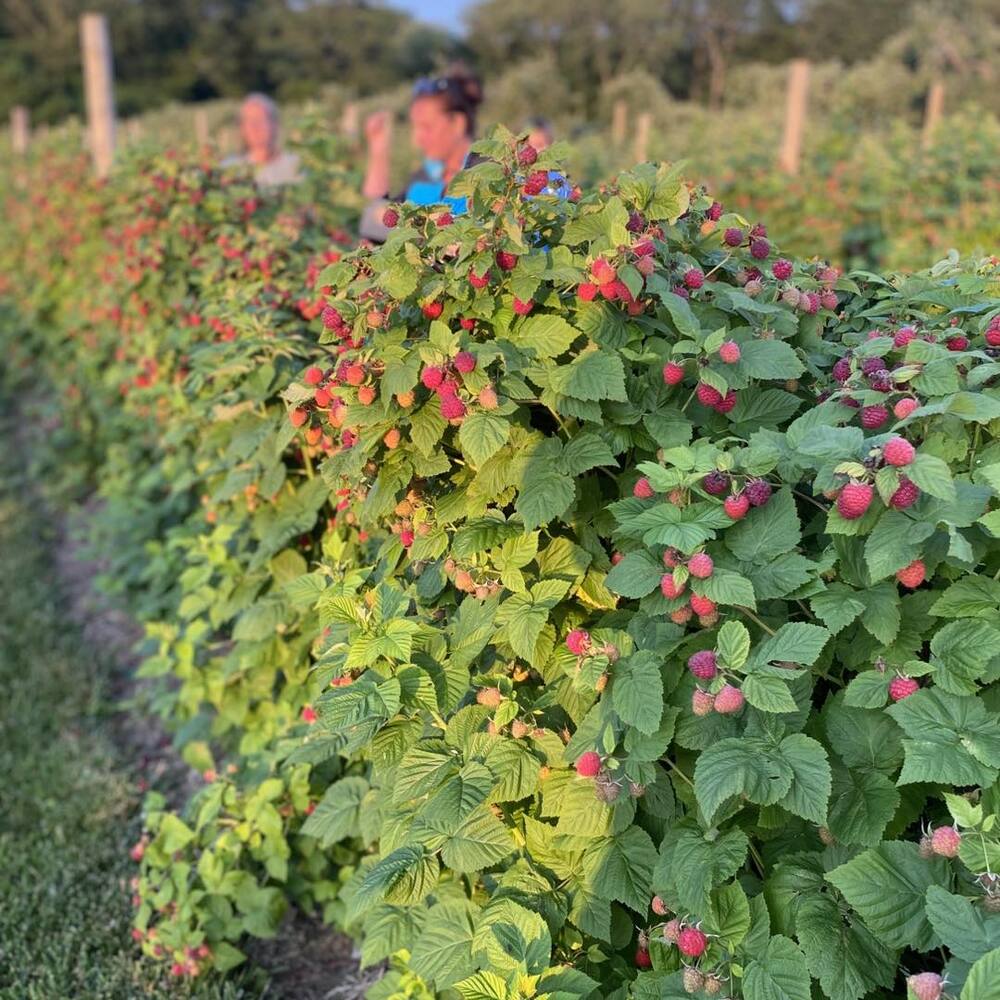
Summer-fruiting varieties
These produce a single, heavy crop and are ideal for gardeners who want a large harvest for preserving.
Autumn-fruiting varieties
These crops are later in the year and are easier to prune, making them perfect for beginners.
By planting both types, you can extend your harvest season for several months.
How Can You Get the Best Results from Strawberry Plants?
Strawberries are one of the most rewarding crops for UK gardens because they:
- Establish quickly
- Produce fruit in their first season
- Grow well in small spaces
High-quality strawberry plants should be positioned in:
- Full sun
- Well-drained soil
- Raised beds or containers for improved airflow
For a long picking season, combine:
- Early varieties for late spring crops
- Mid-season varieties for early summer
- Late varieties for extended harvesting
This succession planting approach ensures a steady supply of fruit rather than a short glut.
How Do You Select the Right Fruit Trees for Long-Term Success?
Planting fruit trees is an investment that can produce harvests for decades.
When choosing fruit trees, consider:
Rootstock size
This determines the final height of the tree and whether it is suitable for:
- Large gardens
- Small spaces
- Containers
- Training against walls or fences
Pollination requirements
Some trees are self-fertile, while others require a pollination partner. Correct pairing ensures reliable crops.
Position and light
Most fruit trees need:
- A sunny location
- Shelter from strong winds
- Well-drained soil
Apples, pears, plums, and cherries all perform well in UK conditions when matched to the right site.
Can You Grow Fruit Successfully in Small or Urban Gardens?
Yes, and this is one of the biggest trends in modern horticulture.
Techniques include:
- Step over apple trees for edging paths
- Cordons trained along fences
- Patio fruit trees in containers
- Vertical raspberry supports
This approach turns even compact outdoor spaces into highly productive growing areas.
How Do You Improve Yield and Fruit Quality?
Consistent care has a major impact on the size and flavour of your harvest.
Key practices include:
- Annual mulching to retain moisture and improve soil health
- Correct seasonal pruning
- Feeding with balanced fertiliser in spring
- Netting to protect crops from birds
Healthy plants produce sweeter fruit and crop more reliably year after year.
Why Plant Quality Matters from the Start
The long-term success of any productive garden begins with the quality of the plants.
Well-grown, carefully selected stock establishes faster, resists disease more effectively and produces stronger crops. This is particularly important for fruit trees, which are a permanent feature in the garden structure.
Starting with expertly cultivated plants ensures:
- Faster establishment
- Better disease resistance
- Higher yields
- A longer productive lifespan
How Does Fruit Growing Support Sustainable Gardening?
Growing your own fruit reduces:
- Food miles
- Plastic packaging
- Dependence on imported produce
It also supports biodiversity by providing blossoms for pollinators and habitat for beneficial insects.
In 2026, productive planting is not just a gardening trend - it is part of a broader shift towards environmentally responsible outdoor spaces.
Creating a home orchard is no longer limited to large rural gardens. With the right planning, high-quality raspberry plants, strawberry plants and carefully selected fruit trees, UK growers can enjoy fresh harvests across multiple seasons in spaces of almost any size.
By understanding your site conditions, choosing suitable varieties, and maintaining good soil health, you can transform your garden into a productive and visually rewarding environment. The result is not only better flavour and greater self-sufficiency, but also a deeper connection to the growing cycle and the changing seasons.