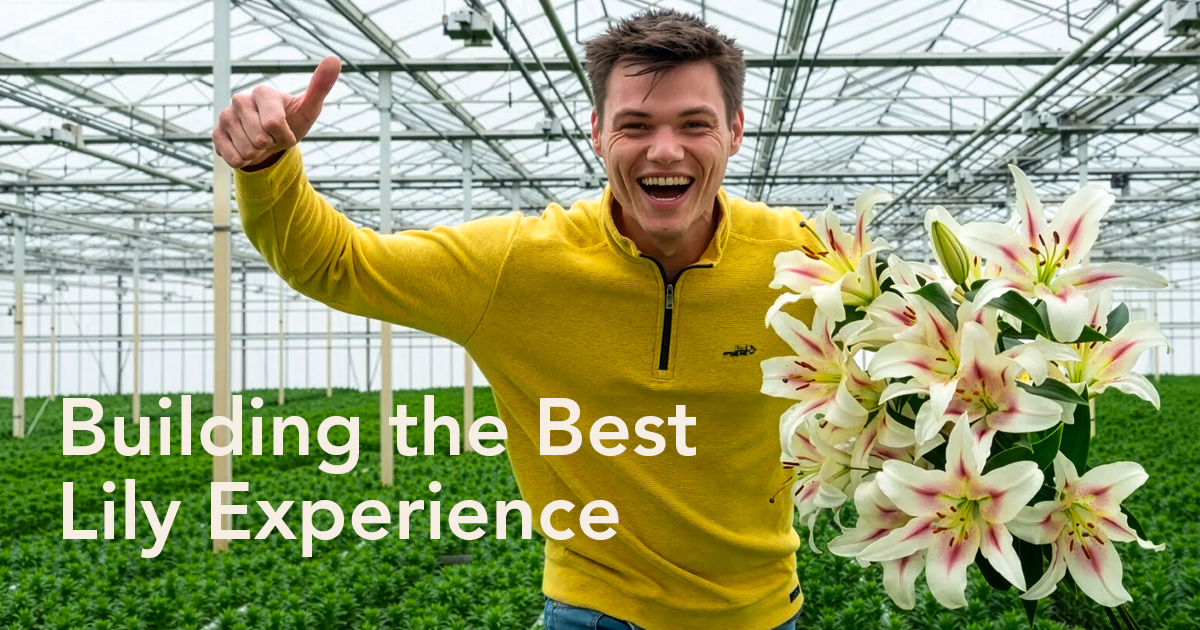
Lilies give a lot when the chain gives something back. From post-harvest treatment and transport to clean buckets in the shop and a clean vase at home, the best lily experience is built step by step. How? This is your chance to learn from the best, top-quality lily grower Bredefleur and flower food specialist Chrysal.
The Generosity of Lilies
They are generous flowers, but they are not completely forgiving. They have strong transport potential and a relatively long vase life, yet they remain vulnerable to leaf yellowing, uneven bud opening, microbial contamination, and ethylene damage during handling of slips. That means the enjoyment people get from lilies is not only about variety or color. A lot of it depends on what happens after harvest and all the way through to the vase at home.
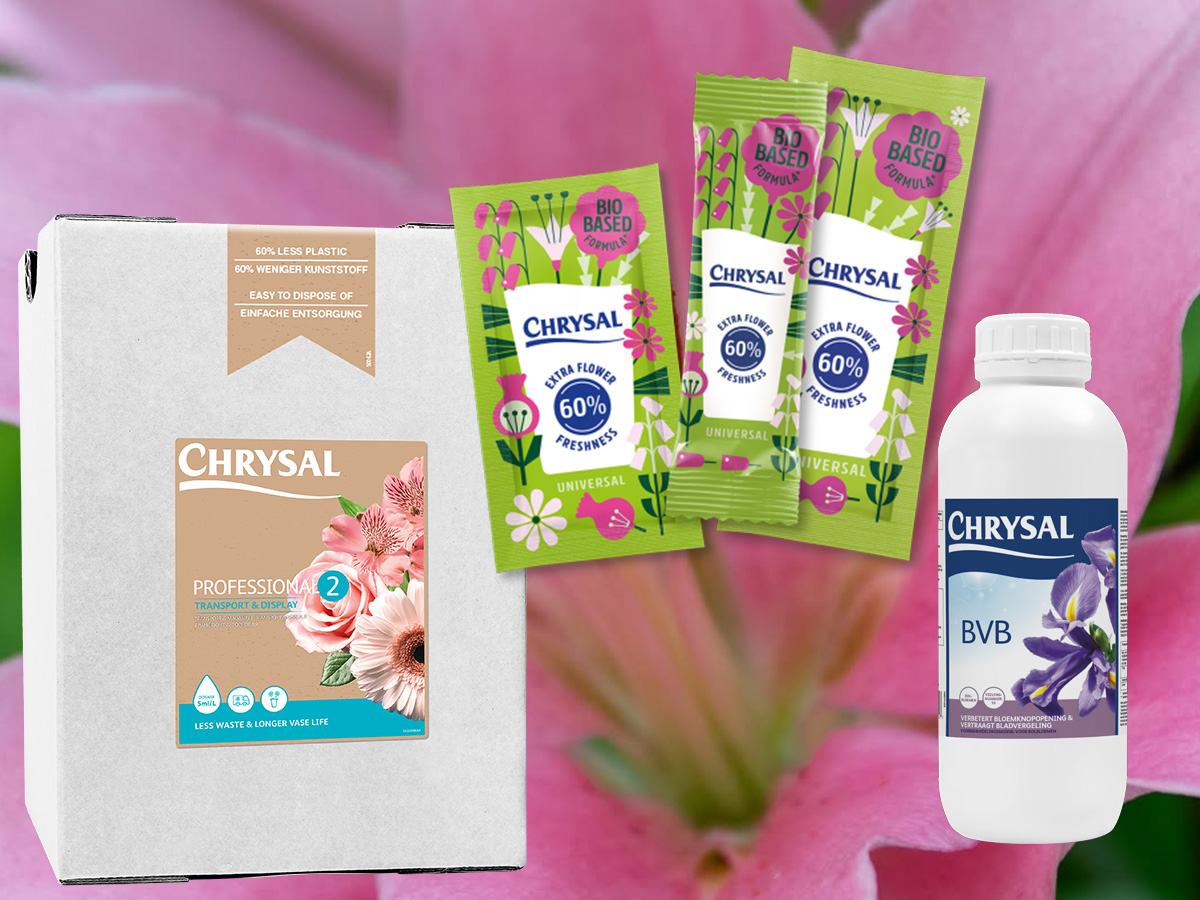
That chain mindset also comes through in an interview with Levi Evers of Bredefleur. He says Bredefleur has worked with Chrysal BVB and Chrysal Gow 40 after years of vase-life testing because those products performed best in practice. In his experience, cleaner water means less mold in the chain, leaves that stay good longer, better bud opening, and, in some darker varieties, better color retention too.
Why Lilies Reward Good Handling
Lilies have real presence, and that is exactly why weak handling shows up so clearly. Without the right treatment protocols, commercial value can drop fast through reduced opening, bud abortion, and leaf problems. On the other hand, when hydration, hygiene, temperature, and ethylene control are handled well, lilies keep their quality and move through the chain with a lot more consistency.
For the people working with the flowers every day, that consistency is where the joy starts. Traders want fewer losses and better presentation. Florists want a flower that holds on the workbench and opens in a controlled way in-store. Consumers want buds that actually move and a vase that still looks good several days later. With lilies, all three are connected.

What Traders Can Do Before the Flowers Reach the Shop
For traders and wholesalers, the main job is to protect what the grower has already built. The route is clear: immediate post-harvest treatment, rapid cooling to 2–5°C, prevention of ethylene exposure, and strict hygiene in processing, storage, and transport. At the wholesale level, consistent low temperatures, clean buckets, fresh solution, and recutting stems before putting them into solution all matter.
That may sound basic, but it is exactly where a lot of value is either saved or lost. Evers says that wholesalers do not always see the difference between treated and non-treated lilies right away, which can make good pretreatment easy to underestimate in the trade. Still, he also says the benefit shows up later, especially when flowers have had a longer trip or spent more time boxed than anyone would ideally want. In that kind of chain, post-harvest treatment becomes even more important.
So for traders, maximizing joy from lilies means protecting performance before it becomes visible. It means sending a product onward that is still set up to open well, keep its foliage, and arrive with fewer hidden problems. That is not just good logistics. It is part of the flower story that the next buyer will notice.

What Florists Can Do to Keep Lilies Working Well
Florists sit at the point where hidden quality becomes visible. Florists need lilies that open reliably while maintaining shelf life, and the advice is practical: use clean tools and buckets, remove excess foliage below the waterline, recut stems before placing them in solution, and give customers proper home-care guidance. Clean presentation and controlled development are the goals.
This lines up strongly with what Evers sees in the market. He says that once lilies are standing at the florist level, the difference between pretreated and non-pretreated product often becomes much easier to spot. In his view, that better result is not only about how the flowers were grown, but also about what happened during post-harvest treatment. That is a useful reminder for florists, because the flower on the bench is already carrying the effects of earlier handling.
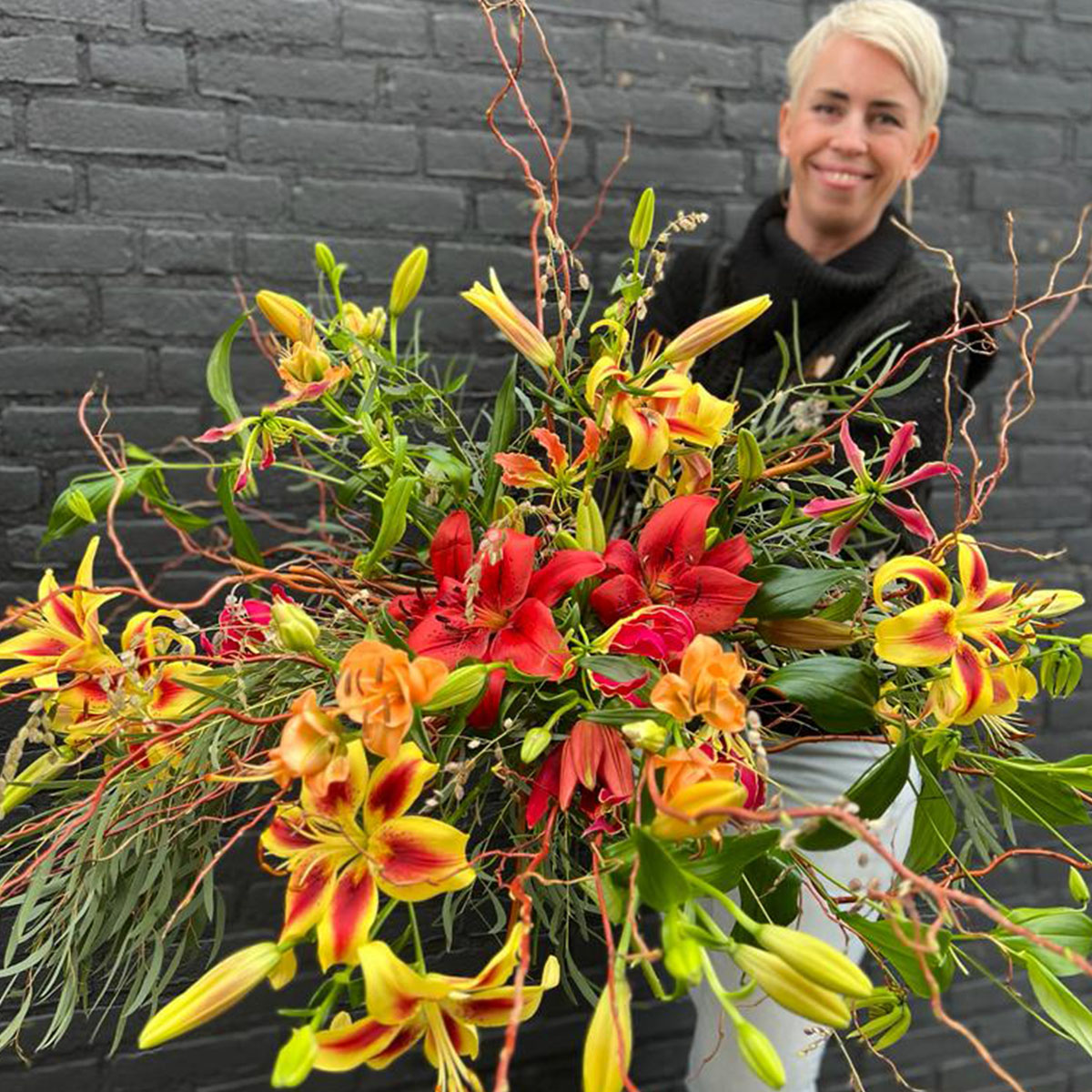
There is also a simple retail truth here: lilies need confidence around them. A bunch with cleaner foliage, better bud movement, and steadier presentation is easier to sell. It also gives florists a stronger hand when they explain value to customers. When the flower performs well in the home, the customer remembers that.
What Consumers Can Do at Home
At home, the advice gets even simpler. Put lilies straight into clean water with flower food, cut 2–3 cm off the stems with a sharp knife, remove any leaves below the waterline, and keep the vase away from direct sunlight, heat sources, and ripening fruit. Good home care supports full bud opening, stronger color, and longer vase life.
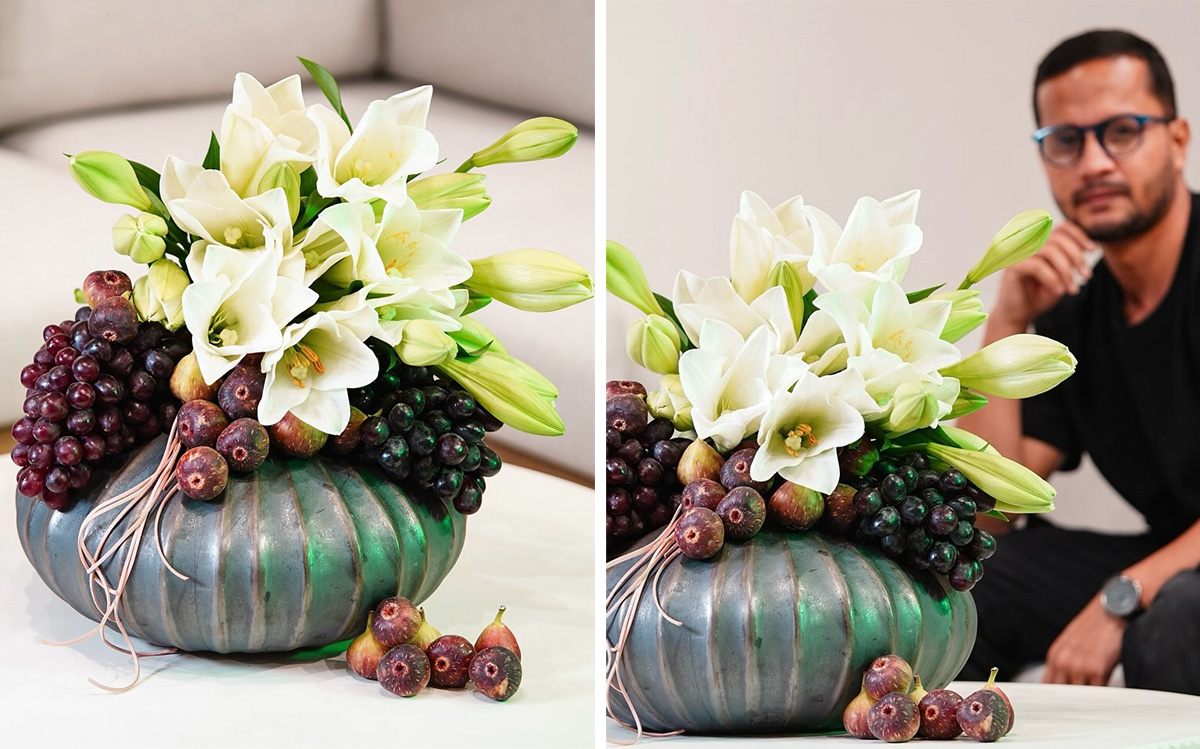
Evers adds one practical point that deserves more attention: start with a really clean vase. He says this is often overlooked, even though it is one of the most important steps in getting the best result from lilies. He also says that refreshing the water halfway through the vase life can help even more, though the key thing is still getting the start right.
That matters because a lot of the joy people expect from lilies comes from seeing those buds continue to open at home. If the vase is dirty, the water is poor, or the flowers are placed next to heat or fruit, that promise gets cut short. But when the basics are handled well, lilies keep giving. And that is really the point.
A Better Lily Experience Starts Earlier Than Most People Think
No single part of the chain has to do everything. Chrysal brings the technical side with clear care protocols for growers, wholesalers, florists, and consumers. Bredefleur brings the grower’s proof that those protocols are worth taking seriously in real life. Together, they make a convincing case that better lilies are not built in one moment. They are built in a series of small, smart decisions.
For traders, that means protecting quality in transit. For florists, it means keeping the handling clean and sales-ready. For consumers, it means starting with a clean vase and proper care from day one. Put all that together and lilies do what they are meant to do: open well, hold their look, and give people longer to enjoy them.