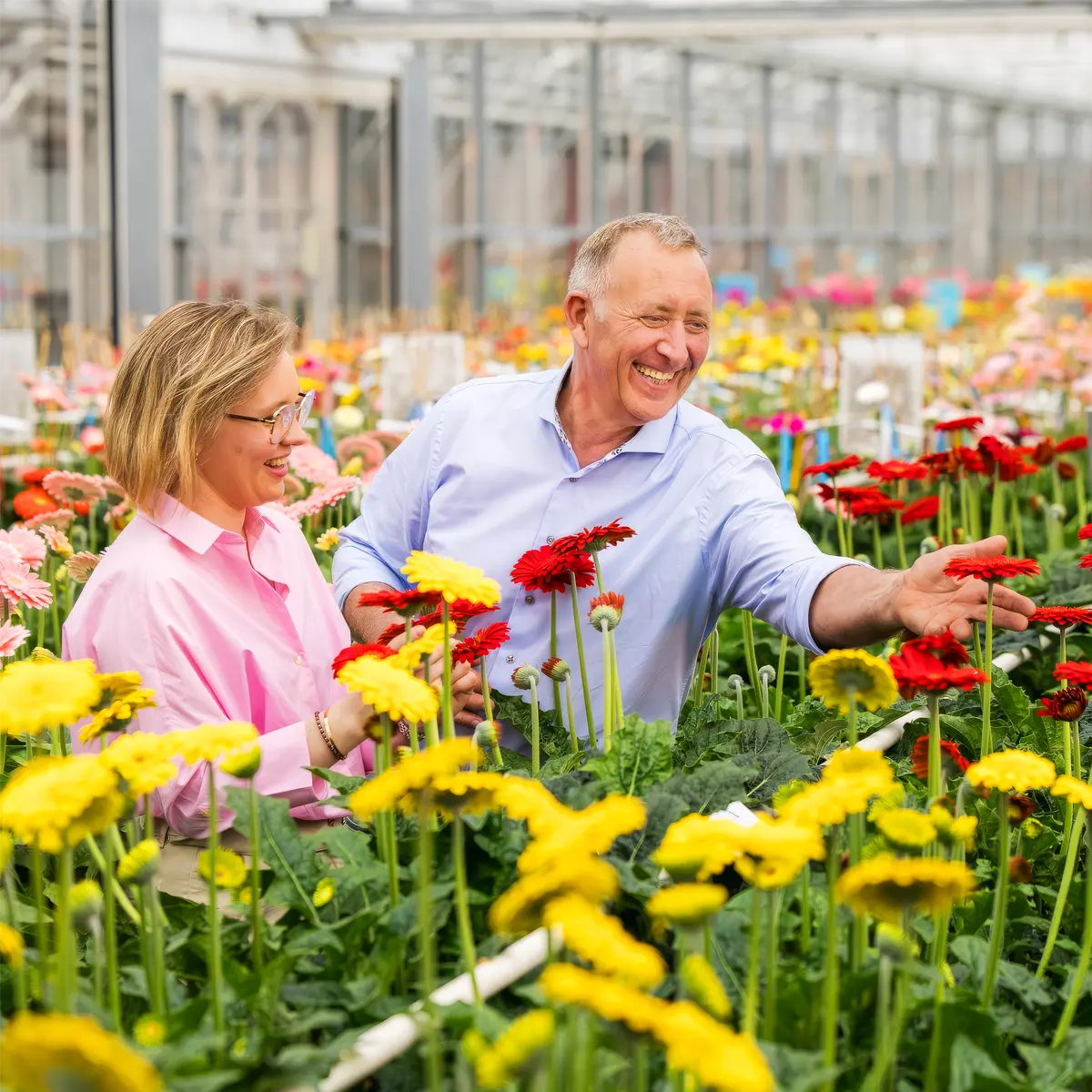
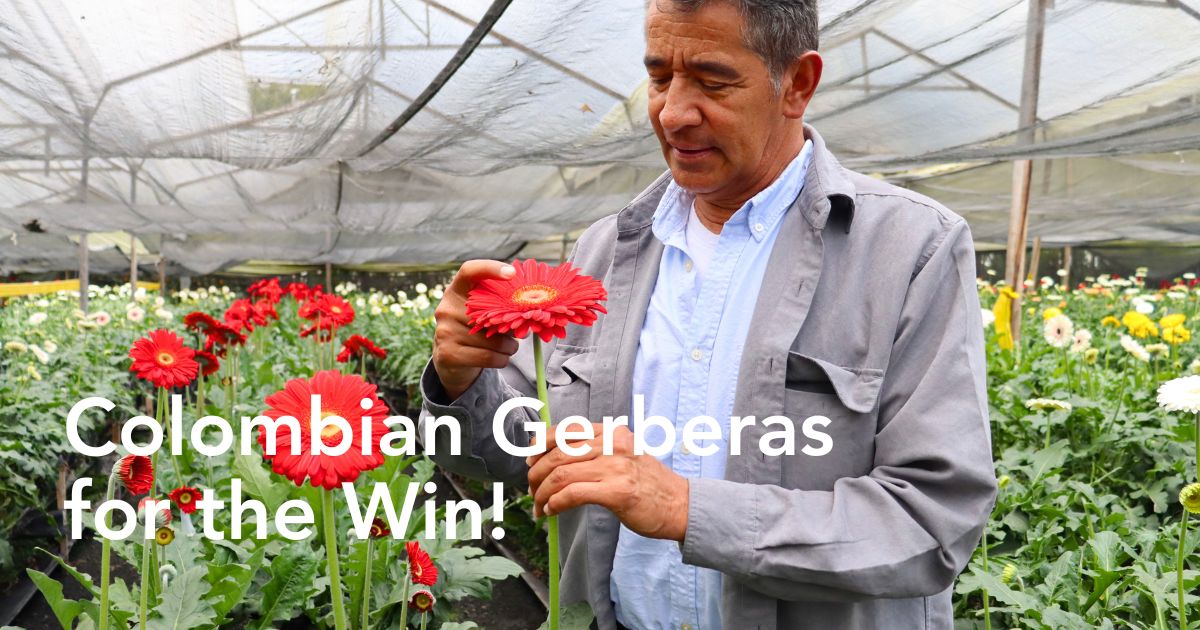
When it comes to maximizing the potential of Gerberas, the collaboration between Colombian Gerbera grower José Bulla from Jacaranda Farms and Chrysal demonstrates how production and post-harvest care must work in tandem as a unified system. At the Colombian farm, quality begins in the field, with precise cultivation practices that yield strong stems, consistent color, and reliable performance.
But maintaining that quality depends just as much on what happens after cutting. This is where Chrysal adds value, supporting hydration and extending vase life through its solutions, both during transport and once the flowers reach their destination. Together, they create a continuous process – from farm to end user – where each stage supports the next, allowing gerberas to arrive with the same structure, appearance, and longevity seen at harvest.
Essentials When Taking Care of Gerberas by Chrysal x Jacaranda Farms
The Gerbera is one of the most recognizable and widely used cut flowers in the world. Known for its bright colors and large, expressive thin petals, it is a favorite among florists, retailers, and consumers alike. In fact, the Gerbera is one of the most traded cut flowers globally, surpassed only by flowers such as roses, carnations, Chrysanthemums, and tulips.
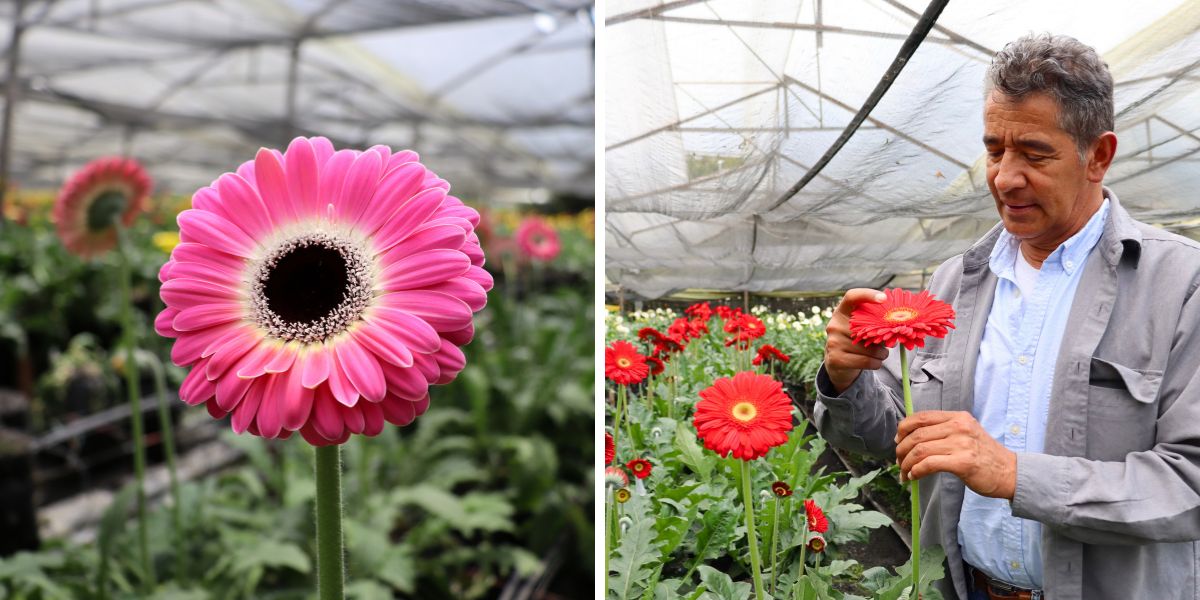
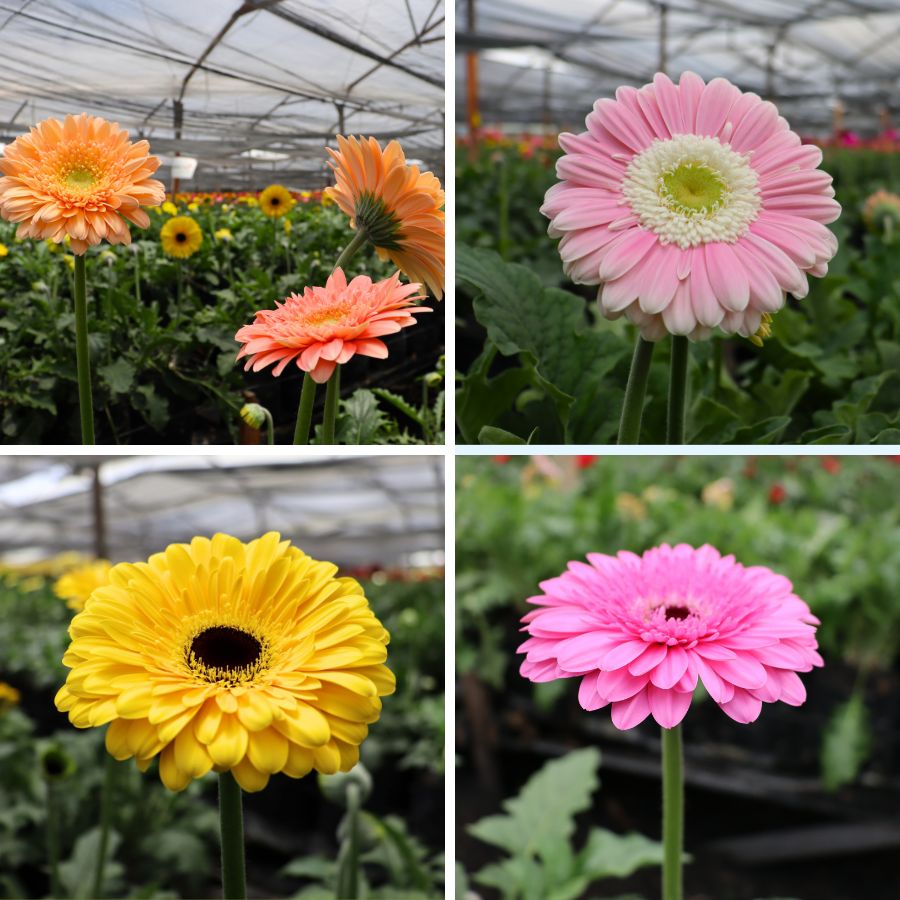
Gerberas are available in a wide range of colors, including white, red, pink, orange, and yellow, and wide varieties feature multi-colored petals. Their appearance and versatility make them ideal for bouquets, arrangements, and retail displays throughout the year. Originally native to tropical regions of Asia, Africa, and South America, the Gerbera has become a globally cultivated flower that requires careful post-harvest handling to maintain quality and vase life.
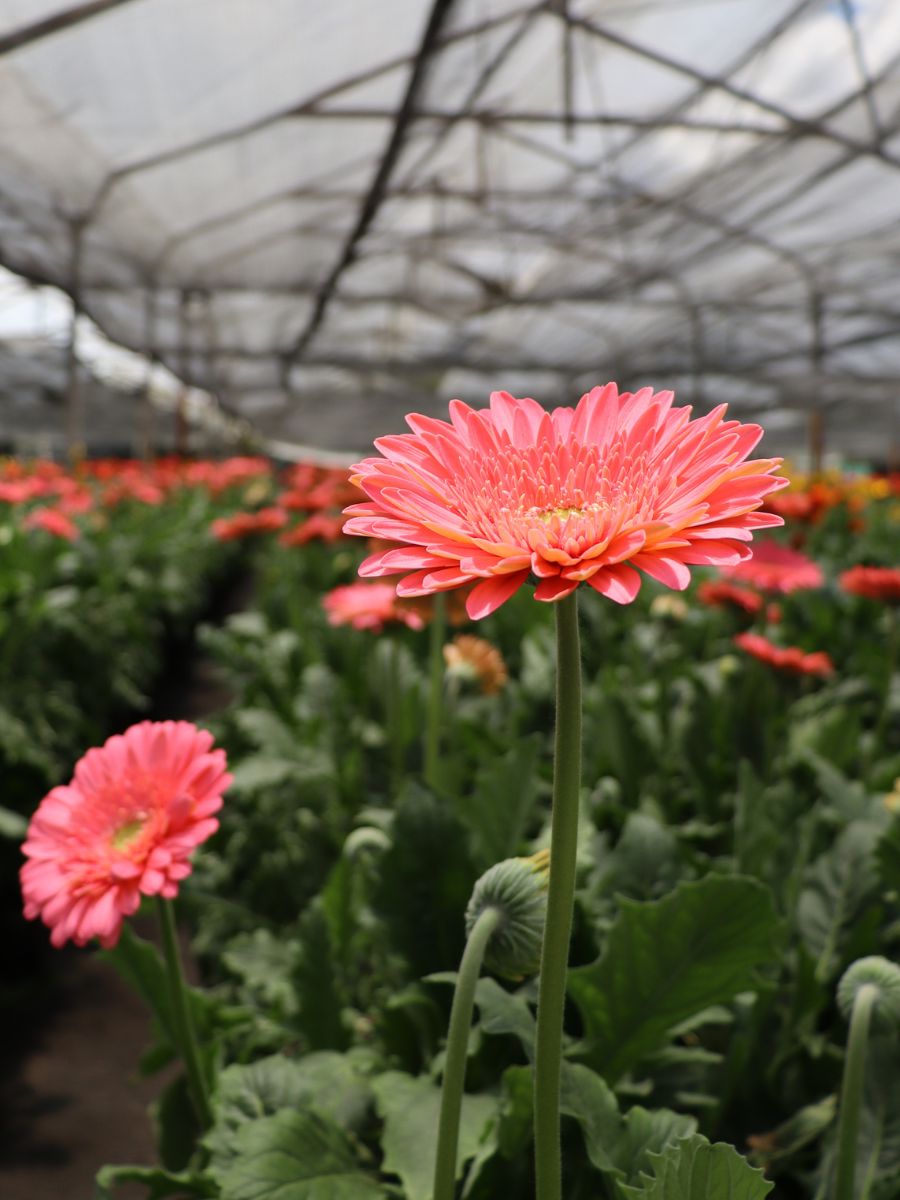
Although Gerberas are visually strong flowers, their stems are highly sensitive to contamination. Bacteria in the water can quickly block water uptake, leading to weak stems, bending, or premature wilting. Because Gerberas do not drink large volumes of water, maintaining extremely clean water and buckets is essential. Another characteristic of Gerberas is that some varieties continue to grow in the vase, which can affect bouquet balance if not taken into account during design and arrangement.
Good hygiene, proper conditioning and care handles, and the use of professional flower care solutions are therefore essential to maintain stem strength, flower freshness, and overall quality throughout the supply chain. This is where Chrysal and Jacaranda Farms come in to help!
Best Chrysal Products to Maintain the Life of Gerberas
For growers, the foundation of this flower's quality starts immediately after harvest. Proper conditioning helps maintain strong stems, reduces bacterial pressure, and supports long-lasting flower development. Maintaining clean systems and using professional conditioning solutions helps ensure Gerberas arrive at the next stage of the chain in optimal condition. Recommended product in the grower phase:
Chrysal CVBN – a powerful conditioner that combats bacterial growth, supports water uptake, and helps maintain strong Gerbera stems.
Key actions include:
- Immediate hydration after harvest
- Maintain clean water systems and buckets
- Reduce bacterial contamination to protect stem quality
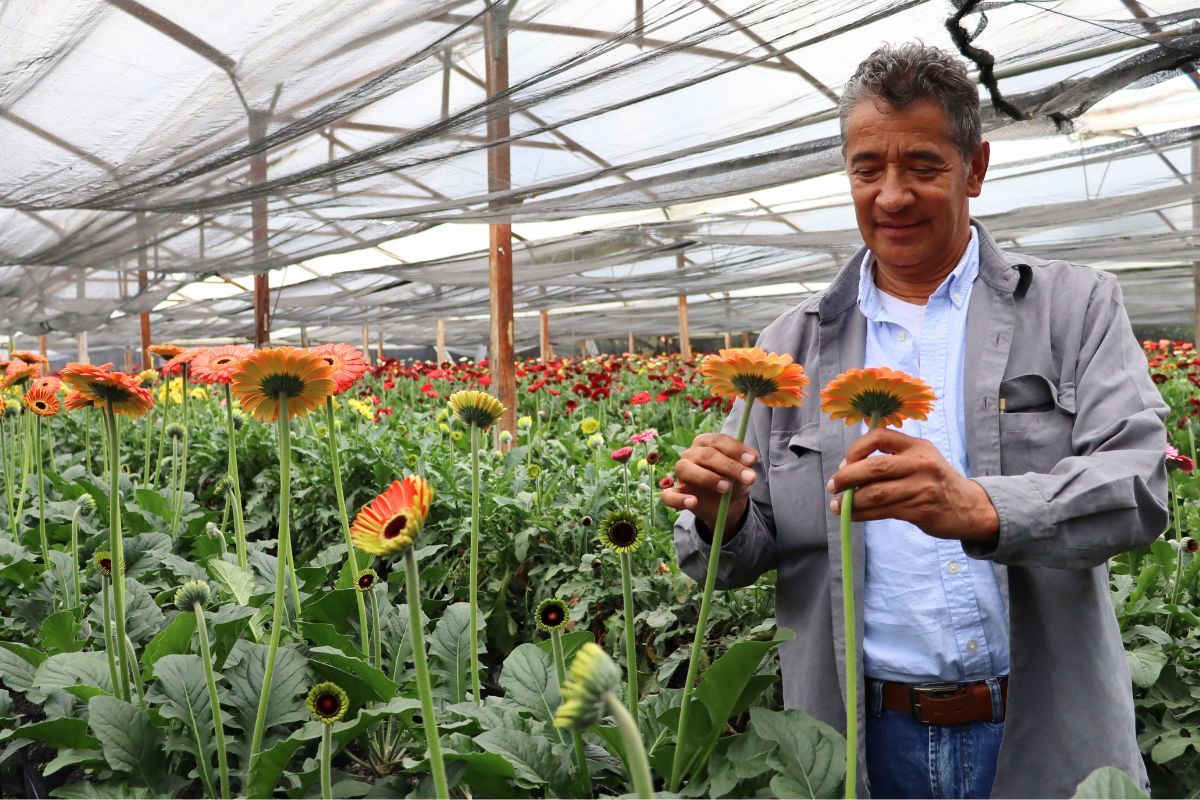
At the wholesale stage, maintaining hygiene and water quality is critical for Gerberas. Because the stems are sensitive to contamination, clean buckets and controlled water levels are essential. Gerberas typically require less water than many other cut flowers, which means water quality must be carefully managed to prevent bacterial build-up. Recommended products for the wholesale phase:
Chrysal CVBN tablets – help maintain clean water and strong stems during storage and distribution.
Key actions include:
- Using clean buckets and fresh water
- Avoiding overfilling buckets with water
- Maintaining a clean working environment to prevent contamination
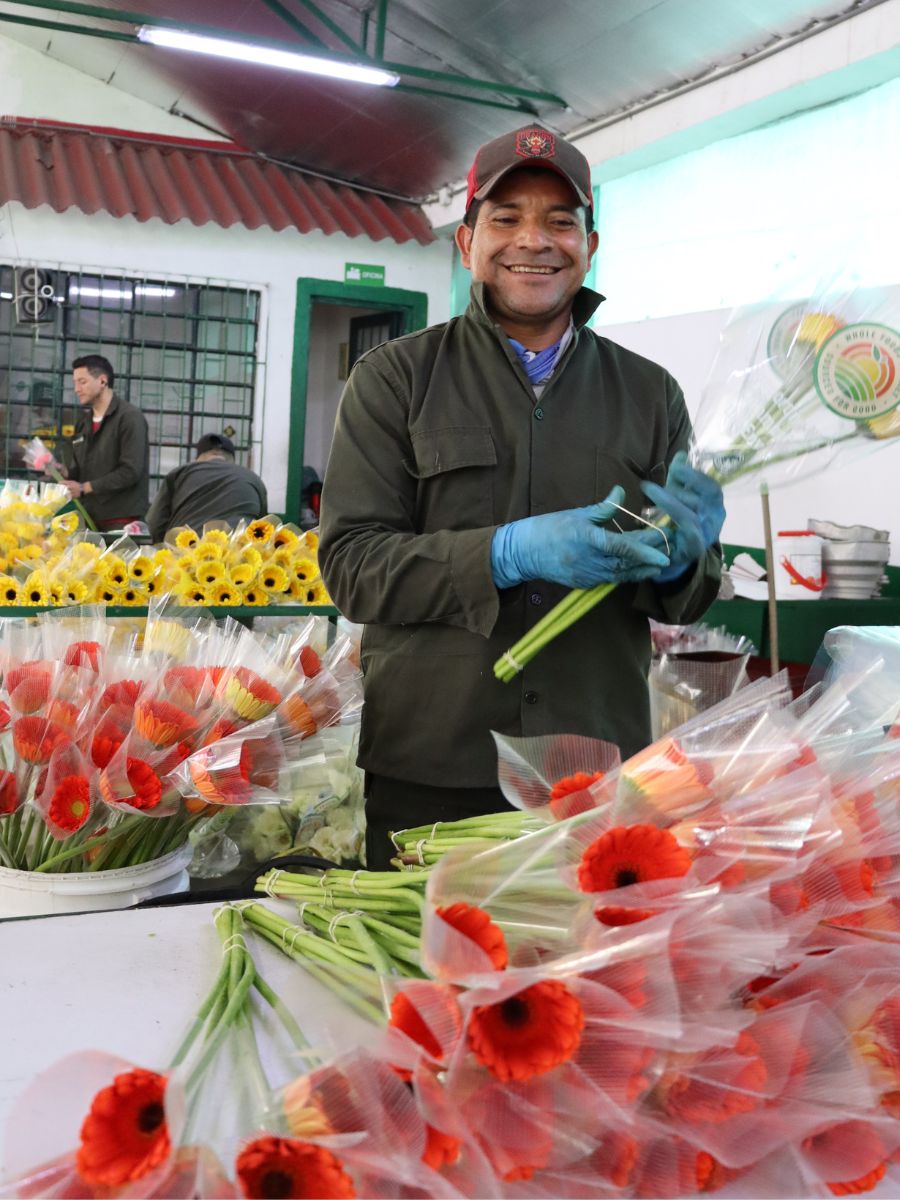
In the florist shop, Gerberas require careful handling to maintain their distinctive upright stems and bright blooms. Clean materials, proper hydration, and professional bucket solutions help maintain freshness and reduce stem bending. Gerberas that have been properly conditioned generally do not require wiring, which helps avoid additional stem damage. Recommended products for the florist phase:
Chrysal Professional 2 – keeps flowers fresh up to 50% longer compared to water alone and supports controlled flower development.
Key actions include:
- Using clean buckets and tools
- Allowing sufficient hydration before arranging
- Consider stem growth when designing bouquets
Lastly, for consumers at home, with proper care, Gerberas can remain fresh and colorful in the vase for an extended period. Because their stems are sensitive to contamination, using a clean vase and the right flower food is especially important.
Video by: @fleurstudio.co
Recommended products for the consumer phase:
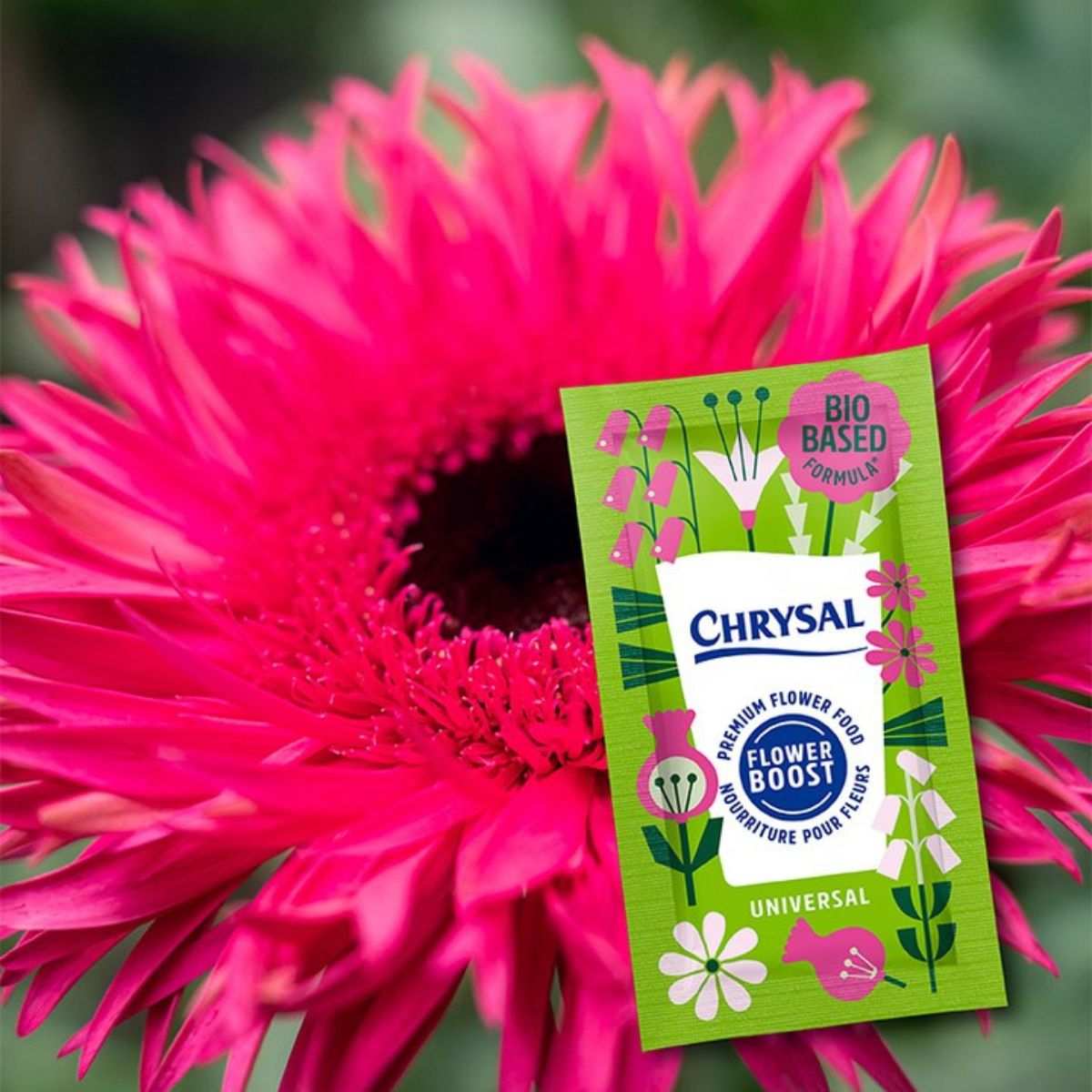
Chrysal Paper Sachet Flower Food – supports hydration, nourishes the flowers, and can extend vase life by up to 60% compared to water alone.
Care tips for consumers:
- Use a clean glass vase
- Cut 2–3 cm from the stem with a clean knife or secateurs
- Use fresh water with flower food
- Fill the vase with approximately half a liter of water
- Keep flowers away from heat, draught, and direct sunlight
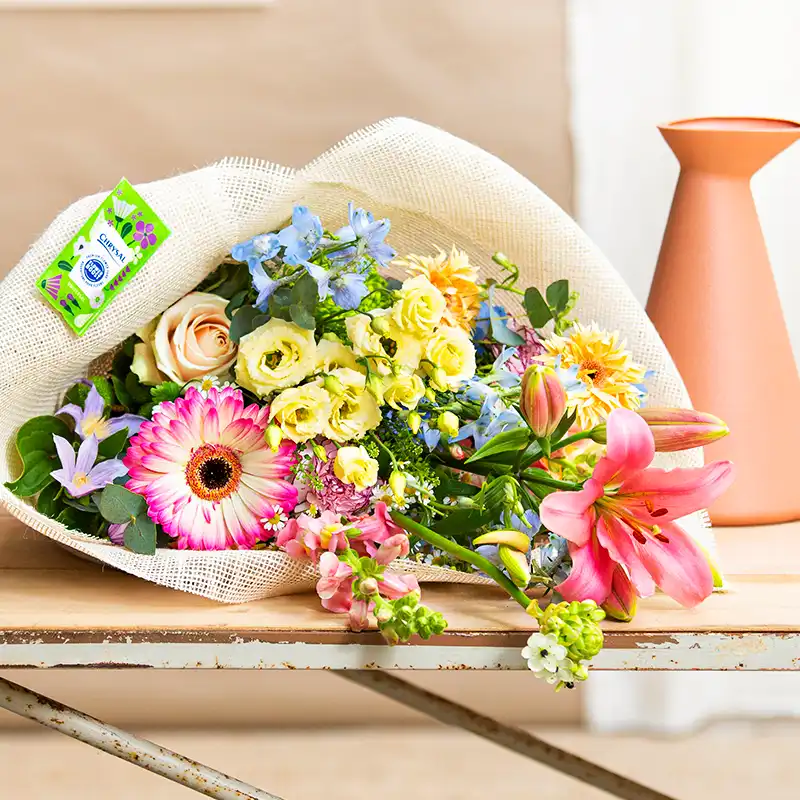
Jacaranda Farms' Best Kept Secrets for the Longevity of Gerberas
Before getting into all the care details and what you need to know, it's essential to know the background of the Gerbera flower at Jacaranda Farms.
At this farm, Gerbera is often described as a 'rewarding' crop, one that, when managed properly, delivers outstanding results even within relatively compact growing areas such as medium-sized farms. Beyond its agronomic performance, what sets it apart is its ability to stand out on its own. Whether displayed in supermarkets or flower shops, it naturally becomes the focal point of any arrangement, bringing light, color, and presence.
Its beauty and durability are the result of careful field management from precise planting and timely leaf removal to a balanced nutrition program that combines both chemical and biological fertilization. This holistic approach ensures high-quality flowers with excellent visual appeal and strong vase life.
Additionally, they shared which international markets are most important and how preferences vary.
José Bulla:
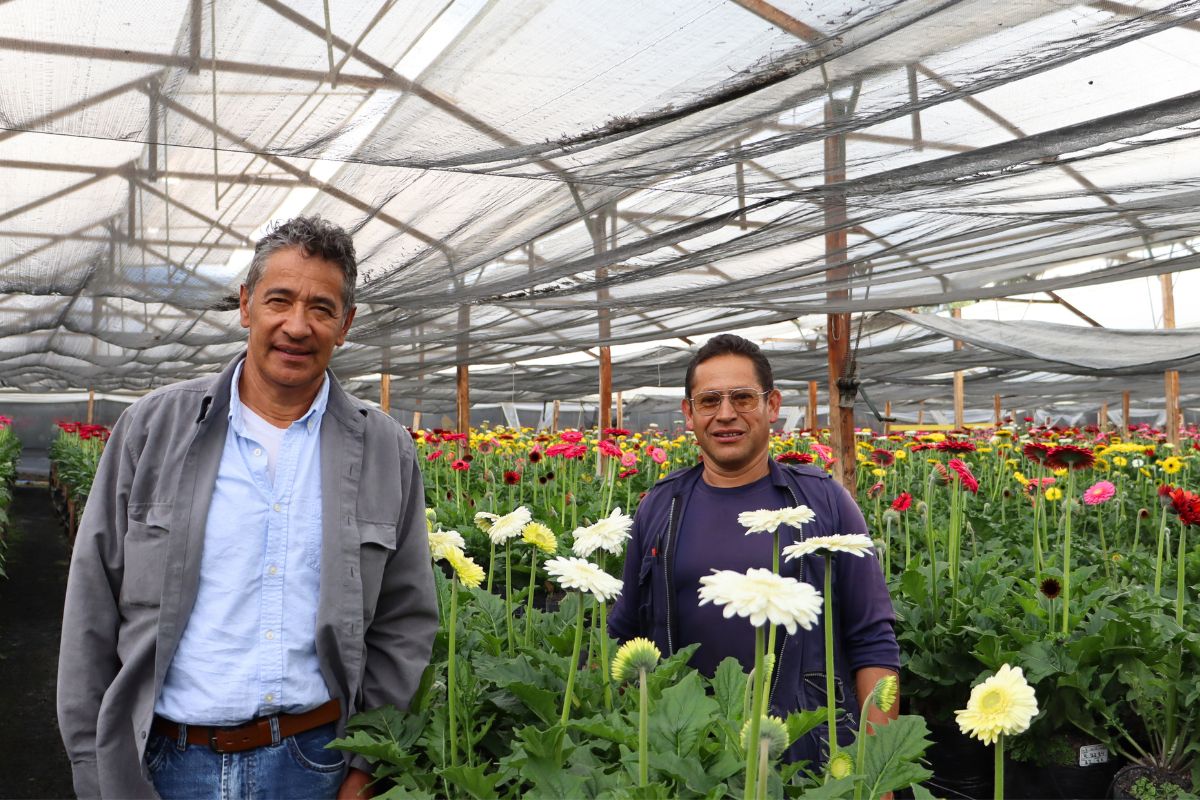
"Today, approximately 70% of the farms' production is destined for the United States, a key market not only due to its geographic proximity, but also its size and strong consumption. Europe represents another strategic pillar, with Spain as the primary destination. Through trusted commercial partners, Jacaranda’s flowers also reach markets such as Portugal, France, and other countries across the continent. This presence in key regions is supported by a solid network of well-established clients in both the U.S. and Europe, enabling a strong and diversified global operation."
Key Cultivation Practices to Ensure Consistent Quality
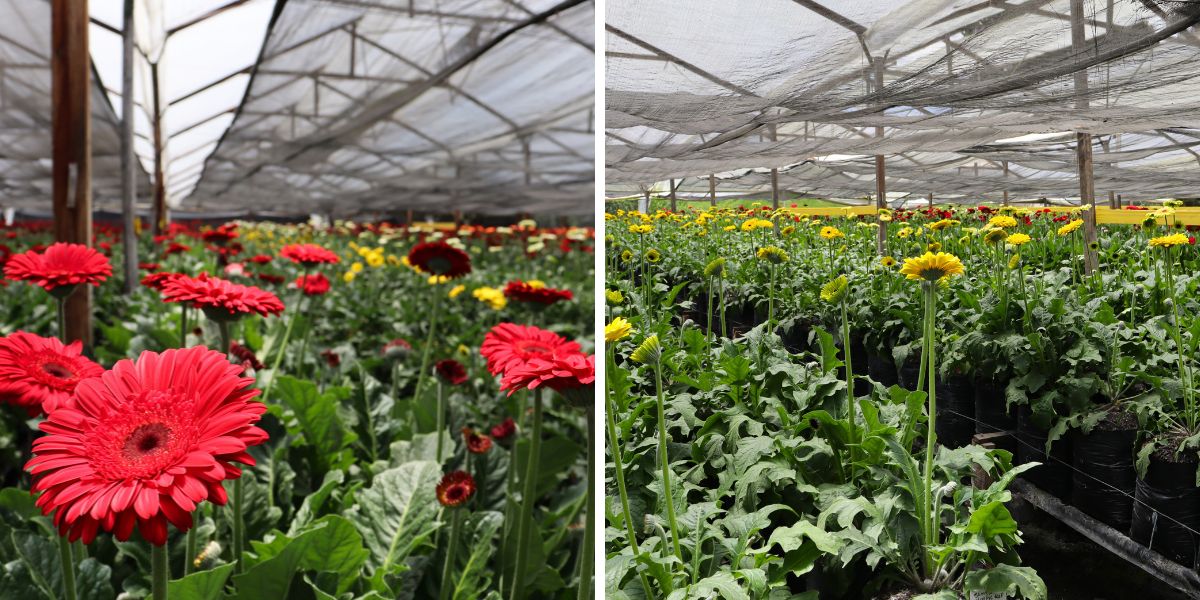
Gerbera quality begins in the field, where fertilization plays a crucial role. This is complemented by foliar applications and rigorous pest and disease management, ensuring flowers with strong stems and excellent presentation. As for the colors that define this flower, these are not determined by cultivation practices, but by genetics. It is the work of breeders – through careful hybridization and variety development – that defines the intensity and diversity of colors seen in the market today. This said, what are the dos and don'ts recommended by Jacaranda?
Here they tell you everything:
"From the moment the flower is cut, it is kept under continuous hydration throughout the entire process, from harvesting and grading to bouquet assembly and packing. This consistency is key to maximizing vase life. Gerbera harvesting is also unique: instead of using scissors, stems are removed manually to ensure proper extraction. The callus is then removed to facilitate optimal water uptake. Additionally, flowers are always protected from direct sunlight and kept in cool environments to avoid thermal stress that could compromise their quality."
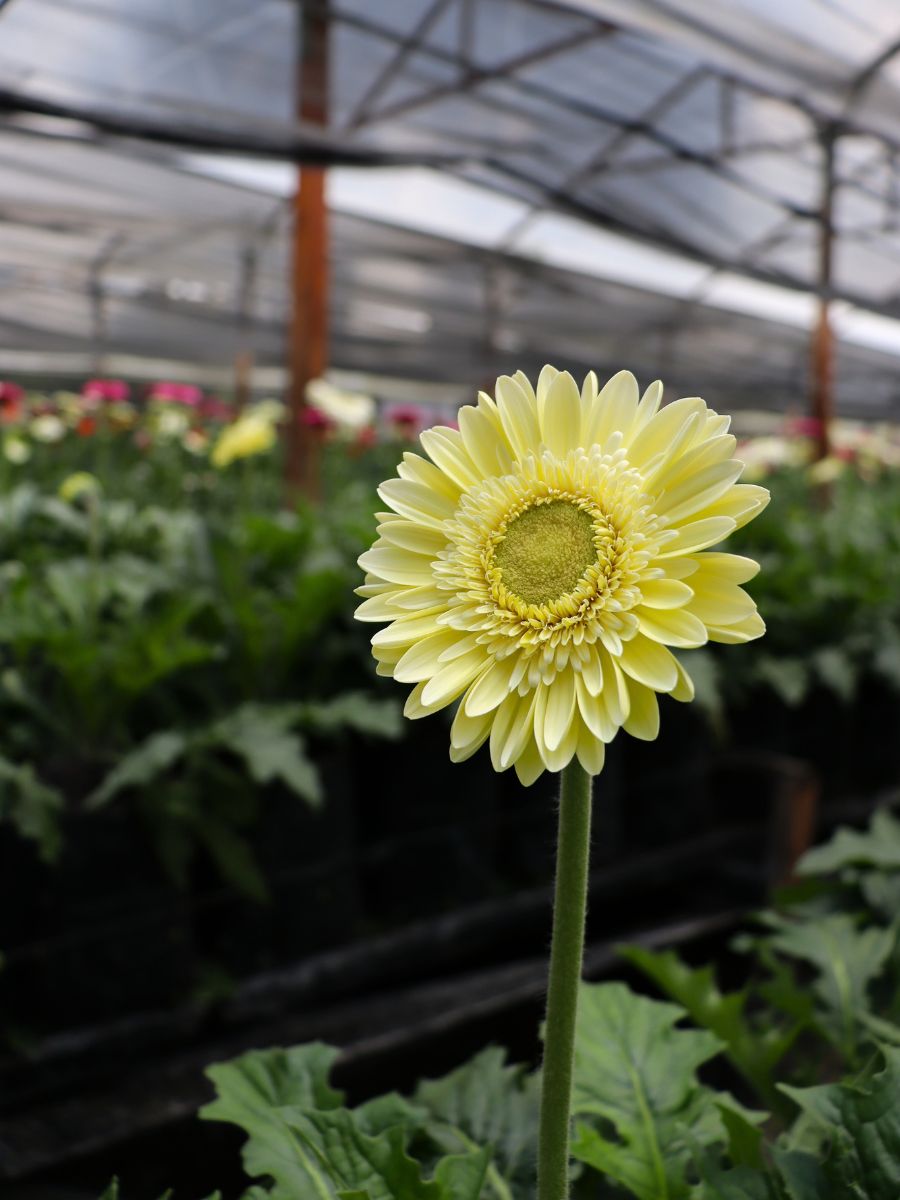
Here is where Chrysal comes in. At Jacaranda Farms, Chrysal solutions are primarily used during the post-harvest stage, especially through floral food sachets included with the final product, particularly for the U.S. market. These sachets play a key role in enhancing performance at the destination, supporting hydration, and significantly extending vase life.
Maintaining Gerbera's Quality During Long-Distance Transport
The farm was asked about the best methods for maintaining high-quality standards when it comes to long-distance exports, and here's what José Bulla had to say:
"Thanks to careful handling from the very beginning of the production process, Gerberas can travel in optimal condition. The combination of proper fertilization, continuous hydration, and protection from external factors ensures that quality is preserved throughout transportation. In some cases, hydration is reinforced using Chrysal solutions in buckets before dispatch, helping to better prepare the flowers for their journey. Additionally, Jacaranda Farms continues to explore new specialized solutions to further enhance post-transport performance, demonstrating the commitment to innovation and quality."
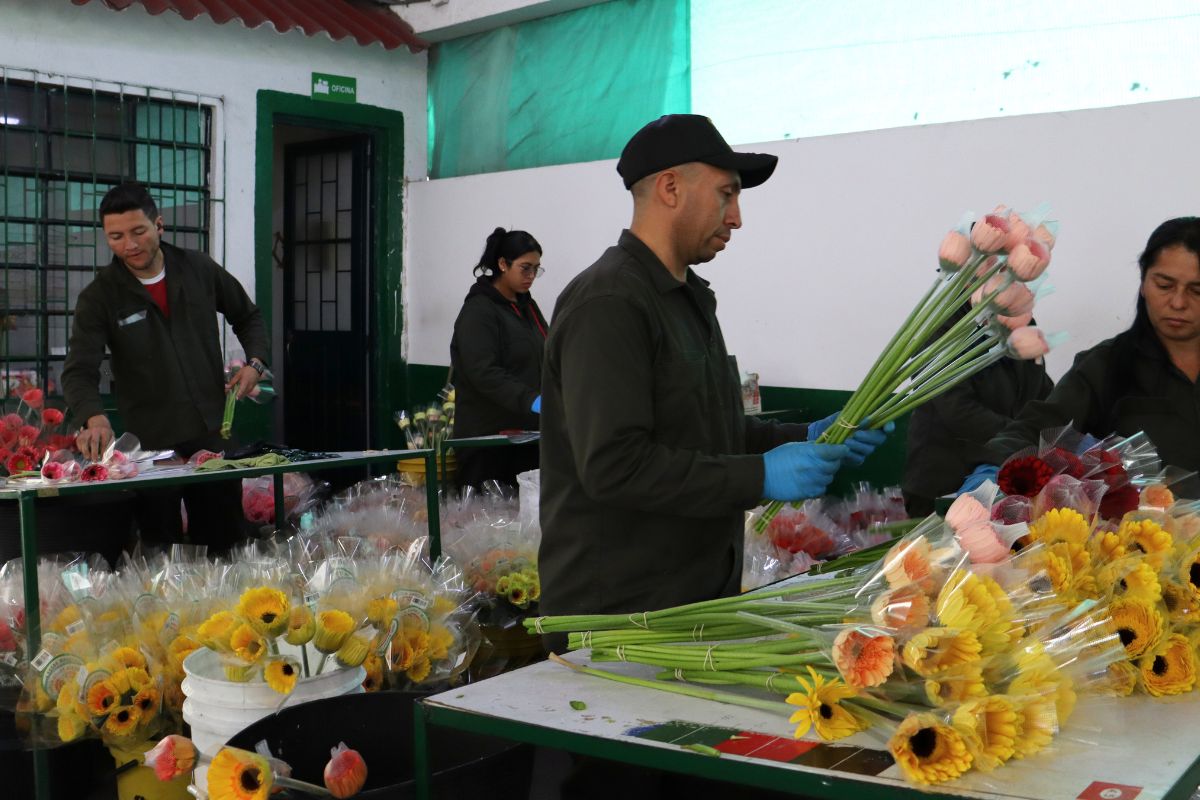
Last but not least, it is important to mention that for Jacaranda, Chrysal is a key strategic partner, adding value across the entire supply chain. Its products act as an essential complement, enhancing vase life and aligning with the company’s commitment to supporting customers not only with high-quality products but also with practical recommendations that maximize flower performance.
Photos courtesy of Jacaranda Farms.