Greenhouse Sustainability has released version 2.0 of its Flori Footprint Tool, the online platform helping ornamental horticulture companies calculate the environmental footprint of their products and locations. Launched on September 1, the update automates the full workflow, cutting project turnaround time and operational costs for growers, traders, and supply chain partners.
Built based on user feedback, the new version incorporates real-time calculations, simplified data sharing, and an integrated helpdesk, making sustainability reporting much faster, clearer, and more affordably accessible for those in the floriculture sector.
A Faster, Real-Time Approach to Sustainability Calculations
Sustainable floral business decisions rely on reliable data, and this idea is partly the incentive behind this update. Greenhouse Sustainability has spent recent months refining the Flori Footprint Tool based on feedback and input from users, and the result is a platform that no longer requires users to wait long for results after each adjustment. With Flori Footprint Tool 2.0, calculations happen in real time.
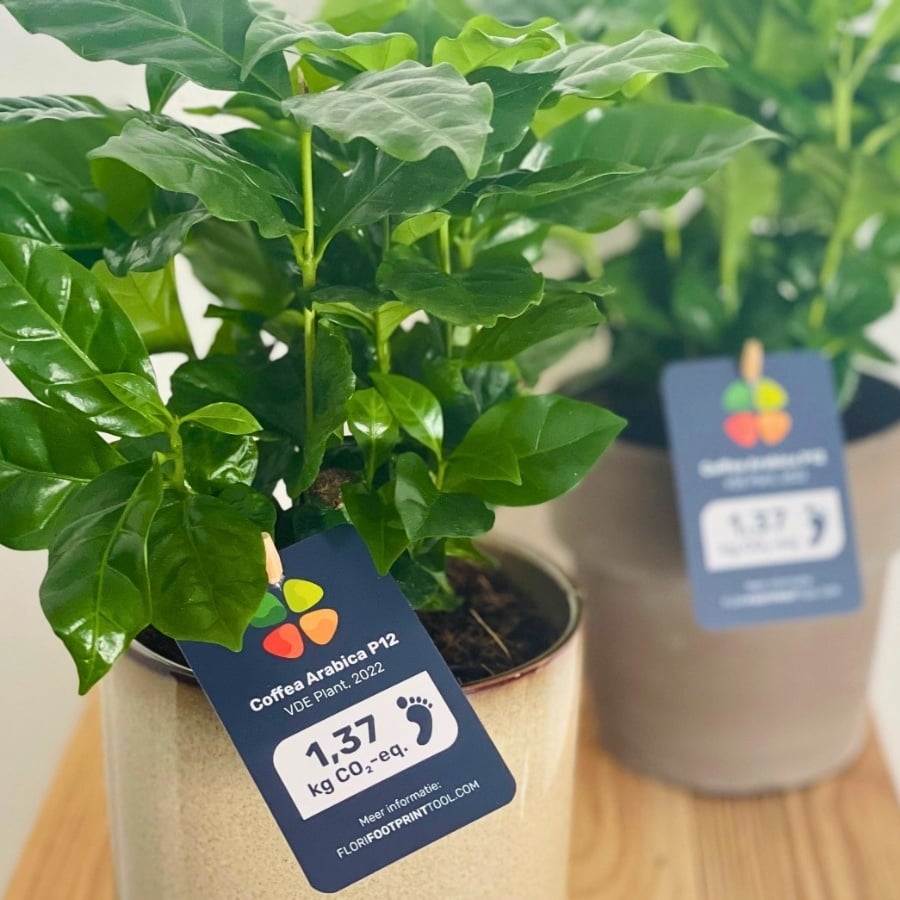
For instance, as soon as a user changes an input, be it an energy source, a fertilizer type, or a logistics metric, the footprint results update immediately, allowing one to test different operational scenarios on the spot and see right away how a specific choice affects overall environmental performance.
According to Henri Potze, the Director of Greenhouse Sustainability, the idea (and goal) was to replace a slow, repetitive routine with an experience that delivers a streamlined result from the very first use. For floral operations managing several locations, product lines, or seasonal changes, the move from a slow and static reporting exercise to an interactive planning tool is a significant development in how footprint data is used every day.
Smarter Data Import and Automatic Recalculations
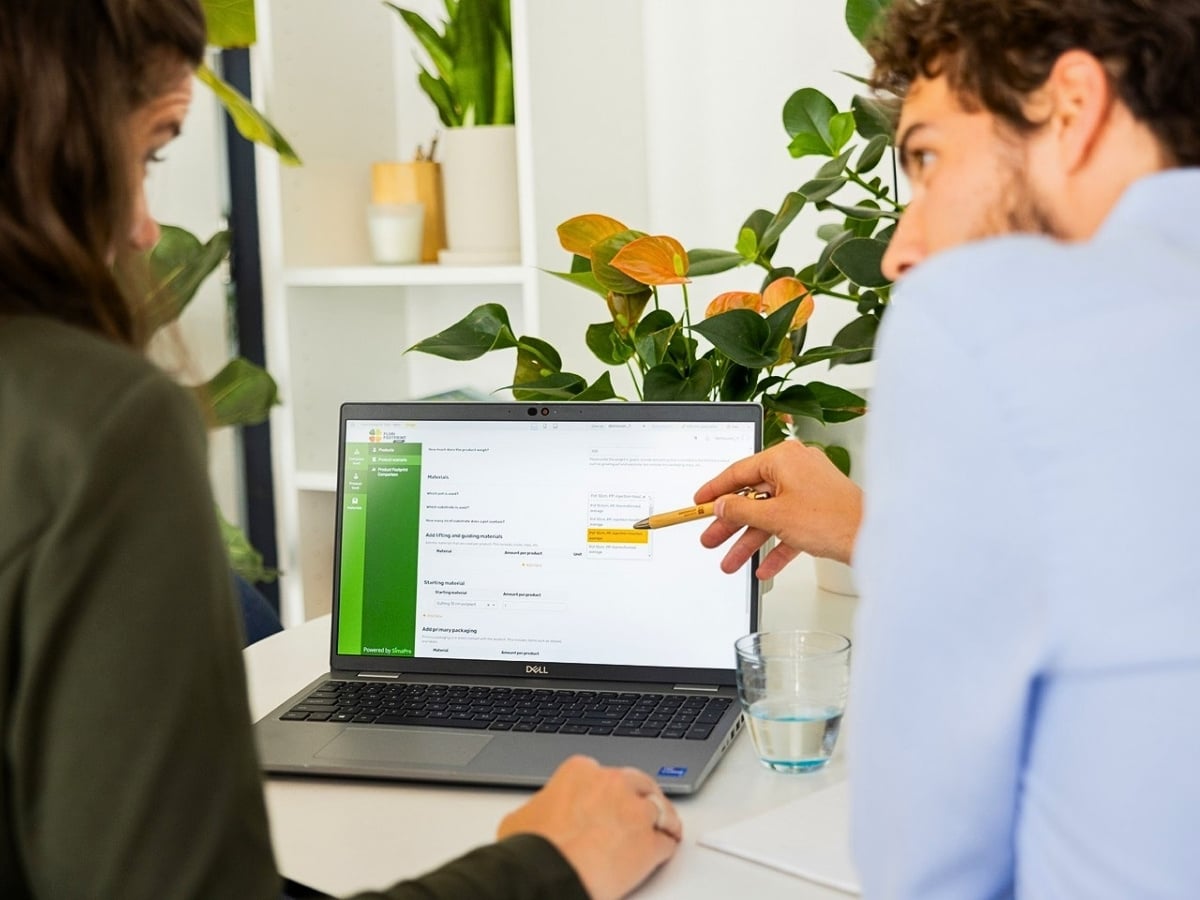
Flori Footprint Tool Version 2.0 also improves how information gets into the system. The tool now offers automatic calculation of transport distances, taking away a manual step that previously slowed down many footprint assessments. Importing fertilizers and crop protection products has been streamlined as well, so users spend less time on data entry and more time reviewing results that matter.
Another useful addition is automatic recalculation. When essential data changes, whether in suppliers, a new energy contract, or updated crop protection records, the footprint updates on its own instead of requiring a manual rerun. New progress indicators also give users a clear, at-a-glance view of which data sets are complete and which still need attention. This in turn helps teams stay organized as they work through larger projects.

When results are ready, comparing them is easier too. The platform’s dashboard now supports interactive comparisons between footprint results, and data can be exported straight to Excel for further analysis. Charts are available as PNG files as well, ready to drop into presentations or sustainability reports without additional formatting work.
Sharing Footprint Data Across the Supply Chain
Transparency between growers, traders, and buyers has also become a bigger part of doing business in ornamental horticulture, and the updated tool addresses this well. A new Sharing Center allows footprint data to be shared securely with customers, buyers, and other partners further along the supply chain.
This feature is essential for operations working with retailers or trading partners who request environmental data as part of their own sustainability reporting or procurement standards. Instead of exporting figures manually and sending them through separate channels, users can now manage the exchange within the platform, keeping the process streamlined, organized, and traceable.
Built-in Support Through an Integrated Helpdesk
Even the most capable software requires good support, and Greenhouse Sustainability has factored this support into the tool. The Helpdesk is now fully integrated into the Flori Footprint Tool, giving users uninterrupted access to an extensive knowledge base and guidance without requiring one to leave the platform.
A chatbot powered by AI is also available to answer questions while users work through their calculations, which offers more support for common issues or questions about methodology. For situations that call for a more personal conversation, users can book a short online session with one of Greenhouse Sustainability's life cycle assessment (LCA) specialists to talk through specific questions.
Continuous Development Based on User Feedback
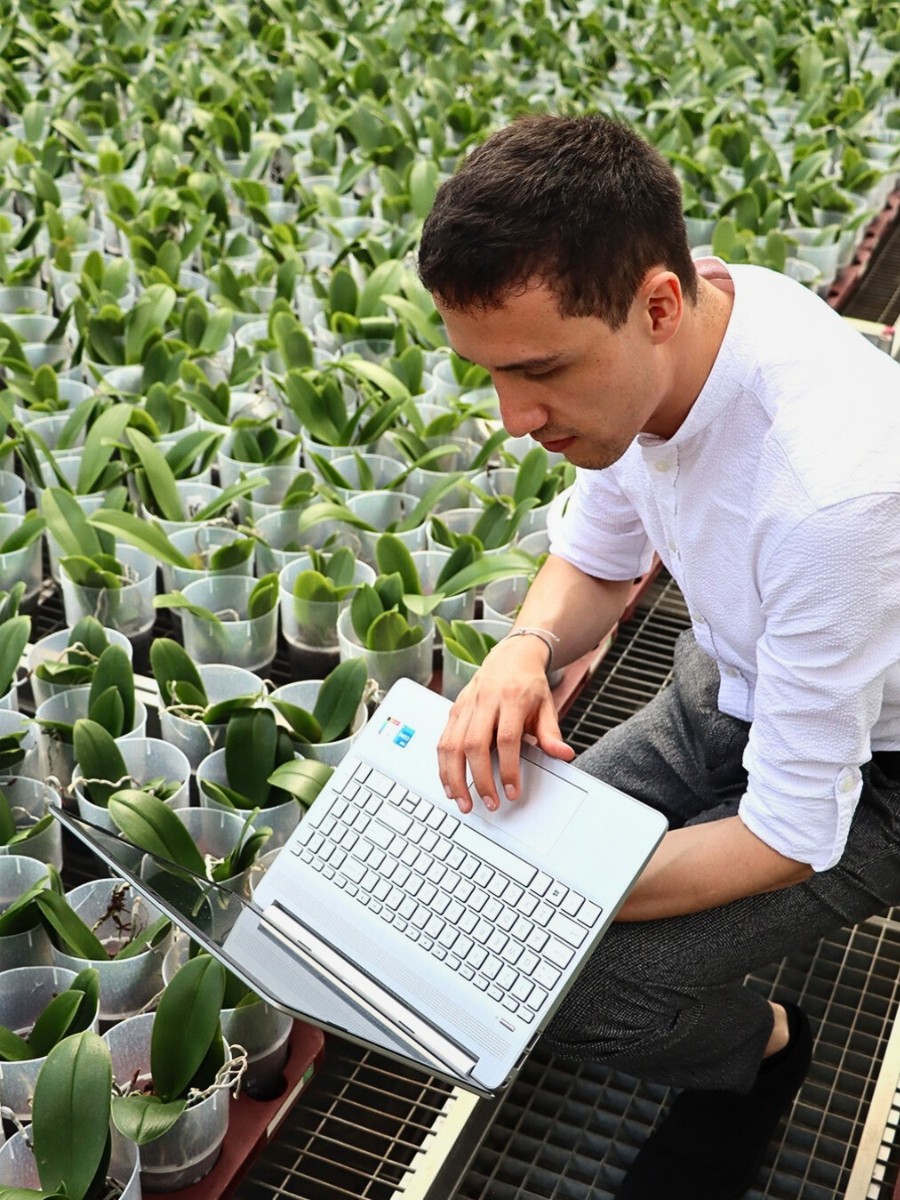
Greenhouse Sustainability describes this release as part of an ongoing process. It is not a finished idea. Henri noted that his team keeps investing in new features and improvements, working to keep the tool aligned with developments in sustainability standards, regulation, and market demand.

Henri Potze:
"Even after the launch, we will continue to invest in new features and improvements. In this way, together we ensure that the Flori Footprint Tool continues to align with the latest developments in sustainability, legislation, and market needs."
This strategy is in line with the wider ornamental horticulture sector reality, where sustainability requirements from buyers, certification bodies, and regulators keep evolving. A footprint tool that only details yesterday's standards quickly loses its value, so Greenhouse Sustainability's focus on regular updates assures users that the platform will keep pace with what the market expects.
Live Demos and How to Learn More
Those interested in seeing the updated Flori Footprint Tool in action can join one of two upcoming live demonstrations in which Greenhouse Sustainability walks through the main updates and answers questions during a live Q&A session.
The Dutch-language session takes place on Thursday, September 17, from 10:00 to 10:30 CET, while the English-language session follows on Tuesday, September 22, from 14:00 to 14:30 CET. Registration links for both sessions are available through Greenhouse Sustainability.
For anyone in the floriculture and ornamental horticulture supply chain looking to simplify environmental reporting while keeping pace with buyer and industry expectations and regulatory change, this update offers a viable next step.
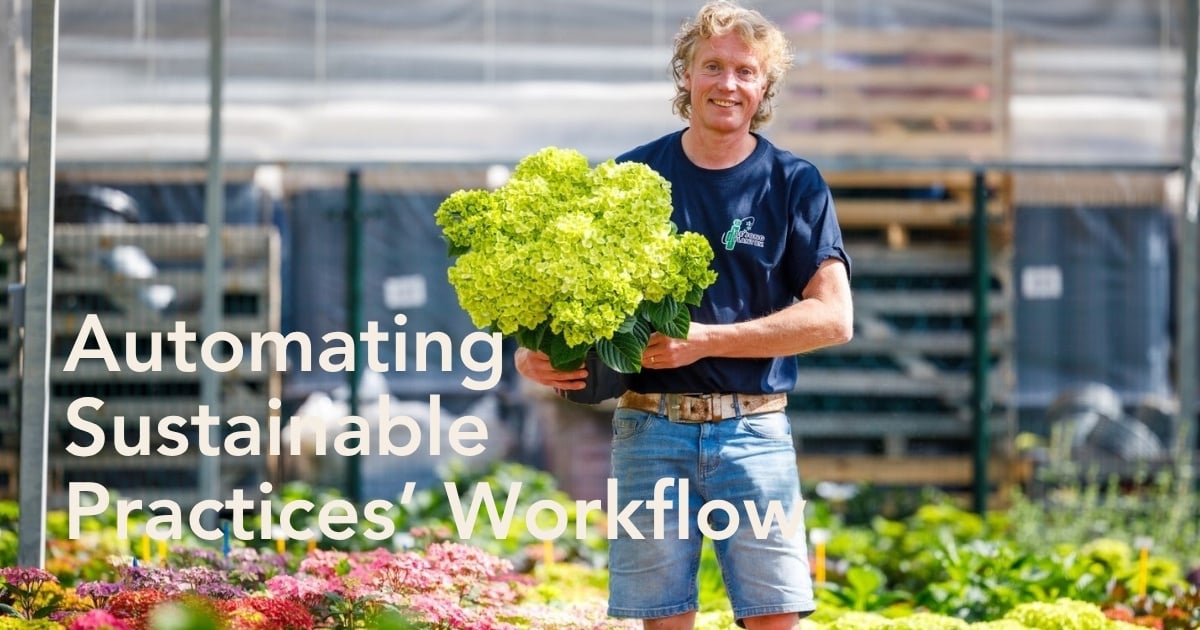
Featured image: @greenhousesustainability. Header image: @dejongplant.