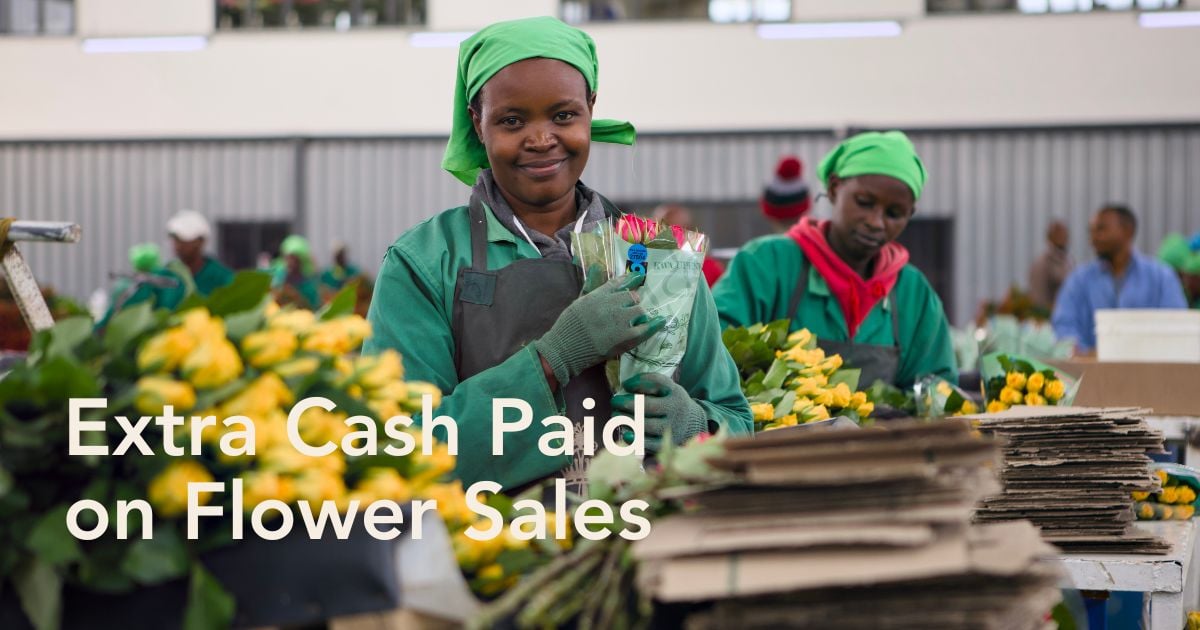
Flowers have quite a journey behind them, from their breeding, growing, harvesting, sorting, grading, and packaging for delivery. Before these flowers get to a florist in Amsterdam or Berlin, thousands of flower farm workers in Naivasha, Ziway, the Bogotá savanna, or Cayambe have cut, graded, and packed them by hand. Fairtrade brings something unique to this journey most buyers scarcely notice: a Premium paid on top of the flowers' selling price, turning every Fairtrade sale into an opportunity to invest in a better future for flower farm workers and their communities.
When consumers buy Fairtrade-certified flowers, a portion of the purchase price goes back to the workers who produced them. This is the Fairtrade Premium, a financial allocation above the commercial sales price. It is designated specifically for worker-managed social, environmental, and economic investments. This is not a corporate charity or discretionary management fund; workers decide how it is spent, and it flows through worker-led governance structures. How does it all work?
Explaining the Fairtrade Premiums in Floriculture
Fairtrade Premium, as already noted, is the extra sum of money paid above the flowers' selling price, which workers then invest in projects of their own choice. In floriculture, buyers pay roughly 10% of the Fairtrade sale value into this fund, which is not a wage or an employer bonus, but a collective fund for the employees. Its management is governed by the Fairtrade Standard for Hired Labor together with the Flowers and Plants Standard.

Across flower-producing countries like Kenya, Ethiopia, Uganda, Ecuador, and Sri Lanka, tens of thousands of workers earn millions of Euros in Fairtrade Premiums annually. And the funds provide direct capital to address their localized needs, ranging from educational scholarships and healthcare infrastructure to clean energy projects and personal financial tools.
In 2024, Fairtrade-certified flower farms earned up to €7.9 million in Premium from only 1 billion Fairtrade-branded flower stems (out of 5.4 billion stems produced), benefiting at least 79,000 flower farm workers involved in growing, harvesting, and packing the flowers on these farms. Empirically, this means Premium could be 5 times higher if 100% of the production was sold (under Fairtrade conditions).
In turn, so much more could be done for the workers, more so since the funds are separated from farm operating accounts and farm management cannot use them to offset their regular business overhead or any other expenditure. So, buying from Fairtrade farms is one thing; it makes a real difference when flowers are packed and sold with the Fairtrade logo.
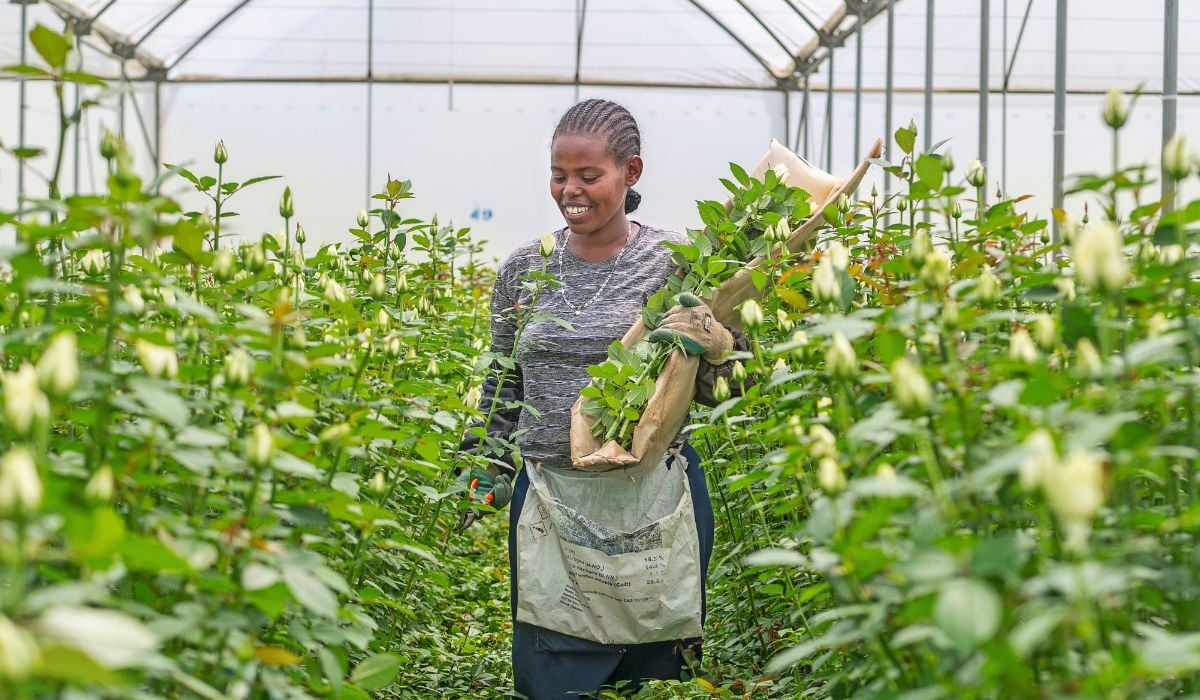
Why do these Premiums carry so much weight for flowers? Most Fairtrade products come with a minimum price. Flowers do not. Fairtrade balances this gap with a higher Premium, one of the highest of any Fairtrade product. The benefit is, by design, meant for employees. It is the part of the system designed to reach workers directly.
The Fairtrade Premiums Committee
Workers do not manage this money informally. Fairtrade requires an elected Premium Committee, which is responsible for handling the Premium on behalf of the workforce and is accountable to the workers for how Premiums are used. The Fairtrade Premium Committee (FPC) is this management body, and includes democratically elected workers and appointed management advisors. It, essentially, is the mechanism ensuring that the funds are used responsibly.
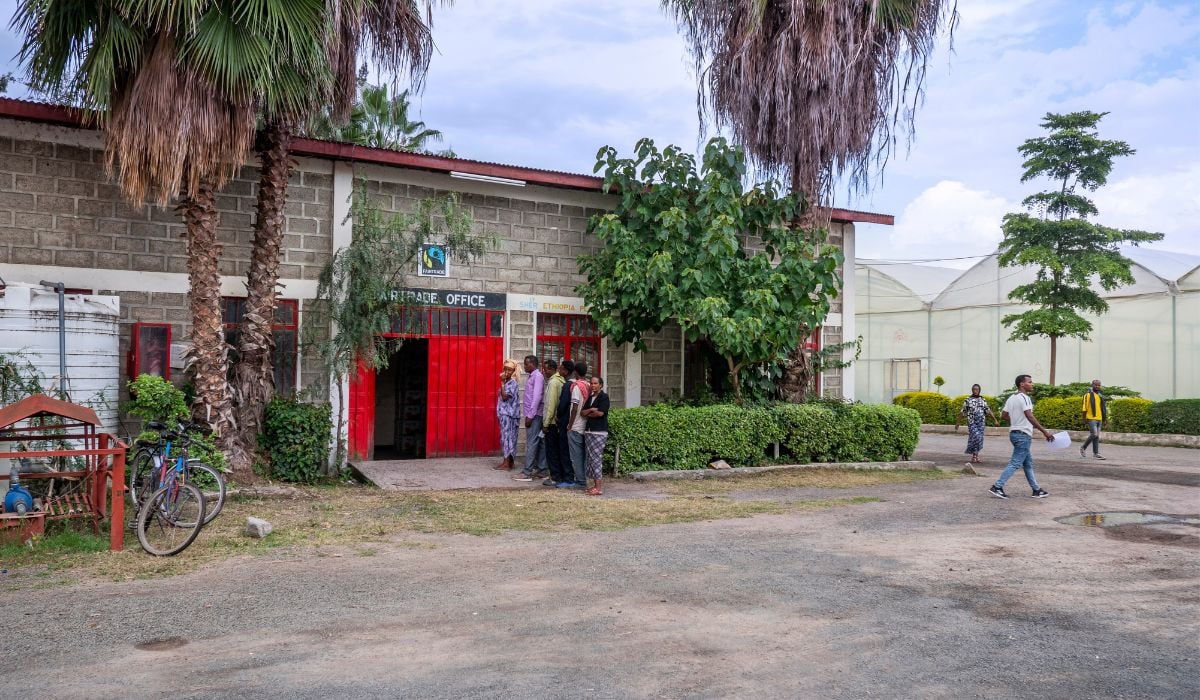
In practice, an FPC's year follows a regular cycle. Members gather workers’ priorities, weigh them against the money available, and write a plan. Fairtrade provides a planning and reporting template, listed alongside the Hired Labor Standard, so each committee records what it intends to spend on.
Relevant projects are managed by the FPC itself, and results are reported back to the workforce. Fairtrade also has an online Premium Platform, where producers, buyers, and other stakeholders can see how Premium spending benefits workers.
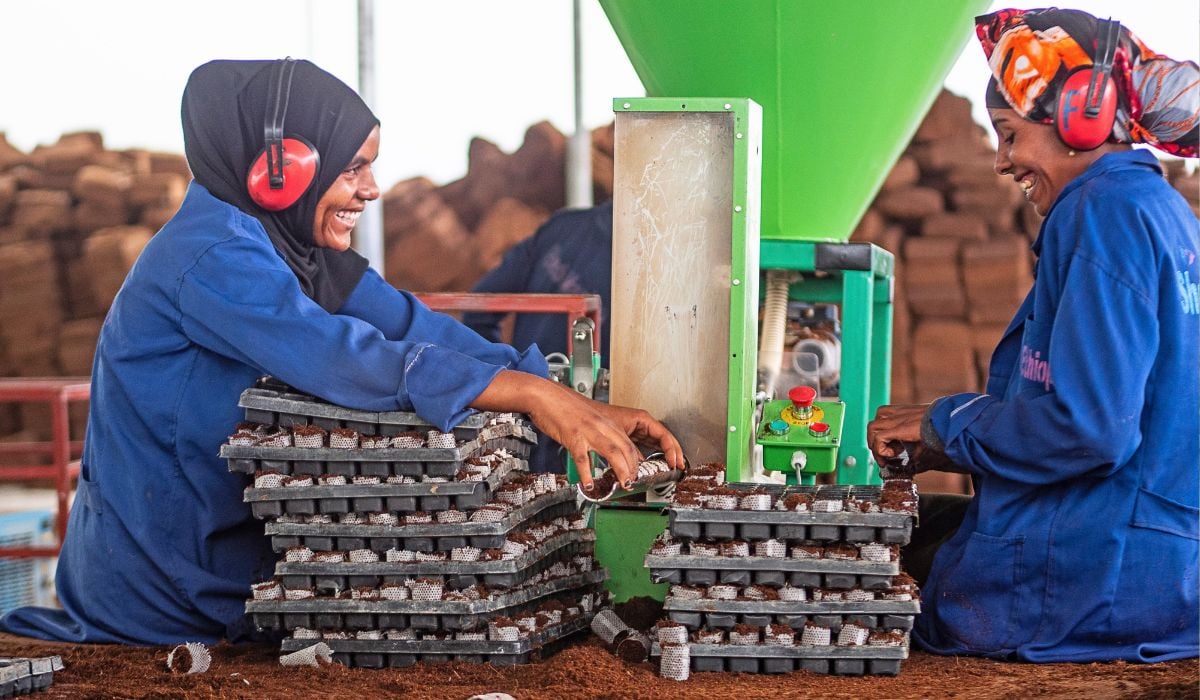
FPC's Structural Independence
To prevent farm executives or owners from dictating how the funds are spent, Fairtrade standards establish strict structural rules for the FPC:
- Worker majority: At least 75% of the FPC members must be worker representatives democratically elected by their peers.
- Management role: Farm management is limited to a maximum of 25% representation. Management representatives serve in an advisory capacity, providing legal, technical, or financial guidance, and do not hold veto power over worker choices.
- Gender and departmental balance: Elections require proportional representation across farm departments (such as harvesting, grading, packaging, and maintenance) and gender balance, reflecting the high percentage of women employed in the flower sector.
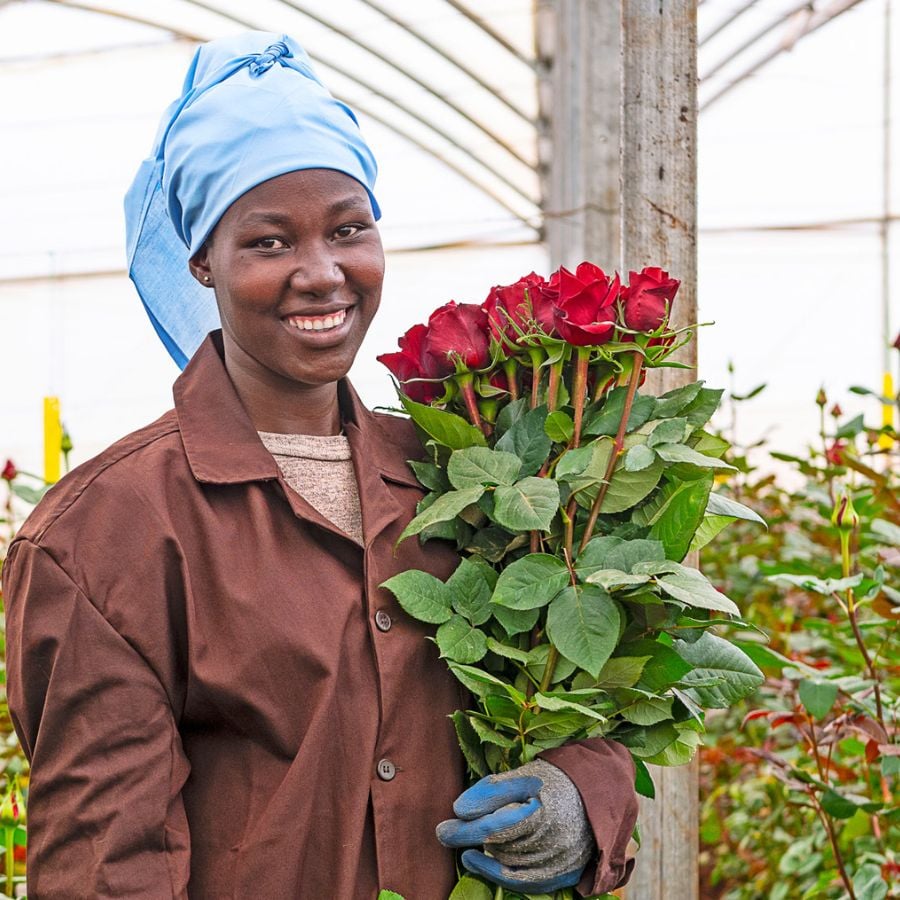
Developing Members and Keeping Decisions Independent
Serving on an FPC takes skill. Fairtrade expects training for committee members, and for workers to be regular and ongoing, so elected members can run meetings, read budgets, and speak with management on equal footing.
Wider programs also support this work. Fairtrade extended its Women’s School of Leadership and launched the Dignity for All program on its certified flower farms, where most of the workforce is female, migrant, or under 25. More than 11,000 women flower workers have benefited.
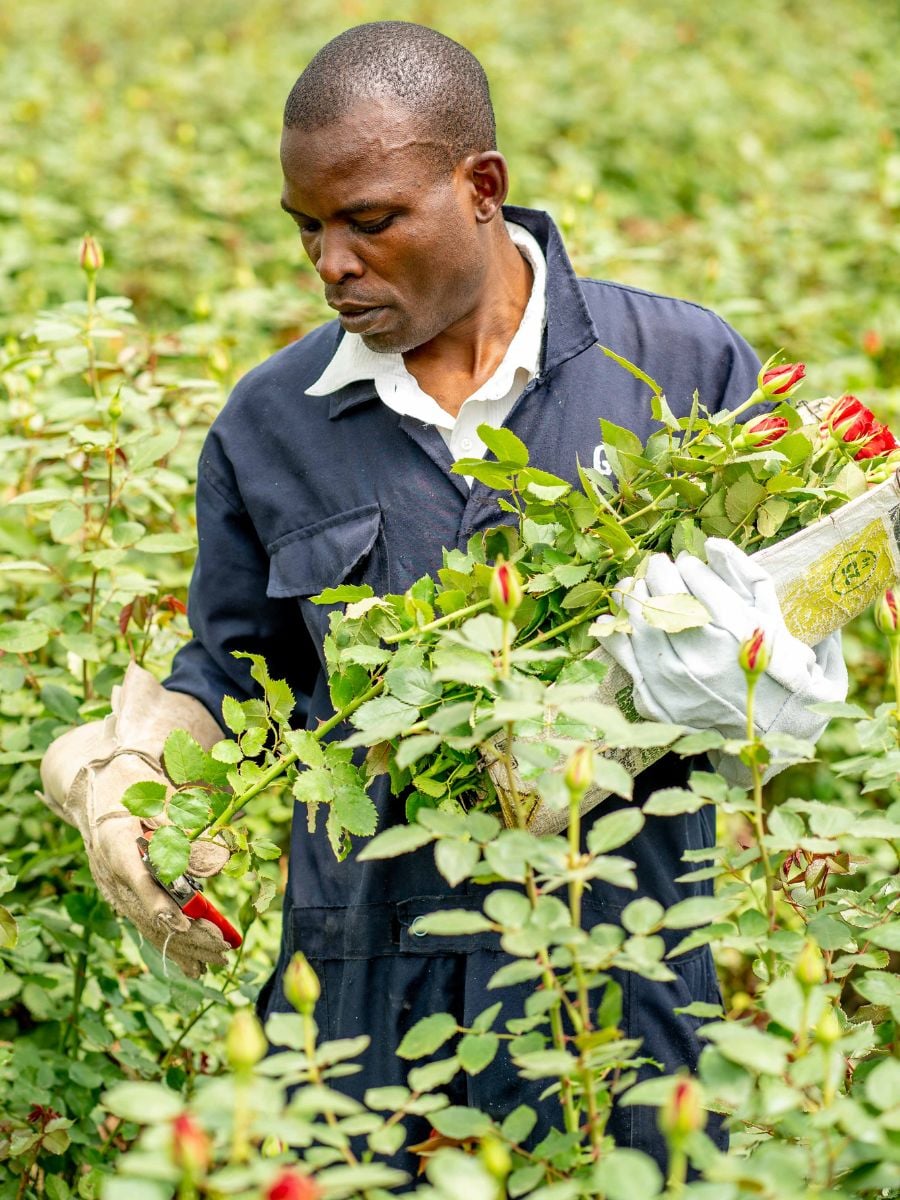
Also, independence of the Committee is a continuing effort. Flower farm workers value the Premium and also recommend sharing accurate information about Premium amounts and uses more widely, including through formats suited to workers with less formal education.
How the Premiums Are Used
At Bohemian Flowers in Naivasha, Kenya, workers use the Premium to run projects like a crèche so parents can work knowing their children are cared for. Several other certified flower farms have these facilities. The same farm also employs deaf workers and amputees, and the Premiums fund adapted workstations, pay for prostheses, and provide interpreters. At Kongoni River Farm in Longonot, the Premium established tree nurseries, a Fairtrade example of committees funding environmental work.
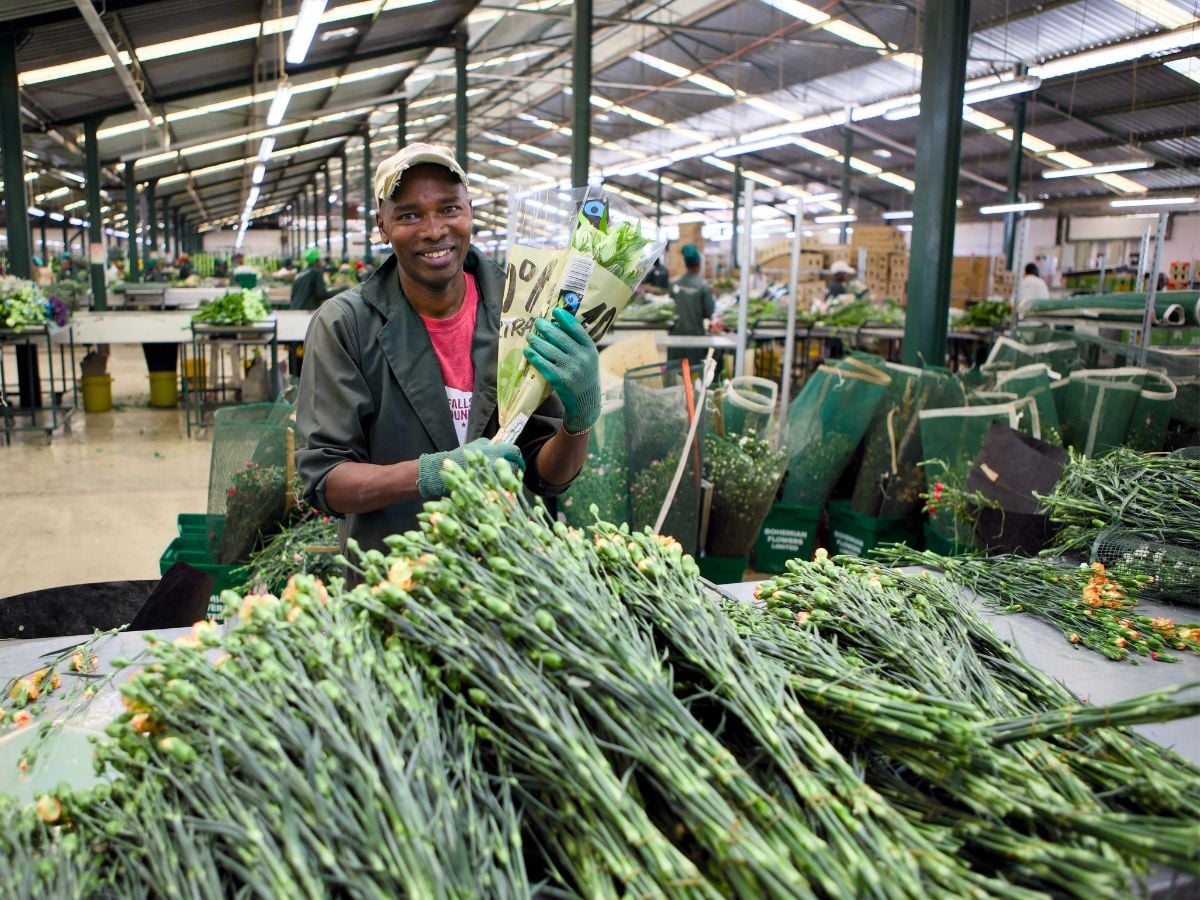
At Ethiopian farms that supply Aldi UK, like Herburg Roses, the FPC found in 2022 that the high cost of living was affecting the education of workers’ children, an analysis that came from the very people living with the problem, which is the point of the system. The Premiums helped address it. Still in Ethiopia, where inflationary pressures often challenge household budgets, the FPCs have used the Premiums to establish facilities like subsidized grain stores and procure clean energy cook-stoves, reducing basic living expenses while improving worker households' indoor air quality.
In Ecuador, an academic study of certified Ecuadorian farms describes a joint committee of workers and managers that administers the Premium for computer centers, scholarships, health services, and a credit program. Fairtrade International has also studied three Ecuadorian farms to learn how workers view their own empowerment and how Fairtrade can support their goals.
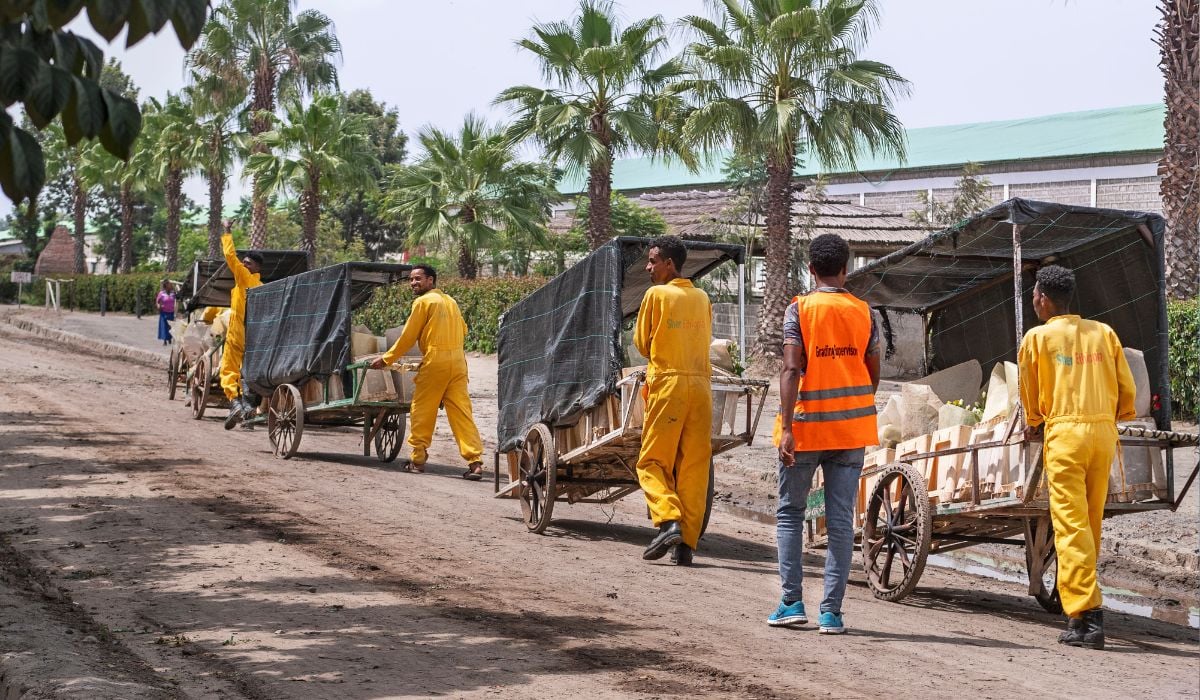
Elsewhere, Fairtrade also works with flower farms in Uganda and Sri Lanka, where the same governance applies, and the Premiums are benefiting workers on the flower farms. Notably, across these countries, Fairtrade’s figures show most Premiums go to the workers' social investment. A 2024 review based on 39 farms found that 74% went to the workers and their families, 32% to education, and the rest to supporting the wider community, environmental investment, and committee training costs.
How the Premium Is Kept Responsible
Numerous safeguards ensure the responsible use of the Premiums. Their model includes several layers of financial oversight. First, FPC bank accounts require several signatures, typically from elected worker officers and a designated management advisor. This prevents unilateral disbursements. FPCs also answer to the workers who elected them.
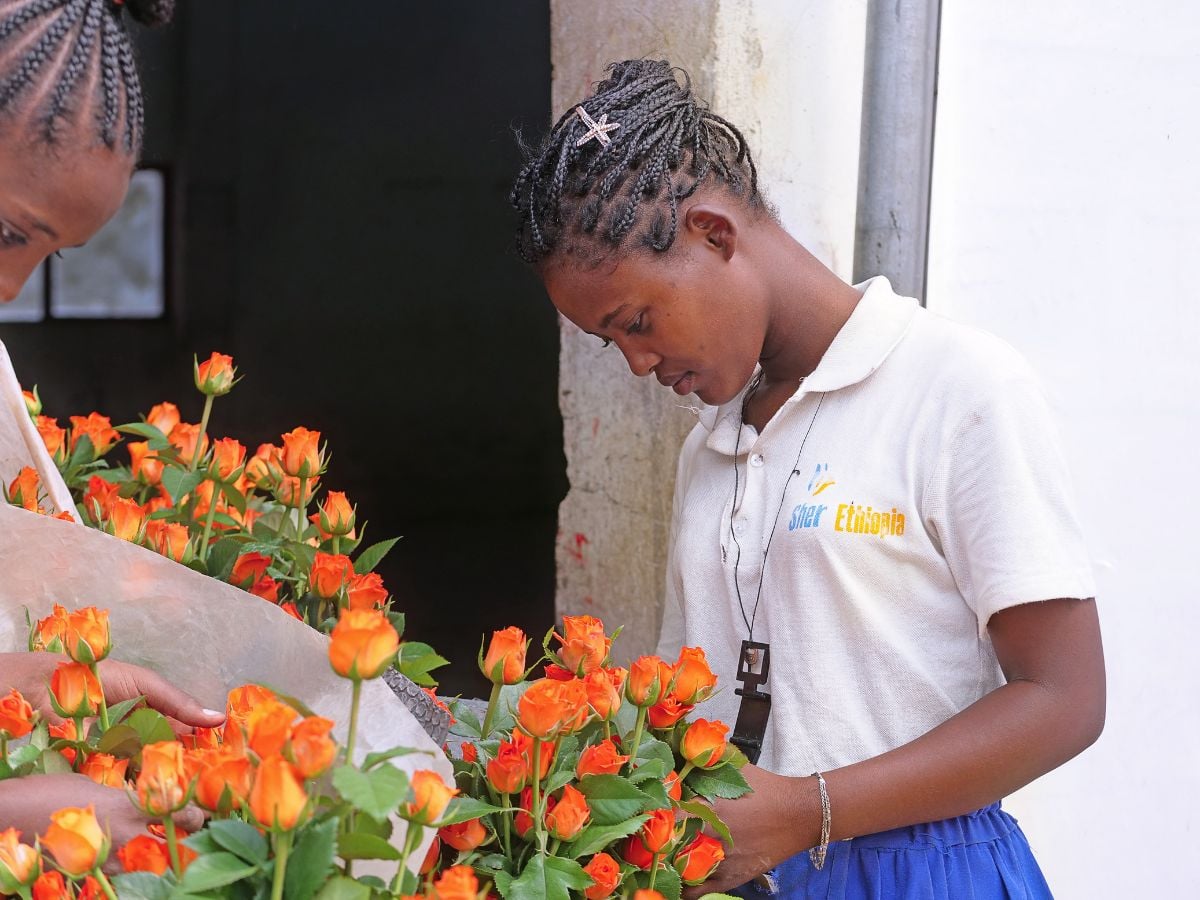
Spending is also planned and reported in a standard format, and operators who handle the Premiums are audited and certified under the Flowers and Plants Standard. There are also independent certification audits by FLOCERT. This independent inspection body conducts regular audits of FPC transaction records, meeting minutes, and bank statements to confirm compliance.
In addition, the FPCs present financial statements and project updates directly to workers during General Assembly meetings. Plus, the Premium Platform, too, adds a public view of how the money is used, while Fairtrade keeps studying its own results and acting on any shortcomings. This structure ensures that buyers, florists, and consumers can trust that their Premium fees go straight toward worker-selected development projects.
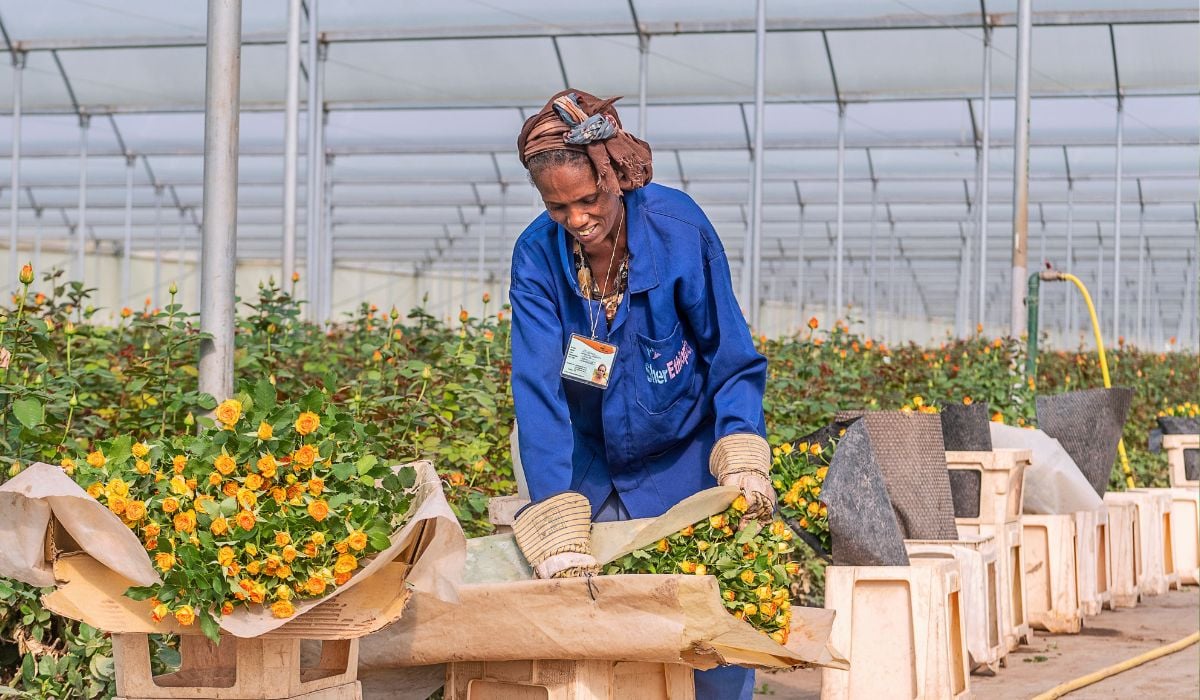
What It Means When You Buy Fairtrade-Certified Flowers
A 2024 study commissioned by the Fairtrade Foundation and conducted by Impactloop looked at 76 certified farms in Kenya and found that workers receive about €107 per year in extra benefits through Fairtrade Premiums, rising to €464 when loans are included.
The same study offers more perspective in that while the average flower worker pay in Kenya was about €895 per year, against a living wage benchmark of €2,808, the Premiums ease pressure on wages but do not replace them, which is why Fairtrade also applies the Anker methodology to calculate living wages on the flower farms.
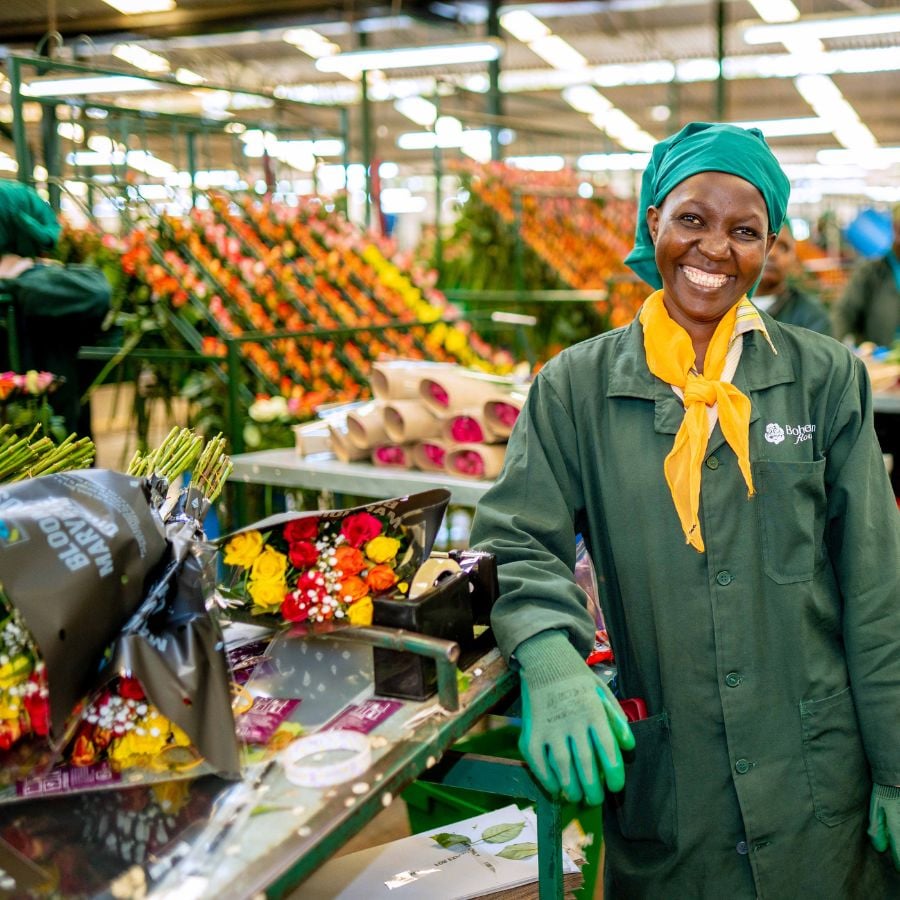
A 2022 East Africa study offers another point. The share of workers in higher wage brackets was more than twice as high on Fairtrade farms as on non-certified ones, and popular Premium uses included education bursaries, home improvements, and community projects like water, health facilities, and more.
So when you buy Fairtrade-certified flowers, what does it mean? It means flower workers decide how they use the Premiums you pay, and audits and reporting check that use. When you choose Fairtrade flowers, the extra amount attached to the certified flowers doesn't go into an owner’s accounts as profit; it goes into a fund controlled by the workers for needs they identify themselves.
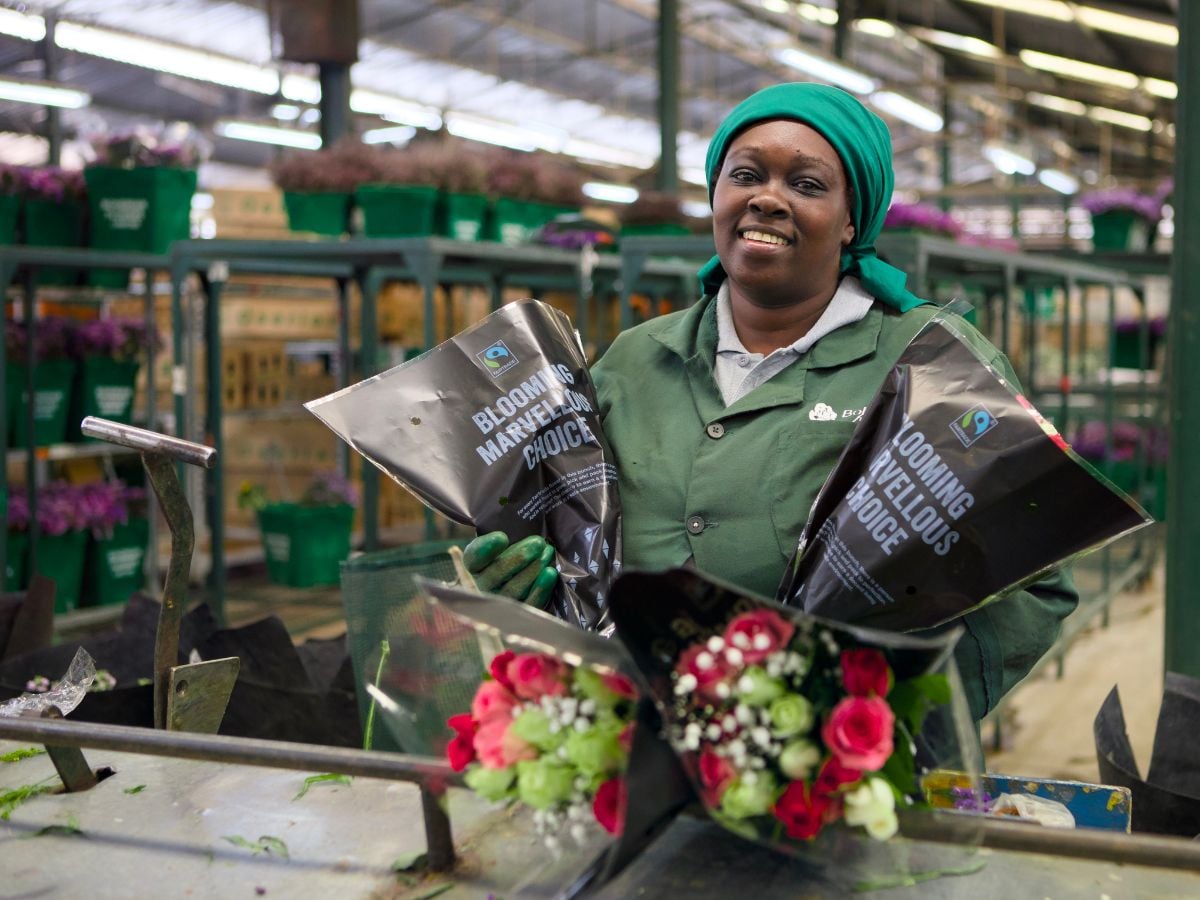
Buying a bouquet of Fairtrade-certified and branded flowers therefore means you contribute to a flower farm workers' community's wellbeing and better life quality.
Photos: Fairtrade Flowers.