The reels looked like a dream. In less than 24 hours, a London-based wedding florist’s TikTok tribute to garden roses was sitting at one-million views and counting. Commenters begged to know the variety name, the grower, even the vase life.
Yet back in the studio, the florist’s inbox saw only a handful of enquiries, and not one order.
That gap between viral applause and real revenue is widening across floriculture just as the sector breaks new demand records. U.S. consumers alone spent USD 71 billion on flowers, seeds, and potted plants in 2024, up 3% year-on-year. More buzz than ever, yet conversion remains uneven.
To understand how to turn fragile online attention into stable B2B and B2C demand, Thursd looked beyond flowers to other industries in search of inspiration.
Byron Chen, Marketing Manager at Dear-Lover, a global women’s fashion wholesaler, says, “In our category, the biggest unlock was treating category and product pages like digital trade-fair booths, not just catalogs.”
Below is a four-part playbook that pairs cross-industry insights with floriculture-specific tactics you can apply this quarter. Here you can read more articles on Online Safety Tips for Florists and Growers
Treat Your Website Like a Digital Trade-Fair Booth
Why B2B buyers bail in eight seconds
Gartner’s 2025 study of enterprise purchasing found that 47% of B2B buyers expect MOQ and landed-cost details “above the fold” on supplier pages. If they have to dig, or worse, request a PDF, they leave.
“In our category, the biggest unlock was treating category and product pages like digital trade-fair booths… When we stopped hiding ‘how to buy’ behind log-ins, conversion from organic search traffic to B2B inquiries jumped by roughly 25%.” - Byron Chen

Floriculture translation
- Growers / Exporters – Make availability calendars, stem counts per box, shipping windows, certifications, and logistics cut-offs visible without scrolling.
- Wholesalers – Show pack sizes, landed pricing tiers, and next flight departure times up-front.
- Florists – On wedding/event pages, list budget ranges, delivery areas, lead times, and booking steps before the gallery.
Peony Week example: Imagine a Dutch exporter’s landing page timed for early May.
- Hero banner: “Peony Week – 7–14 May 2026.”
- Right under banner: Availability table (Sarah Bernhardt 2 mln stems; Coral Charm 1 mln), stem-count per XL, L, M boxes, FOB Aalsmeer price, pallet options.
- Logistics strip: cut-off 14:00 CET, departure SQ 322 next day, arrival SIN +2 days.
- CTA buttons: “Reserve Now” and WhatsApp Sales.
No downloads, no guessing—just like walking a booth at IFTF.
Use SEO as a Demand Radar, Not Just a Traffic Hose
“We use SEO as a demand radar, not just a traffic source. When searches for ‘satin bridesmaid dress with slit’ spike, we feature that style on the homepage, push it in email, and brief sales,” Chen added.
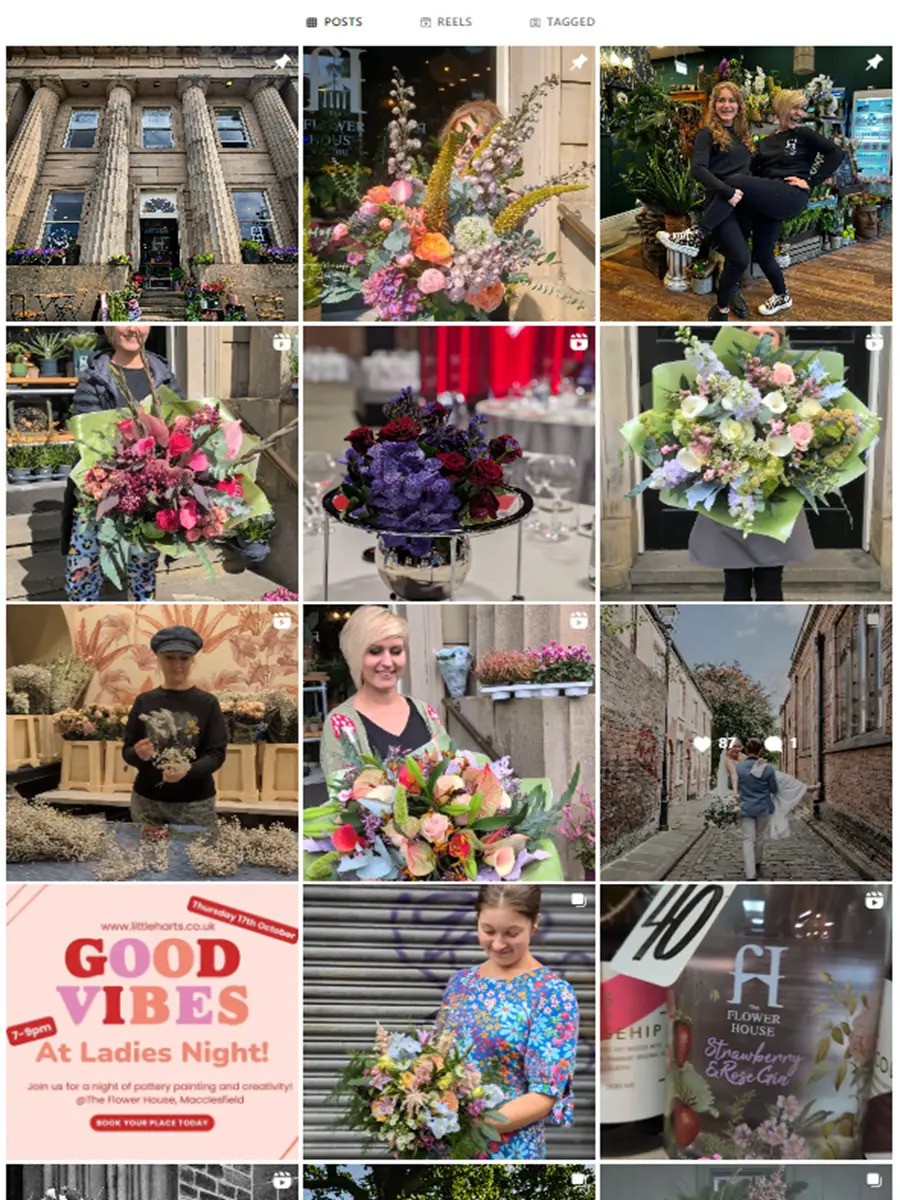
The same signal works for flowers. 61% of florists now name “online search visibility” as their top acquisition channel, ahead of foot traffic.
Three-step radar set-up for small teams
- Google Search Console - Weekly export the “Search queries” list; filter for >25 clicks, >20% MoM growth.
- On-site search - Note the top five zero-result queries; they often flag demand your catalog doesn’t show yet.
- myThursd Profile stats - Track which variety pages get unexpected spikes.
When “locally grown dahlias” show sustained lift:
- Growers surface dahlias in weekly availability lists.
- Wholesalers film a quick cooler tour for Instagram.
- Florists push foam-free dahlia installations in blog, reel, and email.
The goal isn’t more traffic; it’s matching stock, stories, and offers to live demand. For more learning realted AI SEO Read our blogger Nishant Mehta's (SEO Specialist) blog post on AI SEO for Florists - How AI Search Is Changing Search Engines in Floriculture
Rethink Offers: Trial Assortments Over Rigid Packs
Open-pack or mix-and-match wholesale models lifted first-order volume by 19% and repeat-order rate by 24% for fashion suppliers.
“One of our biggest wins came from adapting our open-pack wholesale model to online. Boutiques could mix sizes and colors in small quantities on their first order instead of committing to rigid pre-packs,” as Chen puts it.
Floral equivalents
- Wedding-white sampler box - 50 stems each of quick-turn peony, garden rose, ranunculus; clear landed cost, single re-order SKU.
- Daily-bouquet bold mix - 200 stems across 10 color families, shipped in M boxes for local florists testing a new palette.
- Trial box of new spray roses - 10 bunches per variety, feedback QR code inside for breeders.
Each sampler is the low-friction “first drink” your viral posts and SEO pages should funnel to.
Bridge Creator-Led Emotion With Unsexy Details
On TikTok and Instagram, short-form creators sell the feeling. Your owned channels must answer every practical question instantly—vase life, stem length, delivery cut-offs, certifications.
Why bother? Because average U.S. per-capita spend on floral products hit USD 261 in 2024 - a 22% jump versus 2019. More wallets are open; don’t lose them in link-rot.
Best practice: Every paid creator post links to a landing page structured like the Peony Week example.
Emotion → clarity → checkout.
Simple Analytics Even Tiny Teams Can Stick To
Digital doesn’t have to mean dashboards from hell.
Adopt this “three-number discipline.”
- New vs. Returning Buyers by Channel - Shows whether attention converts.
- Repeat Order Rate by Product Family - Flags which assortments deserve expansion.
- Content → Order Path Count - Use UTM tagging or simple “how did you hear?” checkboxes.
Block 30 minutes every Monday: review, decide one tweak, execute. Momentum beats perfect data science.
Conclusion: Win Attention by Earning Repeat Demand
The floriculture stories that travel furthest online blend spectacle with substance. Viral reels light the spark; conversion happens when your digital presence works like a trade-fair booth, your SEO doubles as a demand radar, your offers remove risk, and your creator partnerships flow into confidence-building landing pages.
Sustainability, speed, and transparency pressures will only intensify over the next 12–18 months. Those who master this attention-to-demand pipeline today will outgrow and outlast the buzz.
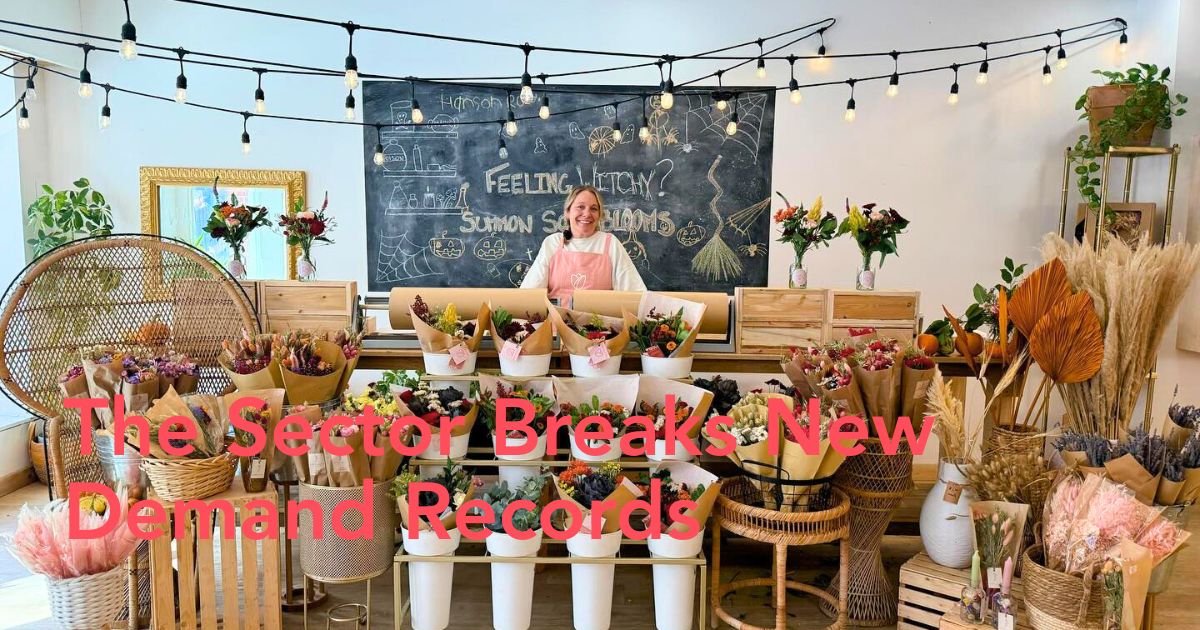
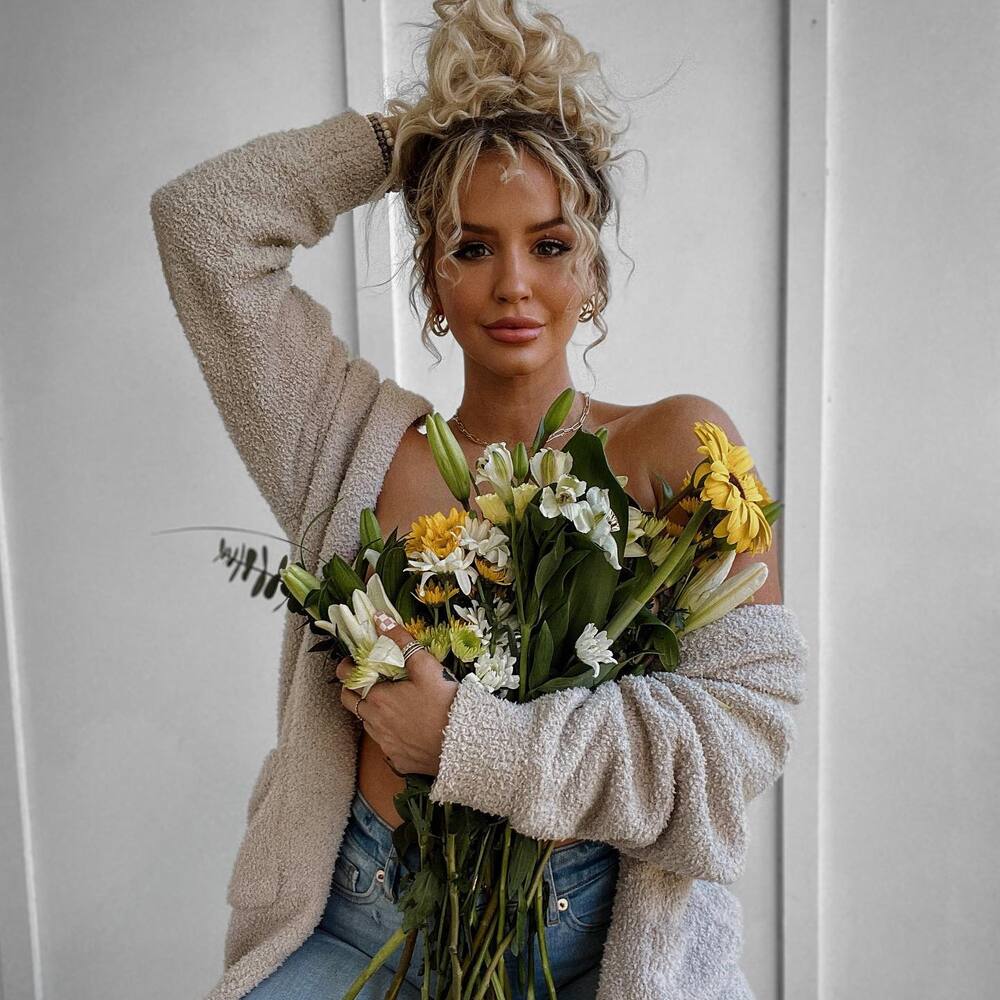
Header Image by @hansonroadflowerco