Gerbera is one of the most widely used cut flowers in the world. It is loved for its bold colors, sturdy stems, and a cheer that is hardly found in many other flowers. Yet the Gerbera variety that a florist reaches for on an ordinary morning when they work on a design did not just happen to appear randomly.
There is a long process behind creating this flower, which involves crossing, careful selection, laboratory propagation, licensed cultivation, automated greenhouse management, appropriate harvesting techniques, and a clear-cut global supply chain. So, here is a thorough look at how Gerbera breeding works.
What Gerbera Breeders Work to Achieve
A new Gerbera variety starts with a set of preconceived goals. Breeders, in this case, do not just cross plants at random, but work from a brief that combines market analysis, grower feedback, and trend intelligence. The targets typically include flower color and petal form, stem length and strength, productivity per plant, disease resistance, and vase life performance.
An important factor to note is that cultivated Gerberas are largely complex diploids derived from crossing varieties of two South African wild species: Gerbera jamesonii (commonly known as the Barberton daisy, the Transvaal daisy, and Barbertonse madeliefie or Rooigousblom in Afrikaans) and Gerbera viridifolia. Because these parental lines are highly heterozygous (genetically diverse and outbreeding), crossing them yields massive variation in the first generation.
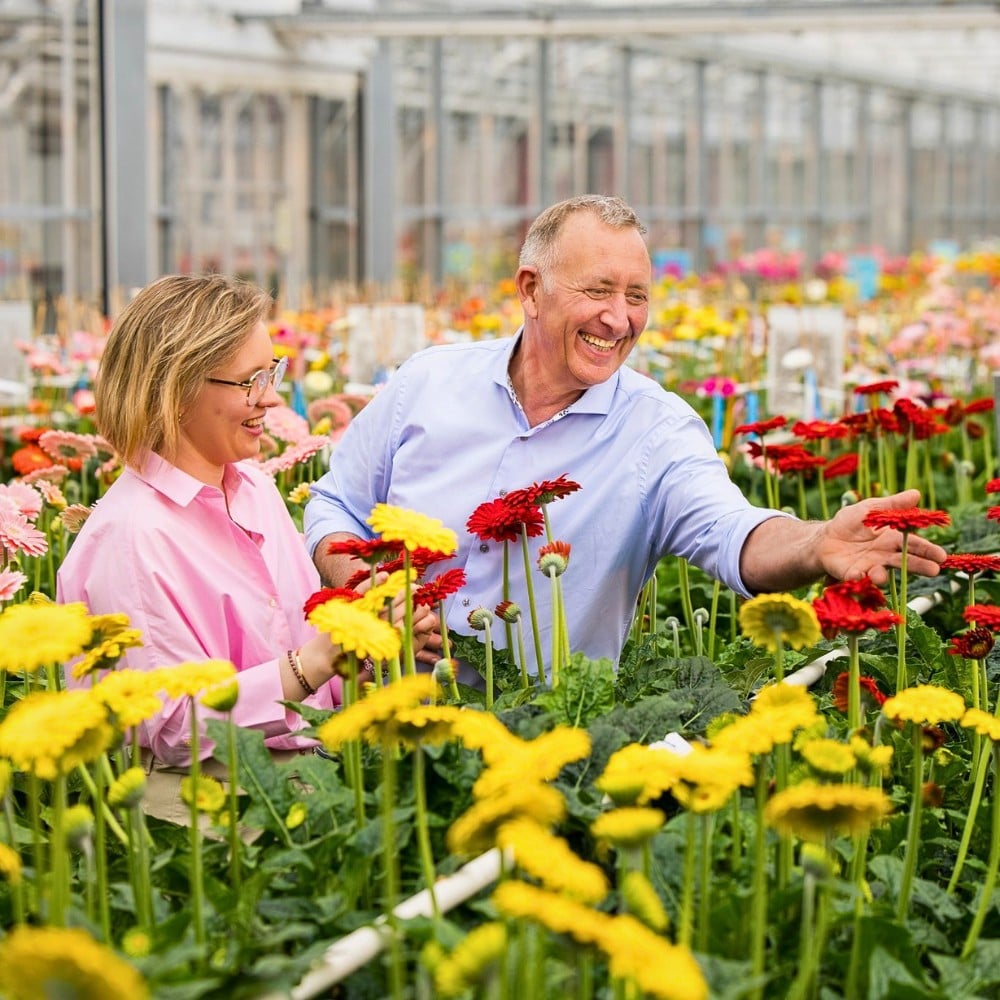
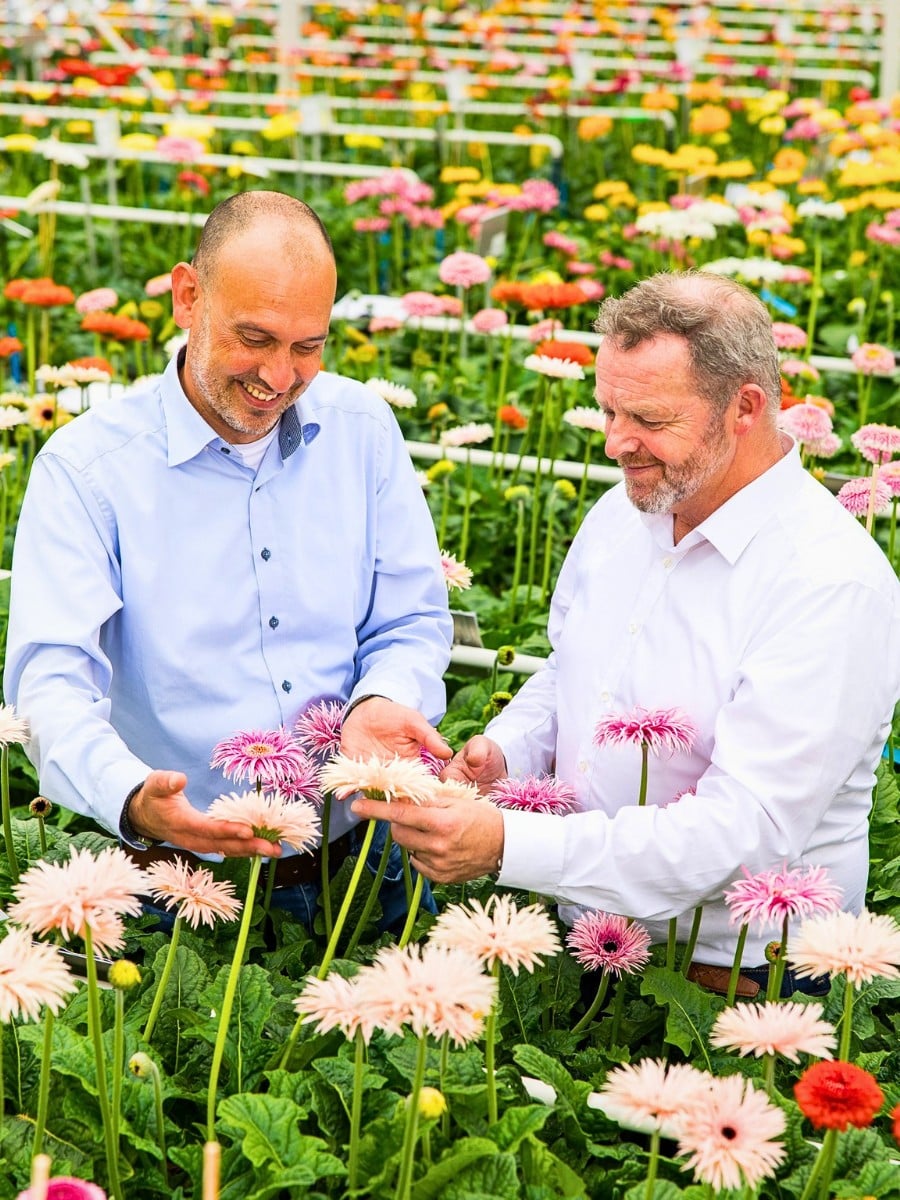
Schreurs, one of the leading names in Gerbera breeding and a market leader in mini Gerberas, describes the breeding process as a craft as much as it is a science. According to the breeder, each season, their team evaluates thousands of seedlings, relying on experienced selectors who assess beauty, flowering productivity, disease resistance, and growth performance at the same time. Only the most exceptional seedlings make it through, and even then, the road to market acceptance is long.
HilverdaFlorist, another major Gerbera breeder and propagator, takes a similarly structured approach, emphasizing genetics that deliver uniformity, disease resistance, and excellent growing characteristics across diverse climates. Their global production network, which includes subsidiaries in Colombia and Kenya, ensures that varieties are developed with real-world growing conditions in mind from the outset.
Also particular about this flower’s breeding is Dümmen Orange, whose Gerbera program spans both standard and mini types. Dümmen Orange has built its breeding identity around integrating traditional hybridization with emerging technologies, developing varieties that meet the quality standards demanded by international auction and retail markets.
Creating New Varieties Begins at Cross-Pollination
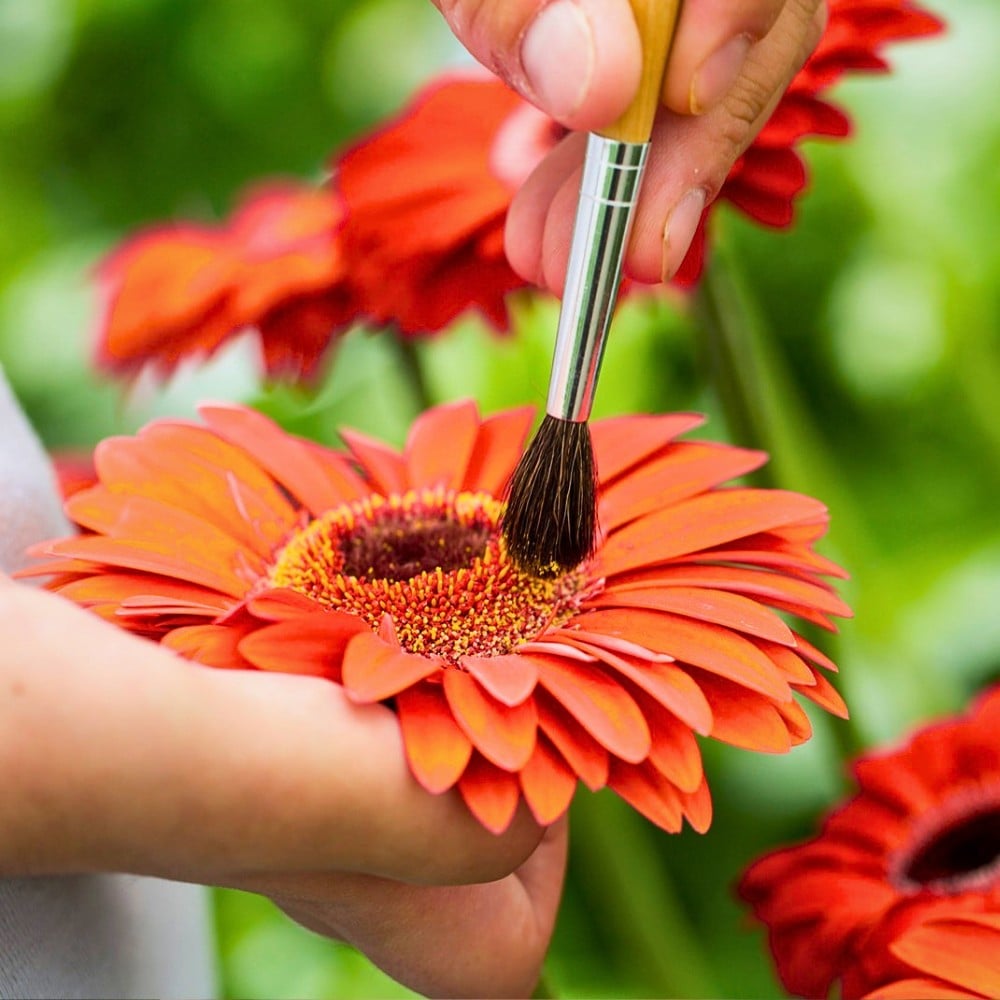
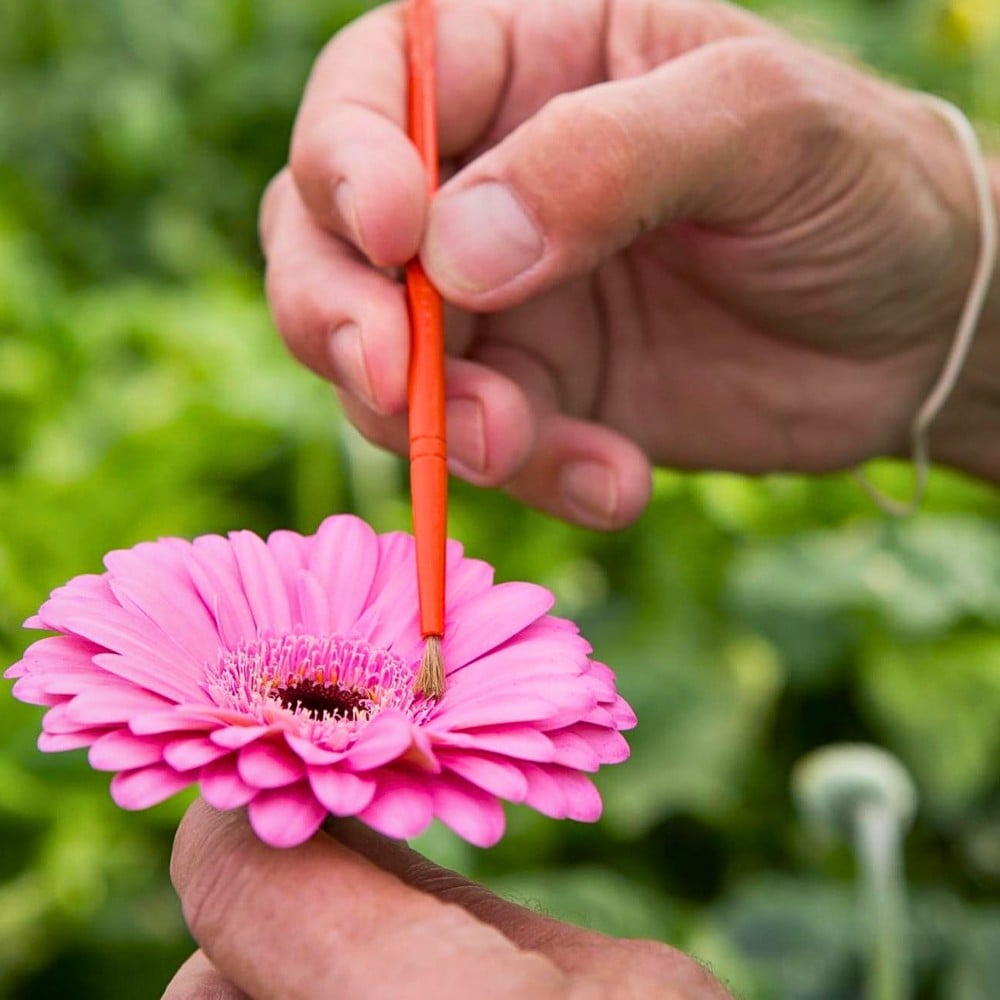
The Gerbera breeding process begins with cross-pollination. A breeder selects two parent plants, each contributing a specific set of desired traits, and transfers pollen manually from one to the other. Gerbera flowers, as members of the Asteraceae family, carry both male and female reproductive structures within the same flower head, but controlled crossing requires deliberate isolation and hand pollination to prevent self-fertilization and ensure the desired genetic combination.
After a successful cross, seeds are harvested. Gerbera seeds are notably short-lived; they lose viability fast after harvest and must be sown almost immediately to achieve reasonable germination rates. It is not a plant whose seeds can be stockpiled and processed at leisure, so speed and precision matter from the first step.
The seeds germinate into F1 seedlings, which are then grown out to flowering. This initial evaluation stage, going from seed to a flowering plant, takes roughly three to four years in conventional breeding programs. During that time, breeders observe the plants for every trait, from flower diameter to petal count and arrangement, color consistency, stem length and rigidity, production rate, and overall plant health. The vast majority of seedlings are eliminated at this stage. A commercially viable result emerges from a very small fraction of all the crosses attempted in any given season.
One must, however, note that historically, breeders relied purely on observation, waiting for plants to bloom to evaluate traits (Stice). But today, modern breeding programs partner with research institutions like Wageningen University & Research (WUR) to employ transcriptome RNA sequencing and QTL (Quantitative Trait Loci) mapping. Identifying molecular Single Nucleotide Polymorphism (SNP) markers early on means breeders can screen seedlings for hidden traits like botrytis resistance before the plant ever flowers, shaving years off the commercial development cycle.
Variety Selection, Trialing, and the Years Before Market
Once a seedling passes initial evaluation, it enters an extended period of selection and trialing. This is where the difference between a promising plant and a commercially viable variety is determined. The selected plant is grown across several seasons and environments to test whether its traits hold up under varying conditions of light, temperature, humidity, and disease pressure.
Schreurs, who has been breeding Gerberas for close to fifty years, describes this phase as a process of repeated cultivation and rigorous testing after the initial selection. Varieties that perform well in a Dutch greenhouse do not automatically succeed in a Kenyan or Colombian growing environment. Conversely, varieties suited to high-altitude tropical production may act differently under lighting and climate management systems used by large Dutch growers.
This is why the most serious breeders maintain international trial facilities. Schreurs operates branches in Kenya, Ecuador, and Colombia, partly for propagation and partly to validate how their new genetics perform across the climates where their licensed growers operate.
HilverdaFlorist similarly uses its Colombian and Kenyan subsidiaries to support both propagation and performance validation, ensuring that a variety recommended to a grower in Bogotá will deliver the same quality consistency as one grown elsewhere.
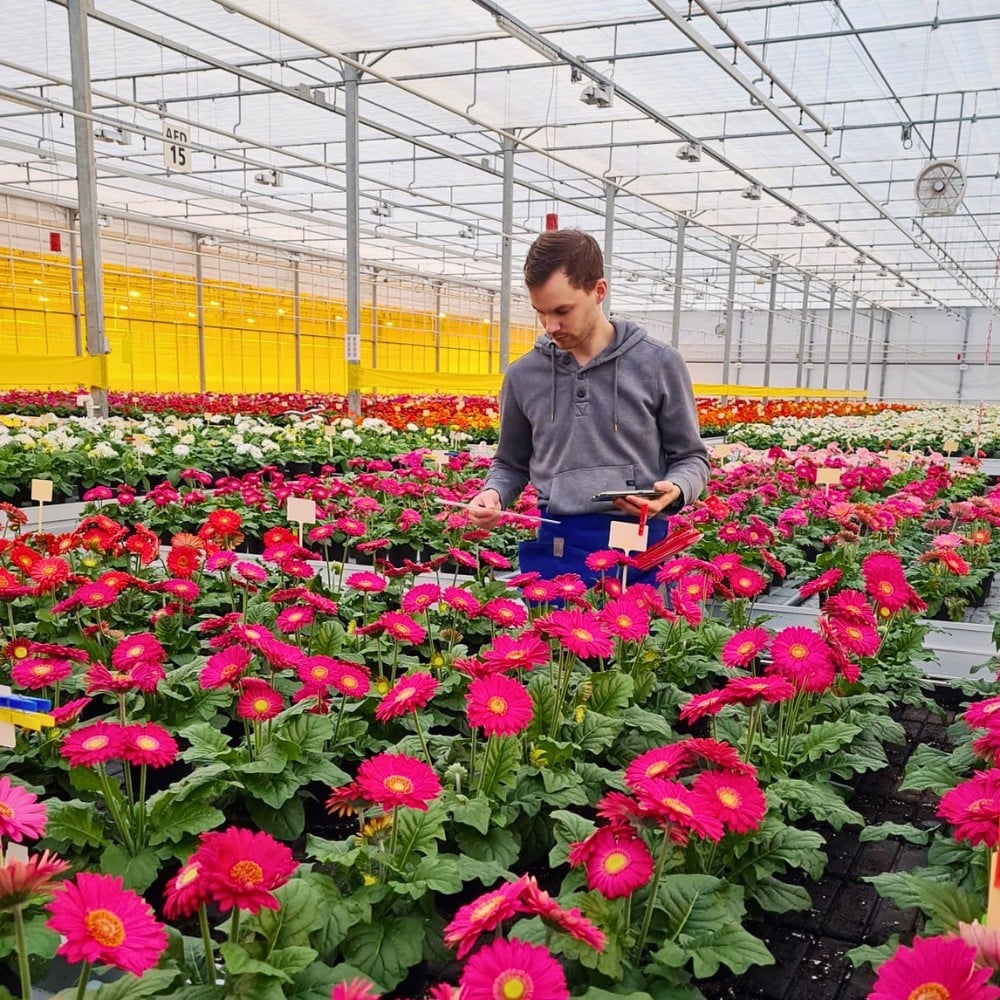
At the end of this trialing period, a variety that meets the commercial threshold is registered and protected through plant breeders' rights (PBR). This legal protection gives the breeder exclusive rights to commercialize the variety for a defined period, typically up to 25 years, and it forms the commercial basis for the licensing agreements that govern how growers access and pay for the genetics they use.
Multiplying Elite Genetics Safely Through Tissue Culture
Once a Gerbera variety is selected for commercialization, it needs to be multiplied accurately and at scale. This is where tissue culture is essential. In a specialized laboratory, plant material, usually shoot tips or small stem segments taken from an elite mother plant, is placed into a sterile nutrient medium that stimulates the development of new shoots. These shoots are then transferred to rooting media before being hardened off and moved into nursery conditions for further growth.
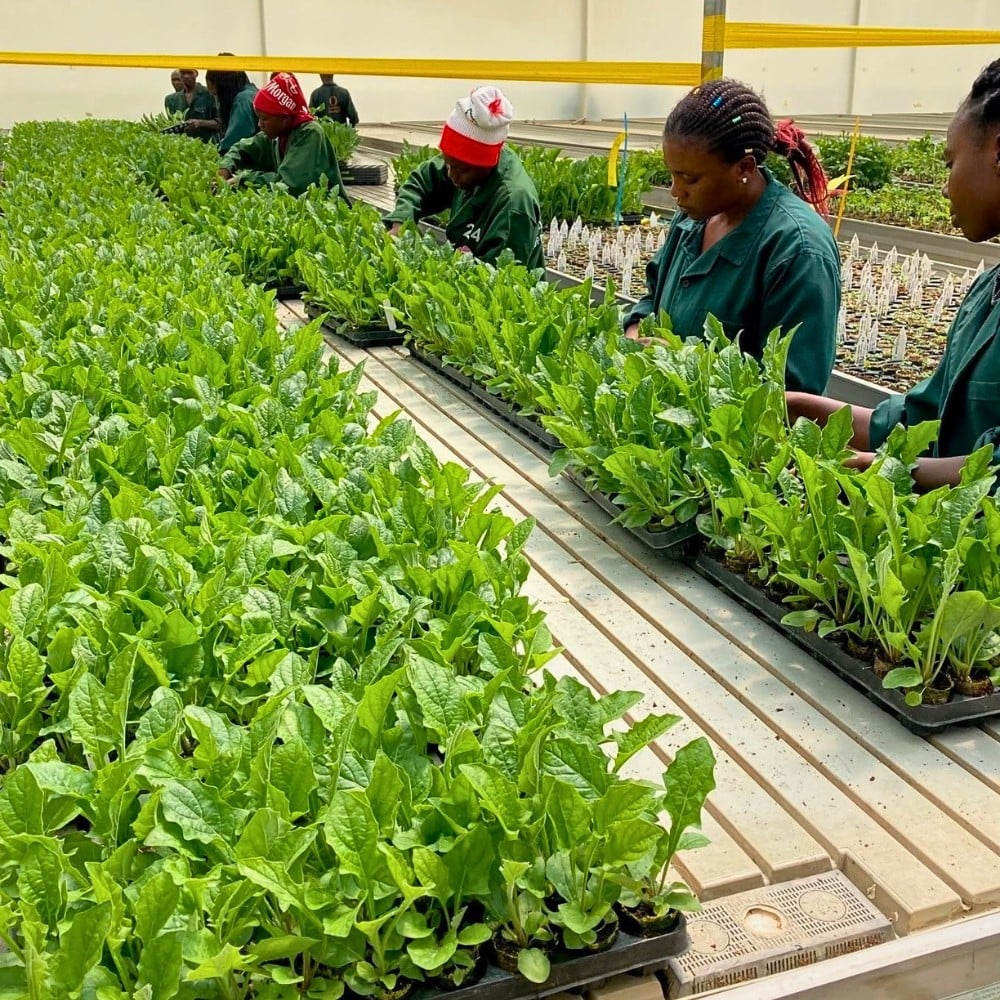
Tissue culture achieves two things. It allows quick multiplication of a genetically identical population from a single plant, and produces clean stock free from the viruses and bacterial pathogens that accumulate in plant material propagated conventionally over time. For Gerberas, which are susceptible to a range of fungal and bacterial diseases, starting from clean tissue-cultured stock is a practical requirement for reliable commercial production, and not just a quality measure.
Schreurs runs its tissue culture propagation in-house at its nursery in De Kwakel, Netherlands, offering finished plants in several plug formats, including Jiffy 4, Jiffy 6, and rockwool rooting plugs, each suited to different production systems. This vertical integration between breeding, tissue culture, and propagation gives the breeder direct control over the quality of the starting material that growers receive, closing the gap between what is selected in the breeding greenhouse and what gets to a production nursery.
How Growers Work With New Varieties (From Plug to Production)
When a Gerbera grower orders a new variety, they are typically ordering tissue-cultured plants in plug form from a licensed propagation partner. These plants are then transplanted into raised growing beds or substrate systems inside climate-controlled greenhouses. Because Gerberas are photoperiodic by nature, meaning they respond to day length when it comes to flowering, most modern commercial varieties have been bred to be day-neutral, allowing growers to produce flowers year-round by managing light exposure artificially.
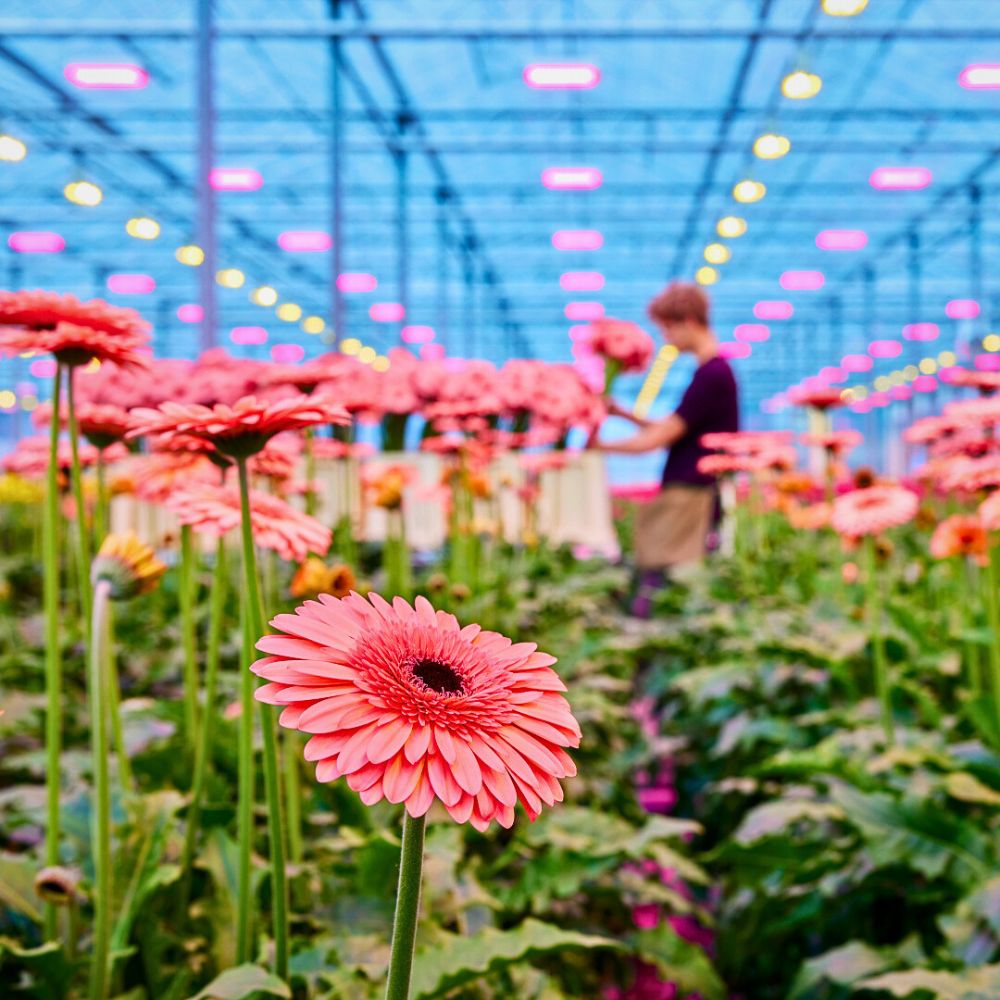
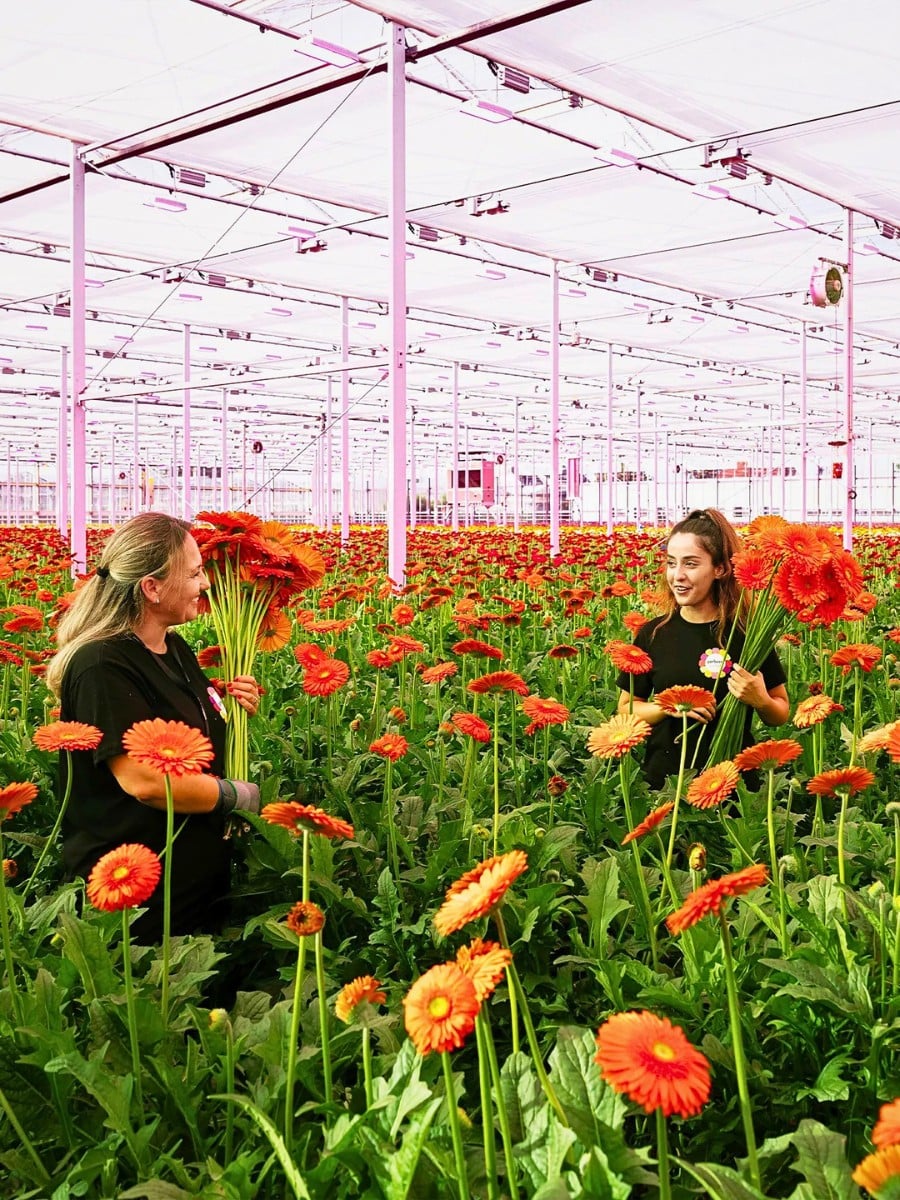
The commercial Gerbera greenhouse is a carefully managed environment. Temperature, humidity, irrigation, and lighting are all controlled to maintain consistent quality and production cycles. Growers also manage the planting density and replacement schedule of their crop, as Gerbera plants are typically productive for one to three years before productivity declines and the beds are replanted.
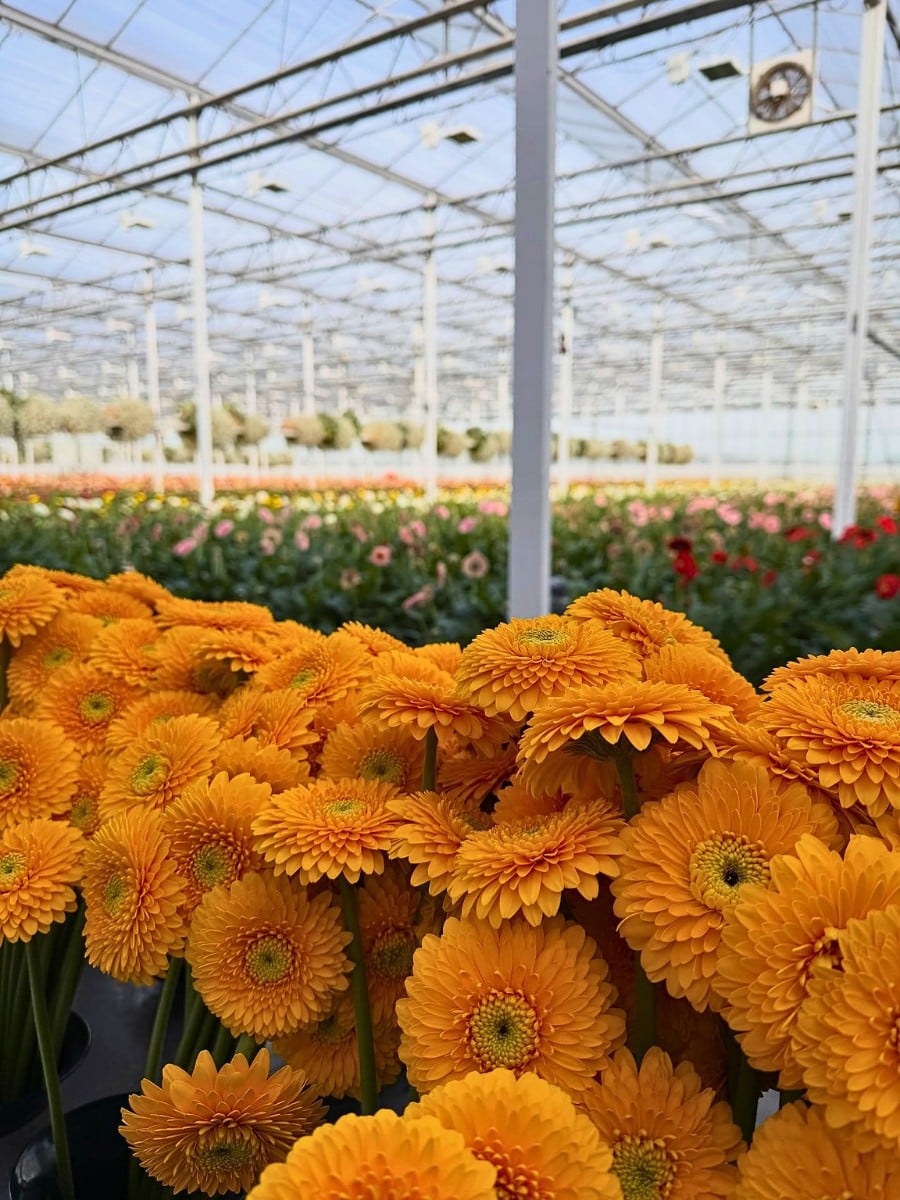
A grower like Gerbera United, whose locations in Nootdorp, Moerkapelle, and Zevenhuizen grow more than 130 types of Gerbera, works directly with breeders such as Schreurs, Dümmen Orange, and HilverdaFlorist, often gaining access to newly bred varieties ahead of their general release.
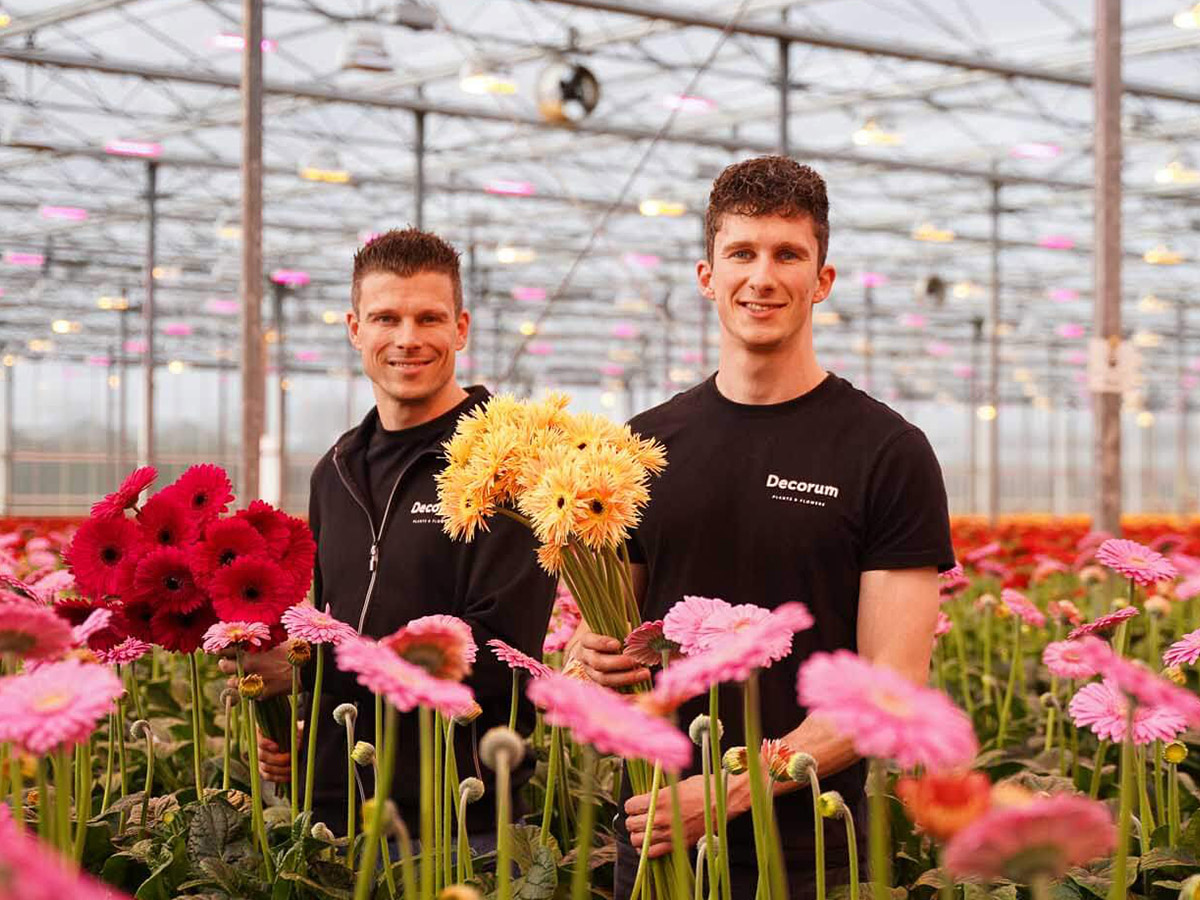
Oudijk Gerbera, also Dutch-based and a member of the Decorum growers collective, produces over a million Gerbera stems a week across more than 80 varieties sourced from the same breeding houses. In Colombia, Jacaranda Farms is illustrative of the international production aspect, growing Gerberas for export with an emphasis on precision cultivation and strong post-harvest handling.
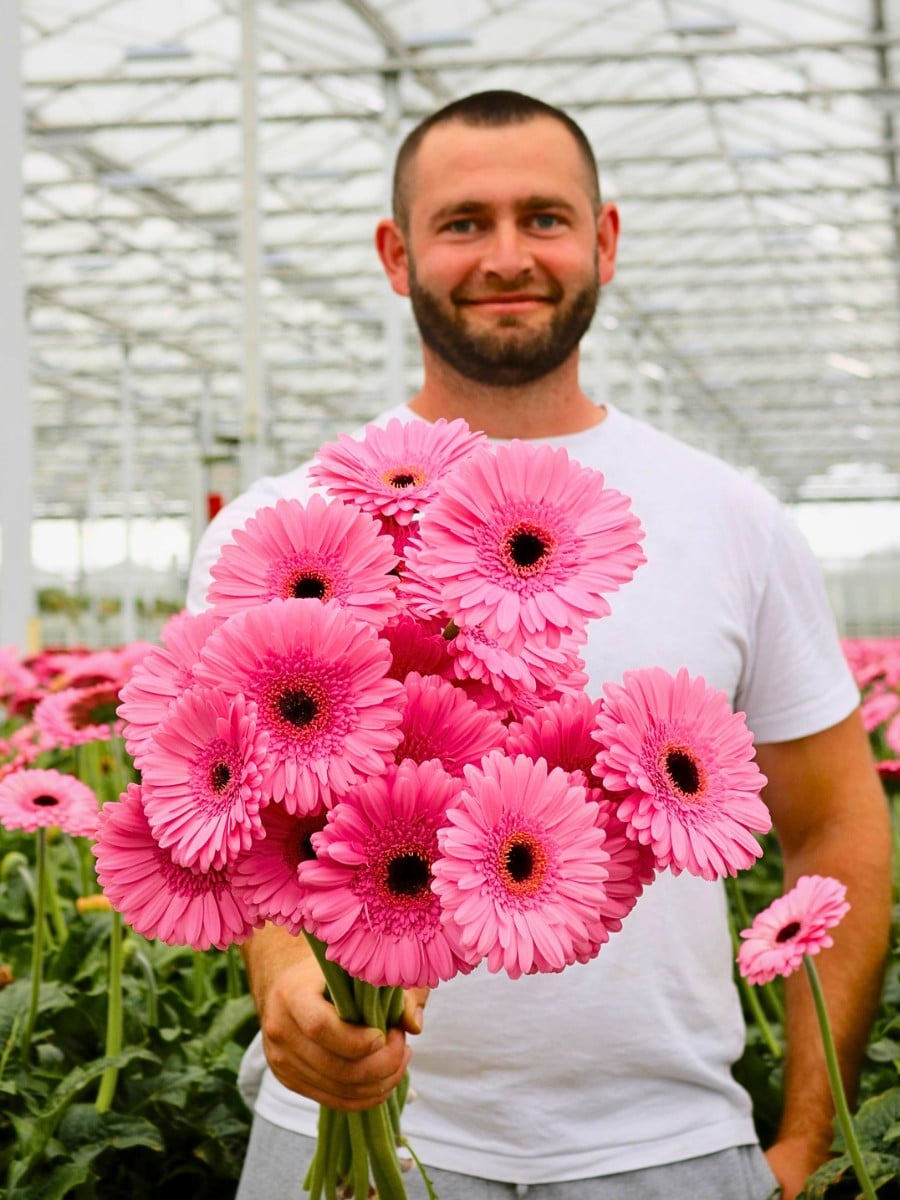
Holstein Flowers, on the other hand, is a grower and also a breeder, developing and propagating more than 85% of its own varieties. Covering nearly 11 hectares across two locations, Holstein works across the full range, from standard large-headed Gerberas to mini Germinis, Gerponis, Gerspiders, and specialty varieties, showing that the line between breeding and growing is not always strict when it comes to Gerberas.
Post-Harvest Handling and Protecting What Breeding Created
A Gerbera flower is visually strong but physiologically sensitive. The hollow stem is highly susceptible to bacterial contamination in the vascular tissue, which is the primary reason cut Gerberas wilt and droop prematurely. Water quality, hygiene of buckets and tools, and the use of appropriate post-harvest solutions all affect how long a Gerbera performs in the vase.
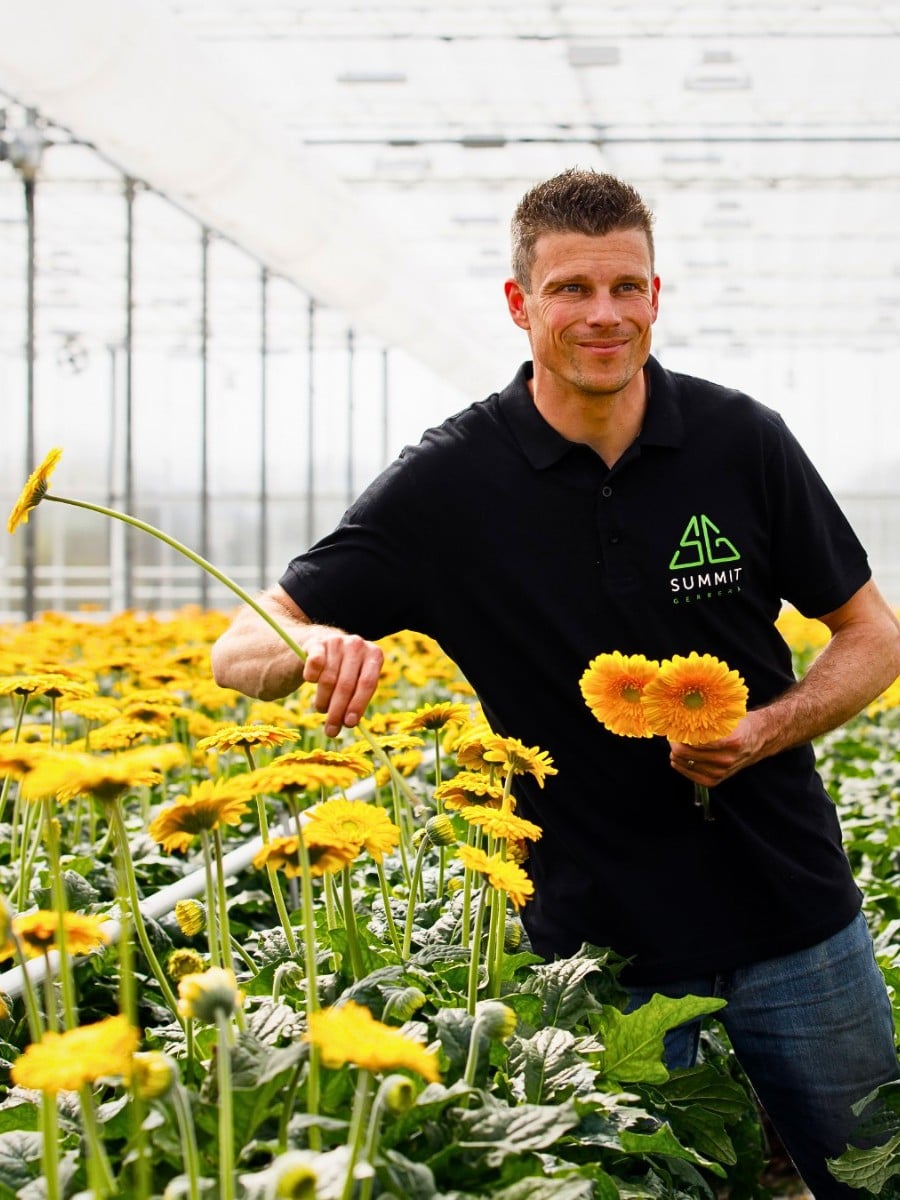
Breeders invest years in developing varieties with longer vase life and stronger stem cell structure, but this genetic potential is only realized when post-harvest handling supports it. The collaboration between a grower like Jacaranda Farms in Colombia and Chrysal is a good example of how production and post-harvest chemistry are managed together.
For the flower, proper hydration begins at cutting. Maintaining the cold chain through packing, transport, auction handling, and retailer receipt is essential to delivering reliable quality to the end consumer. Usually, from the growing facility to the consumer, Gerberas typically move through one of two main channels.
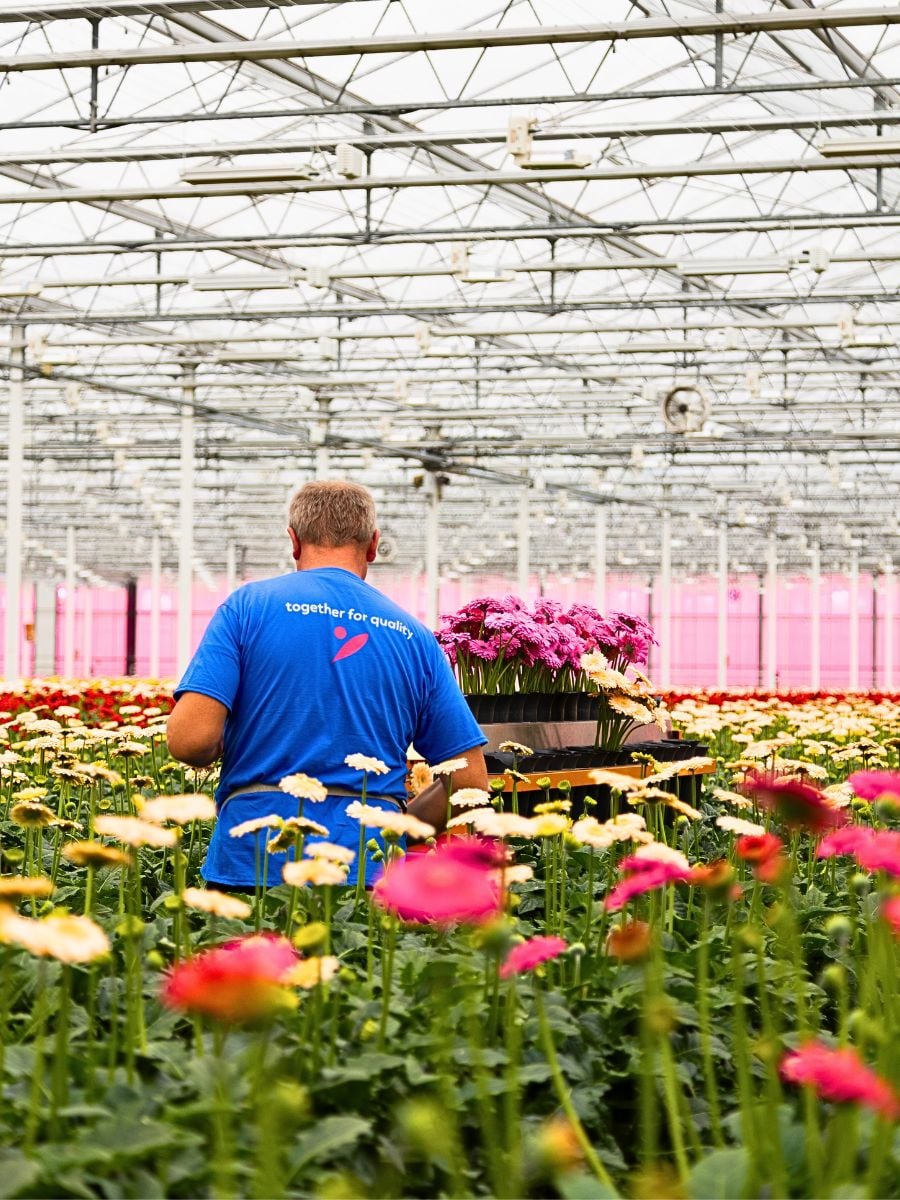
When done through the Dutch auction system, Royal FloraHolland handles enormous volumes of flowers daily and connects growers with wholesalers and exporters across Europe and beyond. It can also be through direct trade agreements between growers and importers, which is a model particularly common for Colombian and Kenyan production destined for the US market.
Featured image by @schreursrosesandgerbera. Header image by @villa.gerbera.