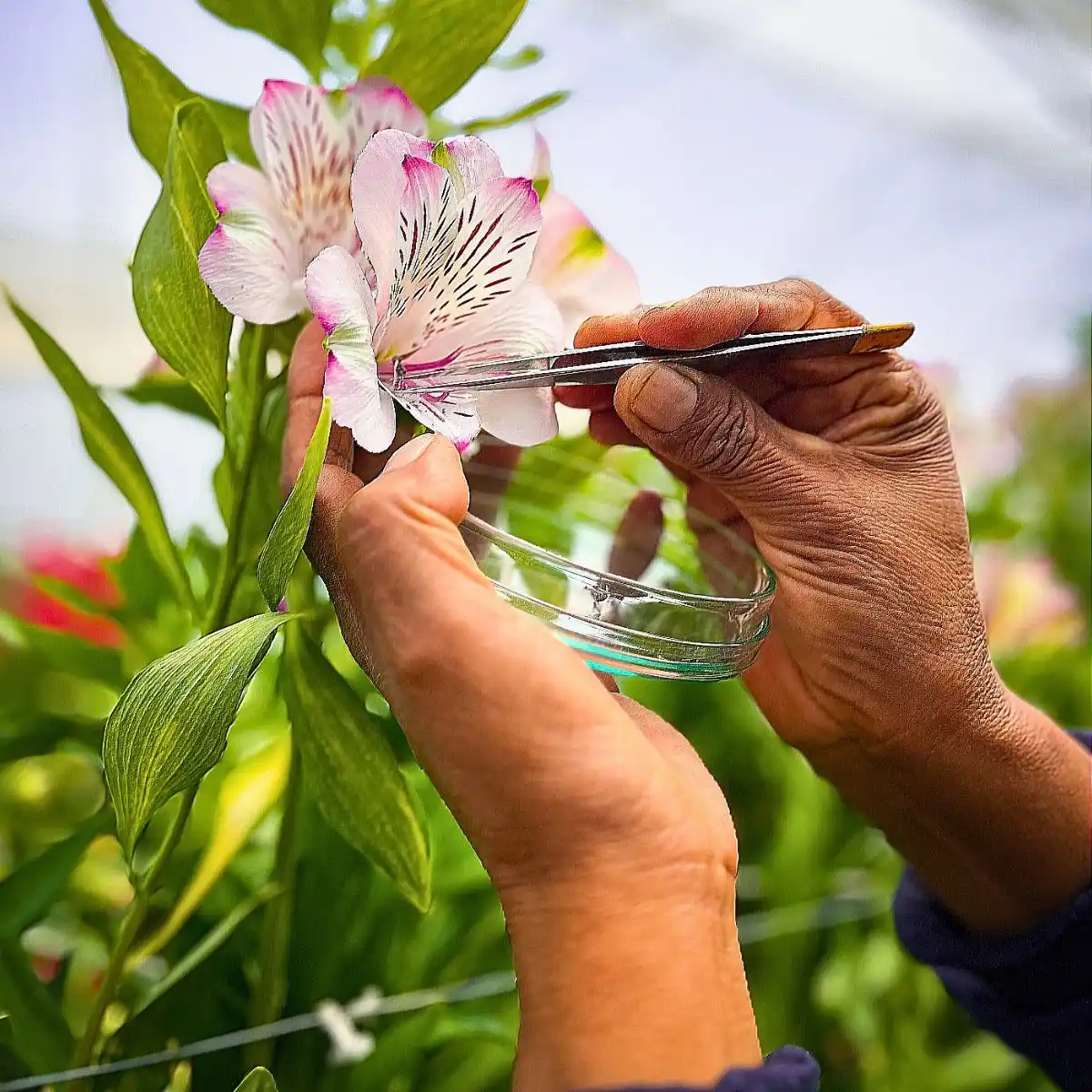
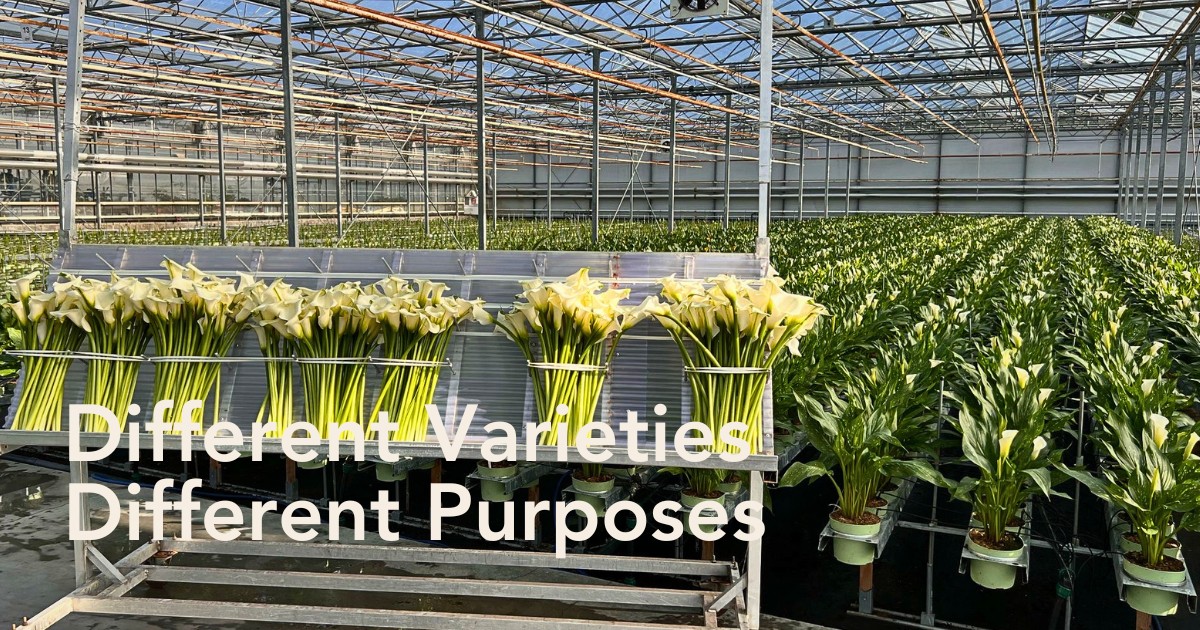
Not all calla lilies are the same. While growers, florists, and buyers every so often treat them as a single category, this flower’s breeders tell a more nuanced story. At Könst – The Art of Breeding, the renowned Alstroemeria and Zantedeschia breeder, two well-defined calla variety lines have been developed with totally distinct purposes, characteristics, and target markets. These are Art Calla and Aethiopica.
For anyone in the floral industry making cultivation or buying decisions, it is usually ideal to understand what makes the two lines distinct. Essentially, for commercial growers, wholesale buyers, and floral designers who seek specific quality standards, vase performance, and aesthetic traits, this is usually the first step to getting the most out of each calla line.
Könst – The Art of Breeding’s Two Calla Lines With Different Personalities
You would agree that the modern flower market demands diversity. For years, Könst has built a reputation on precision and uniqueness in the breeding processes. The prominent breeder does not just offer a wide, undifferentiated calla assortment, but has invested in two focused directions, each of which addresses unique market needs.
On one side is the Art Calla line, mainly driven by color variety, personality, and contemporary expression. On the other side is the Aethiopica, which features classic proportions and a polished aesthetic that high-end markets often seek. These two lines are not just separated by size but also by different genetic priorities, production requirements, and the unique expectations of buyers.
1. Art Calla Is a Modern Line Built Around Color Expression
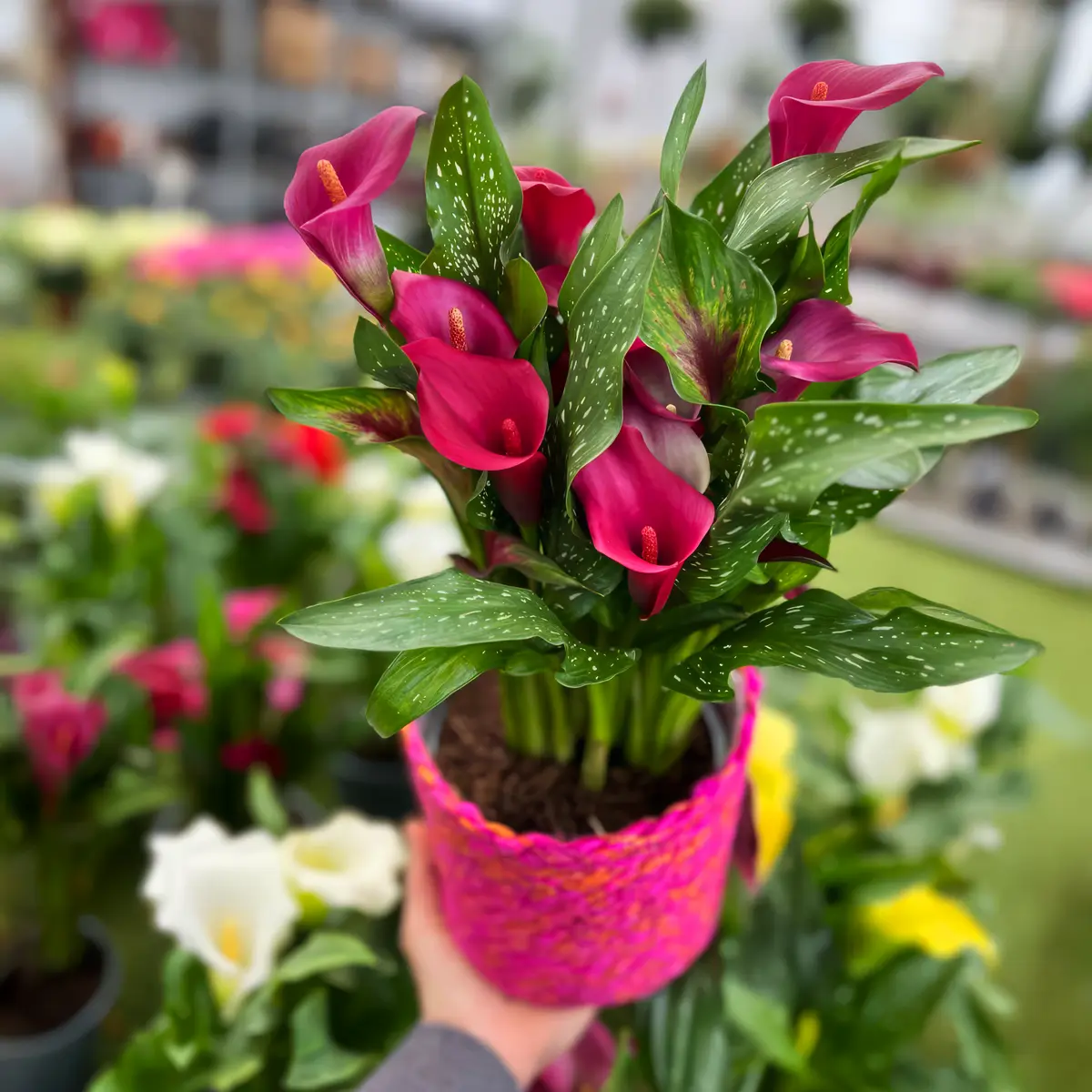
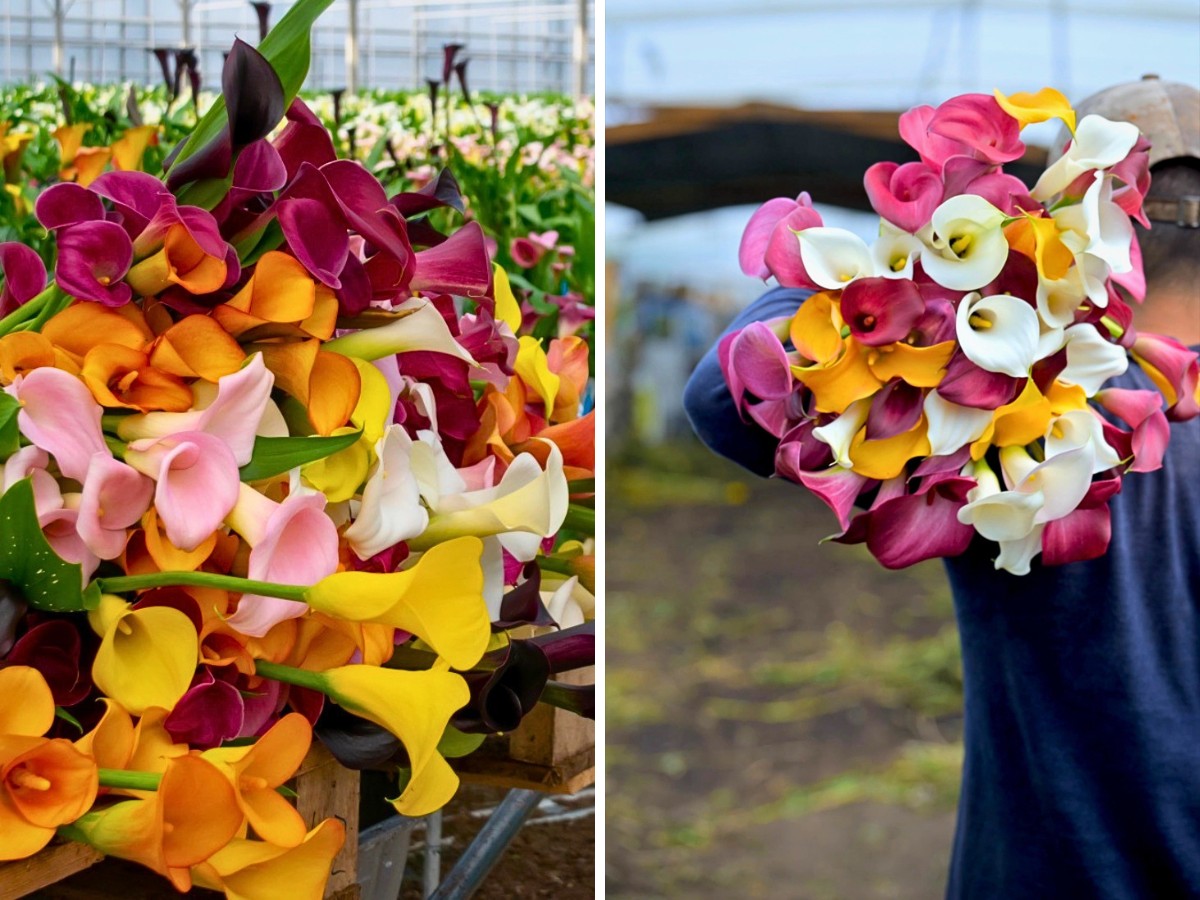
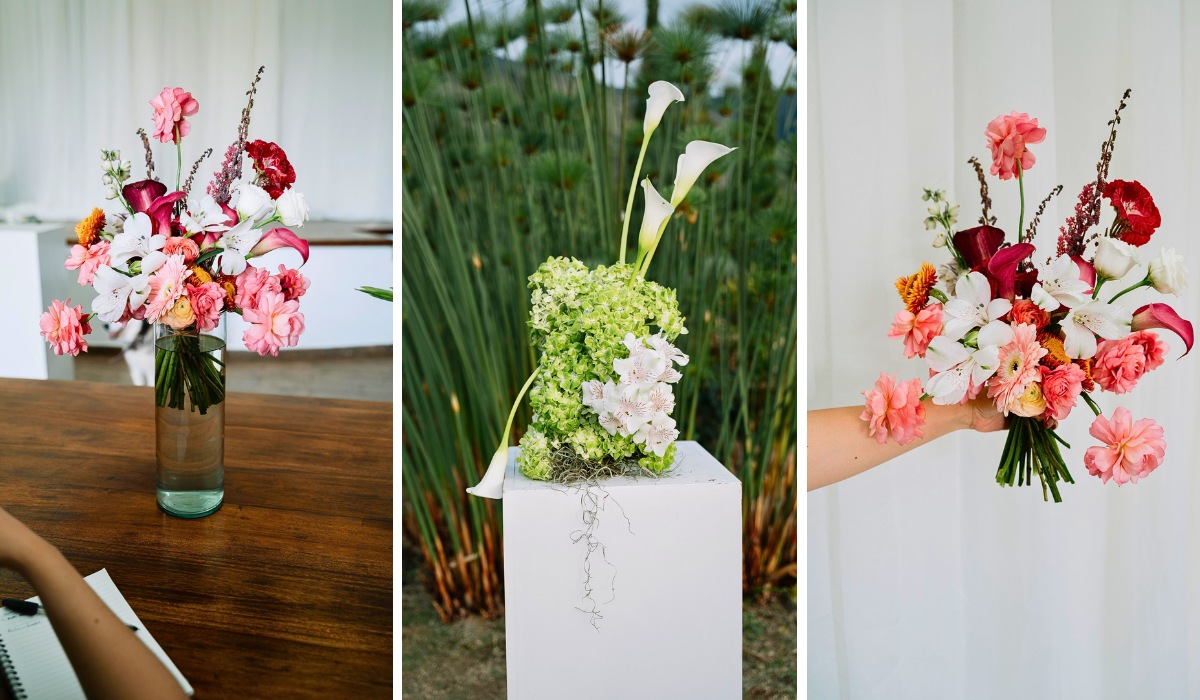
The Art Calla line is, for the most part, where Könst's most dynamic color development work takes shape and is evident. These varieties are designed for growers and florists who want strong visual impact, such as a wide spectrum that spans soft pastels, bright yellows and oranges, vivid reds, and deeper shades, which are increasingly sought after in modern floral design.
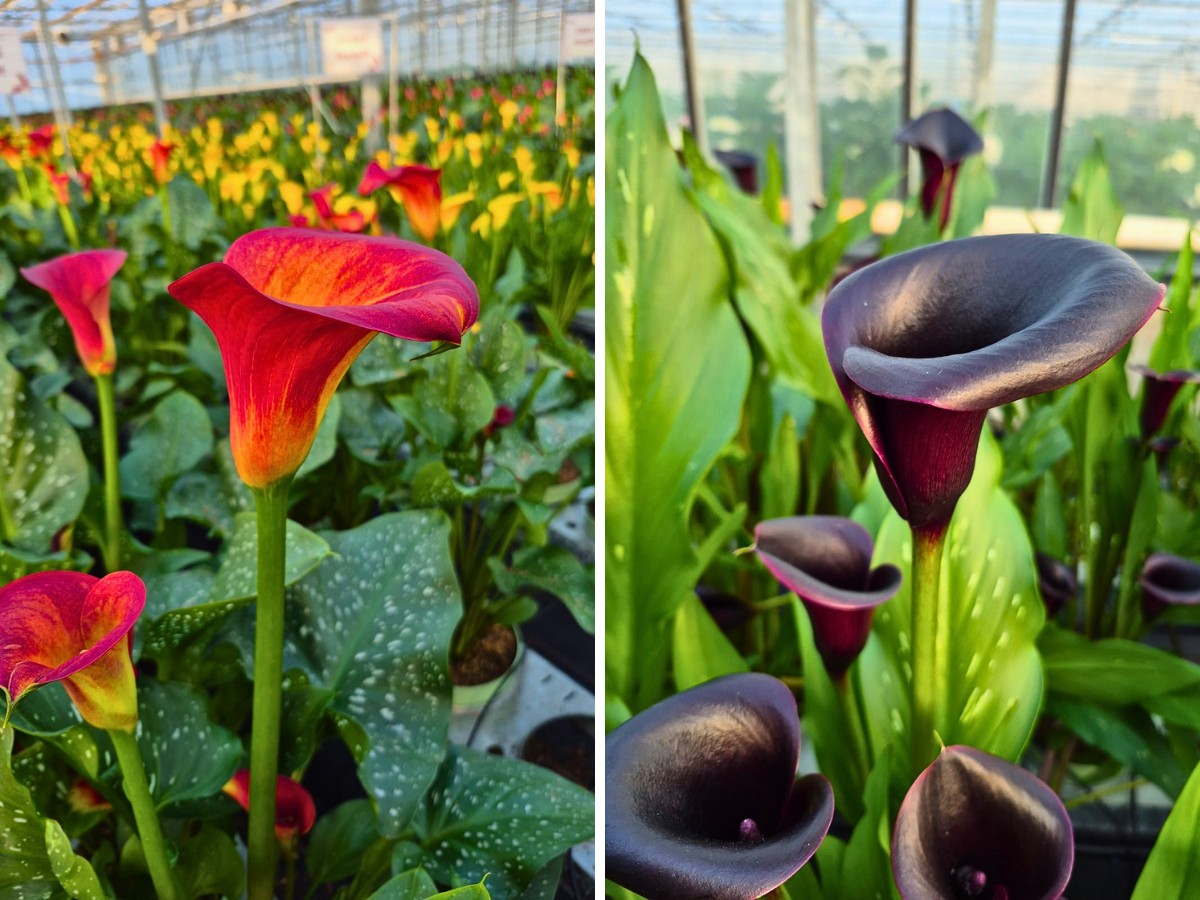
Color is one of the main focal points of this line, and for good reason. Achieving distinctive new hues in calla breeding is technically demanding, so breeders need to develop colors that stand out commercially without interfering with the productivity, stem strength, or disease resistance, all of which growers depend on.
Developing a new calla variety in this program takes between six and eight years, and every decision has to strike a balance between visual appeal, market differentiation, and reliable performance. There are a few yardsticks for a competitive Art Calla variety today.
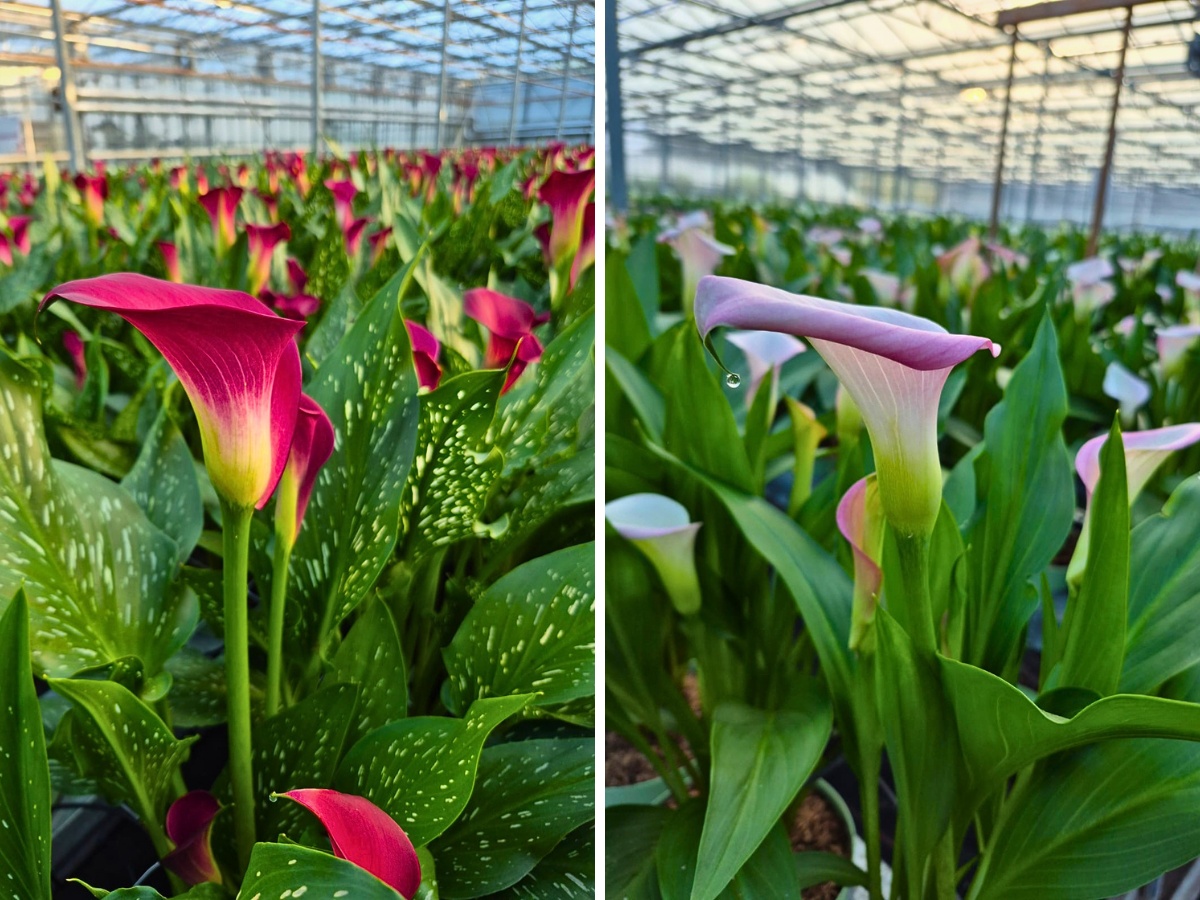
- A distinctive, marketable color that offers visual contrast and shelf appeal
- Stem lengths of 60 to 70 centimeters or more, meeting the expectations of export markets
- Good flower size proportional to stem length and presentation
- High productivity, typically between 8 and 10 flowers per bulb
But aesthetics aside, disease resistance is a non-negotiable quality standard. One of the most significant challenges in modern calla breeding is achieving reliable resistance to Erwinia, the bacterial pathogen responsible for soft rot in calla tubers.
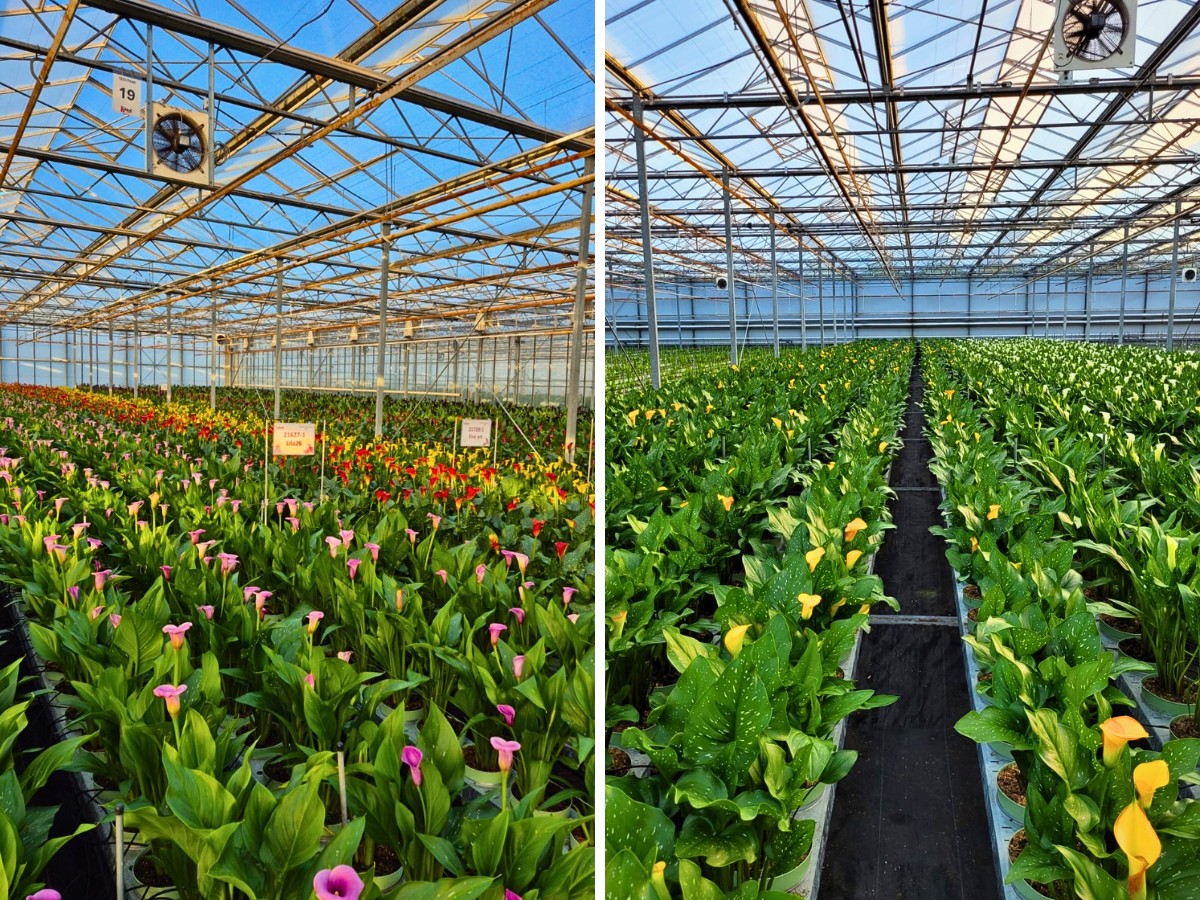
Since the tubers are grown under field conditions in milder climates and are particularly susceptible to this disease, their tolerance has to remain highly stable during initial laboratory tissue culture development and subsequent open-field production cycles. Varieties that hold up to this standard are the ones that get a place in Könst's final commercial line.
2. Aethiopica Offers the Classic Proportions for Premium Markets
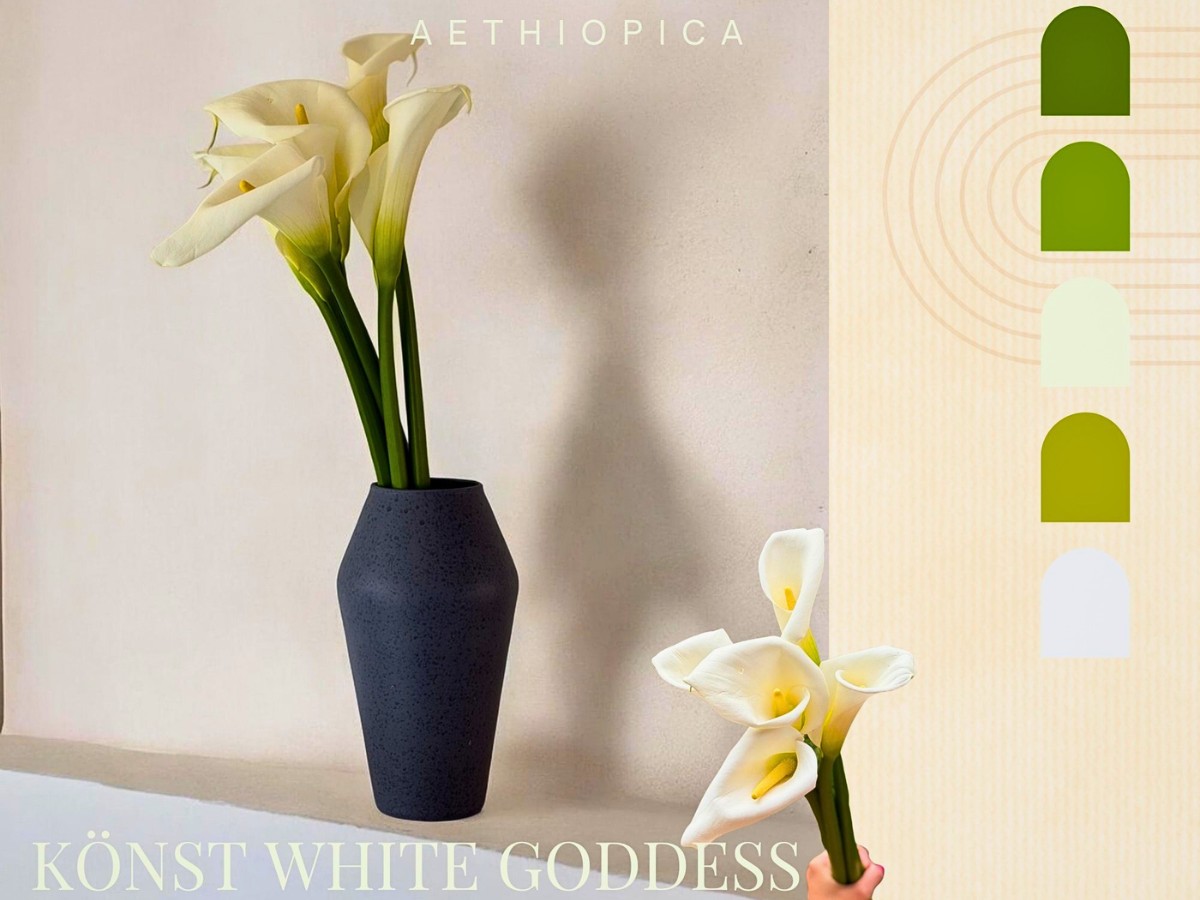
While the Art Calla line leans into chromatic diversity, the Aethiopica line takes on a different character altogether. In contrast to the multi-color characteristic of their counterpart, Aethiopica consists of large, traditional callas, recognized for a majestic presence, broader floral openings, and a timeless aesthetic that remains highly valued within luxury markets and high-end event design.
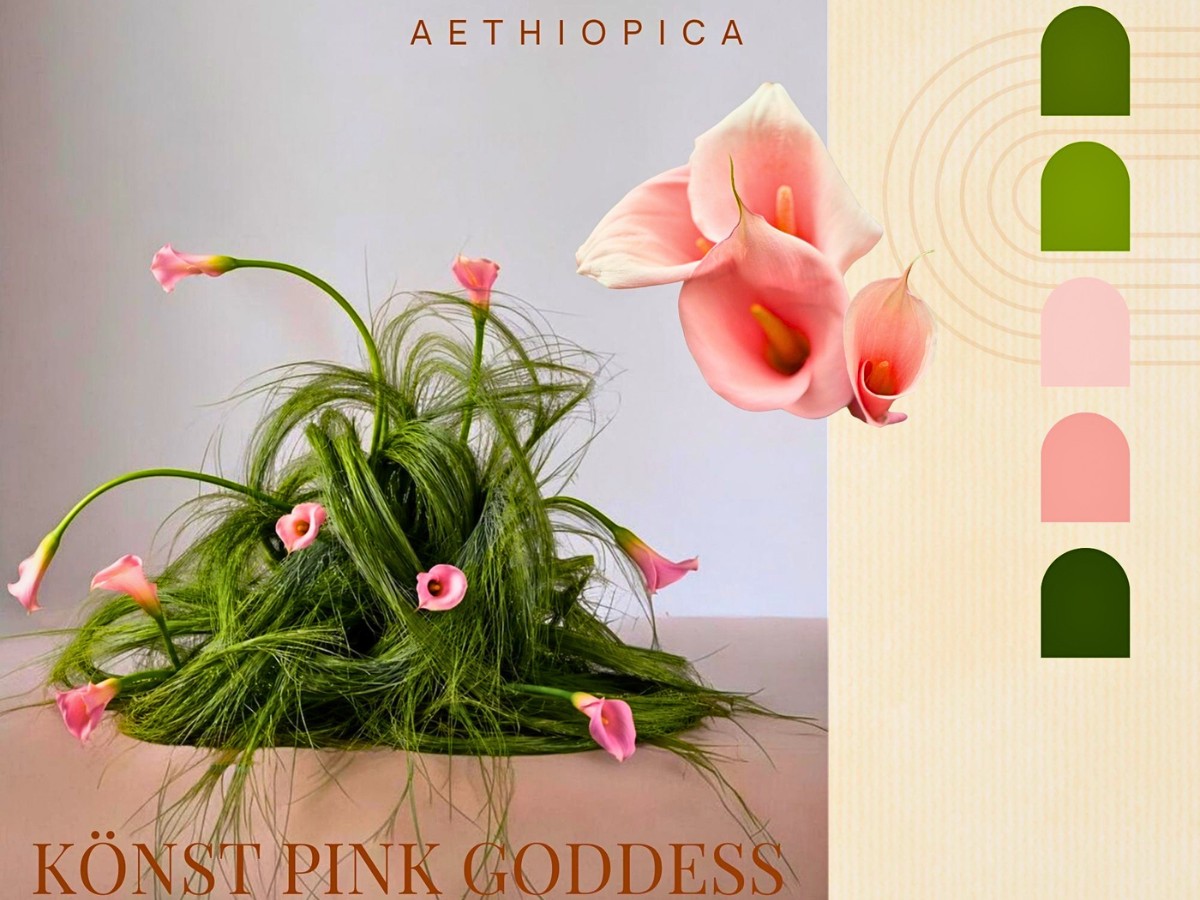
These are the large, traditional callas recognized for their broad, graceful spathes, strong upright stems, and refined presence that command attention in premium floral settings. But the Aethiopica line is not competing with Art Calla on variety; its strength lies in consistency, scale, and the lasting appeal of a classically structured flower. These callas perform best in markets where presentation and a sense of occasion are highly desired, such as high-end events, luxury retail, and formal arrangements where their proportion defines the design.
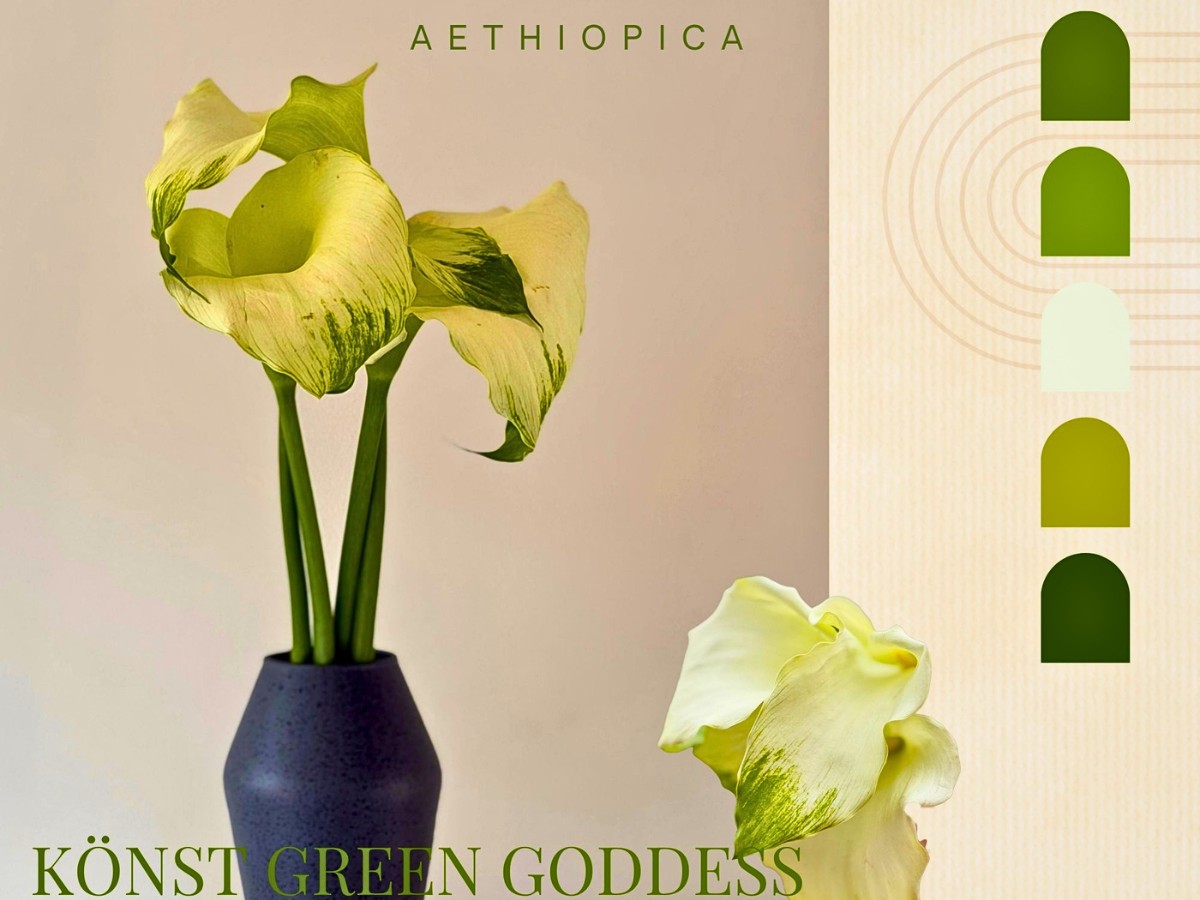
The final quality in this line is largely determined by bulb size and maturity. Properly sized, older bulbs produce flowers with better spathe opening, stronger structure, and more reliable vase performance. Growers working with Aethiopica varieties need to account for these production factors from the start.
So, yes, commercial professionals must not confuse these two separate options. Their distinct biological and structural variations are much more than simple differences in physical size. Plus, each line targets different consumer needs and requires specific cultivation environments, field management practices, and genetic selection methods.
What Today’s Calla Markets Look For
The strongest commercial demand for callas currently comes from the United States and select premium markets in Europe, where the Netherlands stands out as a particularly active hub. When growers evaluate which varieties to put into production, four factors rise to the top, and these are flower size, color, overall quality, and productivity.
Yet, while the global search for new colors continues to drive the industry forward, the challenge of finding the right balance between visual appeal and productive output remains as relevant as ever. A variety that looks striking but is difficult to grow well hardly finds lasting commercial success.
Könst’s Most Recognized Varieties by Market
In the United States, Könst's varieties with the strongest market recognition include Ivory Art, White Art, Candy Art, Solero Art, and Pretty Art. In Europe, particularly in the Netherlands and surrounding premium markets, the standout varieties are Ivory Art, Pure Art, and Bordeaux Art.
Ivory Art appears on both lineups, perhaps, telling of the universal appeal of a well-bred, reliable variety that delivers quality regardless of market context. So, for growers entering either market, starting with proven performers like these before moving into newer introductions is an ideal approach to building confidence in a given production program.

Notably, with these two lines, Könst – The Art of Breeding shows that callas are much more than just a single standard or category. From the colorful mini callas of the Art Calla line to the Aethiopica’s elegance, these varieties show years of research, selection, and market vision designed to meet the demands of an increasingly specialized floral industry. With these two lines and not a single mixed assortment, the breeder gives everyone a clearer way to select the right calla for their specific need.
Photos by Könst – The Art of Breeding.