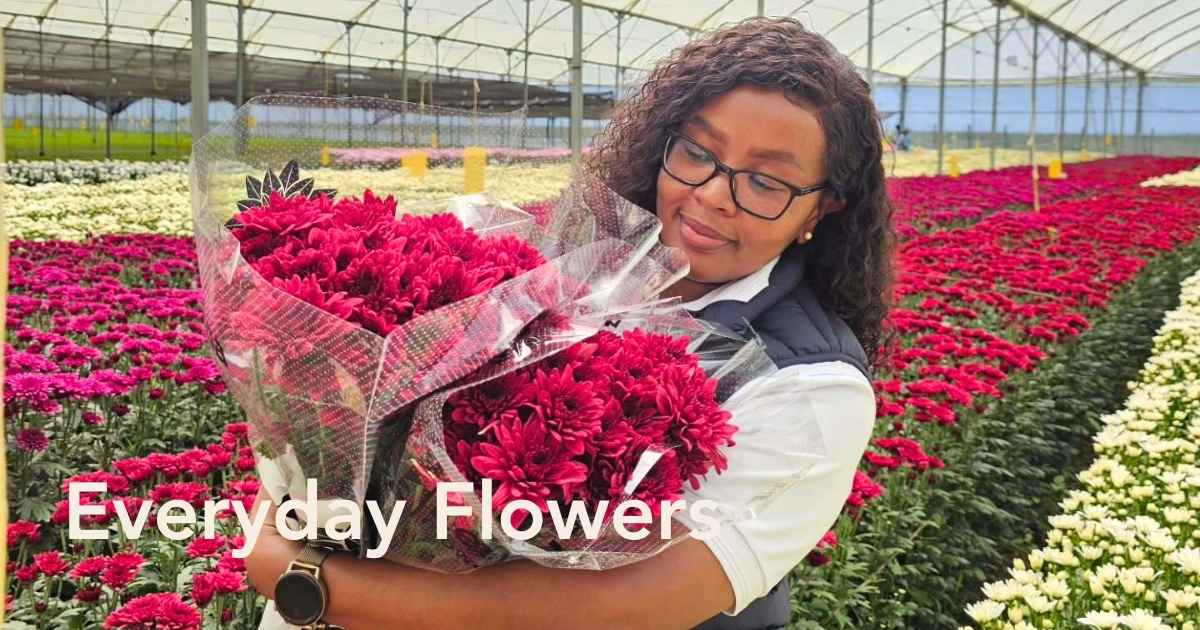
Flowers move through global markets every day, from large-scale farms in Kenya, Ethiopia, Ecuador, and Colombia to auctions in the Netherlands and retail shelves across Europe, Asia, and the US. While thousands of varieties exist, only a handful consistently dominate demand. These are the flowers that buyers return to, florists rely on, and consumers recognize without hesitation.
Their popularity is not accidental. It is shaped by reliability in production, consistency in quality, and the ability to perform across different use cases. Usage ranging from daily retail to weddings and large-scale events, these flowers continue to define what the global floral trade looks like. Learn about the most popular flowers we know and use.
Why Are These the Most Popular Flowers?
These flowers lead globally because they meet the practical demands of the industry. They are reliable to grow, consistent in quality, and capable of withstanding transport across long distances. This makes them suitable for export-driven markets such as Kenya, Ethiopia, Ecuador, Colombia, and the Netherlands.
They also serve different roles within the supply chain. Some move in high volumes daily, supporting supermarkets and retail programs. Others operate in premium segments, where lower volumes are offset by higher pricing. Together, they create a balanced system that allows the industry to function efficiently. Another important factor is recognition. These flowers are familiar to consumers across cultures, which simplifies purchasing decisions. This familiarity keeps demand stable and reduces the risk associated with introducing less-known varieties at scale.
Roses
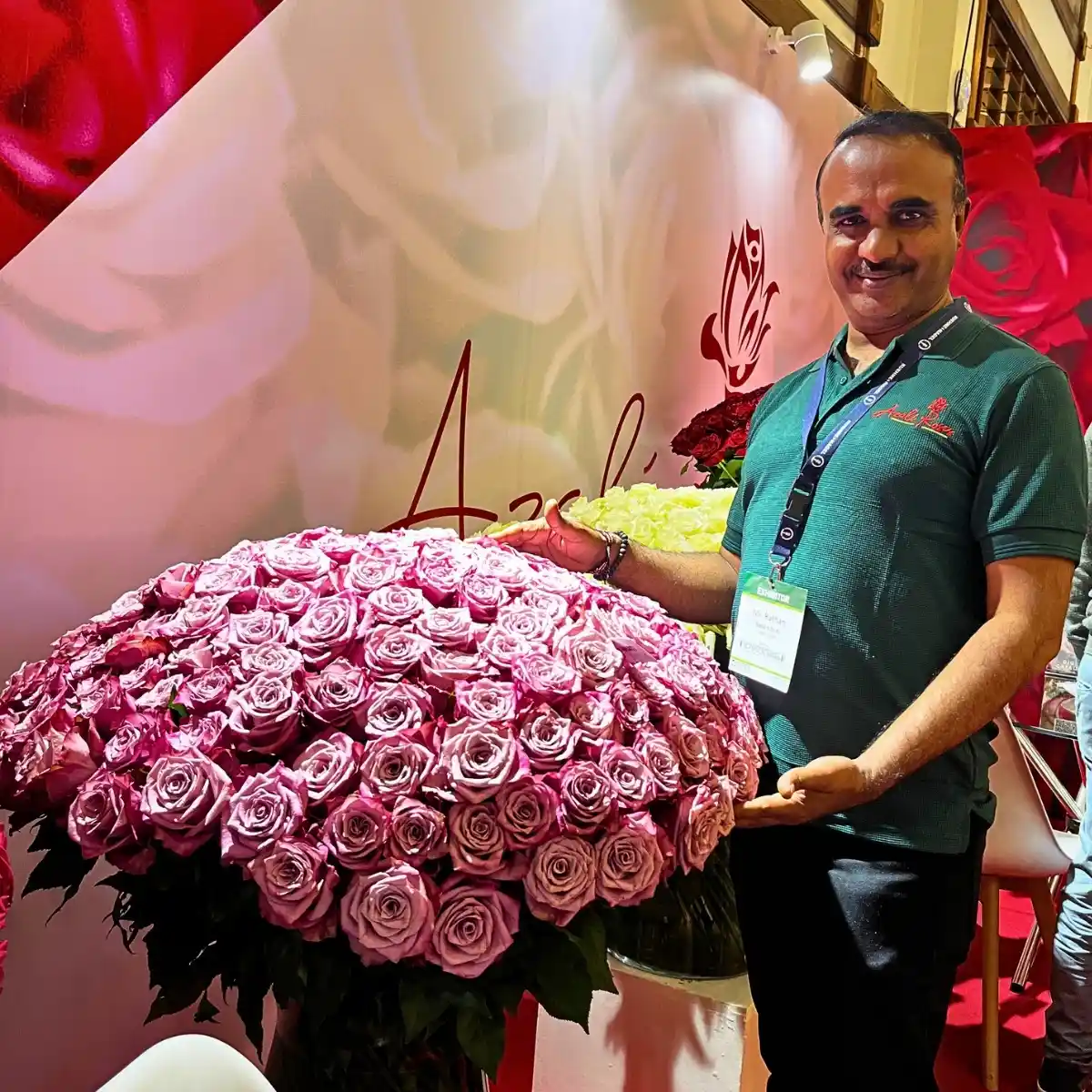
Roses (botanical: Rosa) remain the most traded flower worldwide, forming the foundation of both retail and event work. Their strength lies in their adaptability. They are available year-round, supported by strong breeding programs, and grown at scale in countries like Kenya, Ethiopia, Colombia, and Ecuador.
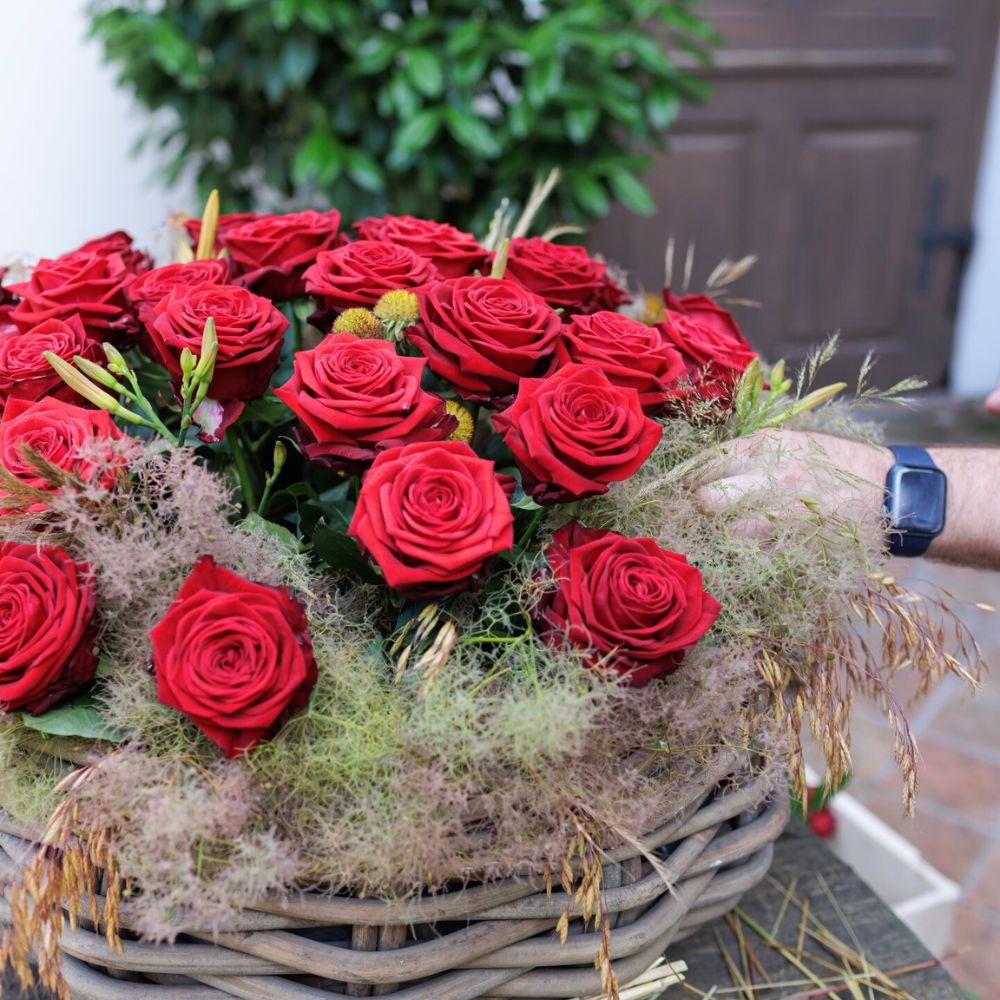
For growers, roses offer structure. Production cycles are predictable, and there is a clear grading system that aligns with market expectations. For buyers, they offer consistency. Whether used in mono bouquets or mixed arrangements, roses deliver a reliable product that meets both emotional and commercial needs.
Tulips
Tulips (Tulipa) are closely tied to seasonality, with demand peaking during spring. Their production is heavily centered in the Netherlands, where controlled systems ensure uniformity and timing.
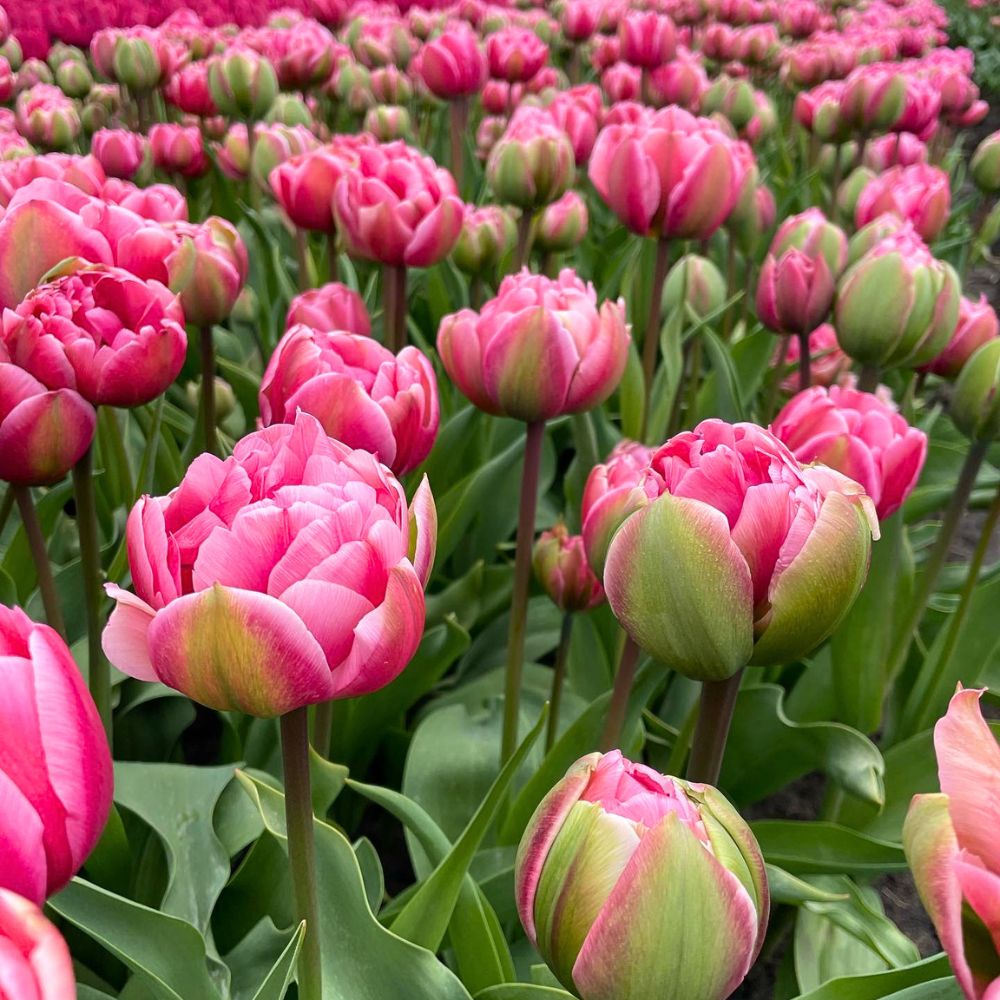
What makes tulips stand out is their simplicity. They do not require a complex design to work. A single bunch can carry an entire arrangement, making them attractive for both florists and retail programs. Their seasonal nature also creates a defined sales window, which helps maintain strong demand during peak periods.
Lilies
Lilies (Lilium) bring scale and presence into floral work. Their larger flower heads and structured stems make them suitable for arrangements where impact is required without increasing stem count.
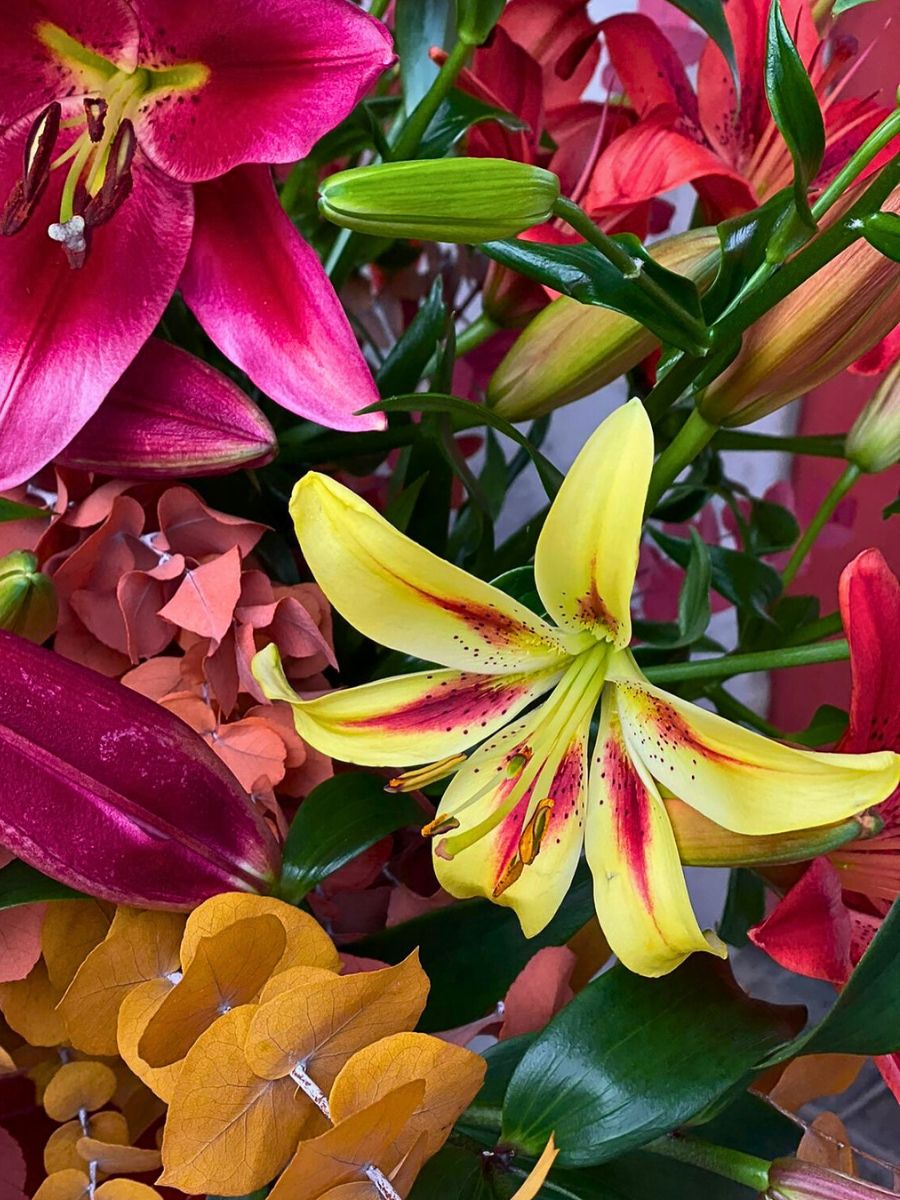
They are widely used in weddings and sympathy work, where their form supports more formal compositions. From a supply perspective, lilies are valued for their consistency in opening and transport performance, especially in long-haul markets.
Chrysanthemums
Chrysanthemums are one of the most widely produced flowers globally. Their strength lies in their versatility and durability. They can be used across a wide range of designs, from simple retail bouquets to more structured arrangements.
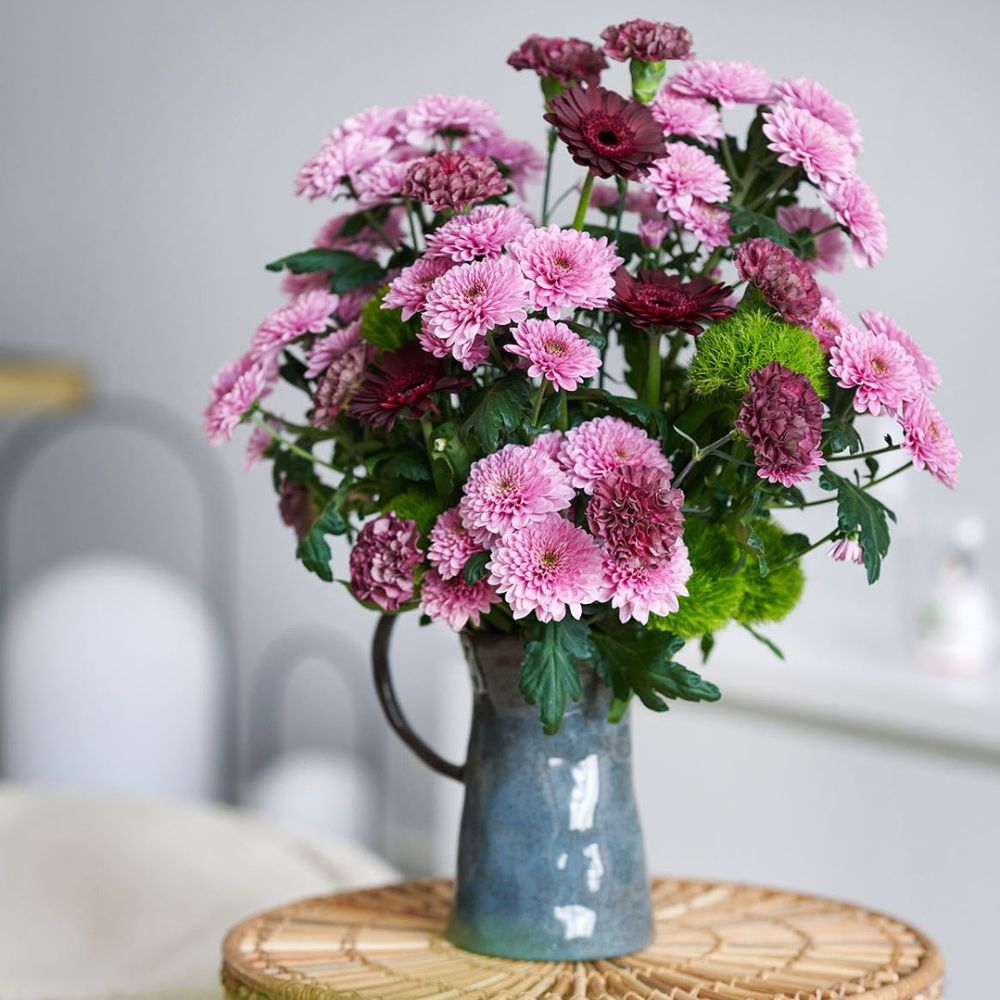
They are also a key stabilizer in the supply chain. Their long shelf life and relatively low production cost make them accessible across different markets. In regions like Asia, they also carry cultural weight, which further supports consistent demand.
Orchid
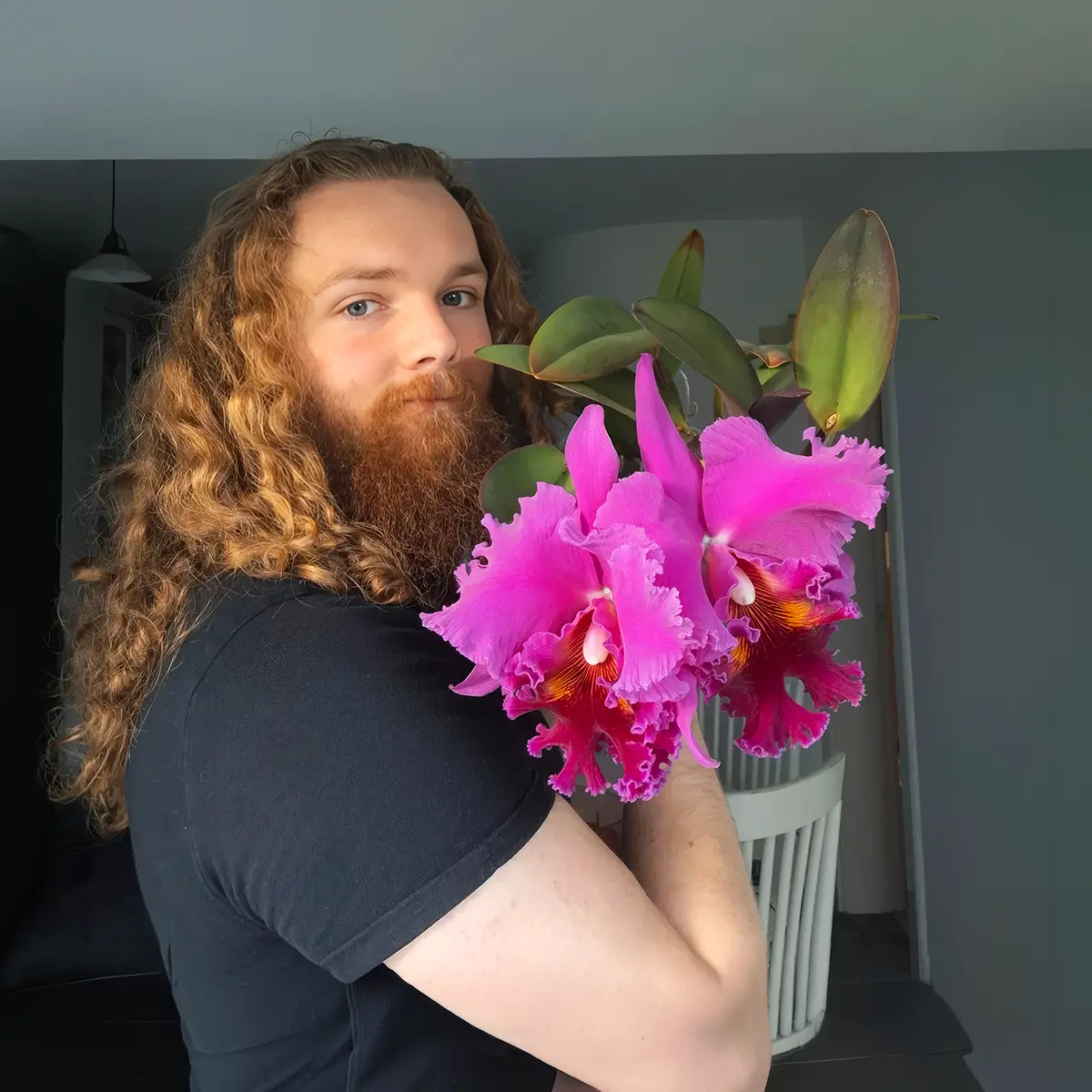
Orchids (Orchidaceae) operate in a different segment of the market. They are less about volume and more about value. Often sold as potted plants, they also play a role in cut flower design where structure and longevity are important.
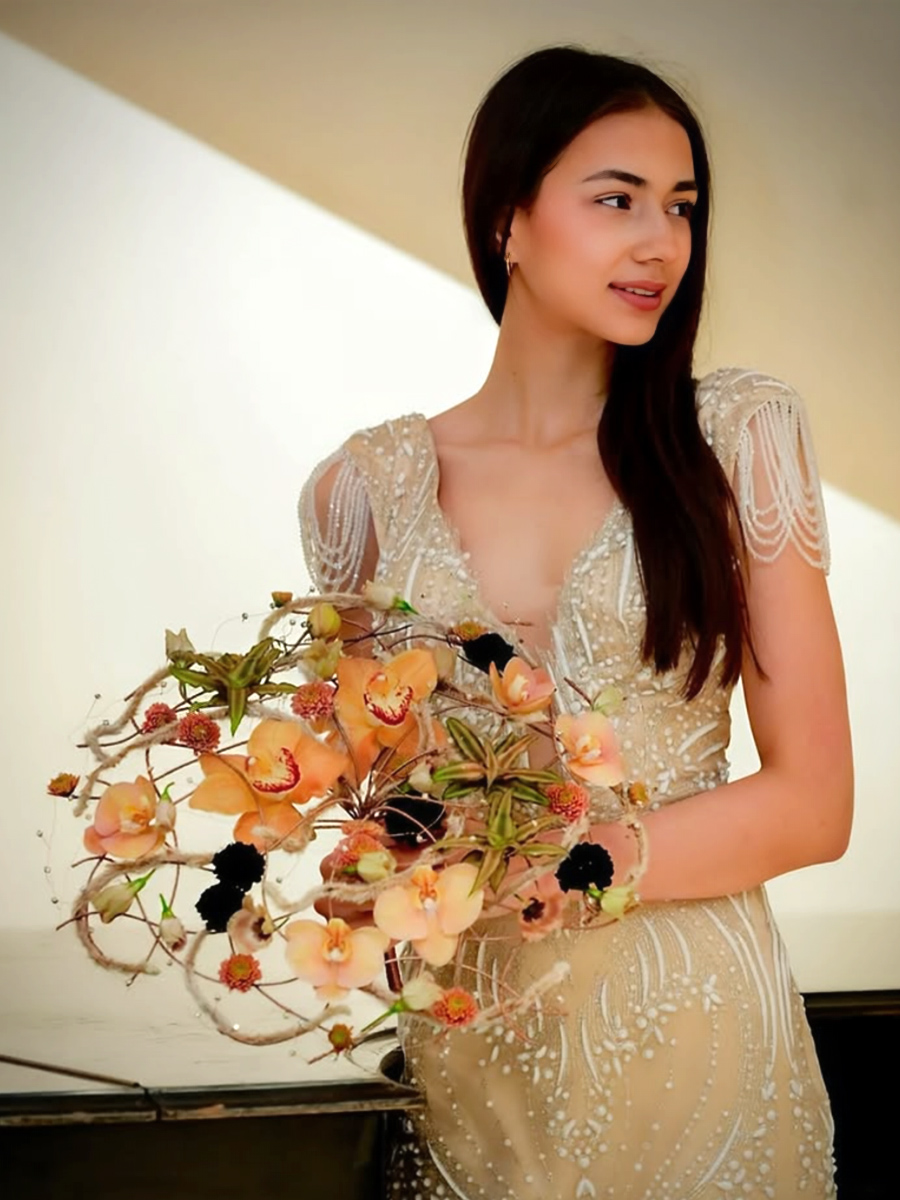
Their appeal comes from their ability to hold up well over time while maintaining a clean, composed appearance. In retail and corporate environments, orchids are often chosen for their ability to sit longer without requiring replacement.
Sunflower
Sunflowers (Helianthus) bring a direct, recognizable presence to the market. Their scale and color make them effective in drawing attention, particularly in retail settings.

They are also relatively easy to produce, which supports their availability across multiple regions. While often associated with summer, their demand extends into mixed bouquet programs where a strong focal flower is needed at an accessible price point.
Carnation
Carnations (Dianthus) remain one of the most dependable flowers in global trade. Their long vase life, strong stems, and wide color range make them suitable for both large-scale production and diverse design use.
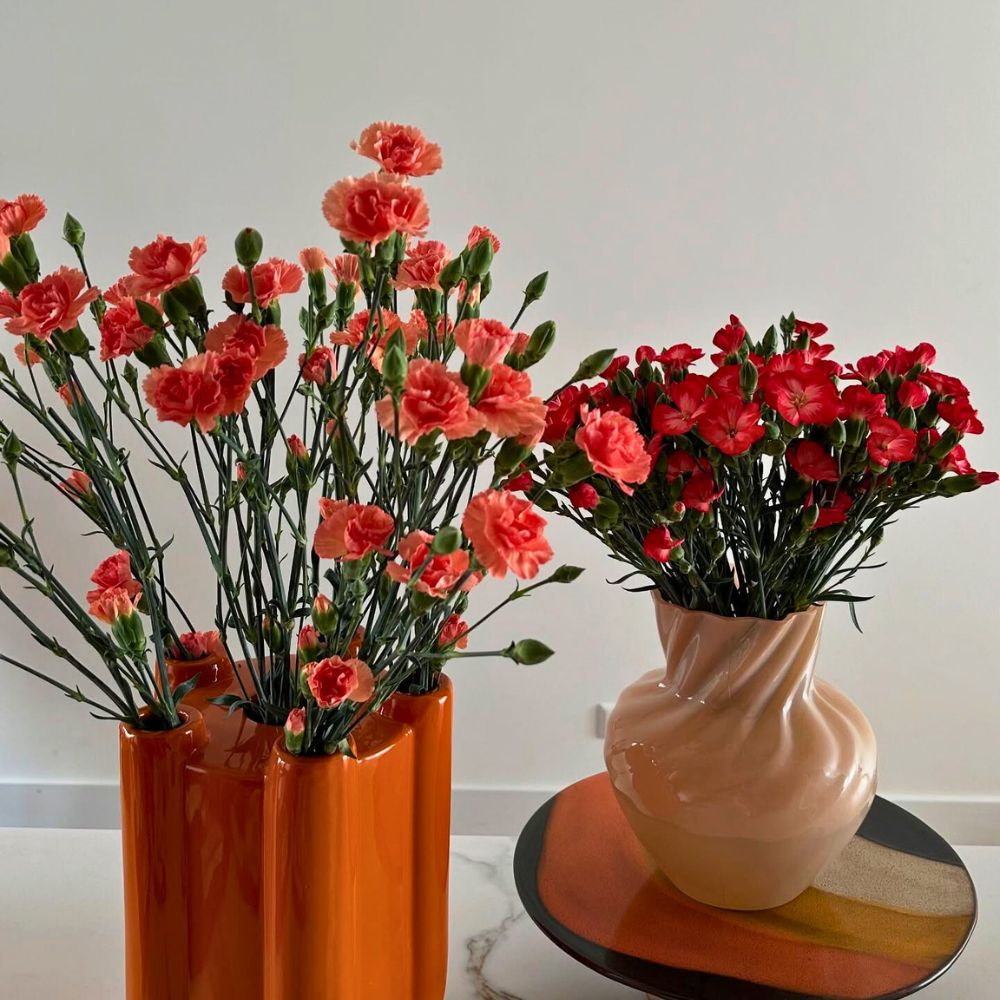
They are heavily used in bulk arrangements and event work where volume is required without significantly increasing cost. Over time, improved varieties have strengthened their position, making them more relevant in modern floral design than before.
Gerbera
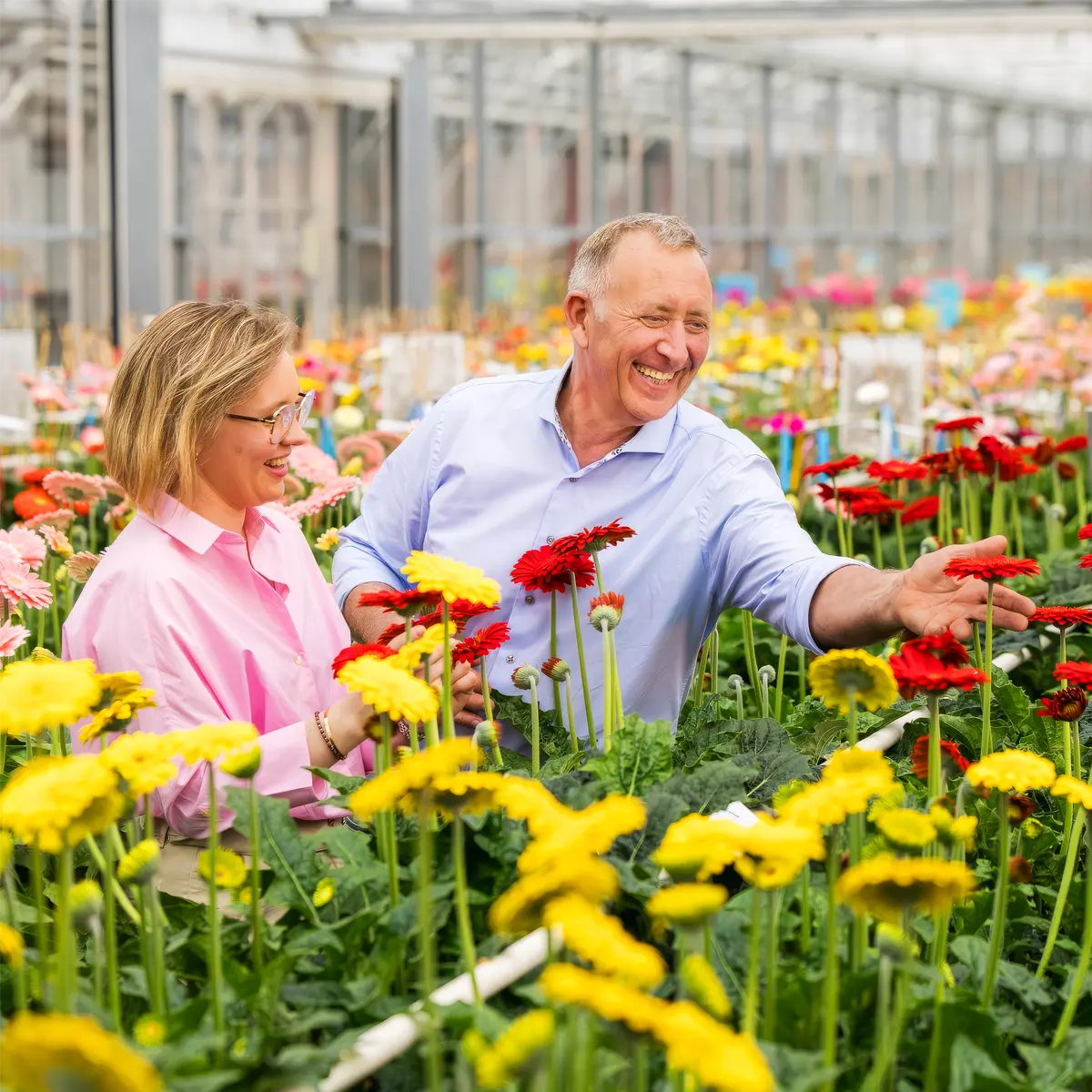
Gerbera offers clarity in both color and form. Its clean structure makes it easy to integrate into a wide range of bouquet styles, particularly in retail environments.
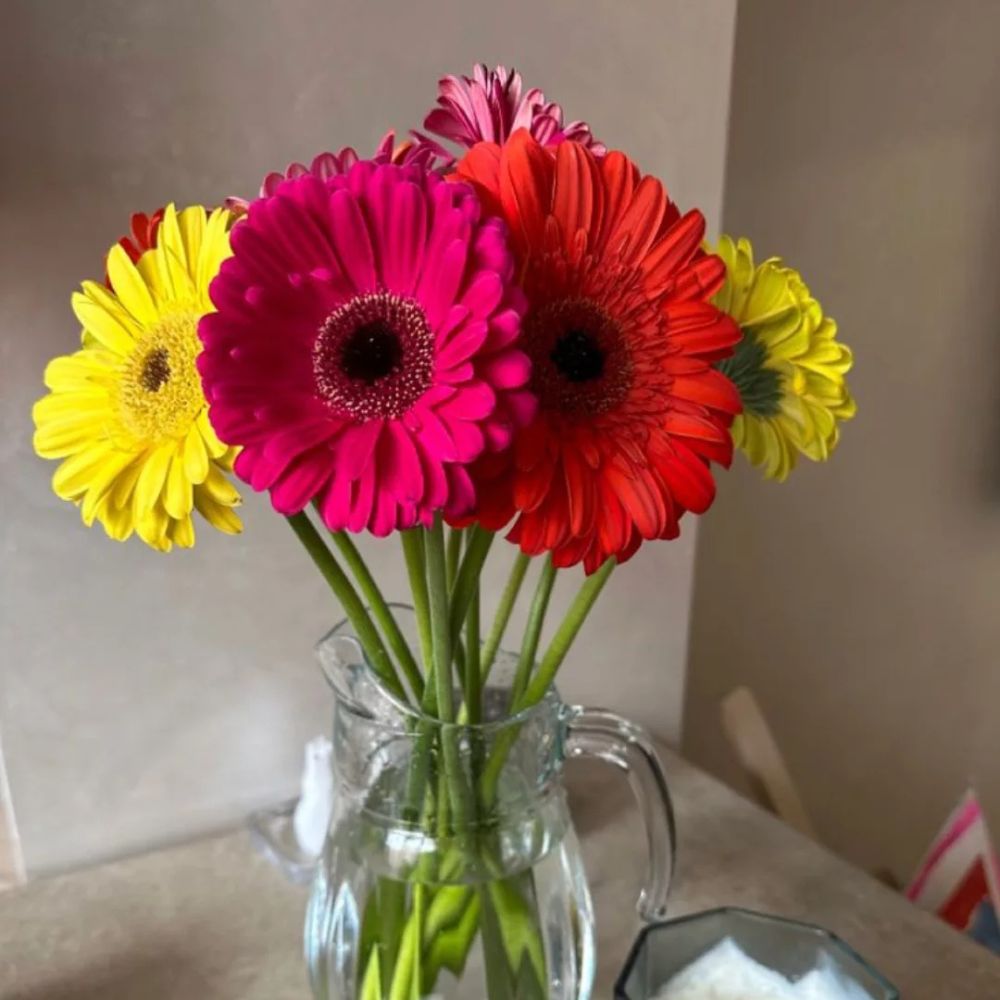
It performs well in mixed arrangements where defined shapes are needed to create contrast. For growers, it provides a steady product with consistent demand, especially in markets where bright and direct color expression is preferred.
Peony
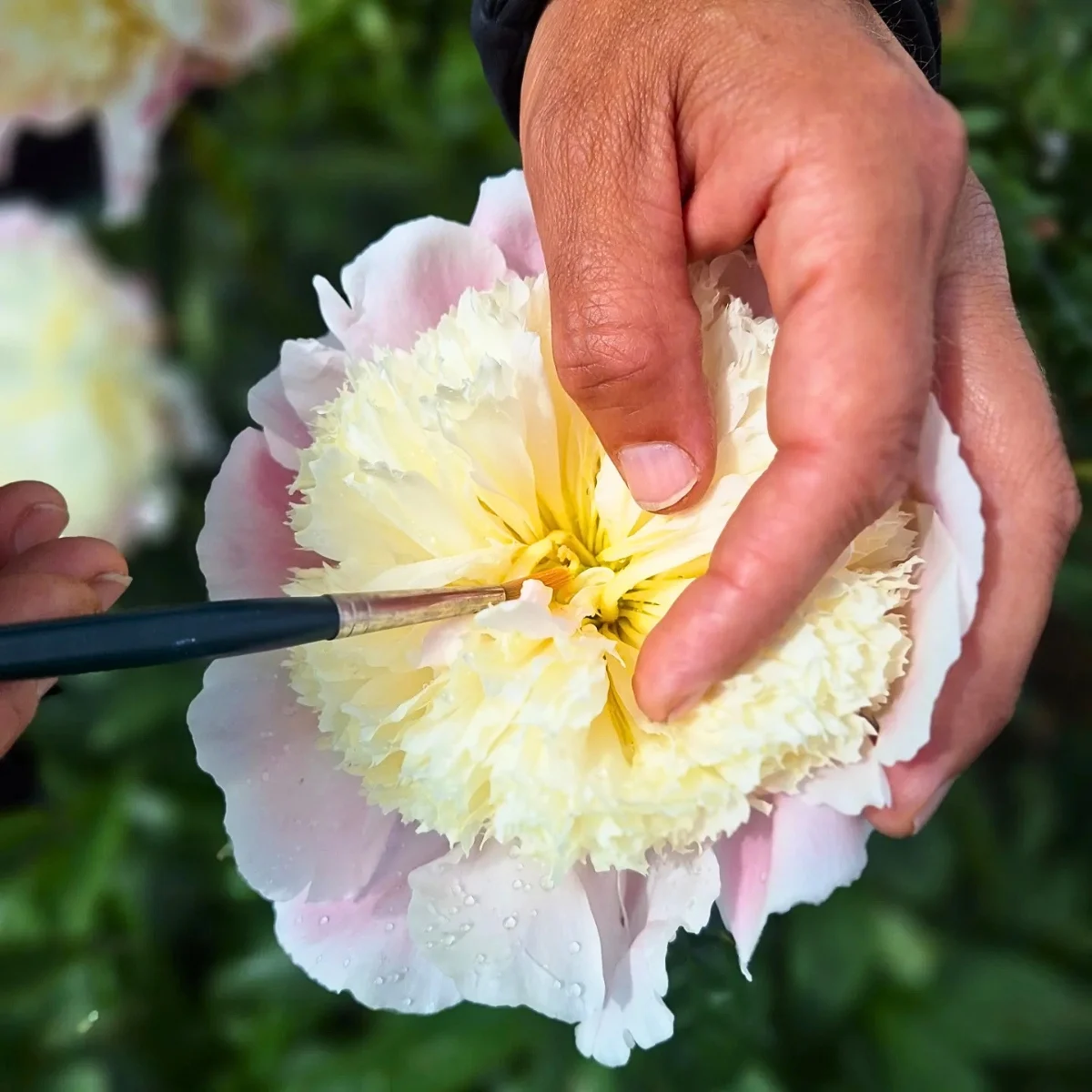
Peonies (Paeonia) sit firmly in the premium segment of the market. Their demand is driven largely by weddings and high-value arrangements, where clients are willing to pay for a product that carries both visual weight and seasonal exclusivity.

Their limited availability plays a key role in their positioning. Because they are not available year-round, they create defined moments in the market where demand concentrates. For growers and suppliers, this makes timing and quality critical.
Daisy
Daisies (Bellis perennis) represent accessibility in the floral market. They are widely recognized, easy to use, and fit naturally into everyday bouquet programs.
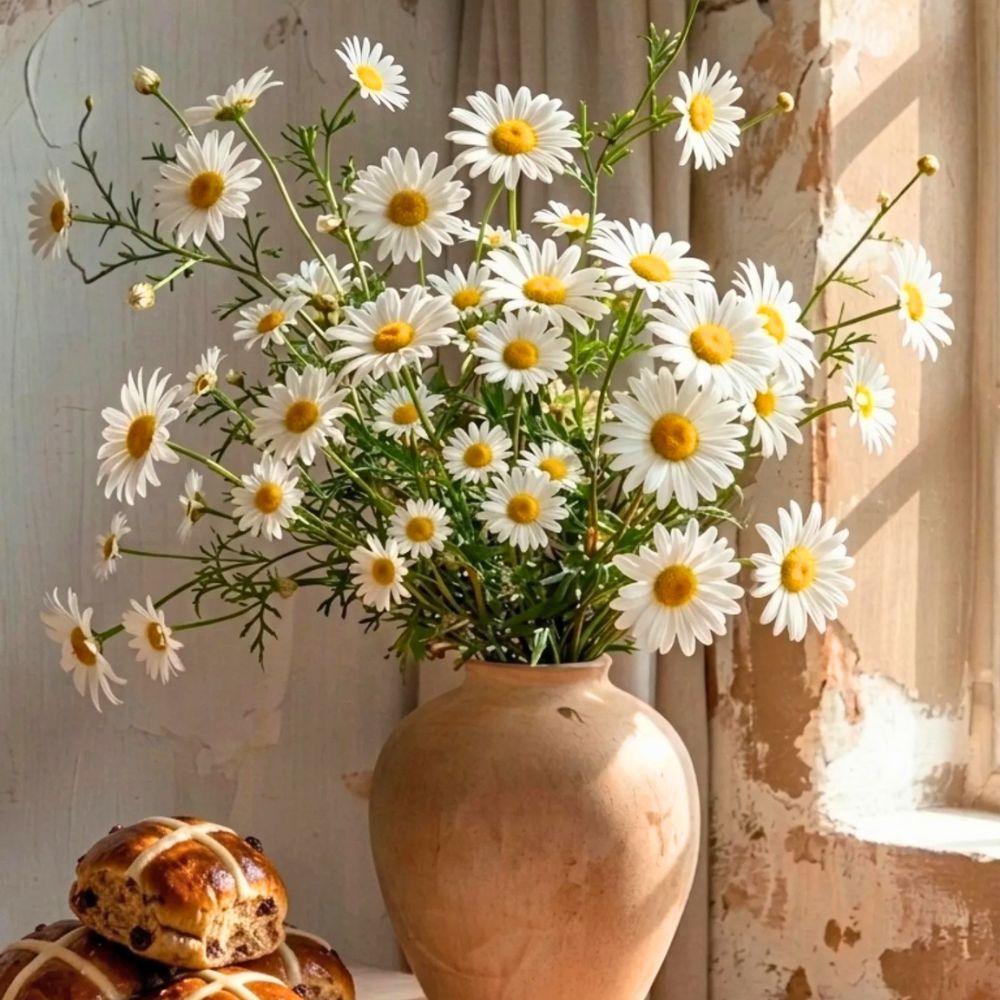
Spray varieties in particular are important for adding volume without increasing cost. They are not positioned as a premium product, but their consistency and familiarity make them essential in maintaining a steady retail flow.
Calla Lilies
Calla lilies (Zantedeschia) bring structure and precision into floral design. Their form is clean and controlled, which makes them suitable for modern arrangements and event work where lines and spacing matter.
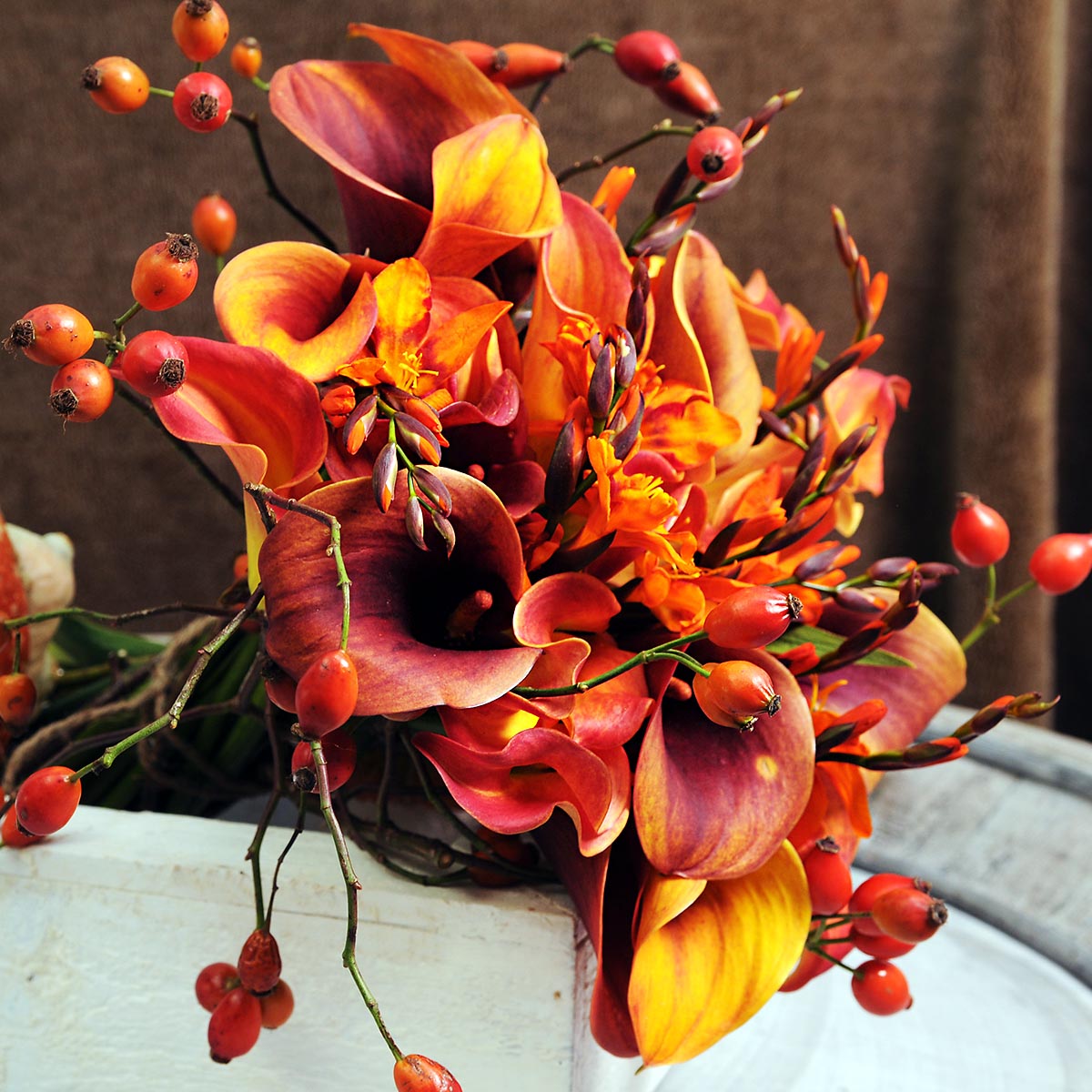
They are commonly used in weddings and corporate settings, where their appearance supports more refined compositions. From a supply standpoint, they offer a balance between niche appeal and consistent demand.
Alstroemeria
Alstroemeria plays a foundational role in bouquet construction. Each stem carries multiple flowers, which allows it to add both volume and continuity within arrangements.
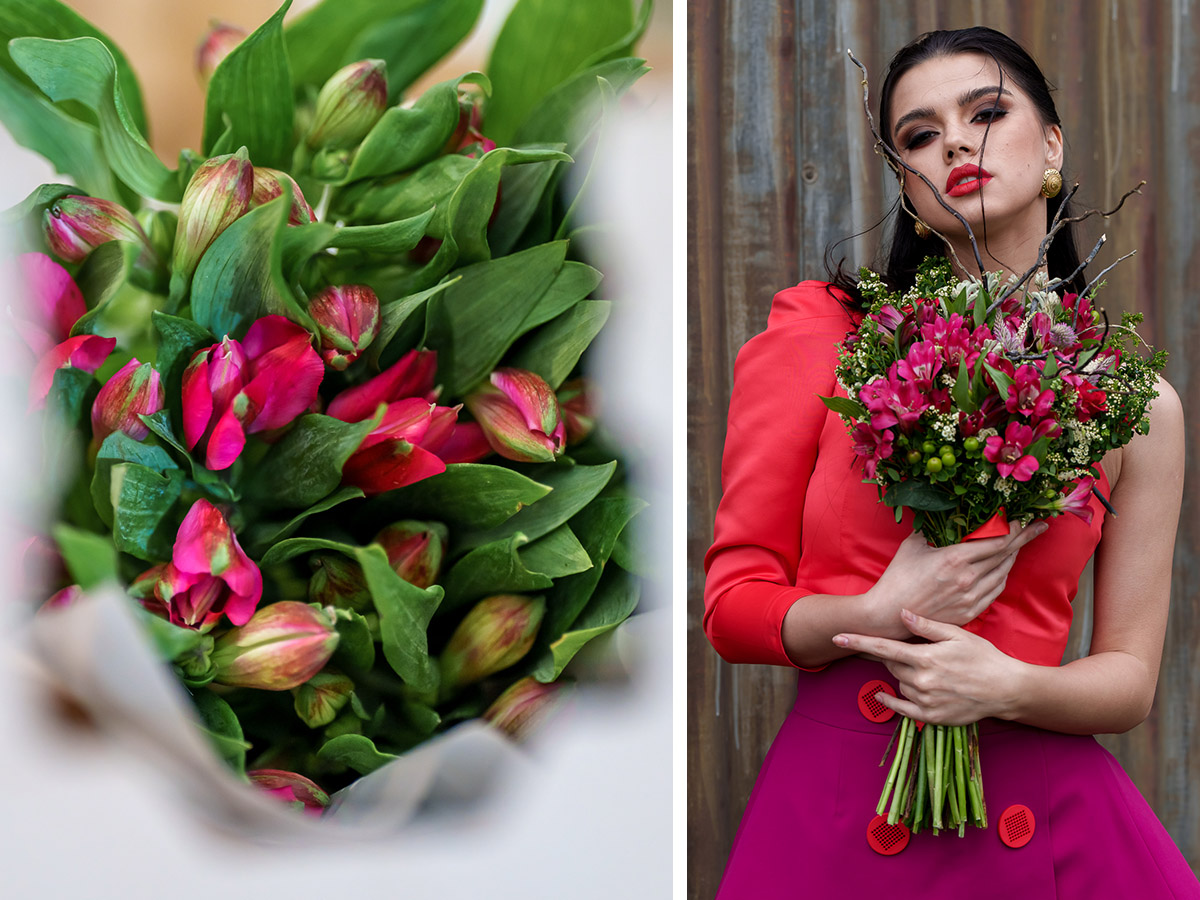
Its long vase life makes it particularly valuable in retail, where product longevity influences buying decisions. While it may not always stand out as a focal flower, it is one of the most important components in the structure of commercial bouquets.
What This Means for the Floral Industry
The continued dominance of these flowers shows that success in floriculture is built on consistency and market alignment. Growers who focus on dependable varieties can maintain a steady supply and long-term relationships with buyers.

At the same time, there is room for differentiation through seasonal and premium products. Flowers like peonies create moments in the market where value increases, while staple products like roses and chrysanthemums ensure continuity. For florists and buyers, these flowers provide a reliable foundation. They allow for flexibility in design while maintaining the consistency that both the market and the end consumer expect.
Header image by @ninthavenueflowers.