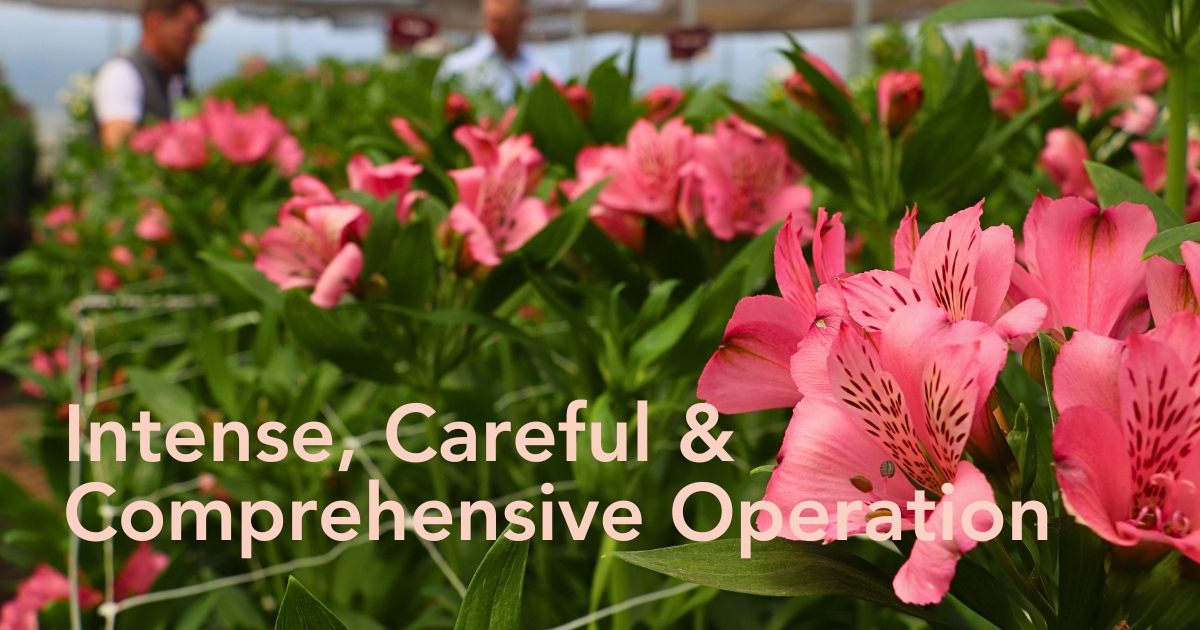
Breeding Alstroemeria is quite a process. A commercial variety starts as one seedling among thousands, and 95% of those hardly ever reach a florist. The alstros that do survive a decade of crossing, laboratory work, greenhouse trials, and multi-continent growing tests (before a stem of the flower is cut for sale) are the ones that indeed made the cut.
The process involved is, nonetheless, much more intense, careful, and comprehensive than many ever realize. So, from the first pollination of the parent flowers to the flower in a vase in a consumer's home, how does it all work?
Origins of Modern Alstroemeria Breeding
Alstroemeria is native to the mountains of South America, where cool nights and warm days shaped a plant that tolerates a wide range of conditions. The climatic origin explains why the cut flower requires relatively little artificial energy to grow. This flower is, as a result, one of the more sustainable options in the professional floral trade.
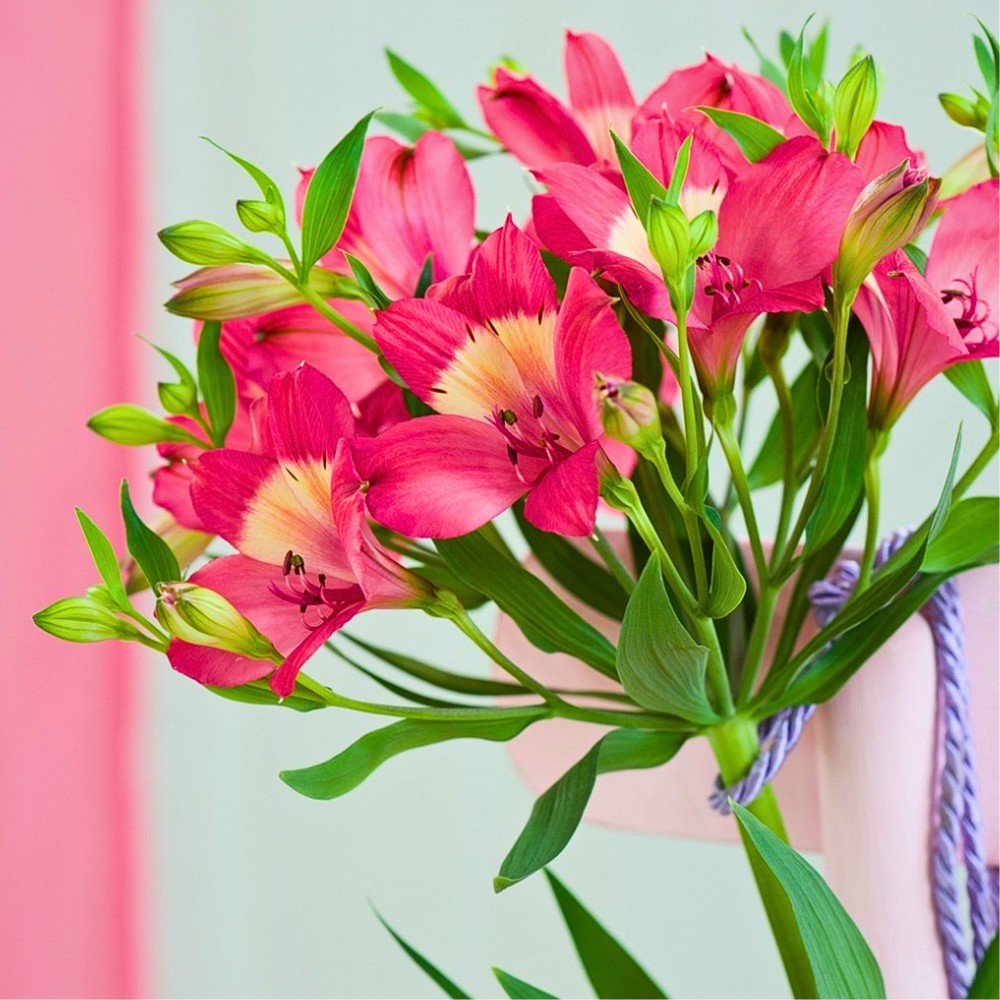
Modern Alstroemeria breeding began in earnest in the Netherlands, where committed breeders started developing commercial hybrids in the mid-twentieth century. The goal then, as now, was to make an interesting species a commercially reliable flower that is productive, reliable, disease-resistant, long-lasting in the vase, and visually appealing.
Könst, based in the Netherlands with facilities in Colombia, has focused exclusively on alstros for more than 35 years. The breeder began as a carnation grower before pivoting entirely to Alstroemeria, and their focus has resulted in an assortment cultivated in professional nurseries across more than 30 countries.
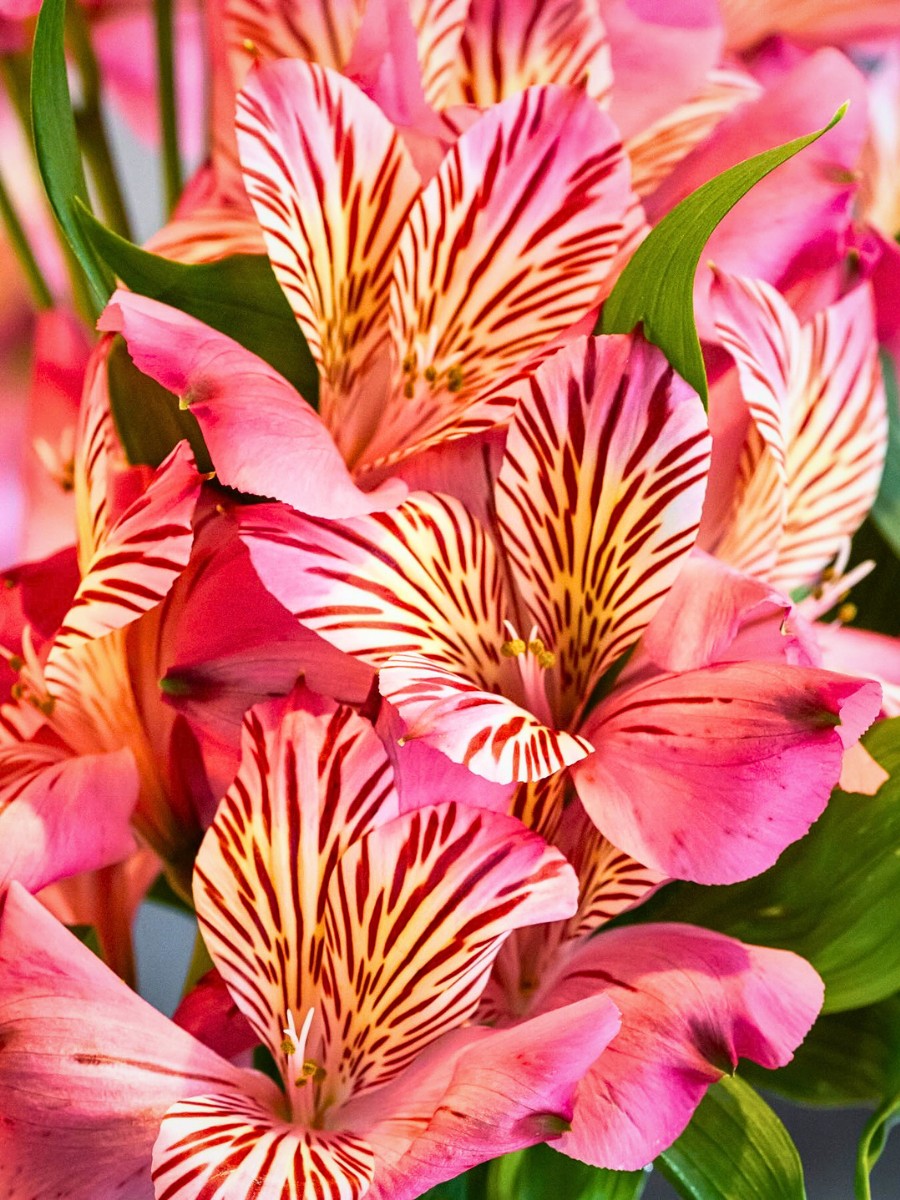
Royal Van Zanten, with over 160 years of breeding experience, has produced landmark varieties such as the Charmelia series and runs breeding programs closely tied to market feedback from global growers and wholesalers. Their team of in-house breeders, laboratory researchers, and market managers works in close collaboration, ensuring that what is developed in the greenhouse mirrors market needs.
H.M. Tesselaar Alstroemeria, on the other hand, has unique breeding locations in two countries. Three locations, totaling 10 hectares of greenhouses, are in Heerhugowaard, the cradle of the family business, while the fourth location is in the Eldoret region of Kenya. The breeder strives to deliver excellent Alstroemerias to their customers, with an eye toward optimal sustainability, continuously innovating and breeding new varieties.
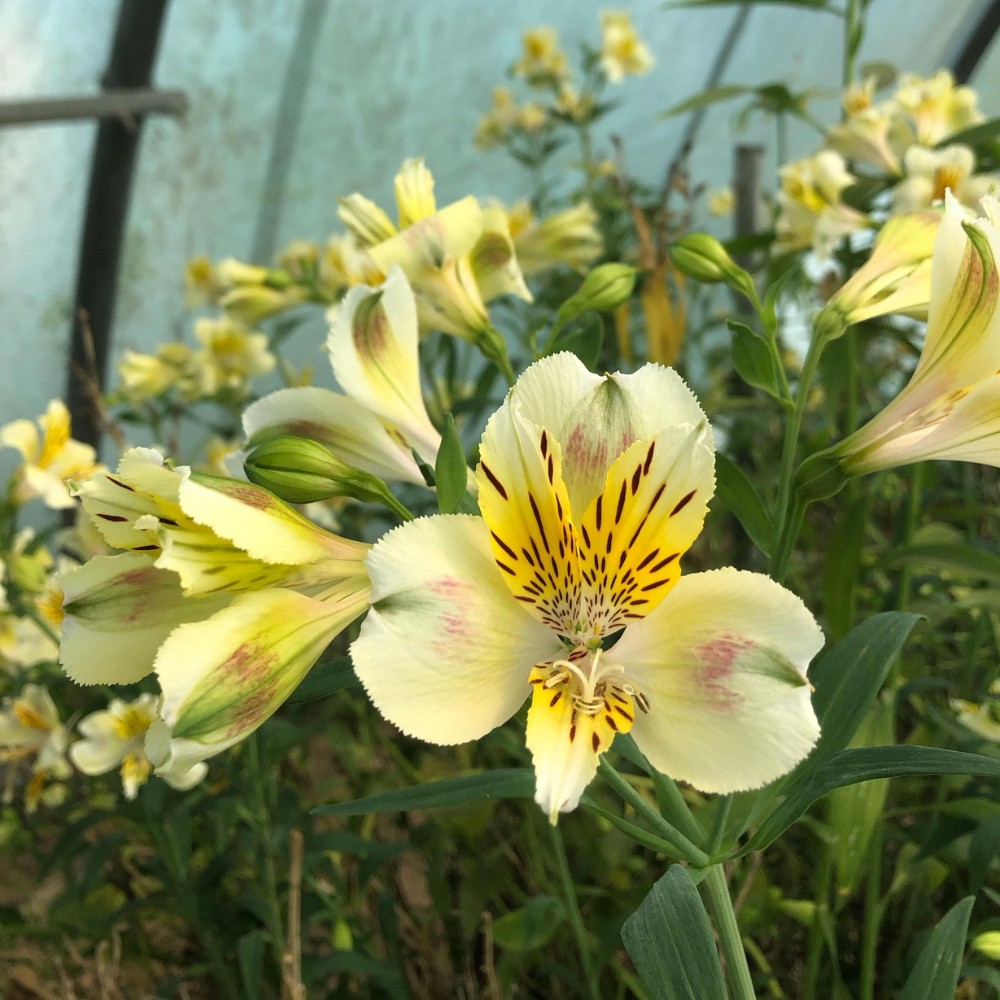
HilverdaFlorist also develops a wide variety of these plants, spanning both cut flowers (such as the specialty and Florinca series) and pot/patio plants (such as the heat-tolerant Inticancha and garden perennials like Summer Paradise). These breeders, along with several others such as Ball SB, Turcieflor/Pierre Turc, SB Talee (Alstroemeria breeding began in 2017), and Bella Vista Flowers, are recognized in this field.
Setting the Breeding Objective
As a general rule, before making any crosses, breeders first define what a new variety needs to achieve. Market managers analyze what growers are requesting, what florists are missing, and what consumers respond to at retail. Common objectives include higher stem productivity per square meter, improved vase life, novel flower colors and markings, greater heat tolerance, and virus resistance.
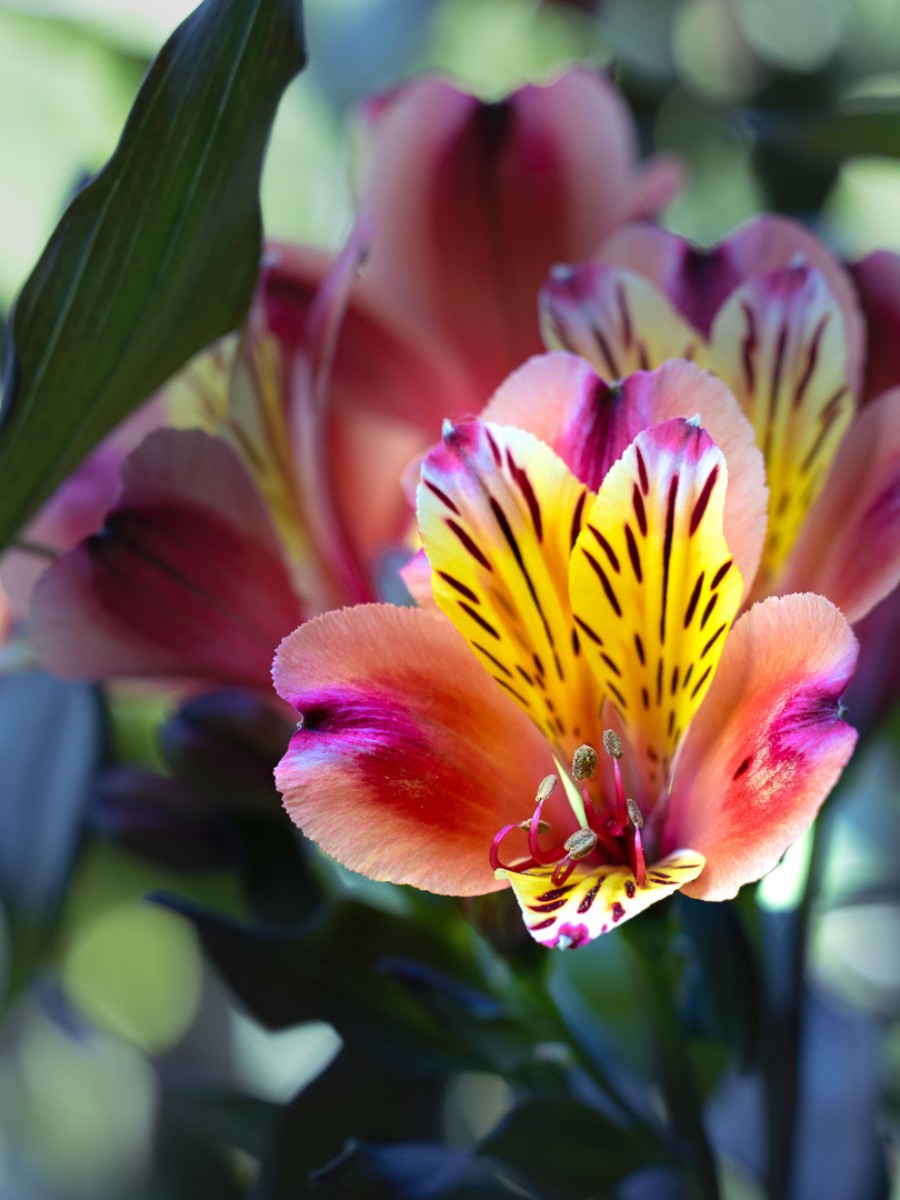
There are generally two commercial types in play. Standard hybrid Alstroemerias are characterized by vibrant blooms in a wide range of colors, including red, orange, yellow, purple, pink, and white, as well as other shades. The flowers are often flecked, striped, or streaked with darker colors, and they can be solitary or borne in umbels.
Florinca, on the other hand, is a spray Alstroemeria with more flowers per stem. While standard Alstroemeria typically has 5–6 florets, Florinca produces more sprays of smaller flowers, making each stem full and voluminous.
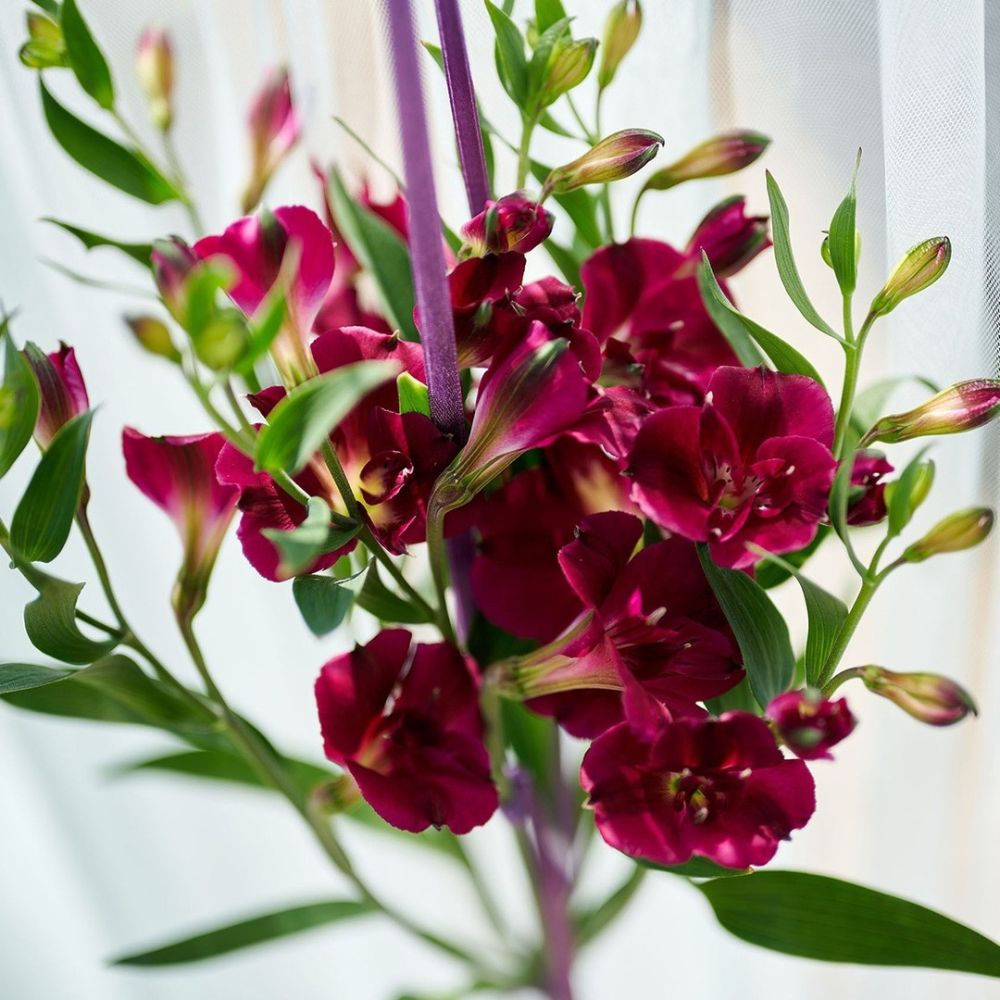
It is also pollen-free, meaning no mess or staining, and it is easily transported with open flowers, so the florist can use many more flowers in the bunch. Both types follow a similar breeding approach but draw on different genetic material, and each appeals to a different segment of the floral trade.
Crossing, Hybridization, and Embryo Rescue
With the objective set, the breeder first chooses parent material with complementary traits, then performs controlled crosses. In Alstroemeria, this often involves hybridization, cross-pollination, and, in some programs, embryo rescue or induced mutation to recover useful genetic combinations.
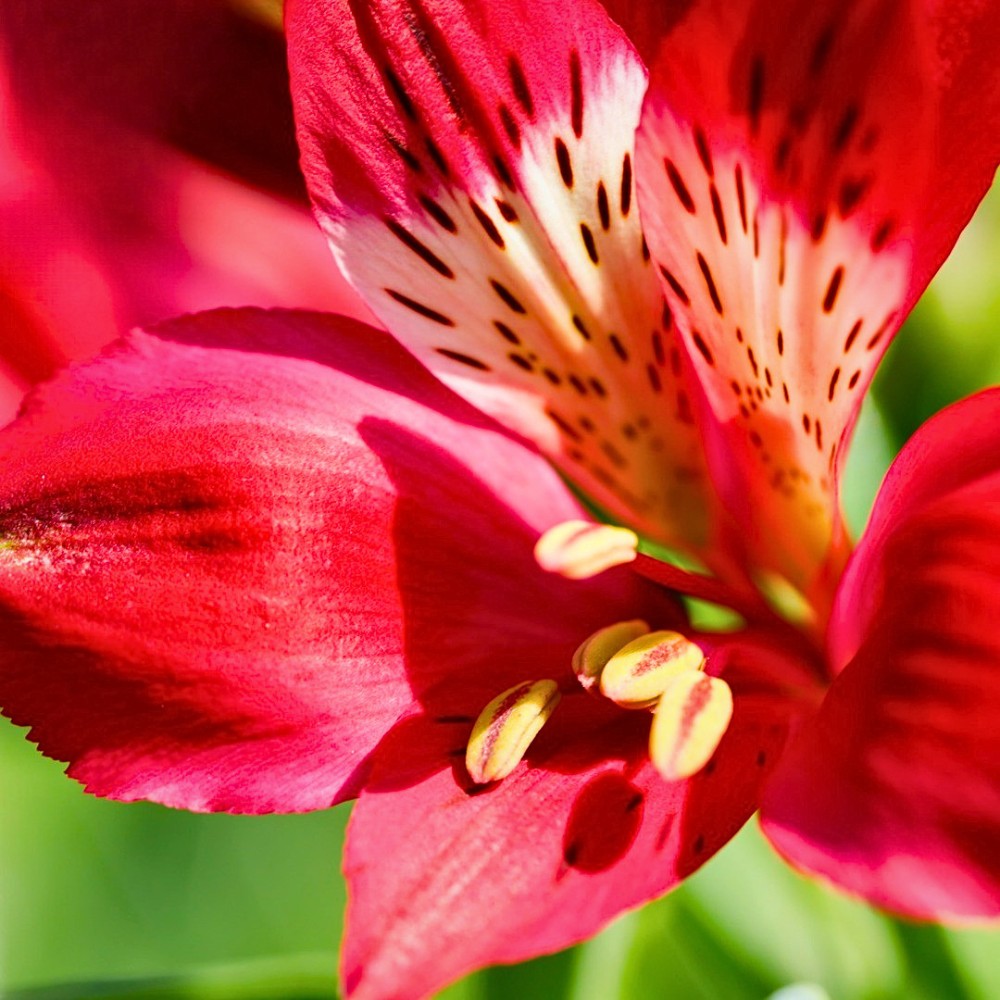
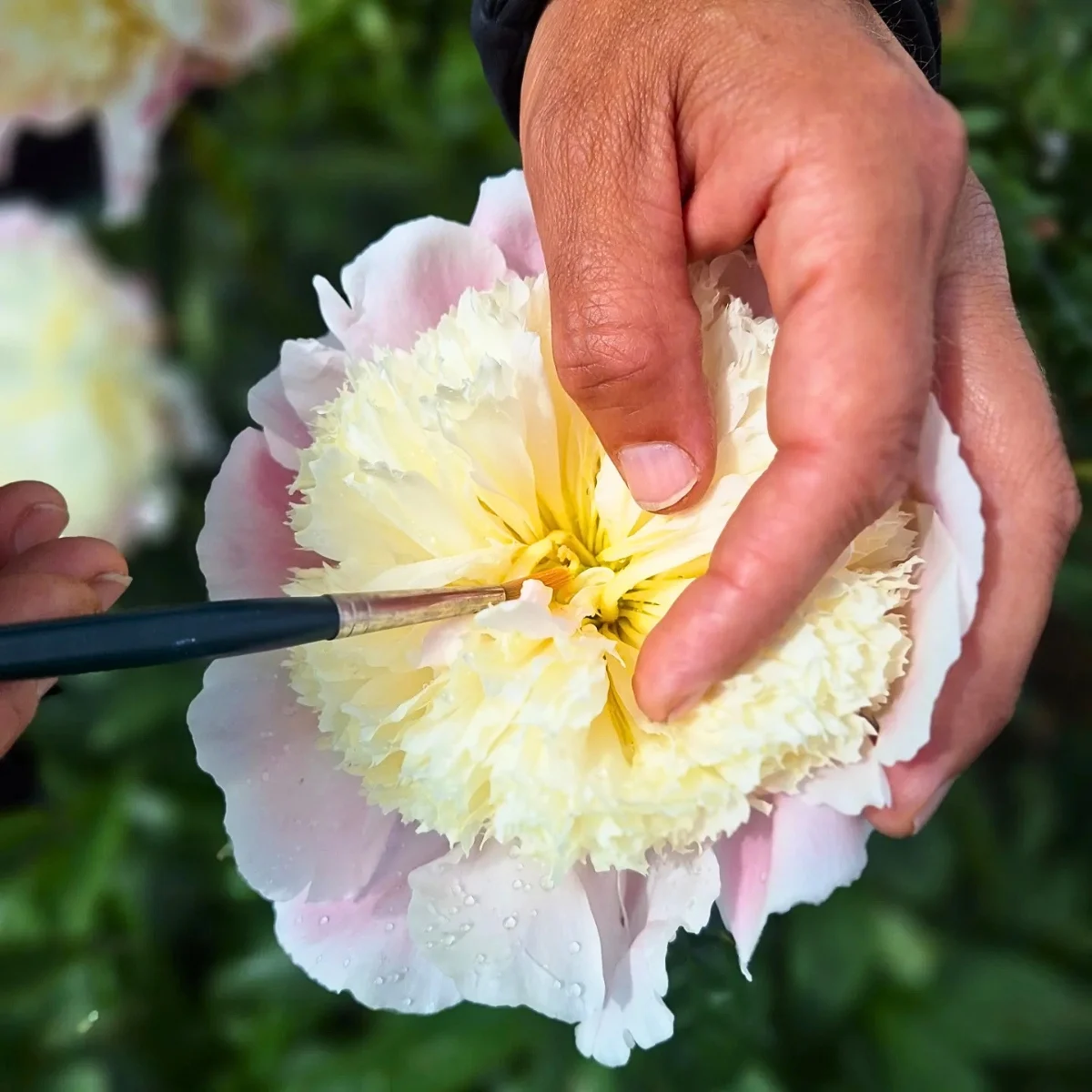
When performing controlled cross-pollination, breeders manually transfer pollen between the two selected parent plants. This is precise, hands-on work. Parent plants are chosen based on genetic profiles and performance records, and each cross is carefully documented so that results can be traced back to their origin if a candidate advances.
The complication is that alstros are notoriously difficult to cross between species. In many cases, the embryo aborts before a viable seedling can develop. Often, varieties from Chile and Brazil carry traits that breeders want to combine, such as cold hardiness from Alstroemeria aurea and fragrance from Alstroemeria caryophyllaea. But natural incompatibility between them makes direct crossing extremely challenging.
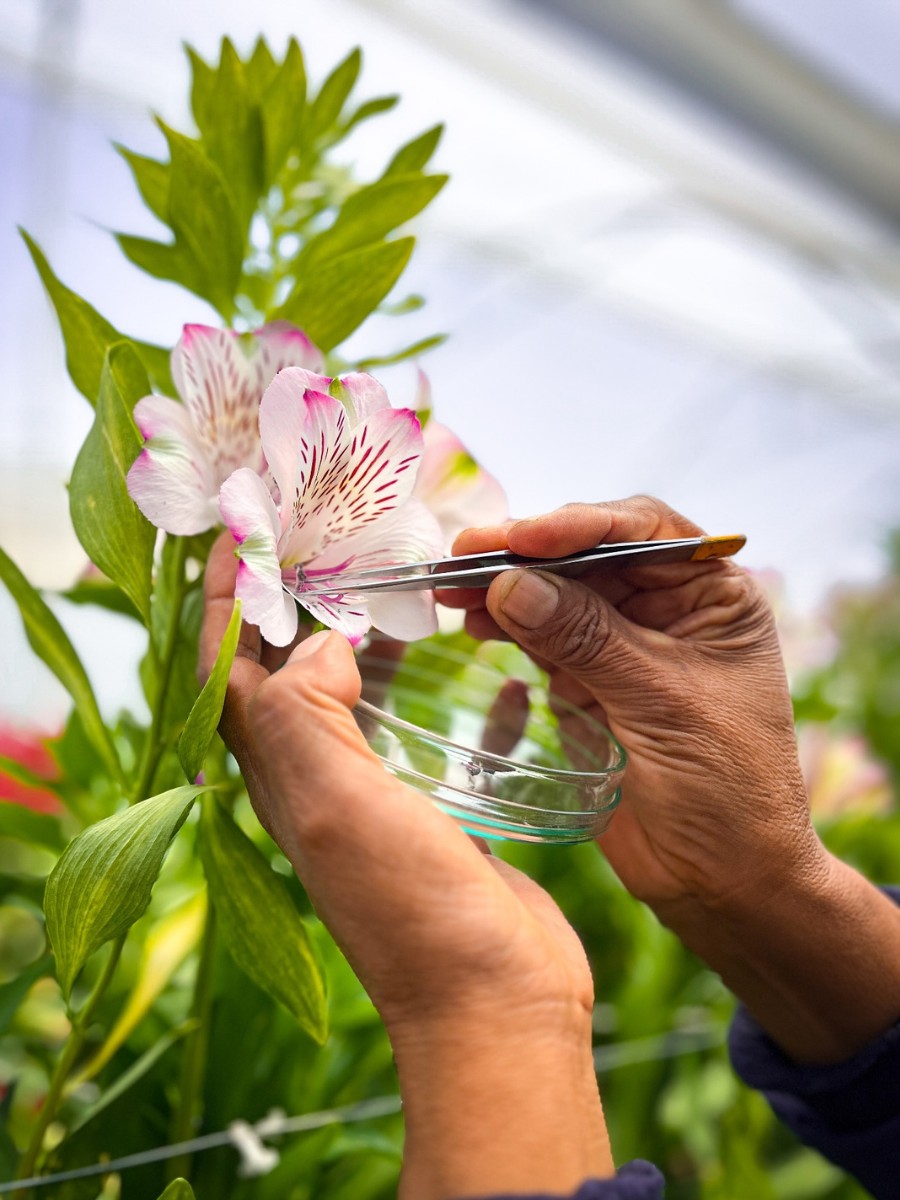
To overcome this, professional breeding programs use embryo rescue, a laboratory technique in which ovaries are collected as few as 10 days after pollination. The ovules are extracted and placed in sterile growing medium, where they germinate under controlled conditions. Micropropagation and somatic embryogenesis are also used to multiply promising material and produce uniform plants for large-scale evaluation.
Selection Is Where Most Seedlings Are Eliminated
A single cross can yield hundreds of seedlings. Across a full program, a breeder may be evaluating thousands of plants at once. Of those, approximately 95% are eventually rejected. At Royal Van Zanten, for instance, seedlings are planted to form a substantial rhizome and remain in the greenhouse for a full growing season before any decisions are made.
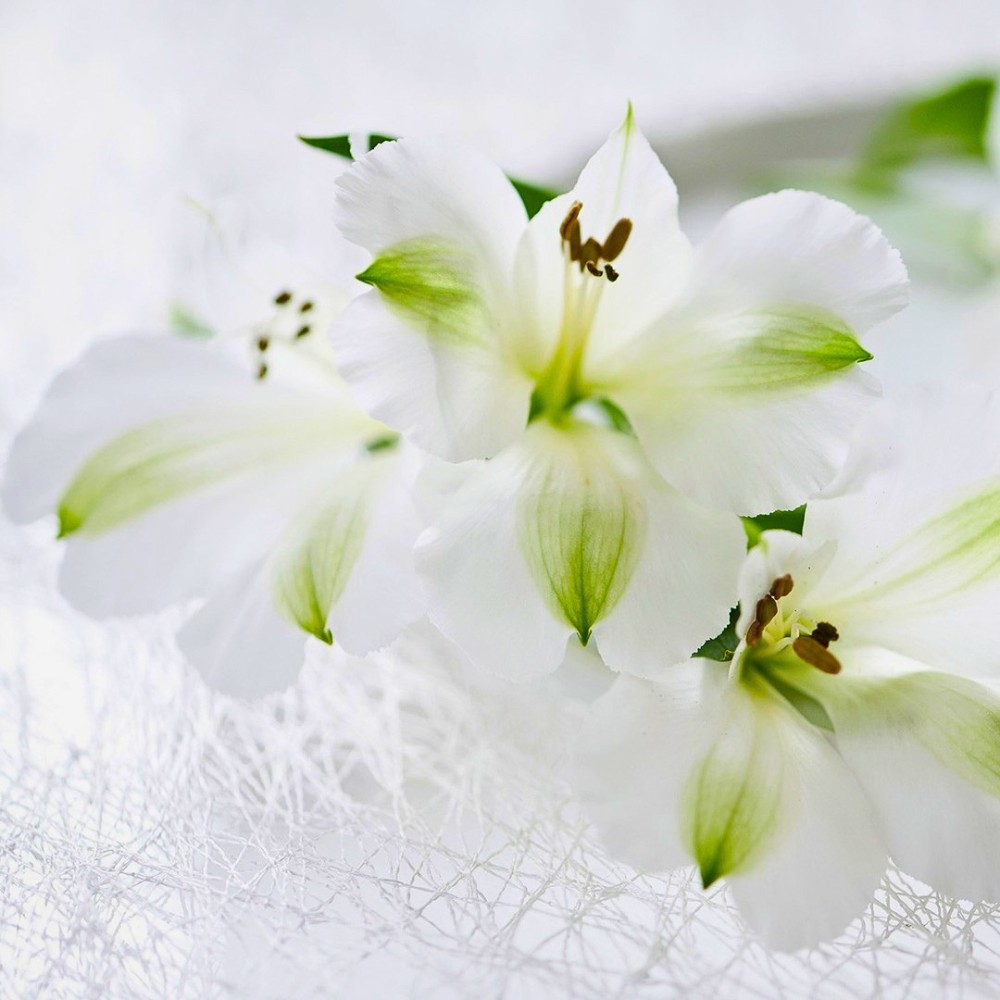
Traditionally, this meant caring for rejected plants until the end of the season, a costly use of space and labor. Royal Van Zanten addressed this by introducing mobile low roller tables combined with hybrid LED and SON-T lighting, allowing faster flowering, more efficient space use, and earlier identification of promising candidates.
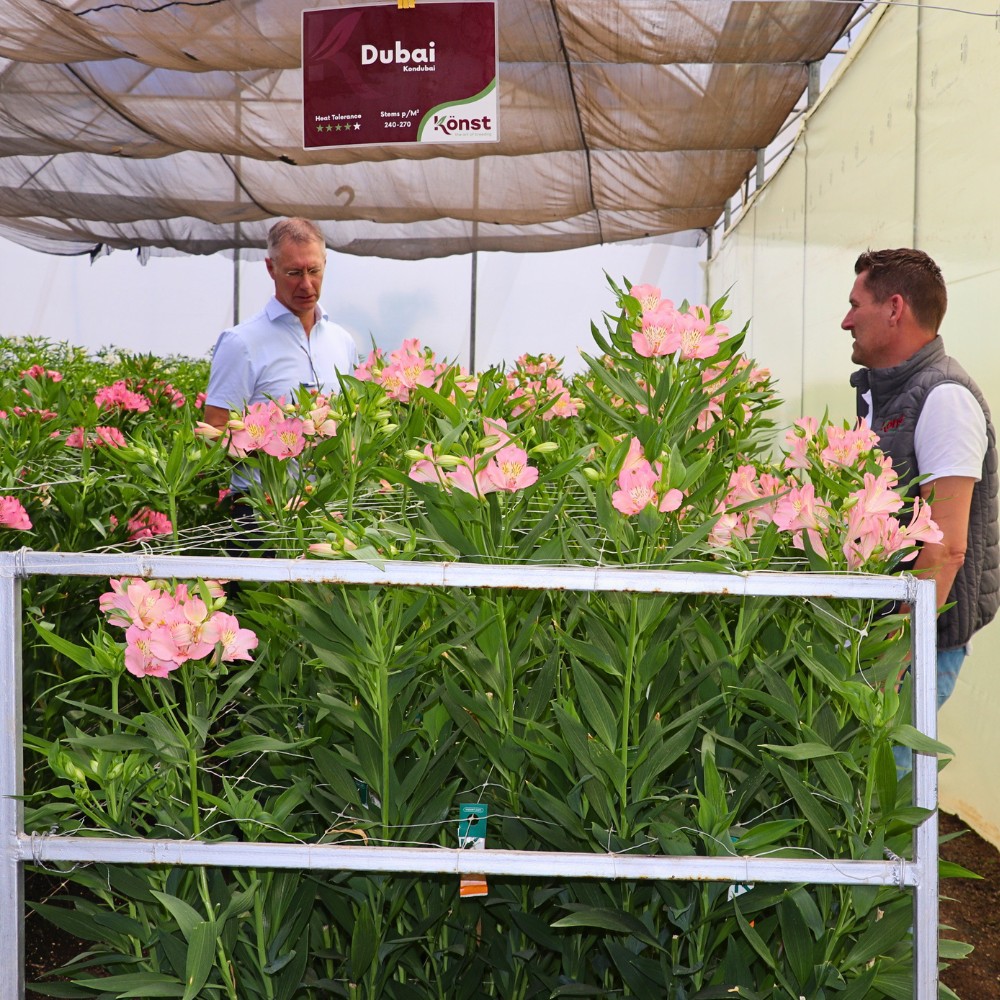
Könst, on the other hand, evaluates against a defined set of benchmarks. Color distinctiveness, stem quality, productivity, heat tolerance, and vase life are some of the desired traits. Varieties passing internal selection move into extended trials to confirm that their performance is repeatable across different conditions.
Trials, Registration, and the Long Road to Market
A variety clearing initial selection enters a multi-year trial phase, grown at different locations to verify performance outside the controlled breeding environment. Grower partners supply real-world cultivation data that laboratory conditions cannot reproduce. These trials assess stability and consistency across different climates, soil types, and greenhouse management systems.
A variety that performs well in a Dutch greenhouse also needs to do well in a farm in Kenya or Colombian growing environments. This is where internationally operating growers are valued partners, providing feedback that shapes which candidates move forward.
Only varieties that perform reliably across these trials are registered and protected under plant breeders' rights legislation, which grants exclusive commercial rights over propagation material. This protection is financially essential, allowing the breeder to recoup the investment of an eight to 10-year development cycle.
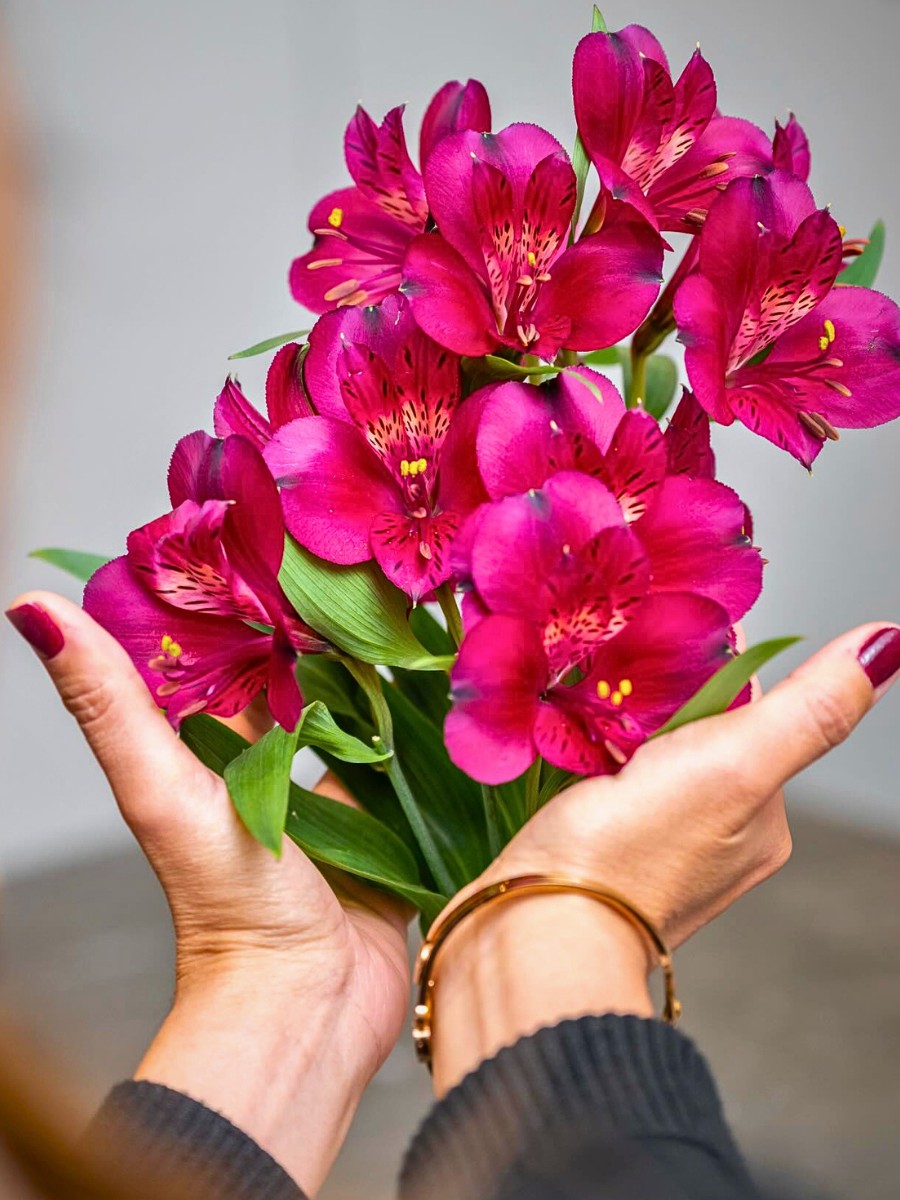
From the first cross to a variety reaching a florist, this decade-long timeline is why programs at breeders like Könst and Royal Van Zanten are purposely long-range in their planning. For most, the guiding principle is to look 10 years ahead when working with Alstroemeria.
Propagation and Plant Supply
When a variety is commercially released, the breeder supplies propagation material to licensed growers, typically as rhizomes or in vitro-produced plantlets. The breeder ensures all materials are virus-free. Alstroemeria is susceptible to viruses that reduce stem quality and crop productivity over time. A virus introduced early in a crop cycle could compromise years of production before it is even detected.
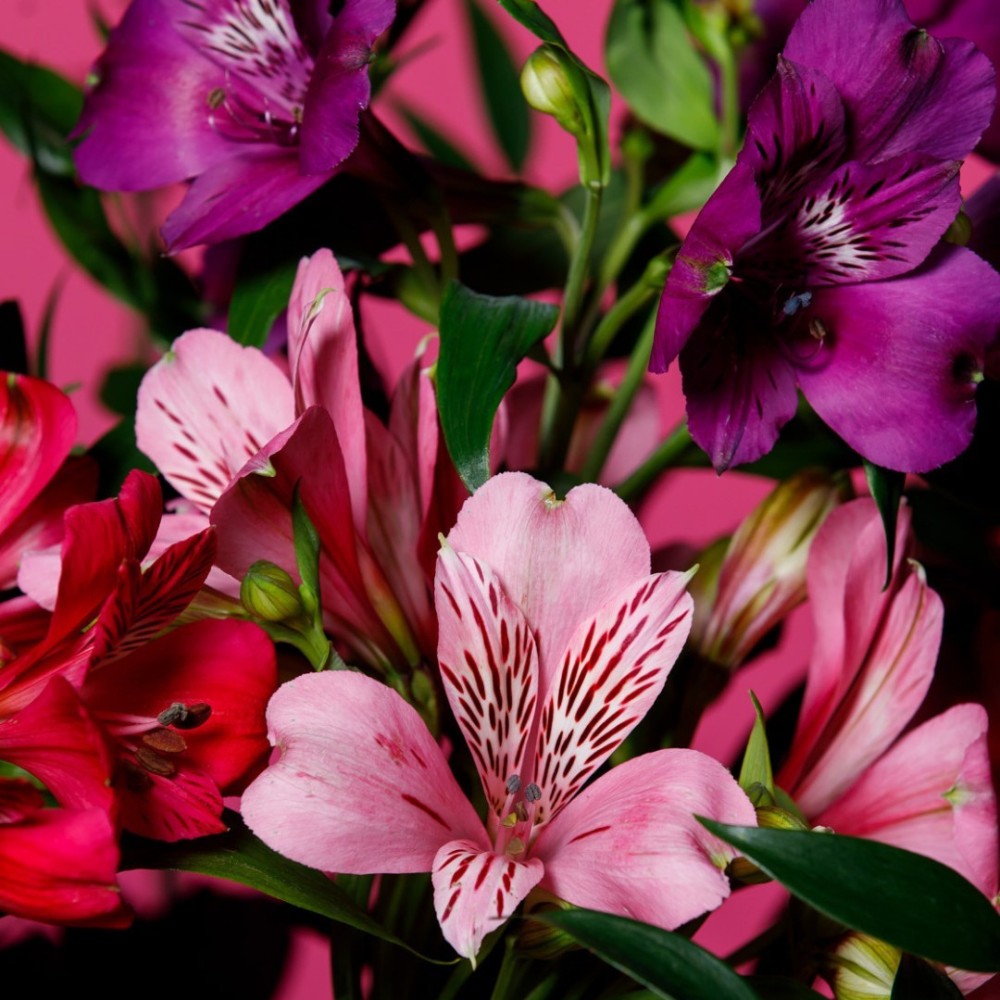
Breeder Könst is quite categorical about this standard. Every variety it produces originates in laboratory plants, enabling growers to begin production free from disease pressure. Clean planting material is not just a quality measure, but also an initial part of the breeder's service to the grower.
Commercial Production and Harvest
With certified planting material in hand, growers establish the crop. Alstroemeria is a perennial that produces cut flowers for several years from a single planting, and the global network of producers ranges from specialist Dutch nurseries to large-scale farms in other regions such as South America and East Africa.
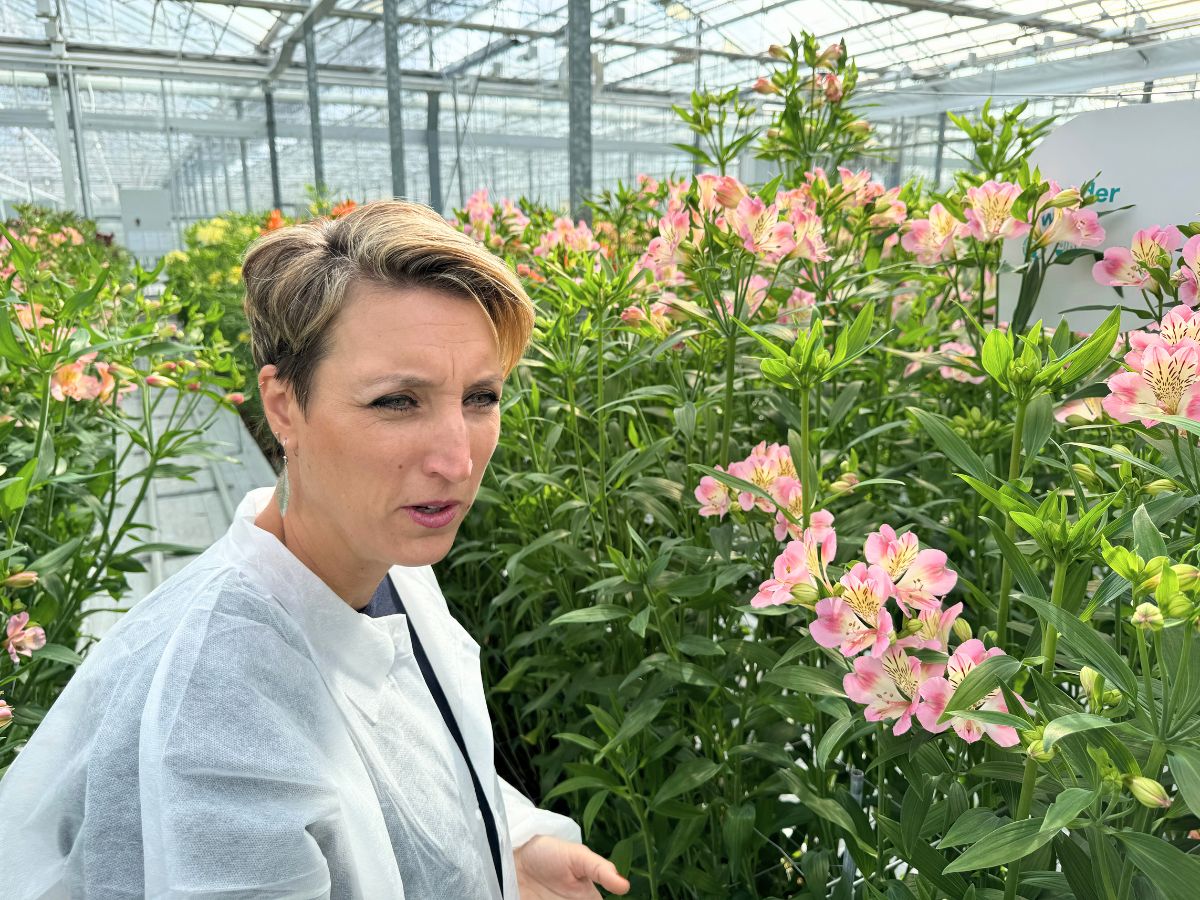
In the Netherlands, Miss Alstroemeria (formerly Tesselaar Alstroemeria) is well-known for varieties like Alstroemeria Noize, Alstroemeria Morado, and Alstroemeria Bubblicious, which are typically replaced every few years to maintain the quality the market demands. Hoogenboom Alstroemeria grows both standard Alstroemeria and Florinca to a reliable top quality.
Decorum grower Together2Grow operates as a year-round producer covering a wide assortment of Alstroemeria and Florinca cultivars, while Kwekerij De Hazekamp grows the flowers on coconut substrate across 13,200 m² and supplies to auctions in the Netherlands and Germany.
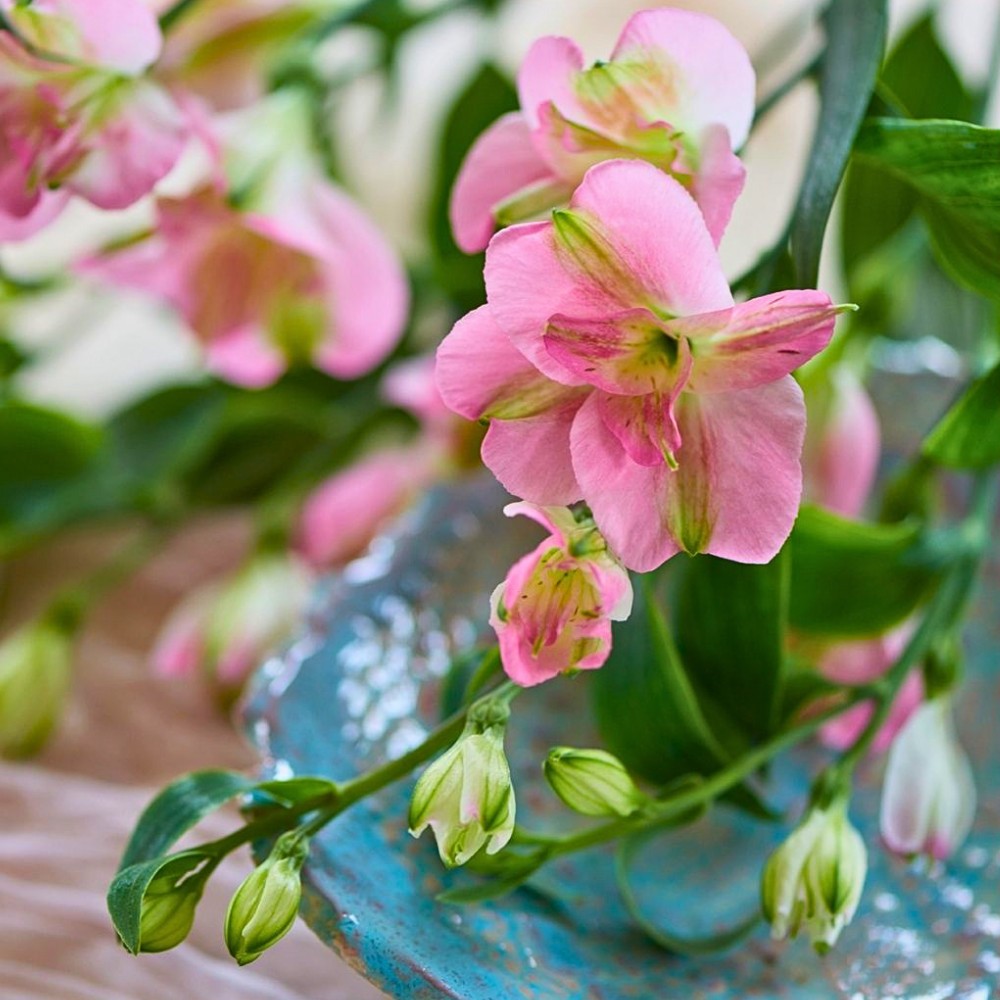
Kenya is also a significant production hub. Batian Flowers is one of the region's longest-established farms, with years of cut flower production and a strong reputation for responsible growing practices. Mount Kenya Alstroemeria, founded in 2013 after successful trials at Tambuzi's farm in Burguret, Mount Kenya region, is also a grower supplying European markets, with the altitude and climate of the Kenyan Highlands providing suitable production conditions.
Colombian Alstroemeria farms, primarily located in the fertile Bogotá savanna, produce high-quality, long-stemmed flowers renowned for their vase life. Key producers include Monika Farms (Madrid, Cundinamarca), Flores El Moral, Bicco Farms, Flores de los Andes, and others.
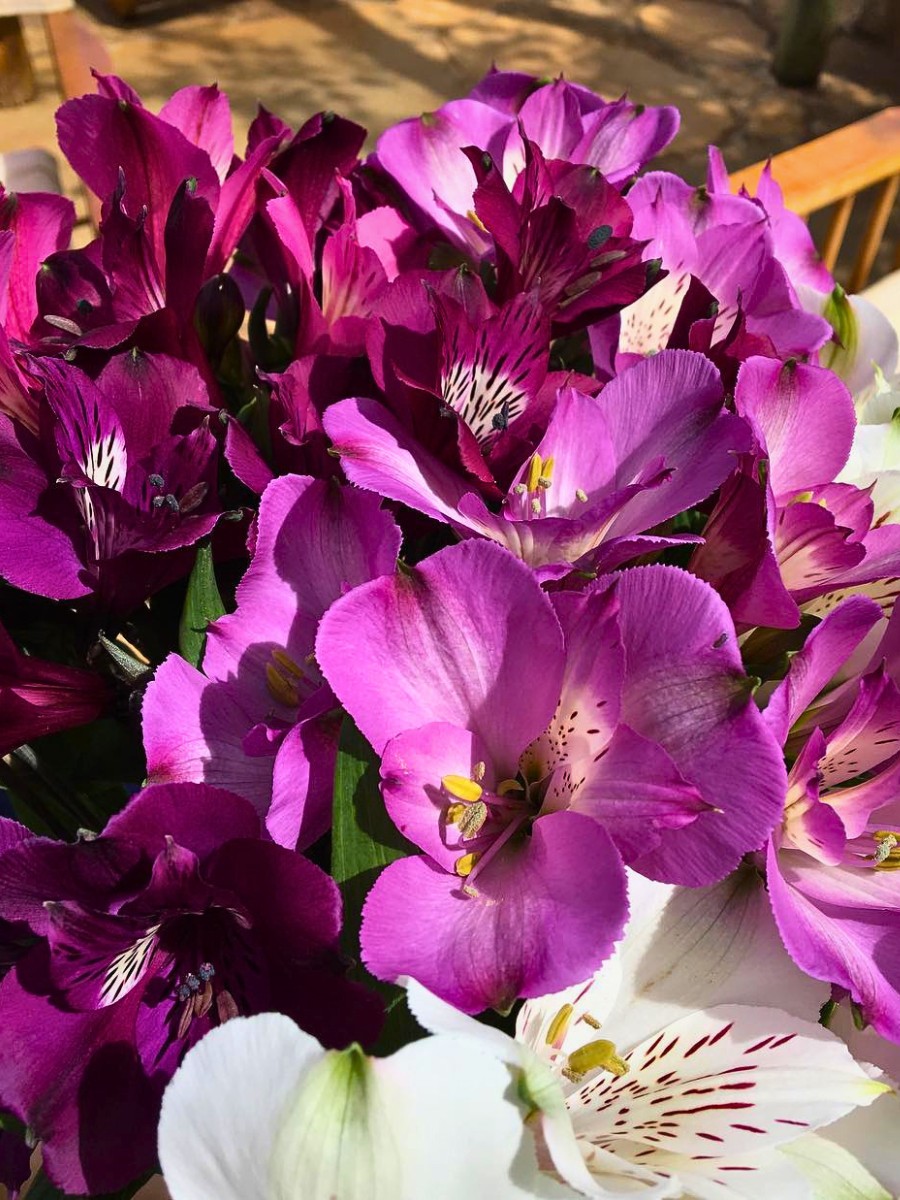
Even so, the timing of the flower’s harvest is a subject of constant debate in the trade. Cutting at a tightly closed ‘raw’ stage allows more stems per box and easier transport, but for Alstroemeria, cutting slightly riper usually delivers better results. For Tesselaar, nonetheless, riper stems carry more nutrition, show more intense color, and provide a longer vase life for the end buyer.
Post-Harvest Handling and the Chain to the Consumer
After harvest, the flowers are conditioned and protected against ethylene, the naturally occurring gas that causes premature bud drop and leaf yellowing in Alstroemeria. Poor ventilation in storage and packing environments allows ethylene to accumulate, shortening commercial life. Post-harvest solutions inhibit this ethylene activity and extend freshness through storage and transit.
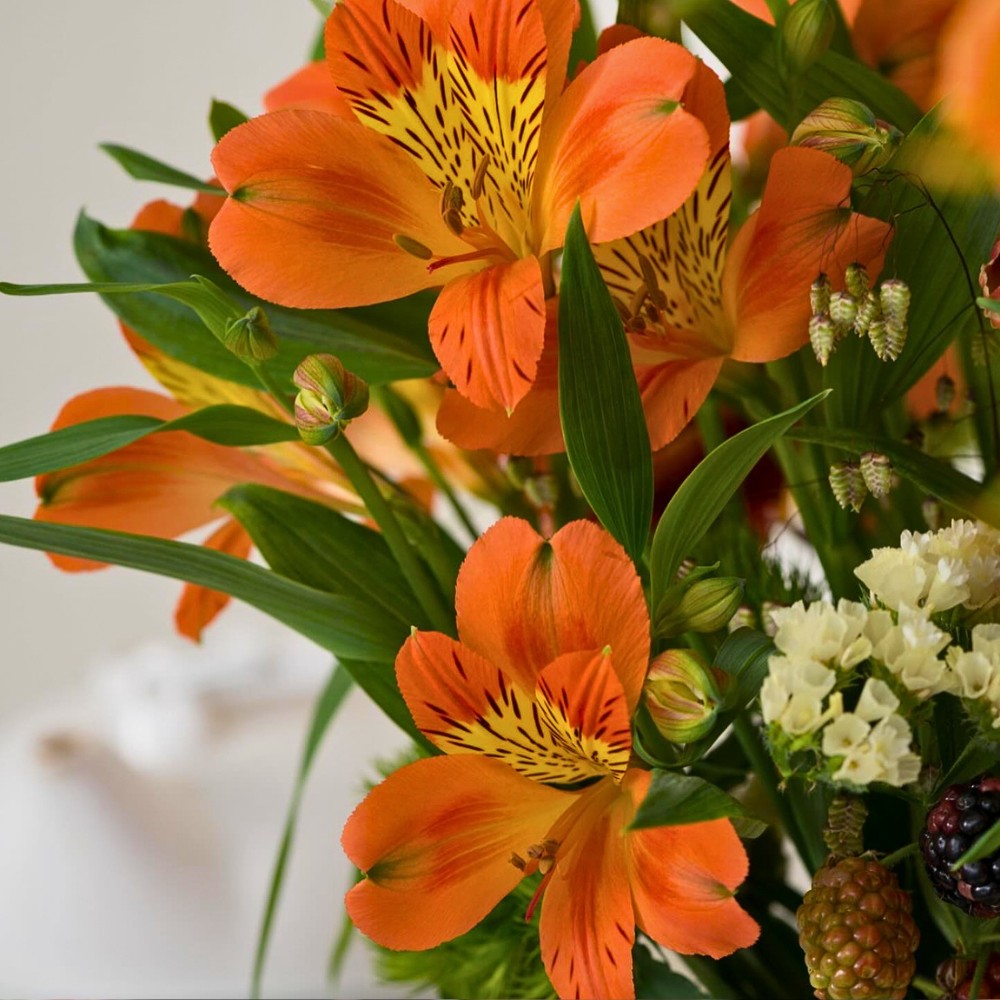
From the grower, the flowers move through the auction system or direct trade channels to importers and wholesalers, and from there to florists and retail buyers. The full chain depends on cold-temperature management from the packing house, truck, wholesale cooler, and shop floor, all of which affect how much of a variety's vase-life potential reaches the end buyer.
Under good conditions, an Alstroemeria lasts 10 to 14 days in the vase, and the durability, combined with a wide color range and accessible price point, makes it a sustainable choice for both everyday floristry and high-design work.
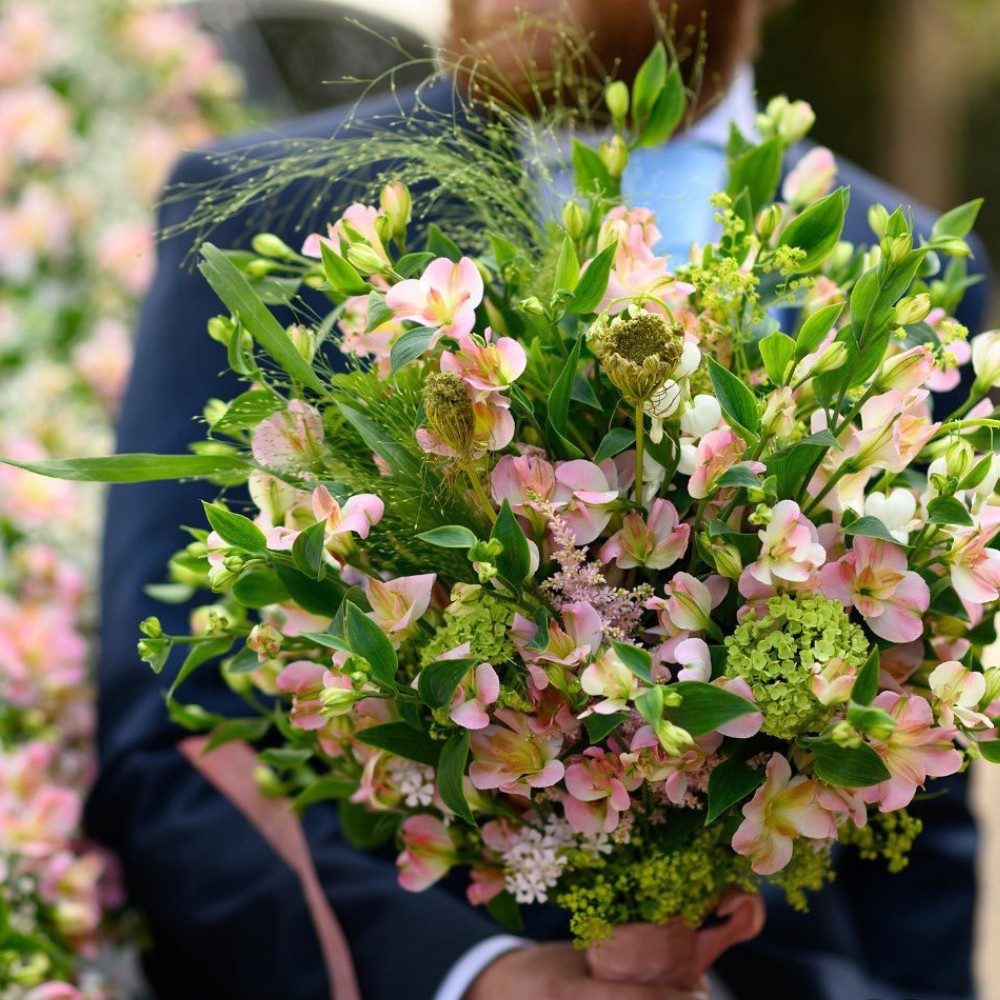
Hence, all that is worth knowing is that by the time a consumer picks up an Alstroemeria flower, at least a decade or more of breeding work has gone into it. That flower was selected from thousands of candidates, trialed across climates, propagated to strict phytosanitary standards, and carefully and attentively grown.
Featured image: @theeliteflower_.