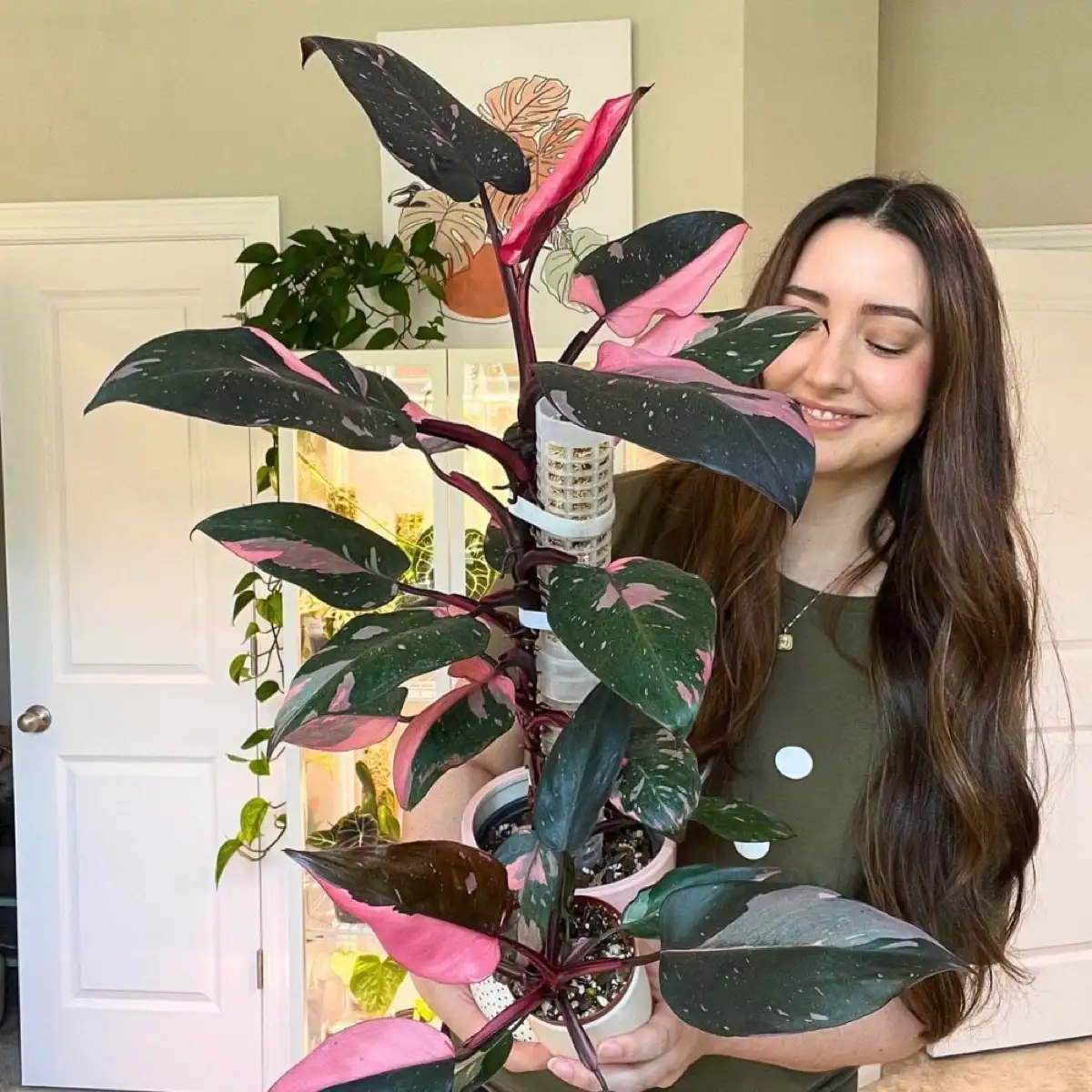
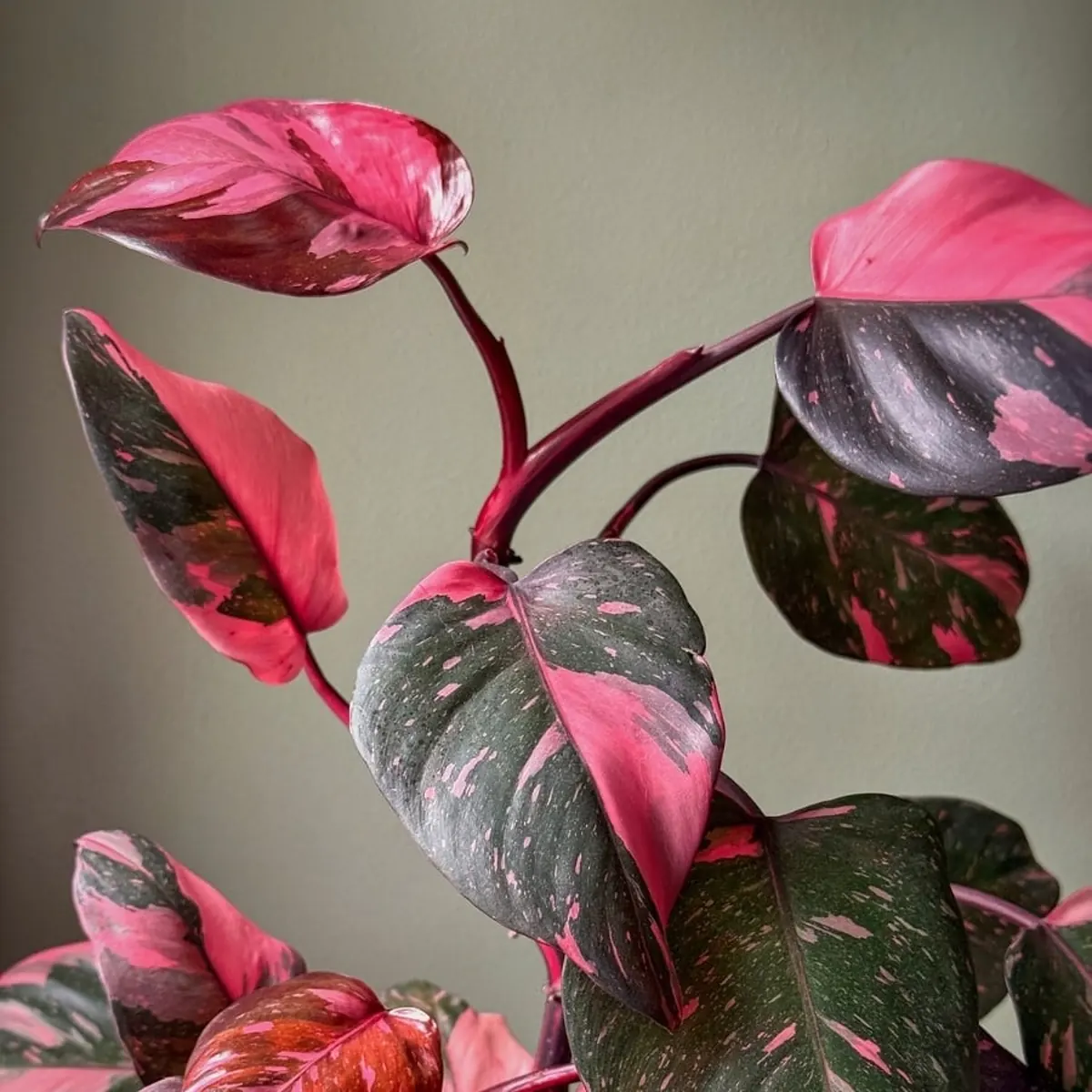
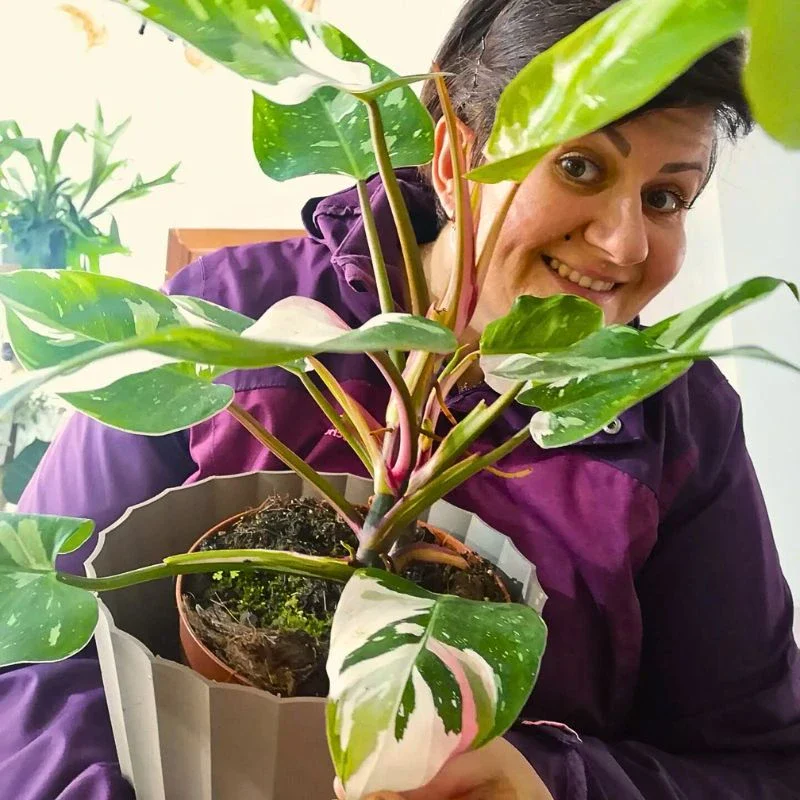
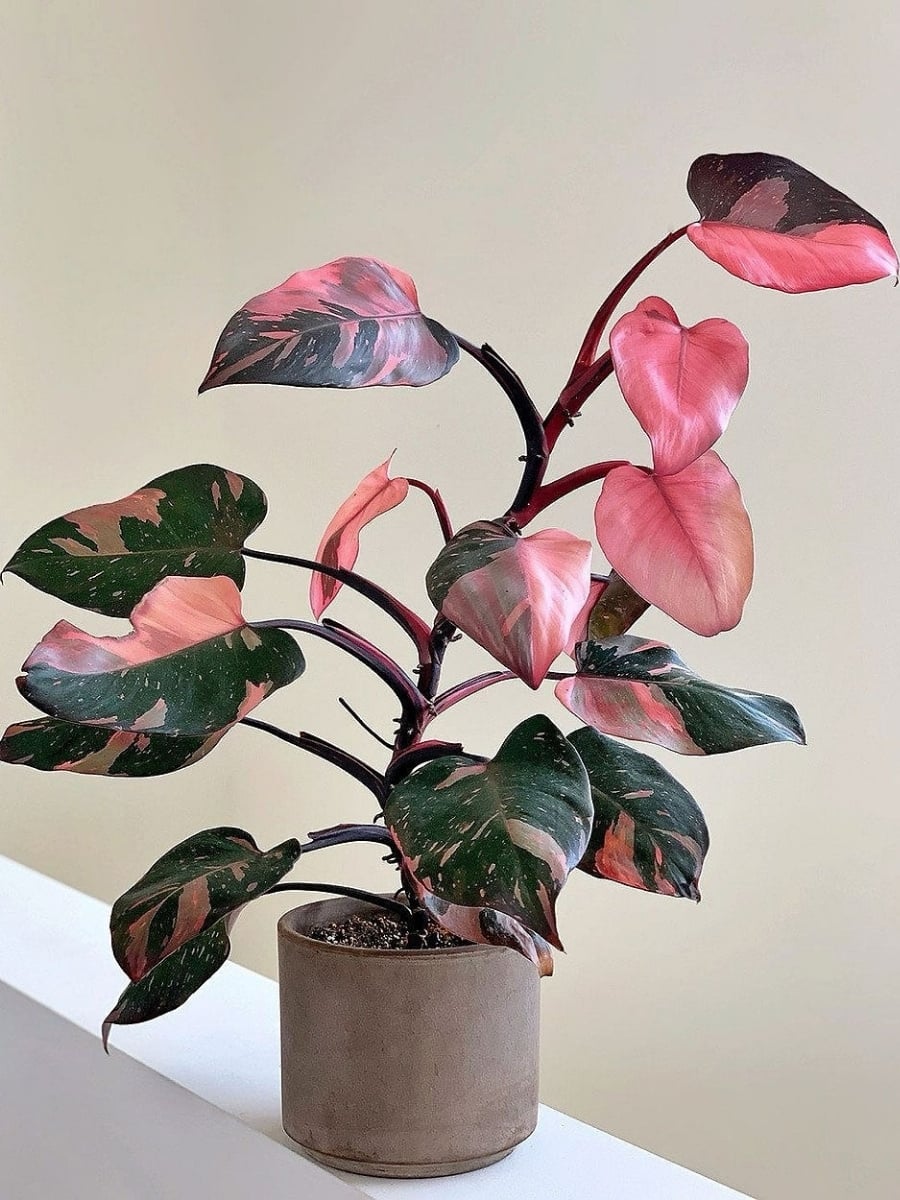
While some houseplants may almost seem shy and ask nicely for a place on your windowsill or shelf, the Philodendron Pink Princess (sometimes called the 'PPP' plant) is the kind that just takes over the place, almost unapologetically. This rare houseplant’s deep green, heart-shaped leaves streaked with bold bubblegum pink have made her one of the most beloved and, perhaps, most wanted plants among collectors today.
Yet this pink beauty is not just a pretty face. The rare variegation on the leaves is unpredictable, the price tag can be steep, and keeping the pink color alive takes real know-how, which is exactly what makes the plant rare, pricey, and irresistibly beautiful. So before you fall for the Philodendron Pink Princess, here is everything you need to know about this plant’s origin, color, cost, and how to keep it thriving.
Origin of the Philodendron Pink Princess (And Philodendron Erubescens)
While Philodendron erubescens is native to Central and South America, the true origin of the Philodendron erubescens 'Pink Princess' variety remains something of a mystery. Many horticulturists believe it originated from the extensive breeding program of Robert H. McColley at Bamboo Nursery in Apopka, Florida, during the 1960s and 1970s.
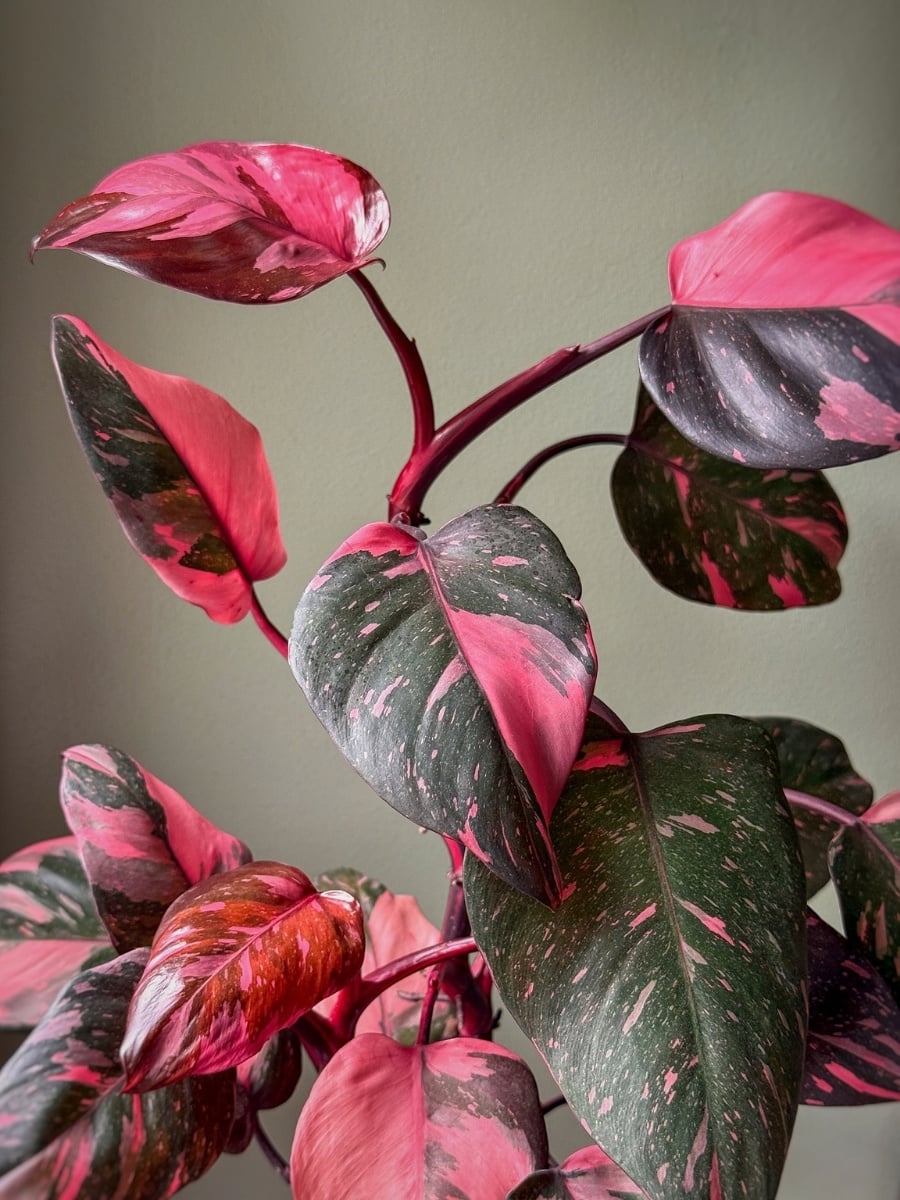
Another leading theory suggests it was a spontaneous chimeric or genetic mutation of Philodendron erubescens (which is native to Colombia and other parts of Central and South America) that growers noticed, propagated, and gradually turned into the cultivar we know today. It is such a curious houseplant, right? Whichever the case, it is admittedly quite a beauty!
Philodendron Pink Princess Is a Beautiful and Eccentric Houseplant
Philodendron Pink Princess is considered a unique and rare variegated houseplant that thrives in a well-cared-for indoor environment. It is regarded as a standout indoor plant because of its heavy pink patches and rare variegated leaves, which are the main attraction and the reason it catches every eye wherever it is.
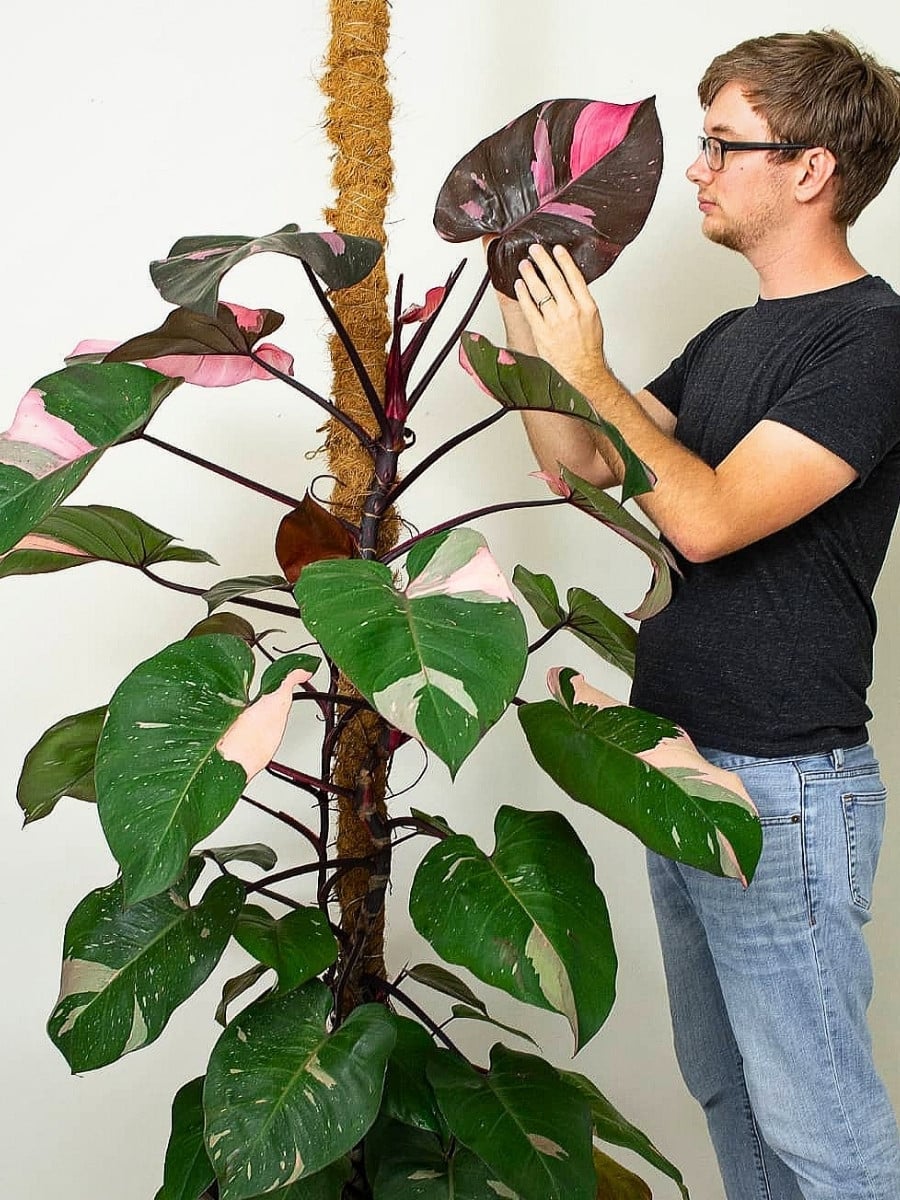
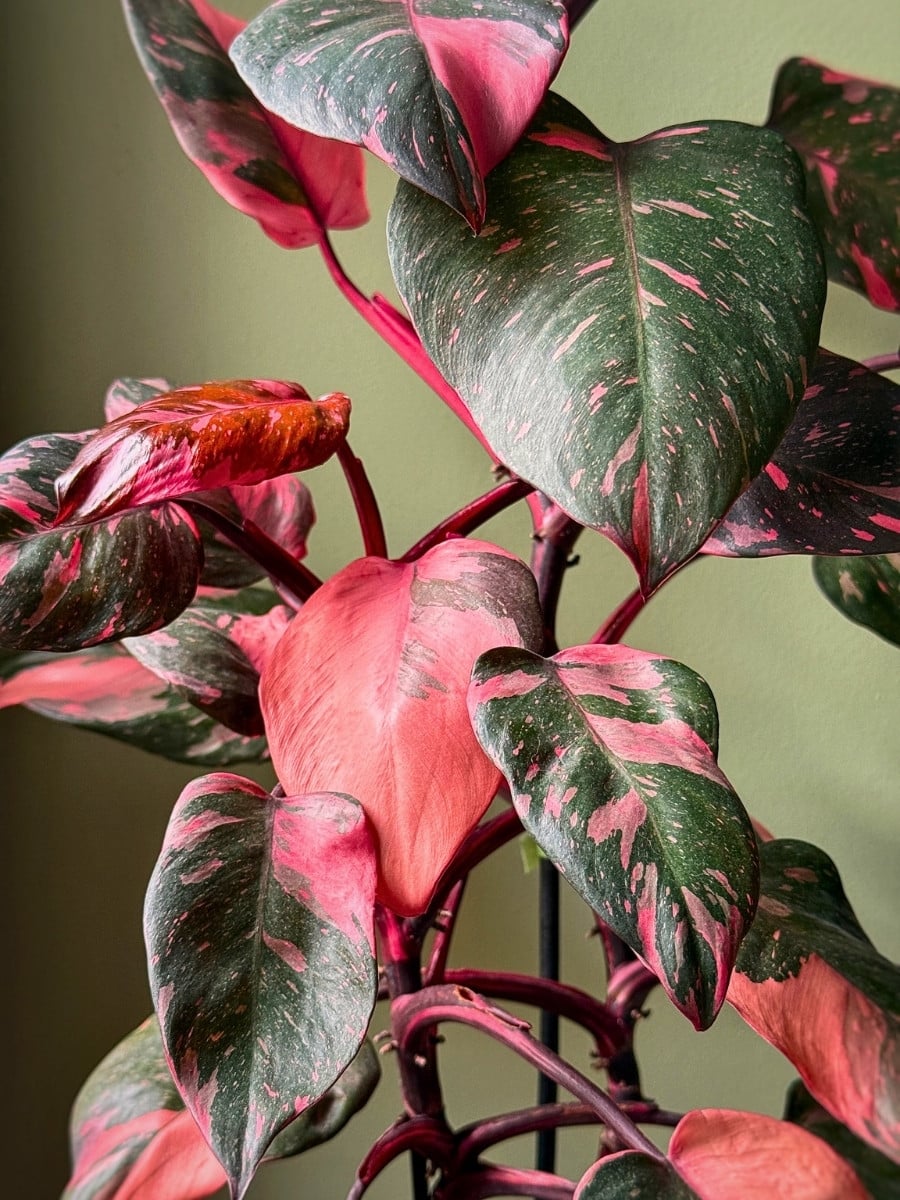
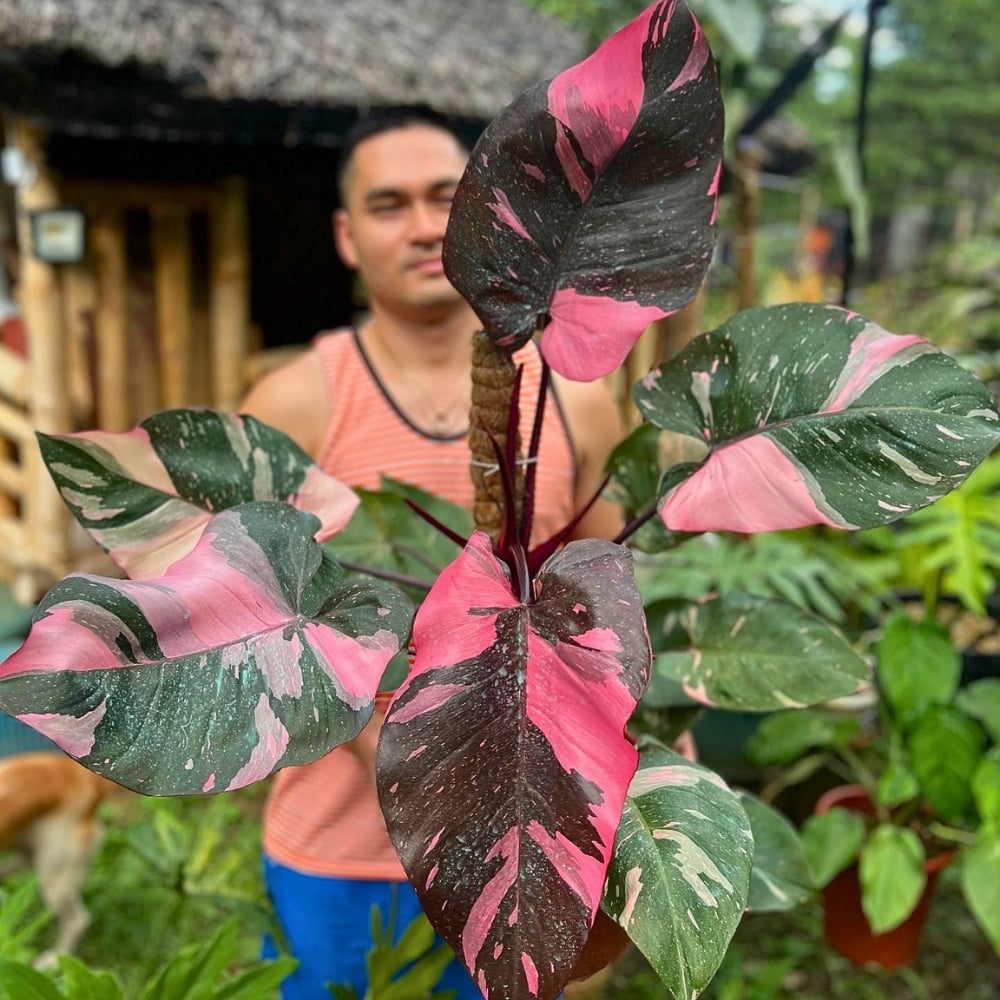
Characterized by deep green, heart-shaped leaves with bubblegum pink variegation, the Philodendron Pink Princess is truly one of a kind in the plant world. It can be easily confused with the Philodendron Pink Congo, but there is a key difference: the variegation on the Pink Princess is stable and occurs through natural processes, while the Pink Congo gets its color from chemicals injected into the leaves.
This look (of the Philodendron Pink Congo) usually fades back to plain green within some months of purchase. In short, if the pink seems too uniform and too perfect, it may not be a true Philodendron Pink Princess. Real Pink Princess Philodendron’s variegation is patchy, organic, and never quite the same from leaf to leaf.
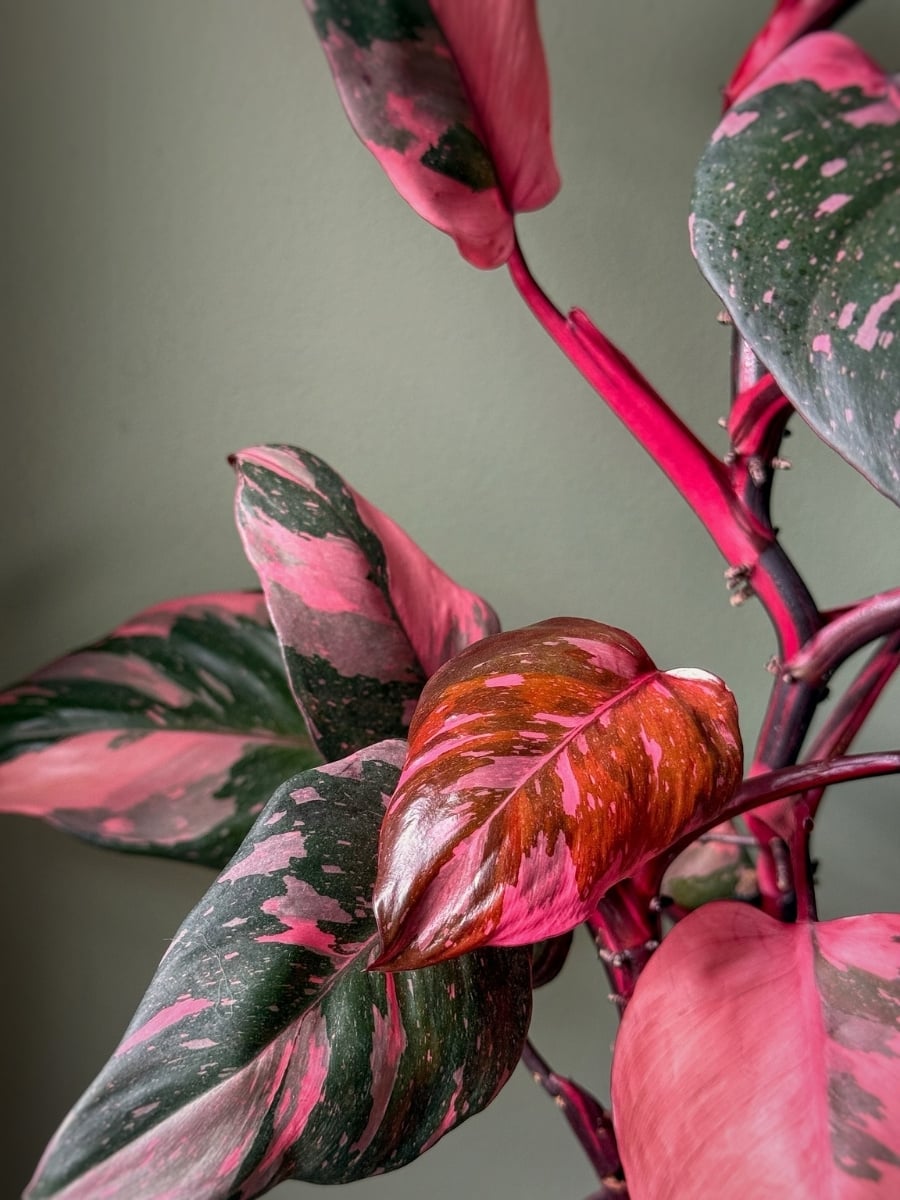
Pink Princess Philodendron Is the Queen of Pink Houseplants
But that aside, the Philodendron Pink Princess is slowly but surely conquering the hearts of plant lovers everywhere. It is climbing fast to become one of the favorite houseplants globally thanks to its striking mix of green and pink and the subtle, ever-changing variegation it carries on every leaf. Nowadays, plants have not only become a decorative choice but a real wellness habit for many households.
Research shows that houseplants can lift our mood and support our mental wellbeing simply by being present in a room. It is no surprise that this rare species has also caught the attention of plant fanatics everywhere. And if you're into pink plants, you can also read the article Pretty in Pink - 15 Pink Houseplants That Add a Pop of Color to grow your pink plant collection even further.
What Causes the Pink Leaf Color in This Philodendron?
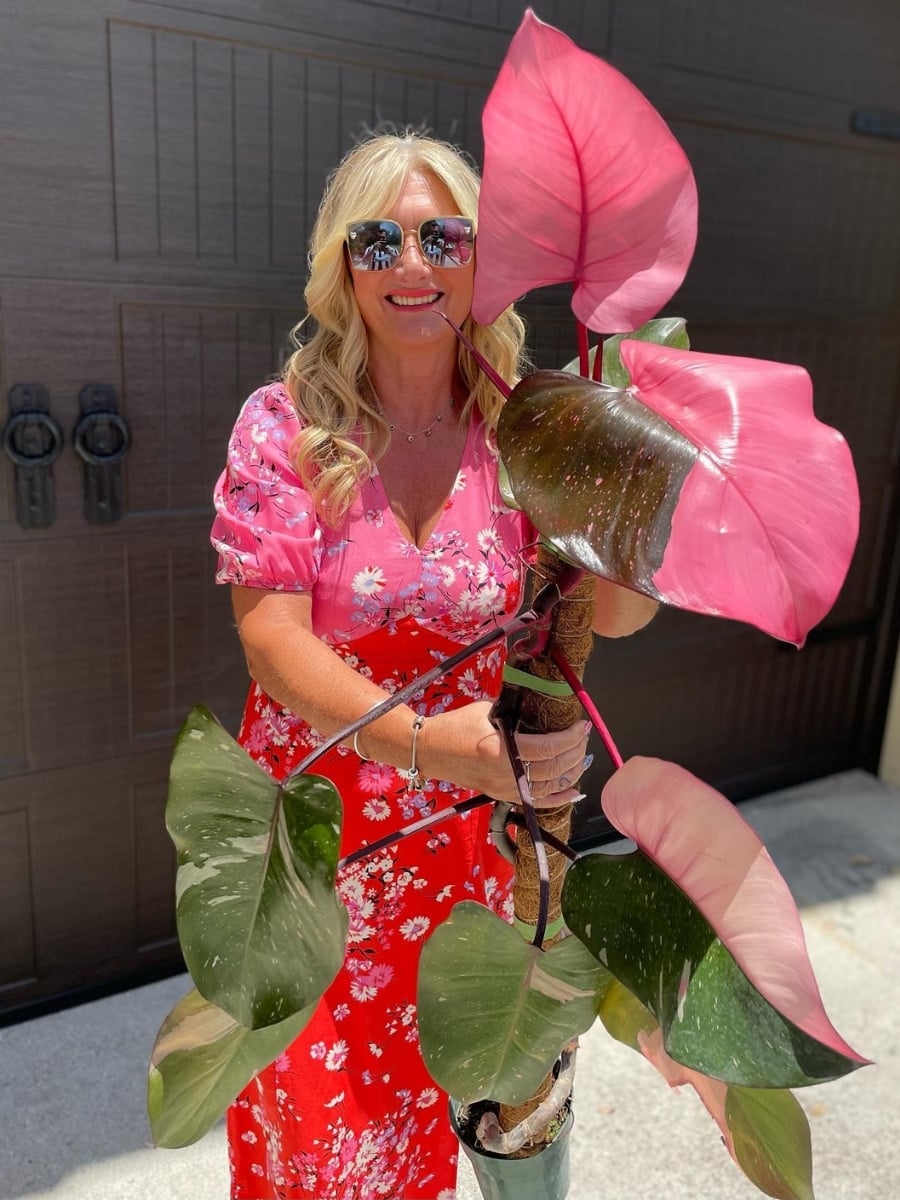
With its seductive heart-shaped leaves and vivid pink streaks caused by a lack of chlorophyll, it is not hard to understand why Pink Princess is considered such an unusual variegated houseplant, one that many want as part of their home indoor jungle. Given that these plants are hybrids first observed in the 1970s, the pink crescent-shaped marks are the result of a genetic mutation known as chimeric variegation.
In simple terms, the plant's cells carry two different genetic instructions: some cells produce chlorophyll and stay green, while others cannot, leaving those sections pink or cream. Because this pattern is genetic and not environmental, no two Pink Princess Philodendron plants ever look exactly alike, and the same plant can change its pattern slightly as it grows and produces new leaves.
Why Is This Plant So Expensive?
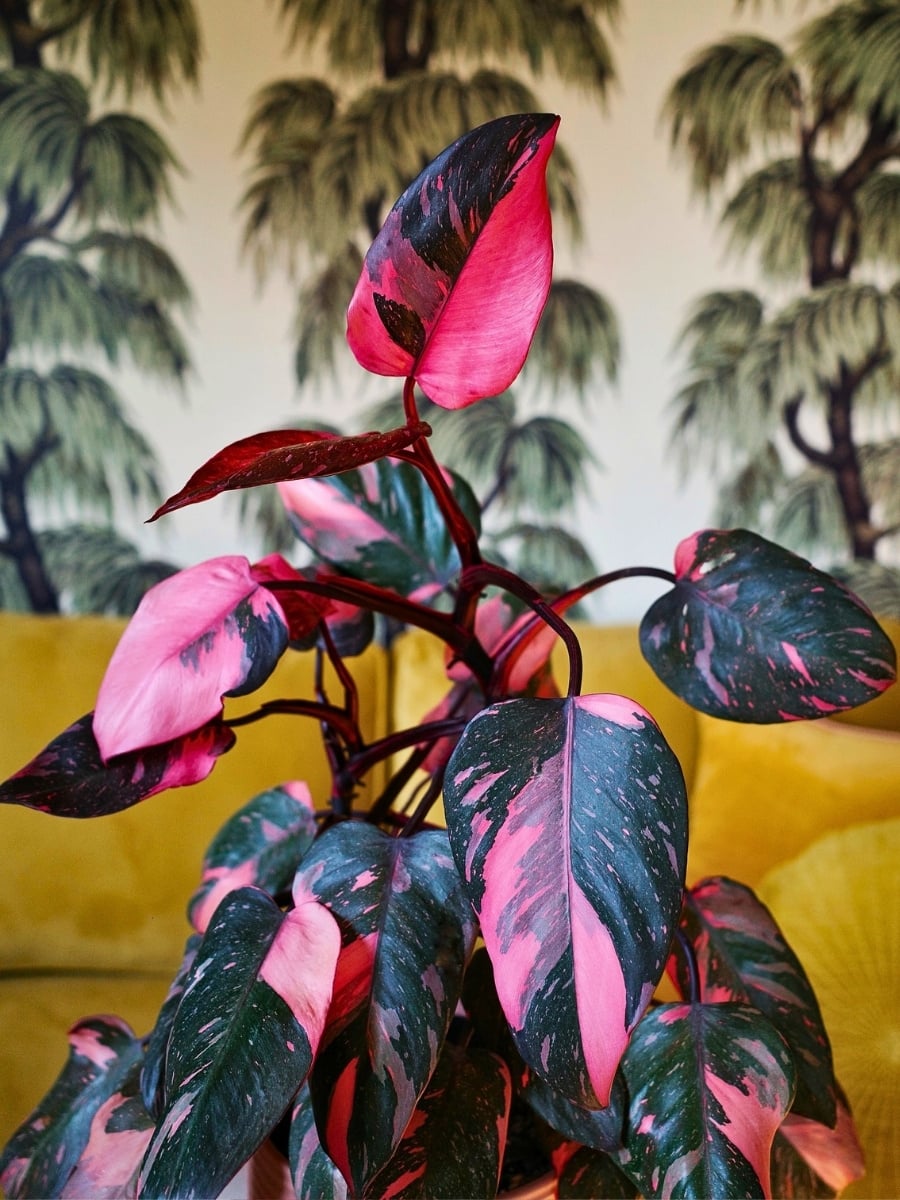
This houseplant has become expensive because it is highly sought-after and beautiful. It is also difficult for growers to reliably produce a plant with balanced pink and green variegation, which makes a well-marked specimen scarce and, in many cases, a happy accident rather than something guaranteed. The plant's popularity paired with its low, unpredictable supply is what keeps the price high around the world.
To this day, Philodendron Pink Princess can cost between 45 and 125 US dollars for a cutting without a pot. Larger, established plants sold with matching pots tend to be the most expensive, while reverted plants, meaning those with little or no pink left, are priced far lower since they have lost the trait people are paying for in the first place. To see where it sits next to the record breakers, check our guide to the most expensive houseplants of 2026.
How to Propagate Pink Princess Philodendron
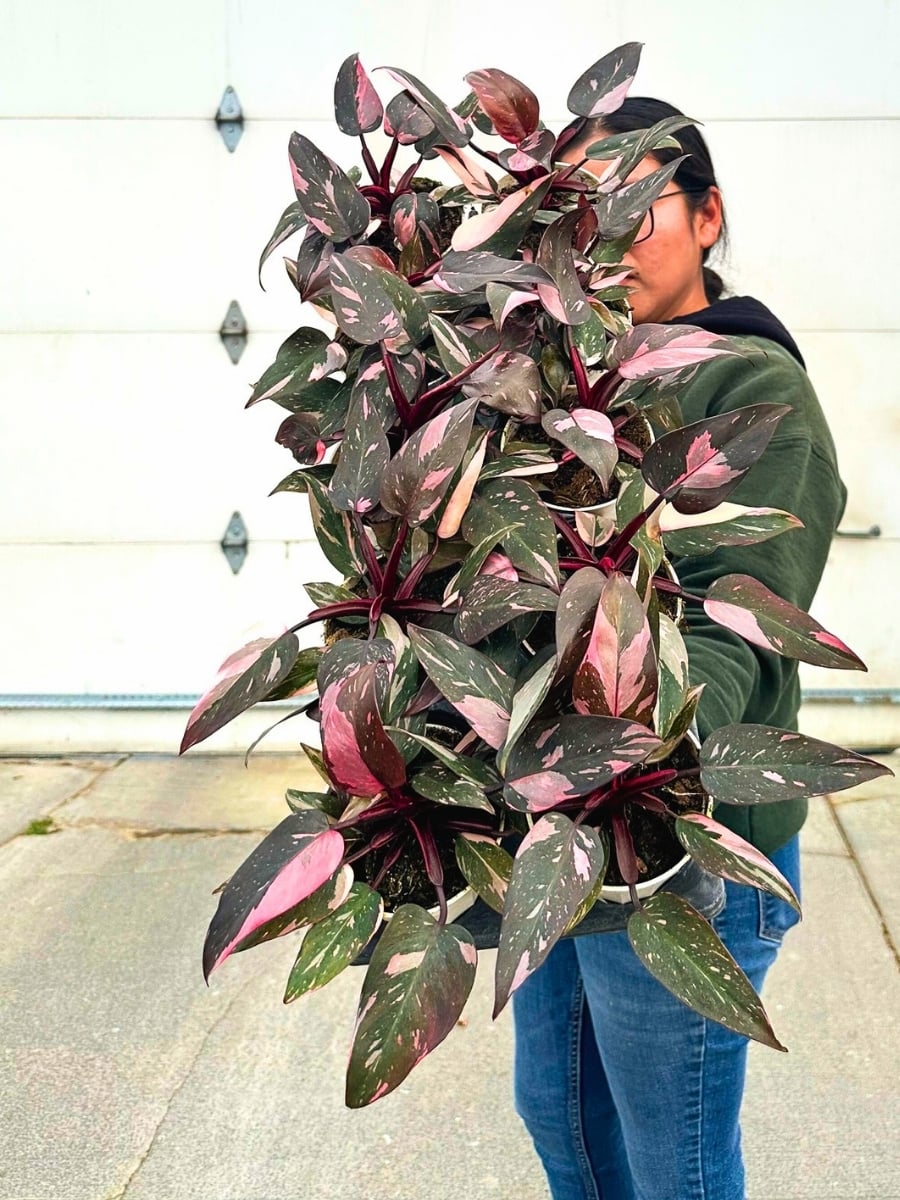
Propagating this plant is a great way to multiply your collection or share a cutting with a fellow plant lover. Choose a healthy stem with at least one node and one or two leaves attached, and make sure the section you select still shows good pink variegation, since new growth will follow the genetics of that particular cutting.
Snip just below the node with clean, sharp shears, then place the cutting in water or moist sphagnum moss in a warm spot with bright, indirect light. Roots typically appear within three to six weeks, after which the cutting can be moved into a well-draining potting mix suited for aroids.
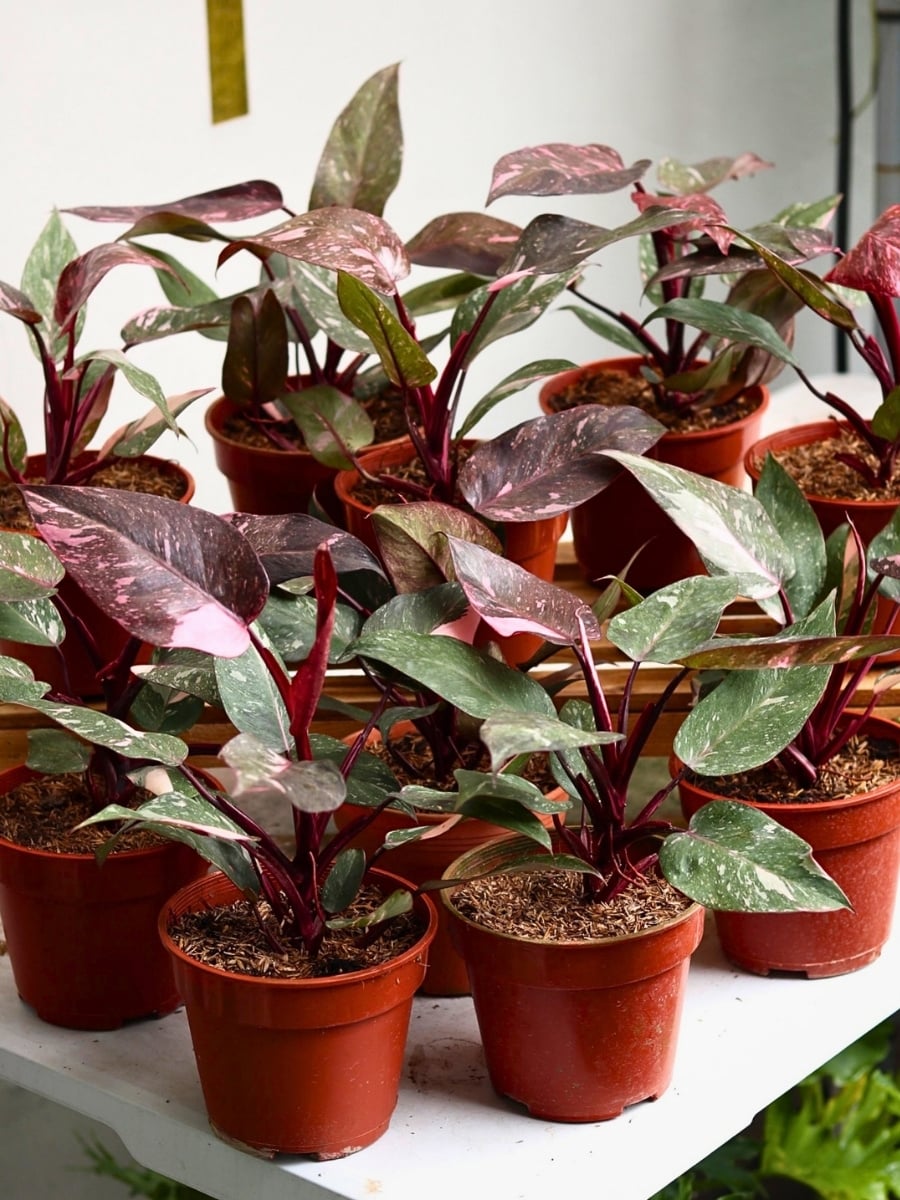
This pink beauty is always ready to burst into color in your indoor jungle and enhance your overall home atmosphere. With the right light, water, and a little patience, few houseplants reward the effort quite like the Philodendron Pink Princess.
How to Care for This Pink Beauty
To help your Philodendron Pink Princess produce and hold on to as much variegation as possible, there are a few important factors to keep in mind.
Light
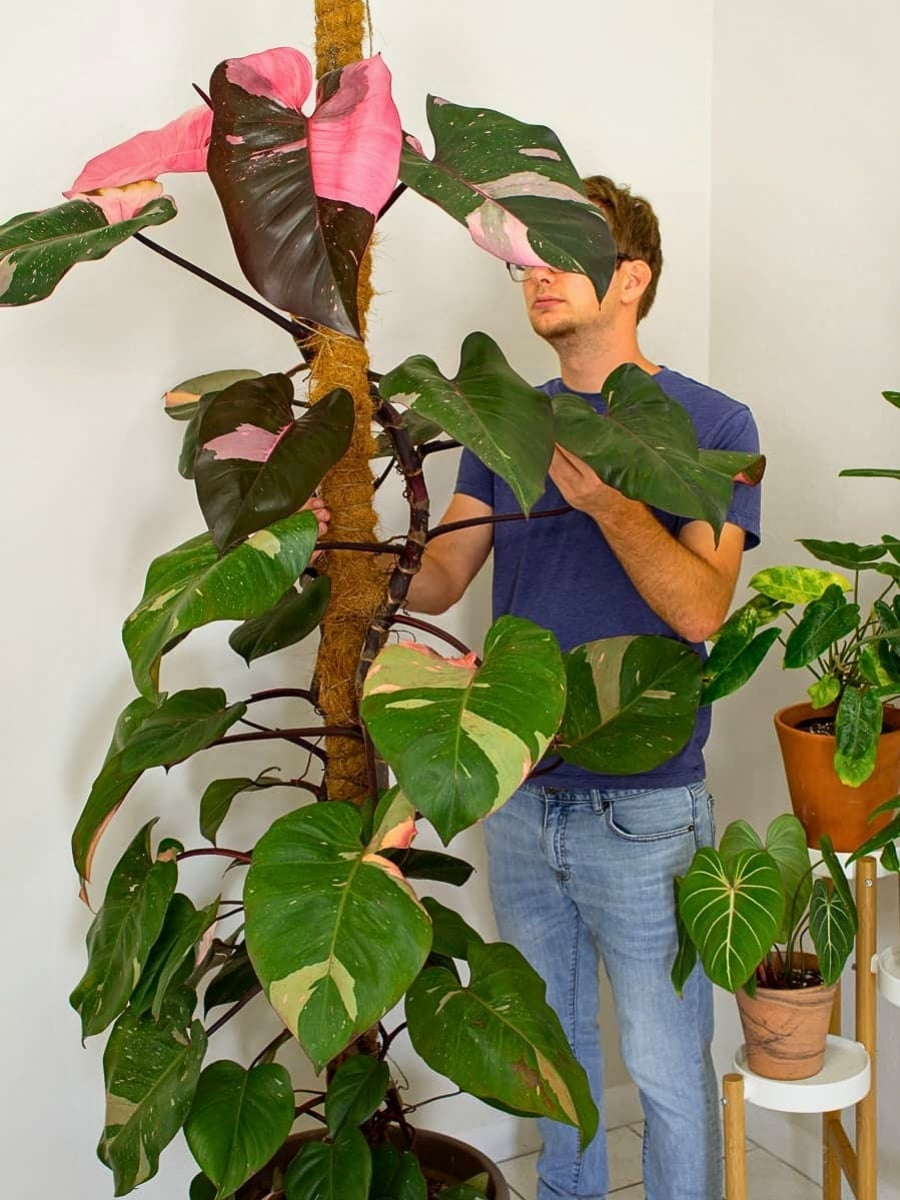
The biggest factor affecting how much variegation your pink Philodendron shows is how much light it receives. Choose a spot with plenty of bright, indirect light. When grown indoors, the Philodendron Pink Princess can also tolerate a few hours of gentle direct sunlight, which often helps bring out even more of its pink coloring.
If your home does not have a spot with enough natural brightness, it is worth investing in a grow light for this plant. Without enough light, the leaves will gradually change back toward solid green, and the plant will lose the pink variegation that makes it so special.
Water
Between waterings, let the top half of the soil dry out completely before watering thoroughly again. Pink Princess Philodendron is prone to root rot, so never let it sit in soggy soil or standing water. If you are unsure whether your plant needs a drink, it is safer to wait one more day, since overwatering causes more damage to this variety than underwatering it.
Humidity and Temperature
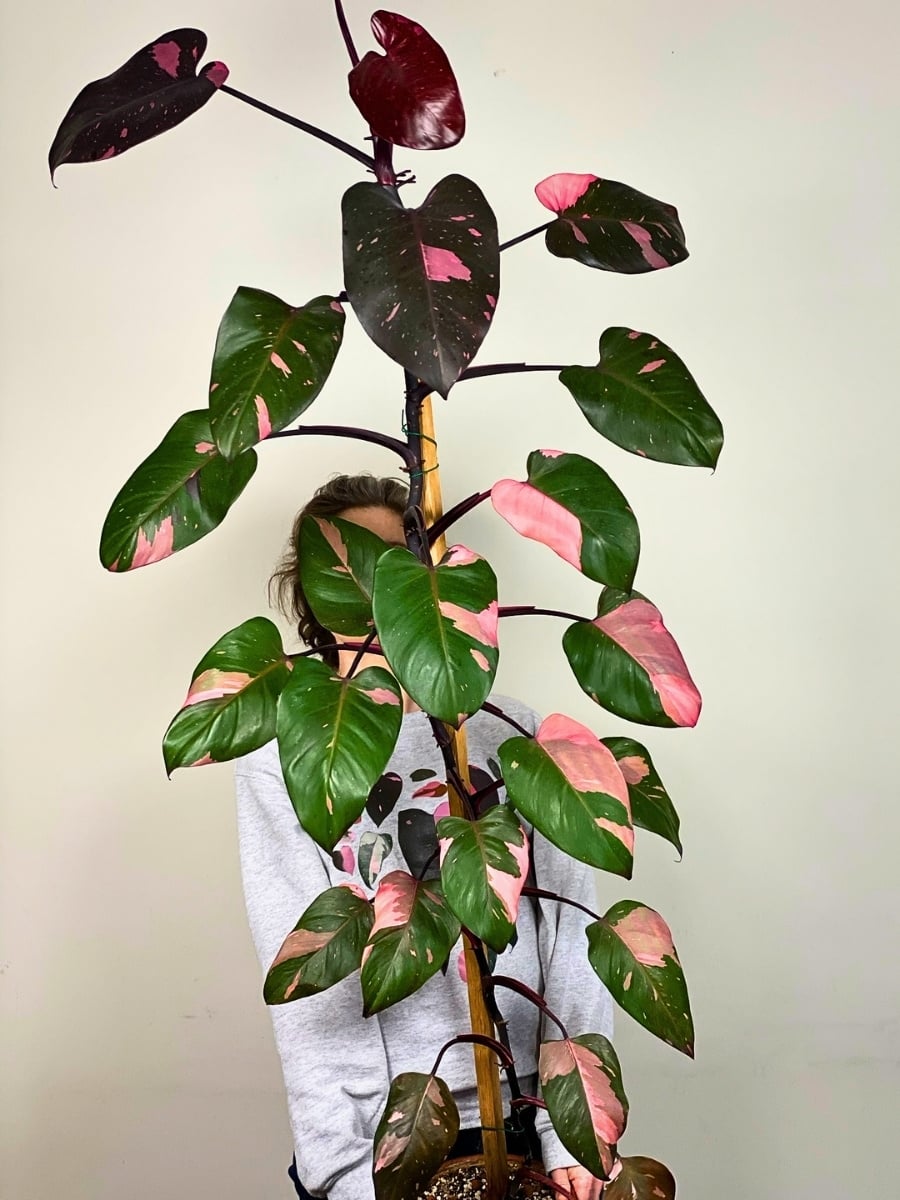
This Philodendron comes from a warm, humid part of the world, so it appreciates conditions that mimic that environment. Aim for humidity around 60% or higher when possible, and keep the plant in a place that stays between 18.3°C and 26.7°C. Avoid placing it near cold drafts, air conditioning vents, or heaters, since sudden temperature swings can stress the plant and slow its growth.
Fertilizer
The Pink Princess Philodendron requires regular monthly feedings with a balanced liquid fertilizer during its active growing season in spring and summer. As the plant moves into dormancy in early fall, stop fertilizing and let it rest until growth picks up again the following spring.
Pruning to Protect the Pink Coloration
Because variegation is unstable by nature, some new leaves may grow in almost entirely green while others may come in mostly white or pink. If a stem starts producing leaves with very little color left, many growers choose to prune it back to a node with better variegation. This encourages the plant to redirect its energy toward the sections still carrying the signature pink, helping the overall plant hold its color over time.
Common Problems With the Pink Princess Philodendron
Even experienced plant owners run into a few recurring issues with this variety. Leaves turning fully green usually point to insufficient light, so relocating the plant or adding a grow light is the first fix to try. Leaves turning fully white, on the other hand, can be a problem too, since white sections have no chlorophyll at all and cannot photosynthesize, meaning they eventually die back if a stem produces too much white growth. The same rule applies to its white cousin, the White Princess Philodendron.
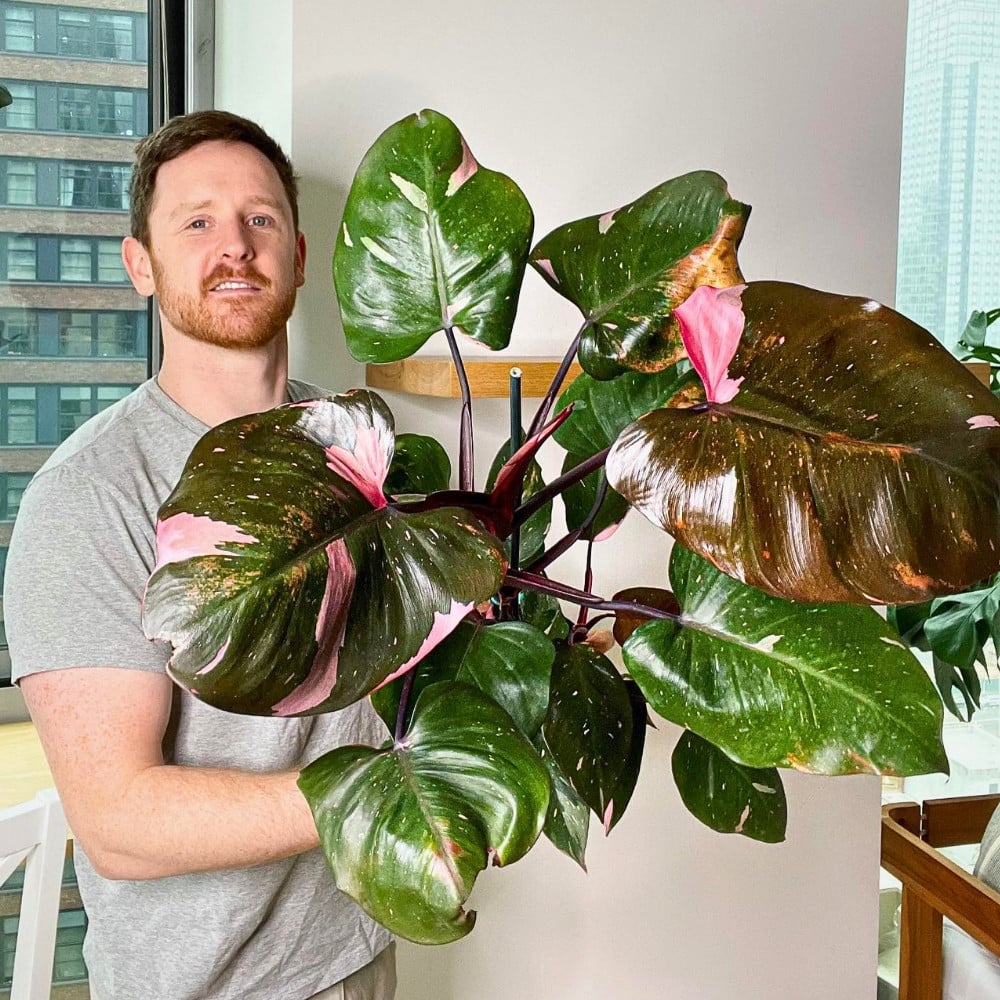
Yellowing leaves paired with soft, mushy stems are usually a sign of overwatering or root rot and call for a check of the roots and a switch to a well-draining potting mix. Crispy, brown leaf edges tend to point to low humidity or too much direct, harsh sunlight. But notwithstanding these, proper care and observing all the requirements guarantee that your Philodendron Pink Princess thrives.
Featured: @apsley_watercolor. Header: @theleafexchange.