Hold a Philodendron Brasil up to the light, and you see why people buy it on sight. Every heart-shaped leaf is dark green with a streak of lime down the middle, as if somebody ran a highlighter along the midrib. It is a variegated form of Philodendron hederaceum, the heartleaf Philodendron, and one of the easiest trailing houseplants you can own. It is also one of the most mislabeled. Shops sell it as a pothos, it gets mixed up with Marble Queen and Neon pothos, and a Brasil left to its own devices can turn plain green, one stem at a time.
This guide covers where the Brasil came from, how to tell it from a pothos, why its stripe reverts and what to do about it, and how to keep it growing. The origin story comes from its US plant patent, and the care advice comes from university extension services and the ASPCA, all listed at the end.
What Philodendron Brasil Is
Philodendron Brasil is a cultivar of Philodendron hederaceum, a climbing aroid that NC State Extension lists as native from Mexico through Central America and the Caribbean to Bolivia and Brazil. The species is the plain green heartleaf Philodendron that has trailed off office shelves for generations; in 2003, the University of Florida already called it a foliage favorite of more than 60 years. Brasil is the same plant with one difference you can see from across the room: a central stripe of yellow to light green on every leaf, framed by dark green edges.

Found as One Plant in Holambra in 1991
Nobody bred the Brasil. It turned up. According to its US plant patent, a single plant with green and yellow-green variegated leaves appeared in 1991 within a planting of an unnamed selection of Philodendron scandens oxycardium, an older name for the same heartleaf species, in a controlled growing environment in Holambra, Brazil. Ruben Ernesto Acosta, the inventor named on the patent, spotted it. Cuttings taken over several generations in Holambra and in Sebring, Florida, then showed that the stripe came back true every time. Twyford International filed the application in January 2000, US Plant Patent 12,956 was issued in September 2002, and Google Patents now lists it as expired.
The town is a good detail for anyone in the flower trade. As Thursd wrote in its profile of the Phalaenopsis grower Sítio Kolibri, Holambra was founded by Dutch immigrants, its name is a contraction of Holland, America, and Brazil, and its flower auction is called Veiling Holambra. So one of the most Brazilian names in the houseplant aisle comes from a town built by Dutch growers. The cultivar name itself is simply the Portuguese spelling of the country.
One of Several Striped Heartleaf Philodendrons
Next to it on the bench, you will find its relatives. NC State Extension lists Cream Splash and Rio, both with cream in the center, Gabby, which can turn almost entirely cream, Silver Stripe, and Lemon Lime, which is chartreuse from edge to edge. The quick rule: a heartleaf Philodendron with dark green edges and a yellow to lime stripe in the middle is a Brasil. If the center is cream or silver, it is one of the others.
Labels add to the muddle, because the species still trades under older or borrowed names. You will see Philodendron scandens Brasil and Philodendron cordatum Brasil, and the ASPCA lists cordatum as another common name for Philodendron hederaceum. Thursd's product page lists the species as Philodendron scandens. In the Netherlands, green pot plant nurseries such as Kwekerij Mostert in Nieuwerkerk aan den IJssel and Persoon Potplanten in De Lier list Philodendron among the plants they grow.

Philodendron Brasil vs Pothos
Is a Brasil a pothos? No. Pothos is Epipremnum aureum, a different genus in the same arum family. Even so, about 350 people a month in the US search Google for a Brasil pothos, a plant that does not exist. The mix-up is easy to make. Both trail, both have heart-shaped leaves, and some pothos carry yellow streaks too. These checks settle it.
Look for the Sheath on New Leaves
NC State Extension and Clemson's Home and Garden Information Center give the same main tell. Each new Philodendron leaf grows inside a protective sheath (NC State calls it a stipule). Once the leaf opens, the sheath dries to a papery brown flag and eventually falls off, which is why older Philodendron stems look a little messy. A pothos leaf unfurls without one. If you find dry, tan scraps where the leaf stalks meet the stem, you are holding a Philodendron.
Check the Leaf Stalk and the New Growth
The second tell in the extension guides is the leaf stalk: grooved on a pothos, smooth on a Philodendron. On a Brasil, use that one with care. Its own patent describes the leaf stalk as channeled, so a Brasil can show a shallow groove of its own. The patent offers a better clue. Young stems and leaf stalks start out reddish pink, turn reddish orange, and only later go light green, so a flush of pink on the new growth points to a Brasil. Look at the leaves as well. Clemson notes that pothos leaves fold along the midrib, while the patent describes Brasil leaves as mostly flat to slightly wavy, with long, drawn-out tips.
Brasil Next to Marble Queen and Neon Pothos
Color settles most of the rest. A Marble Queen pothos is marbled cream and green across the whole leaf, with no single stripe, and a Neon pothos is chartreuse without any variegation, the pothos twin of the Lemon Lime Philodendron. The pothos that comes closest to a Brasil is Jessenia, whose green leaves are streaked with lime, as the guide to the types of pothos shows. When a label says Jessenia and the leaves say Brasil, run the sheath test.

The care runs close, with one difference worth knowing. NC State notes that the heartleaf Philodendron can survive long periods in very low light, while Clemson writes that pothos need brighter light and warmer temperatures than Philodendrons. For everything else about the other plant, see the pothos care guide, and for the bigger family question, the guide to Philodendron vs Monstera.

Why Philodendron Brasil Loses Its Variegation
Every Brasil on sale descends from that one plant in Holambra, and its stripe is a mutation. The RHS explains that variegated cultivars are kept going by cuttings for exactly that reason, but the mutations are not always stable and can revert to plain green shoots. Illinois Extension adds that the reverted part is usually more vigorous than the rest of the plant, so left alone, it can take over. One of the Brasil photos in NC State's Plant Toolbox carries a blunt caption: a cultivar with unstable variegation.
What Reversion Looks Like
In a Brasil, reversion shows up as a stem that keeps producing plain green leaves, one after another. A single leaf with less yellow than its neighbors is something else. The patent calls the stripe irregular, so some variation from leaf to leaf is normal. The opposite happens too: now and then a leaf comes out almost entirely yellow. The RHS notes that all-white or pale yellow shoots on variegated plants are weak and do not take over the way green ones do, so enjoy it while it lasts.

What Light Can and Cannot Do
The usual advice is to give a variegated plant more light to keep its color. For the Brasil, the sources do not line up that neatly. The patent itself notes that low light enhances the development of the variegation, and Clemson writes the same of an older striped form of the heartleaf, Variegatum, which shows more variegation in a cool, shaded spot. Keep that in proportion, though. The patent plants grew at about 1,500 to 2,000 foot-candles, roughly 16,000 to 21,500 lux, which is many times brighter than a living room.
What no source promises is that light brings a green stem back. Illinois Extension lists inadequate light among the stresses that can push a plant to revert, together with poor soil and uneven watering, so the safe choice for a Brasil is steady, bright, indirect light.
How to Fix a Reverting Brasil
Cut the green stem back to the last leaf that still carries a stripe, just above its node. That is the RHS advice for any reverted shoot: prune it out completely or cut back to growth with variegated leaves. New growth from a striped section has the best chance of keeping the stripe. If most of the plant has gone green, start over from cuttings taken from the stems with the strongest stripe, and let the green ones go. Ease off the fertilizer as well, since Illinois Extension warns that overfeeding can push vigorous growth that overtakes the mutation.
How to Care for a Philodendron Brasil
The good news is that the Brasil is as easy as its plain green parent. Clemson calls heartleaf Philodendrons very easy and adaptable plants, and NC State rates their maintenance as low.
Light
Medium, indirect light suits a Philodendron Brasil best. NC State says the heartleaf Philodendron prefers medium light but tolerates low light, and Clemson suggests a spot near a north, east, or west window, adding that it will even grow under artificial room light. For numbers, the University of Florida says most Philodendrons tolerate as little as 75 foot-candles (about 800 lux) indoors, but need 150 foot-candles (about 1,600 lux) or more to keep their color and leaf size. The houseplant light guide explains how to read the light in your own rooms.
Water and Soil
Keep the soil slightly moist, and water less in winter, NC State advises. Clemson puts it as evenly moist but never soggy, and never let the pot stand in water: root rot comes from a mix that drains slowly or from watering too often. A general-purpose potting soil is fine. When the lower leaves turn yellow, Clemson names two usual suspects: too little light and overwatering. Check the soil before you move the plant.
Temperature and Humidity
Clemson gives 21 to 29 °C (70 to 85 °F) by day and 18 to 24 °C (65 to 75 °F) at night as the range where heartleaf Philodendrons grow well, which is to say an ordinary heated home. NC State adds that the plant can tolerate dry air, although it prefers medium humidity and appreciates misting.
Feeding and Repotting
Feed regularly with a diluted, water-soluble houseplant fertilizer, or use a slow-release one, Clemson says, and keep it light: too much fertilizer makes the leaf tips curl and brown, and as noted above, overfeeding can help a green stem take over. When you bring a new Brasil home, wait about four weeks before you repot or feed it, so the plant does not get extra stress on top of the move, the University of Florida advises. Repot an overcrowded plant in any season.
How to Propagate Philodendron Brasil
A Philodendron Brasil roots as easily as it trails. Cut a piece of stem with at least one node, the bump where a leaf and an aerial root meet the stem, and one leaf attached. Commercial growers work with cuttings of just 2.5 to 4 cm (1 to 1.5 in), the University of Florida says, with buds breaking in three to five weeks and roots forming in four to six. The patent records the pace in a Florida nursery: roots started in about 10 days in summer and 14 in winter.
Stand the cutting in a glass of water, since heartleaf Philodendrons do well in water culture, or put it straight into moist potting soil, and keep it warm and bright. Clemson notes that Philodendrons can be propagated from stem cuttings in any season. Take your cuttings from the best-striped stems, and you multiply the stripe along with the plant. If you want more plants that are this easy, see the easiest houseplants to propagate.
How Fast It Grows and Giving It Something to Climb
Fast. NC State rates the growth of the heartleaf Philodendron as rapid, and the patent shows what that means in a nursery: rooted cuttings filled a 20 cm hanging basket in 16 to 18 weeks, with stems around 52 cm long. Indoors, with less light, expect a slower pace. To make it bushier, pinch the tips; the patent notes that pinching encourages branching, potentially at every node.
Or let it climb. Clemson suggests training heartleaf Philodendrons up a moss- or bark-covered board or a totem pole, and the University of Florida notes that growers who want larger leaves for totems grow their stock plants on a pole or similar support. A Brasil left to trail looks great in a hanging basket. Trained upward, it becomes a different plant.

Is Philodendron Brasil Safe for Pets?
No. The ASPCA lists the heartleaf Philodendron as toxic to dogs, cats, and horses. The plant contains insoluble calcium oxalate crystals, which cause oral irritation, pain and swelling of the mouth, tongue, and lips, drooling, vomiting, and difficulty swallowing. NC State also lists it as a cause of contact dermatitis, so wear gloves when you prune if your skin is sensitive. Hang your Brasil out of reach, or pick from the list of pet-friendly houseplants instead.
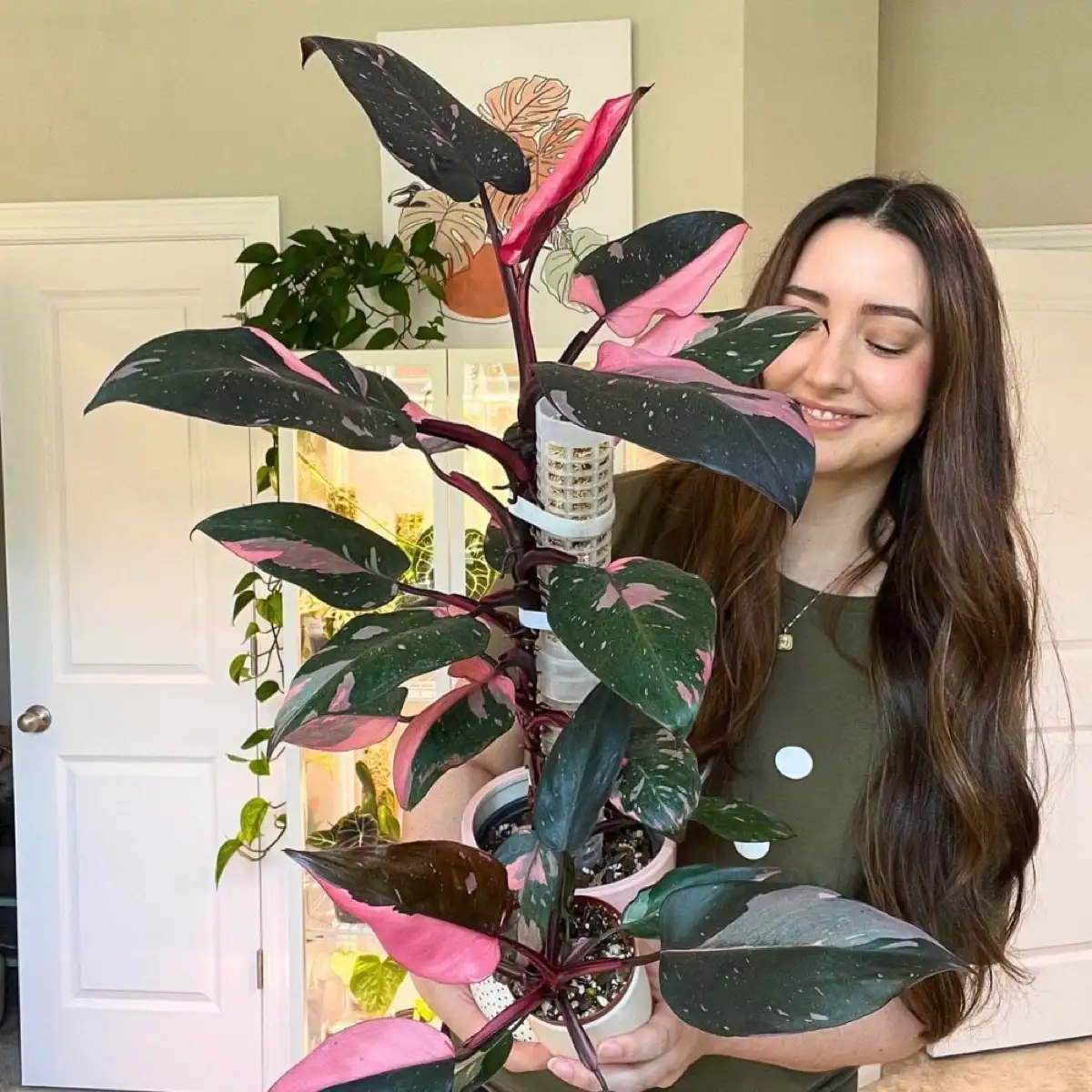
Once the Brasil has you hooked, the genus goes a long way further. For variegation, there are the Pink Princess and the White Princess; for color, the Prince of Orange and the Imperial Red; for velvet, the Philodendron gloriosum. And for something big, the Philodendron bipinnatifidum and its striking cultivar, the Ring of Fire.
Sources opened for this guide, October 2026. US Plant Patent 12,956, Philodendron plant named Brasil (inventor Ruben Ernesto Acosta, filed 2000, issued 2002). NC State Extension Gardener Plant Toolbox: Philodendron hederaceum. Clemson Cooperative Extension Home and Garden Information Center: Philodendron (authors Karen Russ and Al Pertuit). University of Florida IFAS Extension: Cultural Guidelines for Commercial Production of Interiorscape Philodendron (Dennis B. McConnell, Jianjun Chen, Richard J. Henny, and Kelly C. Everitt, ENH893, 2003, reviewed 2024). Royal Horticultural Society: Reversion in Plants. University of Illinois Extension: A Twist of Genetics: How and Why Landscape Plants Revert (Emily Swihart, 2026). ASPCA Animal Poison Control: Heartleaf Philodendron. Search volume: Ahrefs US, October 2026.
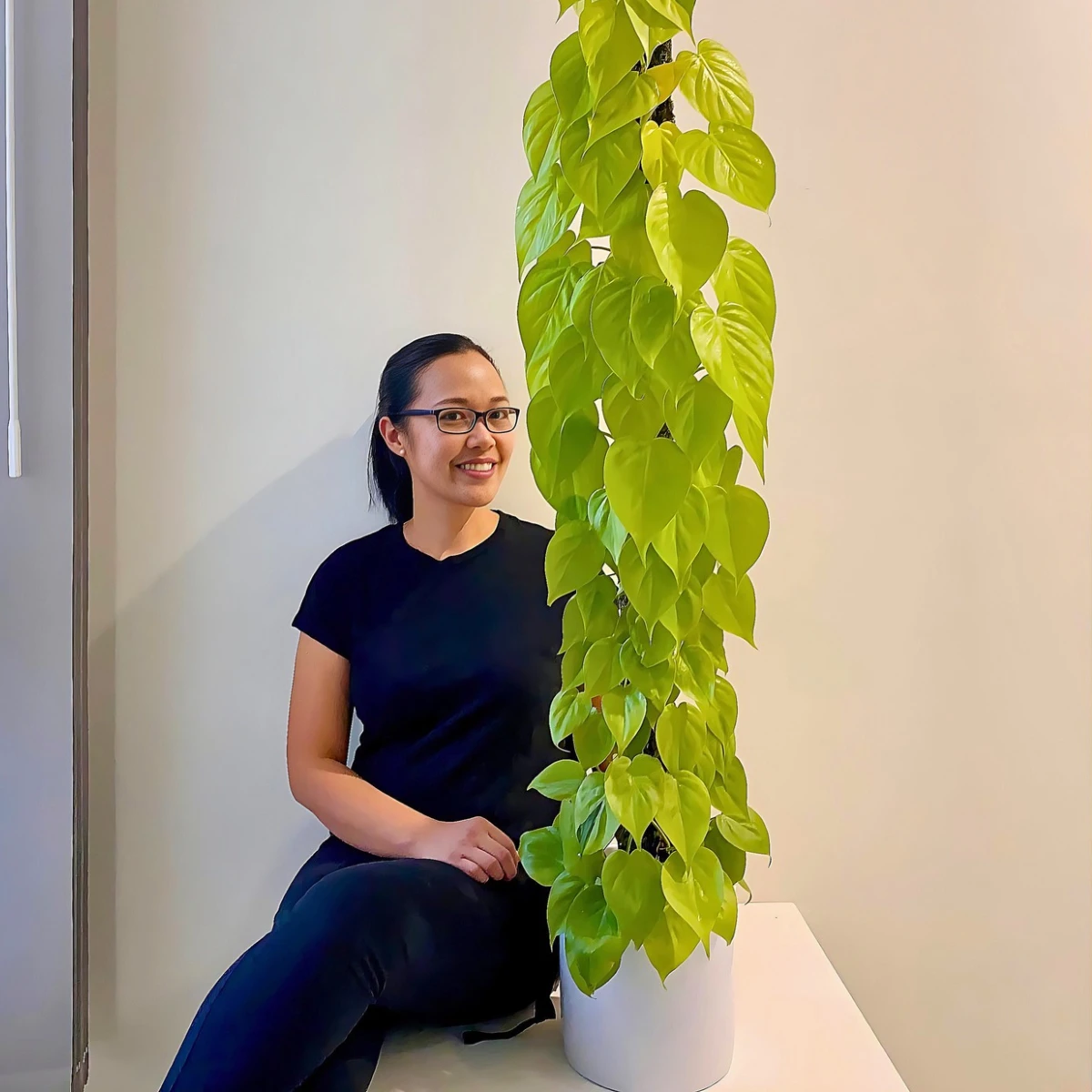
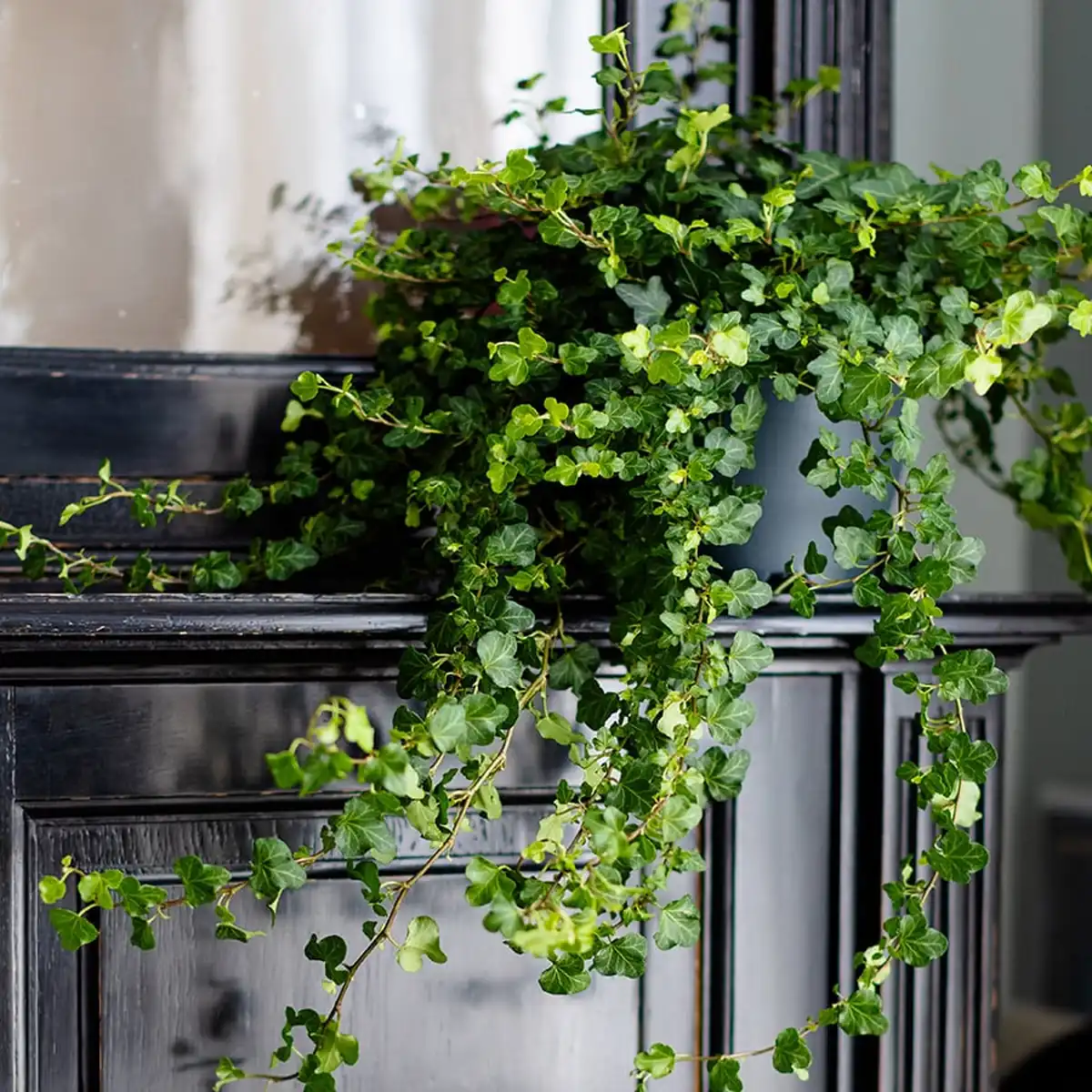
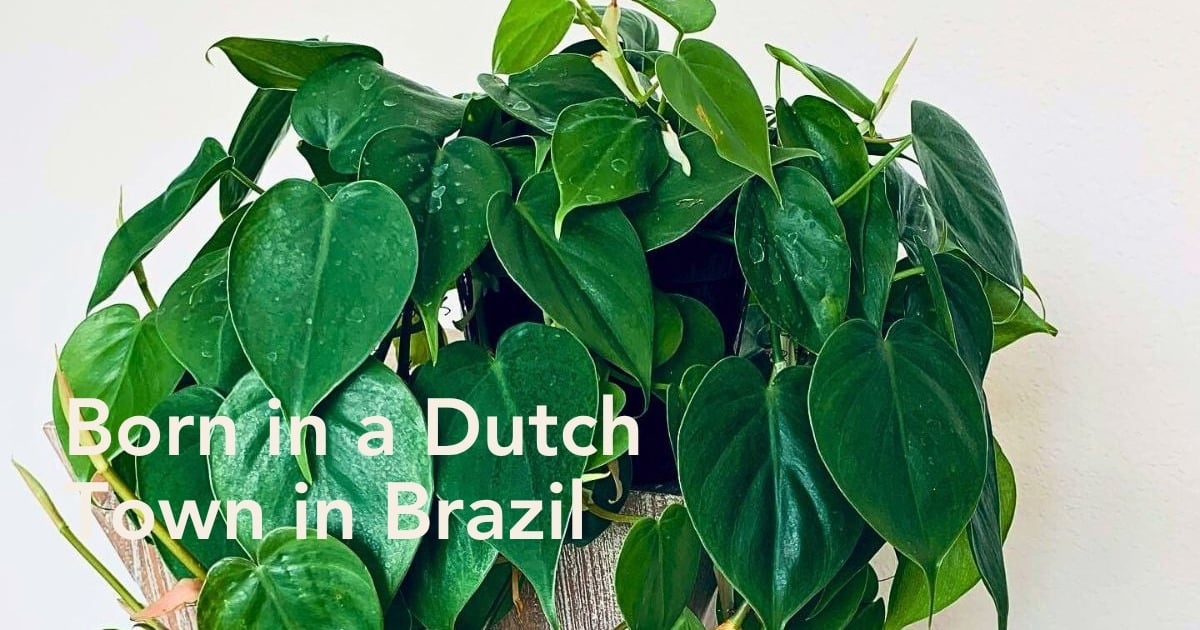
Featured image: Philodendron Brasil with lime-striped leaves, photo by @_urvara. Header image: a heartleaf Philodendron, the plain green parent of the Brasil, photo by @ebbandgroww.