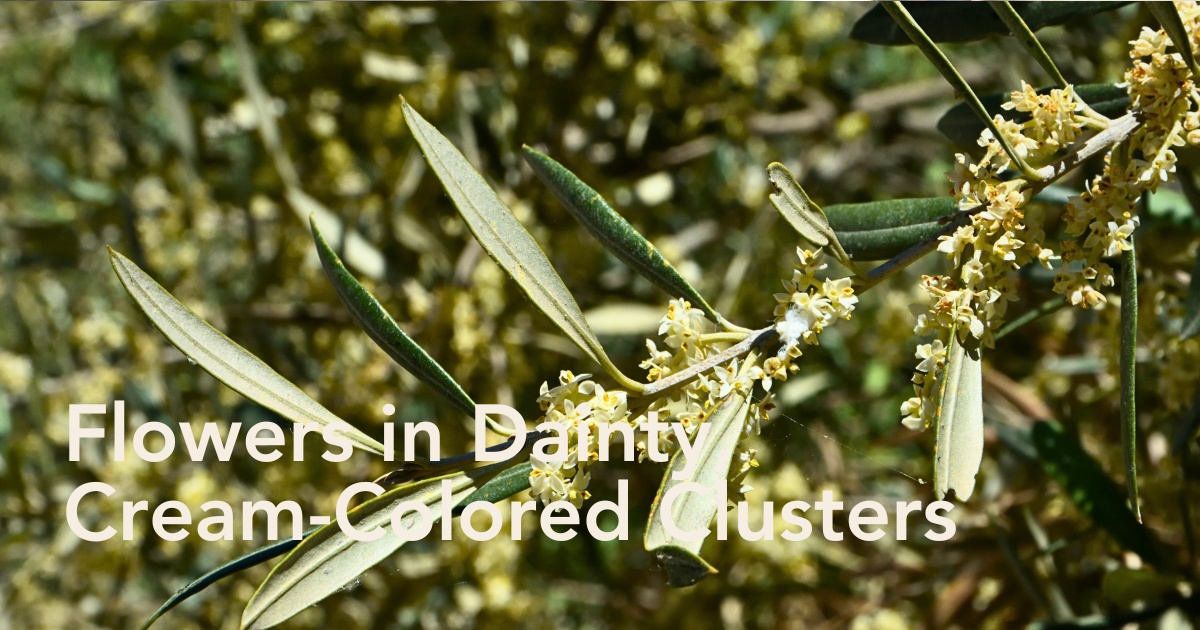
For ages, olive trees have retained their place at the center of Mediterranean life. They have been celebrated for their fruit, oil, and wood, among others. Yet the olive flower, the dainty, cream-colored cluster that appears each spring, rarely gets the attention it deserves. It is small, often unassuming, and easy to overlook. But without it, there would be no olive, olive oil, or harvest. The olive tree flower is, therefore, in every sense, where the tree’s entire story begins.
What Is the Olive Flower?
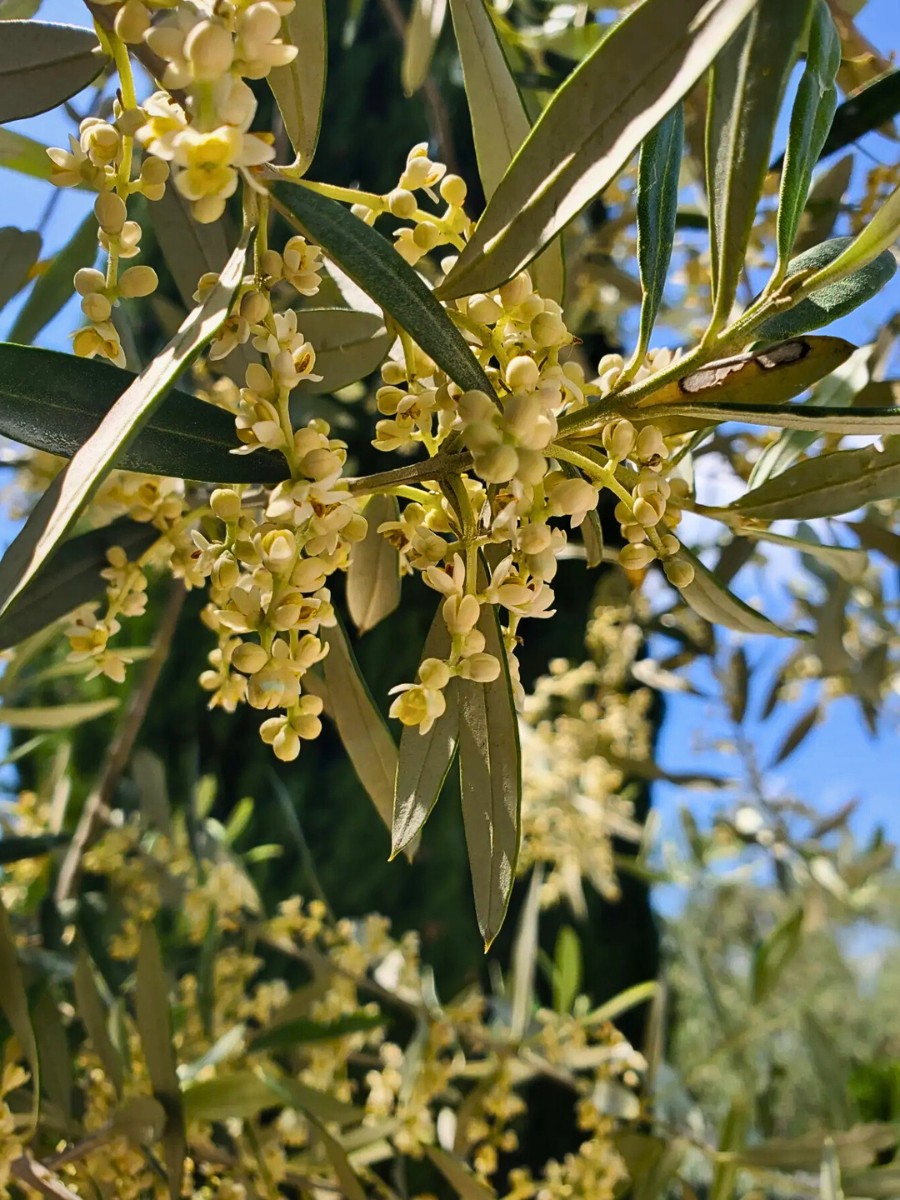
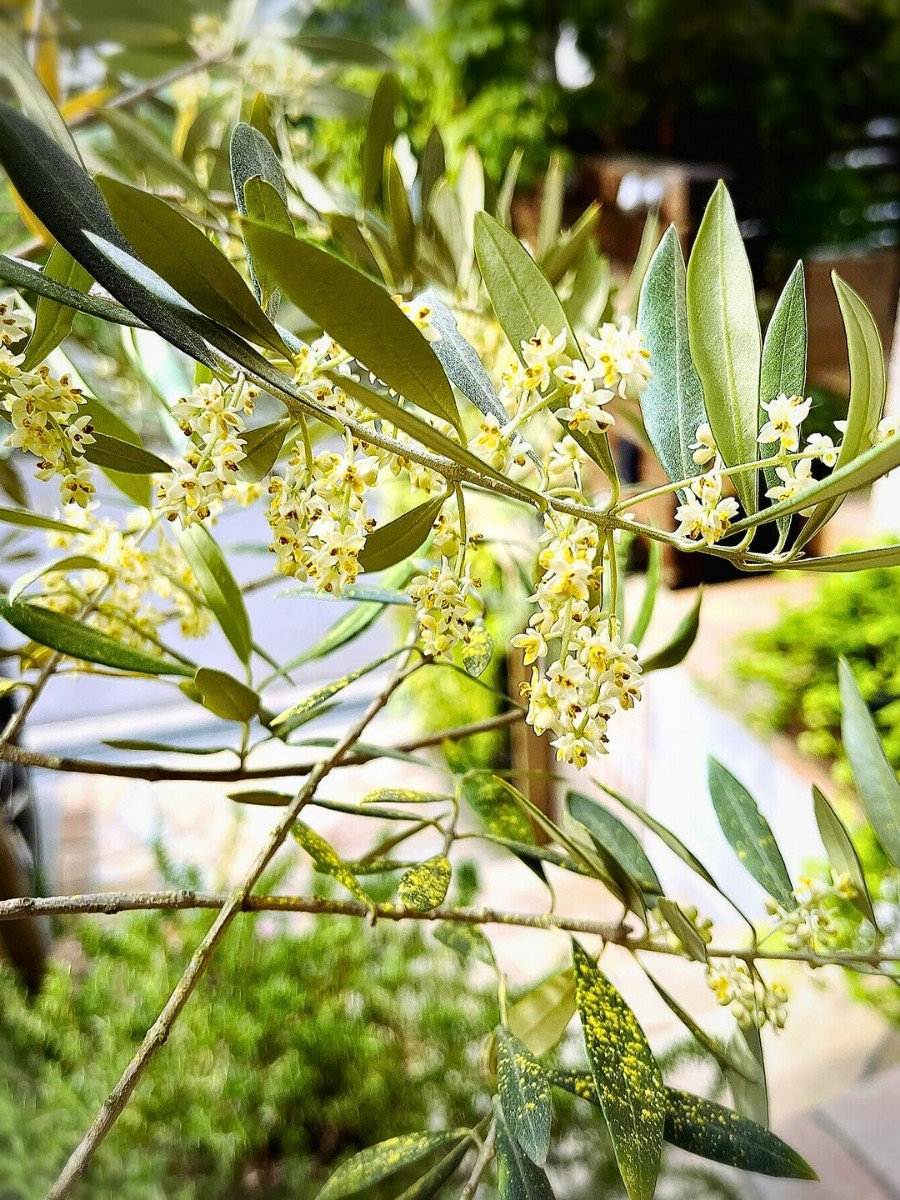
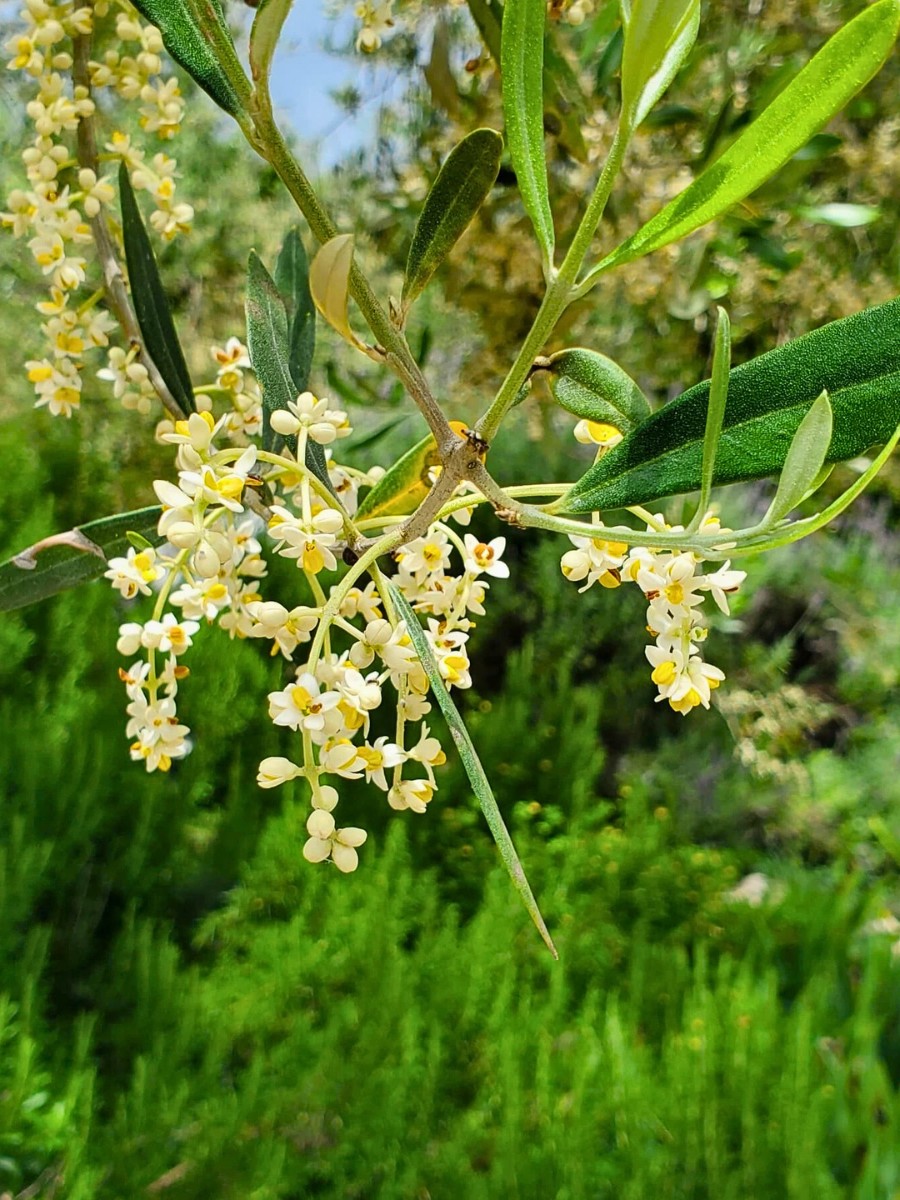
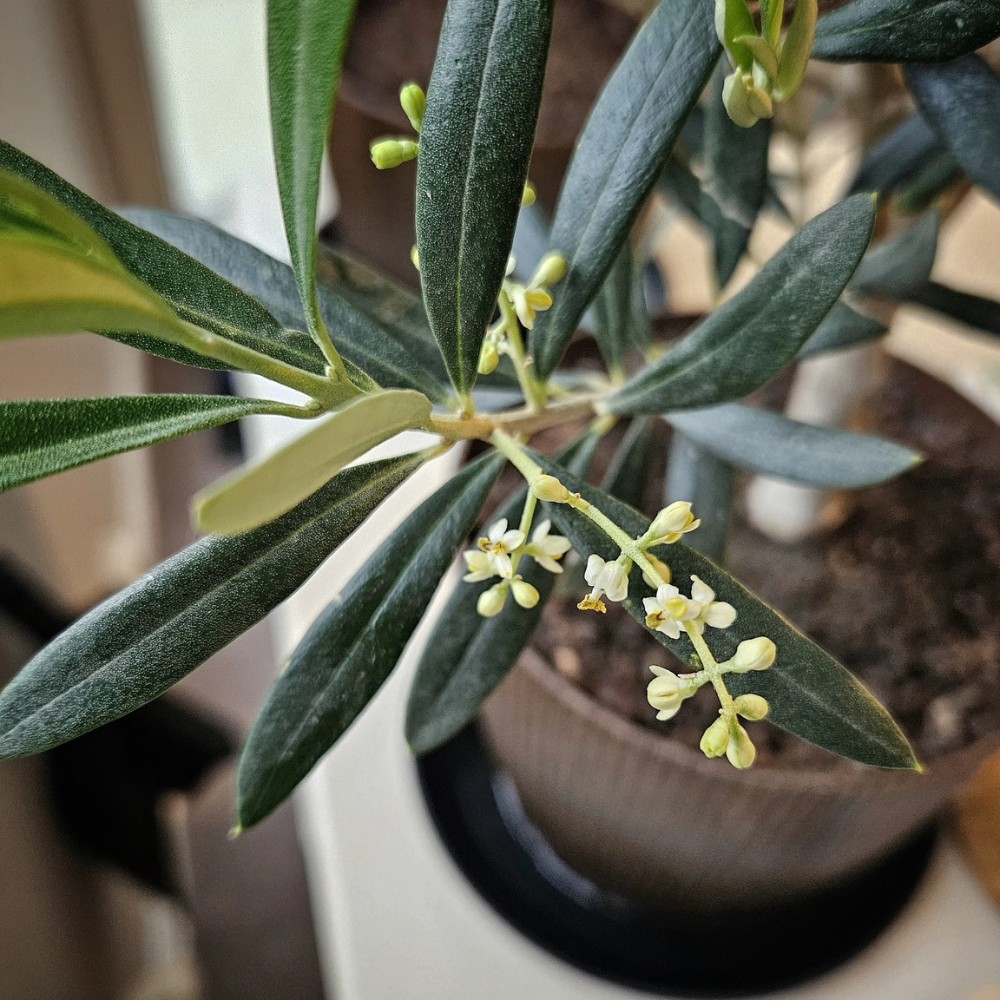
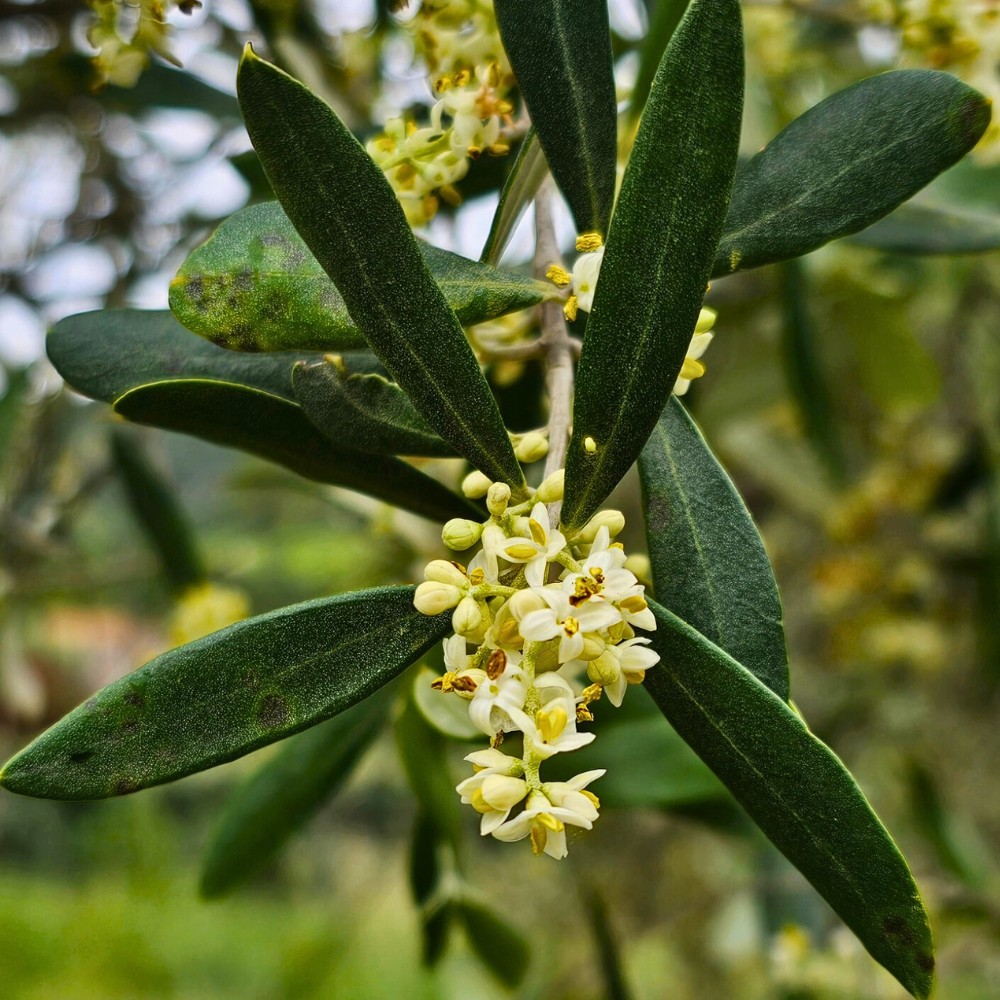
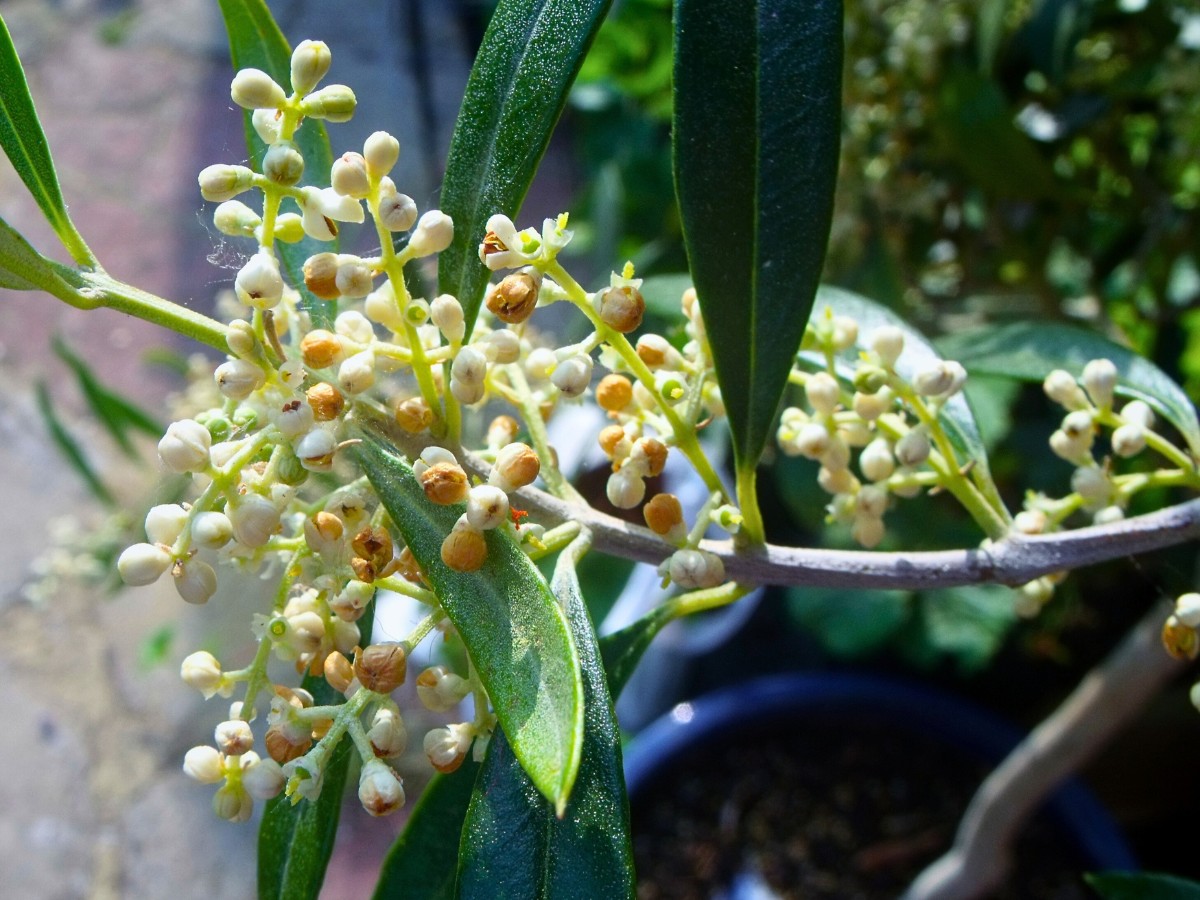
The olive flower is the small, four-petaled blossom produced by the olive tree (Olea europaea) in spring. Each flower is tiny, typically just a few millimeters across, and grows in loose clusters called inflorescences or panicles. These clusters emerge from the axils of the previous year's leaves, meaning the flowering you see in spring was already being planned inside the tree during the summer before.
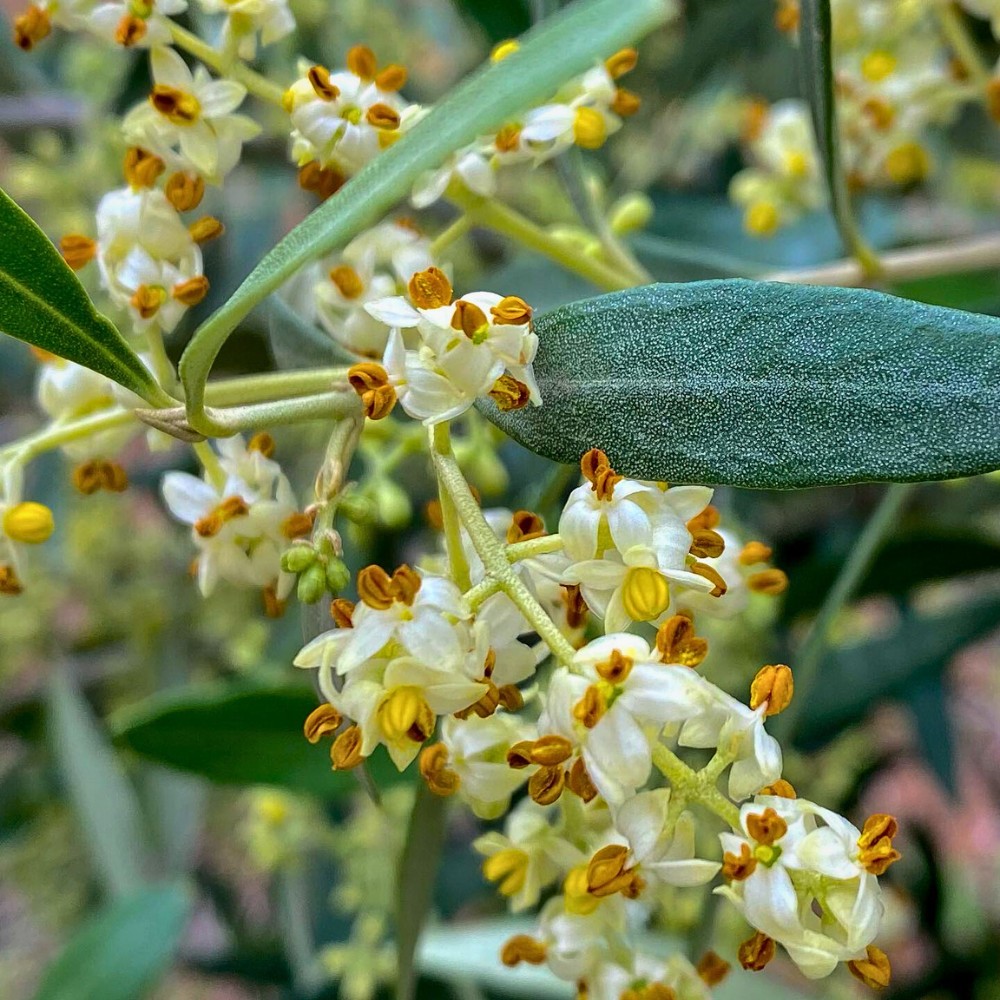
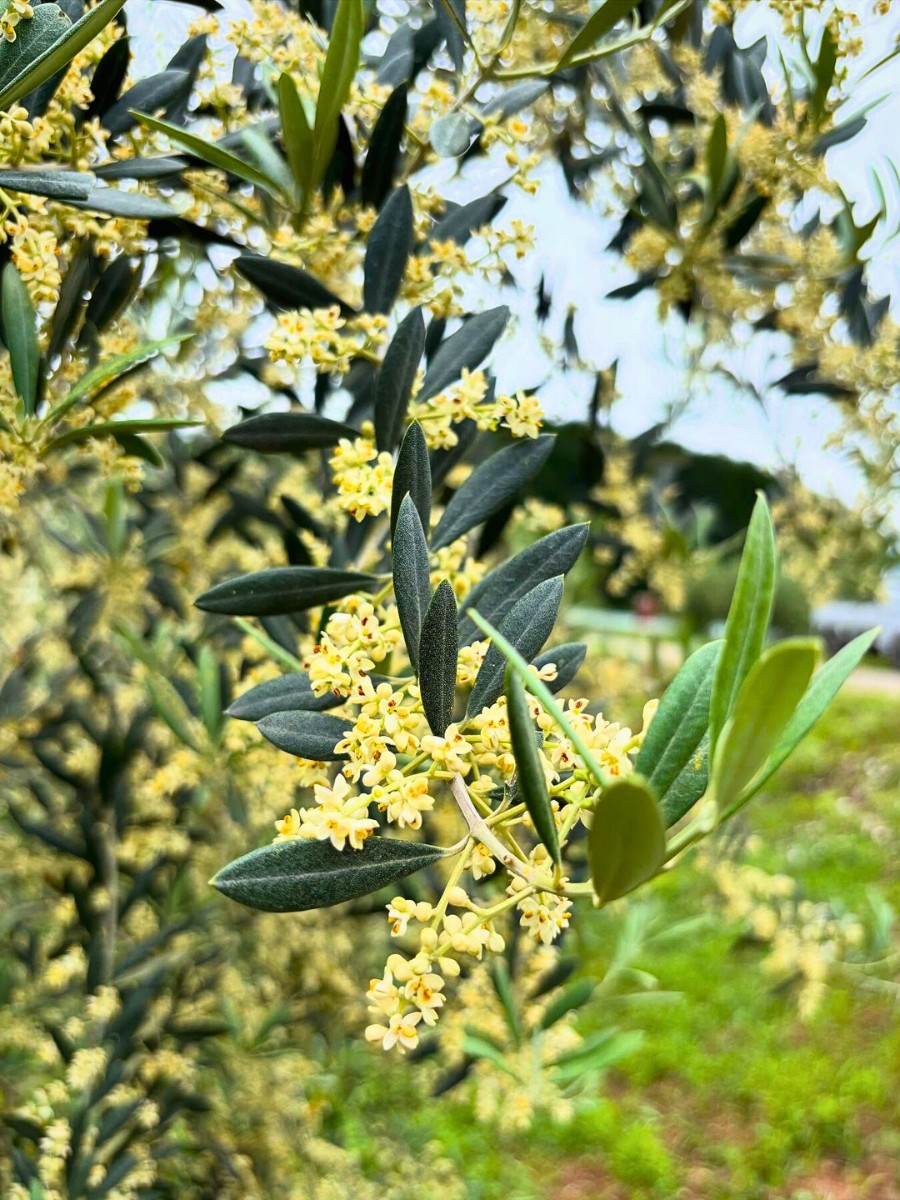
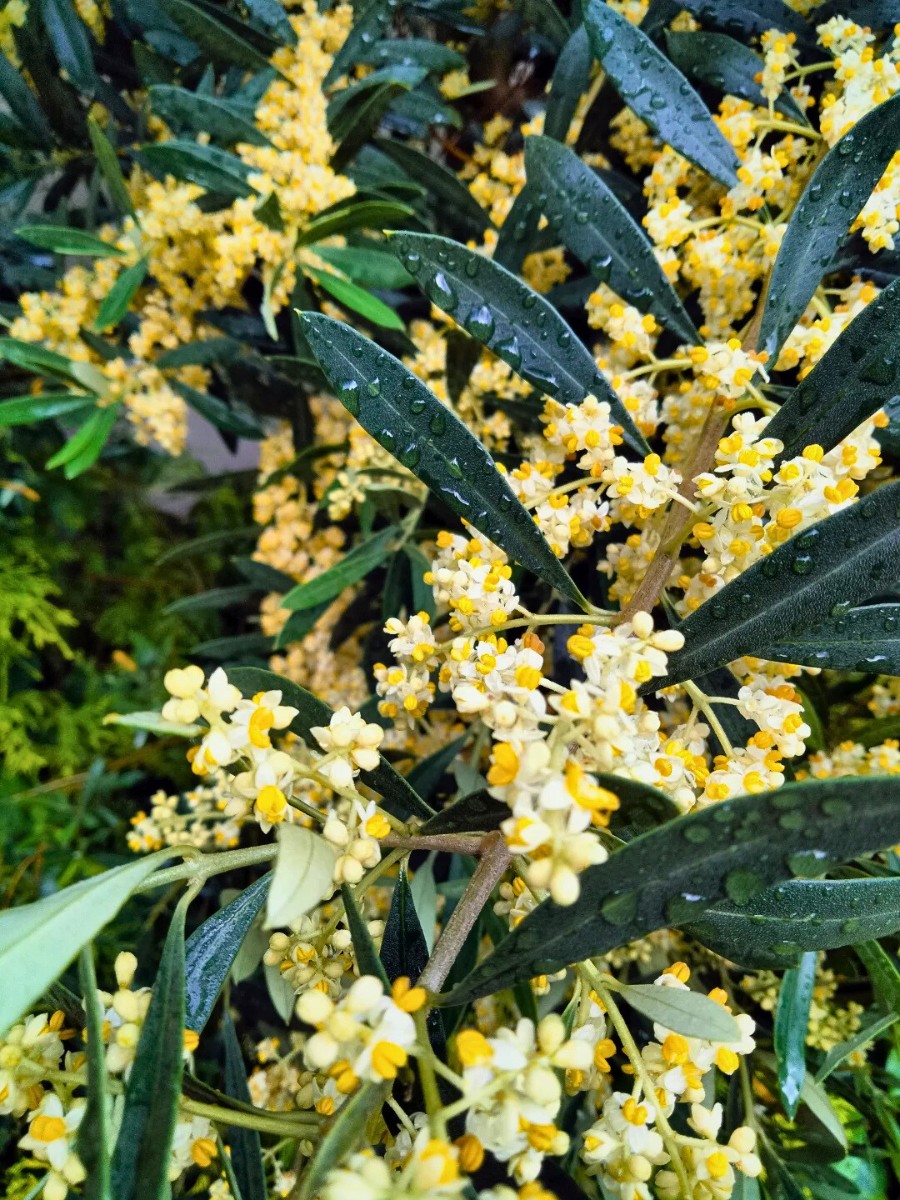
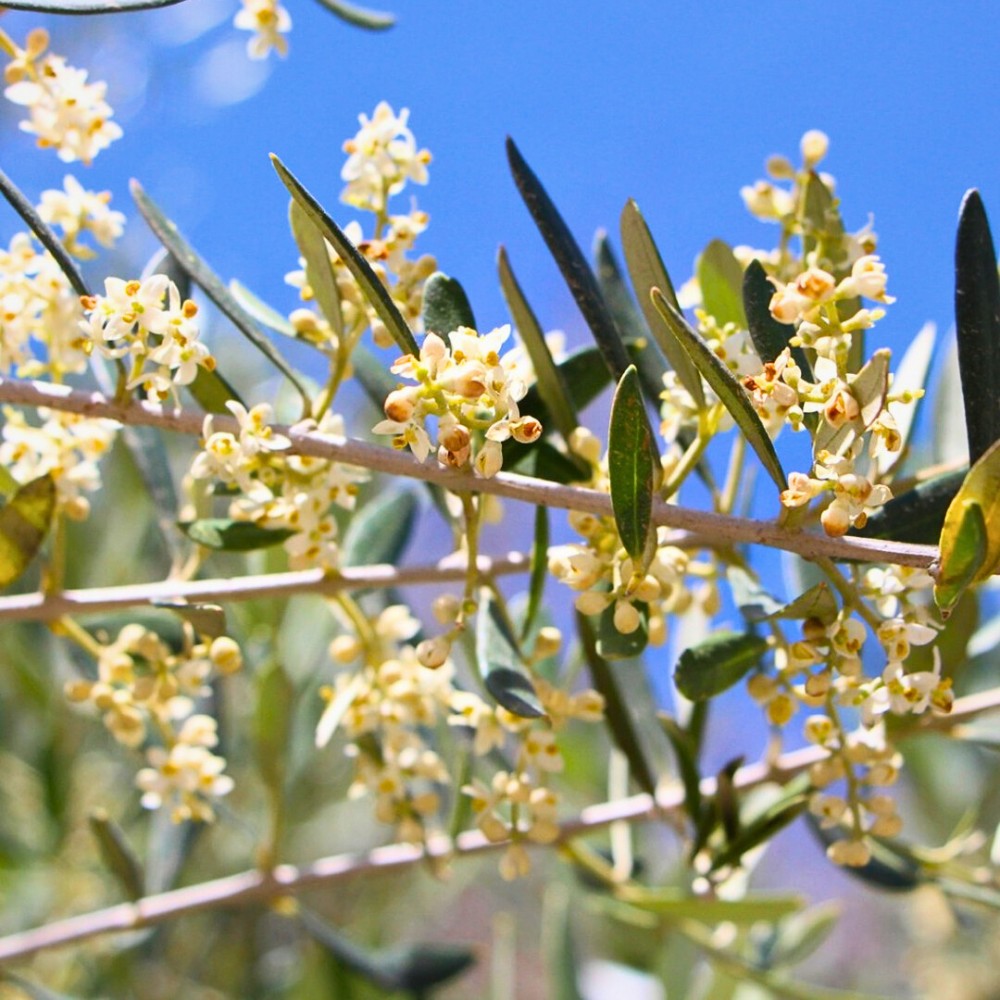
Olive tree flowers are cream to white in color, with a faint, sweet fragrance that tends to go unnoticed unless you are standing directly beneath a tree in full flowering. Each inflorescence typically carries between 10 and 30 individual flowers, and a single mature tree can produce hundreds of thousands of flowers in one season. The botanical name for the olive genus, Olea, comes from the Greek and Latin words for oil, and the flowers are the essential first step in that oil's creation.
Where Do Olives Come From? What Are the Origins of the Olive Tree?
The olive tree (Olea europaea) is native to the Mediterranean Basin, with origins tracing back to western Asia and the eastern Mediterranean (Asia Minor), encompassing modern-day Turkey, Syria, Lebanon, and the surrounding region, as well as parts of Africa. Its wild ancestors spread to Greece millennia ago, domesticated around 6000 BC in the Levant. Archaeological evidence also suggests that olives were being harvested and processed as far back as 8,000 years ago in the Near East.
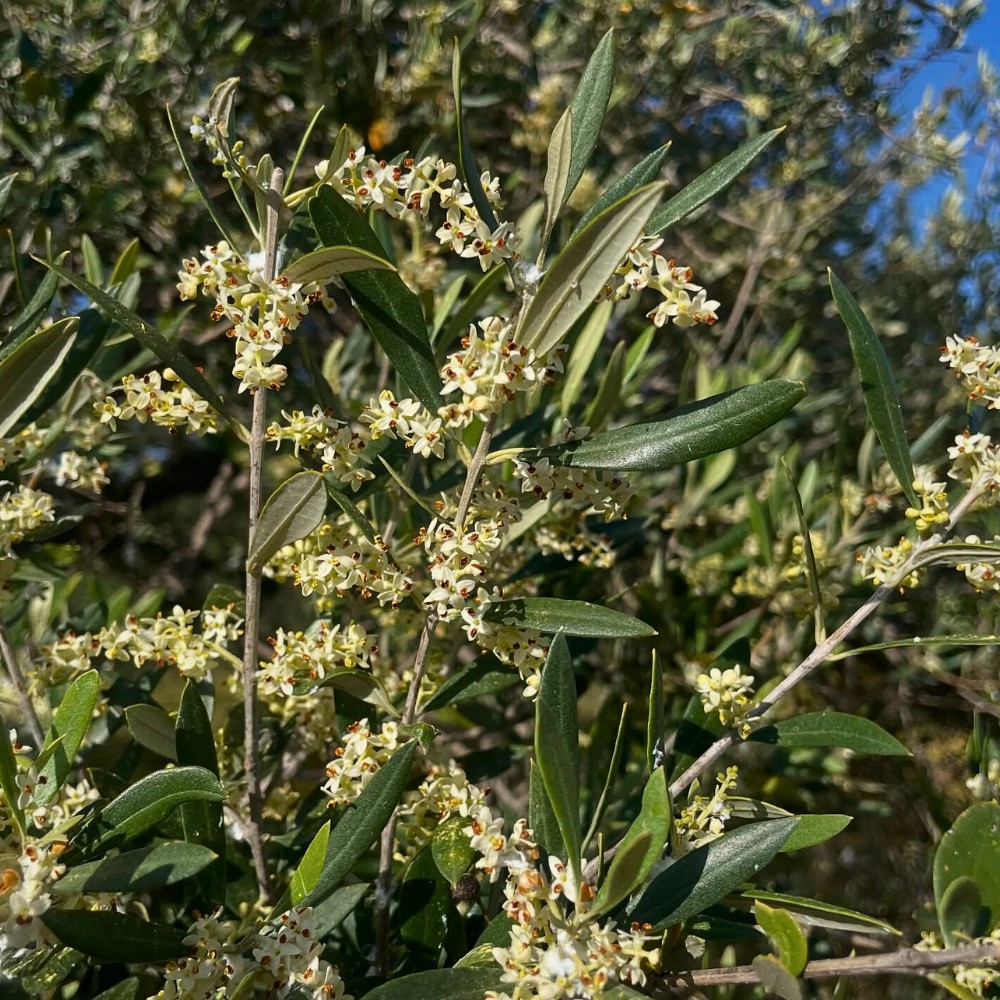
Wild olive trees, known as oleasters, still grow across the Mediterranean landscape and represent the genetic ancestor of all cultivated olive varieties. Over millennia, human selection and cultivation gradually produced the hundreds of named varieties we have today, from the large Gordal of Spain to the fine-flavored Taggiasca of Liguria and the pungent Koroneiki of Greece.
Today, olive trees are grown commercially across the Mediterranean, in California, Australia, South Africa, South America, and elsewhere. The olive has traveled far from its origins, but it still performs best in climates that mirror the hot, dry summers and mild, wet winters of its native range.
Does an Olive Tree Flower (Every Year)?
Olive trees do flower, but not always with the same enthusiasm from one year to the next. Olive trees are well-known for a phenomenon called alternate bearing, meaning they tend to produce a heavier crop in one year and a lighter one the following year. This cycle is natural and has been observed by olive growers for centuries.
In a big harvest year, the tree expends an enormous amount of energy to develop and ripen its fruit. The following year, the tree essentially needs to recover, and flowering may be noticeably reduced. In some cases, an olive tree may go two or three years producing very few flowers and almost no fruit at all. This is not necessarily a sign of a sick or failing tree; it may simply be resting after a particularly productive period.
So does an olive tree flower consistently? Under good conditions and with proper care, yes. A healthy, well-maintained olive tree in the right climate should produce flowers annually, with variations in quantity from year to year.
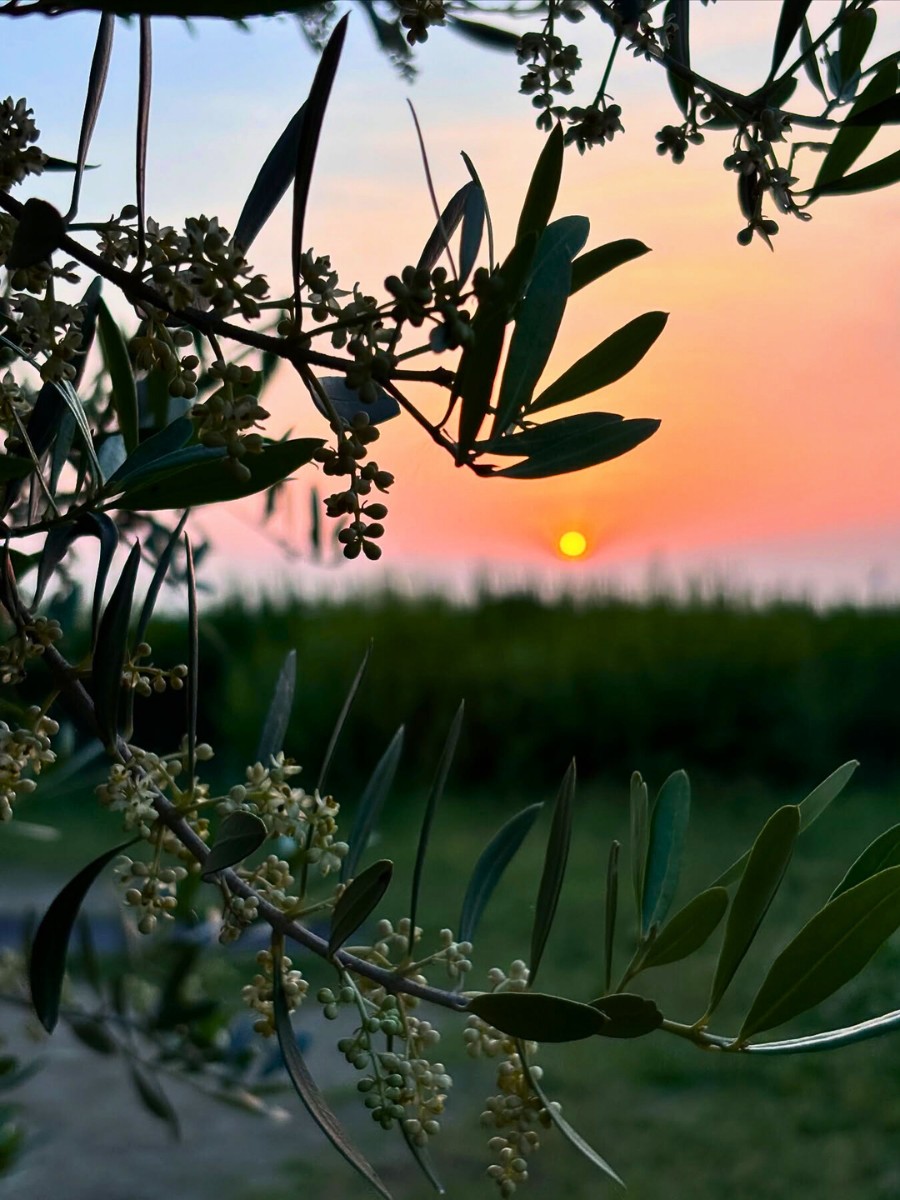
And when do olive trees flower? In most growing regions, olive tree flowers appear in spring, typically from late March through June, depending on the climate and the specific cultivar. In the Northern Hemisphere, the peak flowering window for most varieties falls between April and May. In warmer, more southerly regions such as North Africa or southern Spain, flowering can begin earlier. In cooler climates, it may be delayed into June.
The timing is closely tied to temperature. Olive trees need a period of winter cold to trigger normal flowering and fruit development. This is called vernalization. Without sufficient winter chilling, the differentiation of flower buds is disrupted, and the tree may flower poorly or not at all. The ideal flowering conditions for most cultivars involve daily temperature fluctuations between roughly 2 and 18 degrees Celsius during the late winter and early spring months.
So, when do olives flower in the Southern Hemisphere? The seasons are, of course, reversed. Olive tree flowers in countries like Australia, South Africa, Argentina, and Chile appear from September through November, which is their spring. The tree's seasonal requirements remain the same; only the calendar shifts.
The Anatomy of an Olive Tree Flower
Understanding the olive tree flower requires a quick look at its botany. Olive flowers come in two forms, and this distinction matters enormously for fruit production. Perfect flowers (also called hermaphroditic flowers) contain both a stamen, which is the male reproductive part, and a pistil, which is the female reproductive part.
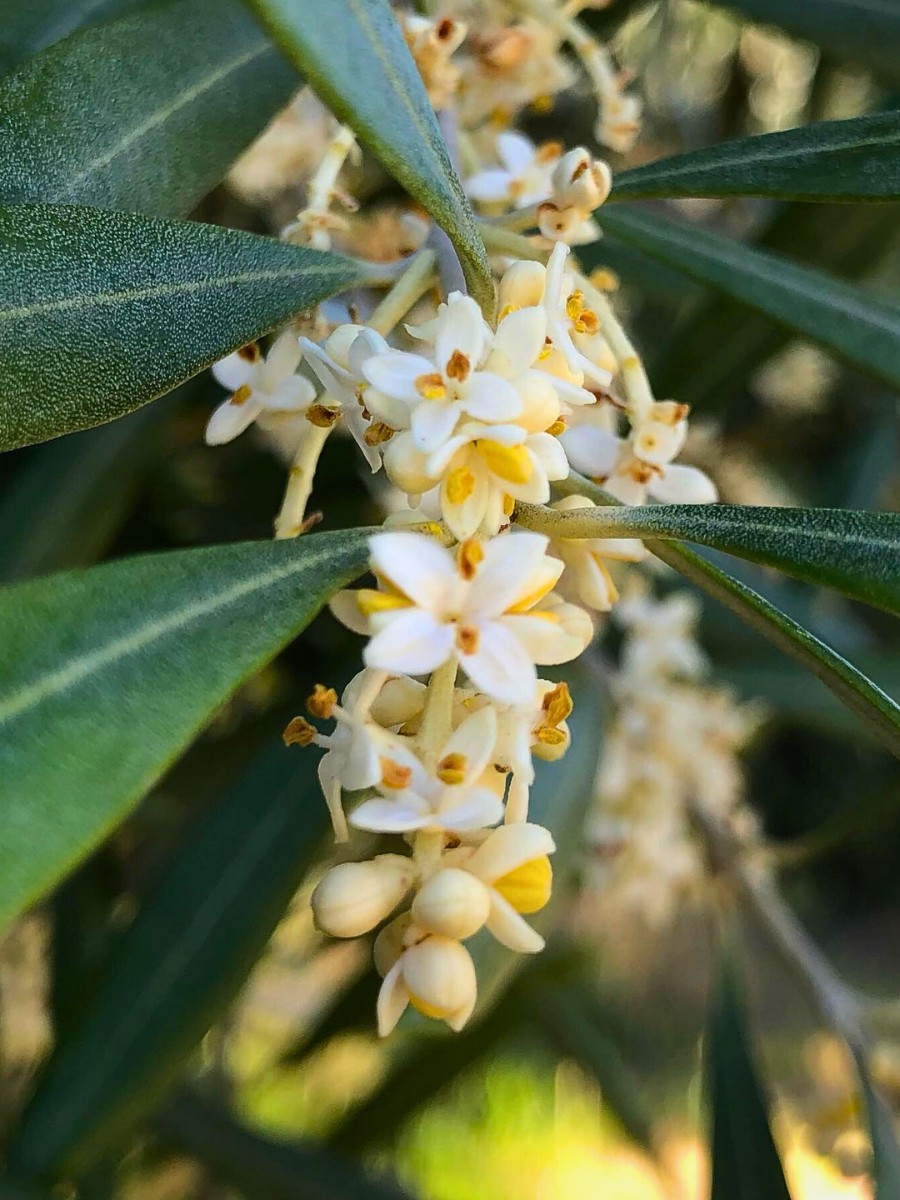
These flowers have the potential to develop into fruit. Staminate flowers, on the other hand, contain only a stamen and lack a functioning pistil. They can release pollen but cannot produce fruit themselves.
Why does the tree produce staminate flowers at all? It comes down to energy management. Developing a pistil, and particularly the ovule within it, requires significant nutritional resources. When a tree is under stress, short on water, or still recovering from a previous heavy crop, it will often abort pistils as a way of conserving energy.
The leaves always win in a competition with the flowers for available nutrients. This is why good water management and soil nutrition during late winter and early spring, precisely when flower buds are forming, can have a great impact on how many perfect flowers a tree produces.
How Olive Tree Flowers Are Pollinated
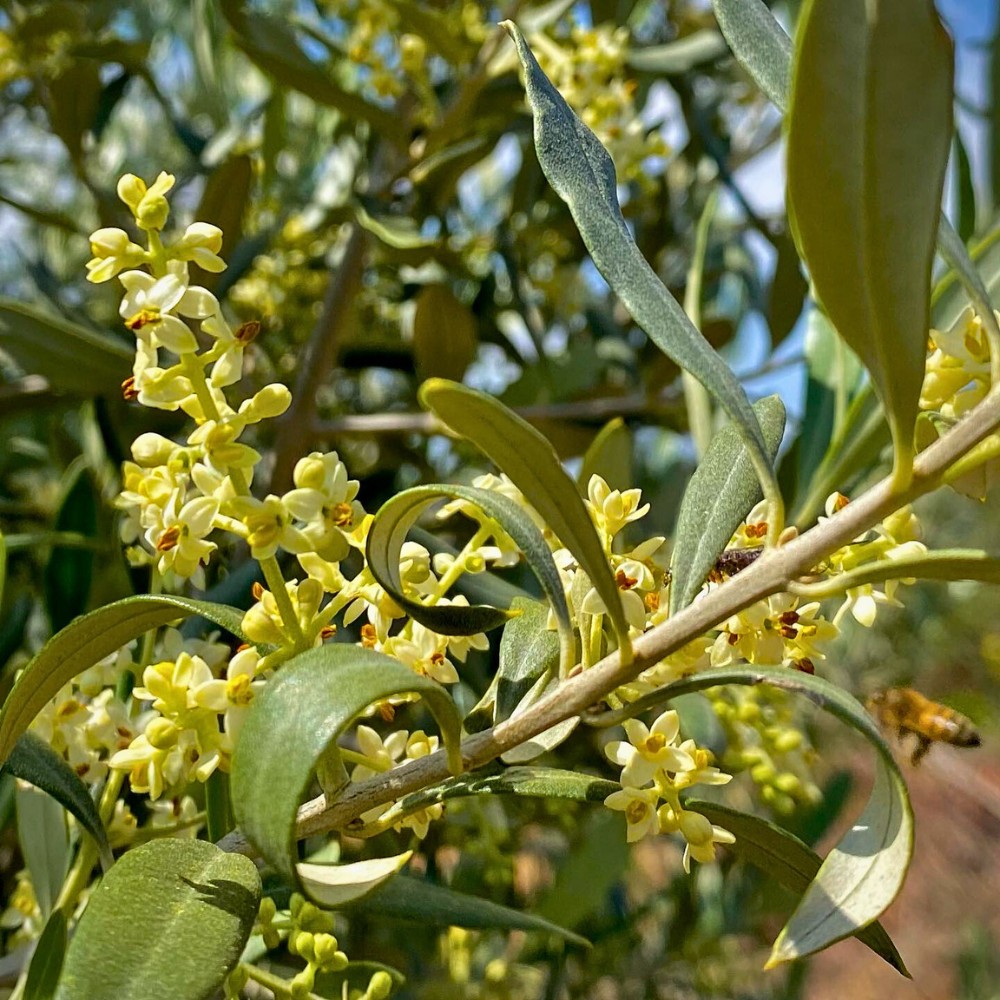
Olive pollination is primarily wind-driven. Unlike many fruiting trees that rely heavily on bees to transfer pollen, olive trees depend on the wind to carry pollen from one flower's anthers to another flower's stigma. Bees do visit olive flowers and can play a supporting role, but they are not essential pollinators for most varieties.
Self-Pollination vs. Cross-Pollination in Olive Trees
Some olive varieties are self-fertile, meaning their own pollen can successfully fertilize their own flowers. Because of the way olive flowers are arranged, with the anthers positioned close to the stigma, self-pollination can occur simply through the natural movement of the flowers in a breeze. This is good news for gardeners who have space for only one tree.
However, many commercial varieties depend significantly on cross-pollination, where wind carries pollen from a different olive cultivar growing nearby. Cross-pollination often leads to better fruit set and higher yields. This is why olive orchards are frequently planted with different varieties. If you have a solitary ornamental olive that was producing fruit for years and has suddenly stopped, one possible explanation is that a nearby tree that was providing pollen has been removed.
A mature olive tree in full flowering can carry as many as 500,000 individual flowers, according to the University of California's Olive Production Manual. Of those, only 1% to 2% successfully develop into mature fruit. That might sound like a wasteful process, but it is actually quite normal for the species. Even that small percentage is more than enough to yield a generous harvest.
From Olive Flower, When Do Olive Trees Fruit?
After successful pollination, the fertilized ovule begins its slow transformation into the olive fruit we know. So when do olive trees fruit? The answer depends on the variety and the climate, but in general, olives begin to develop through summer and reach harvest maturity in autumn, typically between September and December in the Northern Hemisphere.
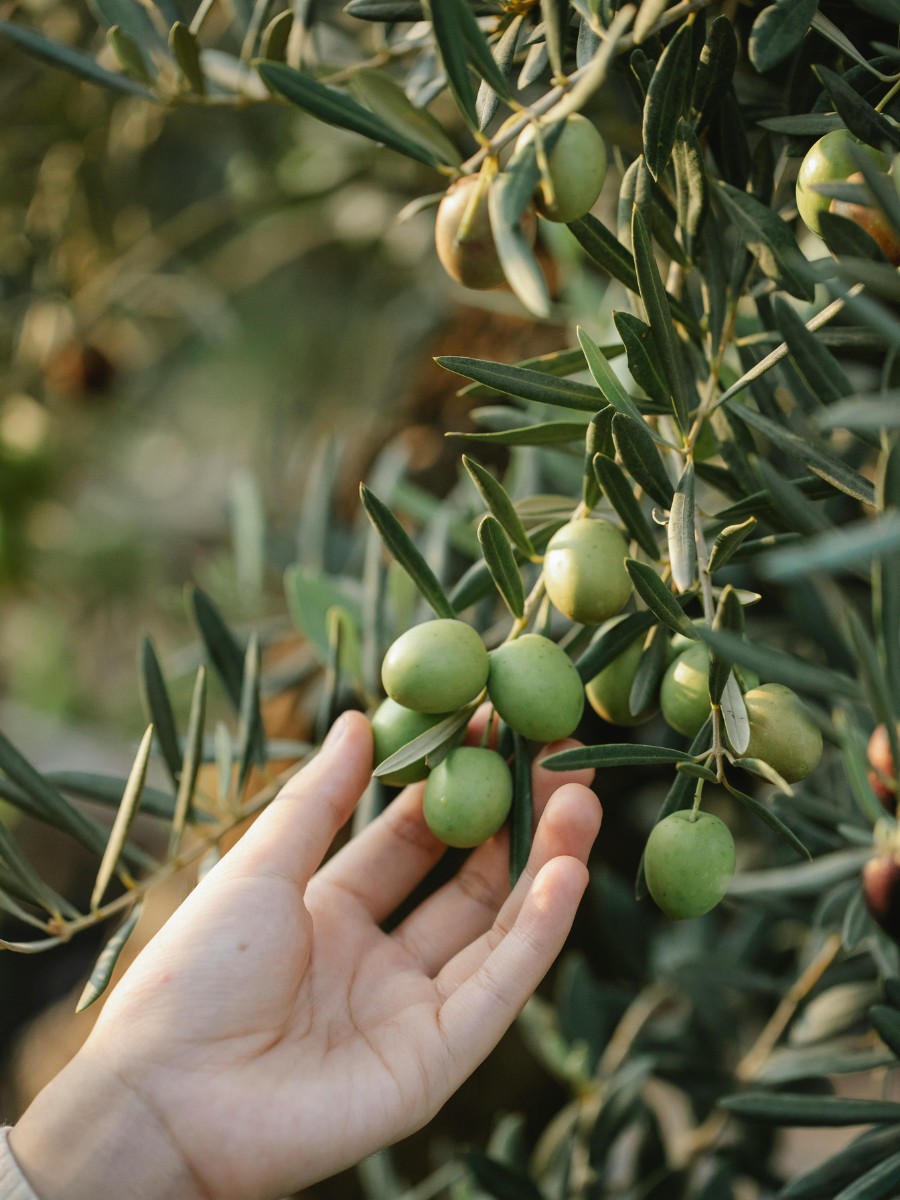
Green olives are simply unripe olives, harvested before full maturity for their firmer texture and sharper flavor. Black olives are the same fruit left on the tree longer to ripen fully. All olives start green and gradually darken as they ripen, passing through shades of yellow-green, violet, and eventually deep purple-black. The precise timing of harvest determines not just the color but also the flavor profile and the quality of the oil, if the olives are destined for pressing.
Is Olive a Fruit or a Vegetable?
This question comes up more often than you might expect. Botanically speaking, the olive is unambiguously a fruit. More specifically, it is a drupe, the same category as cherries, peaches, and mangoes. A drupe is a fleshy fruit that develops from a single flower with one seed inside, enclosed in a hard pit or stone. The olive fits this description exactly.
Culinary usage, however, tends to treat olives more like a vegetable or a condiment because of their savory flavor and the way they are used in cooking. This is simply a matter of culinary convention rather than botanical fact. So is olive a fruit or a vegetable? From a botanical standpoint, it is definitely a fruit. From a kitchen standpoint, it is often treated as a savory ingredient, which is a distinction based on taste, and not science.
The Olive Branch Flower and Its Symbolism
The olive branch has been a symbol of peace, goodwill, and renewal across cultures for thousands of years. In ancient Greece, winners of the Olympic Games were crowned with olive wreaths. In the Hebrew Bible, a dove returns to Noah carrying an olive branch, signaling the end of the flood and the renewal of life on earth. The olive branch flower, when seen as part of this general symbol, adds more meaning. Where the branch represents peace, the flower represents the promise of what is coming, a future harvest, a season of abundance, or the continuation of life.
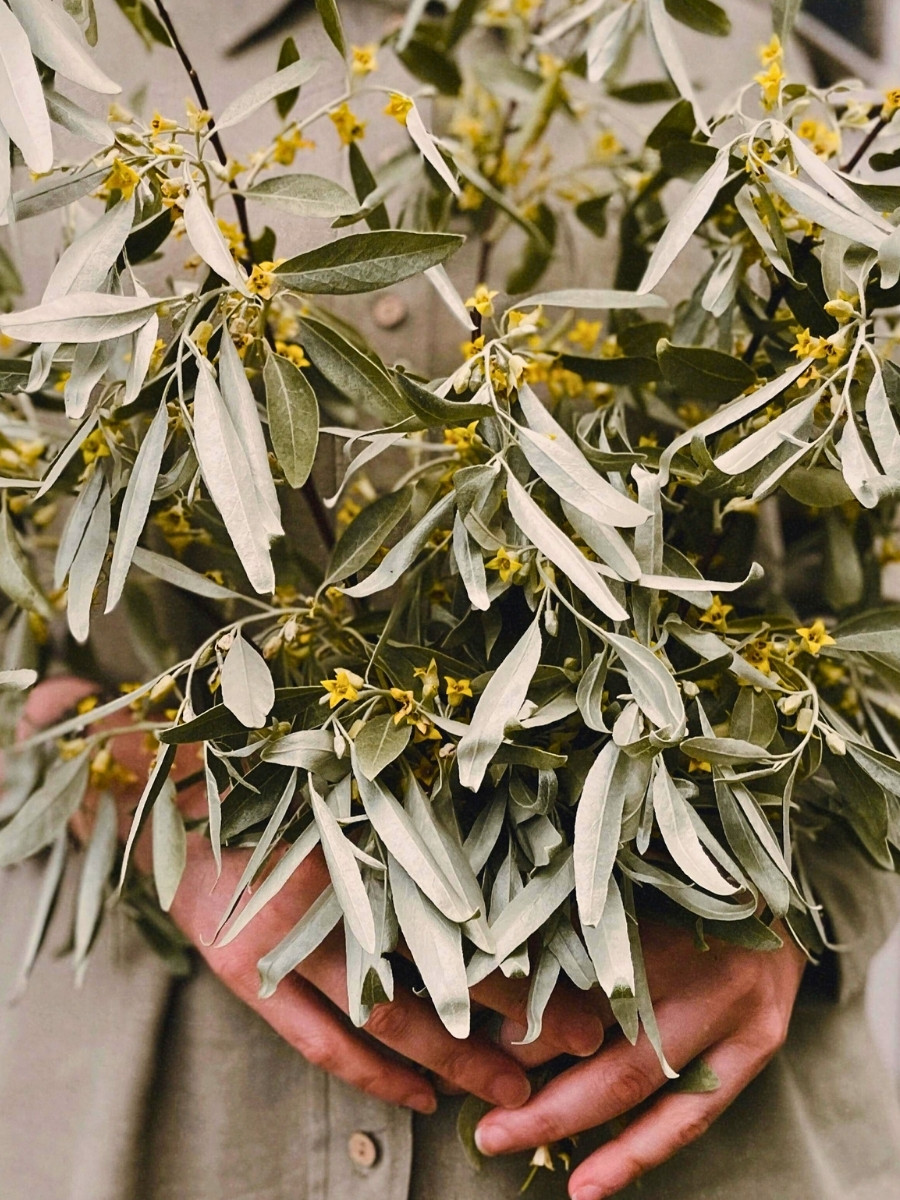
In a more literal sense, a flowering olive branch in spring is a beautiful thing. The slender silver-green leaves make a perfect foil for the small cream-colored flowers, and when a branch is cut and brought indoors, it carries a refined elegance that suits both formal arrangements and simple, casual displays. Florists and interior stylists who work with natural, botanical materials have quite a fondness for olive branches precisely because of this quality.
Do Fruitless Olive Trees Flower?
Do fruitless olive trees flower? This is one of the most common questions from gardeners who have planted ornamental olives. The short answer is yes, most fruitless olive varieties do still produce flowers. The difference is in what happens after flowering.
Fruitless olive trees are cultivars that have been selected or treated to produce minimal or no viable fruit. They were developed largely for use as landscape trees in urban environments where falling and rotting olives would create a mess on sidewalks, parking lots, and patios. The 'Swan Hill' olive is one of the best-known fruitless varieties, though it can occasionally produce a small number of fruits under certain conditions.
Some fruitless varieties produce flowers that are sterile and simply drop off without developing into fruit. Others may be treated with chemical blossom inhibitors applied just before or during flowering to prevent fruit set. Either way, if you have a fruitless olive in your garden, you are likely to see at least some flowering activity in spring. You just will not be making oil from it any time soon.
What Affects Olive Tree Flowering and Fruit Set?
Several factors can encourage or hinder olive flowering and the development of fruit from olive tree flowers.
Temperature
As noted above, winter cold is necessary to trigger flowering. Equally, extreme cold in spring can damage open flowers and prevent fertilization. A late frost during the flowering period can be very damaging. Conversely, a sudden surge of hot, dry wind during flowering can desiccate pollen and reduce pollination success significantly.
Water and Nutrition
Water stress during late winter and early spring, precisely when flower buds are forming and differentiating, can lead to increased pistil abortion and fewer perfect flowers. Nitrogen levels also play a role; too little and the tree lacks the resources to develop flowers properly, too much and the tree may prioritize leafy vegetative growth over reproductive activity. A well-fed, well-watered tree in late winter gives itself the best possible chance of a good flowering season.
Pruning
Since olive flowers and subsequent fruit develop on the previous year's wood, pruning at the wrong time or too aggressively can remove the very shoots that would have flowered. The best time to prune olive trees is after harvest and before new bud growth begins, avoiding the period when flower buds are actively differentiating.
Olive Flowers in the Garden, Culture, and Floristry
While the olive tree flower is not the showiest in the floral world, it is quite appealing, especially for those who love plants with deep roots in history and culture. In a garden setting, a flowering olive in spring fills the air with a gentle, honey-tinged fragrance. The clusters of small cream flowers against the distinctive silvery-grey foliage create a beautiful effect that is well-suited to Mediterranean-style gardens.
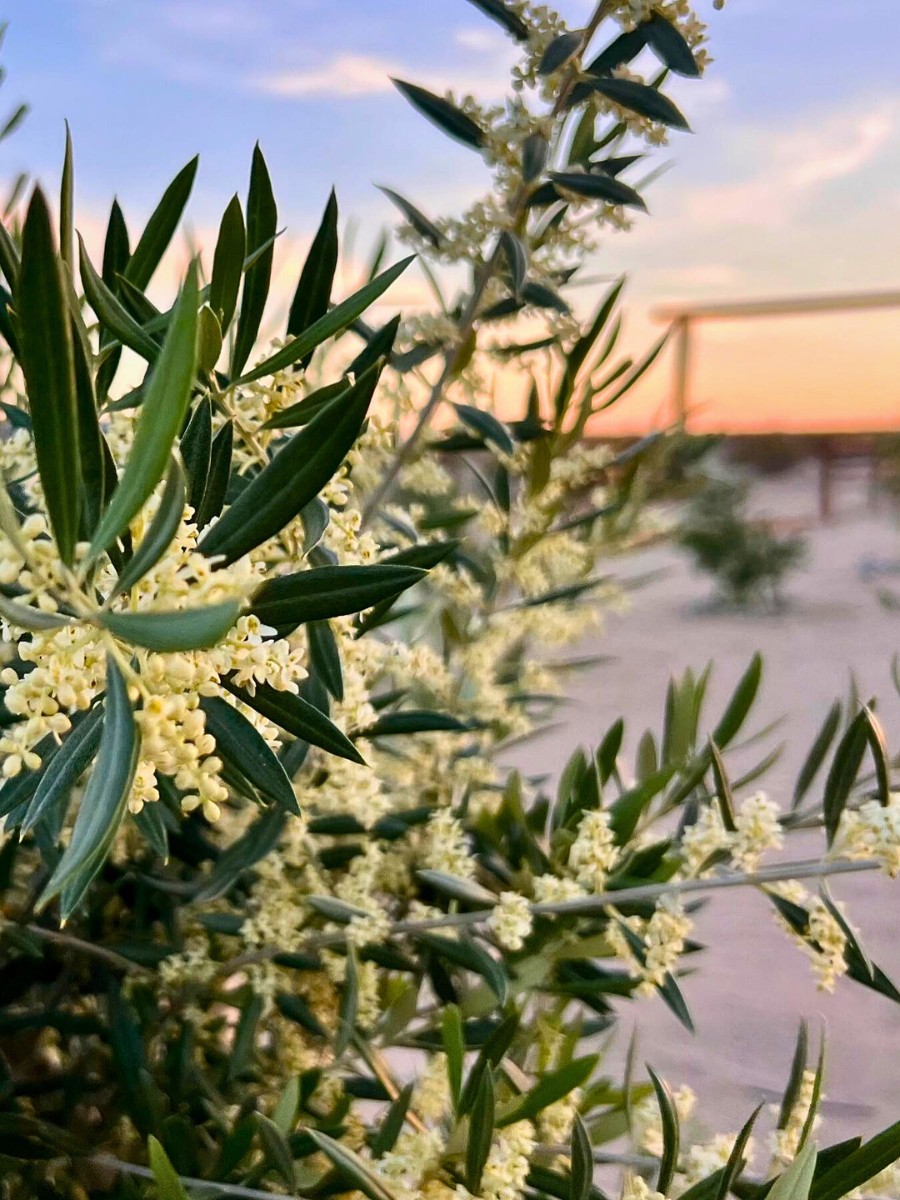
Olive tree flowers also symbolize renewal across Mediterranean lore, from Greek myths to modern peace emblems. In gardens, they draw eyes before fruit, fitting sustainable designs you champion. Pair with natives for biophilic appeal, and here, their quiet presence fits your biophilic nature.
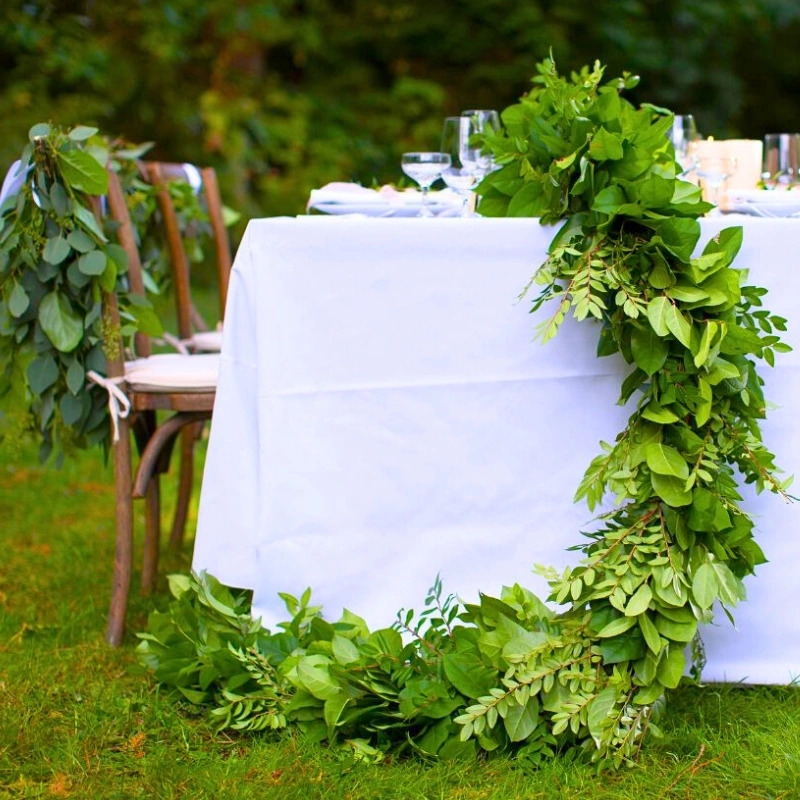
In floristry, olive branches, both flowering and fruiting, have become popular additions to arrangements and installations. Their natural, slightly wild quality appeals to the current aesthetic preference for loose, garden-gathered designs. A branch of olive with small white flowers or with developing green fruits offers texture, movement, and a sense of story that few other materials can match.
Olive branches also dry well, retaining both their silvery leaves and the shape of the fruit over time, which makes them popular for dried arrangements and long-lasting installations.
A Few Things Worth Knowing About Olive Pollen
If you suffer from seasonal allergies, olive trees are worth knowing about. Olive pollen is a significant allergen where olive cultivation is widespread. In parts of Spain, Greece, and California, the annual olive flowering season is associated with elevated pollen counts and increased allergy symptoms. The very mechanism that makes olive pollination effective, lightweight pollen carried efficiently by wind across long distances, also makes it one of the more effective airborne allergens in spring.
For those planting an olive tree as a landscape specimen rather than for fruit, a fruitless variety may offer the added benefit of reduced pollen production, since some of these varieties produce fewer or less fertile flowers. That said, even fruitless varieties are not completely pollen-free, and the degree varies by cultivar.
Featured image by @nesolivefarm. Header image by Bertrand Borie.