Most people miss the first flowers of spring entirely as they perhaps watch out for flowers that are a lot more obvious, maybe a full bed of tulips or a magnolia in full display. But signs of spring do not quite begin then; it sometimes starts even in January (or early February), with a few small, stubborn flowers pushing through the soil that has barely thawed. Some come in colors quite unexpected against the gray, so that they sometimes (almost) feel like an anomaly. But they are not a mistake, and are in fact, the whole point of the onset of spring.
What Makes a Flower Bloom Early?
The easy answer is a combination of cold memory and light awareness. Many early spring flowers require a period of cold temperatures (vernalization) to trigger the biological processes that lead to flowering. In other words, without winter, there is no spring awakening for them. The plant needs to experience the cold to ‘know’ that warmth is on its way.
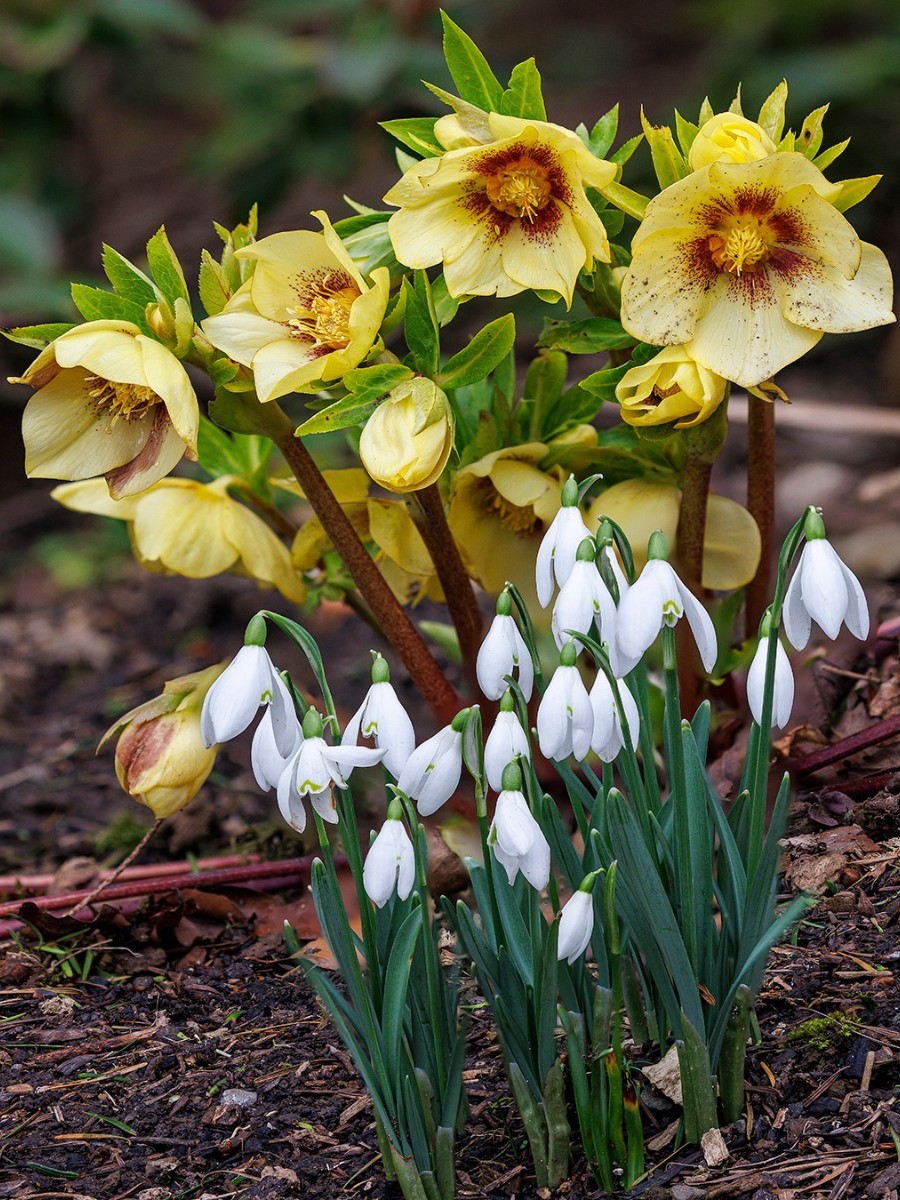
Once temperatures begin to rise and day length increases, hormonal signals within the plant communicate that conditions are changing. For bulb-forming plants like snowdrops and crocuses, this response is especially efficient because the bulb already stored energy all winter as it waited for the right moment.
When the moment arrives, it draws on that stored energy to push upward quickly, sometimes through snow or hard frost, without depending on photosynthesis to get started. There is also an ingenious ecological rationality therein. Flowering before most trees leaf out means early spring plants capture direct sunlight that will soon be blocked by the soon-to-emerge verdant canopy. Pollinators, while scarce, do exist in early spring, and the first flowers to open have those pollinators almost entirely to themselves.
The Flowers That Arrive First
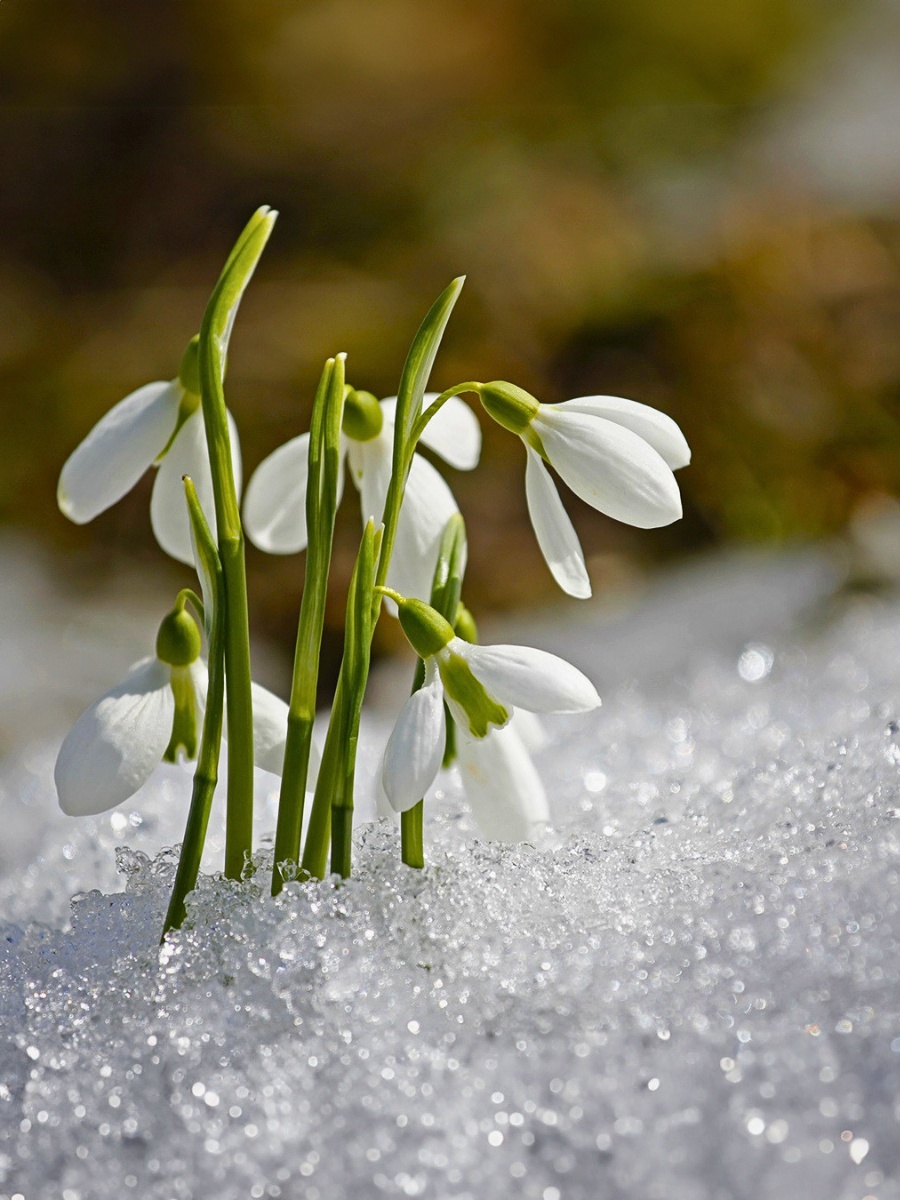
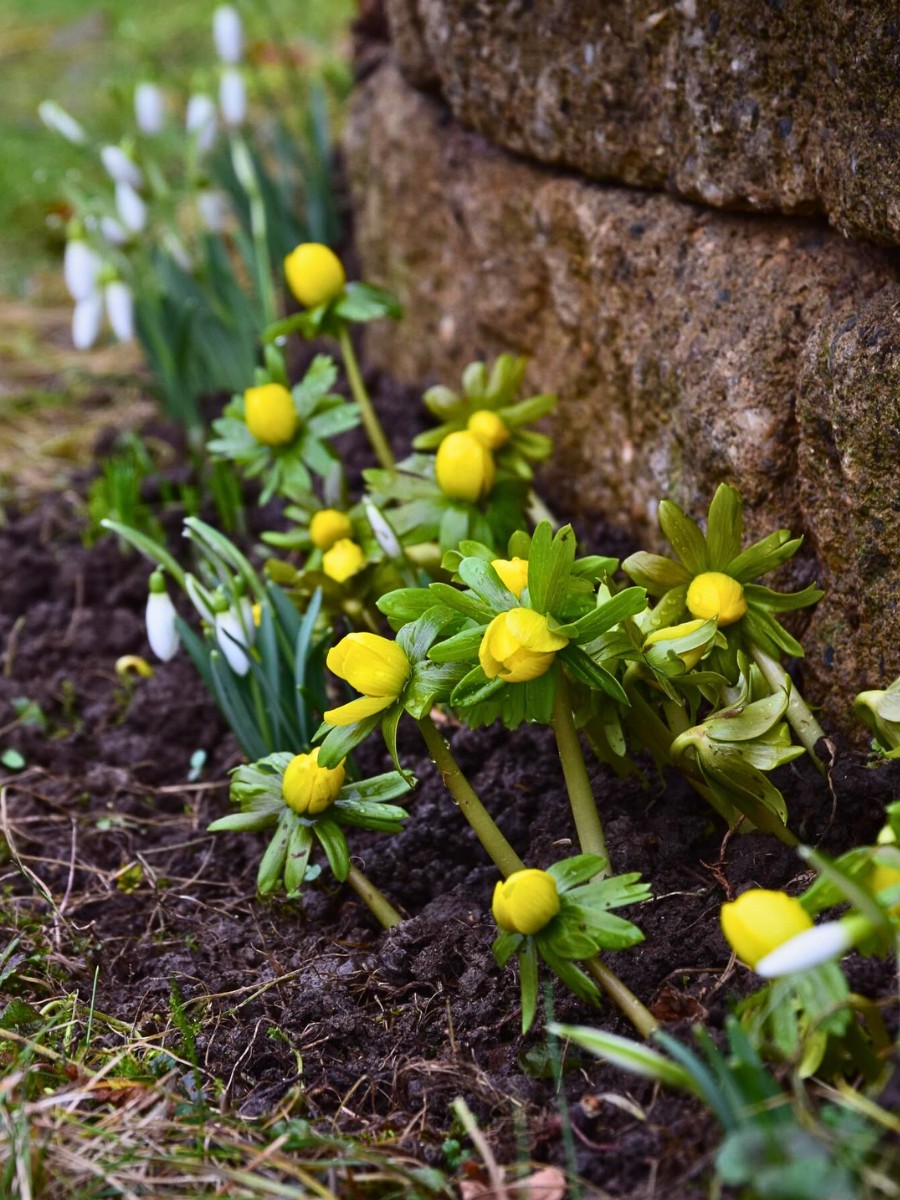
Across the United States, the timing of early spring flowers depends on hardiness zone, but the cast of characters is fairly consistent from coast to coast. The snowdrop (Galanthus nivalis) often goes first, appearing as early as January to March in warmer parts of the country. It is a small, nodding white flower that is easy to overlook. Coming in closely later is the winter aconite (Eranthis hyemalis), which produces cheerful yellow cups from February to March, embracing the ground before its foliage has even properly formed. These two are the real frontrunners of the season.
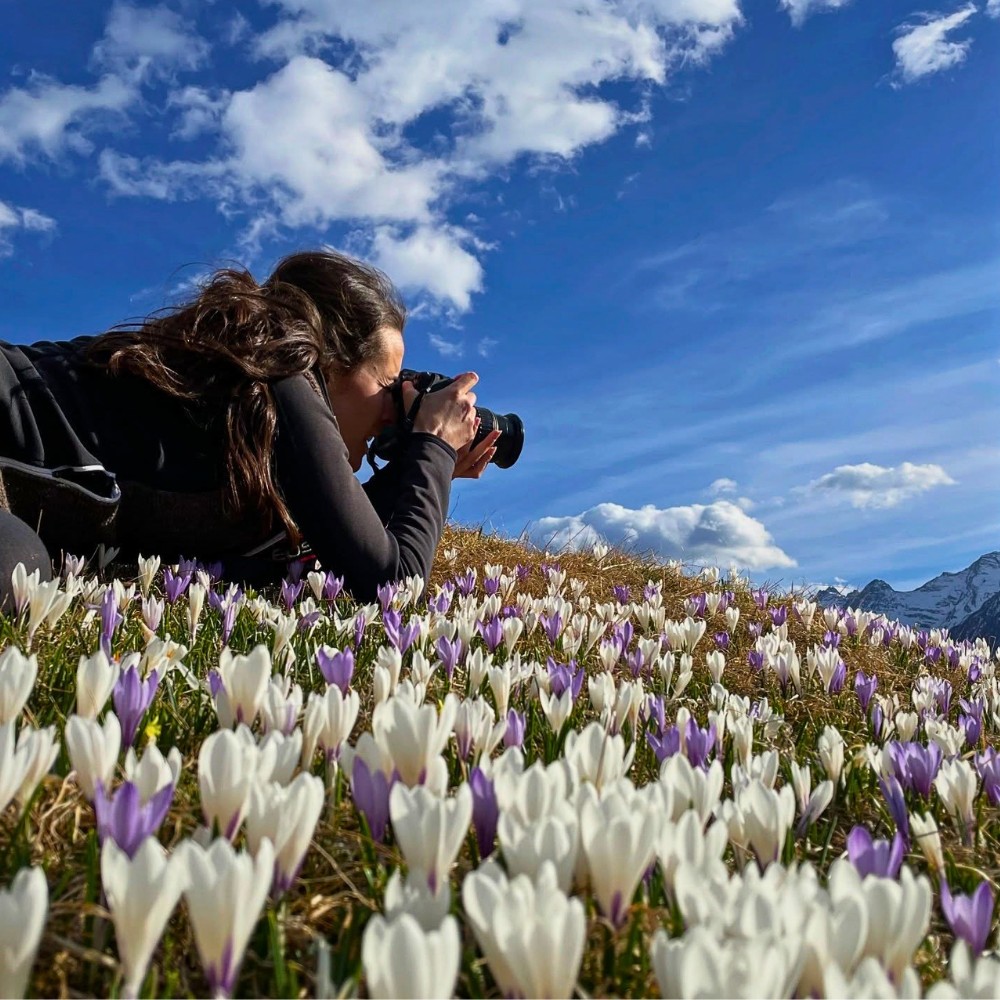
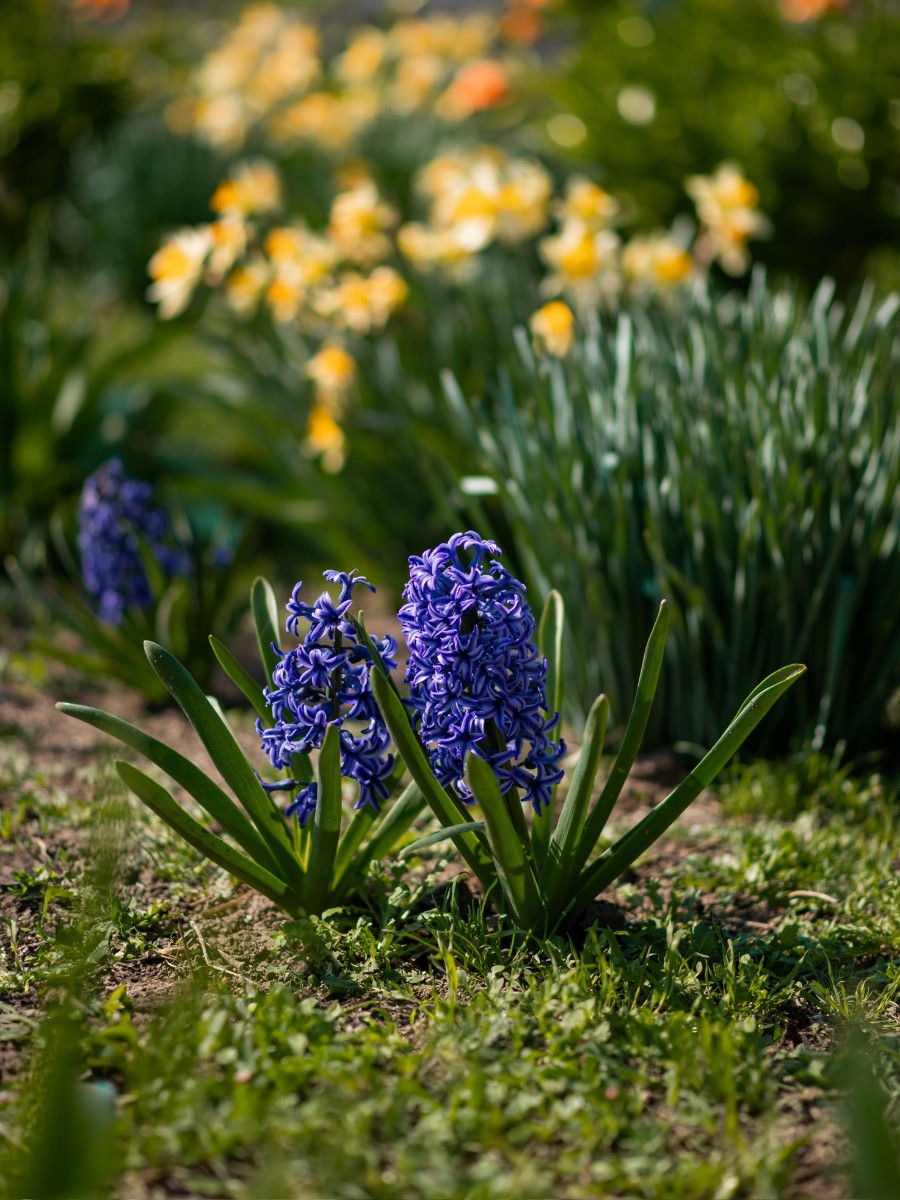
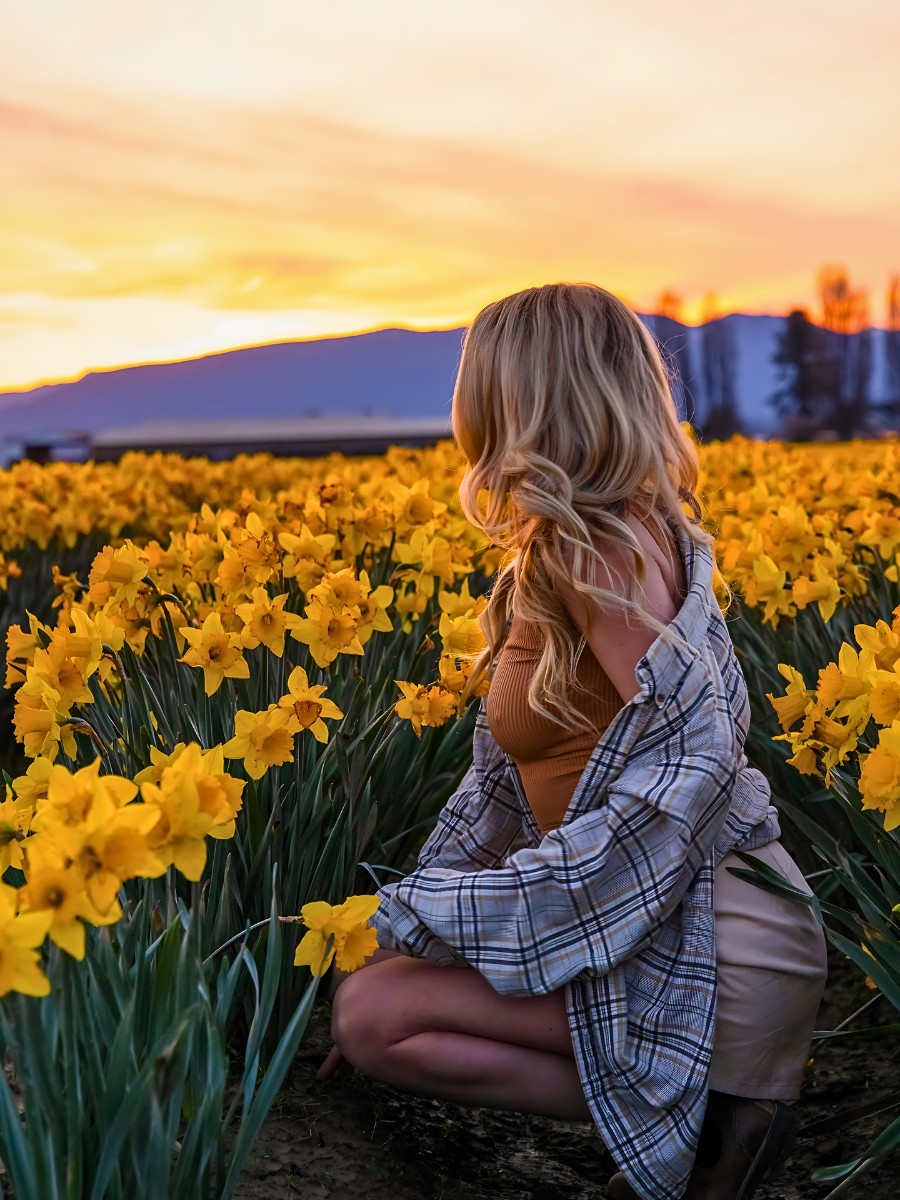
The crocus (Crocus vernus) follows suit from February through April, arriving in a satisfying range of purple, white, yellow, and striped forms. Small but numerous, a naturalized patch of crocuses in a lawn is one of the loveliest sights that early spring offers. From March onward, Daffodils (Narcissus spp.) bring a more substantial and familiar presence, followed closely by the intensely fragrant hyacinth (Hyacinthus orientalis) in shades of blue, pink, white, and deep violet.
A quintessential spring ephemeral, Spring Beauty (Claytonia virginica) is yet another of the first spring bloomers in eastern woodlands. It often blooms while patches of snow remain, its star-shaped, pink-striped flowers timed perfectly to provide an early nectar source for emerging bees. By the time the forest canopy fully shades the ground in late spring, the plant has already vanished back to its underground corm until next year.
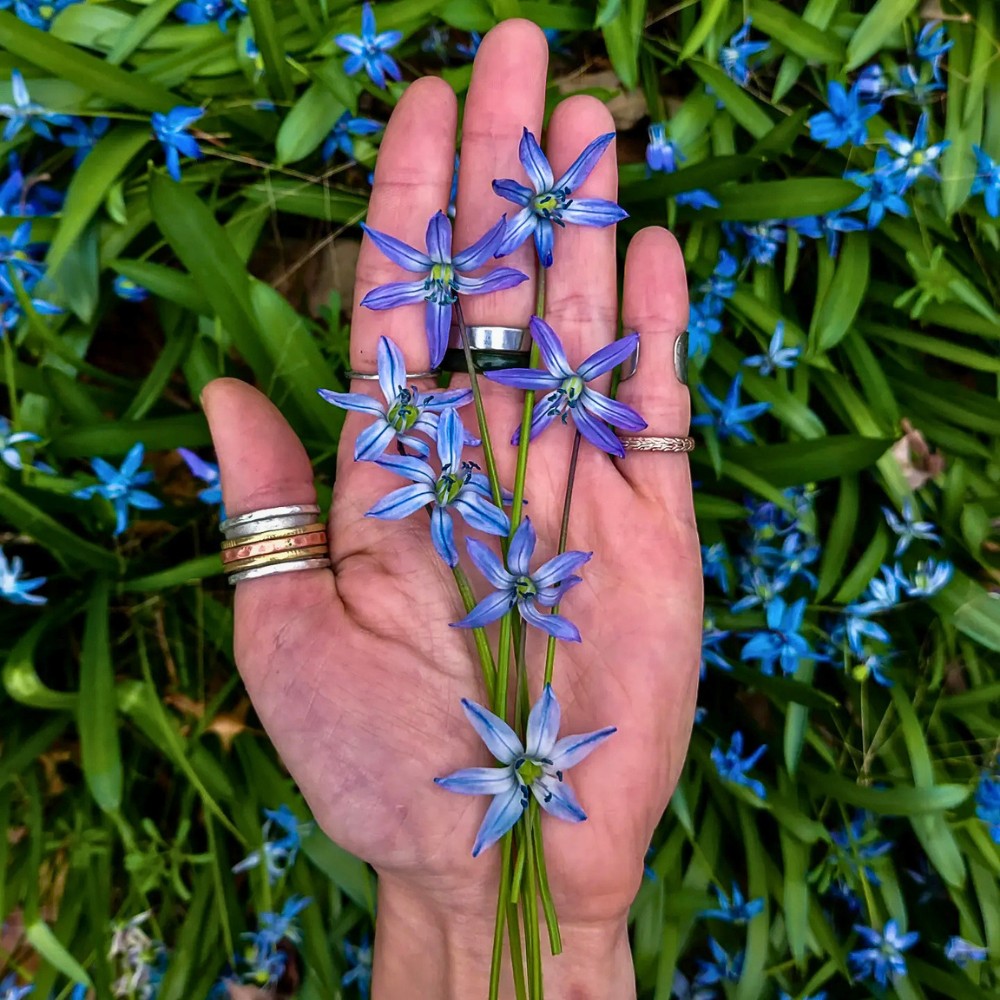
The Siberian squill (Scilla siberica) rounds out the early season with a carpet of small, intensely blue flowers that spread readily and naturalize beautifully under deciduous trees. By the time Daffodils and hyacinths are open, spring has well and truly taken over. But it was the heralding snowdrops and aconites that made the initial announcement.
The Role of the Bulb
It is worth having a look at the bulb, because it is essential to why many early spring flowers exist at all. A bulb is essentially a self-contained food system, containing layers of modified leaves that surround a bud, packed with carbohydrates that give the plant everything it needs to grow fast in cold conditions.
The bulb does not wait for spring to feed itself through roots and leaves the way a summer perennial might, but simply uses what it stored the previous fall. This is also why planting bulbs in autumn is important, and why the flowers arrive reliably in early spring. Basically, the bulb pushes forth the flower when it is ready and hardly a moment before then.
A Different Kind of Early
Not all early spring flowers come from bulbs. Witch hazel (Hamamelis) is a flowering shrub that produces thin, spidery yellow or orange petals in late winter, sometimes in January, and carries its fragrance with unusual persistence given the cold. It is one of the most underused plants in American gardens, and one of the most filling to have around.
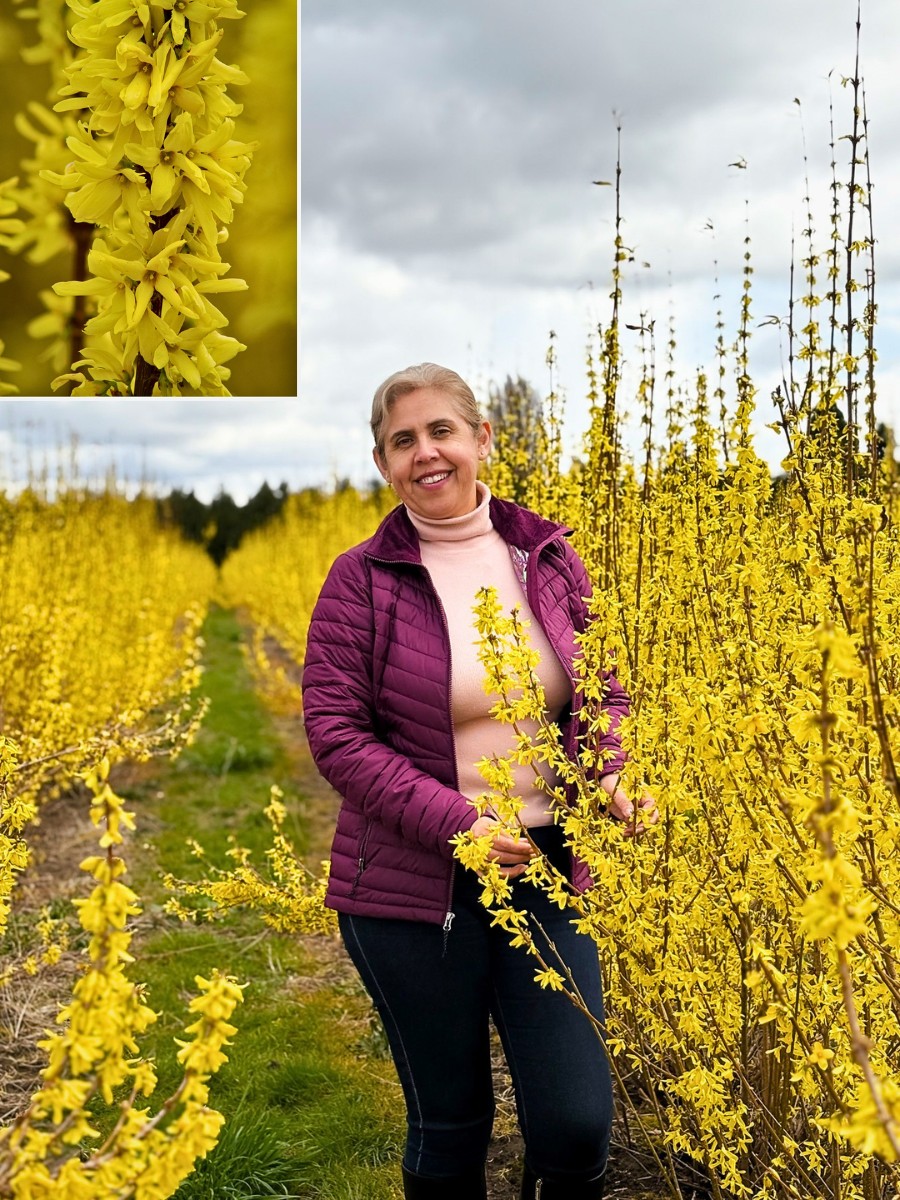
Forsythia, albeit just about similar to the Witch hazel, also comes before most trees even consider budding. It bursts into brilliant yellow; its arching branches are draped in color almost overnight. Forsythia’s early performance owes to its ability to bloom on old wood, which are stems that grew the previous year. That means its flower buds are prepped and ready even before spring officially arrives. As one of the first shrubs to flower, it sets off a definite air of seasonal energy.
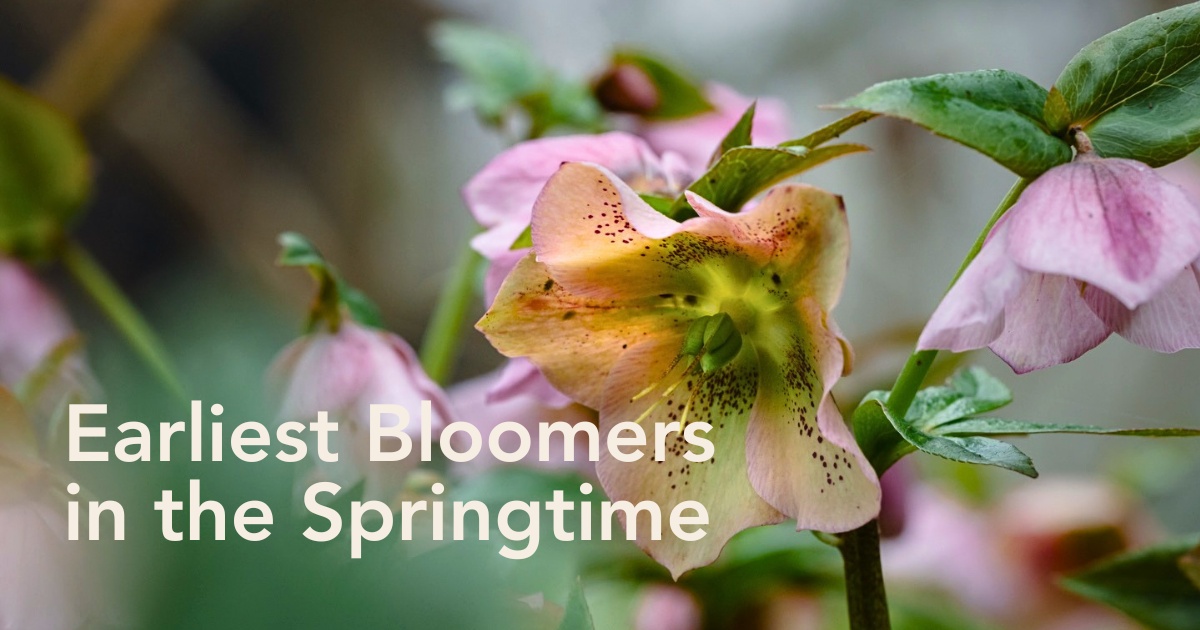
Hellebores, often called Lenten roses (or winter roses), are in themselves entirely another category. These are perennial plants with leathery, deep-green leaves that persist through winter, sending up nodding flowers in shades of plum, white, pale green, and near-black as early as February or March. They thrive in shade, making them particularly useful in spots where other early-spring plants struggle. Hellebores are quiet in the way all truly elegant things tend to be.
Benefits for Florists and Gardeners
For those who work with flowers professionally, early-spring-blooming flowers could mean restraint and specificity in designs, carrying more nuance than overt abundance. Snowdrops in a bud vase, or a small arrangement of hellebores with their faces turned just slightly downward, show a seasonal mindfulness that more extravagant arrangements sometimes do not.
For those who garden, the advice is to plant bulbs (early) in October and November, choose a mix of early, mid, and late-spring varieties, and let their garden develop its sequence. From snowdrops to winter aconites, tulips, allium, and others, a well-planned bulb garden tells the chronicle of the spring season in stages.
Featured image by @cassidyskyex. Header image by julieskeltonphoto.