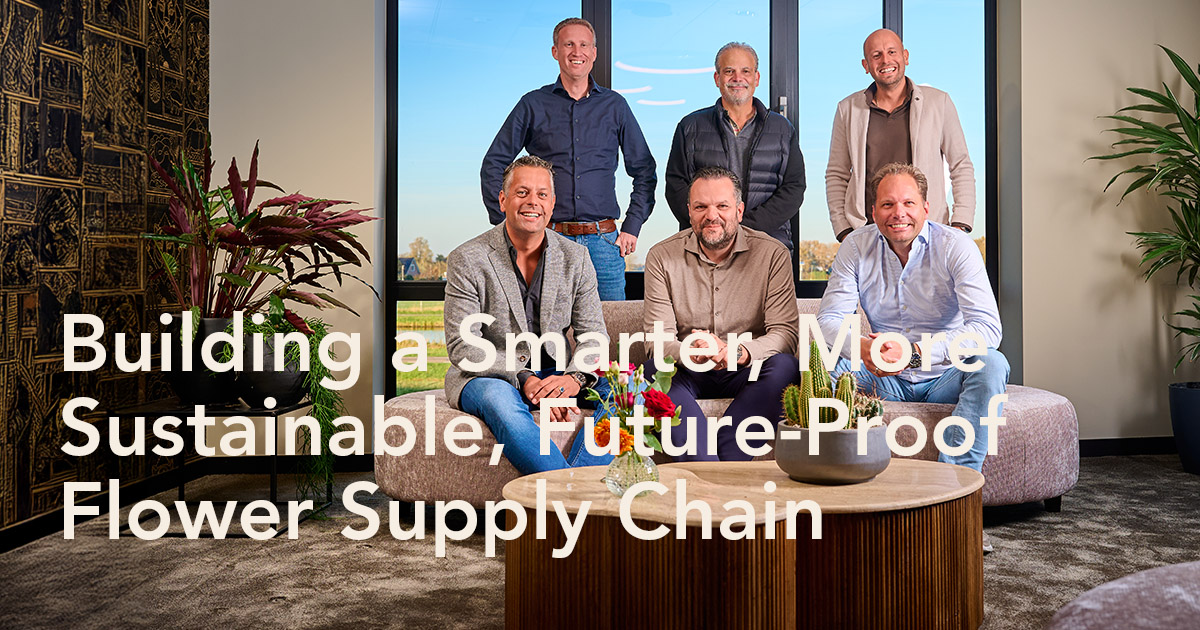
In late December 2025, One Flora Group (OFG) and The Elite Group announced an agreement to join forces. The headline is clear: build a smarter, more sustainable, future-proof flower supply chain, while both companies continue to operate independently. So what changes, day to day, for buyers, wholesalers, and florists? For them, it is not about headlines. It is about availability, reliability, and fewer avoidable surprises in busy weeks.
In a conversation framed around practical chain questions, Sven Aertssen, CCO at One Flora Group, zooms in on the parts of the chain where collaboration actually moves the needle: logistics performance, reliability, and the ability to introduce a product in the right market at the right time.
What Is One Flora Group x The Elite Group?
The most concrete element of the One Flora Group and The Elite Group collaboration is logistics. Under the agreement, OFG provides logistics support for Elite’s European operations. Product flows from grower to customer are handled through OFG’s logistics network and European infrastructure.
That is not a small detail. For florists and buyers, logistics is often where the real difference shows up: availability on the day you need it, predictable lead times, fewer quality surprises, and a smoother ordering rhythm.
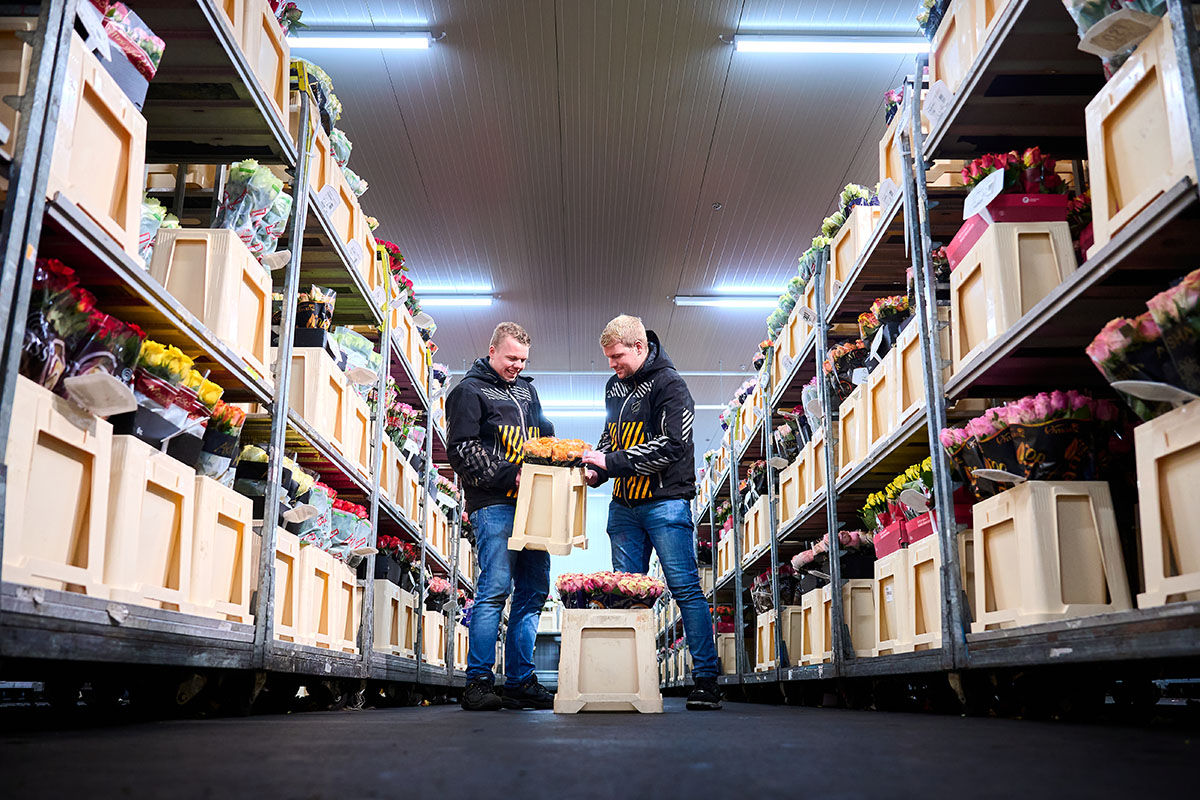
The flip side is commercial reach. Elite will gain better access to Europe via OFG’s network, while OFG strengthens its foothold in North America through Elite.
Sven Aertssen:
"One Flora Group positions itself as a vertically integrated player that aims to fundamentally improve the international floriculture chain. We believe in next-level floriculture: the smart, transparent, and efficient connection between source and market.
Our expertise lies with growers and customers; they know what the market demands and what is agronomically feasible. We facilitate the connection between them – with expertise in logistics, production, scale, flexibility, and product range.
By 2026, we envision OFG as a director of the chain: facilitating, connecting, and being future-oriented."
Both companies emphasize that they remain independent. In practice, that usually means: keep what works locally, and only standardize what truly benefits the chain. Sven Aertssen frames the logic clearly: “Both parties have a large network of customers based on a sustainable foundation.” He added, “We will use that foundation on both sides.” For florists, that reads as a commitment to build on existing relationships and proven routines, not to force a single model on every market.
What Florists Notice First: Flow, Not Marketing
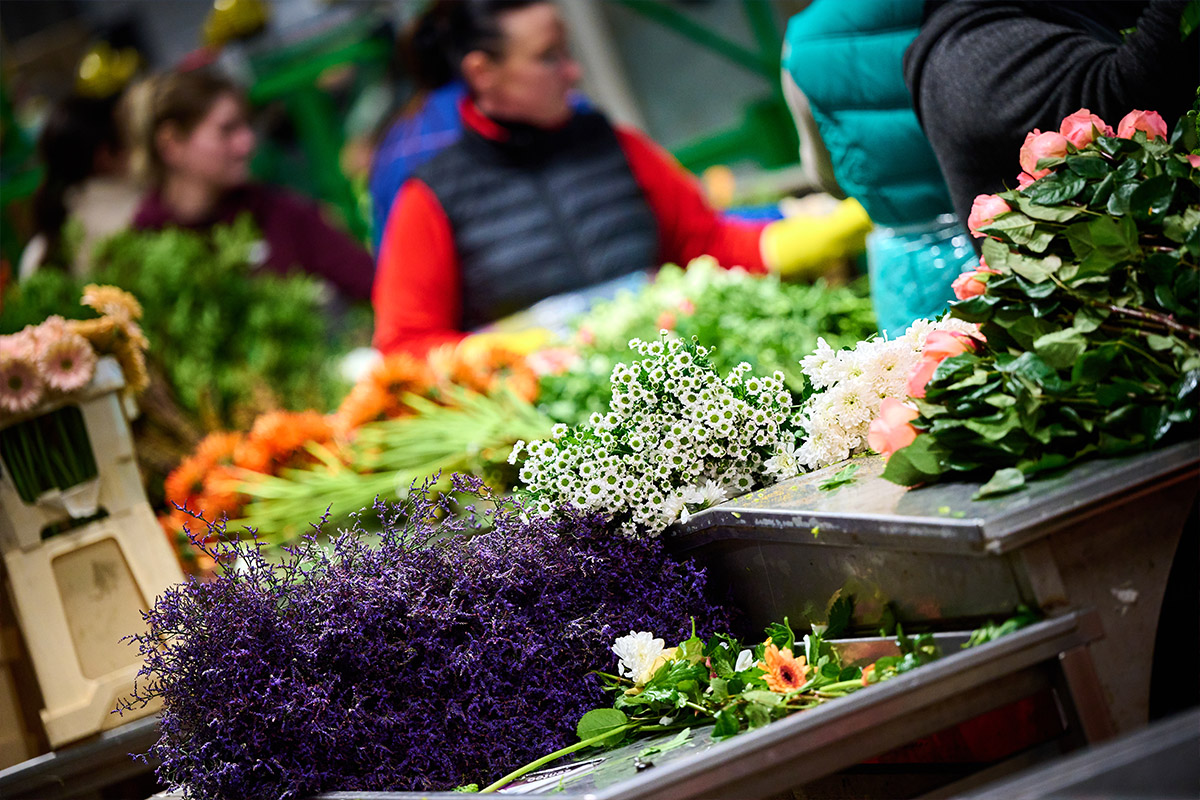
Although big developments in the floral industry may feel distant, florists certainly feel how the market changes in their own week-to-week rhythm. If this collaboration delivers, their early wins will be practical: steadier access to Elite-origin products in Europe, delivered through established infrastructure, plus a cleaner path for selected European products into North America via Elite.
Aertssen’s approach to operations aligns with that focus. He said, “Everything flows smoothly from purchasing to production, from transport to delivery to the customer.” That is the kind of sentence buyers want their suppliers to live by, especially when timelines tighten around holidays.
Innovation and Product Development That Fits the Market
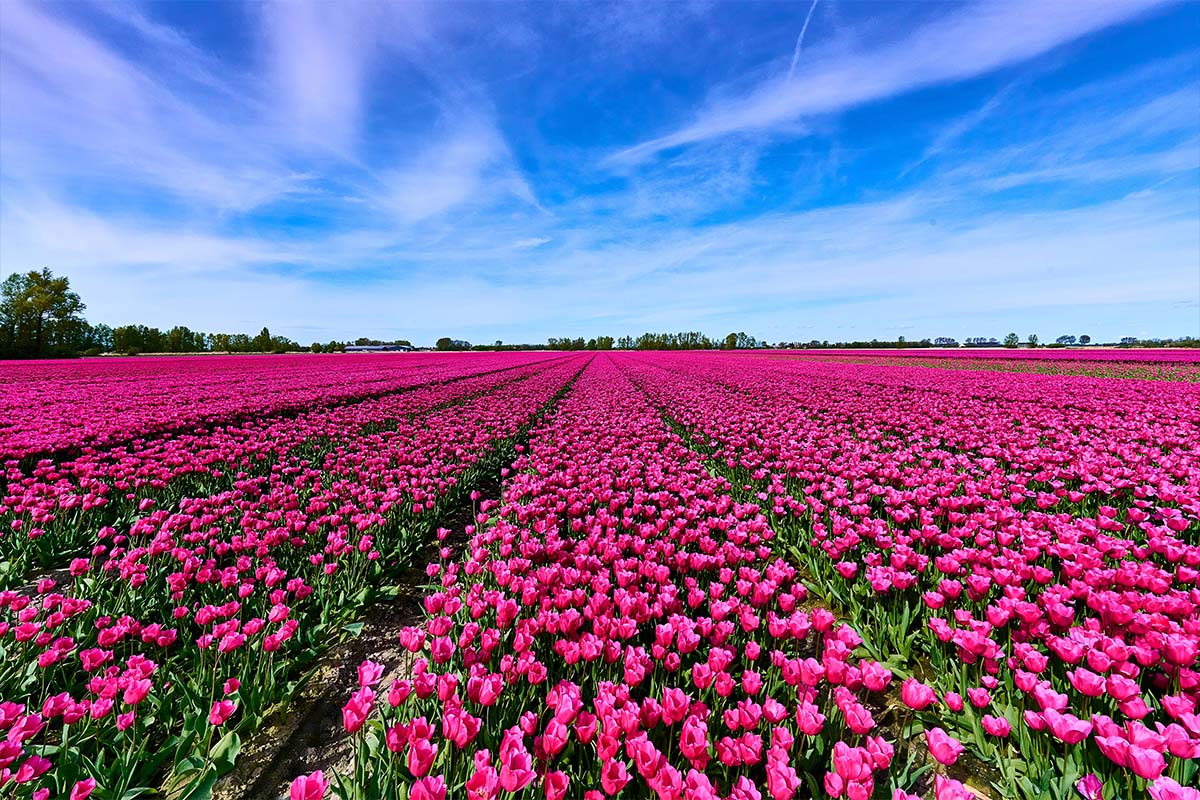
Beyond logistics, the agreement includes innovation and product development. In floriculture, ‘innovation’ is often a smarter assortment: a new variety that performs consistently, a premium line with the right storytelling, a seasonal special with a clear moment, or an ‘everyday’ upgrade that improves handling and reduces waste.
OFG’s role is to help Elite source and introduce European innovation for the U.S. and Canada. The tricky part is translation: what sells in a European cash-and-carry context may need different grades, packaging, or lead times for North American retail. By linking sourcing knowledge with market access, the partnership aims to reduce that gap.
Supply chains only work when people and processes are aligned. In a recent reflection on operating at scale, Aertssen noted, “What really stands out is how well the entire organization is working together now.” He also pointed to the human side of resilience: “Confidence in each other, in our growers, customers, and partners.” Those lines matter because a transatlantic chain is not just trucks and flights. It is shared standards, shared feedback, and shared accountability when something goes off-plan.

The Sourcing Bridge Into North America
OFG has been building sourcing structures closer to production regions for years. Speaking about OFG’s sourcing work out of Kenya through its Zami Africa operation, Aertssen said, “Our companies seek to establish a connected supply chain, matching supply and demand.” He added, “One Flora Group can serve the entire market efficiently and directly from the source.”
Applied to this partnership, the idea is straightforward: move product and information more directly, so new European products can land in North America with the right specs and fewer weak points in the chain.
Where This Can Get Interesting in 2026
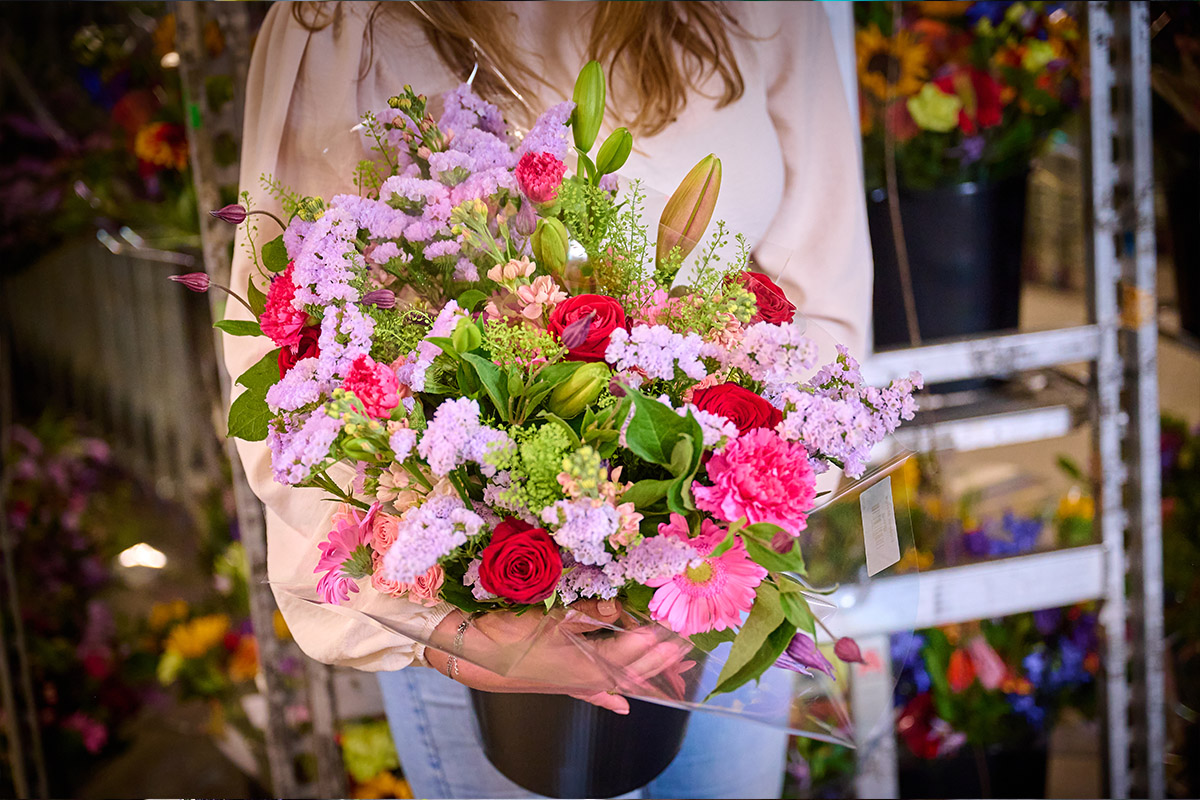
For the sector, the story is less about one agreement and more about what it unlocks: shared knowledge, tighter timing, and better odds that new products reach the right channels.
If OFG and Elite keep independence while tightening the logistics and innovation link, florists get many benefits. Or, in the final words from Sven Aertssen, "In the longer term, we're moving toward a model where geographical boundaries are less defining. For customers, this means access to a much larger, international pool of growers and products, with fewer links and greater control. The daily benefits lie in simplicity: less complexity, more choice, better availability, and a supply chain that becomes more predictable and transparent – for both buyers and florists."
All photos courtesy of One Flora Group.