Every day, new stories are published on Thursd. Growers share innovations, breeders introduce new varieties, designers inspire with creative work, and industry experts contribute knowledge that deserves to be found long after the day it goes live.
But publishing a story and having that story reach the right person are two very different things. A florist in Nairobi searching for information on a variety, a wholesaler in Amsterdam looking for event coverage, a student anywhere in the world trying to understand the flower chain: all of them have to be able to find what Thursd has already written.
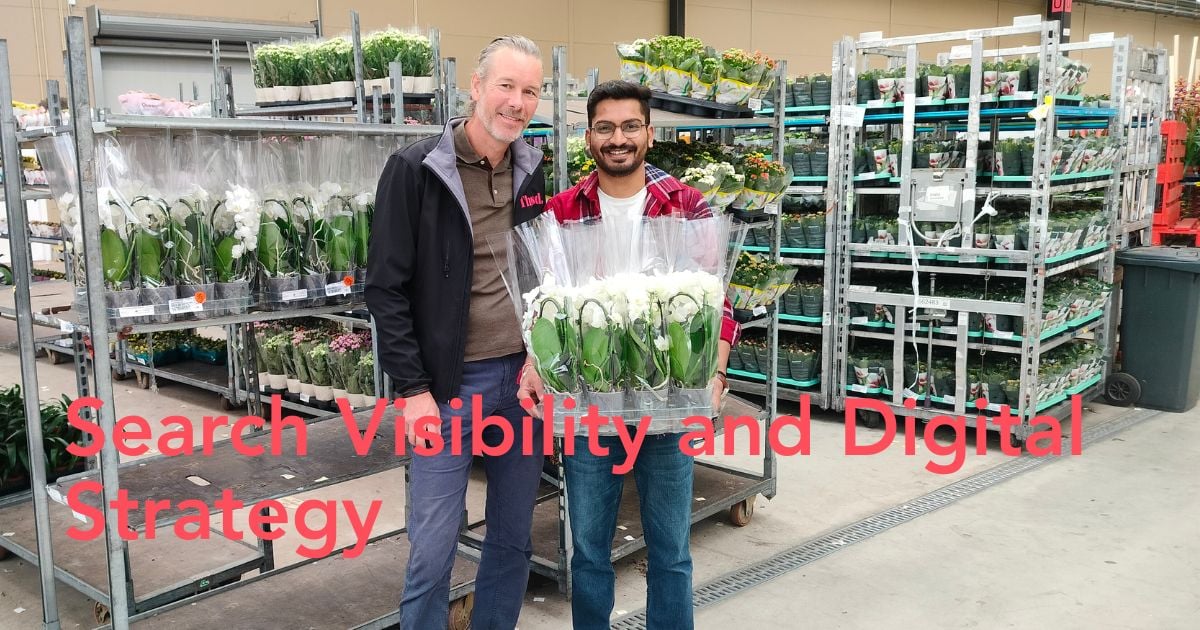
Helping make that happen is Nishant Mehta.
This article is the third in the People Behind Thursd series, where we introduce the people who help shape the platform behind the scenes.
From an E-Commerce Classroom to the World of Flowers
Nishant did not grow up around flowers. His route into the industry started somewhere completely different.
"It started in 2017, when I began my master's in e-commerce," he says. "That is where I first learned what digital marketing actually is and how it works."
What followed were years on the agency side, running link building and outreach campaigns for clients across very different industries, then a period working as a freelancer. Flowers were nowhere in the picture yet.
Thursd arrived through LinkedIn. Nishant connected with Arnold Wittkamp, CEO and founder of Thursd, they spoke, and in March 2023 he joined the team.
Nishant:
"I did not come from flowers at all, so joining the biggest floriculture magazine in the world was a completely new world for me. Three years later, I am still here, and still learning something new about this industry almost every week."
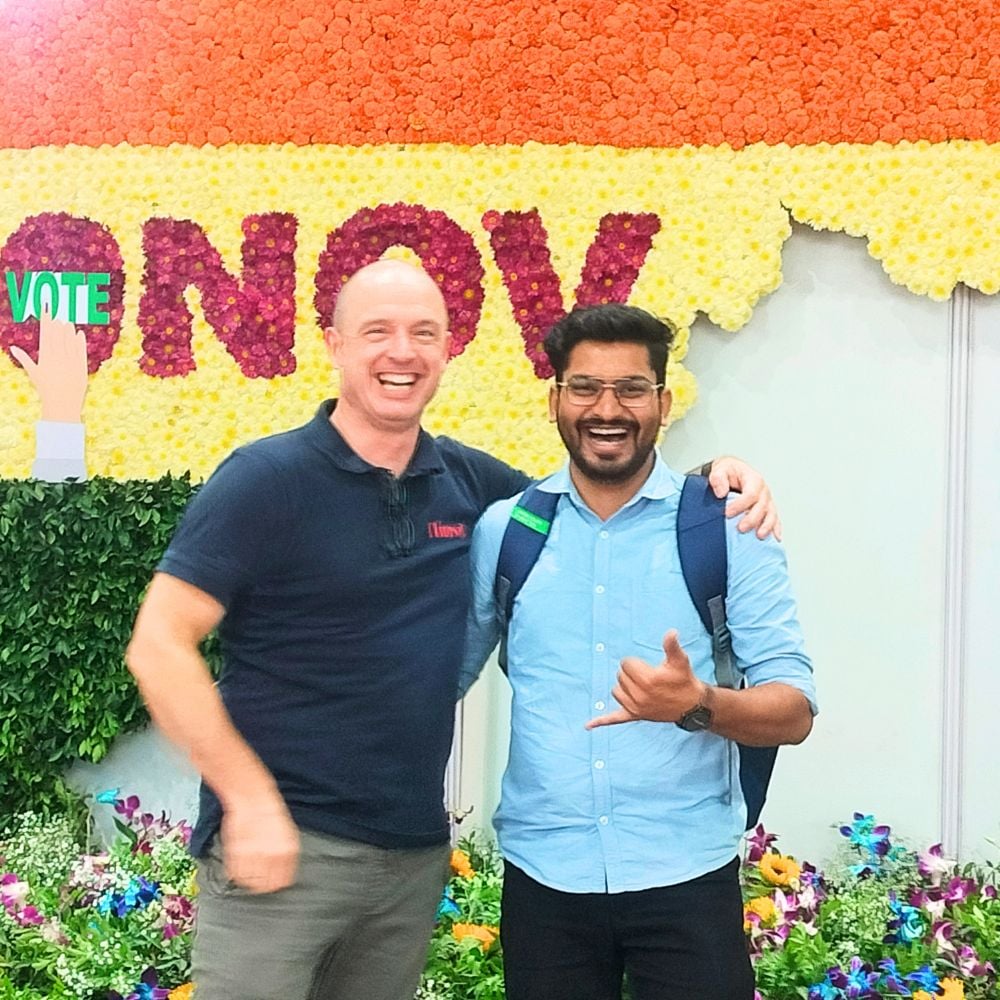
Nishant Is One of Thursd’s SEO Specialists, so What Does SEO Actually Mean for a Platform Like Thursd?
Almost everyone has heard the term. Far fewer people could explain it. Ask Nishant, and he starts by taking the phrase apart.
"To be honest, it is only three words: Search Engine Optimization. But there is a lot happening inside those three words."
His explanation is refreshingly simple. "Search" means somebody is looking for something, or they have a question. "Engine" is the mechanism they search on, Google being the obvious example, with its own algorithm built to match questions to answers. And then comes "Optimization", which is where his work begins.
Nishant:
"Optimization means preparing your website and your content so that the search engine can show it to the right person at the right moment. For Thursd, that matters enormously."
"We are a content machine. We publish constantly. But publishing is not enough on its own. The real job is making sure that content actually answers what a florist, grower, or breeder is typing into Google. If it does that well, everything else follows."
The same logic applies to any business in the chain, which is why he has also written about why a floral business needs its own website.
What Happens After an Article Goes Live?
For most readers, publication is the finish line. For Nishant, it is closer to the starting line.
Once an article is live, he checks that it has been indexed properly, that the structure and headings make sense to a search engine, and that images, alt text, and schema are in place. Then comes internal linking, connecting the new article to older related pieces on Thursd and pointing older ones back to it, so the platform supports itself instead of every article standing alone.
After that, it is monitoring.
Nishant explains:
"I watch how the article performs in search, which keywords it starts picking up, and whether people are clicking. If the impressions are there but the clicks are not, that usually means the title or the meta description needs work."
And months later, if a topic is still relevant but the article has slipped in the rankings, the team goes back and updates it.
"So the work does not stop at publication. In many cases, it barely starts there."
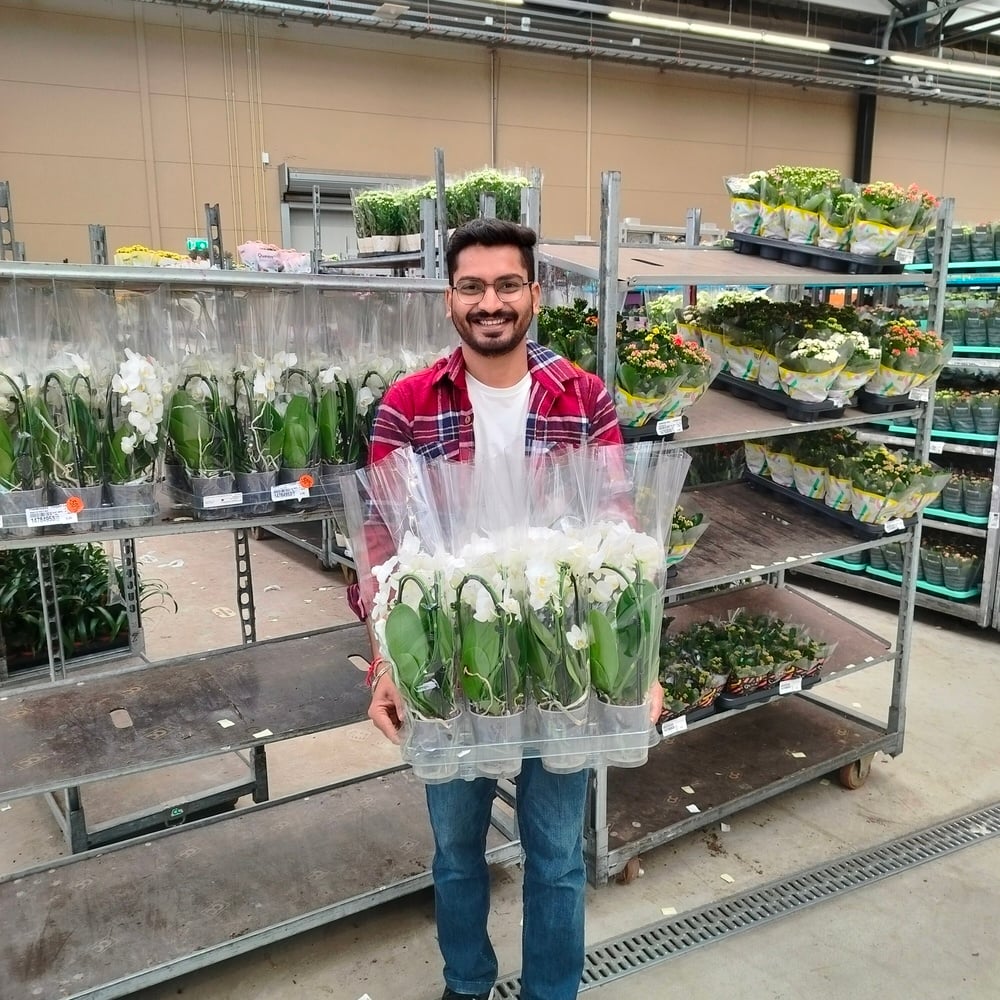
Where Optimization Meets Storytelling
There is an old assumption that SEO and good writing pull in opposite directions. Nishant does not see it that way at all:
"For me there is no real conflict, because both are trying to do the same thing. Google is trying to give people the best answer, and a good writer is trying to give people the best answer. They just approach it from different sides."
He continues:
"The problem appears when optimization is treated as something you force onto content afterwards. Stuffing keywords in and making the article sound robotic never works, and honestly, readers notice it immediately. My job is to make sure the structure supports the story. Clear headings, logical flow, good internal links, so both a reader and a search engine understand what the article is about within a few seconds."
That respect for the writing is deliberate. The editorial team at Thursd knows floriculture far better than he does, and he says so openly:
"The editors know the varieties, the growers, the events, and what actually matters to a florist. I know how to take that knowledge and shape it so it reaches the person searching for it. Neither side works properly alone. A perfectly optimized article with nothing to say is useless, and a brilliant article nobody can find is a waste of everyone's effort."
When both come together, he says, you get what Thursd is known for: well-researched content that also happens to be easy to find.
Two SEOs, One Time Zone
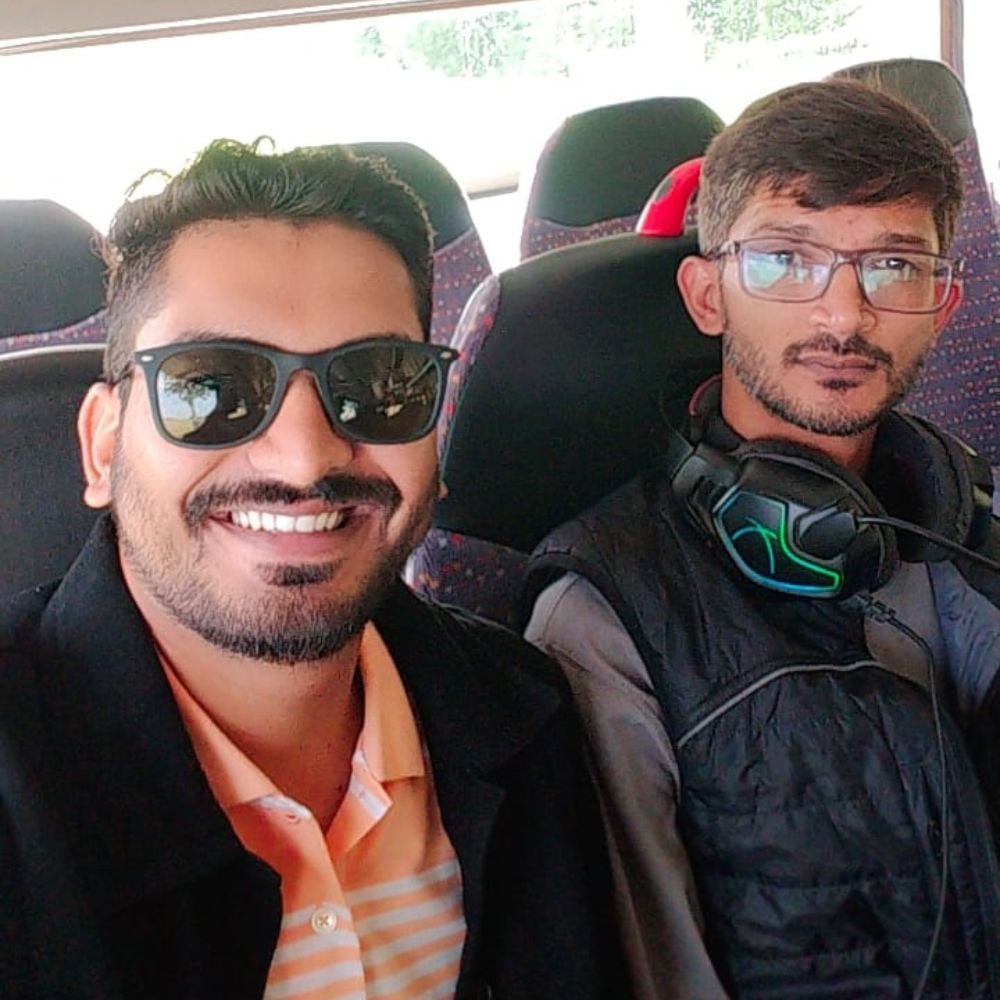
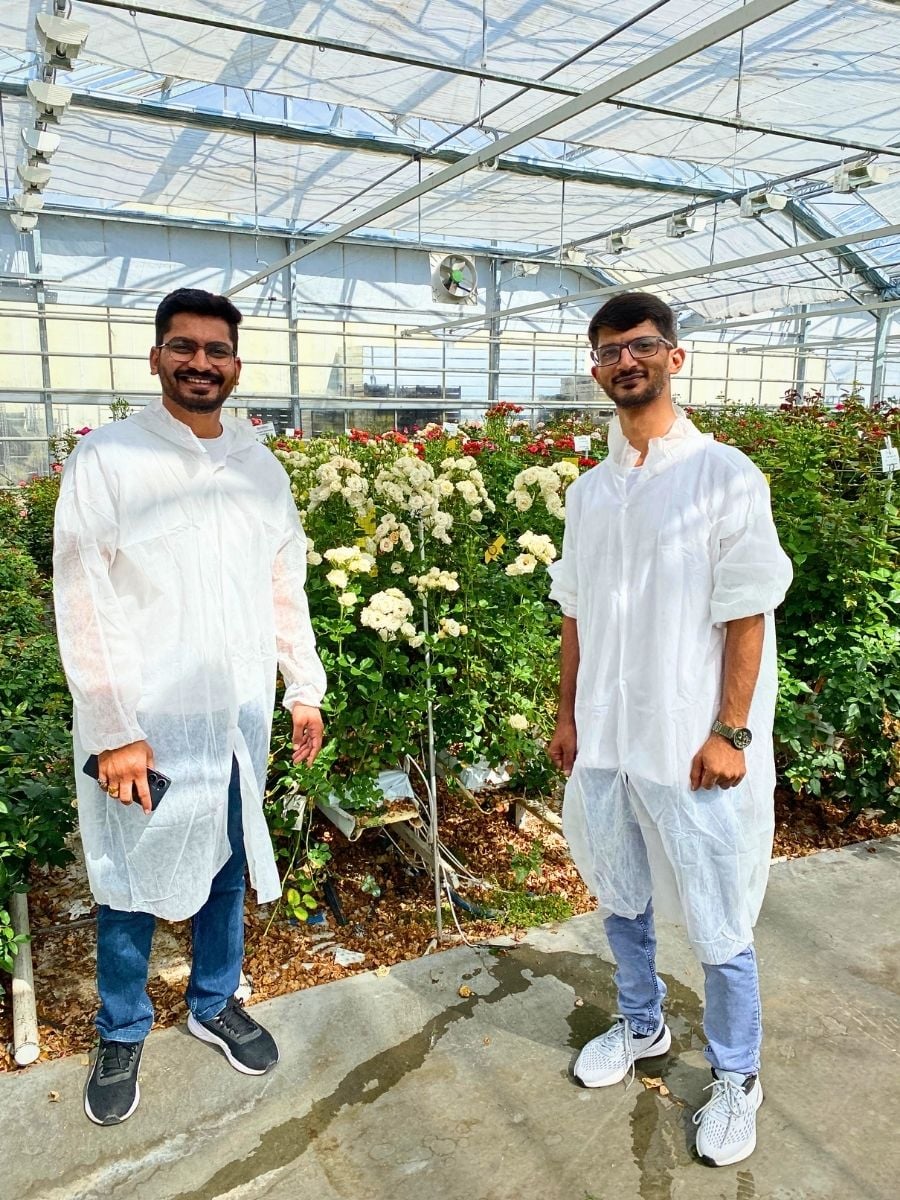
Thursd's editorial team is spread across Kenya, Italy, Ecuador, Belgium, India, and the Netherlands. In India, that team is Nishant and his colleague Vaibhav.
Both come from an SEO background, and both work together on most of what happens on the technical and visibility side of the platform. Sharing a time zone helps, but so does sharing a language of work. Search performance, content structure, link partnerships, and long-term optimization are things they can talk through quickly because neither has to explain the basics to the other.
It is a small team within a much bigger international one, and it is one of the reasons the work behind the scenes keeps moving while articles are being written on the other side of the world.
Search Is Changing. What Comes Next?
Artificial intelligence has changed how people look for information faster than almost anyone predicted. Nishant is careful not to pretend he has it figured out.
"Honestly, nobody fully understands where this is going yet, and anyone who says they do is guessing."
What is already visible, he says, is the change in behaviour.
"People are asking ChatGPT, Gemini, Perplexity, and Claude the same questions they used to type into Google, and they are getting answers without visiting ten websites. So the goal is shifting. It is no longer only about ranking on a page, it is about being the source those tools pick up and cite."
Which means constant testing. New formats, new structures, new ways of writing an answer so a machine can pull it cleanly. Some experiments work, some do not, and the ones that work stay. Some of that testing feeds directly back into his own writing for the platform, including a piece on how AI search is changing search engines in floriculture.
Nishant:
"I think for the next few years that is the only real strategy. Stay curious, test constantly, and do not assume last year's method still works."
The Mistake Most Companies Still Make
Ask Nishant what organizations get wrong when they publish online, and the answer comes immediately:
"The biggest one is that they forget their old content."
Companies keep publishing new articles every week while older pieces quietly go out of date and lose their rankings. Information changes, competitors publish something fresher, and the article a company was proud of two years ago stops bringing anyone in.
Nishant shares:
"In many cases, updating an existing article gives you a far better return than writing a new one, because it already has history and authority behind it. It is not exciting work, but it is one of the most valuable things you can do."
What He Is Most Proud Of
Two things, and they sit on opposite sides of the business.
The first is the growth of Thursd's organic traffic, which has been climbing steadily for three years.
A proud Nishant:
"Knowing that I contributed to that growth is a good feeling. Traffic is not just a number for us. It means more florists, growers, and breeders are finding the knowledge we publish."
The second is on the commercial side. Nishant handles link-building partnerships for the platform, converting partners and building relationships that turn into long-term collaborations. Last quarter was the strongest yet on a quarter-on-quarter comparison.
He continues:
"That side of the work is less visible than content, but it directly supports everything the editorial team is able to do."
Cricket, New Food, and Switching Off
Search rankings do not follow you into a cricket ground, which is exactly the point.
Nishant plays cricket, and it is his main way of getting away from a screen. The other is food. He tries something new, a dish he has not eaten before or a place he has not been to yet.
Both habits do the same job in different ways. One clears his head through movement, the other through curiosity. And after a week spent looking at data, structure, and search performance, both are a welcome change of pace.
What Excites Him About the Future of Floral Publishing
For Nishant, the most interesting thing about digital publishing in this industry is how much room there still is.
"I came into this industry knowing nothing about flowers. Three years of reading Thursd almost daily, working on its content, and meeting people through the platform has given me a real understanding of floriculture, and that happened simply because the information was there and it was accessible."
That, he says, is what good digital publishing does.
"It gives someone outside the industry a way in, and it gives someone inside the industry a way forward."
The people have been the best part. Through Thursd he has met experts from all over the world, and that keeps him motivated to do more for the platform.
One Piece of Advice
If he could give one piece of advice to anyone creating online content today, it is short:
"Focus on genuinely answering the real question your audience has. Not the question you wish they were asking, and not the one that fits your product best. The real one. Do that consistently and the audience will reward you, and so will Google."
You can follow Nishant on LinkedIn
The People Behind Thursd: