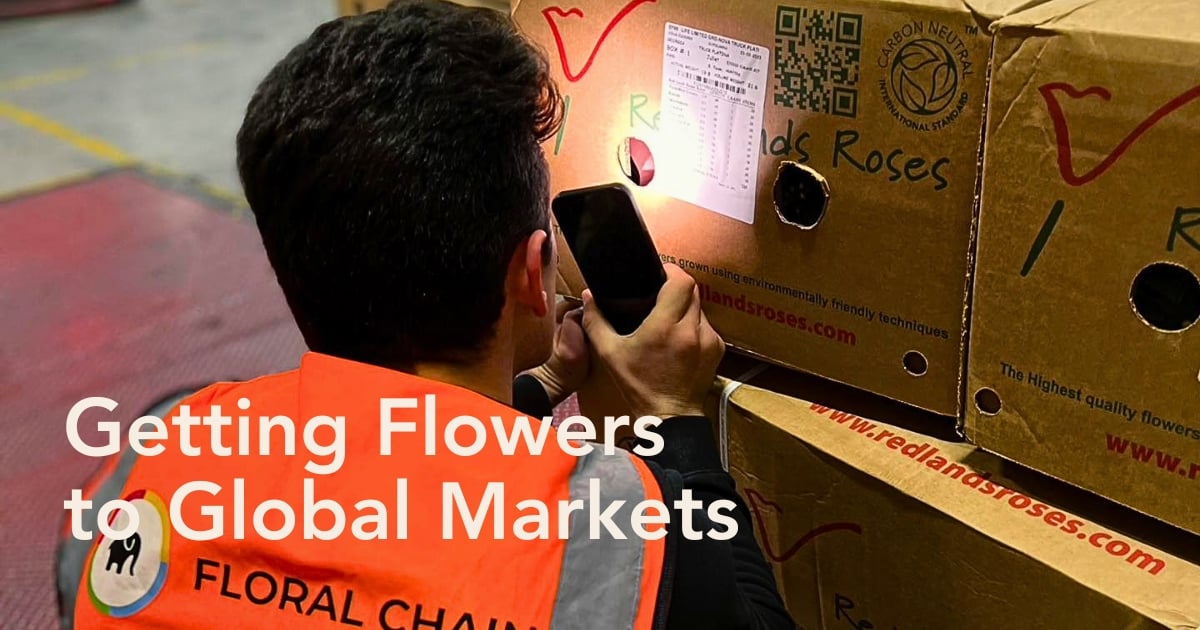
Transport is, perhaps, the largest line item for cut flower exporters, sometimes outweighing labor, packaging, and even the cost of growing the flowers. Air freight has always been the default and, in many ways, the only practical option for transporting flowers since speed always matters. According to industry estimates, air freight can account for 30-50% of total export costs for African flower farms, which leaves thin margins for growers competing on price.
But air cargo capacity has greatly tightened after the pandemic grounded passenger flights, which carried much of the world's flower freight in their belly holds. Fuel surcharges also climbed. Likewise, European retailers and regulators are sharpening their focus on carbon footprints, which pushes the floriculture sector toward less-polluting modes.
The Case for Air Freight
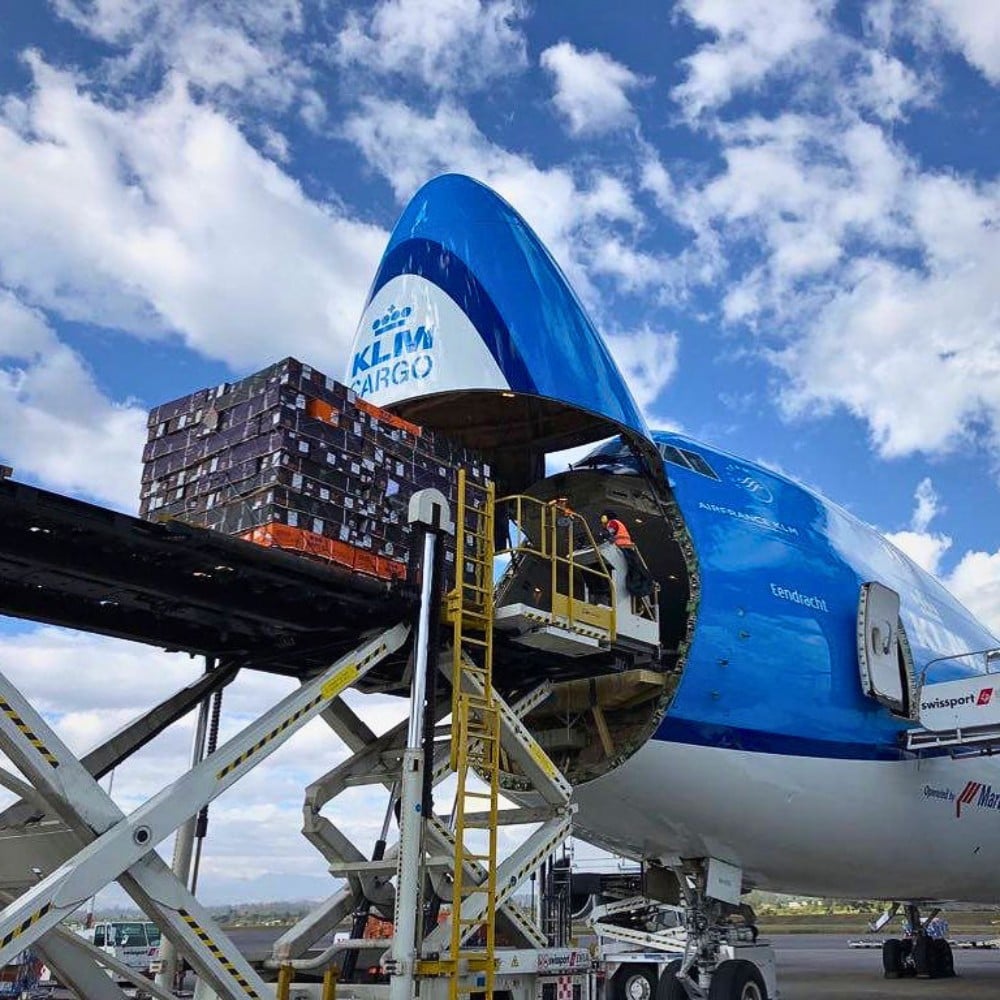
Air freight remains the backbone of the global flower trade and for good reason. Shipments can reach a European or American market within a day or two, preserving the freshness of flowers, particularly around peak demand periods like Valentine's Day and Mother's Day. Daily or near-daily flights also let exporters match supply to immediate market sentiment, which is important in the florist channel, where last-minute orders and small-batch flexibility are the norm.
But the compromise is cost and emissions. Flying flowers has historically cost more per kilogram than sea transport, and the carbon output is substantially higher. And as fuel prices rise and climate policies tighten, the gap becomes harder for the industry to ignore.
The Case for Sea Freight
Sea freight gives a different value proposition. It has a lower cost, is often 15% to 40% cheaper depending on the route, and has a smaller carbon footprint. Modern reefer containers, equipped with controlled-atmosphere technology that slows respiration and limits ethylene buildup, theoretically deliver flowers in conditions comparable to air freight, sometimes even better, because temperatures remain more constant throughout the journey and do not fluctuate across different handling points.
Interviews with European importers and traders, conducted for a 2022 Netherlands Embassy report on Kenyan flower exports, found that several companies with experience in maritime shipping believe properly executed sea freight delivers flowers with fewer degree hours of stress and a longer shelf life than their air-freighted counterparts, a notable reversal of the old assumption that sea transport automatically meant lower quality.
Comparing Air Freight and Sea Freight Cold Chain Operations
Evaluating the performance of air and ocean transport puts into focus some logistical and physical trade-offs. Air freight provides unmatched speed, allowing sensitive varieties to reach global markets within a few days of harvest. However, air transit exposes flowers to some thermal shocks during airport transfers, ground handling, and uncooled staging phases, which could shorten subsequent vase life.
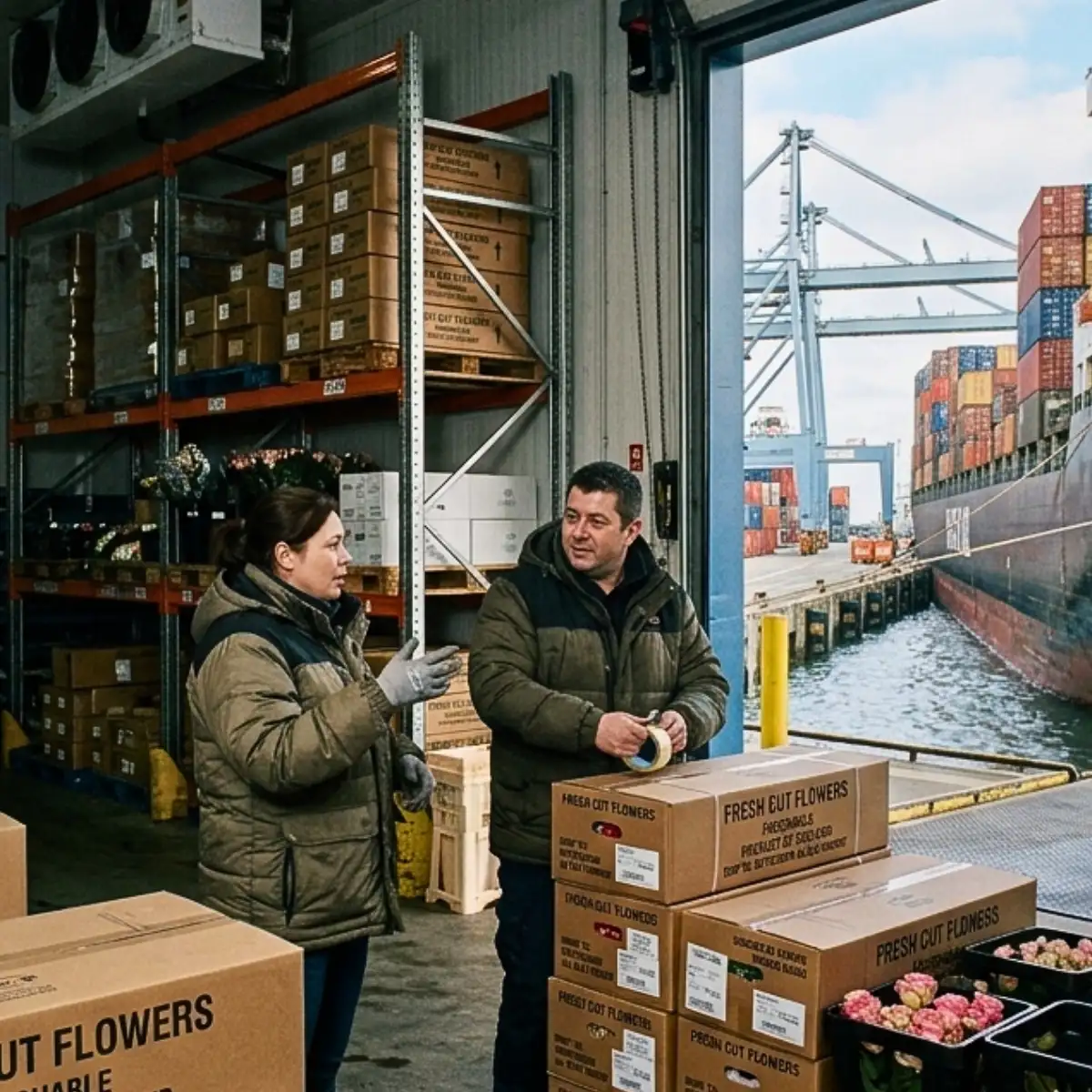
Sea freight, by contrast, works as a continuous, closed cold chain. Flowers packed directly into specialized refrigerated containers maintain a constant, pre-cooled temperature from the farm to the final distributor, which results in fewer thermal fluctuations and often leads to superior bud quality and extended shelf life compared to traditional air transport.
Yet, ocean transport presents some operational hurdles. The primary difficulty is arrival frequency (and long transit durations) due to rerouting, port congestion, or stopovers along busy corridors. This means delivery is lower than air freight: while air shipments arrive daily, ocean containers generally arrive on a weekly schedule, creating massive spikes in processing volumes.
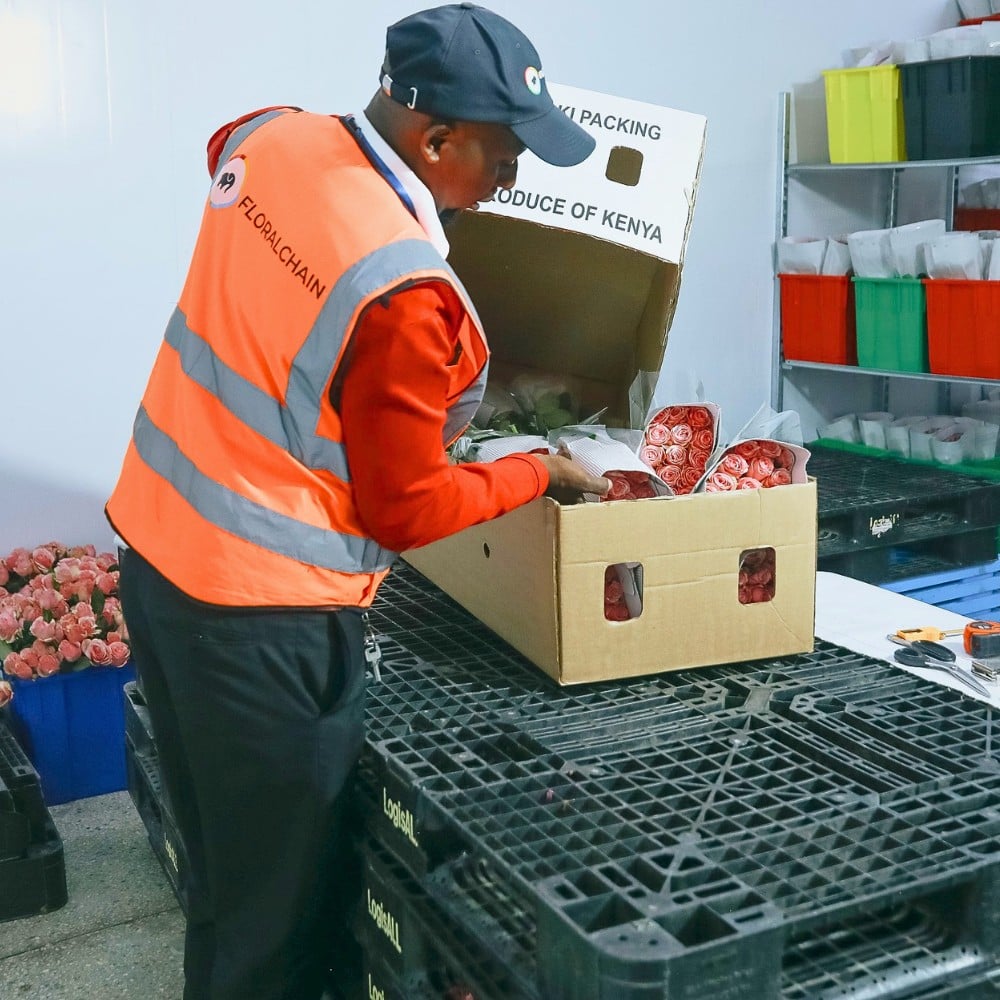
This irregularity forces importing wholesalers to make significant investments in expanded cold storage facilities to hold large quantities of inventory, an investment many smaller companies have not yet made. Furthermore, maritime shipping introduces substantial exposure to unexpected delays from port congestion or shipping lane modifications, making precise planning difficult for time-sensitive floral campaigns.
Sea Transport Progress and Environmental Sustainability
The technical execution of flower shipping by sea has improved significantly over the past decade. Initial trials produced highly inconsistent outcomes because exporters lacked standardized protocols, frequently using standard cardboard air boxes and inadequate hydration formulas.
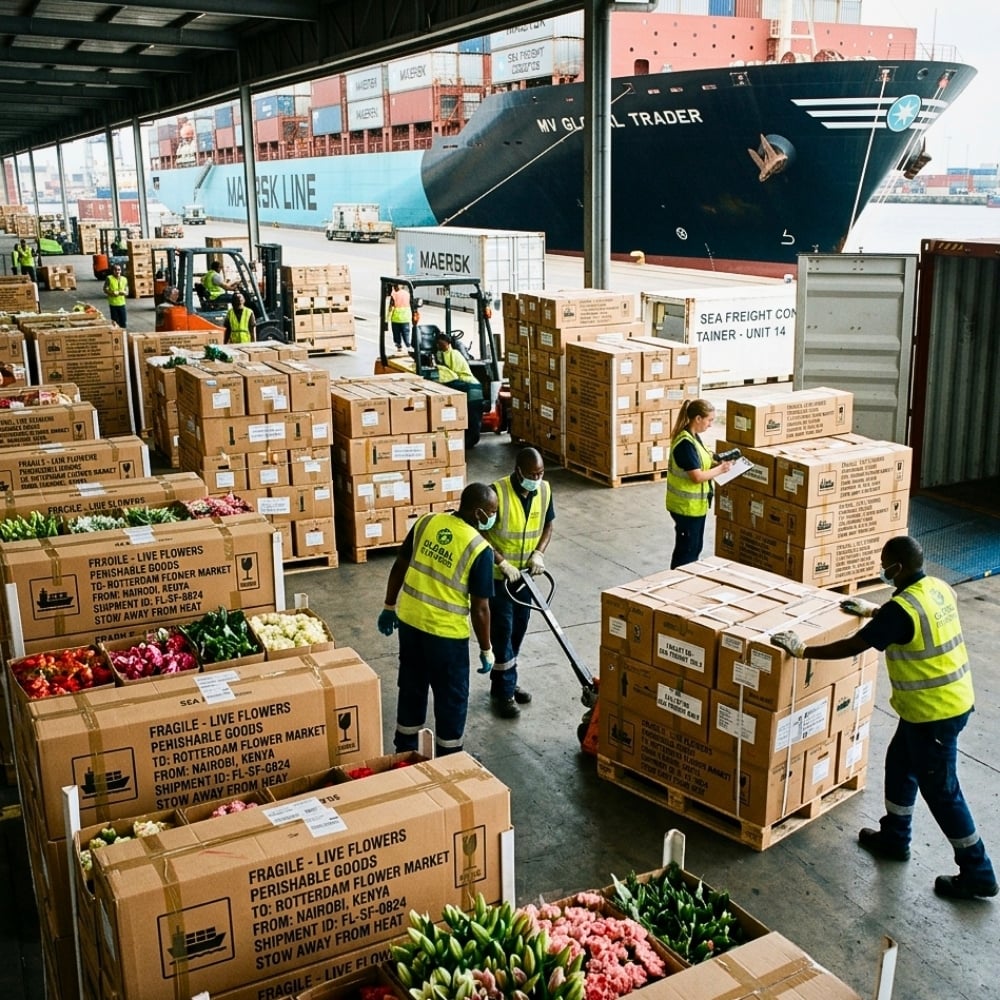
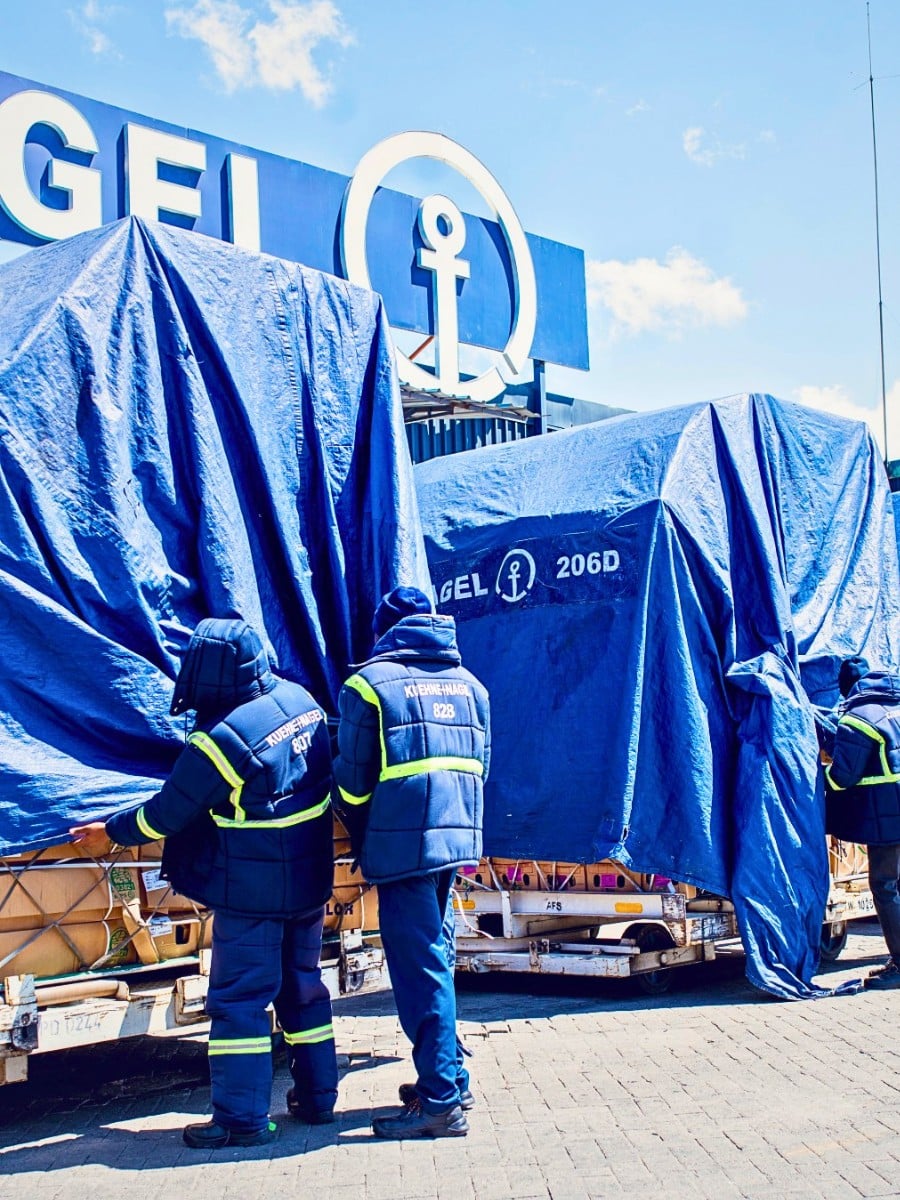
Today, major forwarding companies provide specialized services to bridge these operational gaps. Kuehne+Nagel offers a consolidated pooling service in partnership with Chrysal, allowing smaller commercial growers to ship smaller volumes without needing to book an entire container. At the same time, academic institutions are standardizing maritime cold chains.
Wageningen University's ‘Towards Sustainable Flower Distribution From Kenya’ research project actively examines pre-harvest factors, hydration methods, and controlled atmosphere technologies, tracking strict carbon dioxide, humidity, and temperature baselines; a technological improvement that matches a strong legislative push toward environmental accountability.
The EU is also finalizing its Product Environmental Footprint Category Rules (PEFCR) for cut flowers and pot plants to create a standardized framework for calculating carbon emissions. Likewise, tools like the HortiFootprint Calculator, by MPS and LetsGrow.com, enable growers to accurately track their sustainability choices' environmental impact.
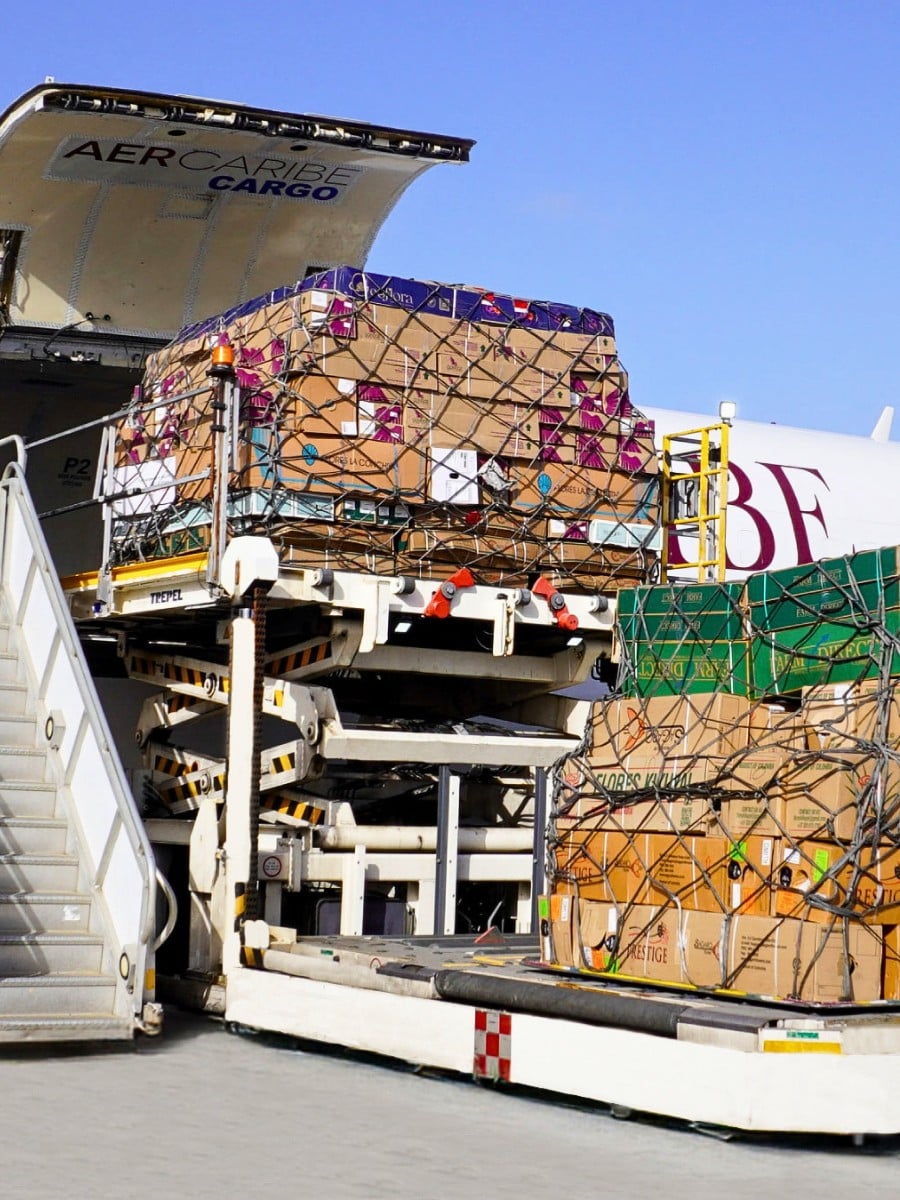
Snapshot of Sea Freight Use Across Different Flower Producers
Kenya, Africa's largest cut flower exporter, supplies roughly 40% of the flowers sold in the European Union. Sea freight trials date back more than 15 years, with early pilot projects in the late 2000s testing whether roses could survive a multi-week voyage. Renewed interest has built steadily since 2021, largely driven by air capacity shortages, a departure from earlier years when price was the primary motivator.
Latin America has a similar story with different twists. Colombia, the world's second-largest flower exporter, saw maritime shipments to the United States double between 2017 and 2019 after hurricanes and snowstorms disrupted flight schedules. By 2018 and 2019, close to 30% of Colombian flower cargo was leaving the country by sea, according to the Colombian Association of Flower Exporters (Asocolflores).
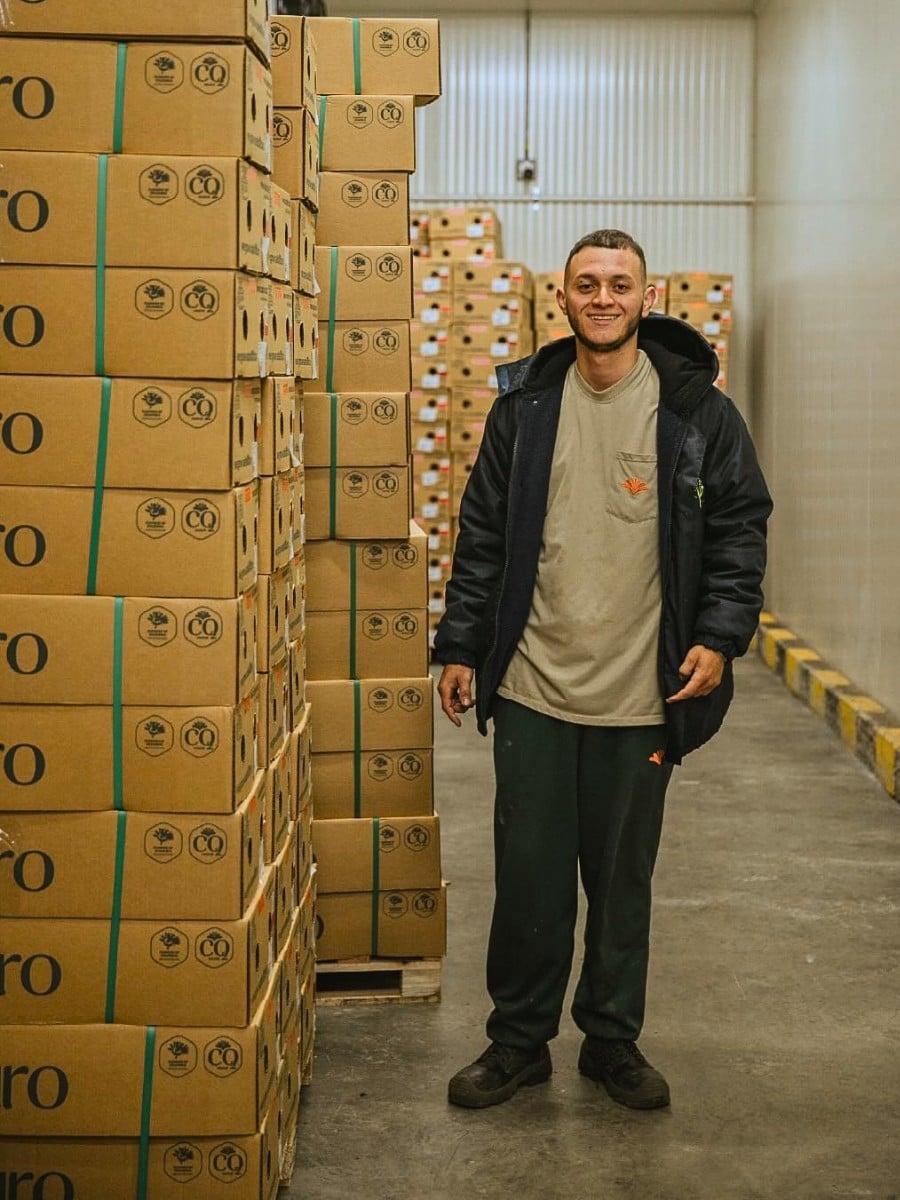
The COVID pandemic reversed the progress almost overnight, with the share falling to roughly 5-10%, which gave the idea that sea freight adoption can move backward as quickly as it advances when air capacity recovers, and reliability concerns resurface.
Ecuador, the third-largest global exporter, has faced higher relative freight costs than Colombia due to greater distances and logistical hurdles, though both countries continue piloting maritime routes to Europe and Asia where transit times and costs compare favorably to air.
Growers represented by institutions like the National Association of Flower Producers and Exporters of Ecuador and Asocolflores have pushed for better port infrastructure and pre-loading inspection protocols to make sea freight more dependable.
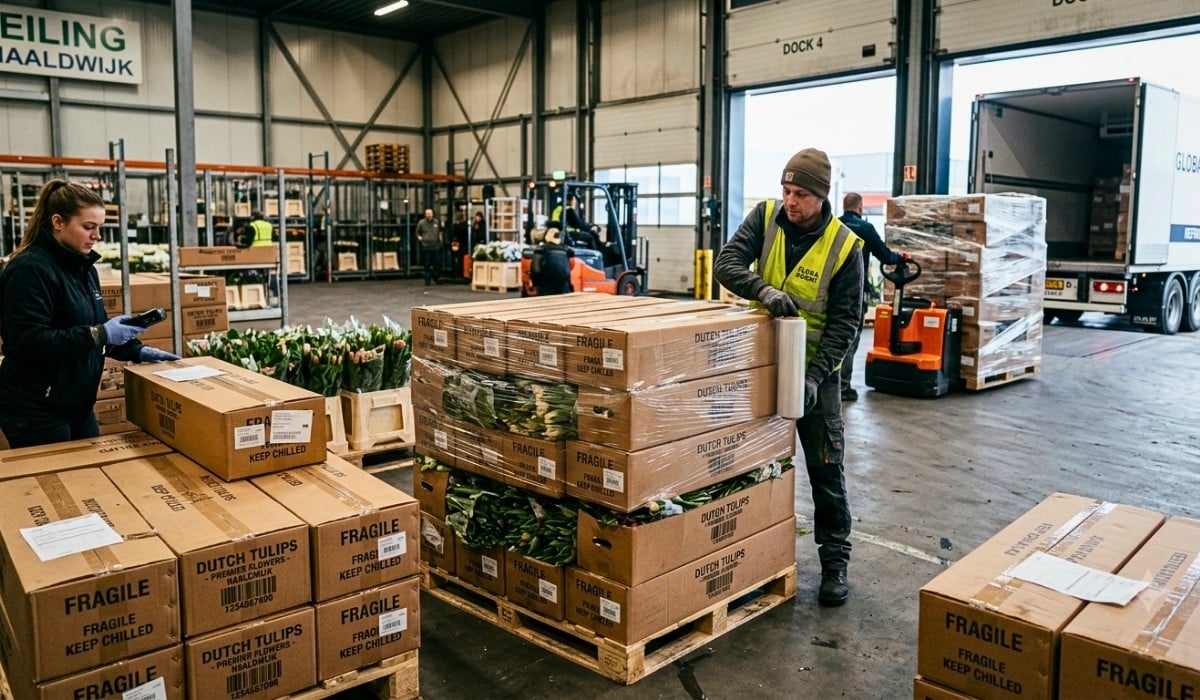
The Netherlands, still the largest flower exporting and re-exporting country by value, is the central trading and logistics hub for both air and sea routes into Europe, with Rotterdam being the main dedicated ‘horti port’ optimized for fast handling of perishable sea cargo.
Ethiopia, Africa's second-largest flower exporter known for high-altitude rose farms, as well as producers in Zimbabwe, Rwanda, and Uganda, watch these developments closely, since regional sea freight infrastructure, including Mombasa's expanding port, could eventually serve the wider East African floriculture cluster.
Quality, Assortment, and Other Limits of Sea Freight
Not every flower travels well by sea. Vase life may generally not be the only limiting factor, but also some flowers' softer, more delicate petals, where bruising is most visible, suffer more pressure damage on longer voyages.
Longer-stemmed varieties also appear more prone to difficulty, prompting calls for breeders to develop varieties specifically suited to maritime transport. This is, however, still in its early stages and will take years of selective breeding to mature.
There is also a structural tension between sea freight and the appetite for diversity. Mass retailers, who buy in bulk on predictable schedules, are better suited to sea freight's slower, planned cadence, but independent flower shops and florists who prioritize surprise variety, extensiveness of assortment, and the ability to pivot daily based on market sentiment remain considerably more cautious.
Building the Infrastructure for a Hybrid Model
Many market participants interviewed across the different studies agree on the point that the future is not air or sea, but both. A full switch to sea freight is considered too risky given current reliability issues, while staying exclusively on air leaves exporters exposed to capacity crunches, rising fuel costs and other regulatory measures.
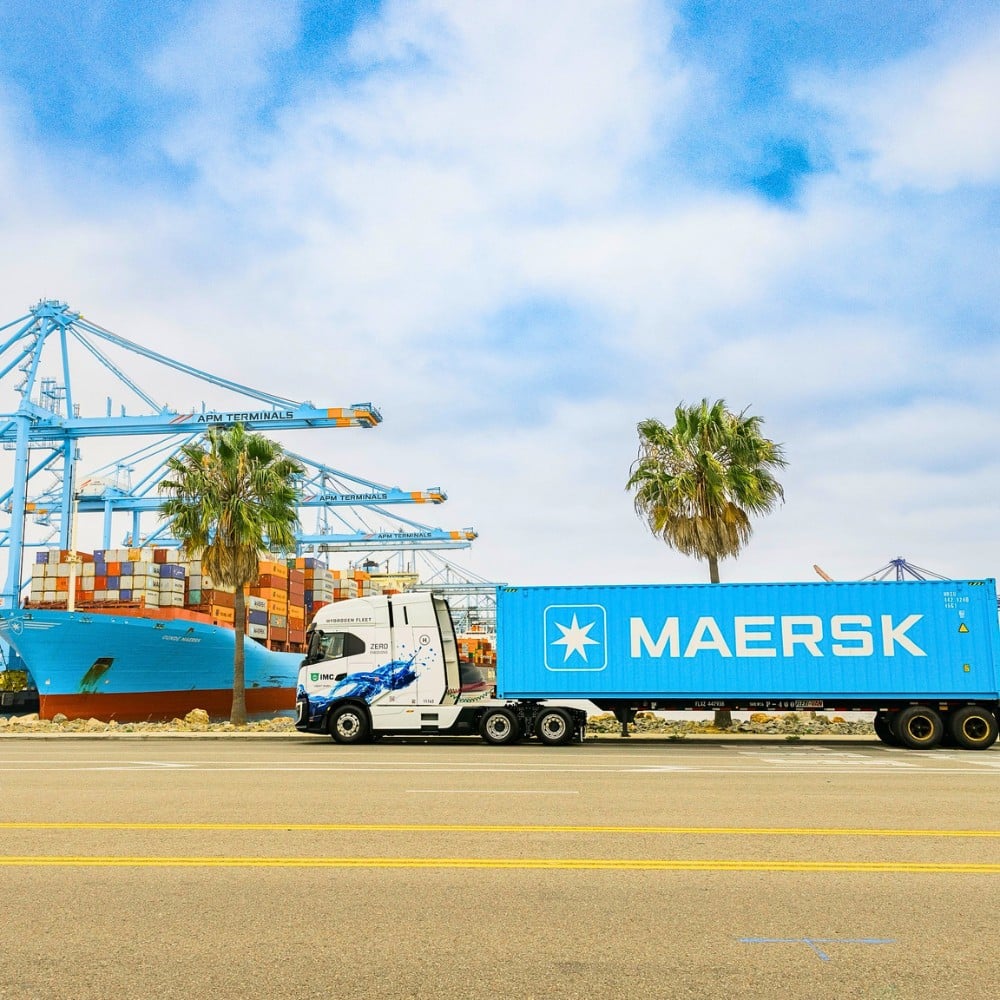
Several investments are widely cited as necessary to make the hybrid model work. More regular, reliable shipping connections between major ports like Mombasa and European gateways would reduce the current bottleneck of infrequent sailings.
Continued investment in port capacity, refrigerated storage, and handling infrastructure, at origin and destination, is viewed as essential, as is the development of dedicated horticulture-focused ports in Europe capable of processing perishable cargo quickly without queuing it behind general freight.
Industry groups also call for shared best-practice documentation and training programs so that smaller and mid-sized farms, which often lack the in-house expertise of larger exporters, can participate in sea freight without bearing the full cost of trial and error alone.
Also, governments on both ends of the supply chain have a role to play in streamlining customs and phytosanitary procedures, ideally allowing inspections to happen directly on farms before containers are sealed, which would reduce delays and risk of contamination at port.
Basically, air freight continues to anchor time-sensitive, high-value shipments and peak-season demand, while sea freight takes on a growing share of base-load volume, particularly for retail-bound flowers where planning cycles are longer, and price sensitivity is higher.
While cost savings first drew the floriculture industry toward sea freight, sustainability pressure now looks like the more viable motivator. The ongoing developments sustainability-wise are giving growers and retailers all the relevant data and strong arguments for sea and air transport.
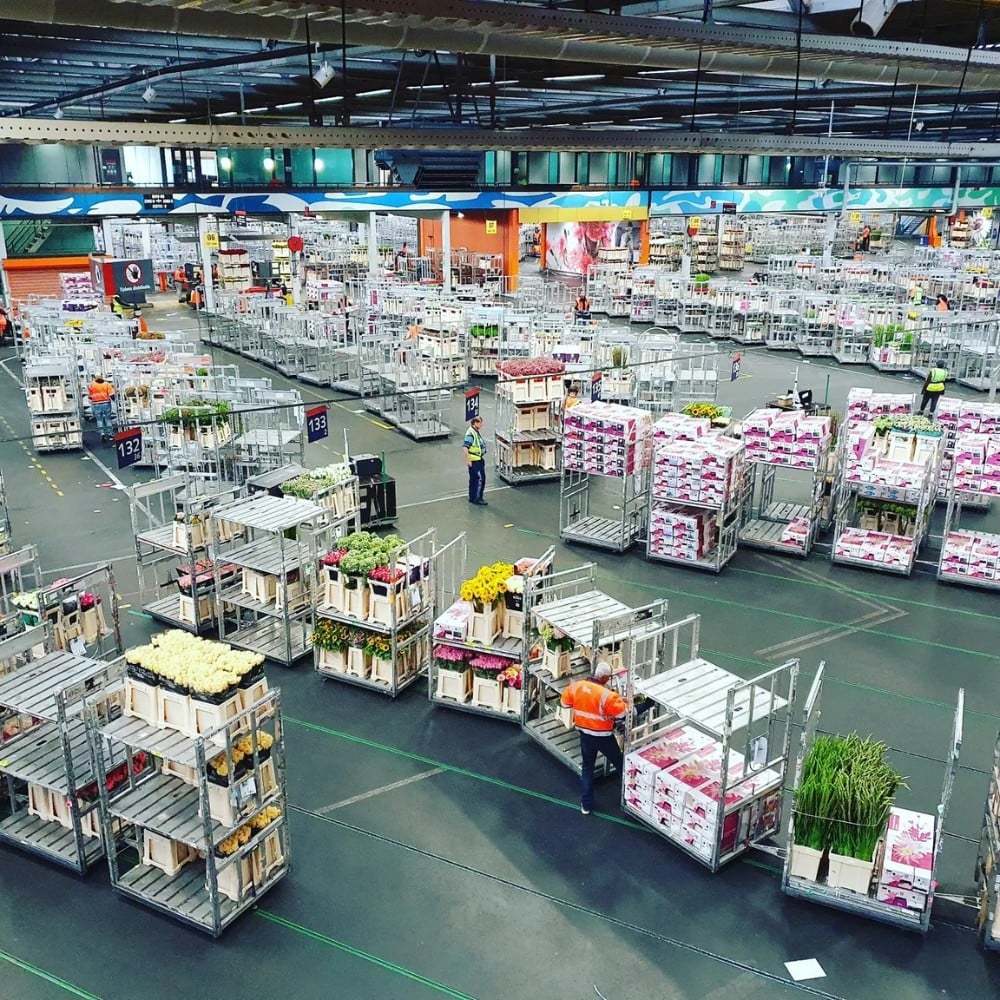
These and other dynamics give flower producers and exporters an incentive to keep refining their sea freight capability to stay competitive in current markets where sustainability credentials more and more influence buying choices.
Header image by @floralchain.app.