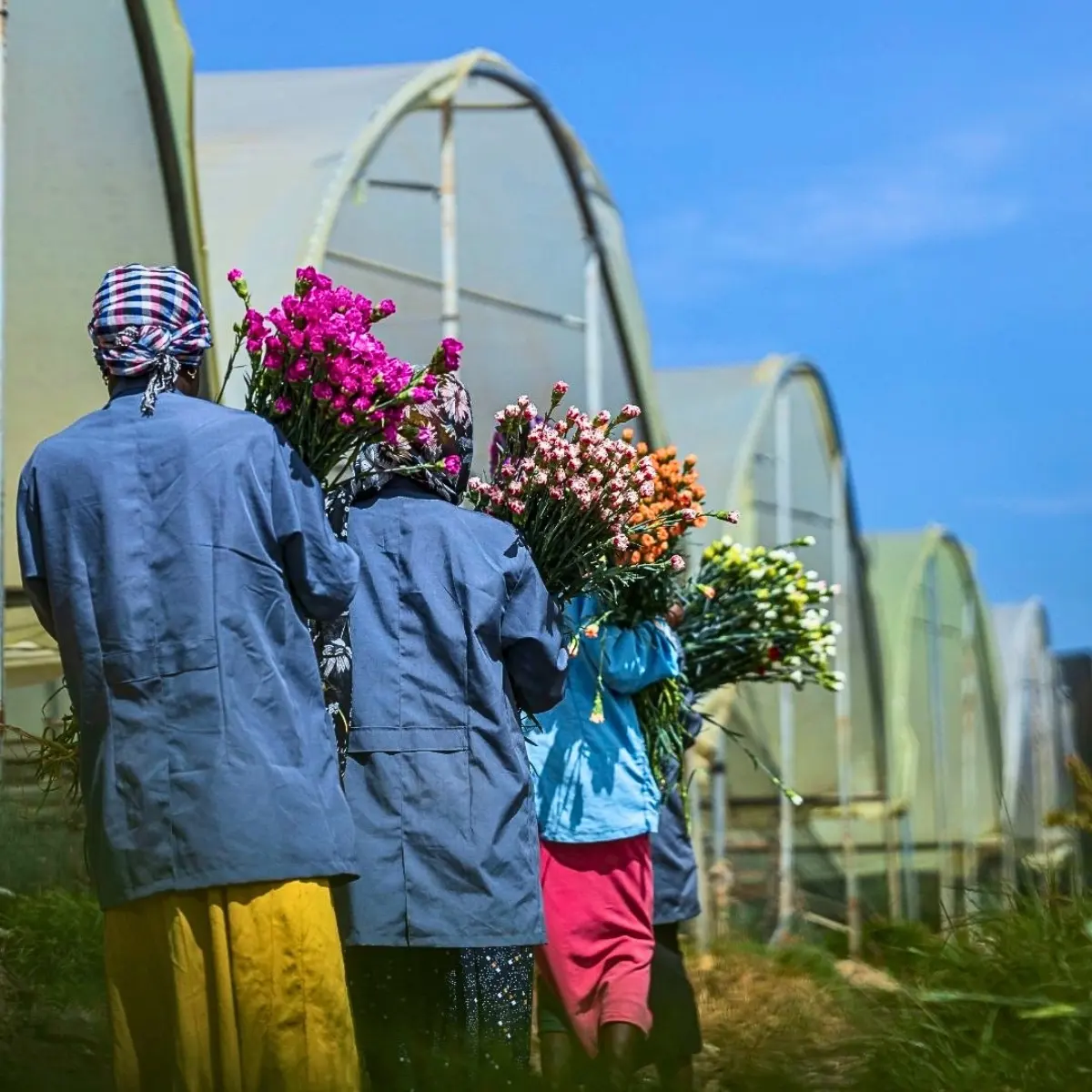
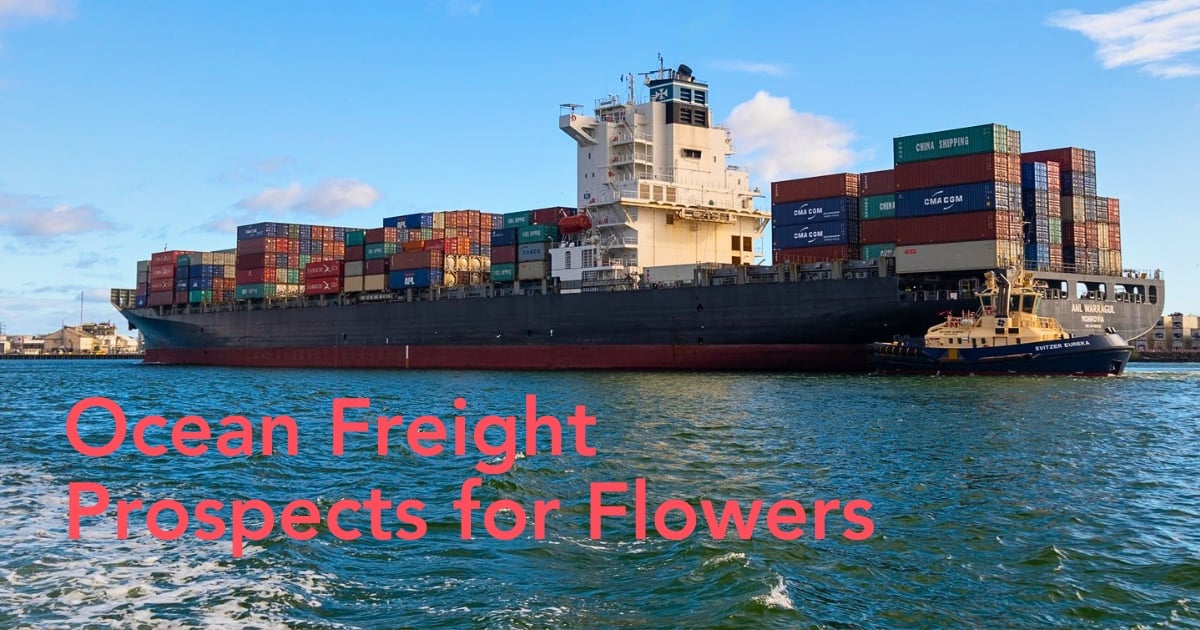
For decades, the story of a rose was a story of speed. Cut in the morning in Kenya, Ethiopia, Ecuador, or Colombia, flown overnight, and sold in Europe, North America, or the Middle East within days. Air freight built the global flower trade as we know it.
But according to Ruud van der Vliet, one of the floriculture sector's most closely followed strategic voices, the next chapter of that trade is being written at sea level. And in his reading, that is not a threat to the industry. It is one of the best things happening to it.
From Airport to Harbor: A Structural Shift
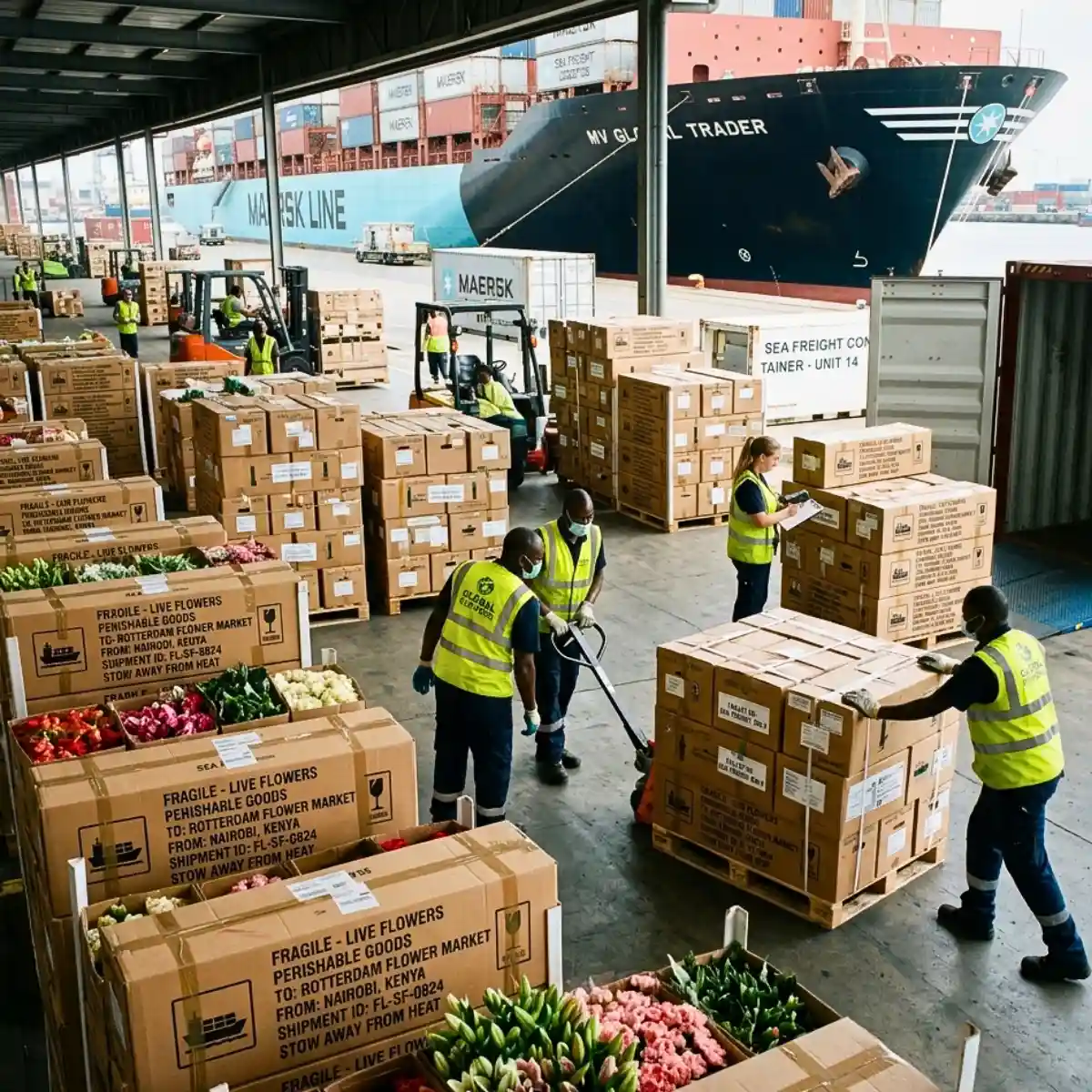
The shift Van der Vliet describes is not a rumor at the edges of the industry. More and more exporters are seriously exploring sea freight as an alternative to air freight for cut flowers, moving it from pilot project to planned strategy.
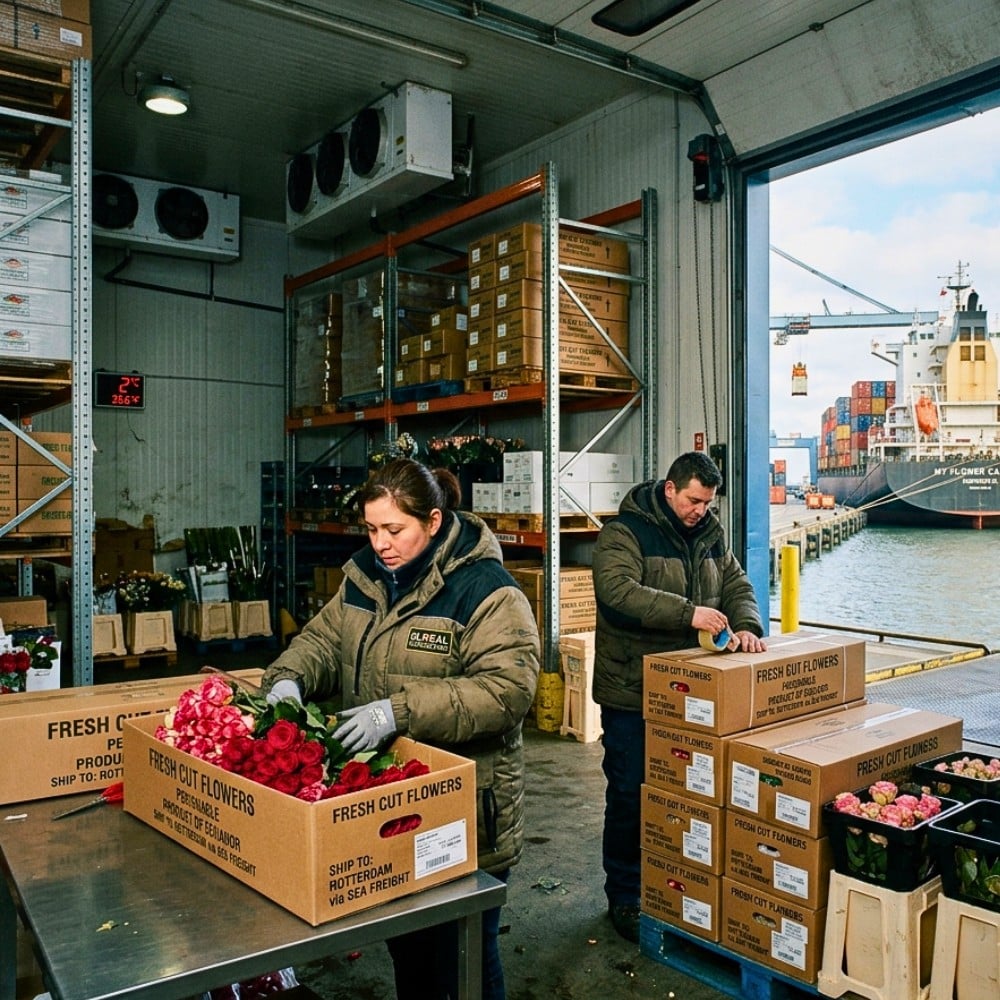
“For decades, roses, Chrysanthemums and other cut flowers from Ecuador, Colombia, Kenya and Ethiopia have connected growers with consumers in North America, Europe and the Middle East,” Van der Vliet notes. “Beautiful products, grown in unique climates, delivered with remarkable speed. But the next chapter is becoming even more exciting.”
That next chapter is only possible because the technology underneath it has matured. What used to be the deal-breaker for ocean transport, the time a flower spends in transit, is being systematically engineered away.
Kenya Shows What Is Possible
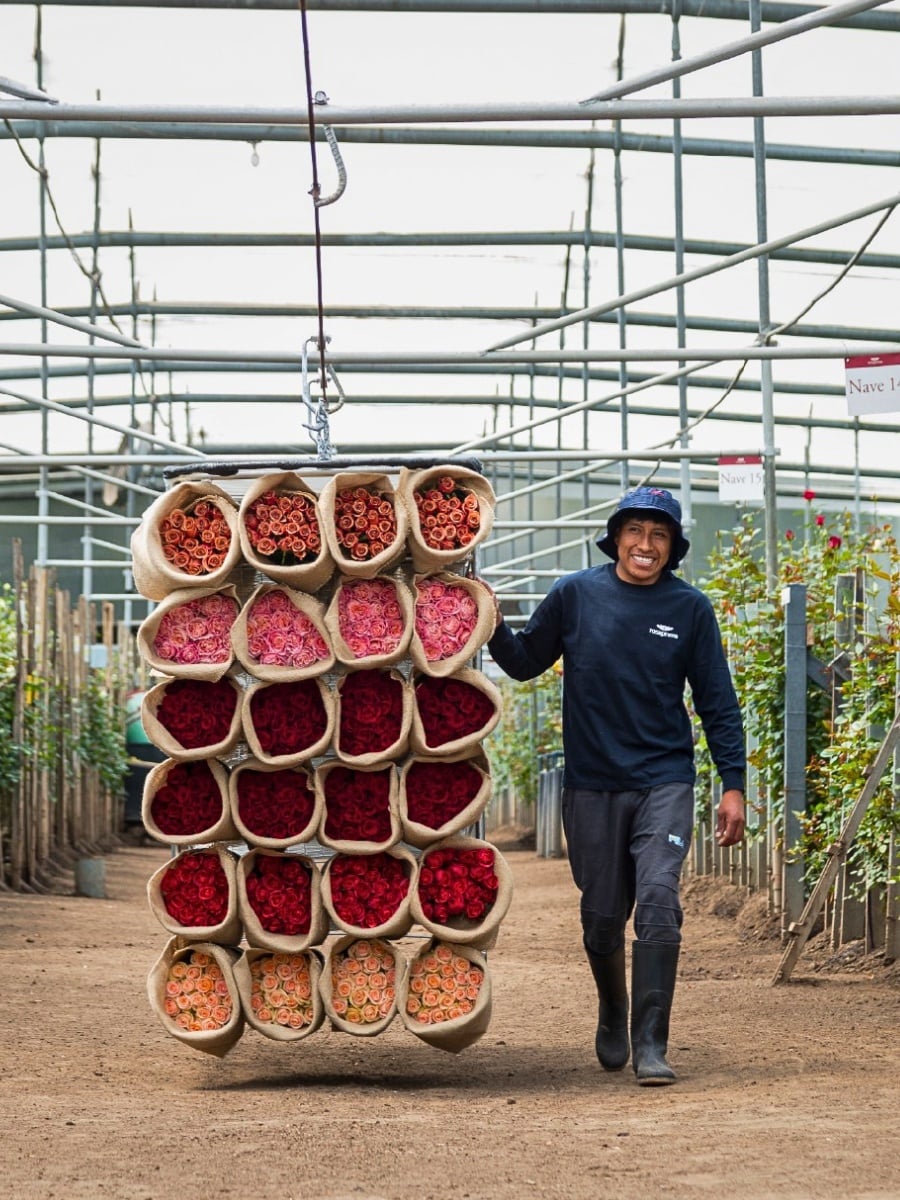
Van der Vliet points to Kenya as the strongest example of this transformation. The building blocks are concrete: better post-harvest technology, refrigerated containers, improved cold-chain management, and, crucially, cooperation across the value chain, from farm to shipping line to unloading port.
Together, those elements allow flowers to travel for longer distances while maintaining the two things the market actually pays for: quality and vase life. A rose that arrives after weeks at sea in the same condition as one flown in has quietly rewritten the economics of the entire supply chain.
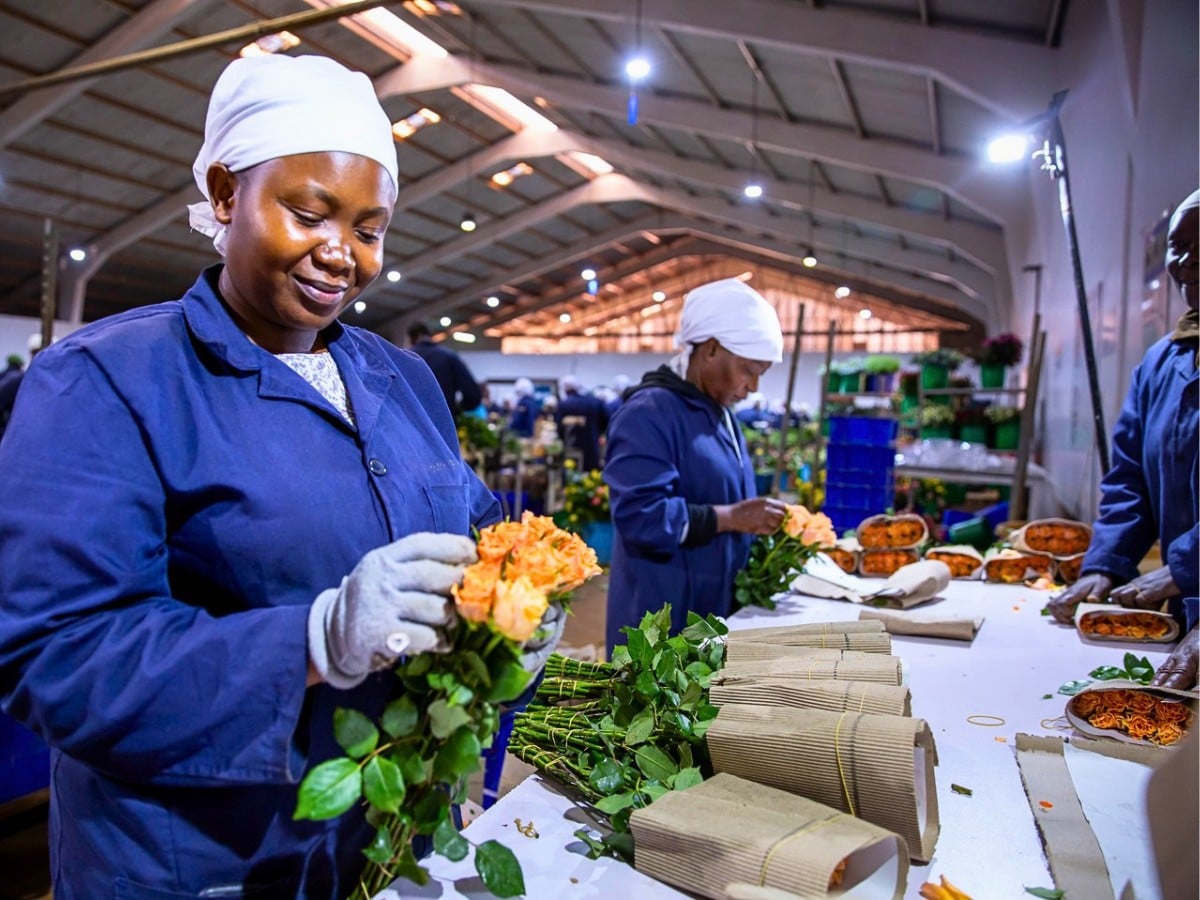
It is worth pausing on what that means. Kenya ranks among the world's leading rose exporters, and its flower industry has spent years investing in exactly the capabilities sea freight demands: disciplined cold chains, precise harvest protocols, and coordinated logistics. The countries that master those fundamentals first will set the standard for everyone else.
The Footprint Argument
Then there is the number that gets everyone's attention. As a rough indication, Van der Vliet notes, air freight of roses from Kenya to the Netherlands can represent around 0.47 kg of CO2 per stem for the airport-to-airport leg alone. Depending on the product, route, and cold chain, sea freight can reduce those transport emissions by up to around 90%, an assessment drawing on sources including Rabobank, Royal FloraHolland, and Hortipoint.
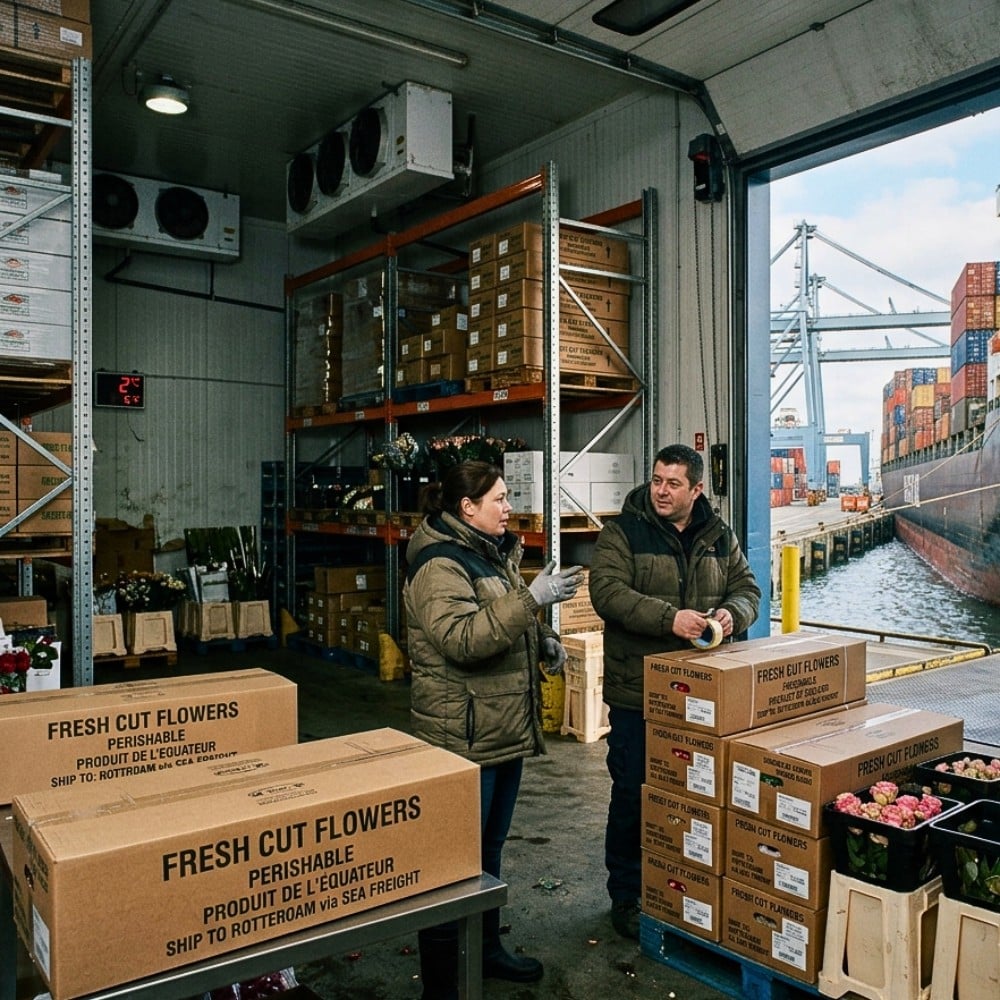
The caveats matter, and Van der Vliet is careful with them: figures like these are indications, not fixed constants, and they depend heavily on the specific product, route, and chain setup. But the direction is unambiguous. For a sector that is constantly asked hard questions about its footprint, a transport innovation of this magnitude is not a detail. It is an answer.
Not the End of Air Freight
Ruud van der Vliet is equally clear about what this shift is not. “This is not about replacing air freight overnight,” he says. “For speed, peak demand and premium logistics, air will remain important. But for planned volumes, retail programs and larger flows, sea freight offers a compelling route forward.”
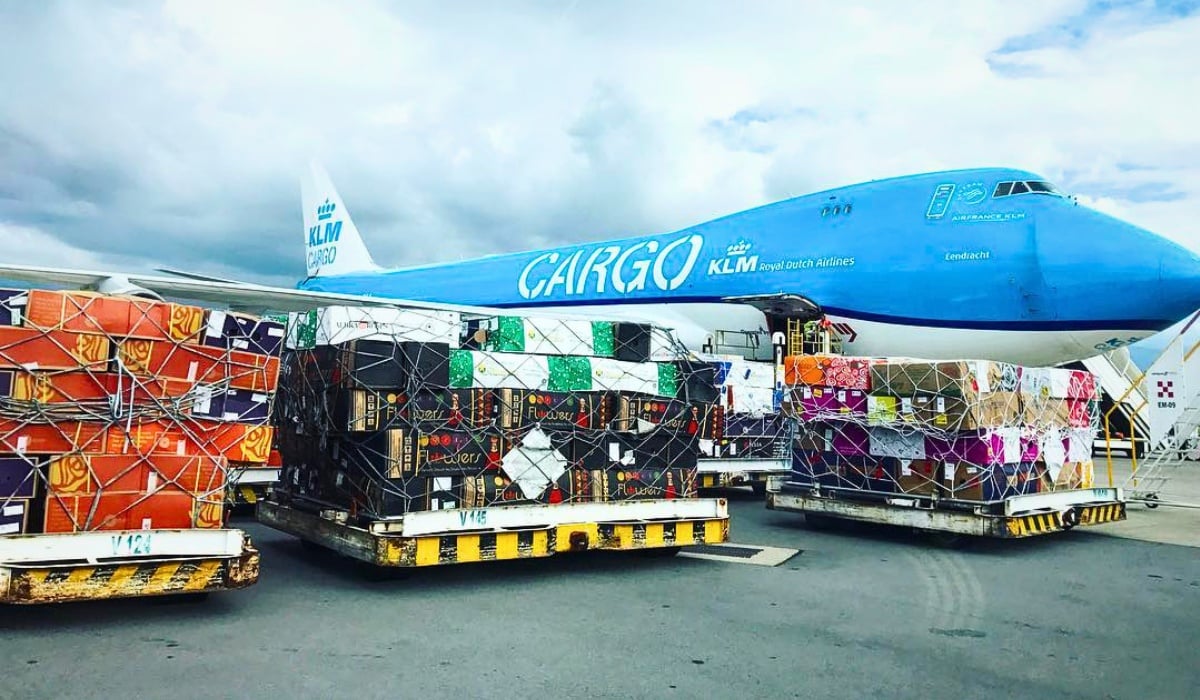
That distinction – planned volumes by sea, speed and peaks by air – is where the strategic thinking lives. Retail programs with predictable weekly volumes are a fundamentally different logistics question than a last-minute Valentine's Day surge. Treating them differently is not a compromise. It is simply better organization, and it gives growers and traders a portfolio of routes instead of a single dependency.
Smarter, Cleaner, Better Organized
For Van der Vliet, sea freight is one piece of a much broader sustainability agenda that the sector can still unlock: renewable energy in production, water recirculation, biological crop protection, smarter packaging, better load factors, route optimization, and stronger social and environmental certification.
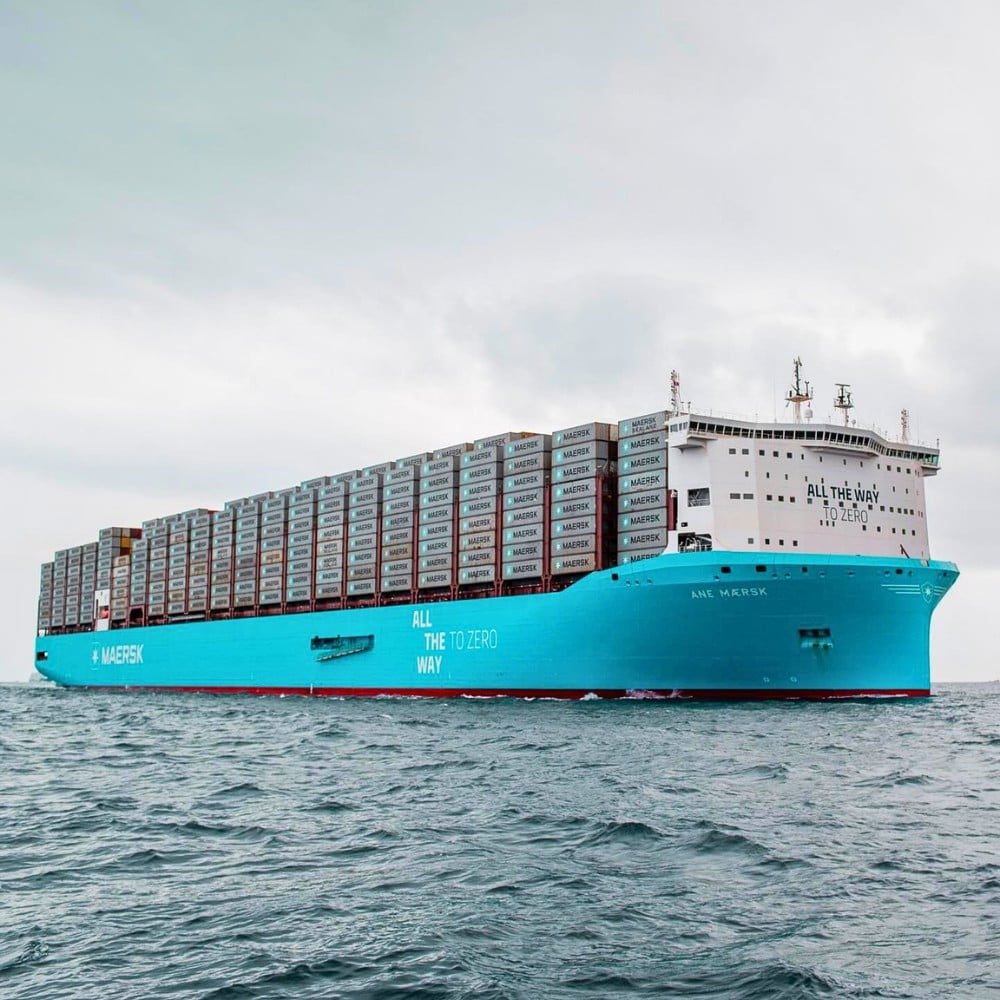
Each of those levers compounds the others. A sector that grows with renewable energy, protects crops biologically, packs smarter, and ships by sea is a structurally different industry than the one its critics describe.
His conclusion deserves to be quoted in full, because it reframes the entire debate:
“The future of flowers will not be less global. It will be smarter, cleaner, and better organized. From roses to Chrysanthemums and beyond, the sector is showing that beauty and sustainability can travel together.”

That is the real story here. Globalization of the flower trade is often framed as the industry's sustainability problem. Van der Vliet's analysis suggests the opposite: the global chain is exactly where the biggest, fastest sustainability gains are being made. The rose is going by sea. The industry should make sure the world knows it.
Header image by @theflowerhubkenya.