Bathrooms are often overlooked when it comes to placing indoor plants, yet they offer one of the most suitable environments for certain plant types. The combination of humidity, warmth, and occasional indirect light mirrors the natural conditions in which many tropical plants grow. This makes bathrooms a practical, often underutilized space for integrating greenery into everyday life.
At the same time, people are increasingly interested in how plants contribute to indoor environments beyond appearance. Understanding the benefits of plants in the bathroom, along with choosing the right varieties, helps this space function better while maintaining a clean, intentional look. Continue reading to see how this works in practice.
Why Bathrooms Create a Unique Environment for Plants?
Bathrooms differ from other indoor spaces due to their consistent exposure to moisture and temperature fluctuations. After showers or baths, humidity levels rise quickly, creating conditions similar to tropical climates. Many indoor plants originate from these regions, which explains why they perform well in such environments without requiring frequent watering.
Light conditions in bathrooms vary, and this plays a major role in plant selection. Some bathrooms receive natural light through windows, while others rely entirely on artificial lighting. This difference determines which plants will adapt successfully. Understanding this balance between humidity and light is essential when choosing plants for bathroom spaces.
The Real Benefits of Plants in the Bathroom
The benefits of plants in the bathroom go beyond visual improvement. One of the most noticeable advantages is how plants interact with moisture in the air. While they do not eliminate humidity fully, they help regulate it by absorbing and releasing moisture through natural processes. This can contribute to a more stable indoor environment over time.
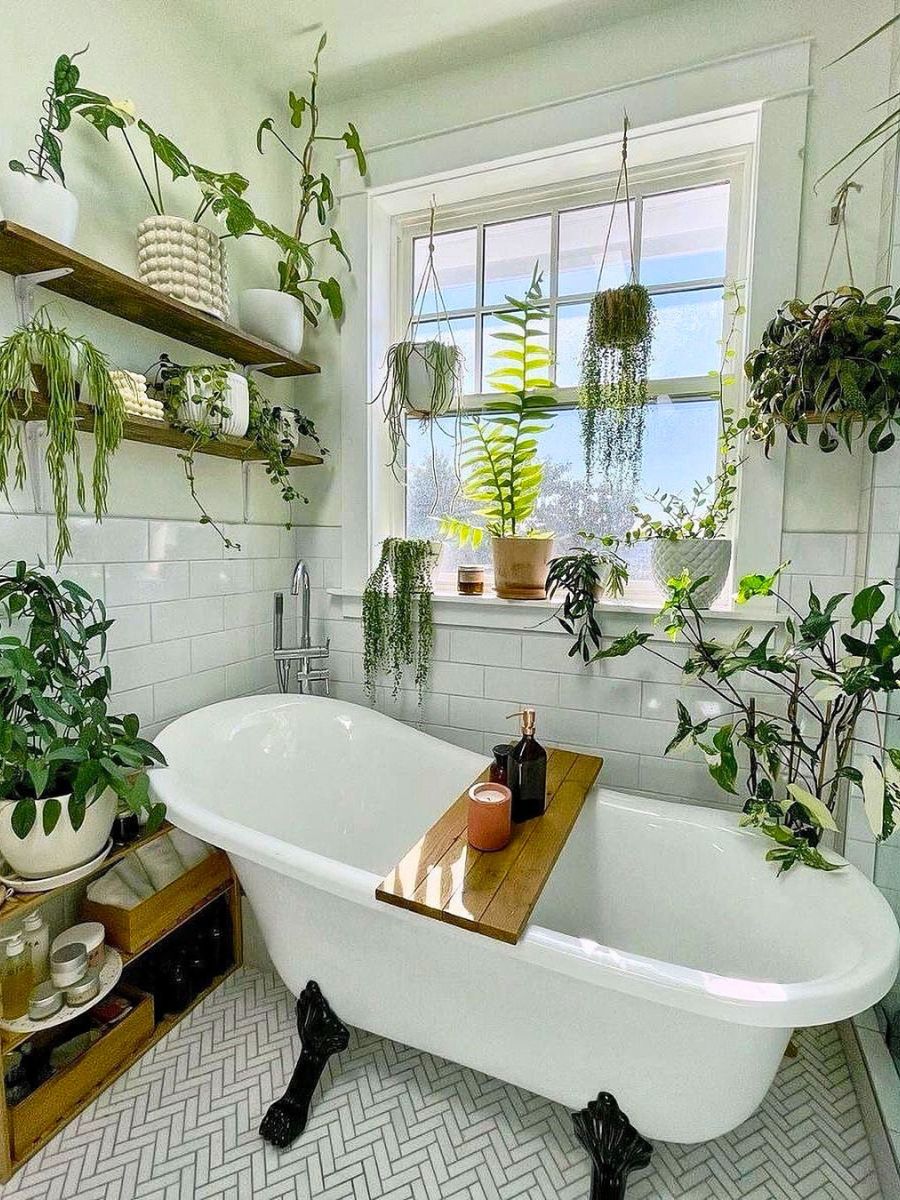
Plants also influence how a space feels. Bathrooms that include greenery tend to feel more intentional and less clinical. This shift is subtle but effective, especially in modern interiors where hard surfaces dominate. In addition, maintaining plants in a bathroom encourages consistent care routines, which can contribute to a more structured and mindful daily environment.
Another important aspect is air interaction. While claims about air purification are often overstated, plants still play a role in improving overall indoor conditions by supporting airflow and contributing to a balanced atmosphere. This makes them a practical addition rather than just a decorative one.
Do Plants Improve Air Quality and Humidity?
There is ongoing discussion about whether plants significantly improve air quality indoors. In controlled environments, certain plants have shown the ability to filter specific compounds. However, in everyday home settings, the impact is more gradual and should not be overstated.
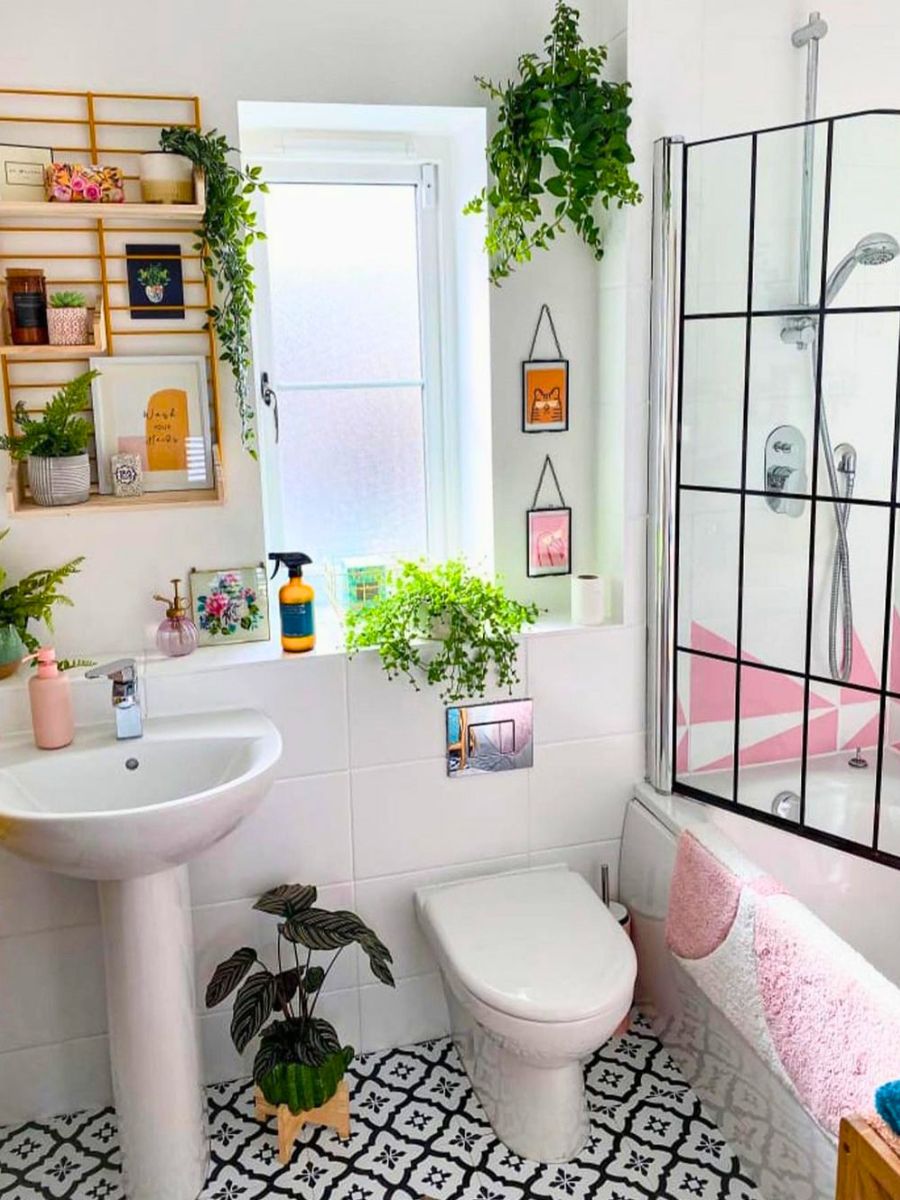
Where plants do have a clearer role is in how they interact with humidity. In bathrooms, where moisture levels fluctuate, plants can help stabilize the environment by participating in natural moisture exchange. This does not replace ventilation, but it complements it. The result is a space that feels more balanced and less prone to extremes.
Best Plants for Bathroom Spaces
Choosing the best plants for bathroom conditions depends on how well they handle humidity and variable light. Plants that naturally grow in tropical or shaded environments tend to adapt easily.
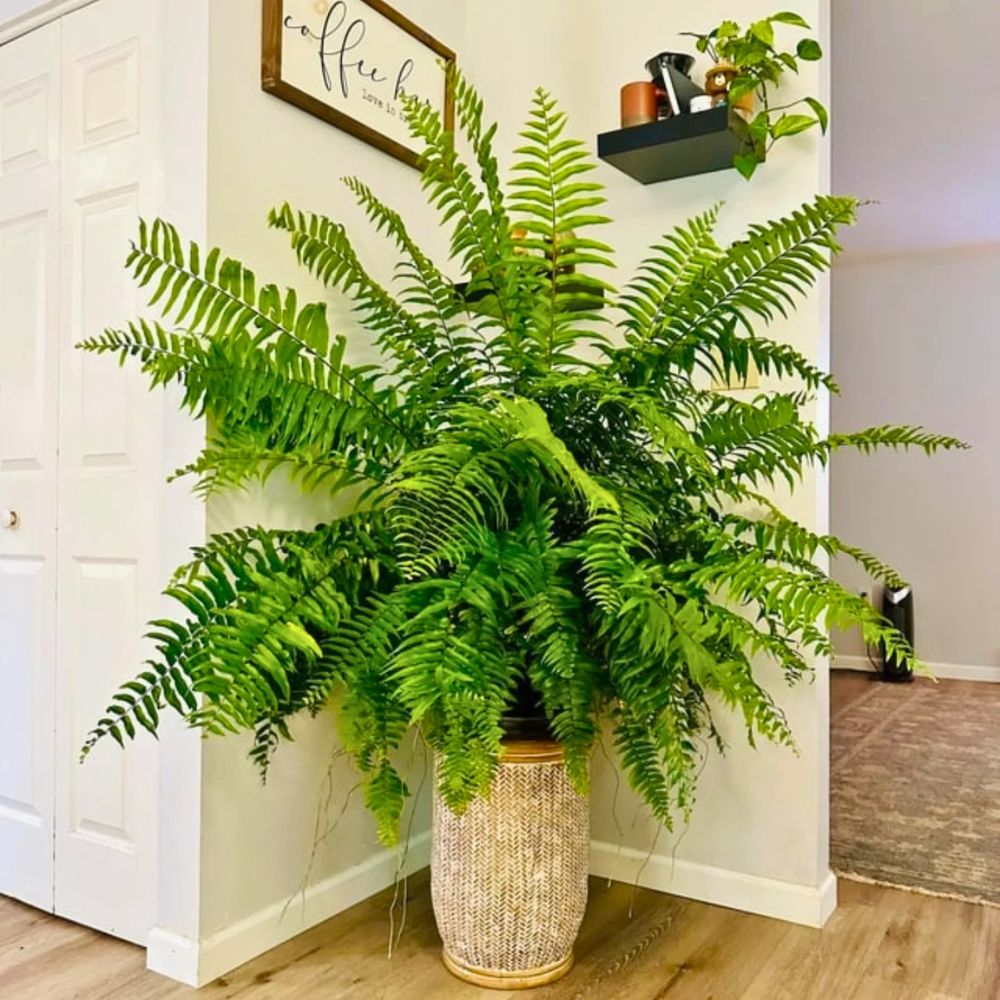
Ferns are a strong option because they thrive in moisture and do not require direct sunlight. Varieties such as Boston ferns maintain structure well in humid air and respond positively to consistent conditions. Calatheas also perform well, particularly in spaces with indirect light, where their foliage remains stable without excessive care.
Philodendrons are another reliable choice. They adapt to different light levels and respond well to humidity, making them suitable for both small and larger bathrooms. Their growth habit allows them to be placed on shelves or allowed to trail naturally.
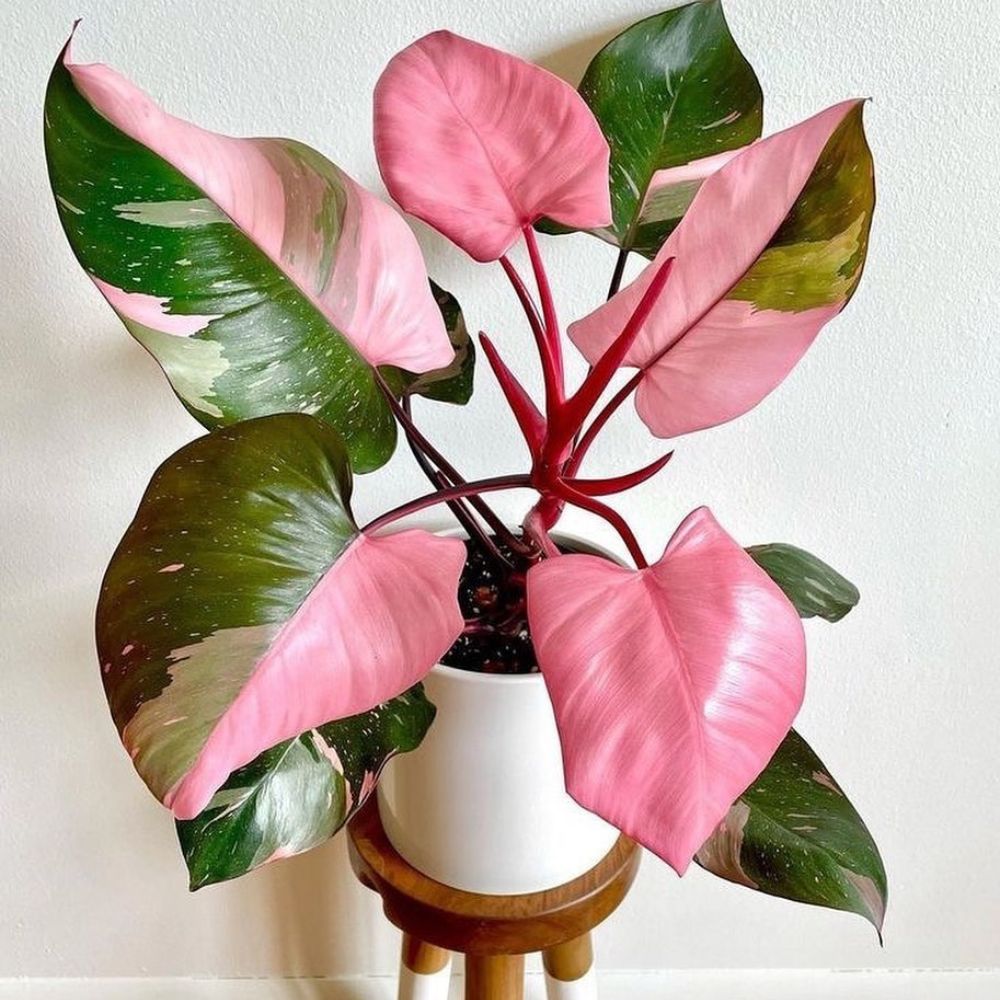
Orchids can also work in bathrooms with sufficient light. The humidity supports their natural growth cycle, reducing the need for constant watering. When placed correctly, they maintain a consistent presence without requiring intensive maintenance.
Plants That Work in Low Light Bathrooms
Not all bathrooms receive natural light, but this does not prevent plant use. Low-light bathroom plants are selected based on their ability to tolerate reduced light while still benefiting from humidity.
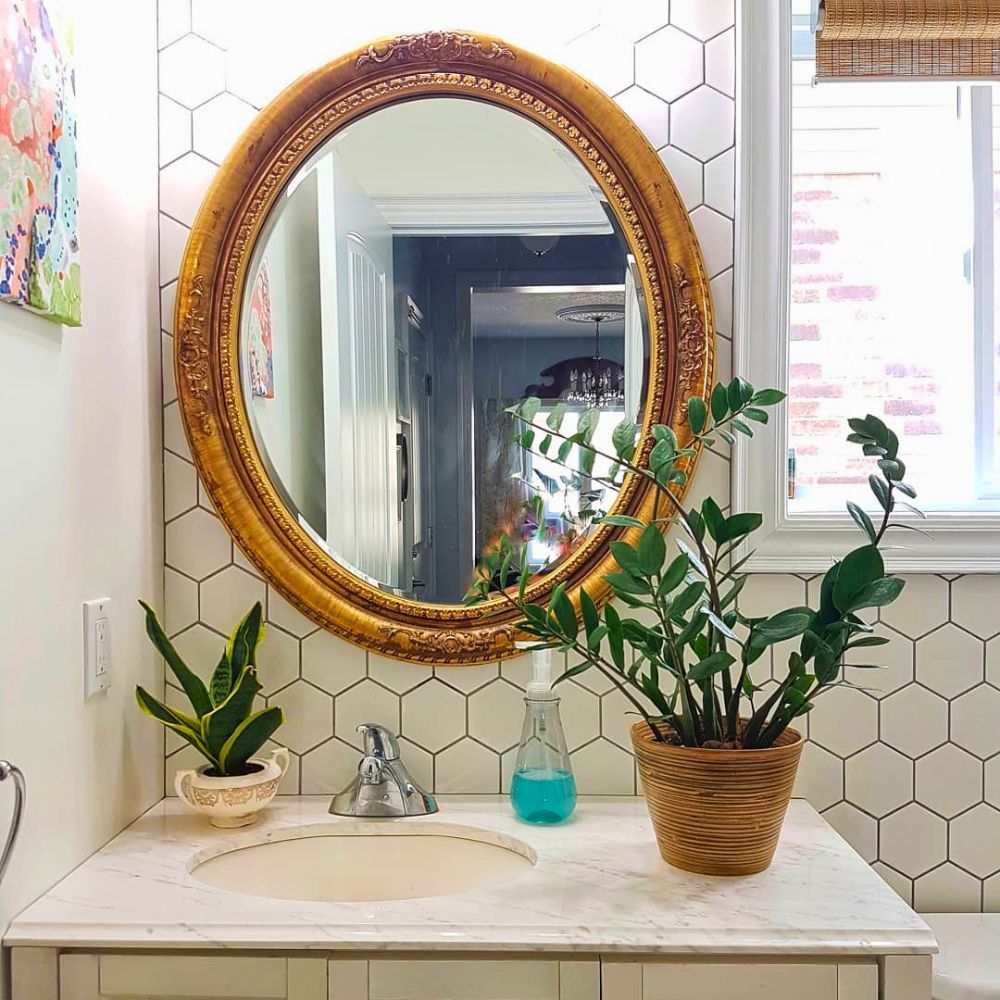
Snake plants are one of the most reliable options in these conditions. They can adapt to low-light environments and do not require frequent watering. Their structure also makes them suitable for compact spaces where floor or counter space is limited.
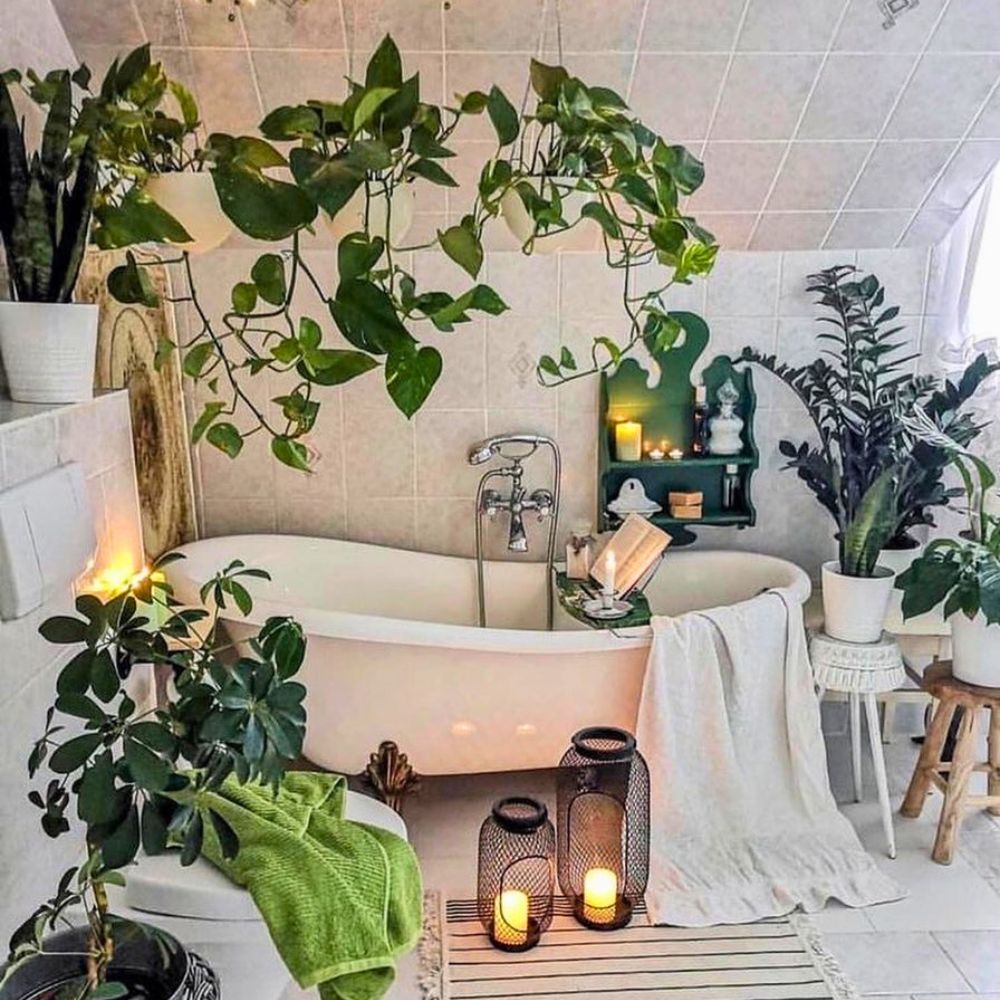
Zamioculcas, commonly known as ZZ plants, are another strong choice. They tolerate low light and irregular care, making them suitable for bathrooms that are not used frequently or do not receive consistent light exposure. Pothos plants also perform well in low-light settings. They can be placed on shelves or allowed to trail, and they respond well to humidity even when light levels are not ideal.
Plants for Bathrooms Without Windows
Bathrooms without windows present a different challenge, but plant use is still possible with the right approach. In these spaces, plant selection should focus on varieties that tolerate minimal light and adapt to artificial lighting.
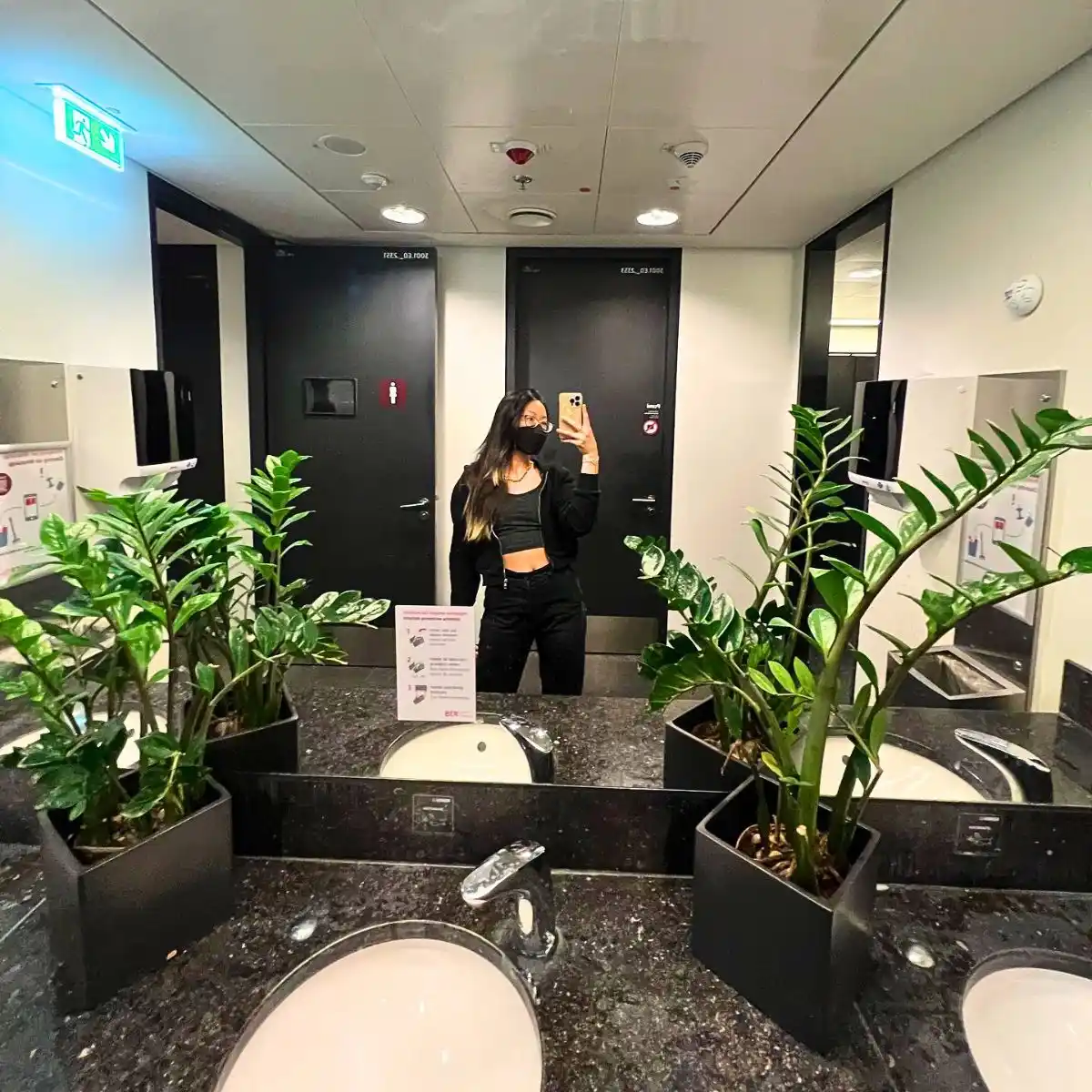
Snake plants and ZZ plants remain the most reliable options in windowless bathrooms. Their ability to survive in low light makes them practical for these environments. However, it is important to occasionally rotate them into areas with natural light to maintain long-term health.
Another approach is to use artificial grow lights to support plant growth. This allows for a wider range of plant choices while maintaining consistent conditions. When used correctly, this method can make even fully enclosed bathrooms suitable for indoor plants.
How to Care for Bathroom Plants
Caring for plants in the bathroom requires a slightly different approach compared to other indoor spaces. Because humidity levels are higher, watering frequency should be reduced to avoid overwatering. Soil should be monitored regularly to ensure it does not remain overly saturated.
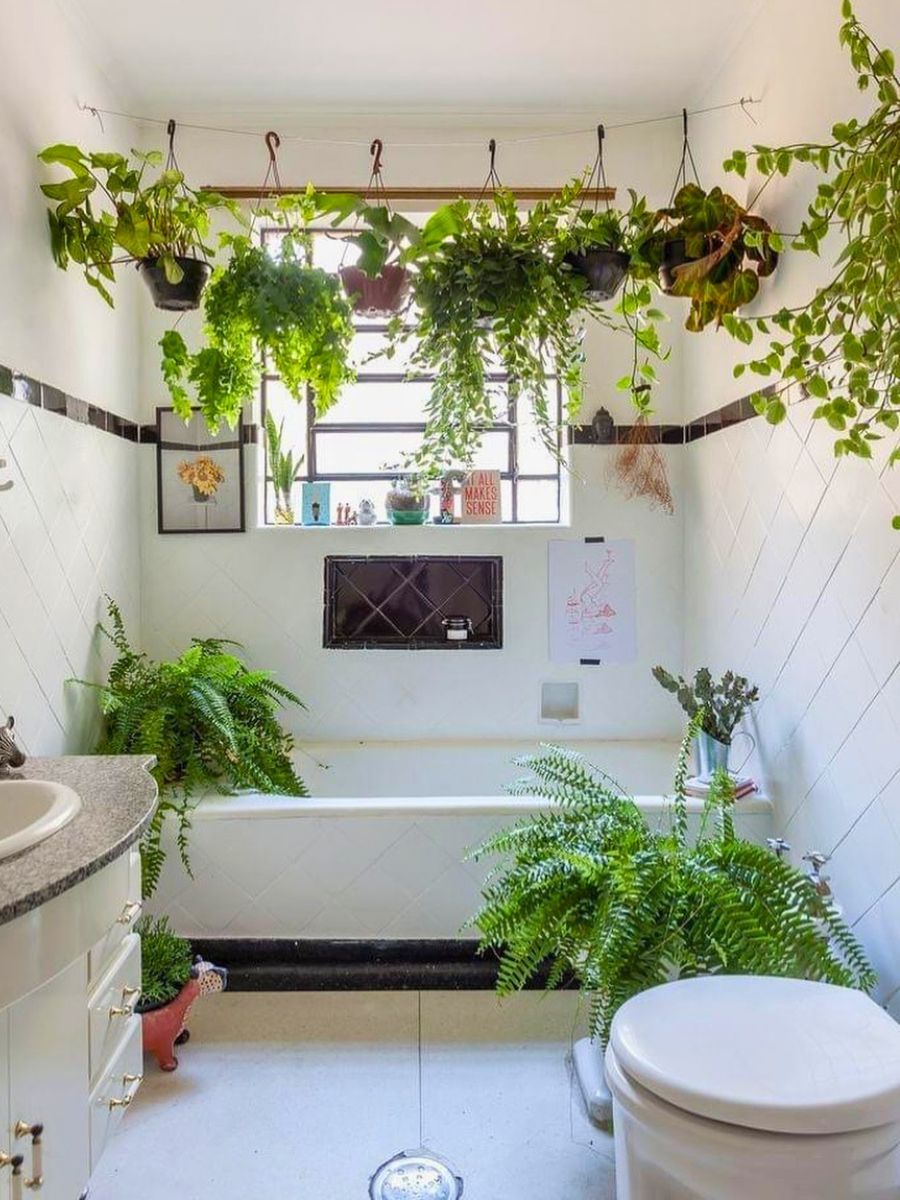
Air circulation is also important. While bathrooms are humid, they should not remain closed off for extended periods. Proper ventilation helps prevent excess moisture build-up and supports plant health over time.
Placement plays a key role in long-term success. Plants should be positioned where they receive appropriate light, even if it is indirect. Rotating plants occasionally ensures even exposure and prevents uneven growth. Maintaining plants in the bathroom is not complex, but it does require awareness of how the environment differs from other parts of the home. With the right adjustments, plants can remain stable and consistent in these conditions.
Bringing Function and Intent Into Bathroom Spaces
Adding plants to the bathroom is not just about appearance. It is a practical way to make better use of a space that already provides favorable conditions for certain plant types. When chosen and maintained correctly, these plants contribute to a more balanced environment while requiring minimal adjustment.
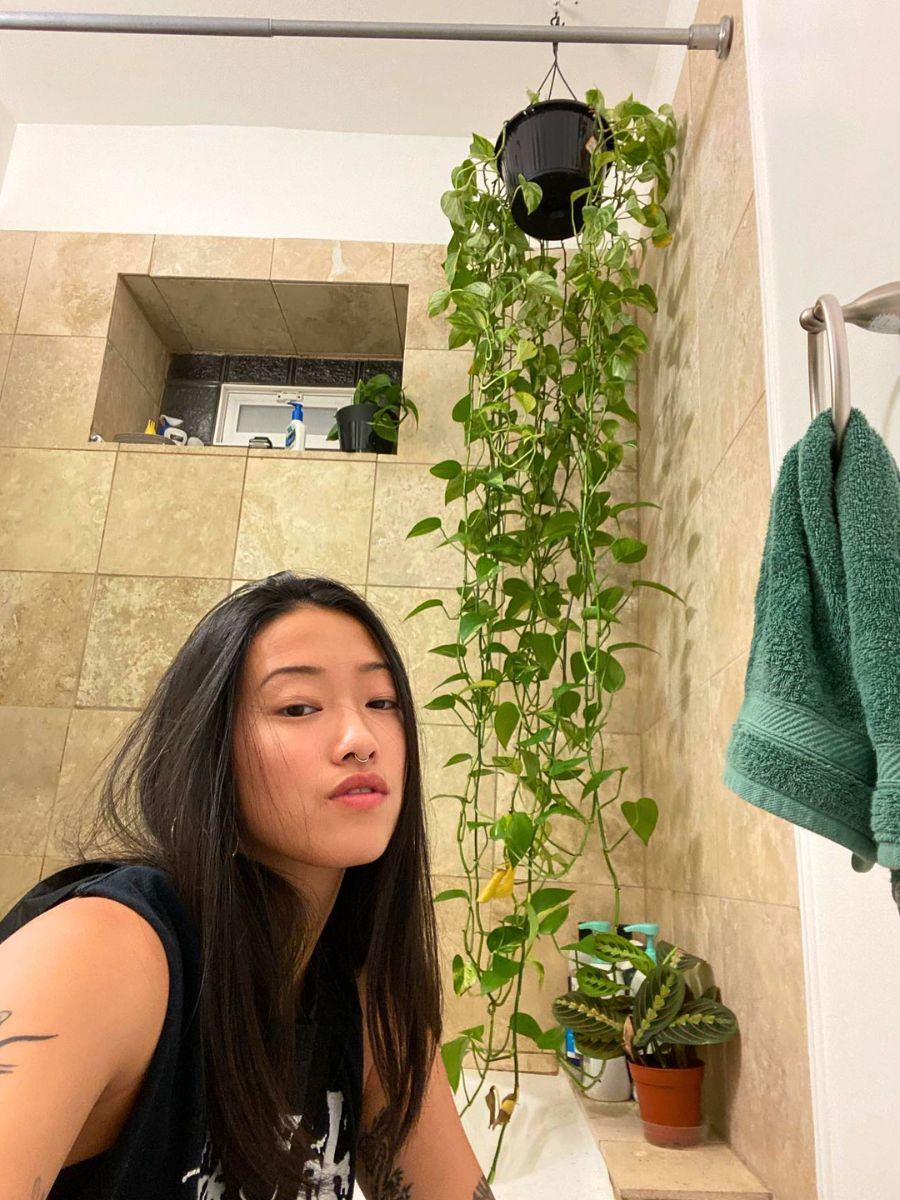
As more people pay attention to how indoor spaces function, the role of plants continues to shift from decorative to purposeful. Bathrooms are a clear example of this transition, where the right plant choices can improve both the feel and usability of the space.
Header image by @gardening_with_origin. Feature image by @herbs_junkiexo.