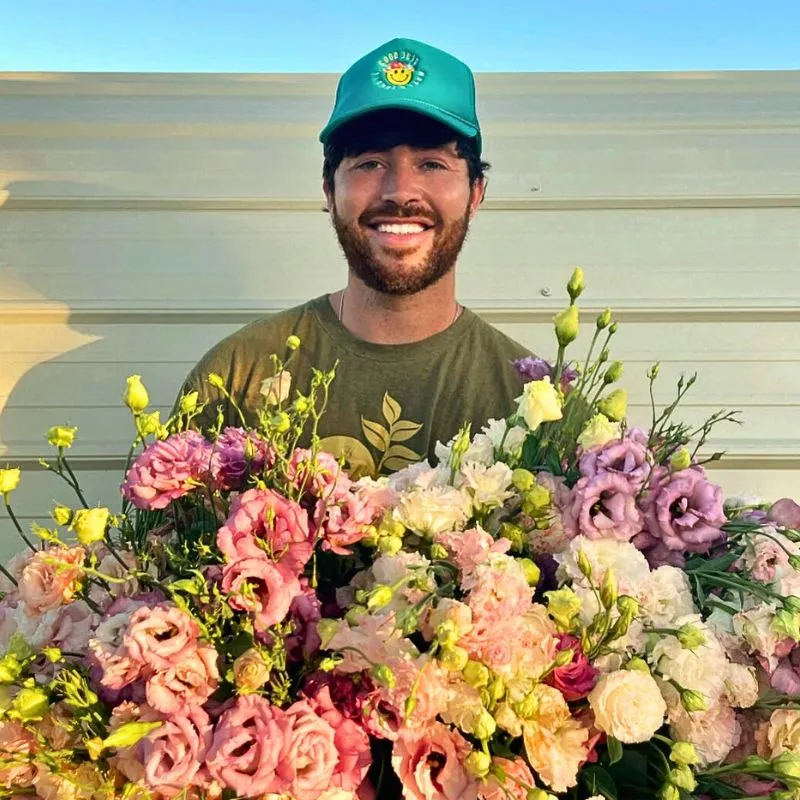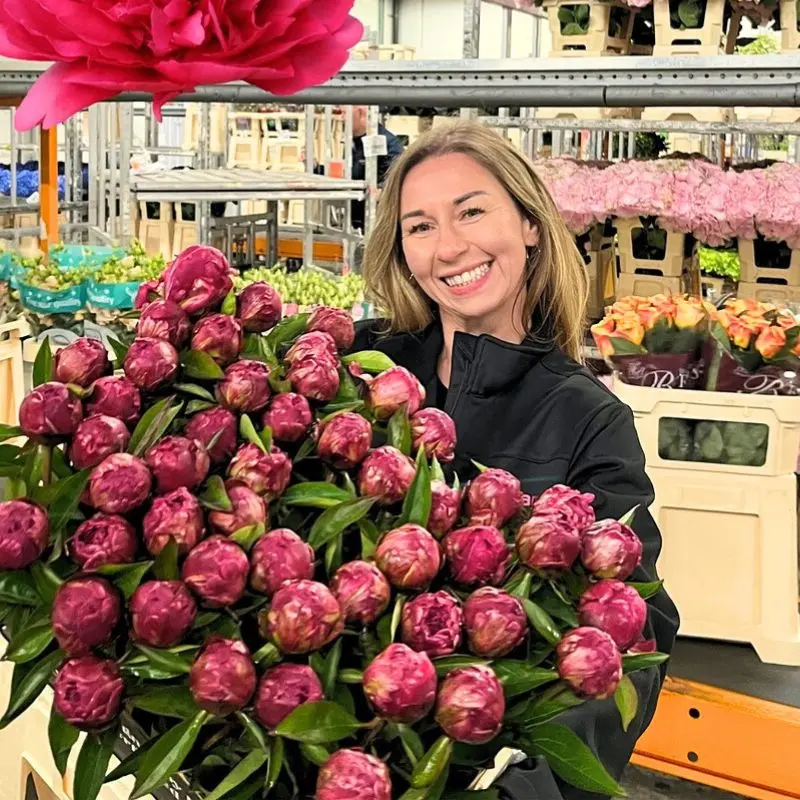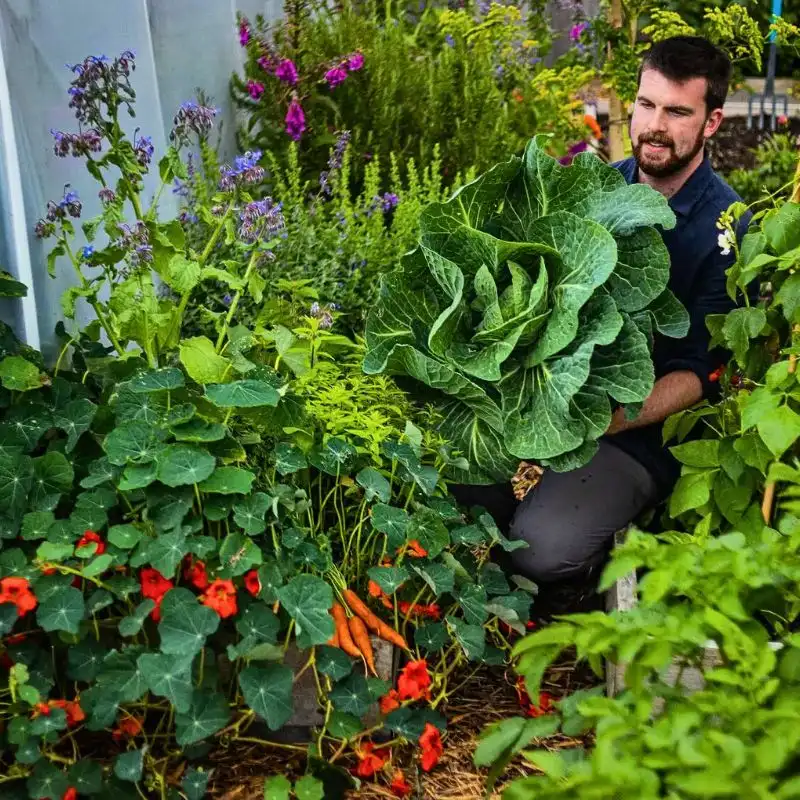
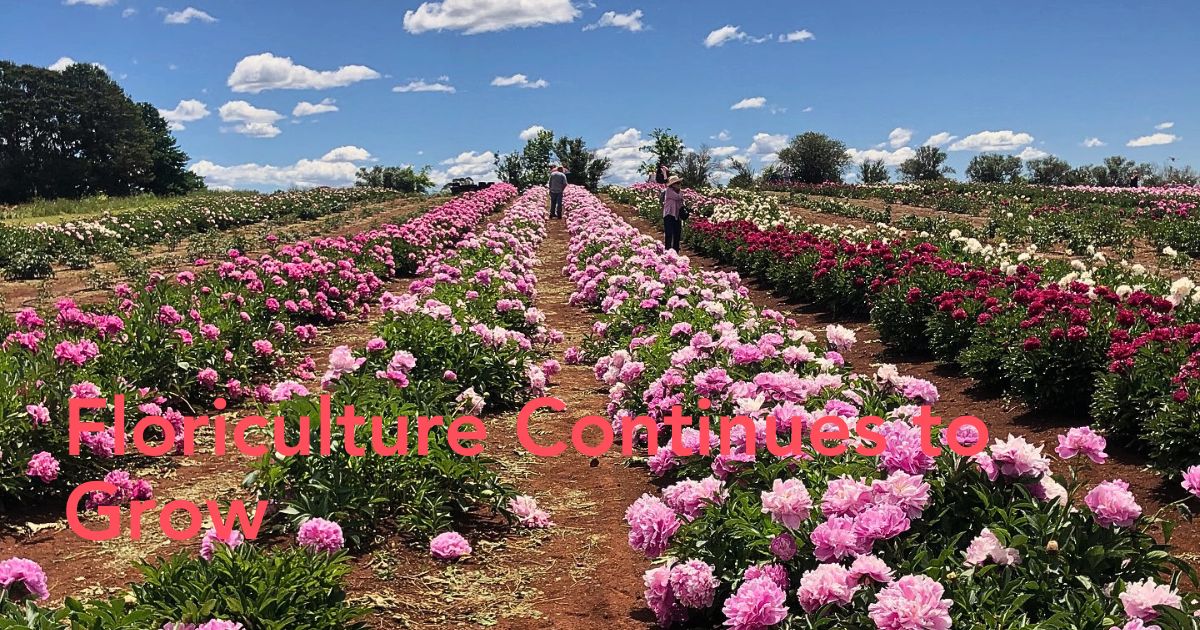
Flowers shape some of life’s most meaningful moments. They celebrate milestones, offer comfort, and bring color into everyday spaces. Across the world, floriculture continues to grow as both an art and a business, driven by demand for freshness, beauty, and variety. What often remains unseen is the physical labor required to make that beauty possible.
Behind every stem is a routine built on precision, endurance, and constant movement. Flower farming involves long hours of bending, cutting, lifting, and handling delicate crops in changing environmental conditions. Whether the work takes place in open fields or greenhouse settings, it demands sustained physical effort and close attention.
Seasonal pressure adds even more strain. During peak harvest periods, workers must move quickly to meet tight deadlines and high-quality standards. Repeating the same motions for hours can gradually wear down the body, leading to discomfort that can turn into injury.
The tools and materials used each day also increase the demands of the job. Sharp instruments, heavy trays, irrigation systems, fertilizers, and pesticides all form part of the working environment. Each task may appear routine on its own, but together they create conditions where physical risk is always present.
For many growers and workers, these challenges are accepted as part of maintaining productivity and meeting market demand. Still, the gap between how flower farming is perceived and how it is actually experienced remains significant. The final product tells only part of the story, leaving the human effort behind it largely unspoken.
Where the Risks Begin: Everyday Hazards in Flower Farming
The daily rhythm of flower farming depends on speed, consistency, and physical precision. Those same demands also create conditions where injuries can happen quickly, especially when fatigue, weather, or equipment issues come into play.
Machinery is one of the most common sources of injury. Automated cutters, conveyor systems, and packaging equipment require ongoing maintenance, even when properly maintained. A brief distraction or a small malfunction can result in serious harm in fast-moving work environments.
Repetitive motion is another major concern. Trimming stems, sorting blooms, and preparing flowers for distribution often involve the same actions repeated throughout the day. Over time, that strain can affect the wrists, shoulders, and back, limiting mobility and making routine tasks more difficult.
Chemical exposure also presents real risks. Fertilizers, pesticides, and preservatives are often necessary to maintain crop quality, but improper handling or prolonged exposure can lead to skin irritation, breathing problems, or more serious health issues. Protective measures reduce the danger, though they are not always applied consistently.
Environmental conditions add another layer of risk. Wet surfaces increase the chance of slips and falls, while high temperatures in greenhouses can cause fatigue and reduce concentration. In outdoor settings, uneven ground and changing weather can make already demanding work even more hazardous.
When injuries happen, they are sometimes treated as isolated events. In reality, a single incident can affect both the worker and the wider operation. Medical bills, lost time, and reduced productivity can follow quickly. In more serious situations, guidance from a farm injury attorney can help clarify the next steps based on the circumstances.
When an Injury Becomes More Than Just an Accident
Many injuries in flower farming begin as minor incidents. A sore back, a strained wrist, or a small cut may not appear serious at first. With continued physical work, however, those issues can develop into conditions that interfere with a person’s ability to do the job safely and consistently.
Temporary pain can become a long-term limitation. Repetitive strain injuries may require lengthy recovery, while illnesses linked to chemical exposure may take time to appear fully. More severe accidents involving machinery or falls can have immediate consequences that affect both health and income.
For workers, the impact often extends far beyond the injury itself. Time away from work can disrupt earnings, particularly in seasonal roles. Medical treatment creates additional financial pressure, and uncertainty around recovery can make the future difficult to manage. For farm owners, injuries can disrupt workflow, reduce productivity, and add stress to the rest of the team.
These situations also raise questions about responsibility and support. Determining what caused the injury, whether proper safety measures were in place, and how the situation should be handled is not always simple. Without clear information, an already difficult experience can become even harder to navigate.
The Legal Side of Farm Injuries: What Growers and Workers Should Know
When a workplace injury occurs in flower farming, the issue often extends beyond medical care into questions of responsibility and compliance. Agricultural operations, including floriculture, are subject to labor standards and safety requirements intended to protect workers and guide employers.
Responsibility may depend on the type of work being done, the conditions under which it was performed, and whether appropriate safety measures were in place. Training, equipment maintenance, and protective gear all help shape how an incident is assessed. Even in well-run environments, gaps in these areas can create serious complications after an injury.
For workers, understanding available protections is essential. Labor frameworks often outline rights related to safe working conditions, incident reporting, and compensation for work-related injuries. Employers, in turn, are expected to maintain standards that reduce preventable harm and respond appropriately when accidents occur.
Clarity matters even more when there is uncertainty about how an injury happened or who may be accountable. Documentation, incident reports, and adherence to established procedures can influence how a case is handled. Without proper structure, even straightforward situations can become difficult to resolve.
Staying informed about farm safety and risk management guidelines helps both growers and workers better understand their role in maintaining a safer environment. These guidelines support prevention, accountability, and a more informed response when injuries occur.
Prevention Is Essential, But Not Always Enough
Many flower farming operations have taken steps to reduce injuries by investing in better equipment, stronger training, and clearer safety procedures. Protective gear, proper tool handling, and awareness of environmental conditions all help lower risk and create a more stable work environment.
Training is central to prevention. Workers who know how to operate machinery, handle chemicals safely, and recognize early signs of physical strain are better prepared to avoid accidents. Consistency matters just as much as instruction. Safety practices are most effective when they are followed every day.
Even so, risk cannot be eliminated. The physical nature of the work, combined with weather, fatigue, and production pressure, means unexpected incidents can still happen. A single slip on a wet surface or one lapse in concentration around equipment can cause a serious injury despite existing precautions.
That is why preparation matters as much as prevention. Clear procedures for responding to injuries, documenting incidents, and understanding each person’s role can make a major difference in how situations are handled. A prepared operation is better equipped to respond with clarity and reduce confusion during a difficult moment.
Building a More Sustainable Future for Flower Farming
Sustainability in floriculture is often discussed in terms of water use, soil health, and energy efficiency. Those factors are essential, but they represent only part of the picture. The industry's long-term strength also depends on the people whose labor keeps it running.
A safer work environment supports stability at every level. Workers who feel protected are more likely to remain engaged and productive over time. For growers, that can mean stronger teams, fewer disruptions, and a more reliable operation throughout the season.
Addressing injury risks is part of building that stability. Farms that take prevention and response seriously create a structure that supports continuity when challenges arise. This includes daily safety practices and fair, informed processes for handling incidents.
The industry is also evolving in how it defines responsible production. Labor conditions and worker treatment are becoming more visible in conversations about ethical farming. As expectations shift, farms that prioritize these concerns are better positioned to adapt in a changing market.
Attention to sustainable floriculture practices shows how environmental and human concerns are closely connected. Supporting both can strengthen farm operations and contribute to a more resilient future for flower farming.
Looking Beyond the Bloom
The visual appeal of flowers will always remain central to floriculture. It draws people in and keeps demand strong across markets and cultures. Beneath that beauty is a deeper story shaped by labor, risk, and responsibility.
Recognizing the human side of flower farming deepens understanding of the industry. It highlights the value of safe working conditions, informed decision-making, and proper support when injuries occur.
When those realities are acknowledged, it becomes easier to respond with greater care and awareness. That perspective supports better outcomes for workers, growers, and the future of floriculture itself.
Looking beyond the bloom opens the door to a more complete view of the industry, one that values both the final product and the people who make it possible.