Flowers have always carried meaning beyond their beauty. A rose can feel like love. A lily can feel like remembrance. Lavender can feel like calm. Sunflowers can feel like warmth, loyalty, or hope. Even when people do not know the formal meaning of a flower, they often feel something when they see it.
That is why flowers are so often present during life’s important moments. They appear at weddings, funerals, birthdays, apologies, celebrations, and quiet days at home. They help people express feelings that can be hard to say directly.
The language of flowers, sometimes called floriography, gives people a way to connect flowers with emotions, memories, and intentions. It does not need to be complicated. It can simply be a gentle way to ask: What am I feeling? What do I want to remember? What do I want to let go of?
Why Flowers Help People Reflect
Flowers create a pause. They ask us to notice shape, color, scent, season, and time. A fresh flower does not last forever, and that is part of its meaning. It reminds us that feelings, seasons, and situations also change.
Personal reflection often becomes easier when there is something physical to focus on. A flower in a vase, a pressed petal in a journal, or a small garden corner can become a simple prompt.
Some people use journaling, flower symbolism, or quiet rituals to make sense of personal questions, while others explore services such as PsychicOz online psychic readings as part of their personal reflection process.
The important thing is not to treat flowers as answers. Instead, they can become starting points for thought.
A Short Look at the Language of Flowers
The language of flowers became especially popular during the Victorian era, when people used specific flowers to communicate feelings in a subtle way. A bouquet could carry a message. The flower type, color, and arrangement all mattered.
Today, people do not need to follow old meanings strictly. Flower symbolism can be personal. A flower that reminds one person of grief may remind another of childhood. A flower used in a wedding may later become a symbol of commitment, memory, or family.
That is what makes floral meaning powerful. It is both cultural and personal.
Choosing Flowers for Self-Reflection
When using flowers for reflection, start with one simple question: What feeling do I want to sit with?
You may want comfort, clarity, courage, forgiveness, patience, or gratitude. Once you know the feeling, choose a flower that connects with it visually or emotionally.
Do not worry too much about choosing the “correct” flower. The best choice is the one that helps you notice your own response.
Roses for Love and Boundaries
Roses are often linked to love, but they can also represent boundaries. A rose is soft and structured. It carries fragrance and thorns. This makes it a useful flower for reflecting on relationships, care, and self-respect.
A red rose may feel passionate. A white rose may feel quiet or respectful. A pink rose may feel gentle. A single rose in a vase can be enough for a journaling practice about love, forgiveness, or personal limits.
Lavender for Calm and Rest
Lavender is often associated with rest, peace, and softness. Its scent can be strong, so it is not right for everyone, but visually it still carries a feeling of quiet.
Lavender can be useful for reflection on sleep, stress, or the need to slow down. A small dried bundle near a journal or reading corner can create a simple reminder to pause.
Sunflowers for Hope and Steadiness
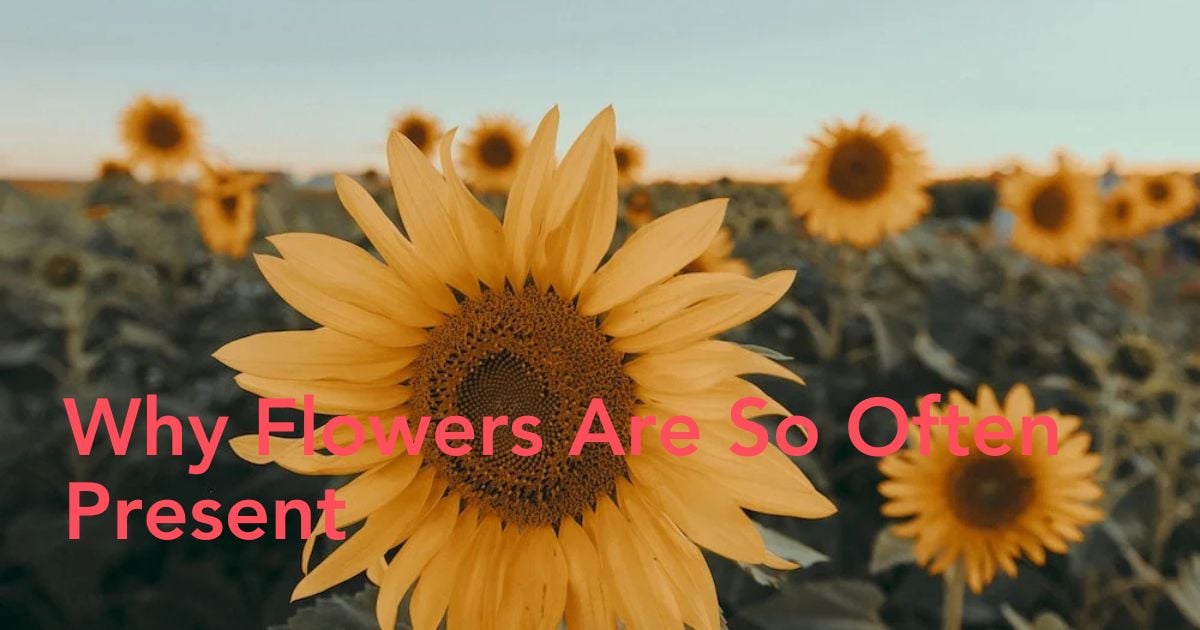
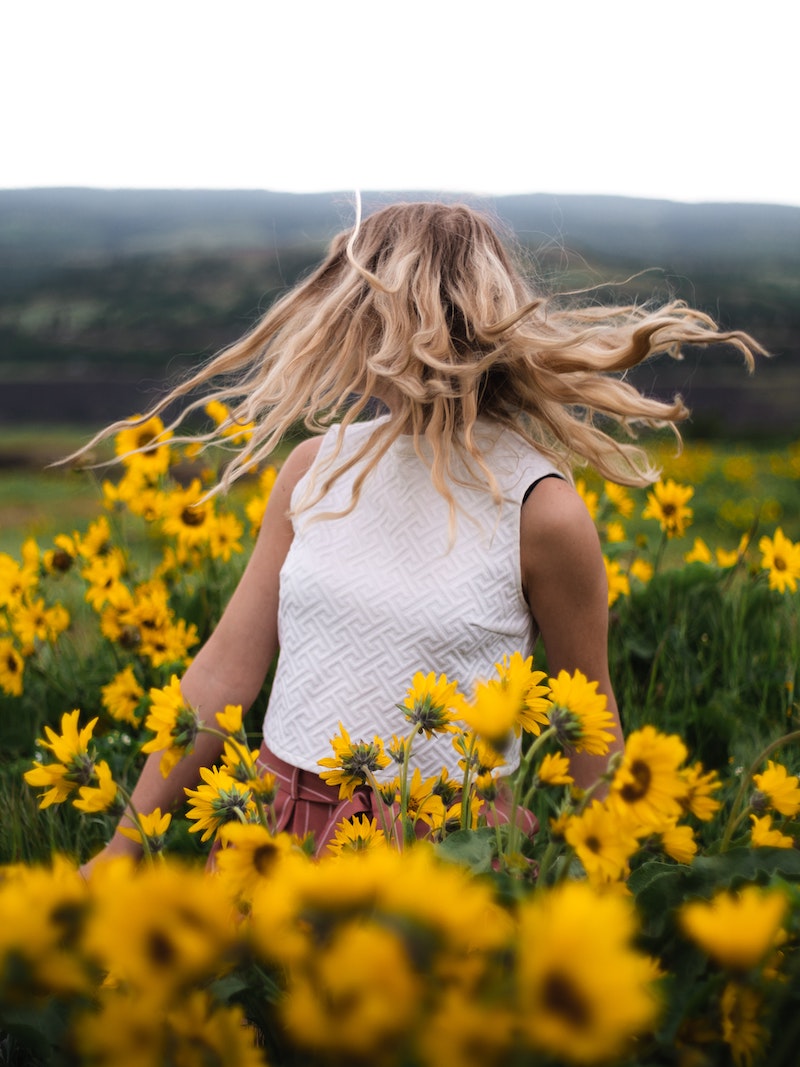
Sunflowers are often linked with warmth and optimism. They turn toward light, which makes them a strong symbol for hope and direction.
For personal reflection, sunflowers can be useful during times of change. They can help a person think about what keeps them steady, what they are moving toward, and where they find support.
Lilies for Memory and Transition
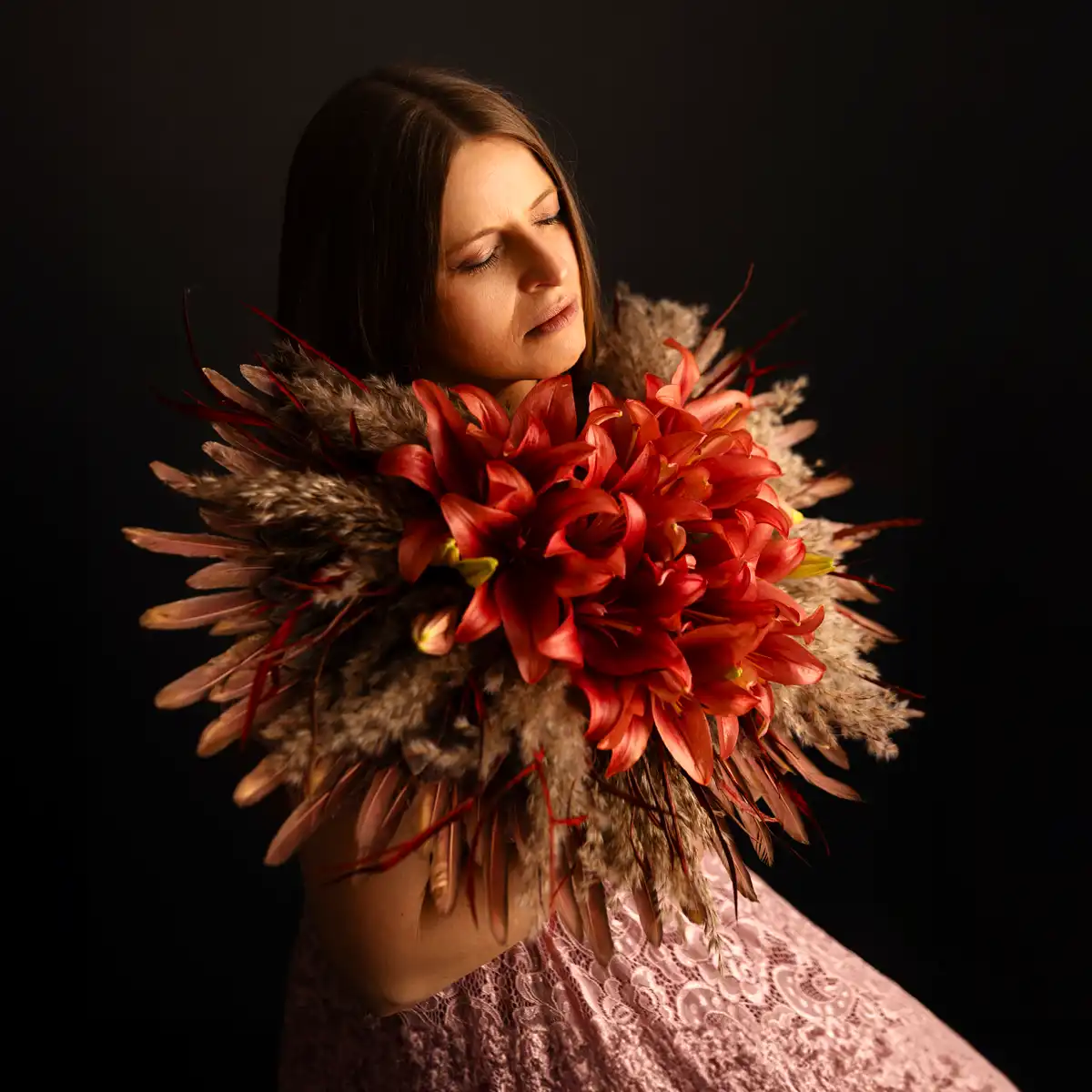
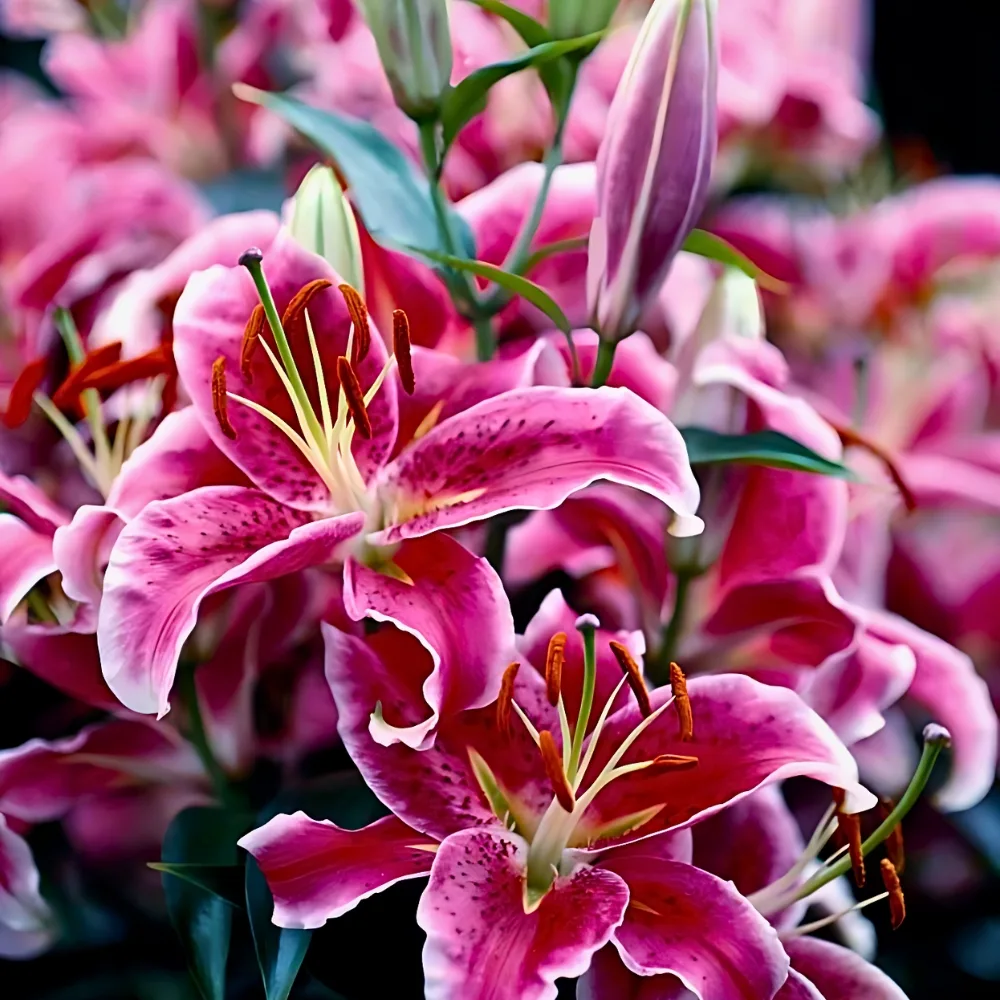
Lilies often appear in moments of remembrance and transition. They can feel formal, calm, and deeply emotional.
They may be useful in reflection around grief, endings, or personal change. Because some lilies are toxic to cats, pet owners should choose them carefully or select a safer alternative.
Daisies for Simplicity
Daisies feel simple, open, and honest. They can represent small joys, fresh starts, and uncomplicated beauty.
They work well for reflection when someone wants to return to basics. A daisy can ask a simple question: What is still good, even when life feels complicated?
Flower Colors and Emotional Meaning
Color shapes how flowers feel.
White flowers often feel calm, clean, or reflective. Yellow flowers can feel warm and hopeful. Purple flowers may feel thoughtful or spiritual. Pink flowers often feel gentle. Red flowers feel strong and emotional. Green foliage can feel steady and grounding.
These meanings are not fixed rules. They are starting points. Personal memory matters just as much as traditional symbolism.
If yellow flowers remind you of a loved one, they may carry comfort. If white flowers remind you of a difficult time, they may not feel peaceful at all. Let your own response guide the meaning.
Using Flowers in Journaling
Flowers can make journaling easier because they give the page a clear starting point.
You can place one flower beside your notebook and write from simple prompts:
- What does this flower remind me of?
- What feeling comes up when I look at it?
- What season of life does it represent?
- What do I want to hold onto?
- What do I want to release?
You can also press a petal and place it inside the journal as a marker of that moment. Over time, these small floral records can become a quiet personal archive.
Flower Arranging as Reflection
Arranging flowers can also become reflective.
You might choose one main flower for the central feeling, then add smaller stems that support it. For example, a rose for love, greenery for stability, and small white flowers for peace. The arrangement becomes a visual expression of what you are trying to understand.
This does not need to look professional. The process matters more than the result. Trimming, placing, stepping back, and adjusting can help slow the mind.
For readers interested in how plants and flowers support emotional routines, Thursd’s article The Psychology Of Plant Therapy is a useful internal read.
Flowers in Personal Rituals
A flower ritual can be very simple.
Place one flower in water.
Sit with it for five minutes.
Write one sentence about what you are feeling.
Change the water the next day.
When the flower fades, thank it and let it go.
This kind of ritual is not about magic or perfection. It is about attention. It gives shape to feelings that might otherwise stay unclear.
Flowers are especially useful for marking transitions: a new job, a breakup, a move, a personal decision, or the anniversary of someone’s passing.
Gifting Flowers With Meaning
When you understand floral symbolism, gifting becomes more thoughtful.
Instead of sending flowers only because they look nice, you can choose them because they match the message. A simple note can explain the meaning:
“I chose lavender because I hope this week gives you rest.”
“I chose sunflowers because they reminded me of your strength.”
“I chose white roses because I wanted something quiet and respectful.”
These small details make flowers feel personal. They show care without needing long explanations.
When Flowers Are Not Enough
Flowers can support reflection, memory, and emotional expression. But they are not a replacement for professional help, hard conversations, or practical decisions.
If someone is struggling deeply, feeling stuck, or facing ongoing emotional pain, flowers can be part of a supportive environment, but they should not carry the whole weight.
The healthiest use of flower symbolism is balanced. Let flowers open the door to reflection, then take whatever next step is needed.
The language of flowers is not only about old meanings in books. It is about how flowers help people notice their own feelings.
A single stem can hold memory. A color can bring comfort. A small arrangement can mark a change. A pressed petal can keep a moment close.
Flowers do not need to give answers. Sometimes their real value is that they help us ask better questions.