Japan's relationship with flowers is quite unlike any other in the world. It goes back thousands of years, knitting itself into their art, religion, philosophy, language, and everyday life. For the Japanese, flowers carry meaning, communicate emotion, mark the changing of seasons, and connect the living to their descendants. Instead of simply using them as decoration, they have studied, codified, and revered flora for ages, entrenching them into their different aspects of life. But how (and why) has that been done?
Historical Roots of Japan’s Floral Culture
The story of flowers in Japan has its first strong footing during the Heian period (794–1185), when the imperial court developed a culture based on aesthetic refinement. Aristocrats composed poetry about seasonal flowers, observed nature with great enthusiasm, and began assigning meaning to it. This, essentially, was the period during which the philosophical framework for Japan's floral culture began to take shape.
By the Edo period (1603–1868), flower appreciation had spread well beyond the aristocratic courtyards. Ikebana schools flourished, the practice of hanami (cherry blossom viewing) became a social institution, and floral symbolism entered everything from kimono fabric design to woodblock print art.
Merchants, samurai, and commoners gathered under flowering trees in spring, a tradition that had begun centuries earlier among the aristocracy and Buddhist monks. It was also during the Edo period that hanakotoba, the Japanese language of flowers, gained widespread popularity, giving people a way to convey sentiments without spoken words.
Cherry Blossom and the Philosophy of Impermanence
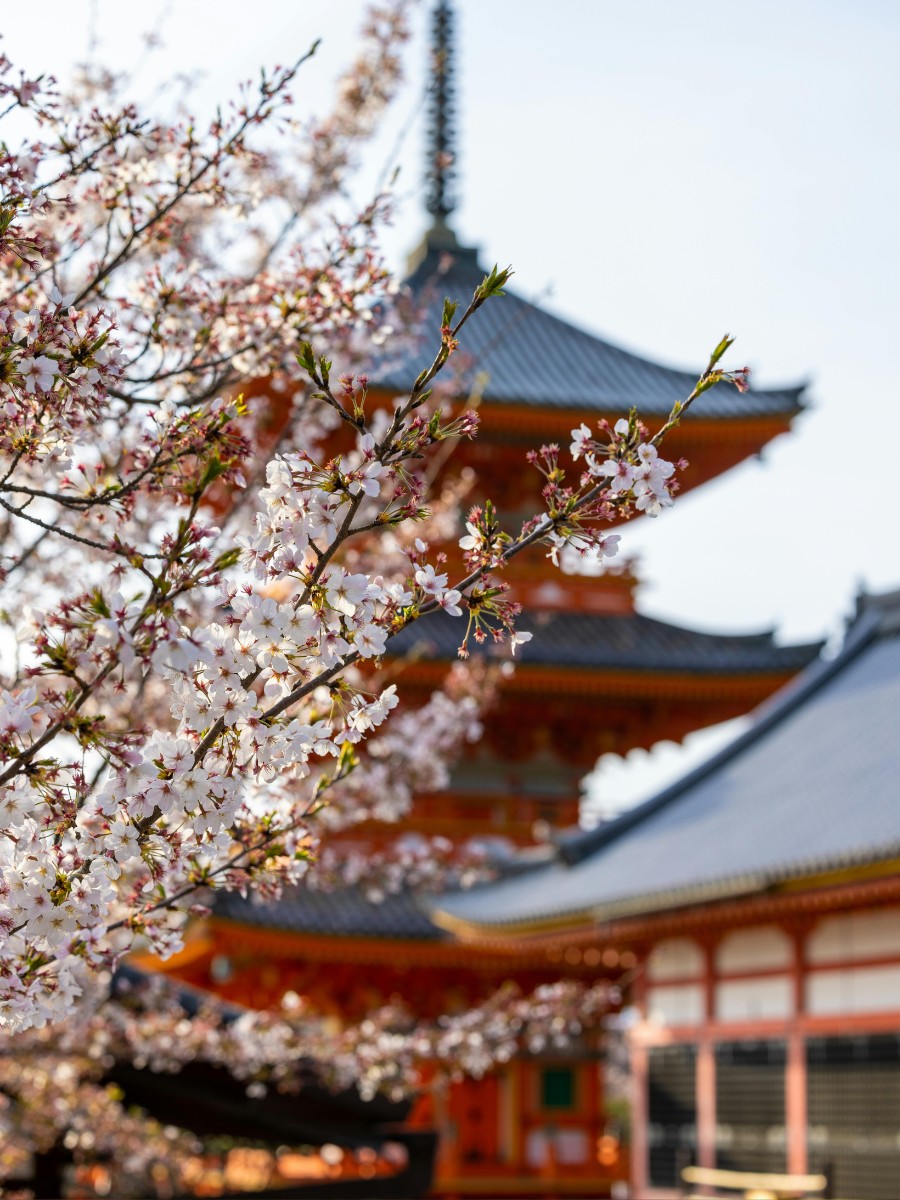
Perhaps no flower is more important to Japanese culture than the cherry blossom, known as sakura. Every spring, the country goes into a near-collective ritual to observe the brief flowering of these trees. The sakura season lasts only a few weeks before the petals fall. Yet that briefness is precisely the point.
The Japanese concept of mono no aware, often translated as ‘the pathos of things’ or a subtle sadness at the passing of time, is one of its purest expressions in the cherry blossom. The flower's short life points to the notion that beauty does not last, and that its transience makes it more precious. In Japanese thinking, this is never a source of despair but a call to be fully present in the moment.
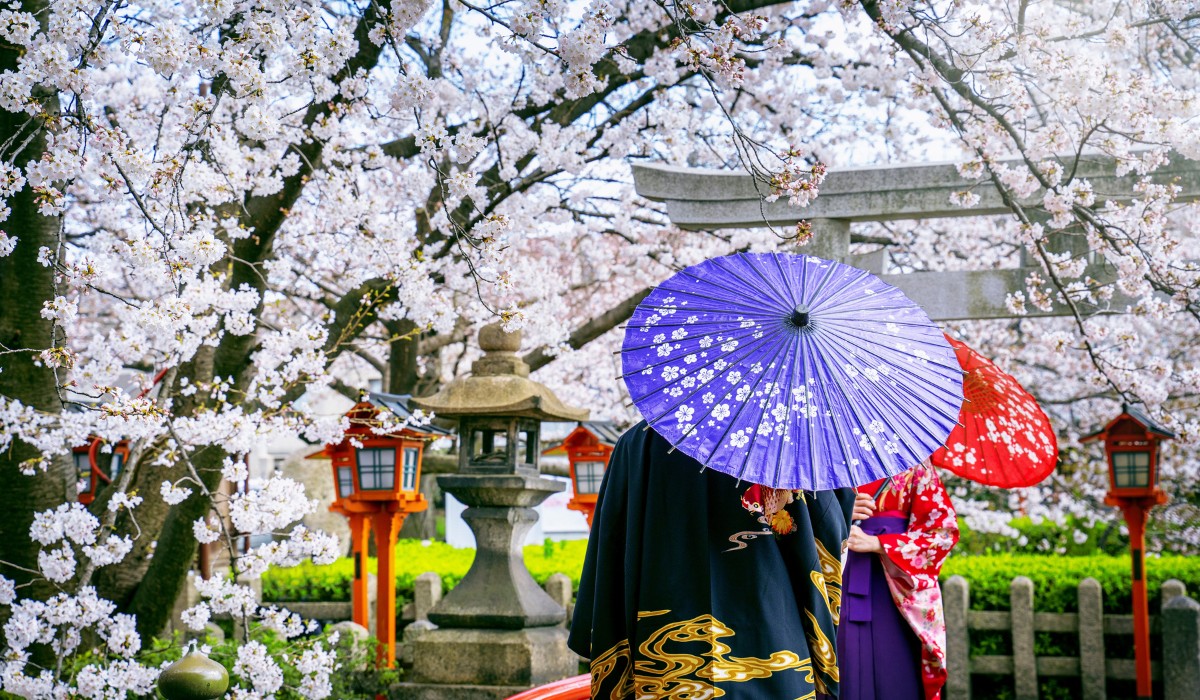
Hanami, the practice of gathering outdoors to appreciate cherry blossoms, dates to at least the Nara period (710–794), when it was associated with plum blossoms before sakura took precedence. Today, it is a major cultural event across the country, often drawing families, friends, and colleagues into parks and riverbanks every spring. It is one of the best examples of how a flower can be part of a national occasion.
Flowers in Ikebana
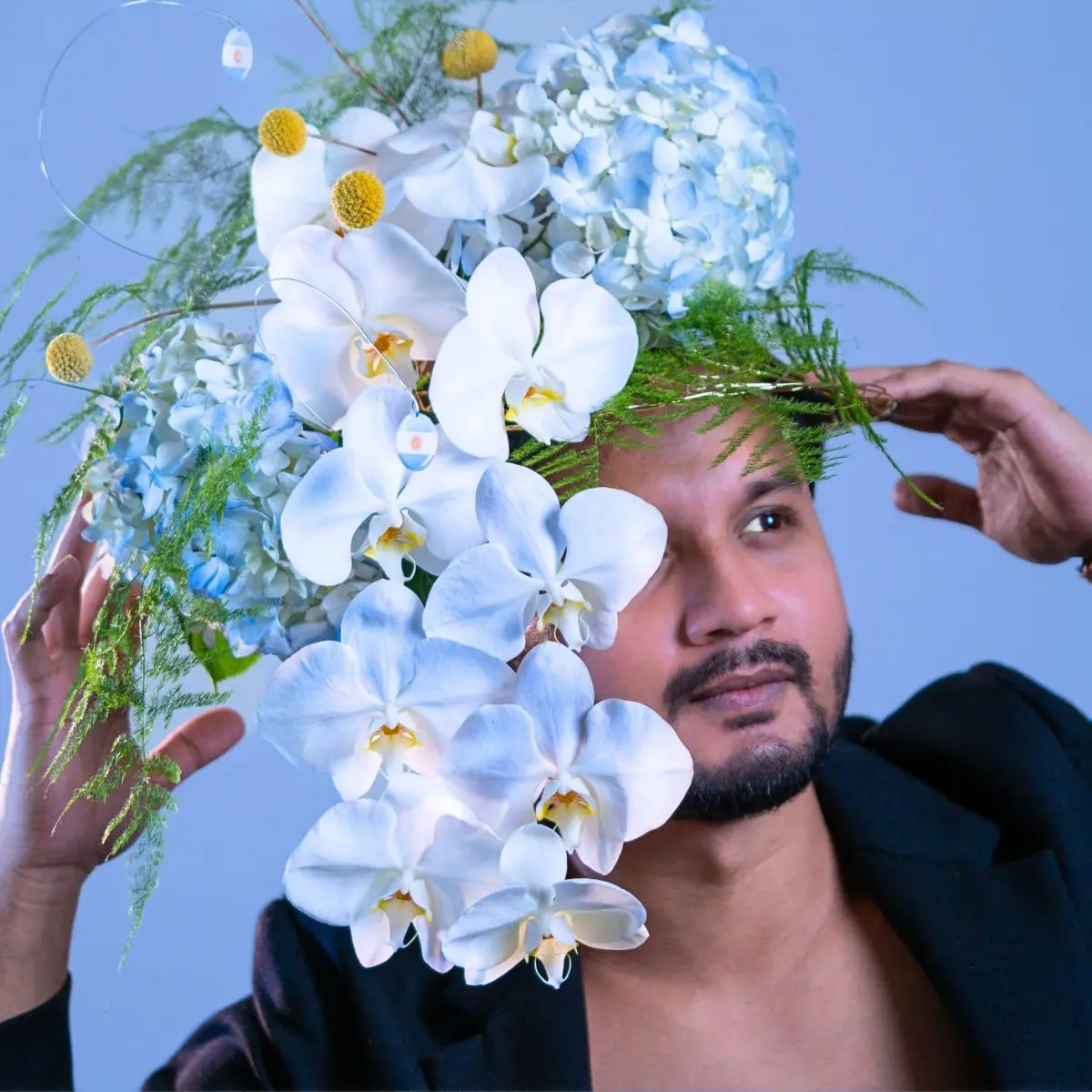
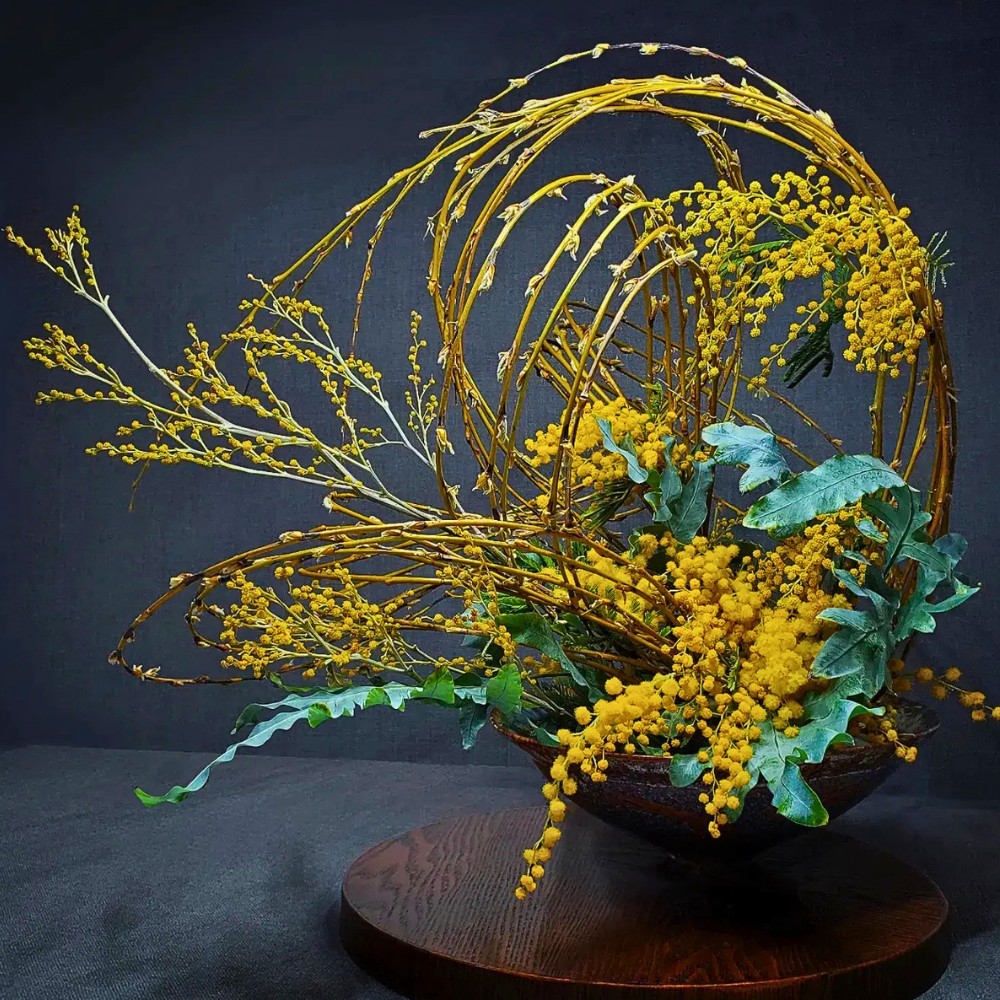
Ikebana, the Japanese art of flower arrangement, is one of the most developed expressions of their rich regard for flowers. The art form itself mirrors the general Japanese habit of finding form in restraint. Unlike Western floral design, which often prioritizes abundance and color, ikebana works on principles of minimalism, line, and intentionality. Every flower, branch, and leaf used is purposefully placed, while space itself is considered a compositional element.
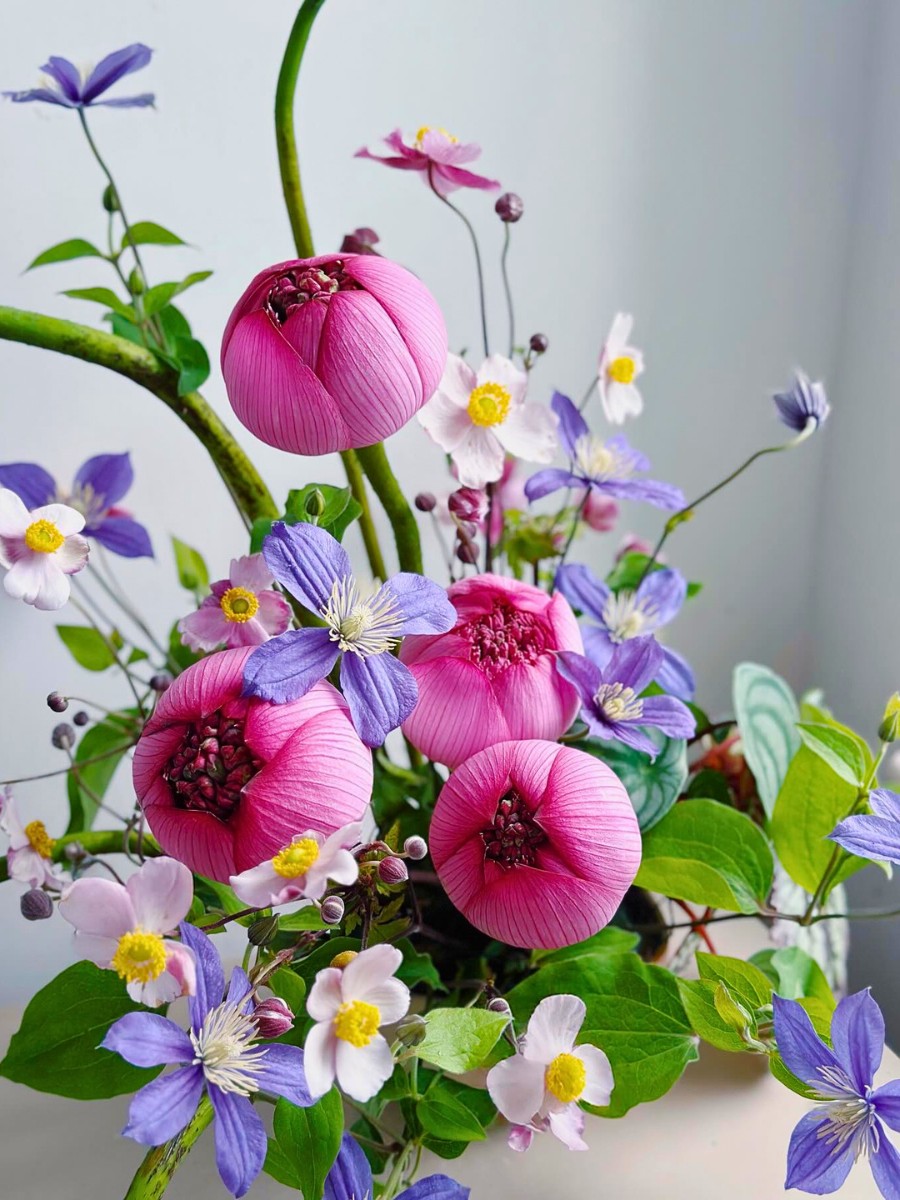
The origins of ikebana trace to the 6th century, when Buddhist monks brought flower-offering practices from China and Korea to Japan. Over time, these offerings became a formal artistic discipline with distinct schools, each with its own philosophy. The oldest known book on flower arranging is Japanese, dating to 1445, and the tradition has produced hundreds of schools since then, including the Ikenobo, Ohara, and Sogetsu schools, which are still active and influential.
In ikebana, flowers literally speak. A downward-curving branch suggests humility and an upright stalk conveys aspiration. In this art form, the practitioner does not just decorate space, but constructs a statement about the natural world and one's relationship to it. This ideology makes ikebana much more than an art form.
Hanakotoba, the Language of Flowers
The Japanese developed their own flower language called hanakotoba, which assigns specific meanings and emotional weight to individual flowers and colors. The word itself translates loosely to ‘the language of flowers,’ and while it shares some qualities with the Victorian concept of floriography, hanakotoba is distinctly Japanese in its cultural and philosophical basis.
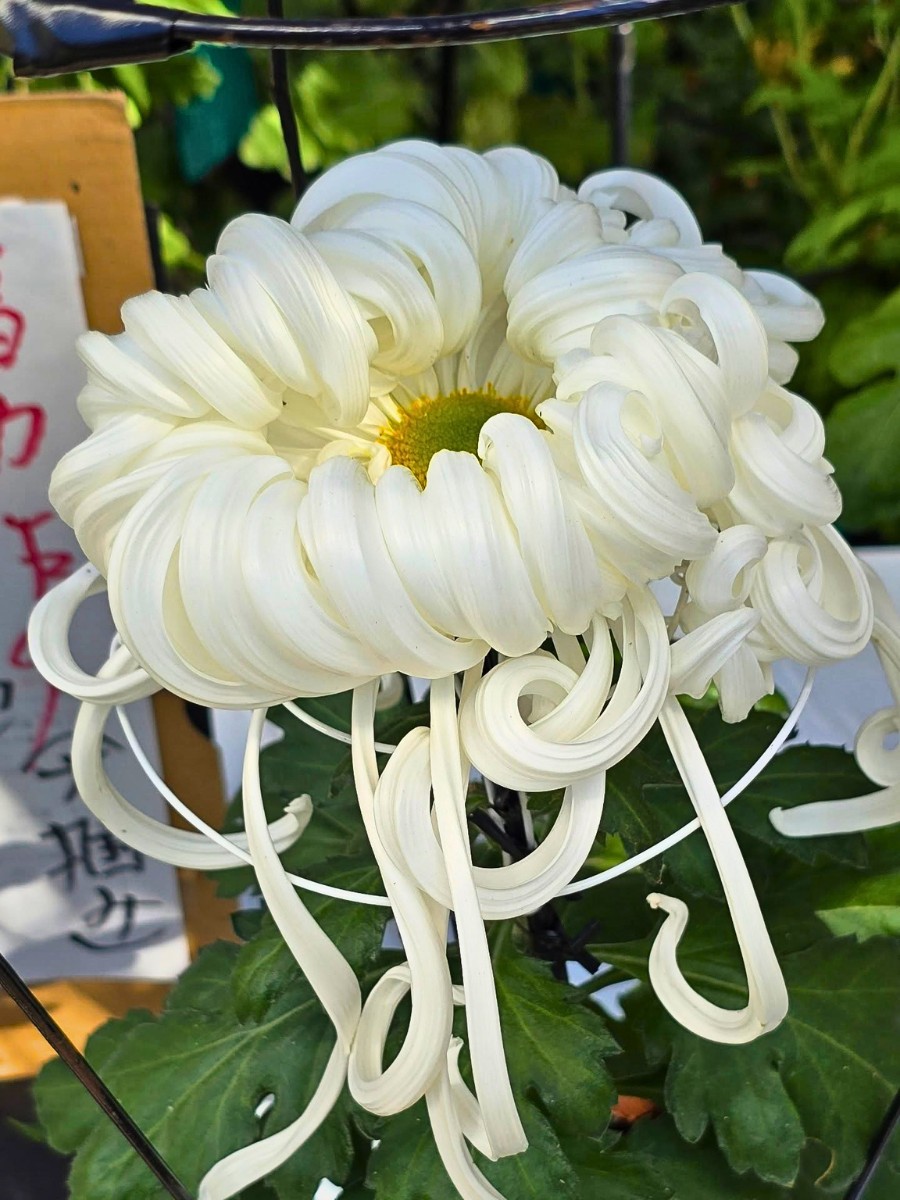
Under hanakotoba, a red camellia could signify love and admiration, yellow Chrysanthemums represent slighted love, and by contrast, white Chrysanthemums carry meanings of grief and mourning, making them important in funeral customs. Lotus flowers, often associated with Buddhism, symbolize purity and spiritual awakening, while plum blossoms, which appear in late winter before almost any other plant, stand for perseverance and hope.
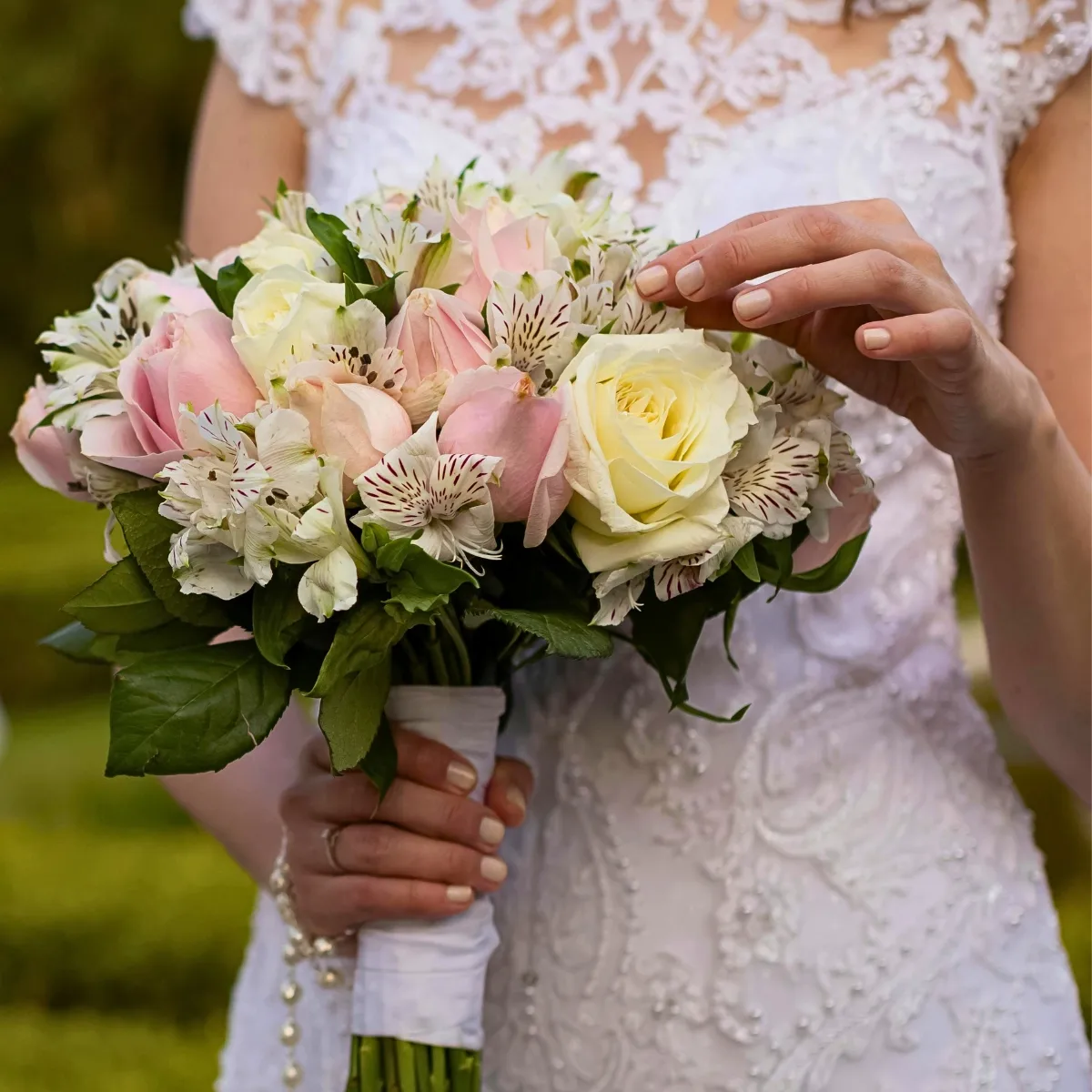
This system of meaning allows people to communicate with accuracy and nuance, especially in situations where words may feel insufficient. Gifting flowers in Japan, particularly in formal or emotionally significant contexts, involves careful thought of varieties, color, and arrangement. A seemingly simple bouquet can carry several different messages that the recipient is fully equipped to read.
History and Flowers in Daily Culture
For the Japanese, flowers are also important because, for a long time, they have sat inside their social and historical life. During the Heian period, floral symbolism became more refined and widely used, especially among the court and in poetry. Over time, they appeared in textiles, festivals, family customs, and imperial symbols, showing that floral culture was never confined to gardens or temples.
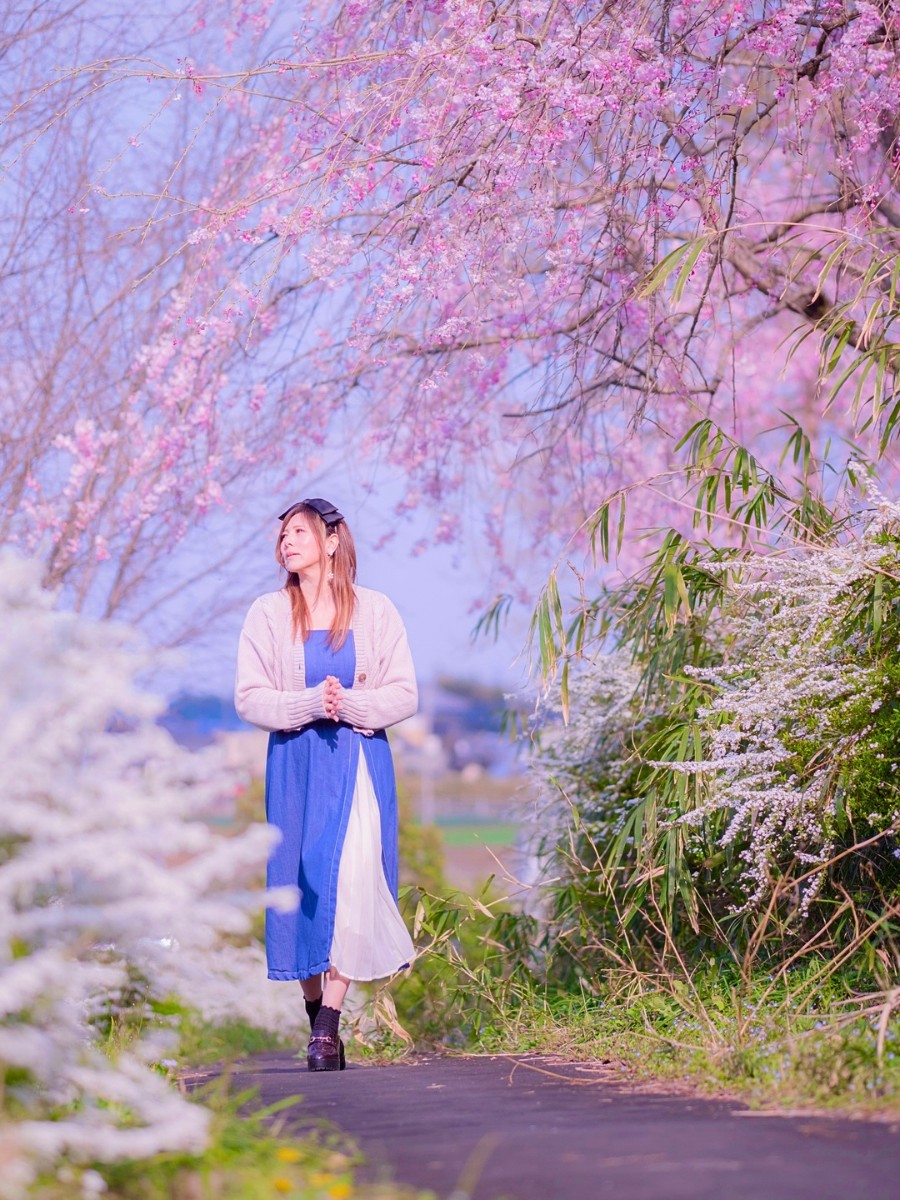
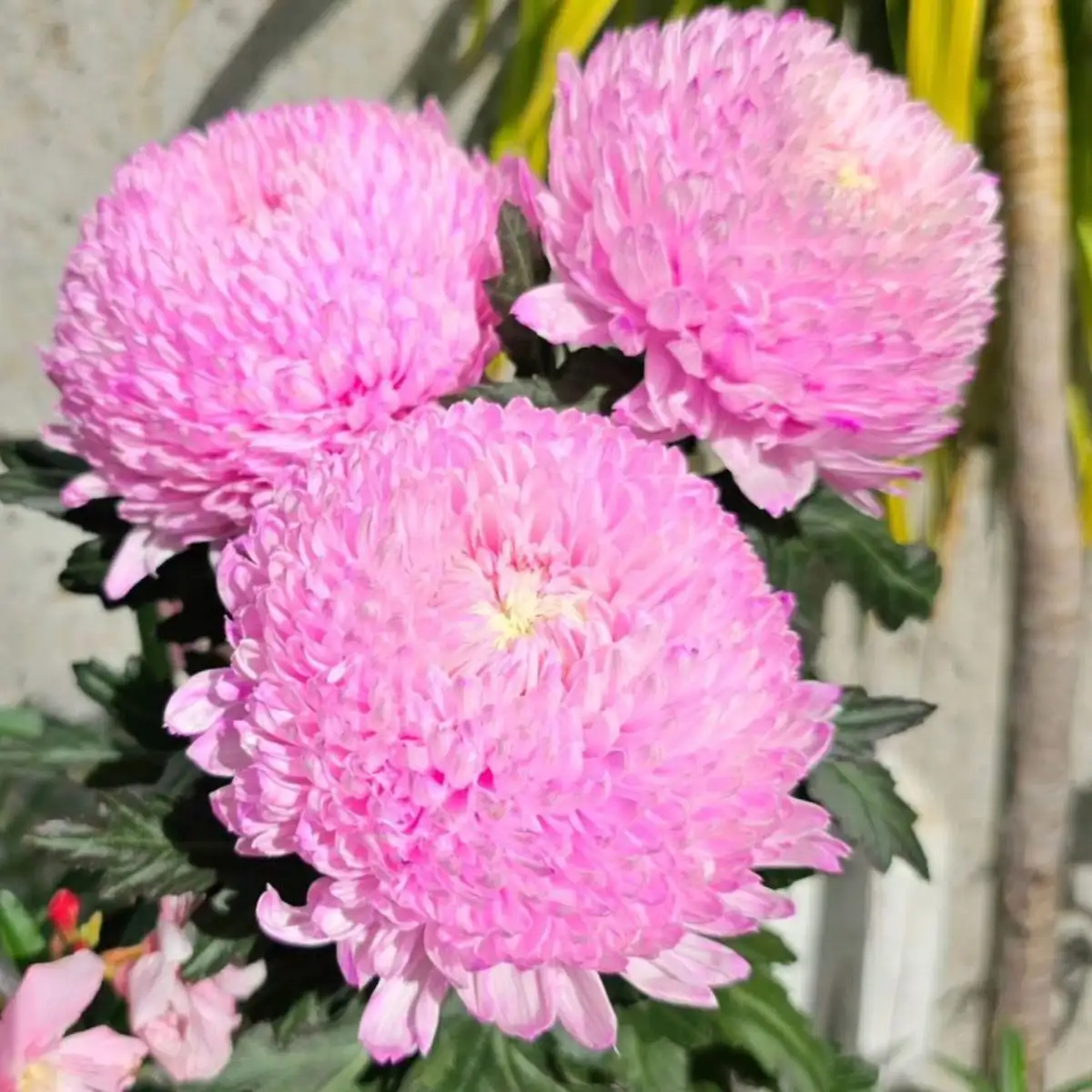
The Chrysanthemum is one of the best examples, symbolizing longevity and authority and becoming associated with the emperor and the imperial crest. The cherry blossom, by contrast, became a national image of spring, youth, and the fragile beauty of life. Together, these flowers tell how Japan uses plant life to express state identity and human feeling.
Flowers in Religion, Ceremony, and Seasonal Life
Flowers are inseparable from Japan's religious and ceremonial traditions. In Shinto practice, they are used as offerings at shrines, and many flowering plants are considered sacred or connected to specific kami (deities). In Buddhism, which has shaped Japanese culture since its arrival in the 6th century, flowers appear at altars, in temples, and during festivals.
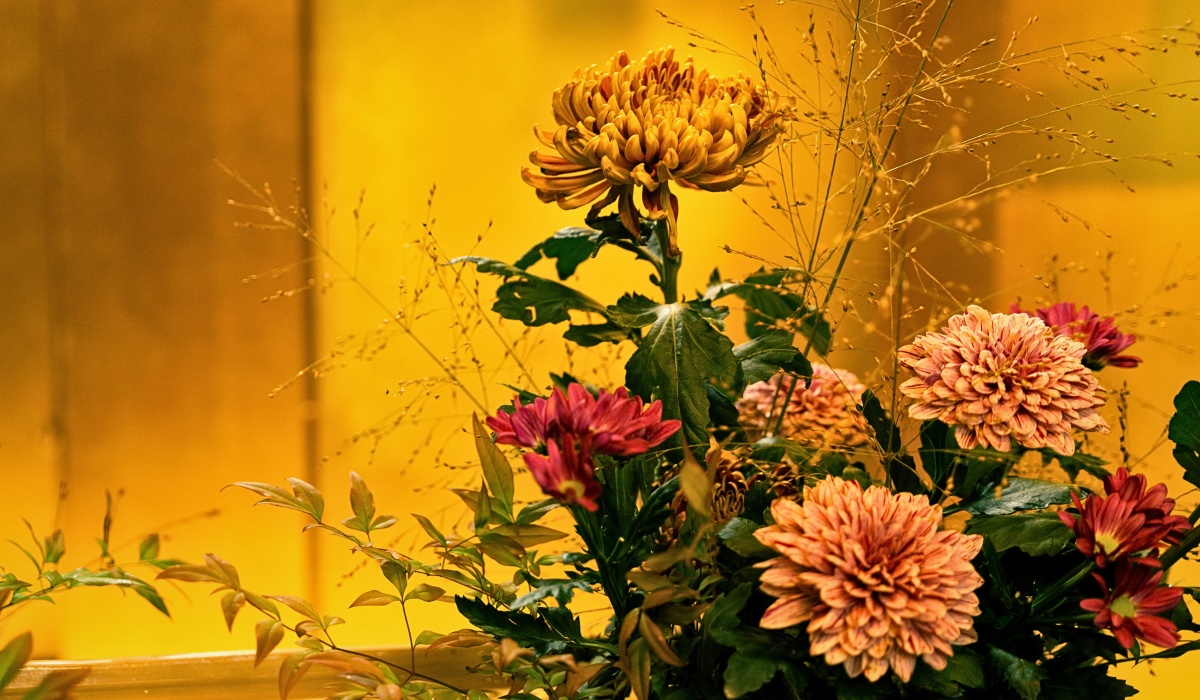
The Chrysanthemum, known as kiku, holds a position of particular significance. It is the symbol of the Japanese Imperial Family and appears on the Imperial Seal. The Chrysanthemum Throne is the term used for the Japanese monarchy itself, a title that dates to the Heian period. The flower signifies longevity, good fortune, and the dignity of the highest office in the land.
Seasonal flowers also mark Japan's calendar. Plum blossoms in February herald the approach of spring. Cherry blossoms in late March and April mark the beginning of the new academic and fiscal year, giving them a quality of renewal.
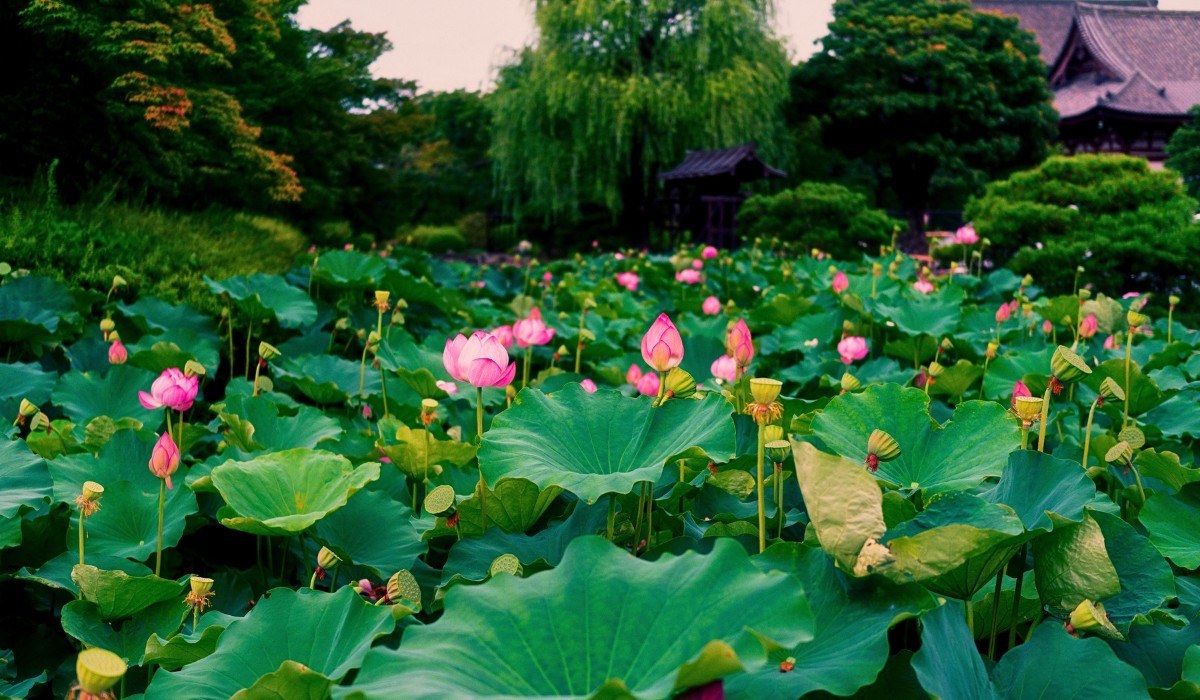
Summer comes with the lotus, which appears on temple ponds across the country. Autumn is the season of the Chrysanthemum, celebrated at festivals and honored at ancestral rites during Obon. This seasonal awareness, known in Japanese aesthetics as kisetsukan, is one of the defining features of the culture's relationship with the natural world.
Flowers in Art, Literature, and Design
Japan's visual and literary arts have been shaped significantly by floral imagery. From the woodblock prints of Utagawa Hiroshige and Katsushika Hokusai, which frequently depicted seasonal flowers alongside landscapes and figures, to the refined textile patterns of Kyoto silk, flowers have worked as a primary visual language in Japanese artistic tradition.
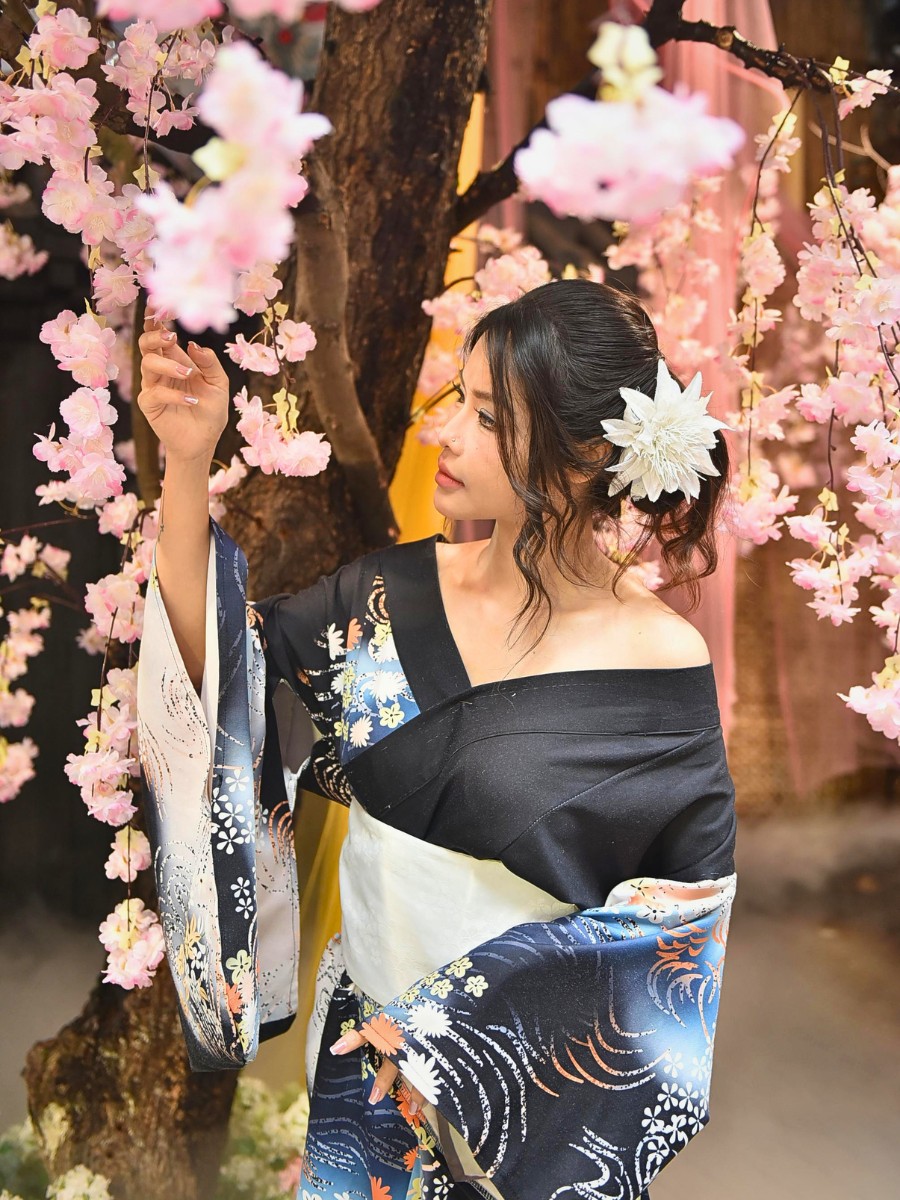
Classical Japanese poetry forms, including haiku and waka, rely heavily on seasonal flower references, known as kigo, to situate poems within a time of year and carry emotional resonance. The haiku master Matsuo Basho, writing in the 17th century, used floral imagery to communicate the harmony of beauty and impermanence that defines much of Japanese literary awareness.
In contemporary Japanese design, the visual and literary arts tradition featuring flowers continues with floral motifs appearing in fashion, ceramics, architecture, and graphic design, drawing on ages of gained meaning, and not just borrowing from a visual trend.
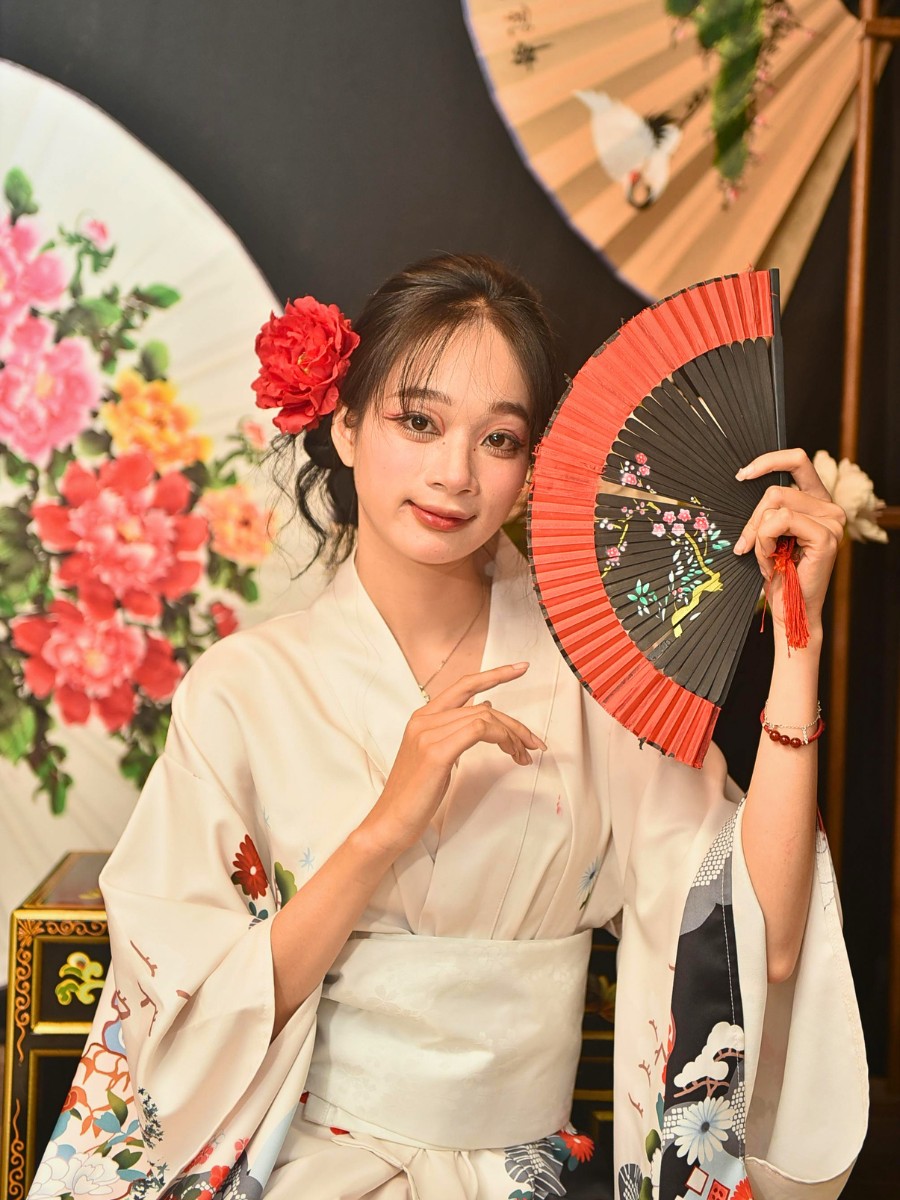
Essentially, one would say, perhaps the strongest reason for flowers’ importance in Japanese culture is in their view of nature itself. Flowers are often understood as temporary, seasonal, and tied to nature’s rhythm of change, hence why they continue to matter so much in Japan.
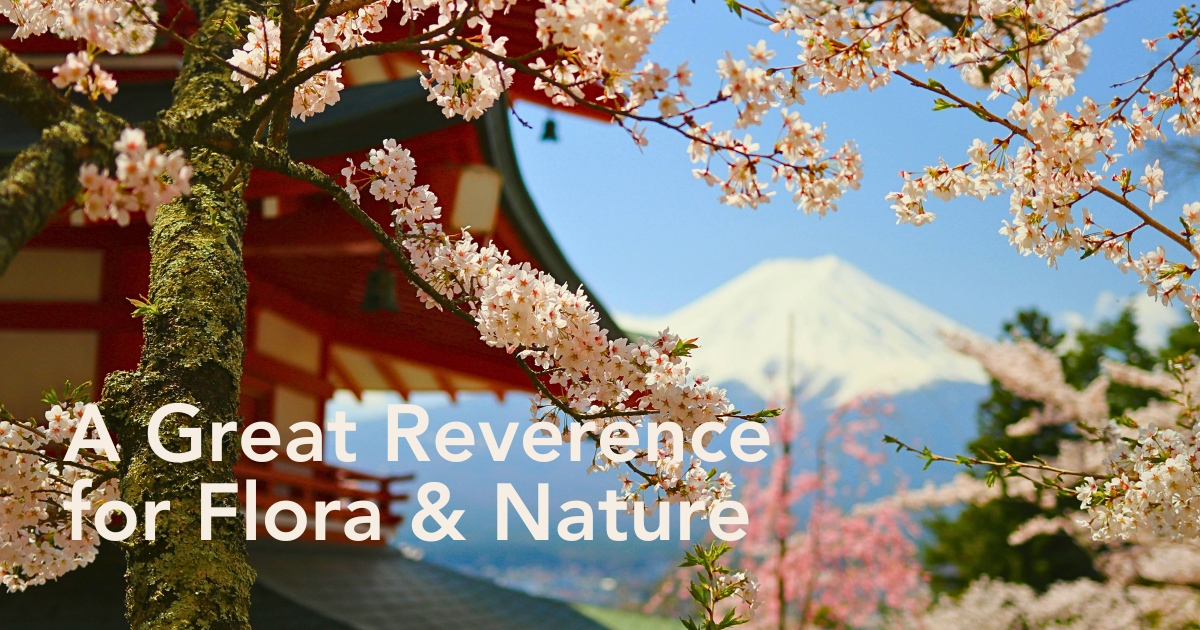
Featured image by Alex Young. Header image by Rafael Hideki Tamanaha.