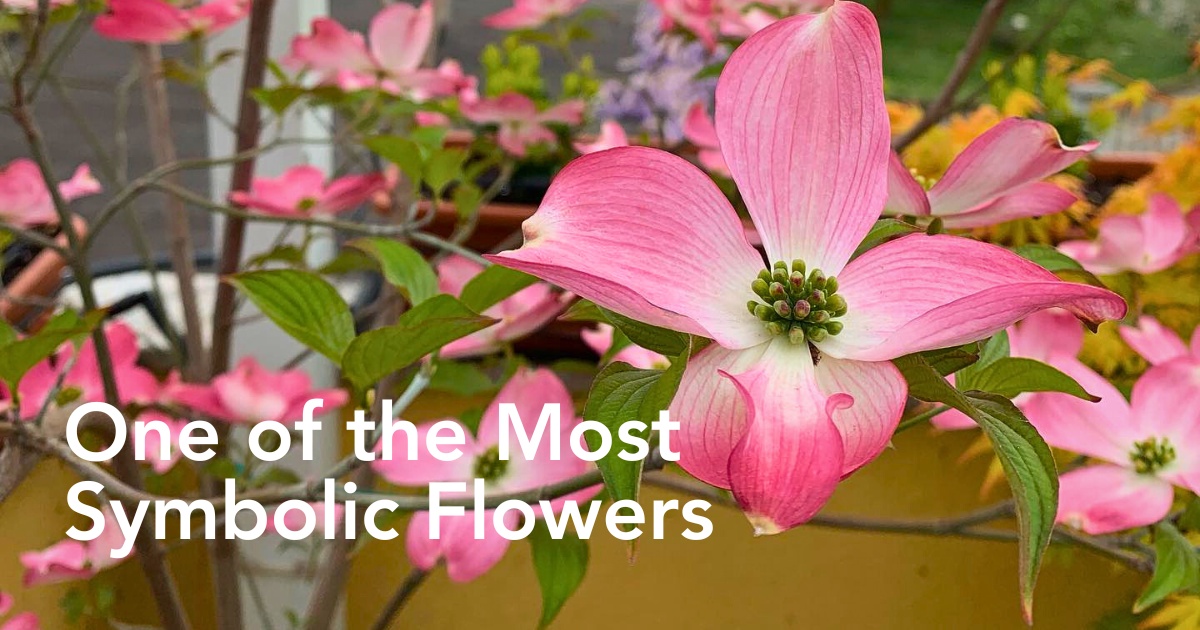
Few plants spark as much curiosity as the dogwood (Cornus), especially when its cross-shaped blossoms appear. These small, deciduous trees are known for their often white, pink, or red flowers in spring and vibrant red fruits in the fall. The delicate dogwood flower holds great importance across cultures and traditions, making it one of the most symbolic plants. It is linked to religious mythology, Victorian romance traditions, and others.
While many delight in watching these beautiful flowers appear in their neighborhood, elsewhere, others perhaps ponder, “Really, what does a dogwood flower mean?” Or “What does the dogwood flower tattoo symbolize?” But dogwood flowers have so much symbolism that should be ideally explored to know why this modest flower intrigues.
Dogwood Flower’s Botanical Background and Its Science
The dogwood tree belongs to the Cornaceae family, which includes at least 85 species in two genera, Alangium and Cornus. Numerous species are found across North America and Asia, and the flowering dogwood tree is perhaps the most recognized. It is the State Flower of Virginia and North Carolina. Dogwood trees thrive in forest understories, preferring partial shade and moderate moisture.
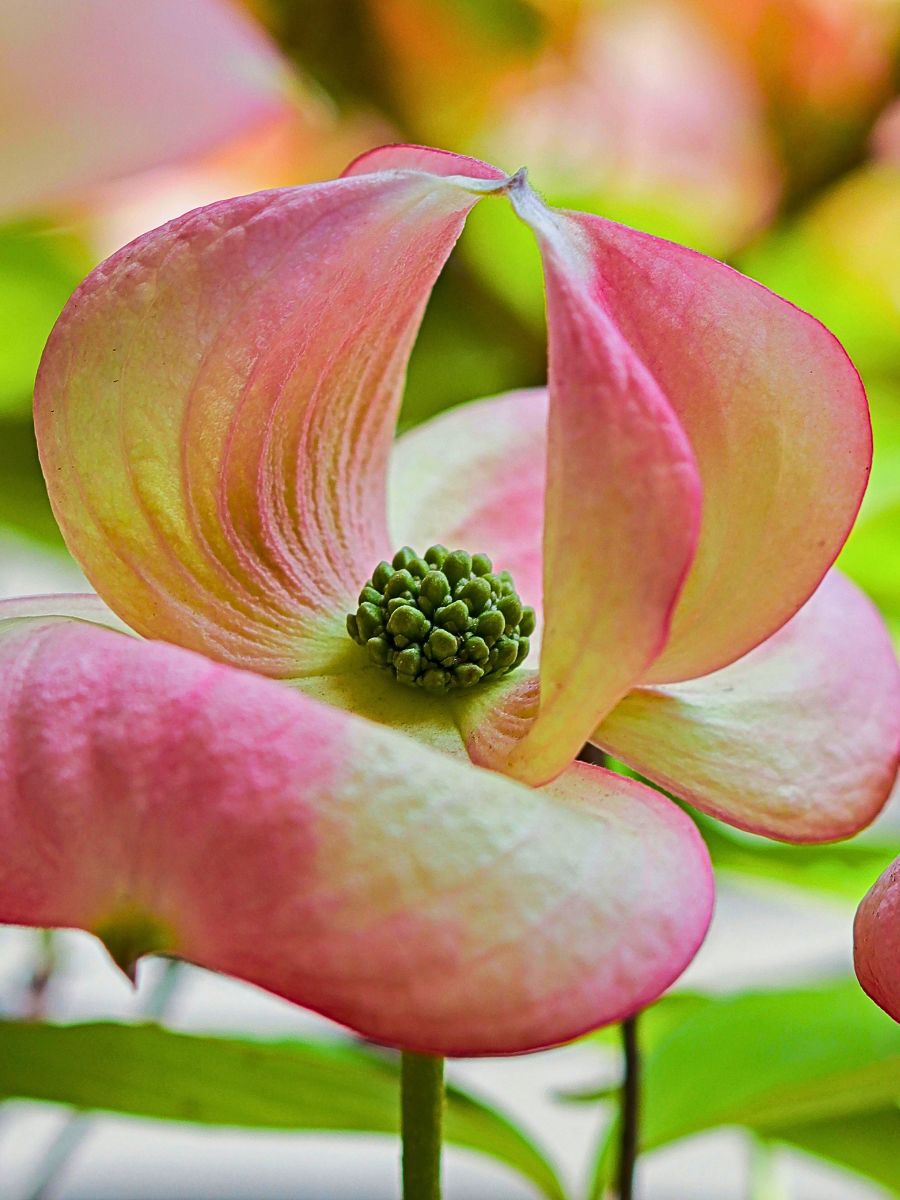
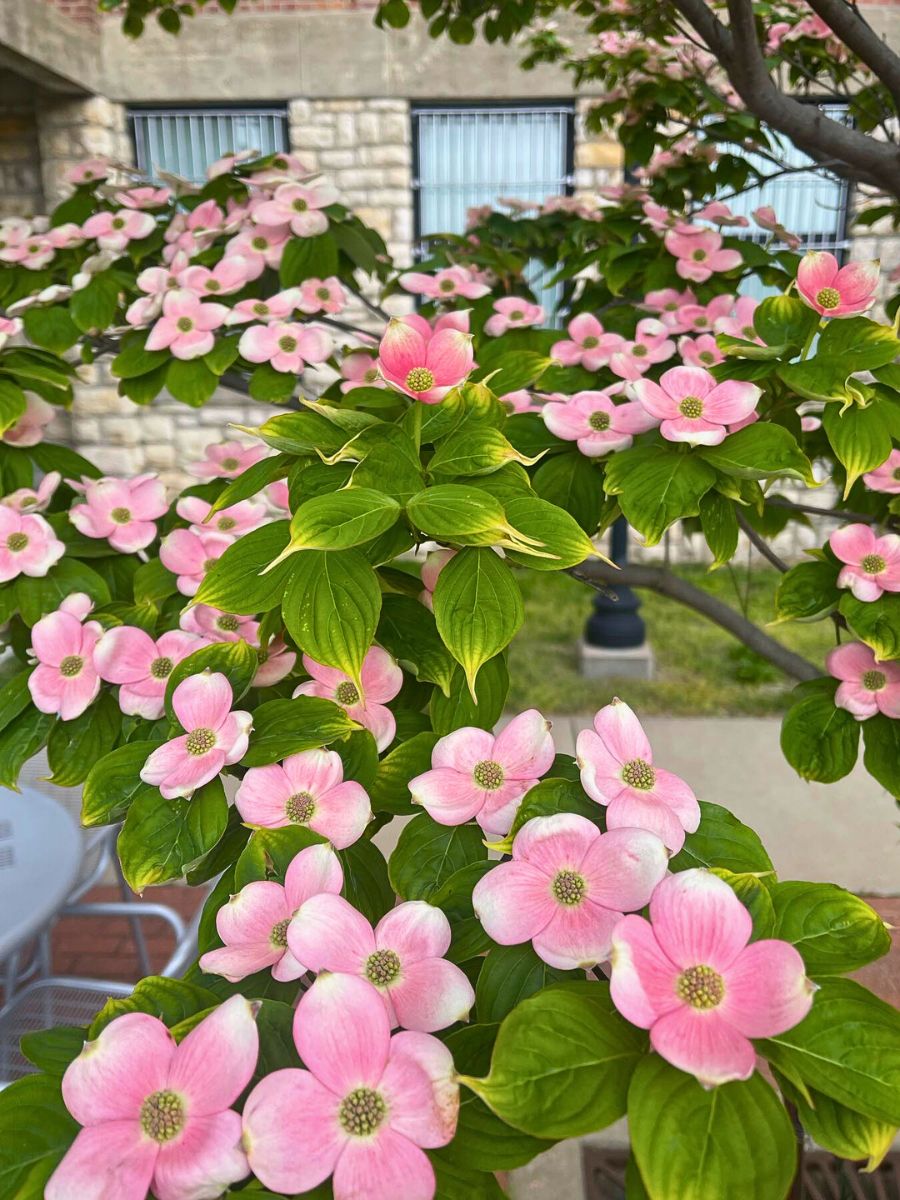
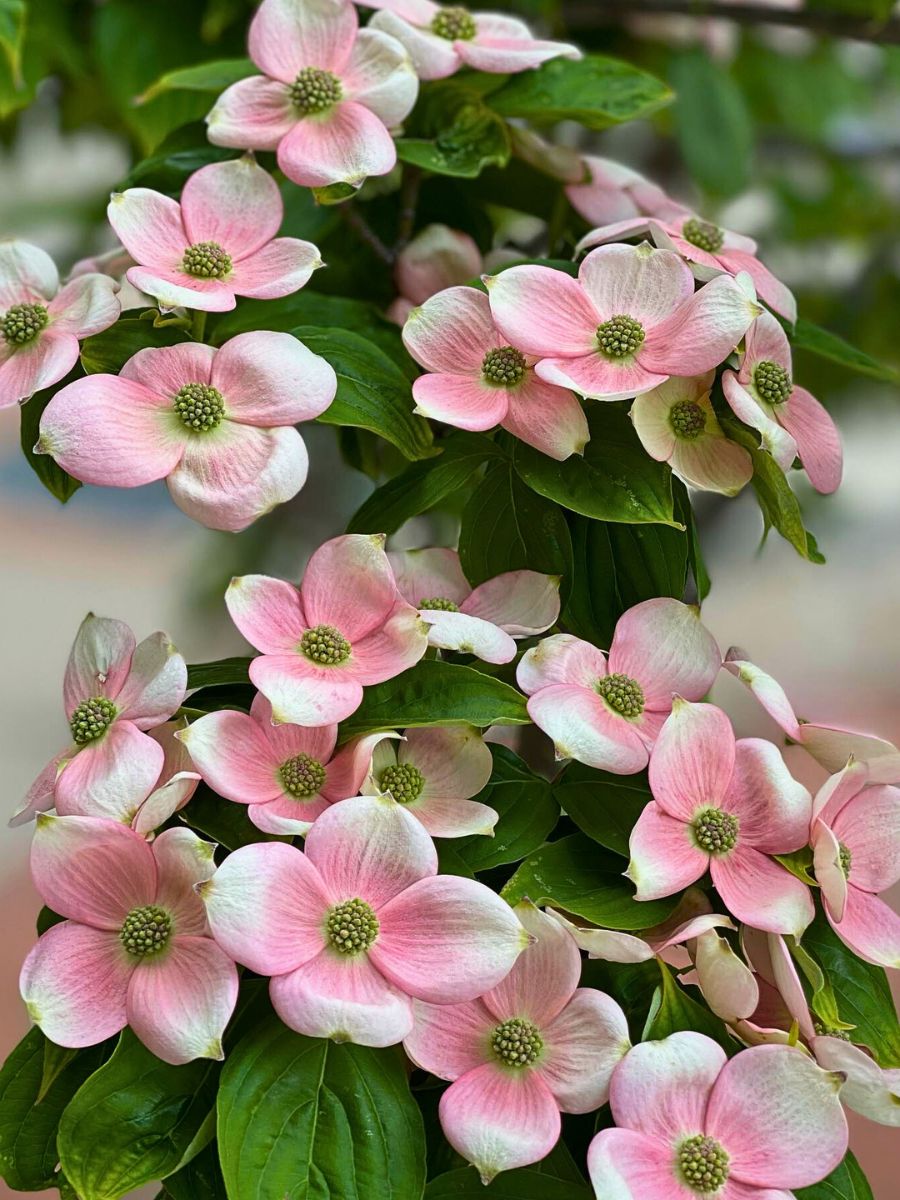
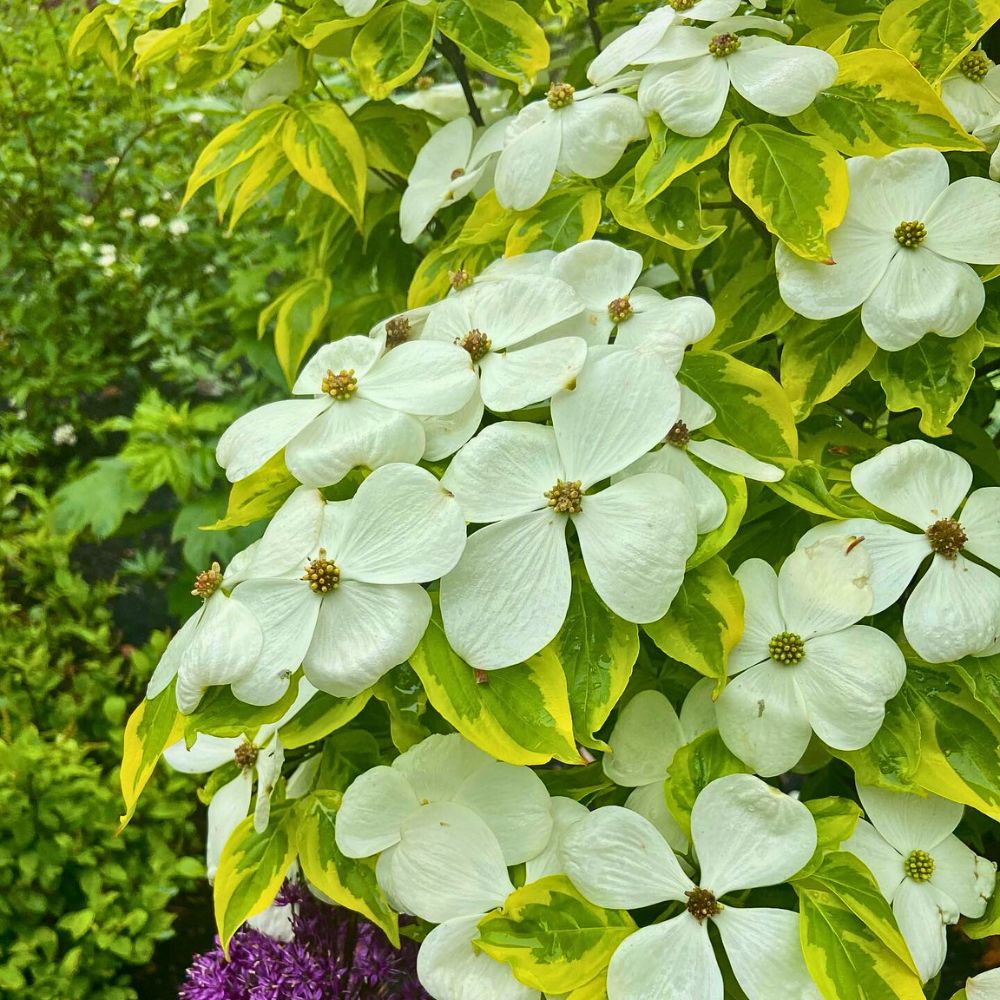
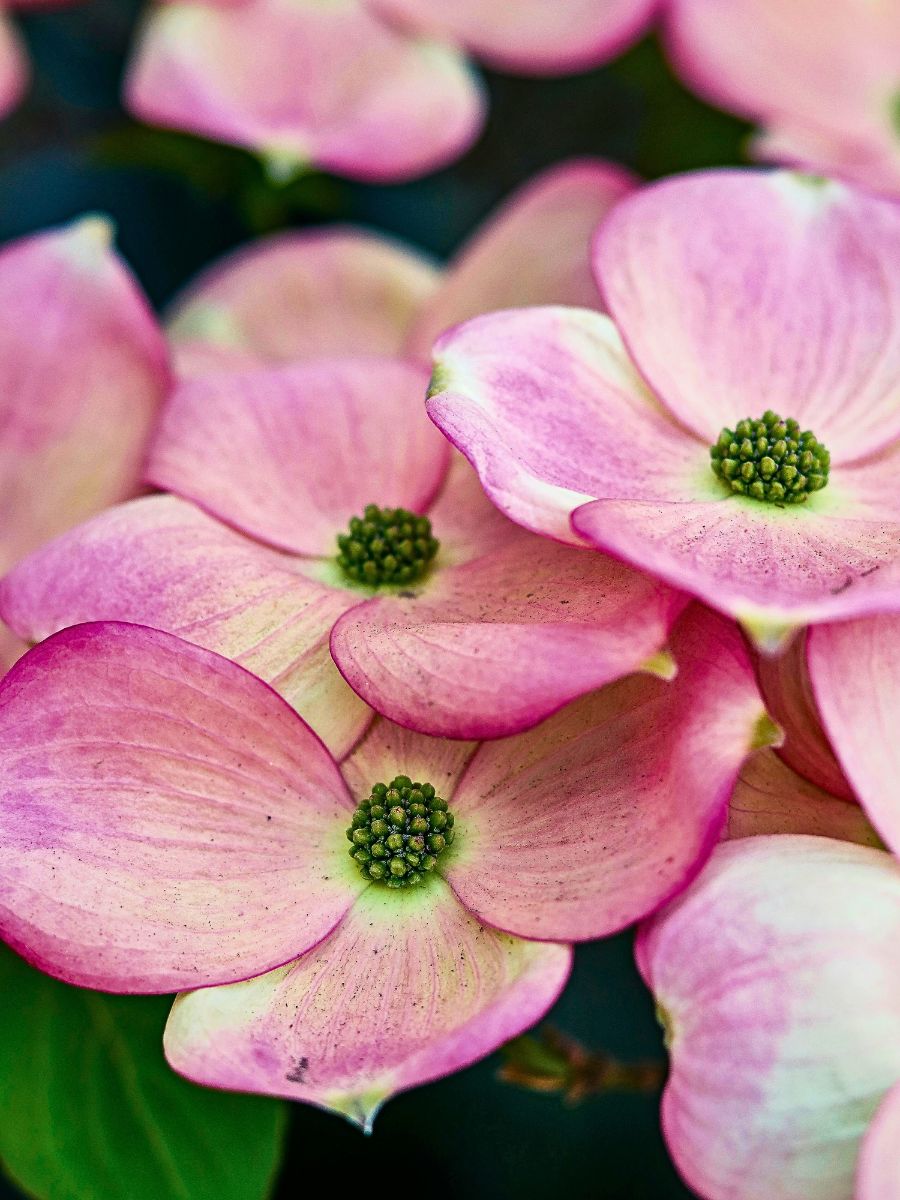
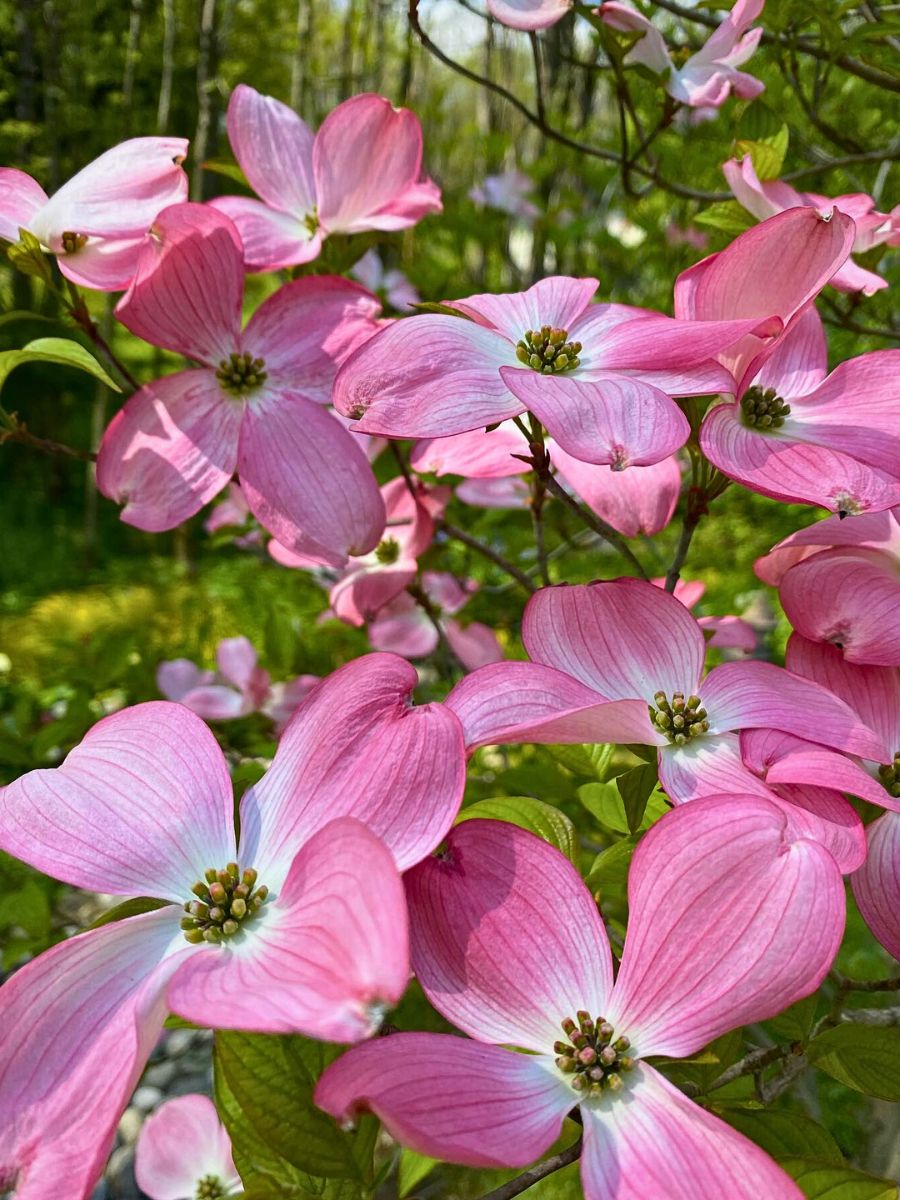
What many people don't realize is that the spectacular part of the dogwood flower isn't actually a flower at all. The four petal-like bracts that catch our eye are modified leaves designed to attract pollinating insects. These petal-like bracts typically appear in pure white or pink, though some cultivars offer deeper rose shades.
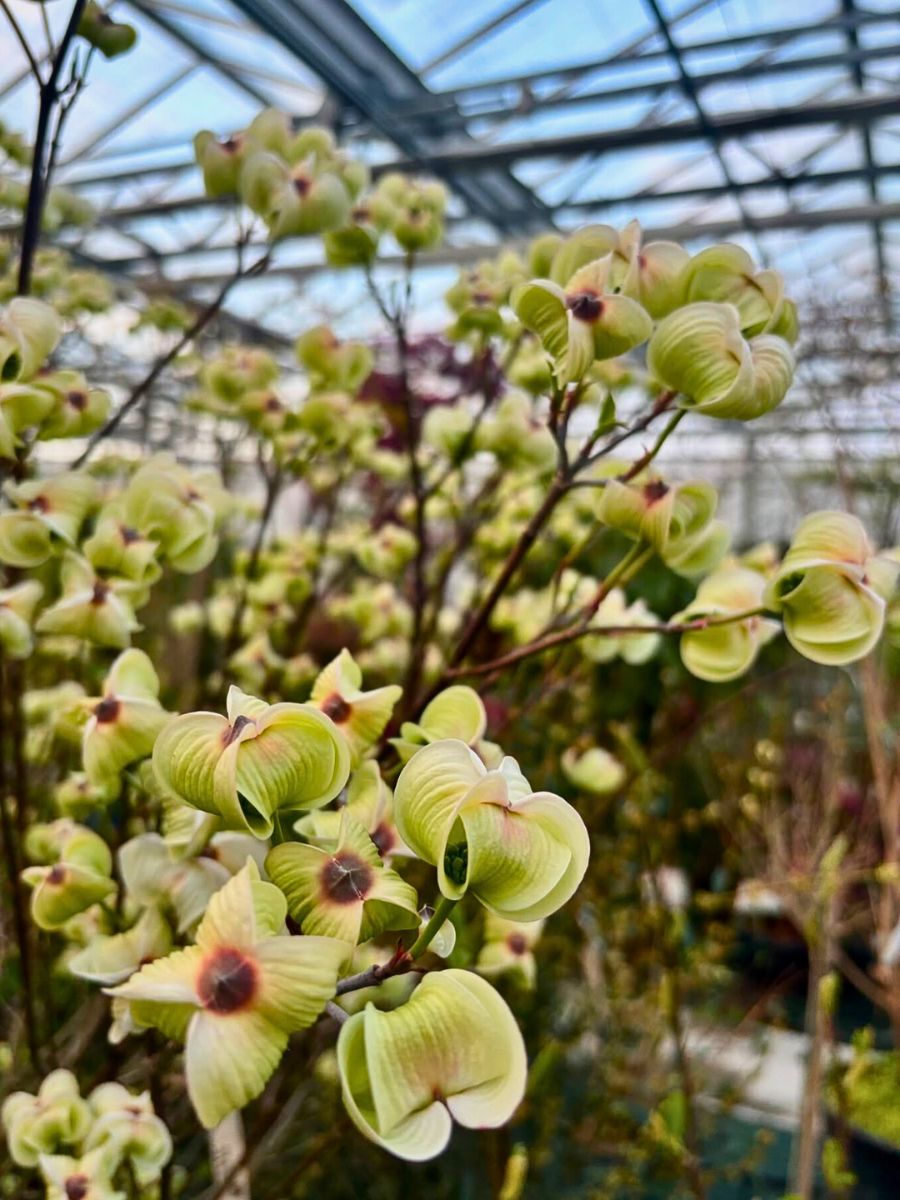
The true flowers of Cornus florida are far less showy. They are small, inconspicuous structures with greenish-yellow centers hiding among the bracts. This ‘trick’ makes the dogwood flower a lesson in nature's clever design. The colorful bracts do the advertising work, drawing insects to the actual flowers, which is why horticulturists call dogwood blossoms among the most efficient flowering mechanisms in nature.
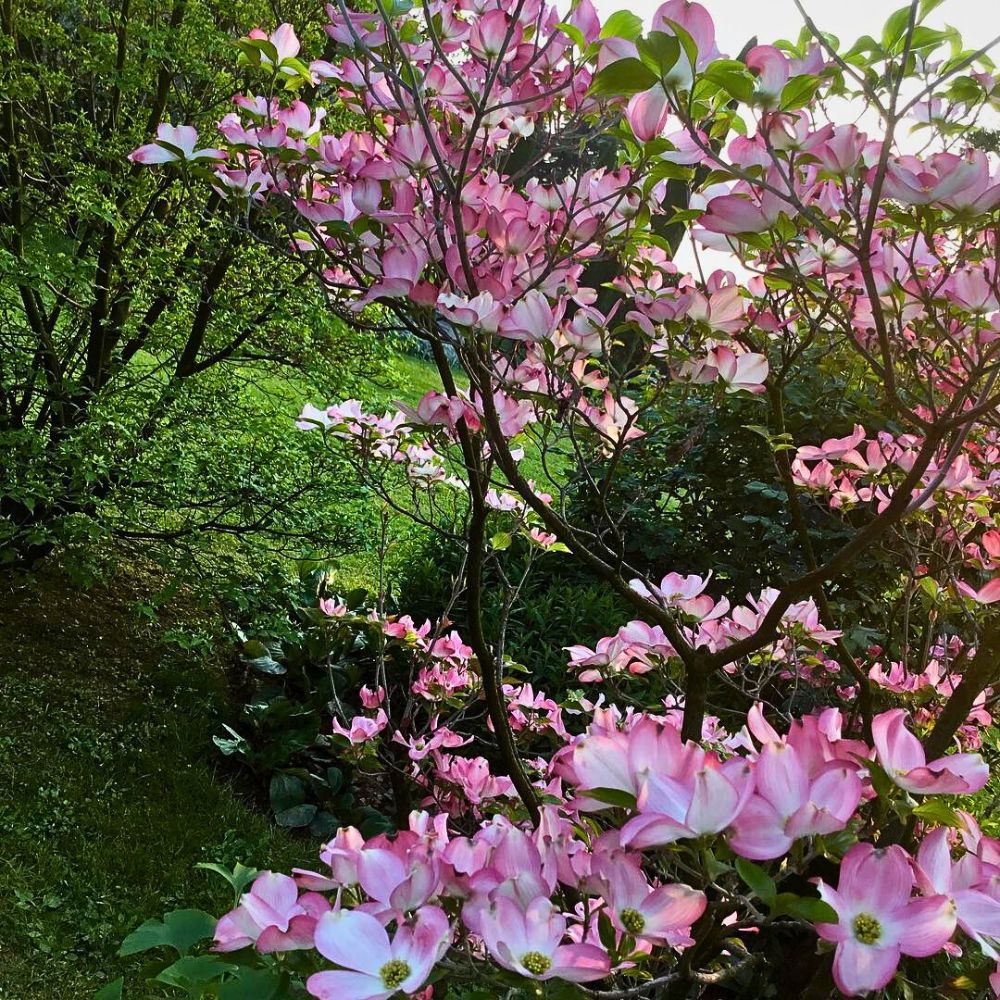
The flowering dogwood tree reaches moderate heights, rarely growing as tall as oaks or maples. It, instead, maintains a manageable size well-suited for residential landscape settings. The bark of mature Cornus florida dogwood trees develops distinctive blocky patterns, while the dogwood flower sprig cuttings feature smooth, youngish-looking wood. Native Americans used various parts of this tree for medicinal treatment.
Both American and Asian varieties share similar characteristics but differ in disease resistance and flowering timing. Kousa dogwood (Cornus kousa Chinensis), an Asian species, flowers slightly later than its American cousin and shows better resistance to common diseases. Both produce berries in the fall that attract birds and add ornamental interest outside the spring flowering period. The Jamaican dogwood (Piscidia piscipula), despite its name, is a distinct species with distinct properties.
Dogwood Species and Varieties
The term 'dogwood encompasses diverse species found across different continents. The most renowned remains Cornus florida, the flowering dogwood native to eastern North America. However, the Kousa dogwood and other Asian varieties offer different characteristics while maintaining the same appeal.
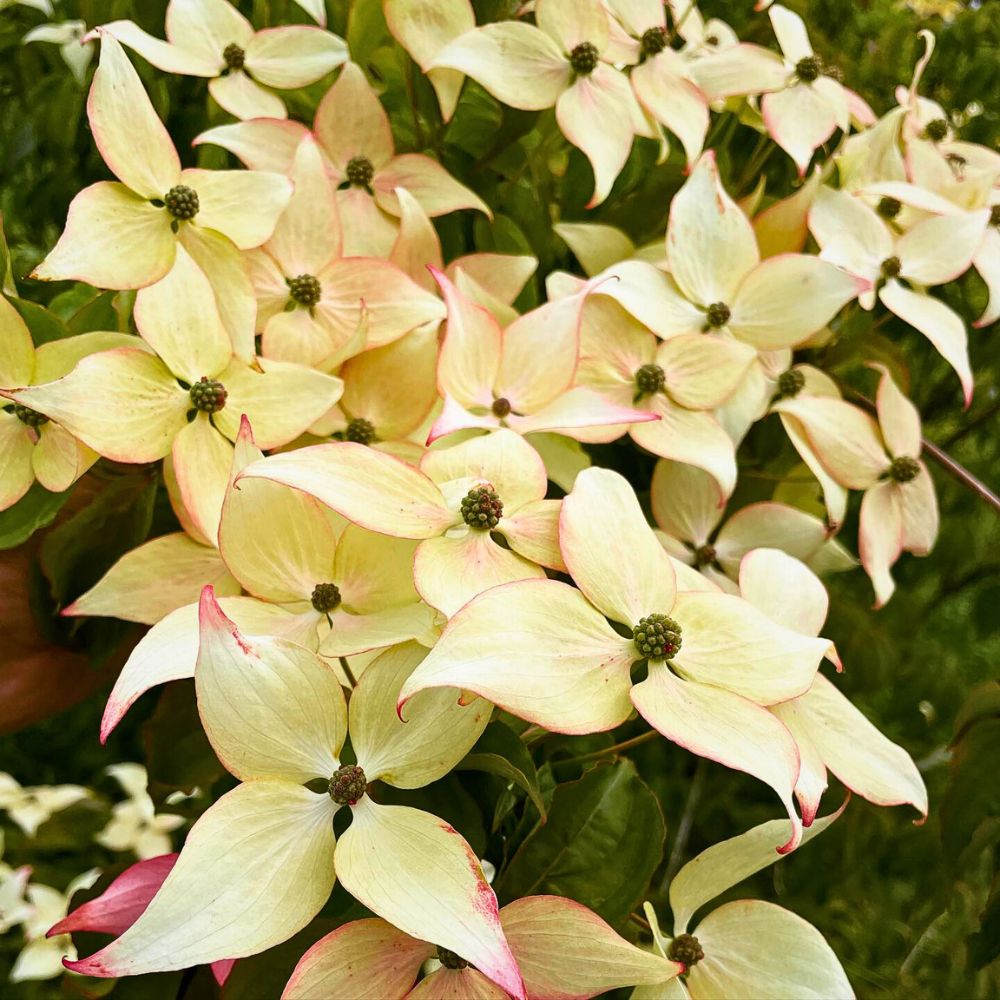
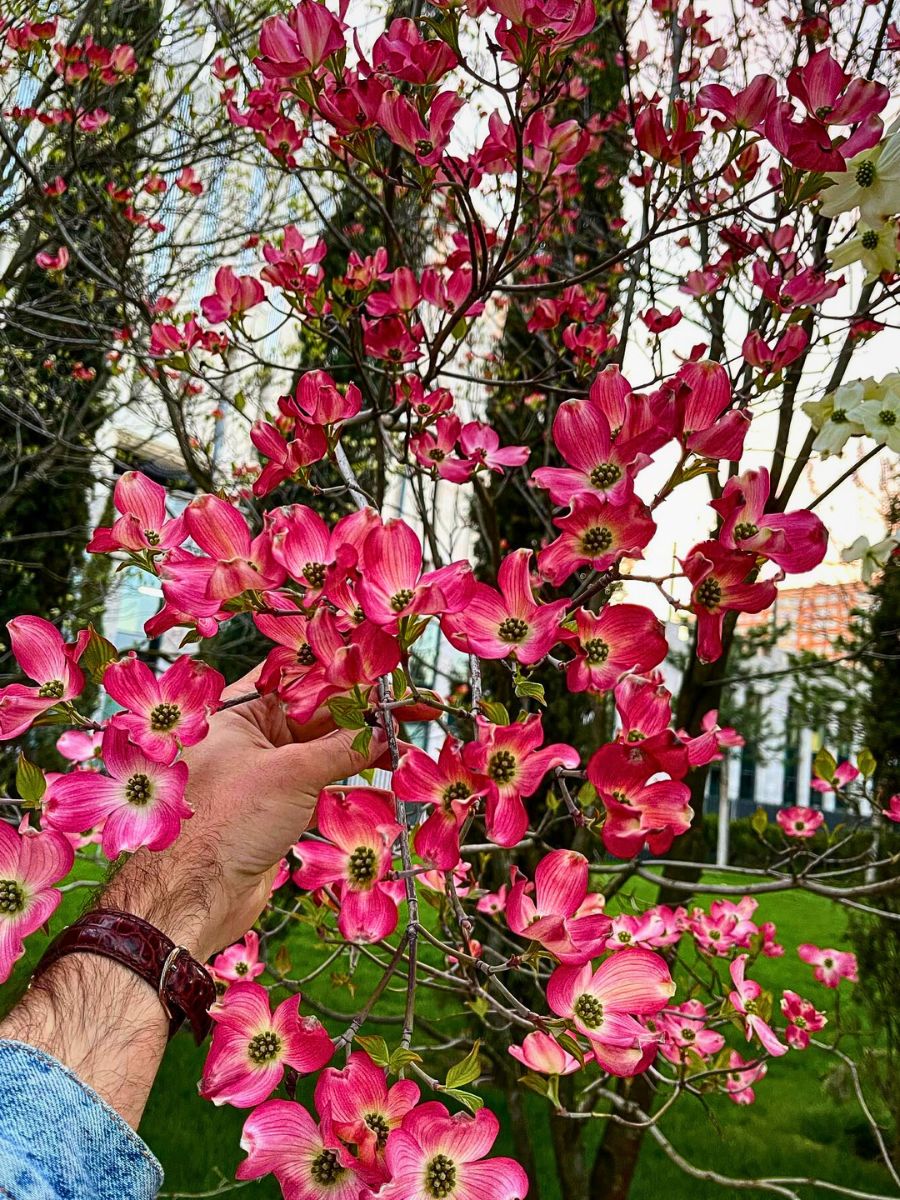
Cornus florida produces flower colors ranging from pure white to vibrant pink to deep red, depending on cultivar. The original wild form displays creamy white bracts, but breeding programs developed cultivars like 'Cherokee Chief' with deep red flowers and 'Welchii' with variegated foliage.
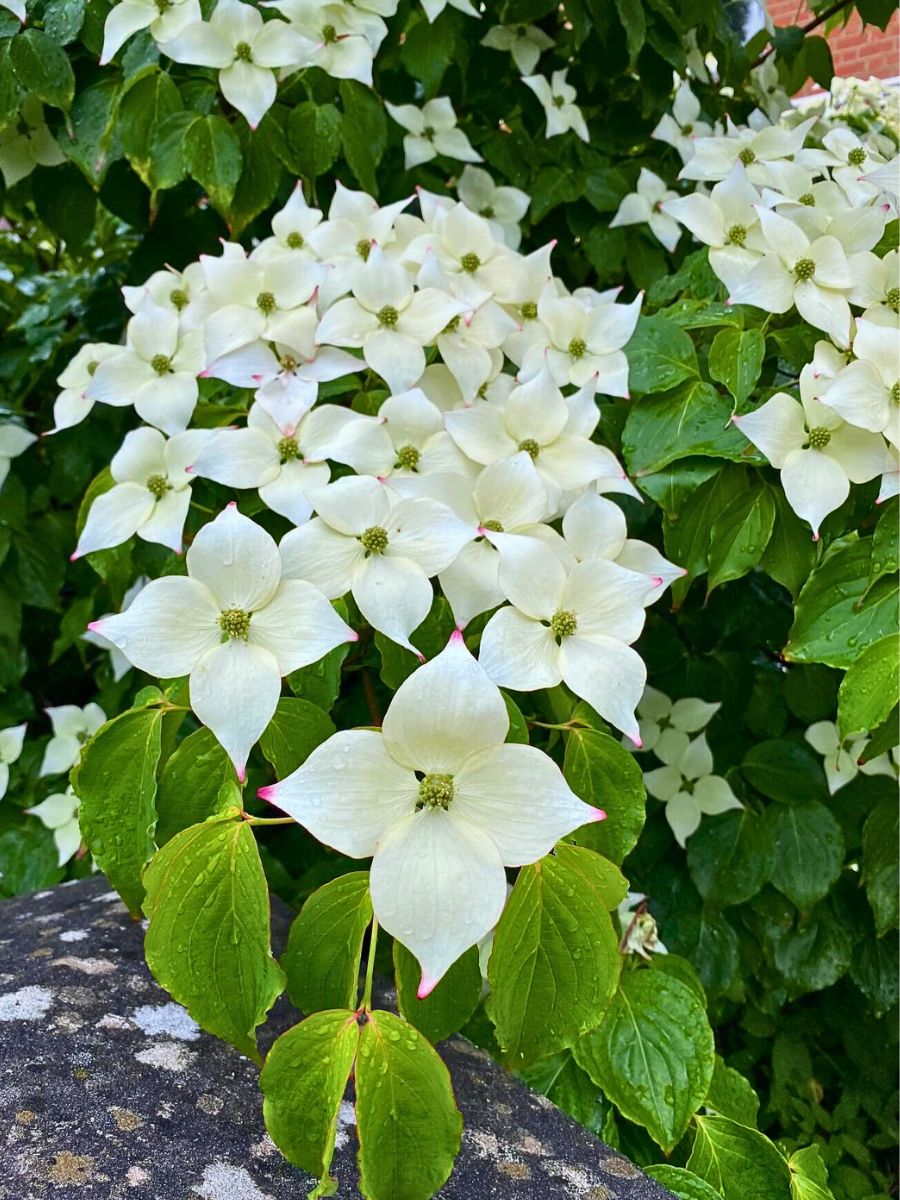
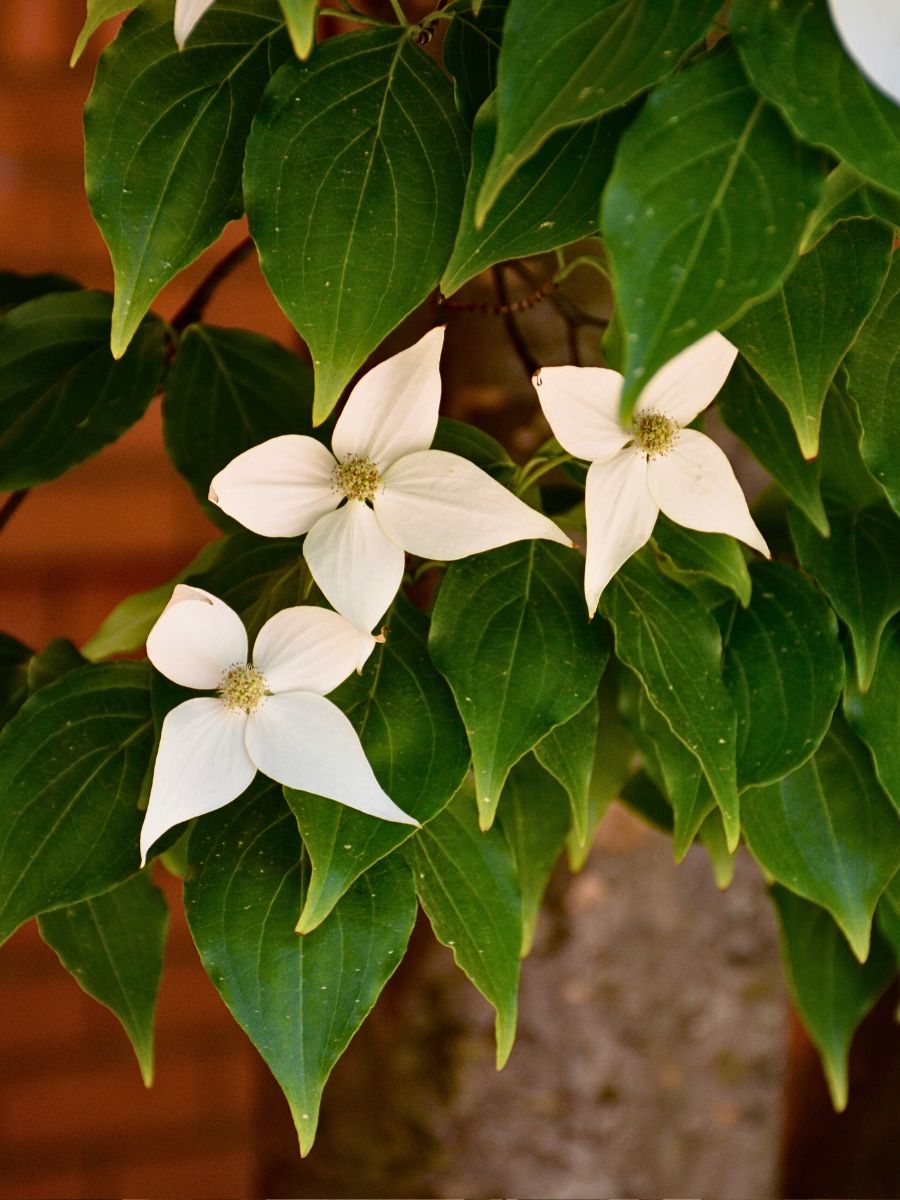
The Kousa dogwood, also called Chinese dogwood, is an important alternative for regions affected by disease. Kousa dogwood flowers approximately one month later than Cornus florida, with pointed rather than rounded bracts. Its edible fruit resembles a raspberry and provides year-round ornamental interest.
Other dogwood species include the Pacific dogwood and various Asian cultivars, each with distinct characteristics while sharing the essential dogwood flower meaning across cultures. This diversity means nearly any gardener can find a dogwood variety suited to their climate and needs.
Dogwood Flower Meaning
The meaning of a dogwood flower works on several levels, making it one of the most layered floral symbols in nature. The primary associations include rebirth and renewal, particularly connected to the Christian story of resurrection. So, for many believers, dogwood flower meaning offers a visual reminder of faith and eternal hope.
The dogwood flower also represents durability and strength, stemming from the tree's tenacity and its historical use in woodworking. Cultures that valued practical resilience also valued symbolic meanings that matched it, as perfectly captured by the meanings of dogwood flowers.
Dogwood blossoms additionally carry meanings of purity and spiritual significance, which explains why Cornus florida became so intensely embedded in many communities and traditions. Different communities assign their own interpretations without conflict, allowing the symbolism to grow richer over time.
Christian Traditions and Religious Symbolism
No discussion of dogwood flower meaning is complete without addressing its ties to Christian belief. According to Christian tradition, the dogwood tree once grew as large as an oak during Jesus's time. It was strong enough that it provided timber for the cross used in the crucifixion. After sensing the tree's sorrow for its unwilling role, Jesus supposedly blessed it, promising the dogwood tree would never grow large enough to be used for crucifixion again.
It was essentially ‘cursed’ to remain small with twisted branches, and to never again grow tall or strong enough for such use. For this aesthetic, it now carries spiritual weight for many believers. The tree was also blessed to produce beautiful flower colors each spring near Easter, creating an annual token of redemption.
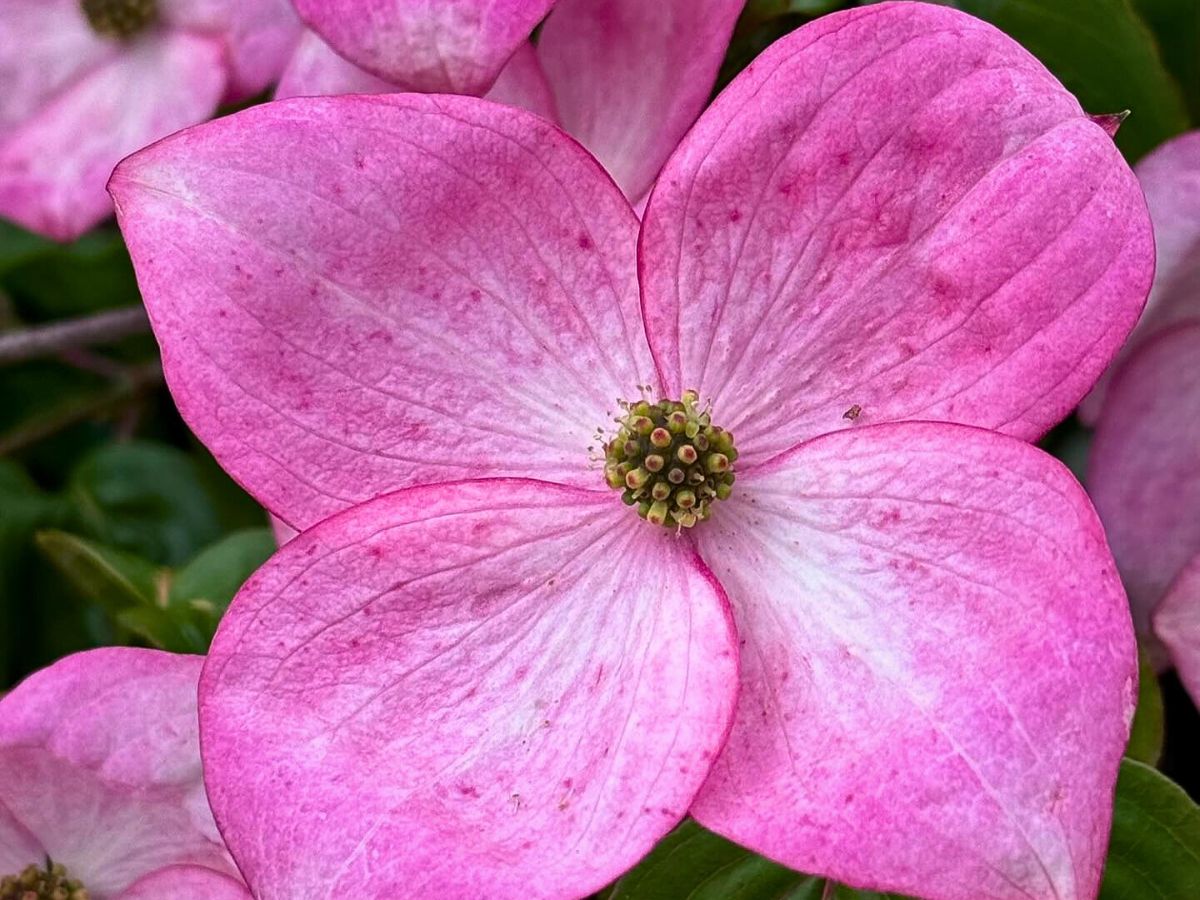
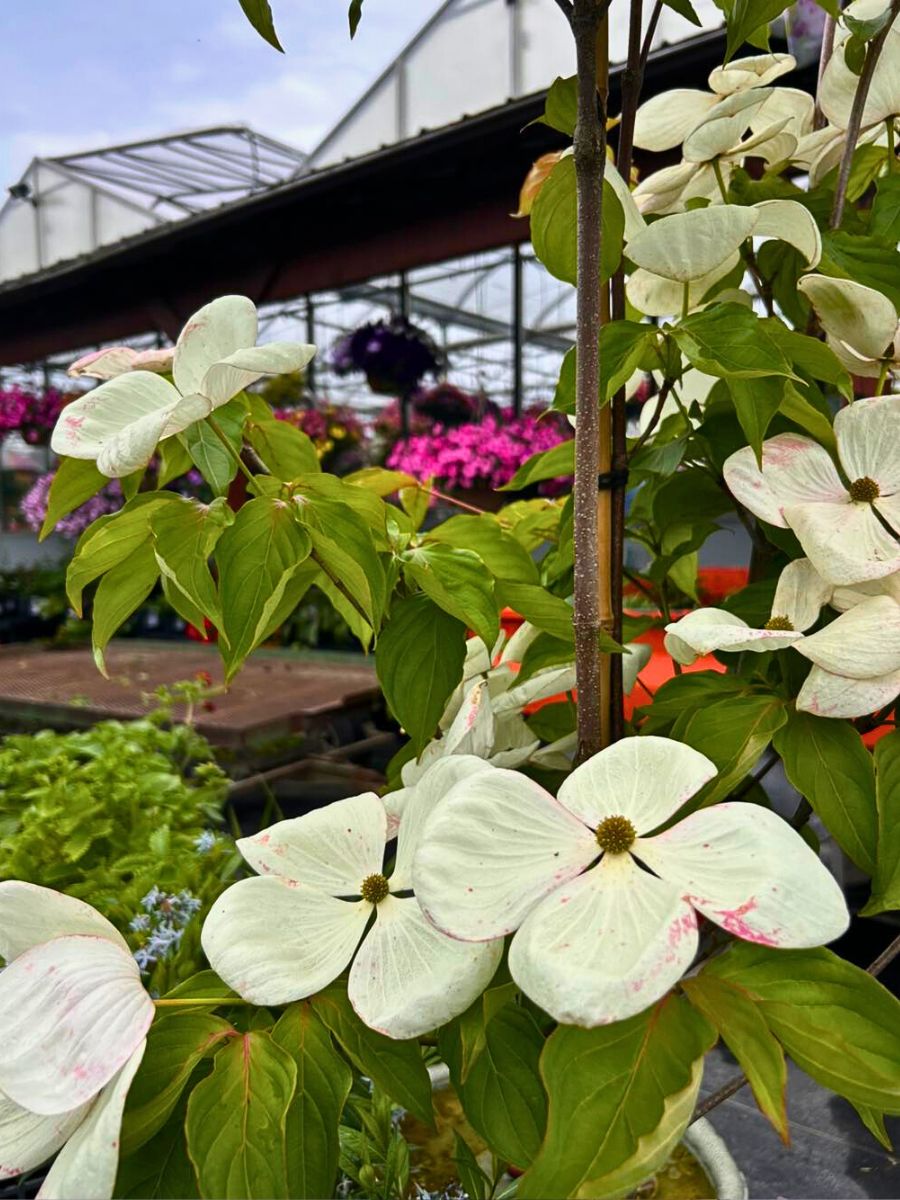
This religious symbolism explains several physical features modern believers point to as cues of the crucifixion. The four petal-like bracts form a cross shape, with each tip bearing rusty red spots said to represent drops of blood on nail wounds. The center cluster supposedly symbolizes Christ's crown of thorns. The dogwood flowers appears in early spring, coinciding with Easter and the resurrection narrative.
In other Christian holidays, many believers display dogwood blossoms during first communion celebrations, viewing the flower as representing rebirth and spiritual purity. This religious or spiritual sense has made dogwood arrangements popular for church services and special occasions across the liturgical calendar.
But historians note that these legends emerged relatively recently, with no evidence connecting dogwoods to the Middle East region where the crucifixion occurred. The trees simply don't grow in that climate. Even so, the meaning of the dogwood flower in Christian tradition continues as a cultural narrative that defines how millions view this plant.
Dogwood Flower’s Historical Significance
During the Victorian era, a dogwood flower sprig held different meanings as a coded language of love and affection. Young men would present dogwood blossoms to potential romantic partners, with the flower's acceptance or rejection seen as a silent response.
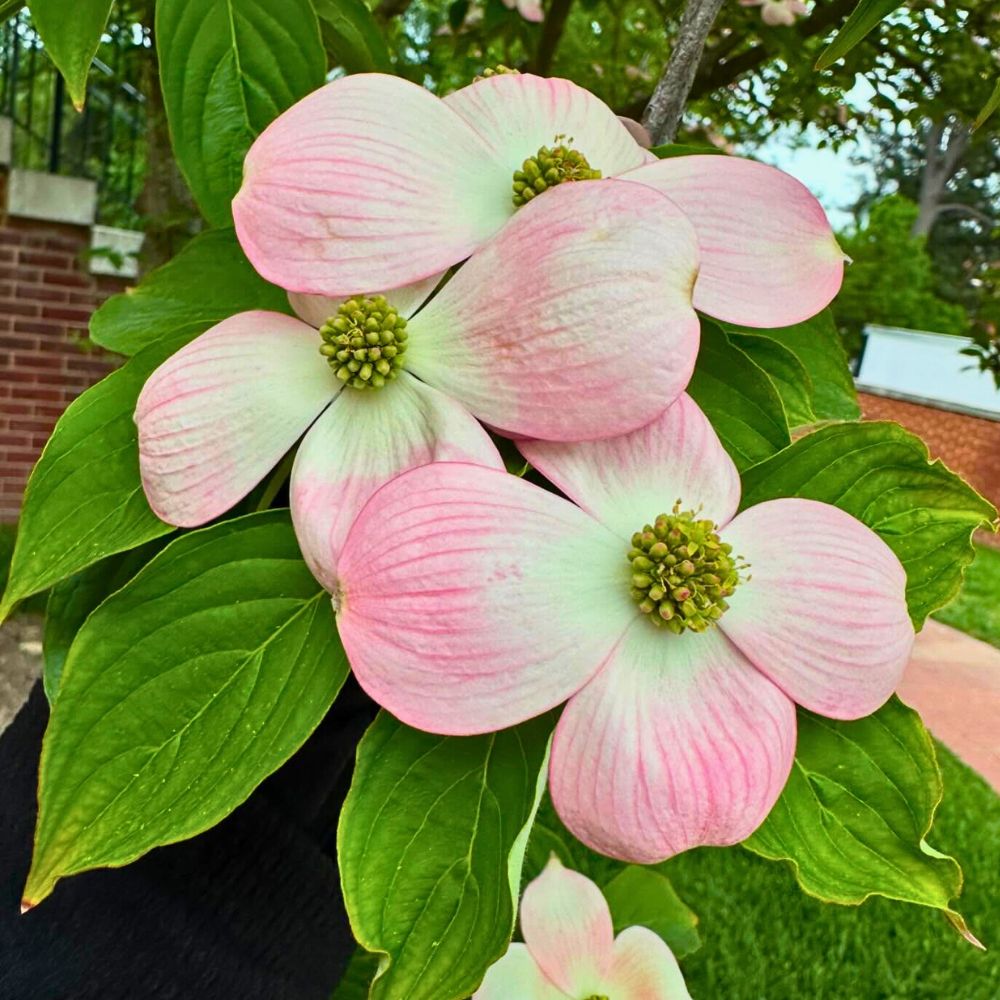
If a woman kept the dogwood flower sprig, it signified mutual interest or affection and often led to marriage proposals. If she returned it, it was a polite sign of disinterest; no romantic future existed between them, meaning the suitor was out of luck. This tradition made dogwood essential to courtship rituals of the period, when direct conversation about feelings was considered improper.
The Victorian era's interpretation of dogwood flower meaning also emphasized eternal love and pure affection rather than fleeting passion. This reading of the symbolism proved so popular that weddings during this period were frequently decorated with dogwood blossoms. Even today, some people choose dogwood arrangements for weddings, honoring this historical association.
Dogwood from Native American Perspectives
Native Americans developed their own relationship with the dogwood tree, viewing it as a source of medicine and spiritual guidance. Many tribes recognized the tree as a symbol of protection and safety, particularly in southeastern Native American communities.
The meaning of the dogwood flower in these communities’ contexts is often related to practical wisdom rather than abstract symbolism. When dogwood blossoms appeared in early spring, tribes recognized it as the signal to begin planting crops, making it a calendar marker.
Native Americans also used virtually every part of the dogwood tree for medicinal purposes. The bark was used for the medicinal treatment of fevers, pain, and various ailments. The root bark offered the same medicinal benefits that made it valuable enough to be traded between communities. The leaves served a range of purposes, from wound treatment to dye production.
Moreover, some tribes maintained dogwood clans, showing the tree's centrality to their societies. The Zuni tribe called their dogwood clan Pikchikwe, in honor of the plant's importance. Meanwhile, northwestern tribes like the Quileute and Makah associated dogwood with good fortune and positive spiritual energy.
Other Meanings of Dogwood Flowers
The meaning of the dogwood flower also represents resilience and purity in secular contexts. The tree survives dry spells, harsh winters, and competitive forest environments while still producing beautiful flowers. This natural toughness symbolically decodes as human perseverance and the ability to maintain beauty despite difficult circumstances.
In some interpretations, dogwood represents protection and safety. The dense branching provides shelter for birds and small wildlife, while the berries provide food. This protective quality extends metaphorically to human relationships, making dogwood gifts appropriate for expressing care and guardianship.
Likewise, flower colors carry specific nuances within the broader meaning of dogwood flowers. Pure white varieties emphasize innocence and spiritual purity, while pink specimens suggest playfulness, joy, and romantic love. The rare red cultivars intensify the species' passion symbolism.
What Does a Dogwood Flower Tattoo Mean?
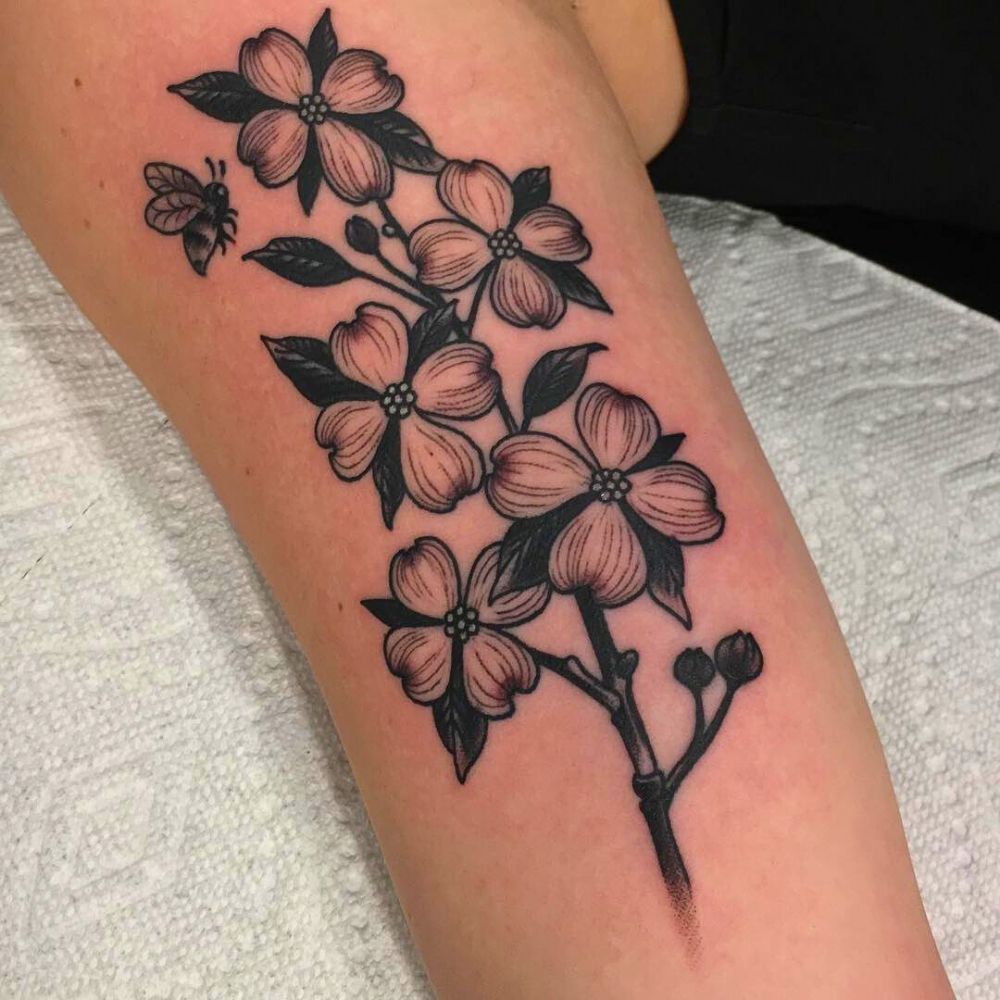
Dogwood flower tattoo designs have grown increasingly popular, often prompting the question: What does a dogwood flower tattoo mean to those who wear this permanent symbol? The answer varies based on personal beliefs and experiences.
For many, a dogwood flower tattoo expresses Christian faith and a perpetual aide-mémoire of sacrifice and redemption. The cross-shaped, petal-like bracts with their rusty red spots make the religious symbolism immediately recognizable to fellow believers. Such tattoos often appear alongside other Christian imagery or scripture verses.
Others choose dogwood flower tattoo designs for purely aesthetic reasons or to honor their connection to specific places where these trees grow. Someone from Virginia or North Carolina might wear their state flower as a mark of regional identity and pride in their roots.
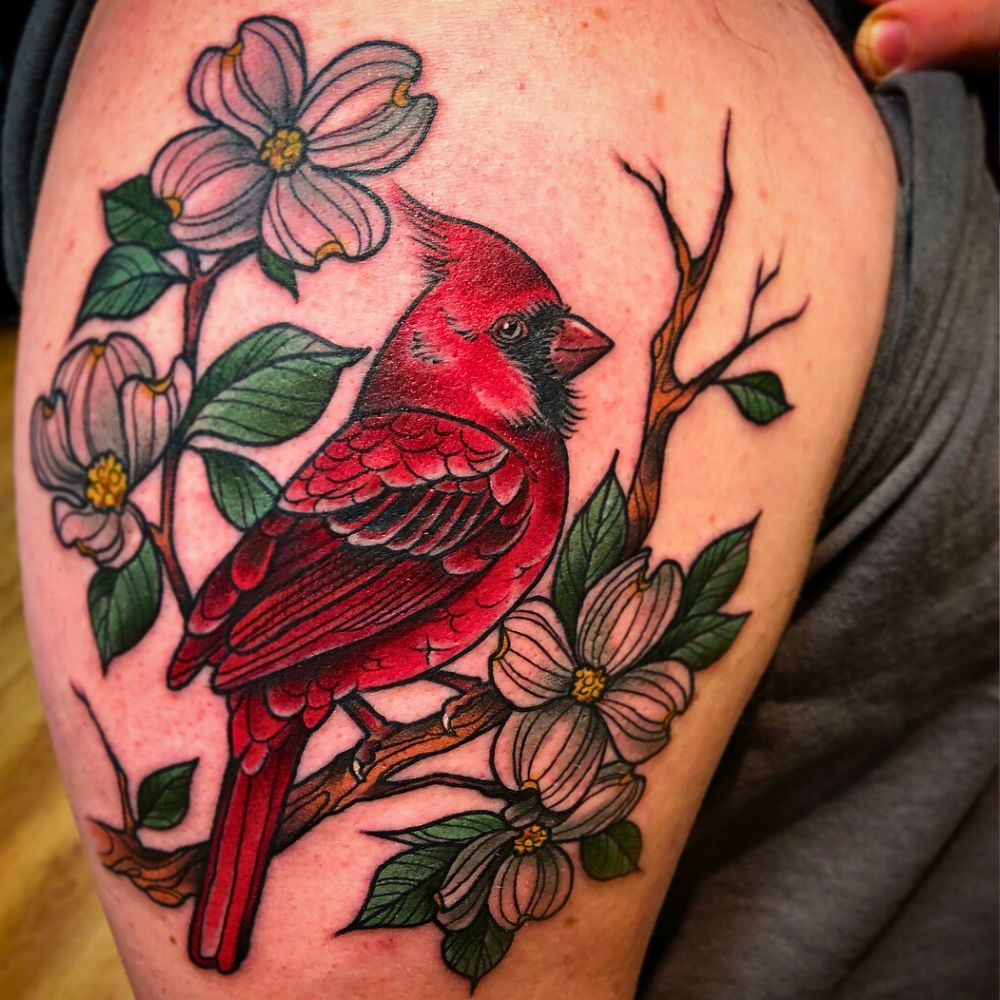
What a dogwood flower tattoo means can also indicate personal resilience, purity, and survival through difficult times. Abuse survivors and those who have overcome addiction sometimes select dogwoods to represent their strength and ability to still find beauty after suffering.
A dogwood flower tattoo's meaning in terms of placement varies by inclination. It appears beautifully on forearms, upper backs, shoulders, and the chest: areas large enough to showcase the flower's detail. Some people include additional elements, such as branches, leaves, or the tree's twisted trunk.
Dogwood’s Traditional and Medicinal Uses
As noted, historical records show that Native Americans and early settlers used dogwood for various medicinal treatment purposes, though modern science urges caution. The bark, they say, contains compounds that some traditional healers employed for fever reduction and pain relief. However, these preparations may not offer the same medicinal benefits as tested pharmaceuticals.
You remember the Jamaican dogwood? Yes, despite sharing a common name and being an entirely different plant family, it was historically used as a tobacco additive and fish poison. Caribbean people used their concoctions to stun fish, making harvesting easier. This practice is now discouraged due to more safety hazards to aquatic ecosystems.
Likewise, some herbal supplement manufacturers market dogwood bark products claiming various health benefits, particularly for blood pressure conditions and as a water treatment agent. Medical experts recommend precaution, as rigorous testing hasn't validated most purported medicinal benefits.
The dogwood’s lumber itself is resourceful in crafting. Its density and fine grain make it suitable for tool handles, golf club heads, and decorative items. Its control, durability, and resistance to splitting make it valued for traditional weaving shuttles and knitting needles.
Dogwood in Landscape Design and Special Occasions
Dogwood tree specimens work beautifully as specimen plantings, understory elements beneath taller trees, or grouped in naturalistic settings. Their moderate size suits smaller yards where larger trees would overwhelm. The layered branching creates interesting winter silhouettes even after petals drop.
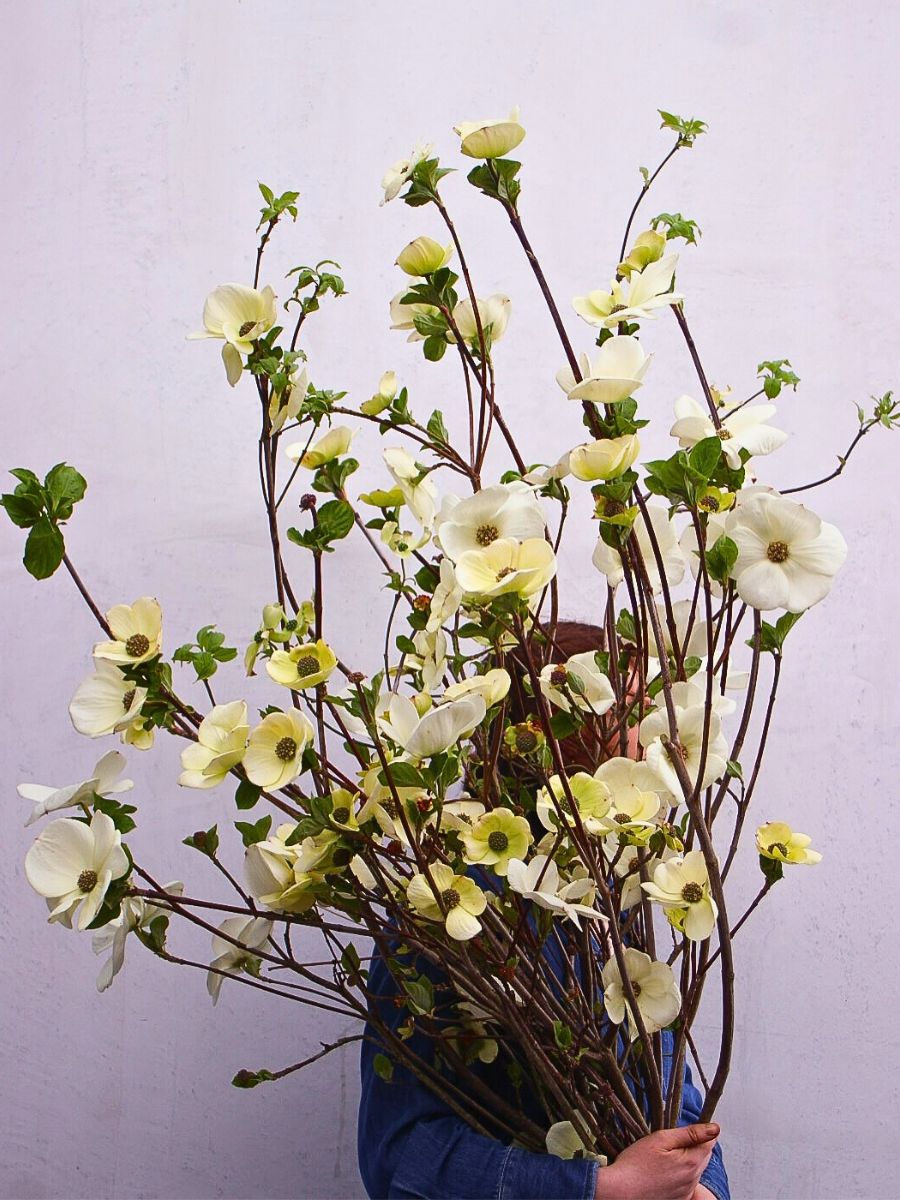
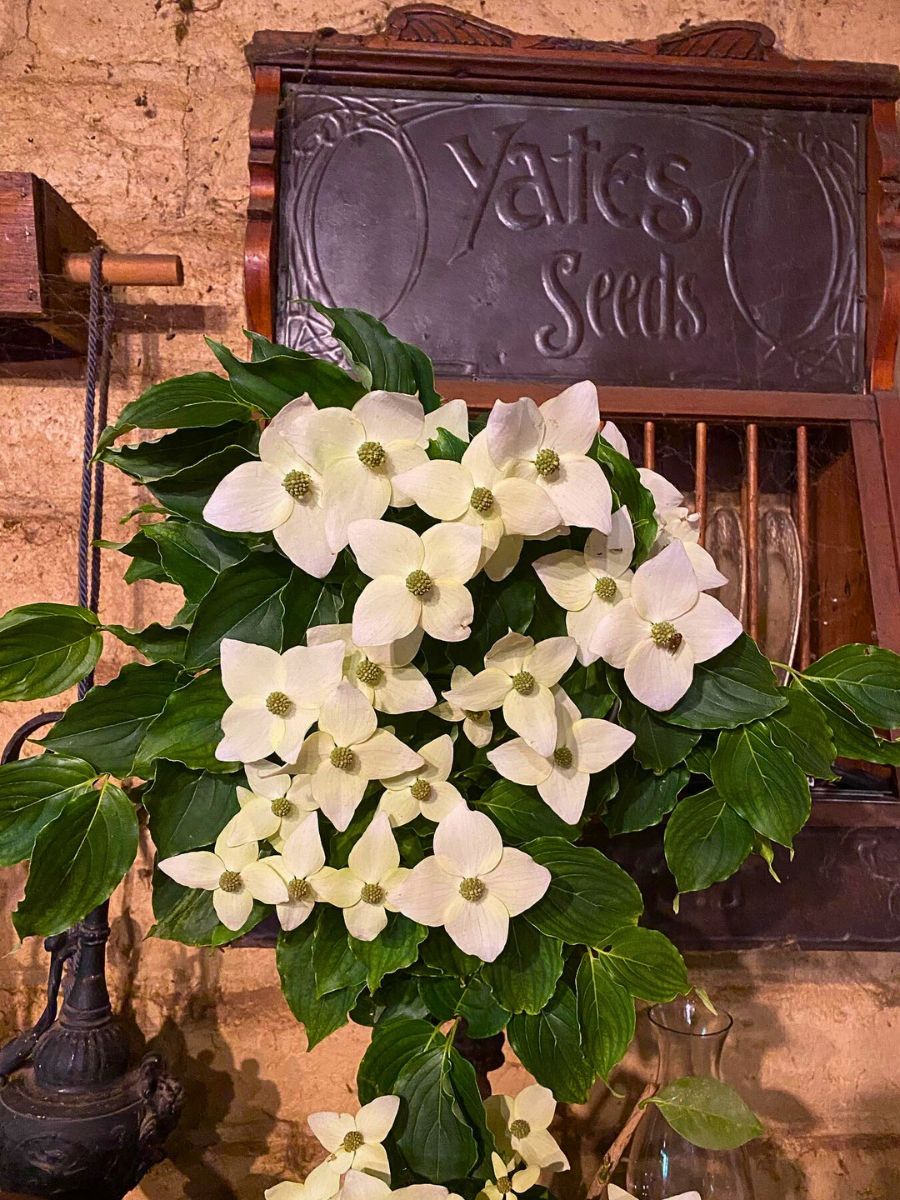
Likewise, dogwood blossoms make excellent cut flowers for arrangements, though they last longer left on the tree than in vases. For special occasions like weddings, Easter celebrations, or first communion ceremonies, dogwood branches add symbolism to floral displays. The flower represents appropriate sentiments for these milestone events.
Garden designers often pair dogwoods with plant companions that share similar light and moisture requirements. Azaleas, hostas, ferns, and wild ginger create complementary understory plantings that mirror the structure of a natural forest ecosystems. This supports local wildlife while creating visually appealing landscapes.
Also, as a perfect gift for a new homeowner, a wedding couple, or a memorial tribute, a dogwood tree offers long-term beauty and meaning. Unlike cut flowers that fade quickly, a dogwood tree planted in someone's honor grows and matures, providing years of flowering cycles and interest.
For Easter and spring celebrations, dogwood blossoms provide natural, elegant decoration that speaks to renewal without requiring explanation. The flower's connection to hope and transformation makes it suitable for expressing encouragement. Additionally, religious families often opt for dogwood arrangements for first communion celebrations, linking the flower's spiritual symbolism to the sacrament.
Dogwood Growing Conditions
Dogwood flowers thrive in temperate forests of North America, growing naturally from Maine to Florida and west to Texas and Arizona. The dogwood tree prefers partial shade, which explains why it evolved as an understory species in forest ecosystems, where it can withstand competition and low-light conditions that eliminate less resilient species.
For optimal growth, dogwood trees require well-drained, slightly acidic soil and moderate watering, especially during establishment and during drought. Mulching around the base helps retain moisture and regulate soil temperature. Avoid planting too deeply, as they prefer their root flare to be visible at the soil level.
The tree faces a few disease threats, particularly dogwood anthracnose and powdery mildew. The Kousa dogwood shows better disease resistance than American varieties, making it a viable choice for areas where anthracnose is prevalent. Proper spacing, adequate air circulation, and avoiding overhead watering reduce disease pressure.
The timing of Dogwood flowering varies by climate and varieties. It typically occurs in early spring, before leaves fully emerge, creating those spectacular floral color displays floating on forest floors. Fall, on the other hand, brings additional interest as leaves turn red or purple and berries ripen. Whichever the case, dogwood remains an intriguing plant!
Feature image by LExie Blessing. Header image by @onemoremaple. Reel: @dorfkind_mit_herz and @inigo_segurola_arregui.