
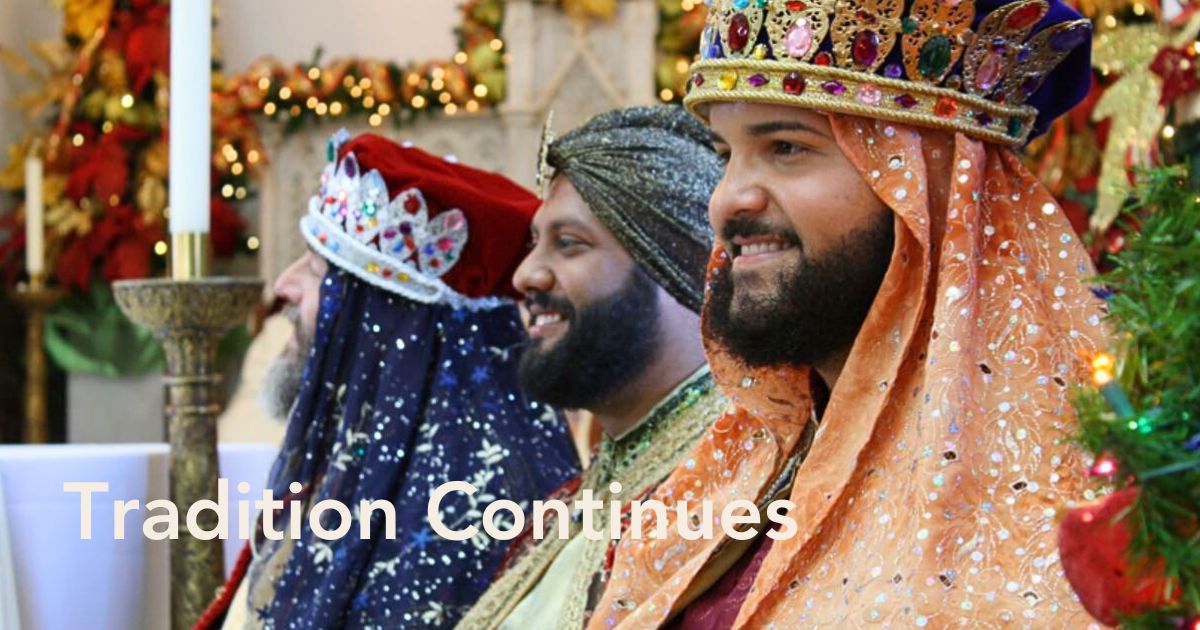
Three Kings Day remains one of the most widely observed cultural and religious dates connected to the Christmas season. Also known as Epiphany, it marks the moment the Three Wise Men reached Bethlehem bearing gifts for the newborn Jesus. While deeply rooted in Christian tradition, the day has evolved into a cultural celebration across many countries, blending faith, family, food, and symbolic acts that still resonate today.
Observed on January 6 each year, Three Kings Day is especially significant in Spain, Latin America, the Caribbean, and parts of Europe. In recent years, interest around the holiday has grown globally, driven by migration, cultural exchange, and renewed attention to seasonal traditions that extend beyond December.
For florists, event professionals, and floral buyers, Three Kings Day also represents a meaningful moment within the winter calendar. It offers opportunities for storytelling, symbolic gifting, and culturally relevant floral choices that connect with communities celebrating the occasion.
What Is Three Kings Day?
Three Kings Day commemorates the biblical account of the Magi who travelled from the East after following a star that led them to Jesus. According to Christian tradition, the Three Wise Men brought gifts of gold, frankincense, and myrrh, each carrying a symbolic meaning tied to kingship, divinity, and sacrifice.
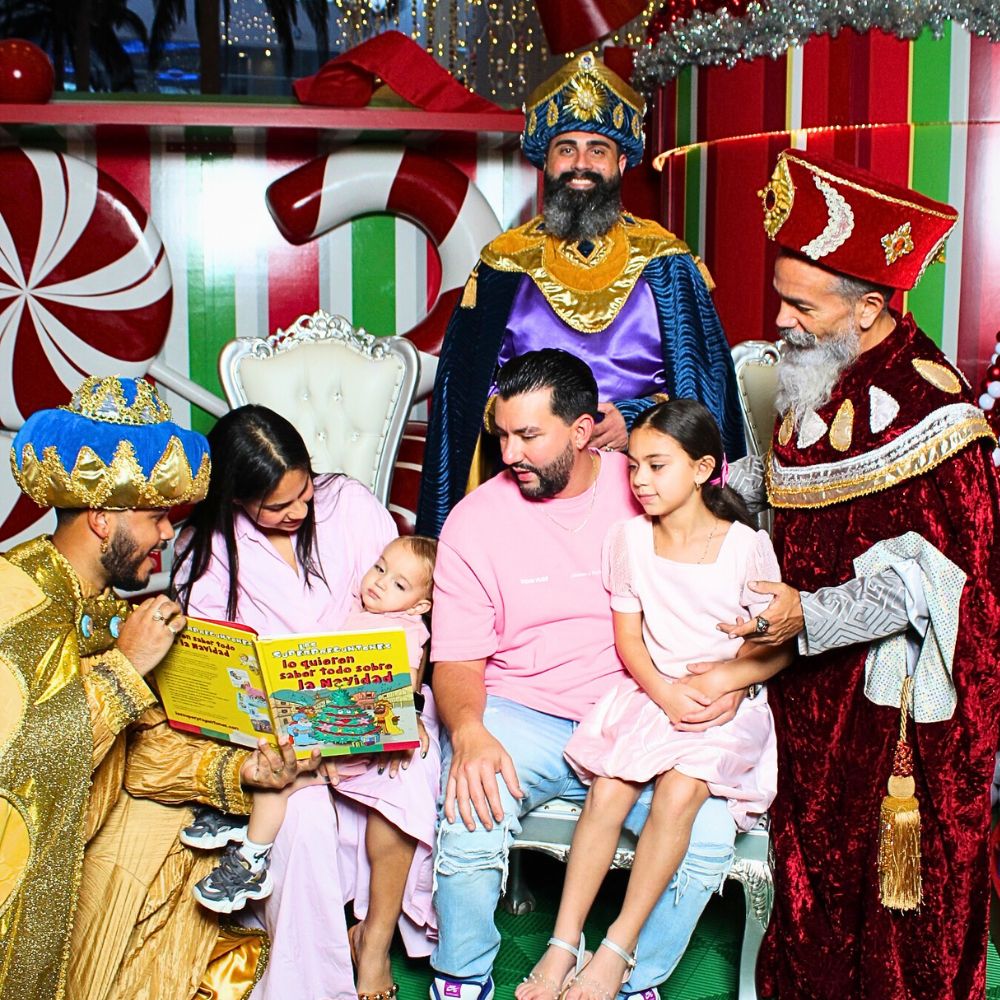
The celebration is closely associated with Epiphany, a feast day that represents revelation. In this context, it symbolizes the recognition of Jesus as king by the wider world. Over time, this story became central to Christian liturgy and later expanded into cultural traditions observed well beyond church settings. Today, Three Kings Day blends religious observance with local customs, making it both a spiritual and social event.
When Is Three Kings Day?
Three Kings Day is celebrated on January 6 each year. The date is fixed and does not change annually, which contributes to consistent search interest leading up to early January. In some countries, celebrations begin the evening before on January 5, often marked by parades, family gatherings, and gift exchanges. In others, January 6 itself is a public holiday, with schools and businesses closing to allow families time to observe the day.
Who Celebrates Three Kings Day?
Three Kings Day is most widely celebrated in Spain, Mexico, Puerto Rico, the Dominican Republic, Colombia, and many other Latin American countries. It is also observed in parts of Europe, including Italy and Germany, as well as within Christian communities worldwide.
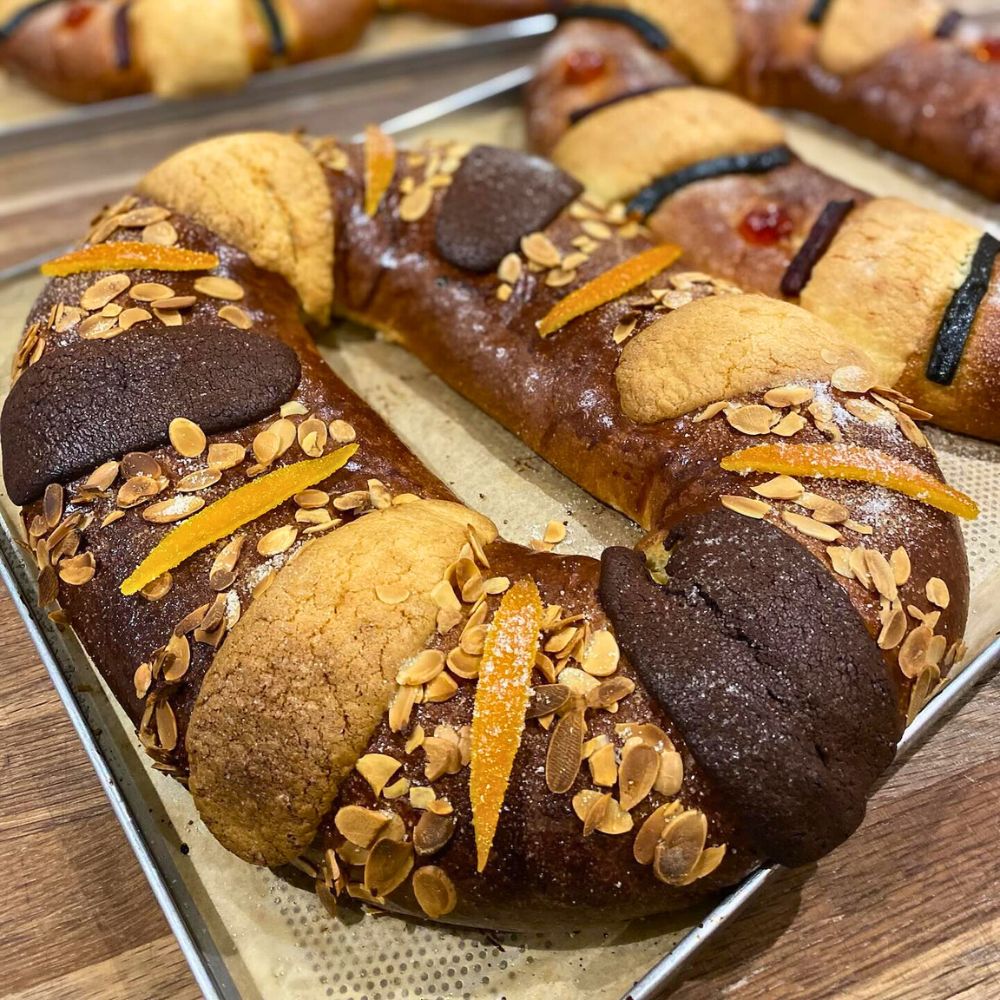
In Puerto Rico, Three Kings Day holds national importance and is recognized as an official holiday. Children traditionally place grass in boxes under their beds for the camels of the Three Kings, waking up to gifts the next morning.
In Spain, the celebration includes large public parades known as Cabalgata de Reyes, where the Three Kings arrive in cities and towns, distributing sweets to children. These events often draw thousands of spectators and remain a major part of the holiday calendar. As global communities grow more interconnected, Three Kings Day is increasingly acknowledged in multicultural settings, including within diaspora communities across the United States and Europe.
Three Kings Day Traditions and Customs
The traditions surrounding Three Kings Day vary widely by region, yet they share common themes of giving, reflection, and community. Gift giving often replaces or complements Christmas gifts, especially in countries where January 6 is the main celebration for children. Food also plays a central role, with many cultures preparing symbolic pastries and breads that reference the Three Kings story.
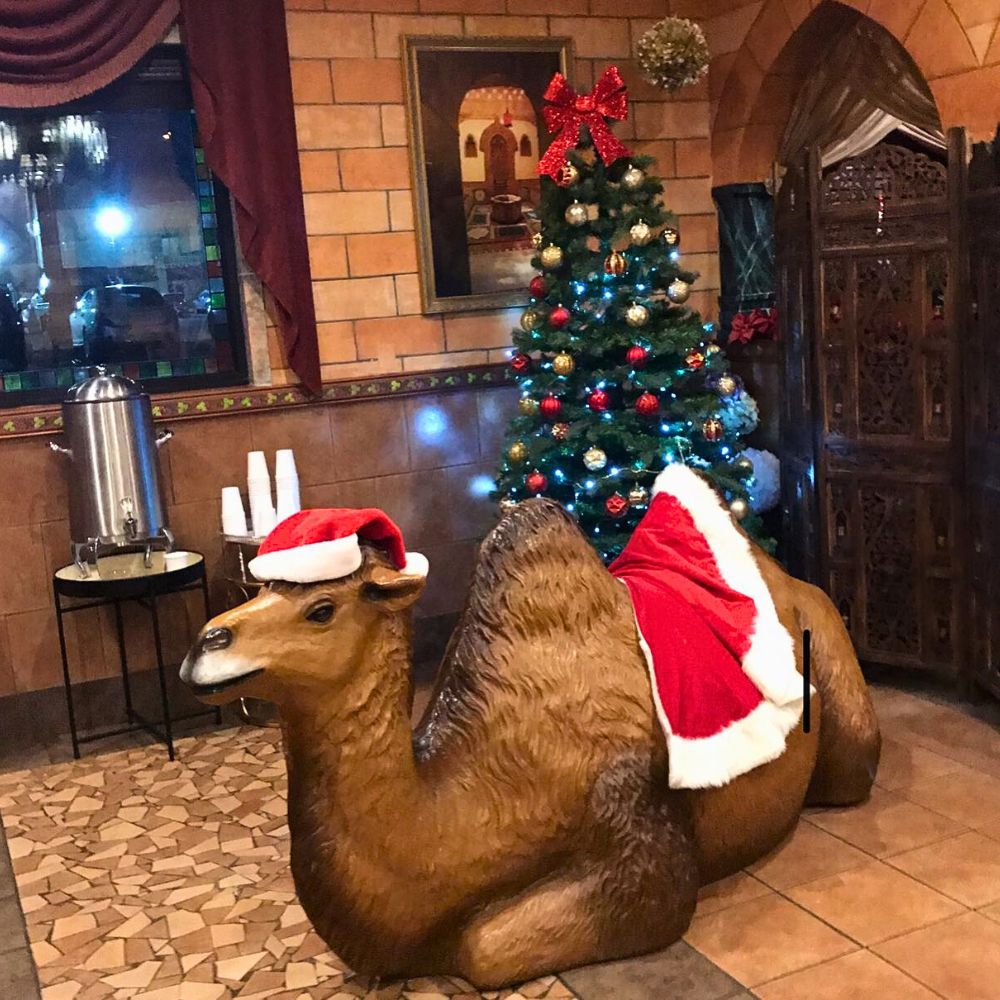
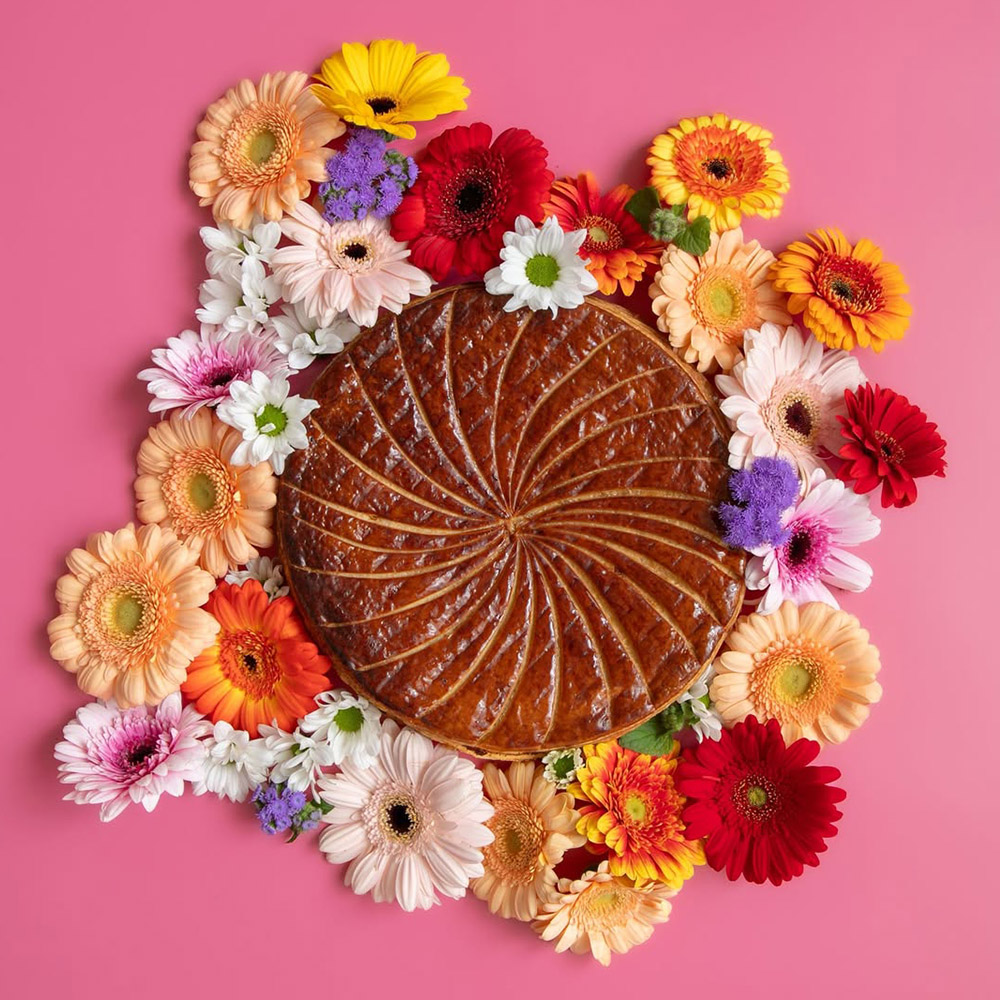
In several countries, a ring or figurine is hidden inside a special cake. Whoever finds it may be crowned king or assigned responsibility for hosting the next gathering. These customs reinforce family bonds and collective participation.
Public processions, church services, and re-enactments of the Three Kings' journey remain central to the day, blending faith with shared cultural expression.
The Religious Meaning of Three Kings Day
At its core, Three Kings Day holds a profound theological significance within Christianity. It represents recognition, revelation, and inclusion. The arrival of the Magi symbolizes the acknowledgment of Jesus by non-Jewish peoples, emphasizing a universal message rather than one limited to a single group.
The gifts presented by the Three Kings also hold layered meaning. Gold reflects kingship, frankincense points to divinity, and myrrh foreshadows suffering and mortality. These elements are often referenced in sermons and religious art tied to the holiday. For many believers, January 6 marks the formal conclusion of the Christmas season, serving as a moment of closure and reflection before moving into the new year.
Three Kings Day in Modern Culture
Beyond religious observance, Three Kings Day has become a cultural marker that bridges tradition and modern life. Schools incorporate lessons about the holiday, media outlets publish features on its history, and retailers in certain markets align seasonal promotions around the date.
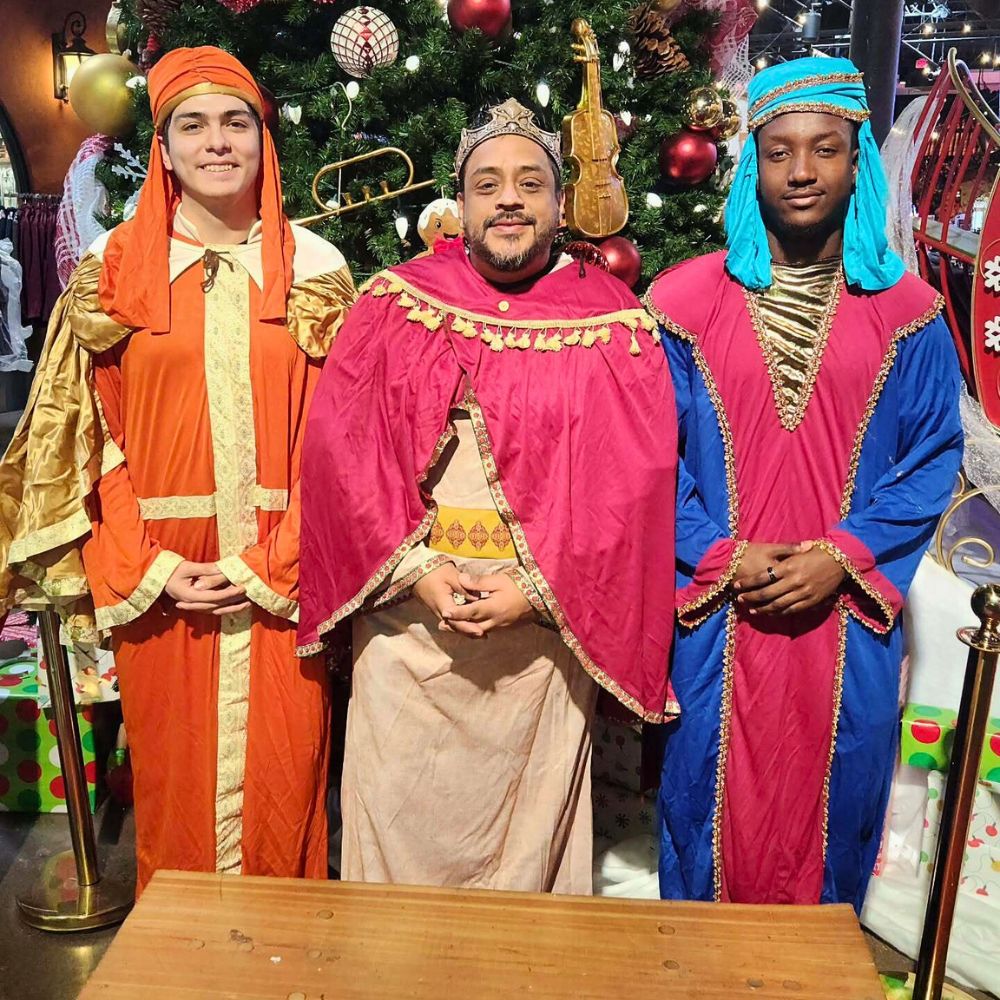
Social media has also contributed to renewed visibility, particularly through images of parades, traditional foods, and family celebrations. This digital presence has helped extend awareness beyond traditionally celebrated regions. For brands and creatives, Three Kings Day presents an opportunity to engage audiences through storytelling rooted in heritage, symbolism, and shared values.
Flower Gifting on Three Kings Day
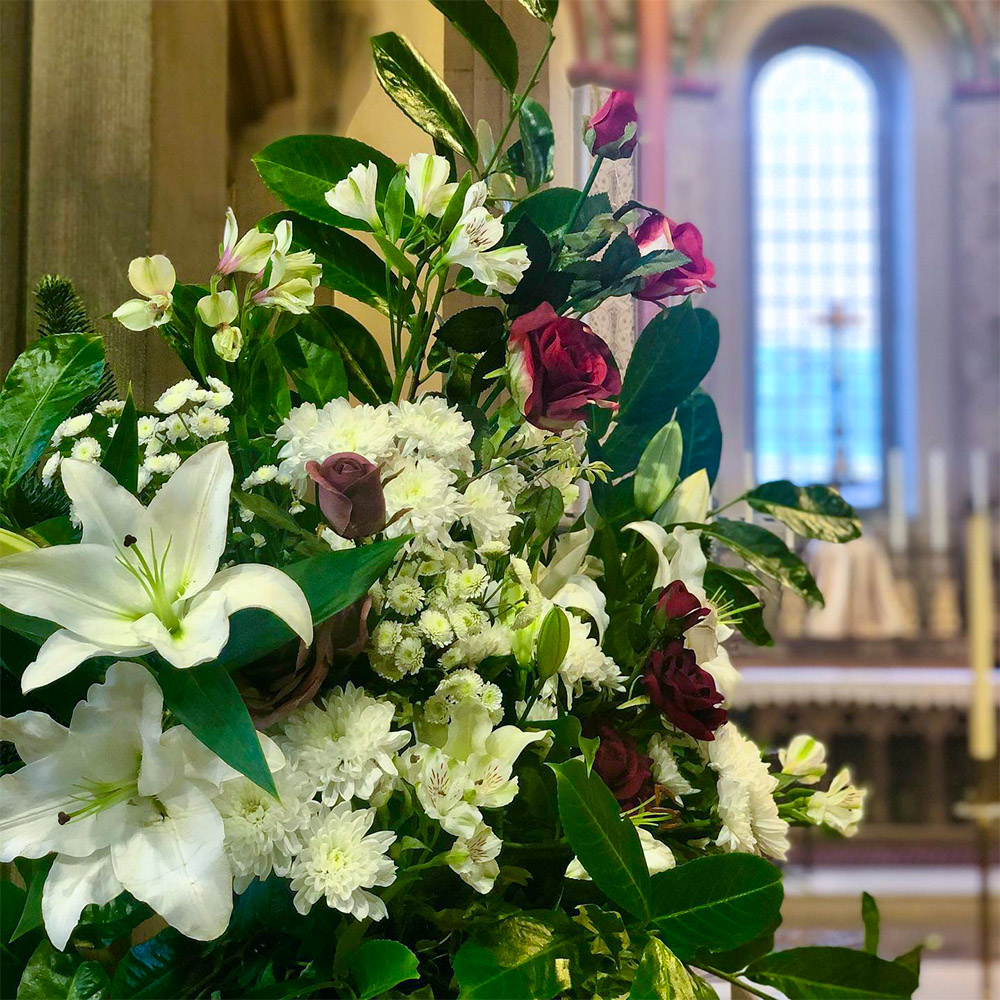
Flower gifting on Three Kings Day is rooted in symbolism rather than excess. White flowers such as roses, lilies, and chrysanthemums are often chosen for their association with purity, reflection, and reverence. Soft yellow and cream tones are also common, referencing light and the royal gifts brought by the Three Kings. Current floral trends around this date favor simple arrangements, seasonal availability, and natural textures, with a focus on meaning over volume.
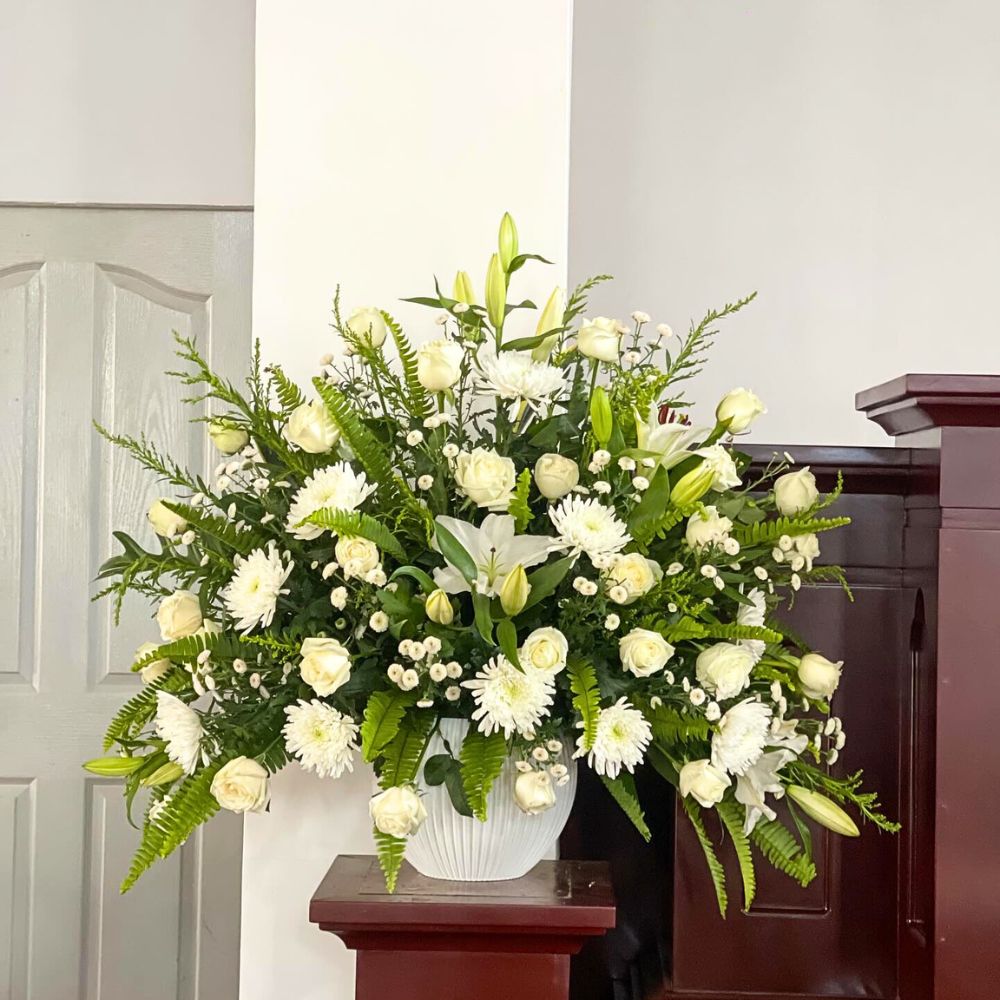
Bouquets are typically shared within families, placed in homes, or used as thoughtful offerings during visits, aligning flowers with the spirit of recognition and gratitude that defines the day.
Why Three Kings Day Still Matters
Three Kings Day continues to matter because it speaks to universal themes that remain relevant. Journey, generosity, recognition, and faith are ideas that resonate across cultures and generations.
As more people seek connection to tradition and meaning during the winter season, the holiday offers a slower, reflective moment after the intensity of December celebrations. It invites families and communities to gather again, often in simpler and more intentional ways. The growing search interest around Three Kings Day reflects this ongoing relevance, especially among younger generations rediscovering cultural roots.
Three Kings Day stands as a reminder that celebration does not end on December 25. Rooted in faith yet shaped by culture, it continues to bring people together through shared stories, rituals, and meaning. For the floral world, it offers a quiet but significant moment to align flowers with tradition, symbolism, and seasonal relevance. As interest in culturally grounded celebrations grows, Three Kings Day remains a meaningful date on the global calendar.
Header image by @oniels_otaku_forge.


