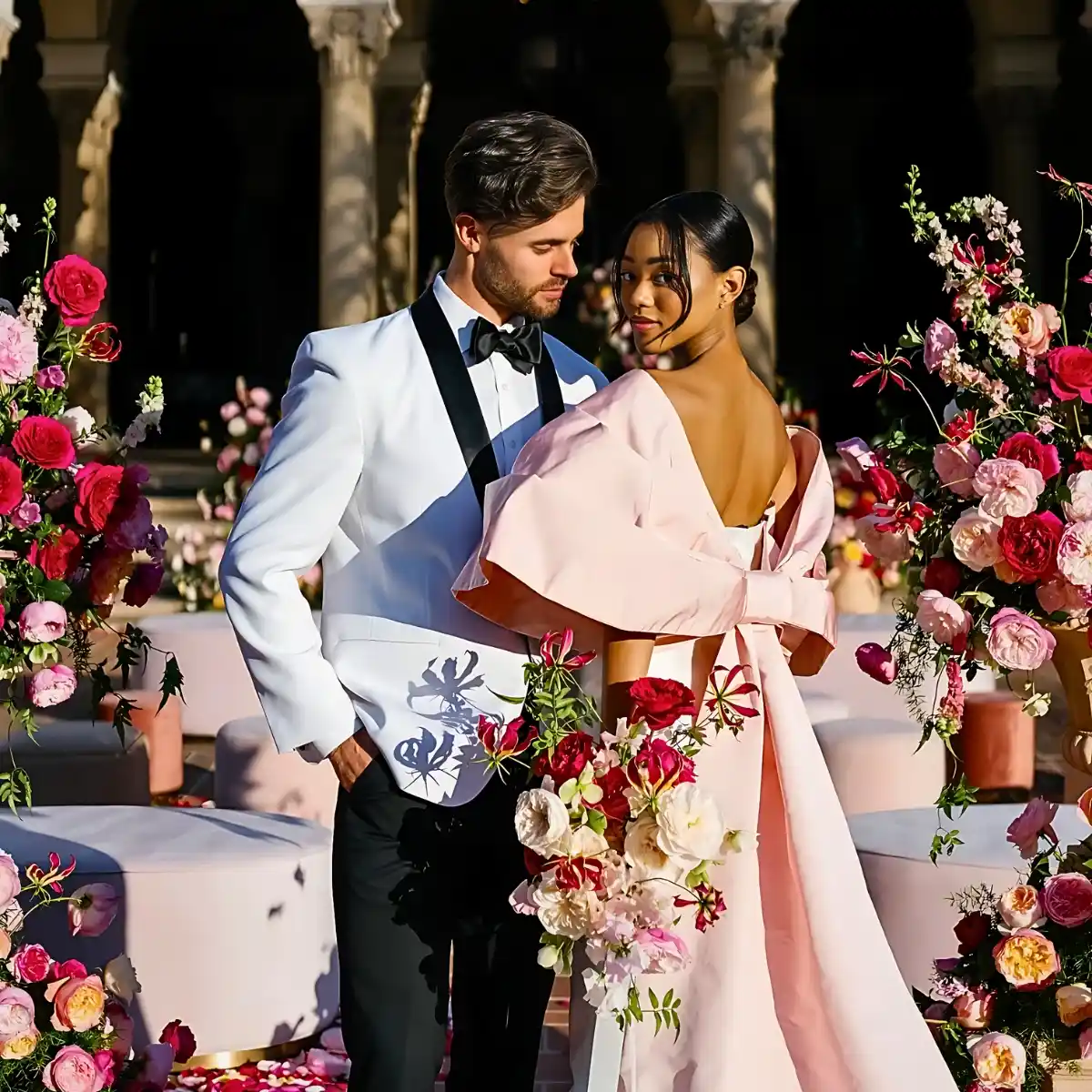
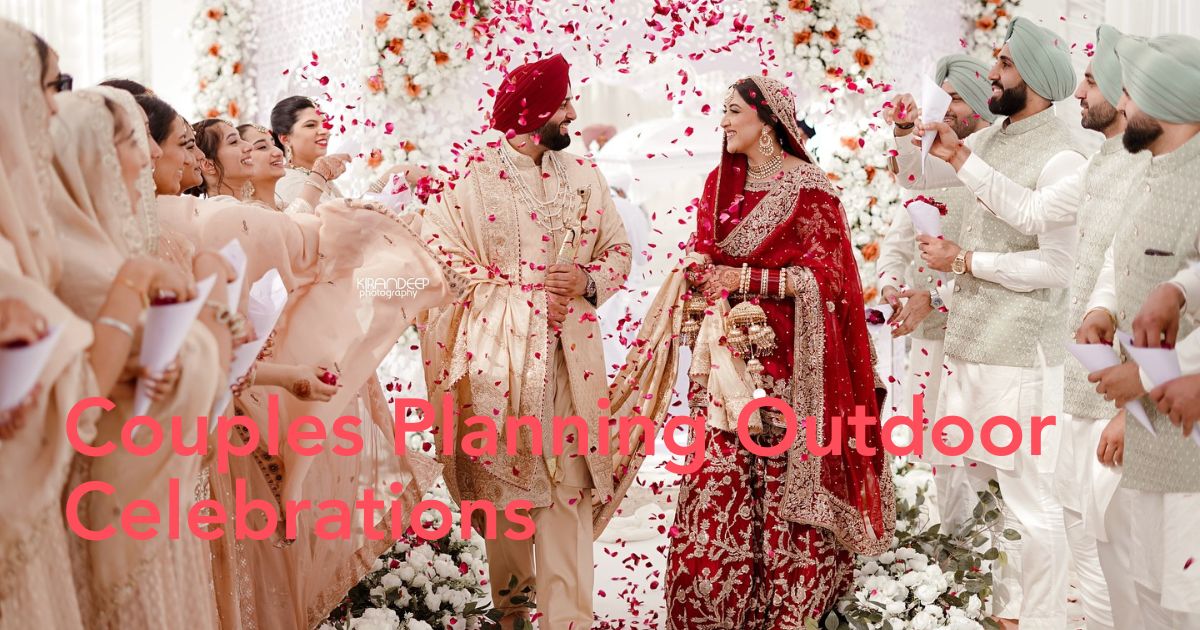
Traditional wedding photographers deliver posed, timeless portraits with classic editing and full-day coverage of formal moments. Modern wedding shooters capture candid, emotional stories using natural light, creative angles, and light-and-airy or film-inspired finishes. Each style creates a completely different gallery feel. Pricing typically ranges from $3,000 to $12,000, depending on experience and approach, while mountain ceremonies demand shooters skilled at handling weather shifts and dramatic landscapes.
Imagine standing atop a windswept peak, veil fluttering against an endless sky, while your partner squeezes your hand just before you say forever. In that instant, one photographer might ask you both to turn toward the lens for a perfectly symmetrical portrait. Another will quietly step back, letting the raw joy unfold naturally. Those two approaches represent the fundamental divide shaping today's bridal galleries.
Couples planning outdoor celebrations quickly realize that choosing wedding photographers who match their vision prevents years of regret when flipping through albums. The difference lies far beyond equipment or years of experience; it reflects contrasting philosophies about how love should look when frozen in time.
Understanding these distinct styles helps you decide whether you want polished elegance framing every smile or authentic fragments that feel like reliving the day. You can read more about: How to Turn Your Wedding Photos into Art
Understanding Traditional Wedding Photography
Couples who gravitate toward timeless elegance usually find their perfect match in traditional wedding photography. This classic style, rooted in decades of portrait traditions, treats the day like a formal event worthy of museum-quality images.
Signature Poses and Staging
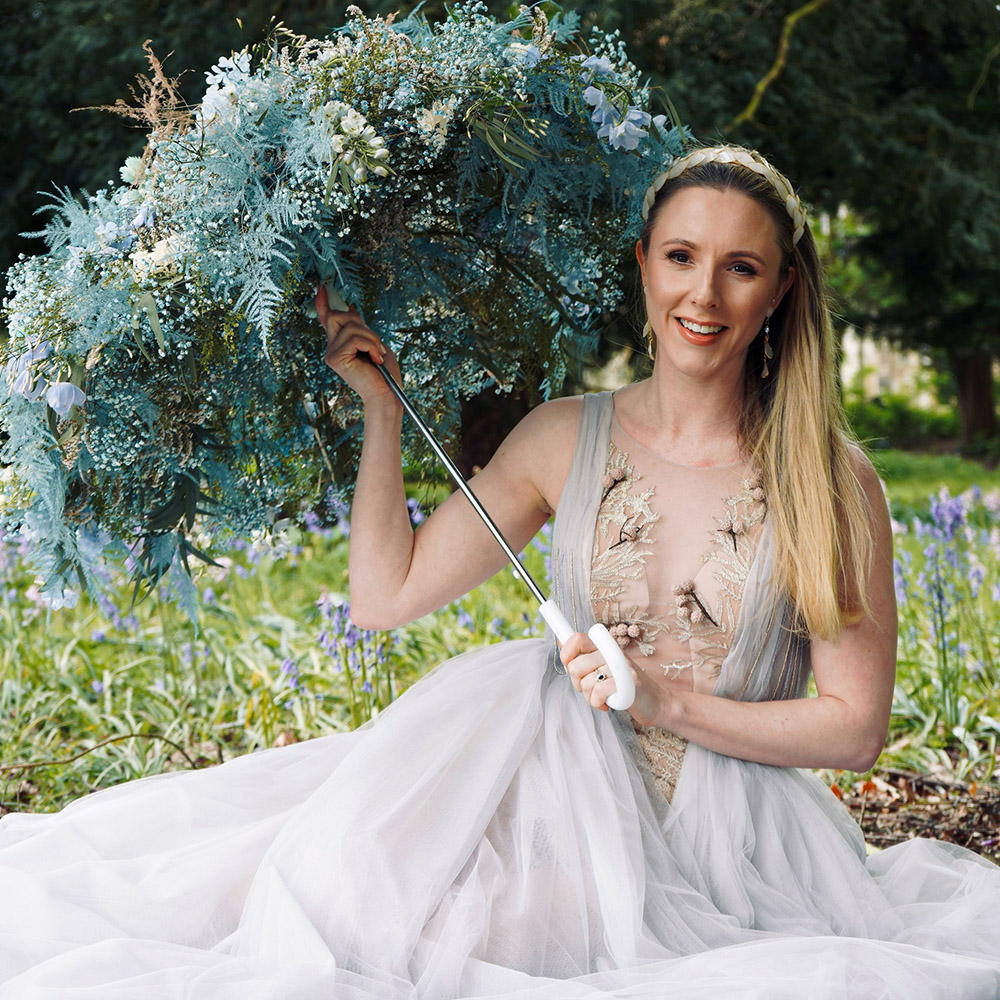
Photographers working in this vein direct almost every frame. They arrange bridal parties into symmetrical formations, position hands for perfect ring shots, and guide the couple into flattering chin angles. The goal remains consistency: every smile faces forward, every veil falls just so, and no one blinks in the family formals.
Lighting and Technical Approach
Studio-style lighting dominates, whether through off-camera flashes or large reflectors. Even outdoor ceremonies receive careful modification to eliminate harsh shadows across faces. The result delivers even skin tones and bright eyes across hundreds of images, regardless of weather conditions.
Editing Philosophy
Post-production leans toward polished perfection. Skin receives smooth retouching, colours stay rich yet balanced, and contrast creates depth without drama. Final galleries often feature creamy whites, deep blacks, and an overall look that ages gracefully alongside black-and-white heirloom prints.
Deliverables and Presentation
Thick, lay-flat albums with thick pages remain the centrepiece. Couples receive carefully sequenced spreads where each turn of the page reveals another perfectly composed moment. Prints for framing arrive ready to hang, sized and retouched specifically for walls rather than screens.
This approach appeals to families who value structure and predictability. When the day feels orchestrated rather than chaotic, the photographs reflect that same sense of composed celebration.
What Defines Modern Wedding Photographers
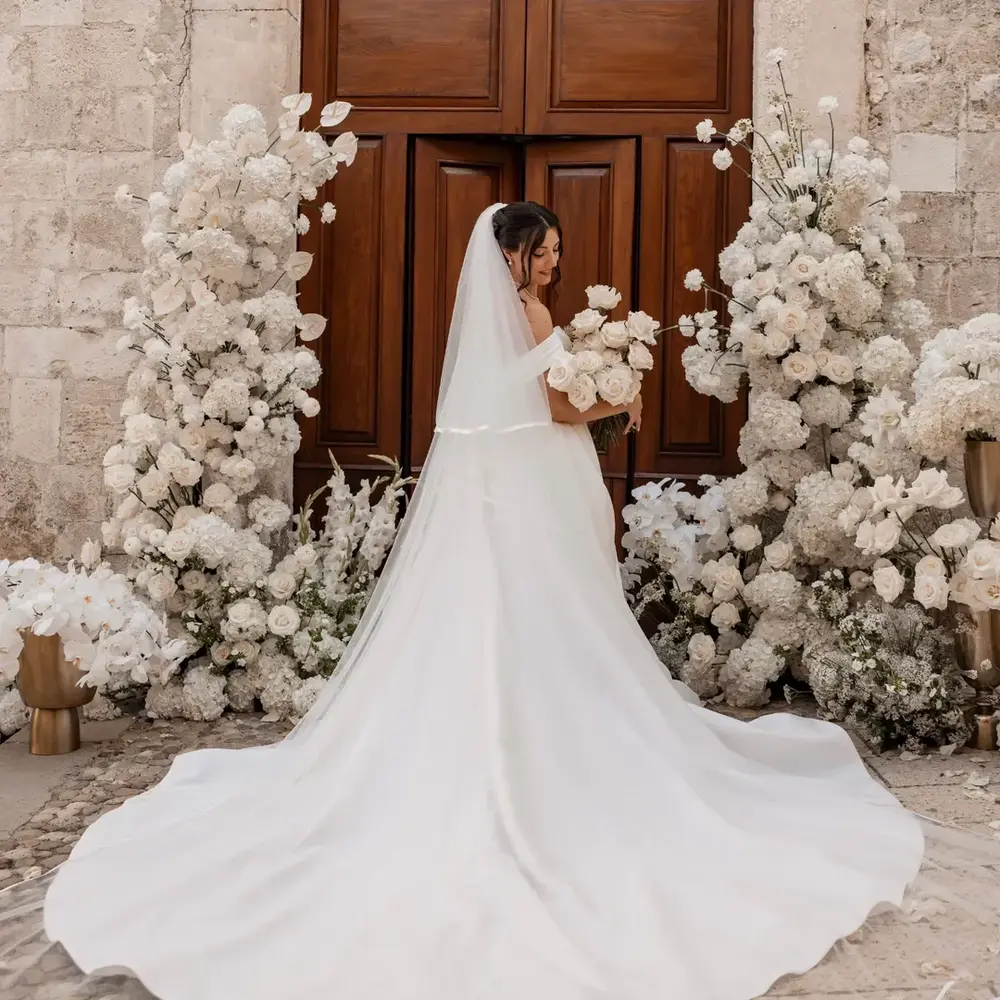
Modern wedding photographers approach the day as storytellers first and technicians second. They trade rigid shot lists for an intuitive, almost documentary style that prioritizes genuine feeling over flawless symmetry.
Emphasis on Candid Moments
Instead of pausing the reception for another group portrait, these shooters linger
at the edges, catching tears during vows, the groom's nervous laugh while waiting at the altar, or children sneaking extra cake. The strongest images often happen between planned milestones, when everyone forgets the camera exists.
Creative Use of Light and Composition
Natural light becomes the primary tool. Photographers chase golden-hour glow across open fields, use backlighting to create dreamy halos around the veil, or embrace soft overcast skies for even, flattering tones. Off-camera flash appears rarely and only when it serves the mood rather than controls it.
Distinctive Editing Styles
Two dominant aesthetics have emerged: light-and-airy looks with pastel palettes and lifted shadows, or warm film-inspired finishes with subtle grain and muted highlights. Both reject heavy retouching in favour of authentic skin texture and real colour from the day itself.
Storytelling Through Sequences
A single hero portrait matters less than a series of frames that read like a mini-film. Getting-ready nerves give way to first-look tenderness, then explode into dance-floor chaos. Modern galleries feel alive because they preserve rhythm and emotion instead of freezing everyone in identical smiles.
Couples who choose this path usually describe their celebration as relaxed, joyful, and deeply personal. The resulting images mirror that energy: imperfect in posture, perhaps, but perfect in feeling.
Side-by-Side Comparison: Traditional vs Modern Approaches
To see the differences in action, picture the same three moments from a mountain ceremony captured through each lens. The contrast becomes unmistakable.
|
Aspect |
Traditional Approach |
Modern Approach |
|
The bride walking down the aisle |
Perfectly centred, everyone seated and looking forward |
Focus on the groom's reaction, slight motion blur in veil for movement |
|
Family formals |
Full symmetrical groups, multiple combinations |
Quick, relaxed groupings with laughter encouraged |
|
Couple portraits |
Classic poses against a scenic backdrop, even lighting |
Off-trail adventure shots, backlit during golden hour |
|
First dance |
Wide shot showing the entire dance floor from the front |
Close details: hands intertwined, foreheads touching |
|
Editing |
Rich colours, smooth skin, crisp contrast |
Soft pastels or warm film tones, natural texture |
|
Overall gallery vibe |
Elegant, polished, timeless |
Emotional, authentic, artistic |
|
Time spent directing |
60-90 minutes of posed sessions |
Under 20 minutes, mostly candid coverage |
|
Final deliverables |
Printed album + wall portraits |
Online gallery + slideshow set to music |
These examples reveal more than preference; they shape how future generations will experience the day. One style documents what happened with precision. The other captures how it felt. Most couples instinctively lean toward one column or the other once they see the evidence side by side.
How Much Do Wedding Photographers Cost?
Pricing in the wedding industry follows a surprisingly wide range, and style plays a major role in where a particular package lands. On average, couples investing in professional coverage can expect to spend between $3,200 and $12,000, though some high-end artists now quote well above that mark.
Several clear factors drive the final number:
- Experience level: Photographers with five to ten years of full-time weddings typically start around $4,500, while recognised names who teach workshops or appear in magazines often begin at $8,000–$15,000.
- Coverage hours: Eight hours remains the industry standard, but each additional hour usually adds $400–$800.
- Second shooter: Adding a second professional for wider coverage or simultaneous getting-ready locations adds $800–$1,800.
- Travel and accommodation: Destination or mountain venues more than two hours from the photographer's base usually include travel fees and sometimes overnight stays.
- Deliverables: Basic digital files cost less than packages that include albums, wall art, or engagement sessions.
Traditional photographers sometimes sit at the lower-to-middle range because their workflow is predictable and post-production follows established formulas. Modern wedding photographers who spend extra hours scouting locations, editing for a signature film look, or creating cinematic slideshows tend to cluster toward the higher end. Either way, the cheapest quotes almost always reflect newer professionals still building portfolios rather than a bargain on quality.
A helpful rule of thumb: allocate roughly 10-12 percent of the total wedding budget to photography if stunning images rank
high on your priority list. Skimping here rarely feels like a victory when the gallery arrives.
How to Choose a Wedding Photographer for Mountain Weddings?
Mountain ceremonies bring breathtaking backdrops yet equally demanding conditions: sudden wind gusts, rapid light changes, and trails that turn slippery after afternoon rain. The right photographer treats these elements as assets instead of obstacles.
Look for these specific signs when reviewing portfolios:
- Real elevation experience: Galleries filled with Rocky Mountain, Coastal Range, or European alpine weddings prove they understand thin air, harsh shadows in valleys, and golden light that lasts only minutes.
- Weather contingency plans: Ask how they handle passing storms or clouds blocking the planned sunset. Seasoned mountain shooters carry clear umbrellas, off-camera lights for cave-like forests, and backup locations within walking distance.
- Physical preparedness: Someone who hikes with full gear and knows when to swap heels for proper boots keeps pace on uneven ground without slowing the couple down.
- Timing mastery: Peak light at 7,000 feet arrives earlier than in the valleys. Photographers who build timelines around actual sun position rather than generic schedules prevent missed moments.
- Permitting knowledge: Popular public-land locations now require photo permits and limit group sizes. Professionals who already hold these save headaches on the day.
Film & Forest shooters, for instance, regularly work ridgelines and alpine lakes, so their portfolios naturally showcase couples comfortable in rugged settings. Red flags include galleries containing only golden-hour valley shots or complaints in reviews about cancelled portrait time due to "bad weather"
Ultimately, book someone whose past mountain work makes your pulse quicken. When the images already feel like your day before it has even happened, you have found the perfect fit.
Final Thoughts: Choosing Wedding Photographers Who Match Your Vision
The heart of the decision rests on one question: do you want your album to feel like a beautifully composed classic portrait or a vivid memory you can step back into? Traditional shooters deliver polished, timeless frames full of structure. Modern artists chase emotion, light, and those unscripted seconds that take your breath away.
Mountain settings magnify every difference – weather shifts, dramatic vistas, and golden-hour windows demand experience beyond a standard venue.
Review real high-altitude galleries, ask pointed questions about contingencies, and trust the portfolio that already feels like your story. When the images reflect how your day truly unfolded, you'll never tire of opening that album, no matter how many years pass. Wedding photographers who understand your vision turn photographs into heirlooms.