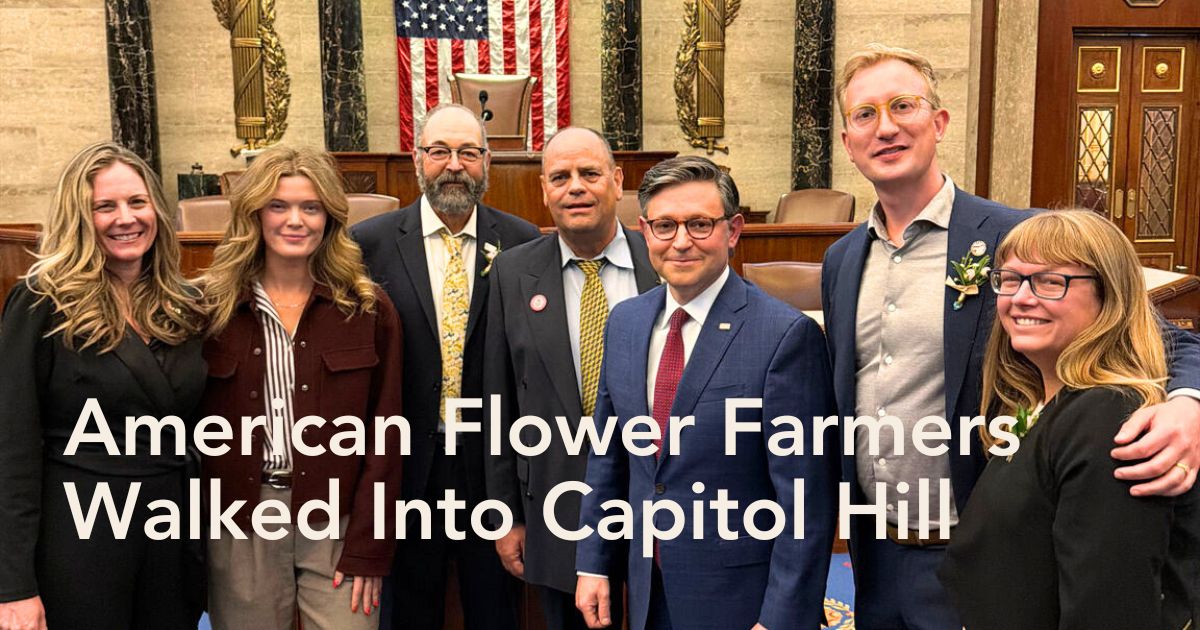
Eighty-five percent of the cut flowers sold in the United States are imported, almost all of them from Colombia and Ecuador. Last week, a group of American growers walked into Capitol Hill and said the quiet part out loud: that number is not an accident. It is the result of decisions Washington made, and decisions Washington kept making.
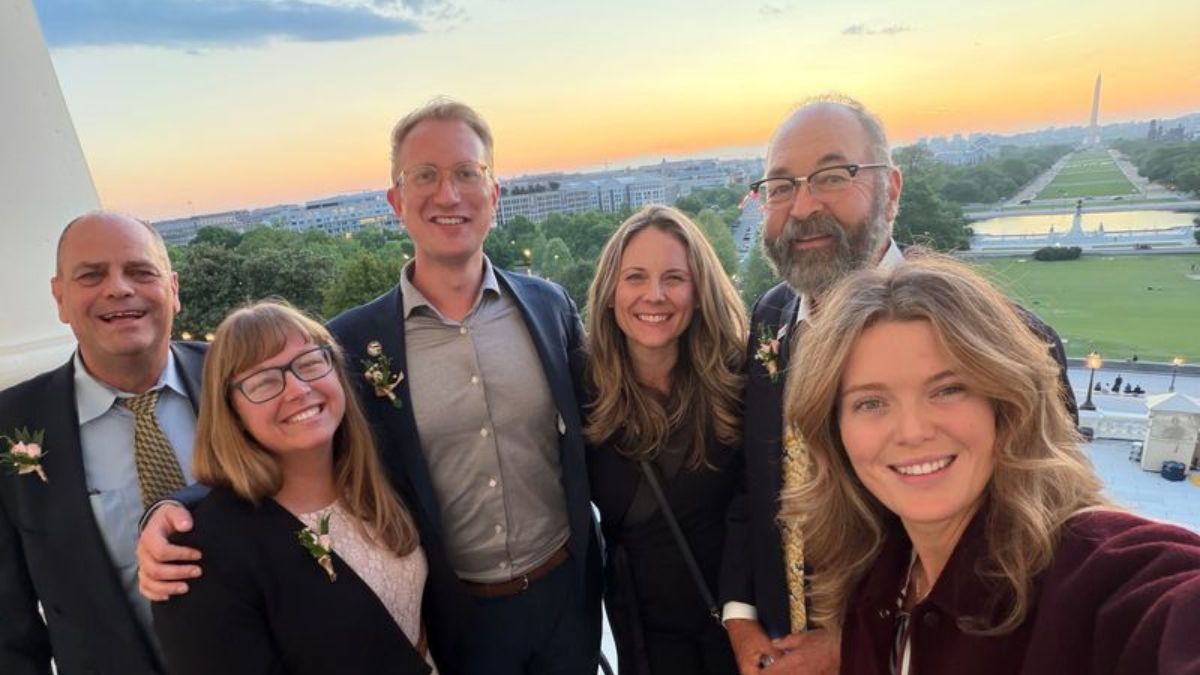
The 2026 Flower Fly-In, organized by Certified American Grown (CAG) and sponsored by Continental Floral Greens, brought farmers from Texas to California to New Jersey into congressional offices and USDA meeting rooms. Their argument is direct. Floriculture has been a recognized specialty crop since 2004, but federal programs keep treating it like an afterthought. The recent relief packages prove the point. The $11 billion Farmer Bridge Assistance Program announced in late 2025 routed payments to row-crop producers – corn, soy, wheat, cotton – and excluded flowers entirely. The companion $1 billion Assistance for Specialty Crop Farmers program is meant to fill the gap, but cut flowers keep slipping through the cracks of a system that was never built around them.
The 1991 Decision Still Shaping the U.S. Flower Aisle
To understand the 85% figure, you have to go back to 1991. That year, Congress passed the Andean Trade Preferences Act, a counter-narcotics policy that gave Colombia, Bolivia, and Peru duty-free access to the U.S. market for crops, including cut flowers. The idea was to give Andean farmers a legal alternative to coca. It worked. The side effect Washington never priced in is that U.S. rose production fell by roughly 95% in the years that followed. Cut flowers became Colombia's third-largest legal export after oil and coffee. Imports from Colombia alone nearly doubled between 2020 and 2024, from $667 million to $1.24 billion. Ecuador 2.5x'd in the same window.
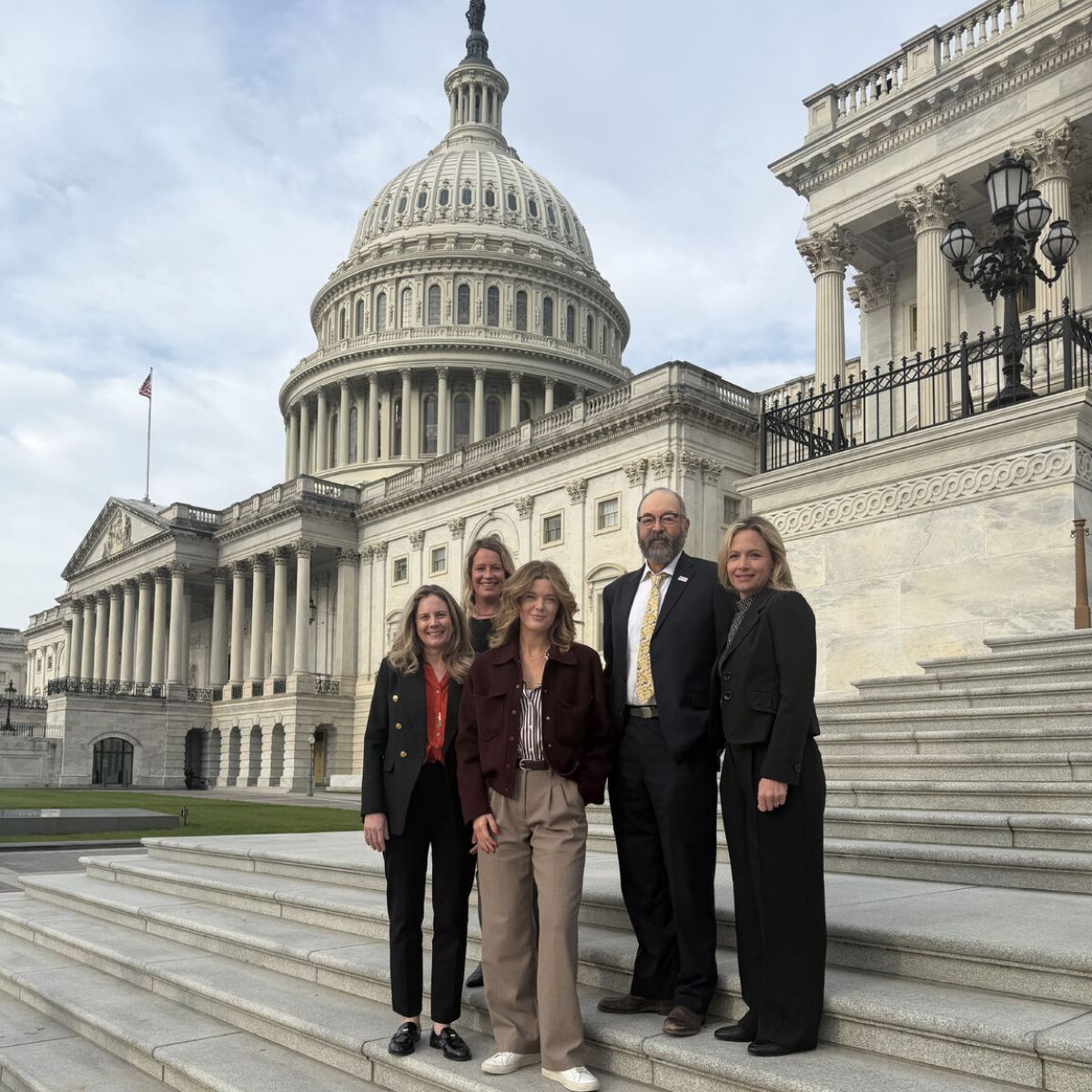
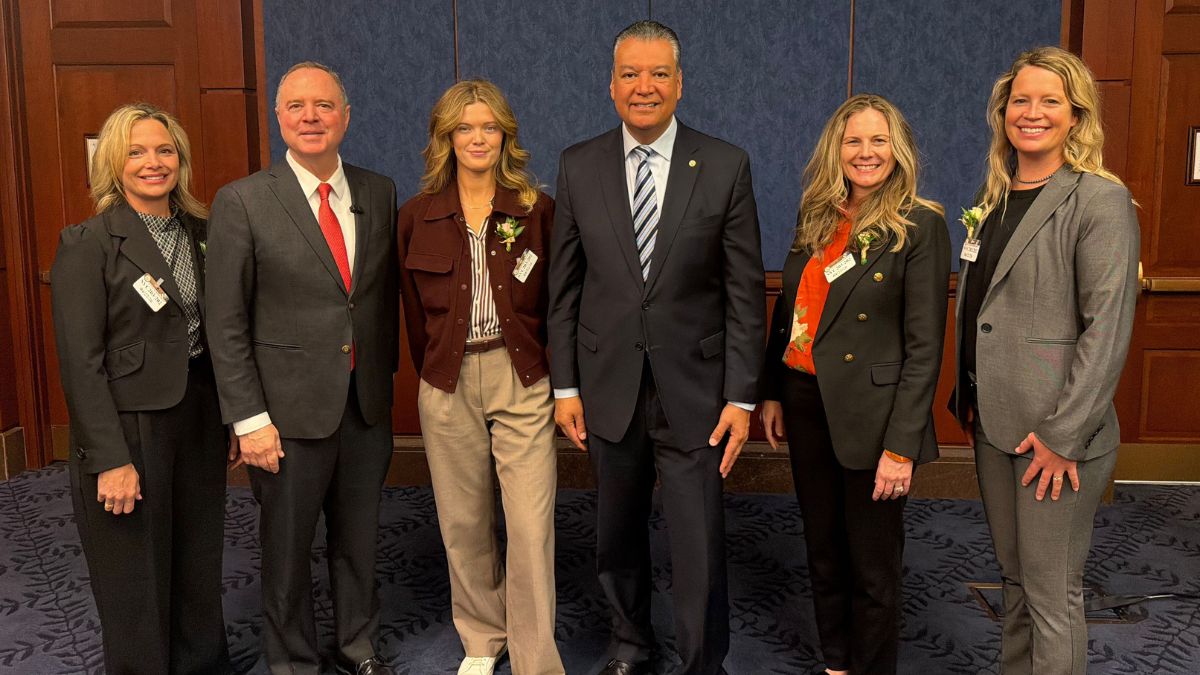
That policy story is the backdrop for everything CAG is asking for now. The 2026 asks are practical: a USDA-administered $12.2 million competitive grant program for floriculture marketing, research, supply chain investment, and farm expansion – the kind of program other specialty crop industries already have. Passage of the Don Young American Grown Act, the bipartisan bill from Representatives Salud Carbajal, Dan Newhouse, Chellie Pingree, Jimmy Panetta, and Doug LaMalfa, with Senate champions Dan Sullivan, Lisa Murkowski, Angus King, and Adam Schiff, requiring federal agencies to procure American-grown flowers for official events. Continued funding for the Floriculture and Nursery Research Initiative (FNRI), the only federal R&D line dedicated to floriculture. Meaningful crop insurance and disaster program access through the next Farm Bill. And better USDA data so the industry stops disappearing from the official record.
The Sun Valley Shadow
The Fly-In is happening in the long shadow of Sun Valley Floral Farms, which closed in 2024 after decades as the largest cut flower grower in California. Its CEO, Lane DeVries, wrote a letter to industry colleagues that read like a coroner's report on what happens when minimum-wage policy, energy costs, insurance pricing, and import competition compound on a single farm. The 2026 advocacy push is, in part, an answer to the question Sun Valley left behind: what happens to American floriculture if no one in Washington is paying attention?

The Farms That Showed Up
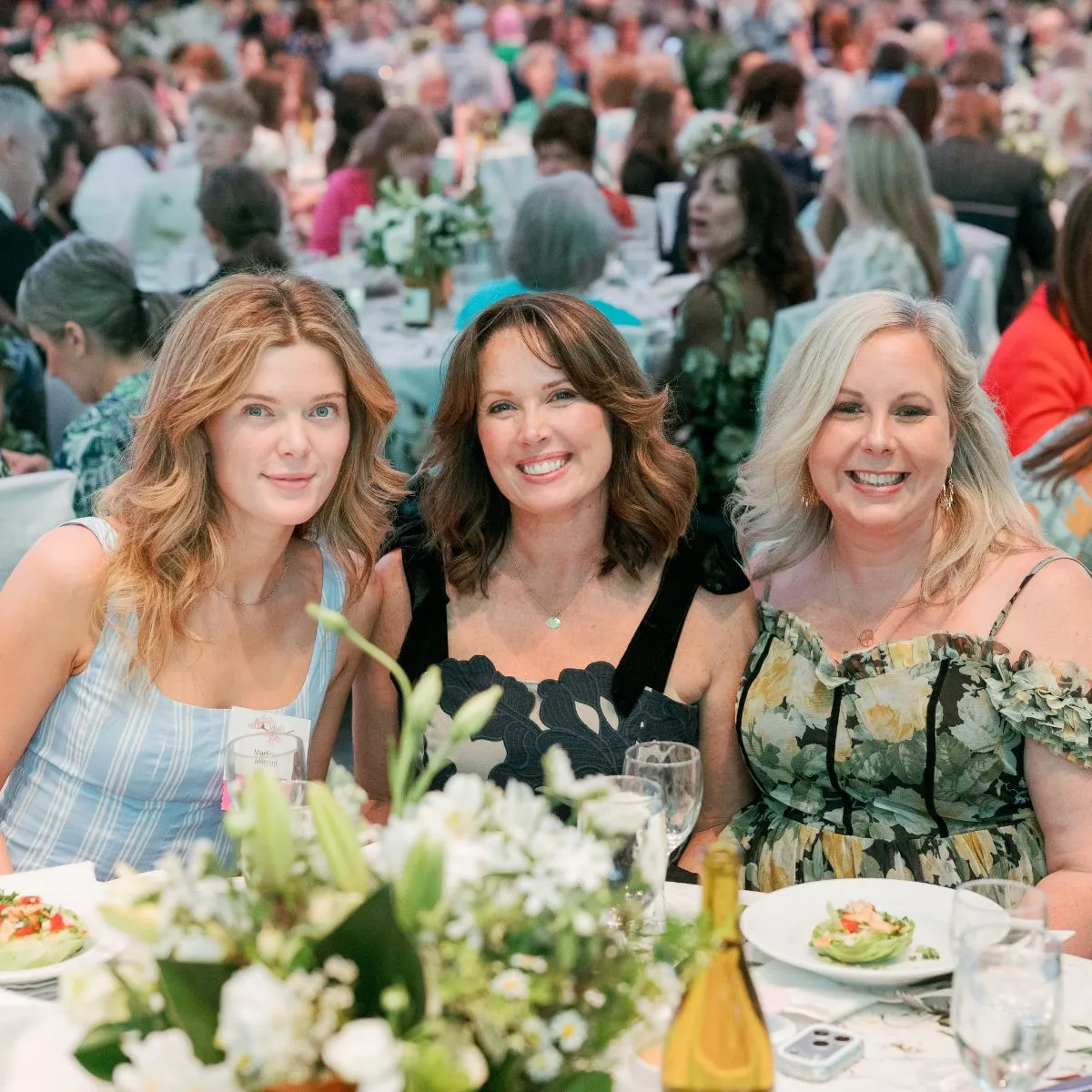
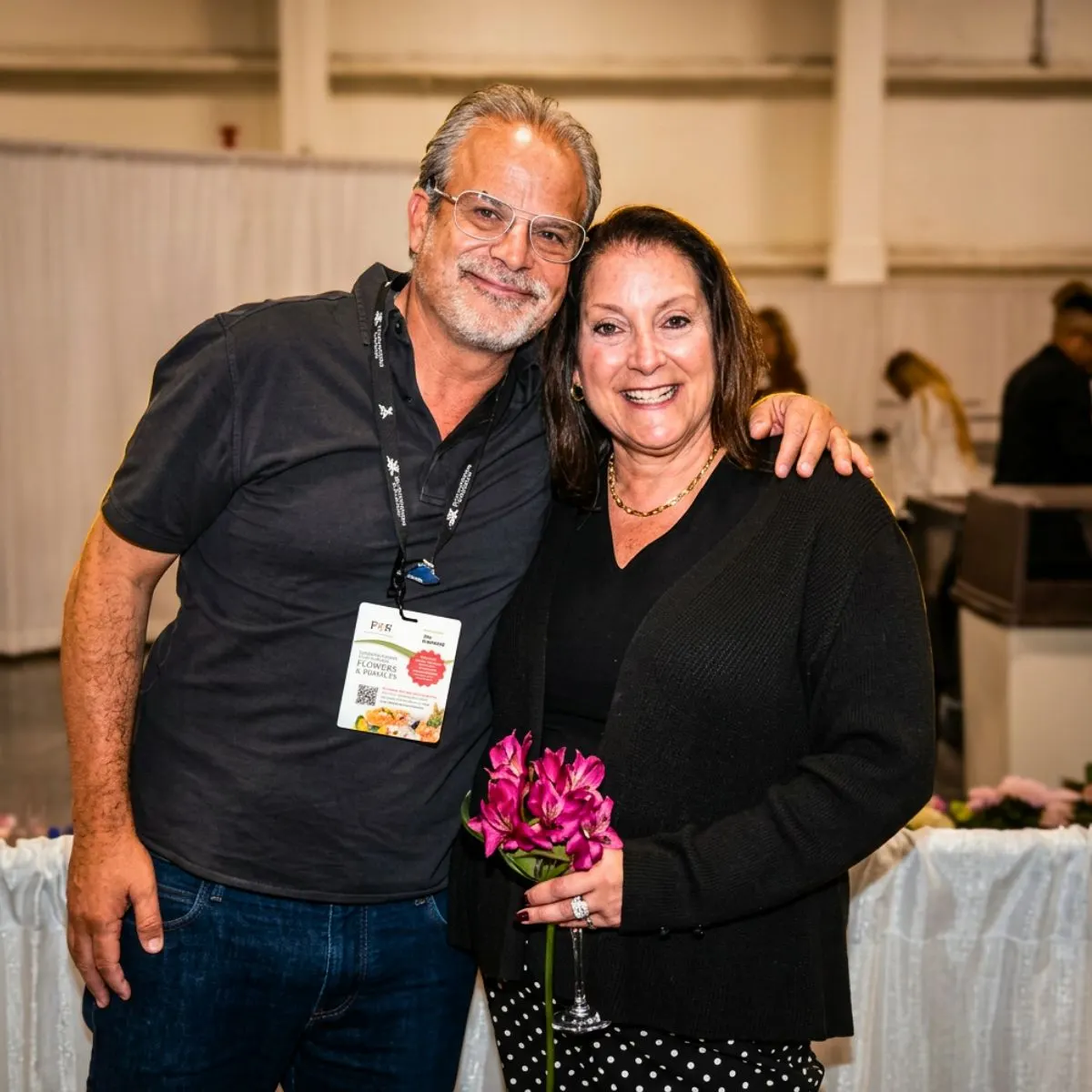
The growers who flew in are answering that question with their own track records. Arnosky Family Farms, run by Frank and Pamela Arnosky in the Texas Hill Country, has farmed since 1990 and now spreads its peony season across Blanco, Minnesota, and Fort Davis. California Peony Company, the largest peony farm in the state, was planted by Anne and Brent Hilton in Callahan in 2019 – exactly the cohort that disappears in a bad weather year without a federal backstop. Hionis Greenhouses, founded by Spiros and Angie Hionis in 1985 and now run by their sons Pete, Tim, Spiro, and Gerry, anchors the Northeast with greenhouse and field production in Whitehouse Station, New Jersey. Menagerie Farm & Flower, where Felicia Alvarez grows specialty cut roses in California's Sacramento Valley, is the literal counter-example to the assumption that Americans can no longer grow roses commercially. Alvarez, who is also President & CEO of American Grown Flowers, led the delegation and was particularly active at the evening events.
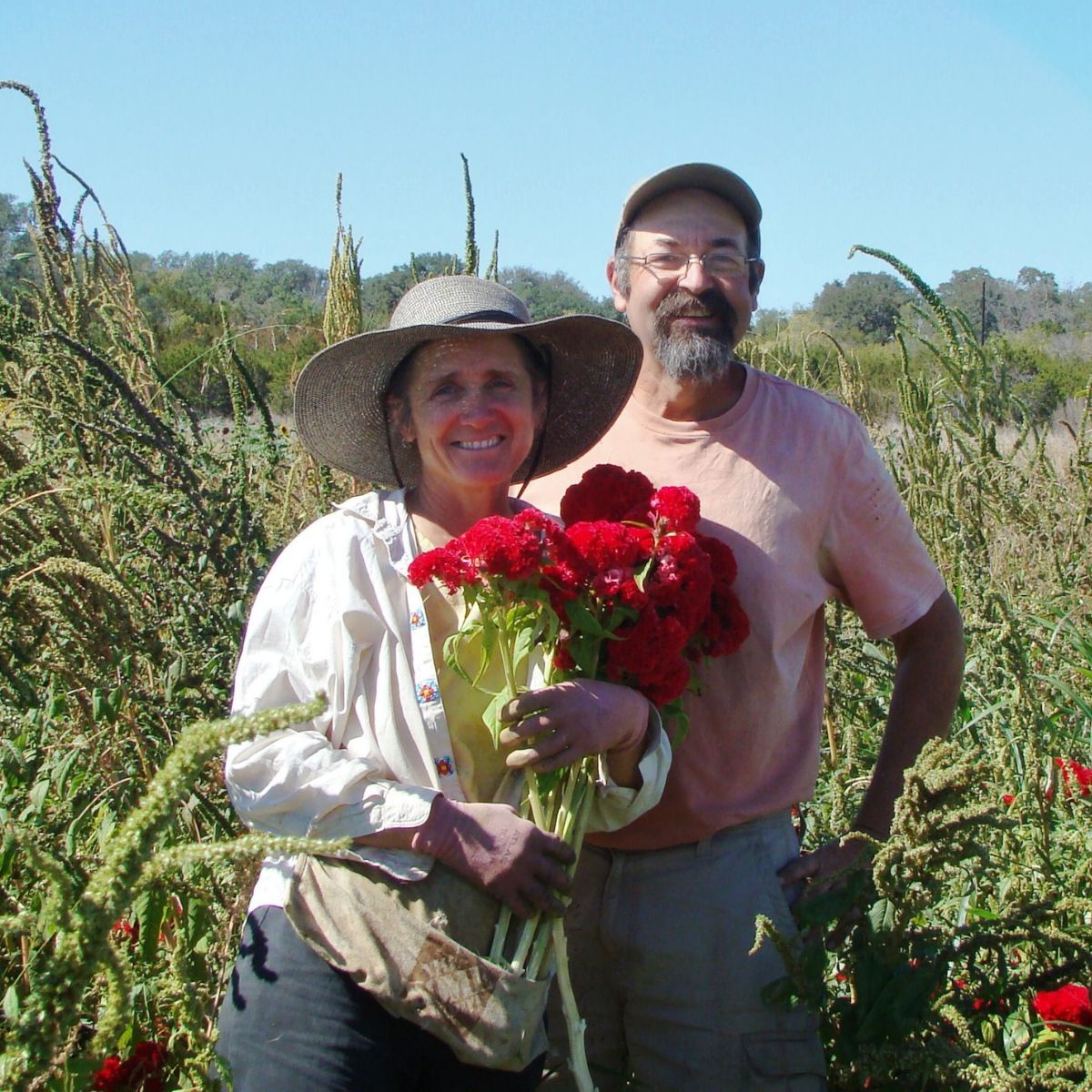
Garvey's Gardens, opened by Sydney Garvey in Grand Junction, Colorado, is the human face of the slow-flowers economy that this policy work is trying to keep viable. Vineyard House Flower Farm, owned by Laurie Moore, rounded out a delegation that, taken together, covers most of the climate zones a U.S. farm bill is supposed to serve.
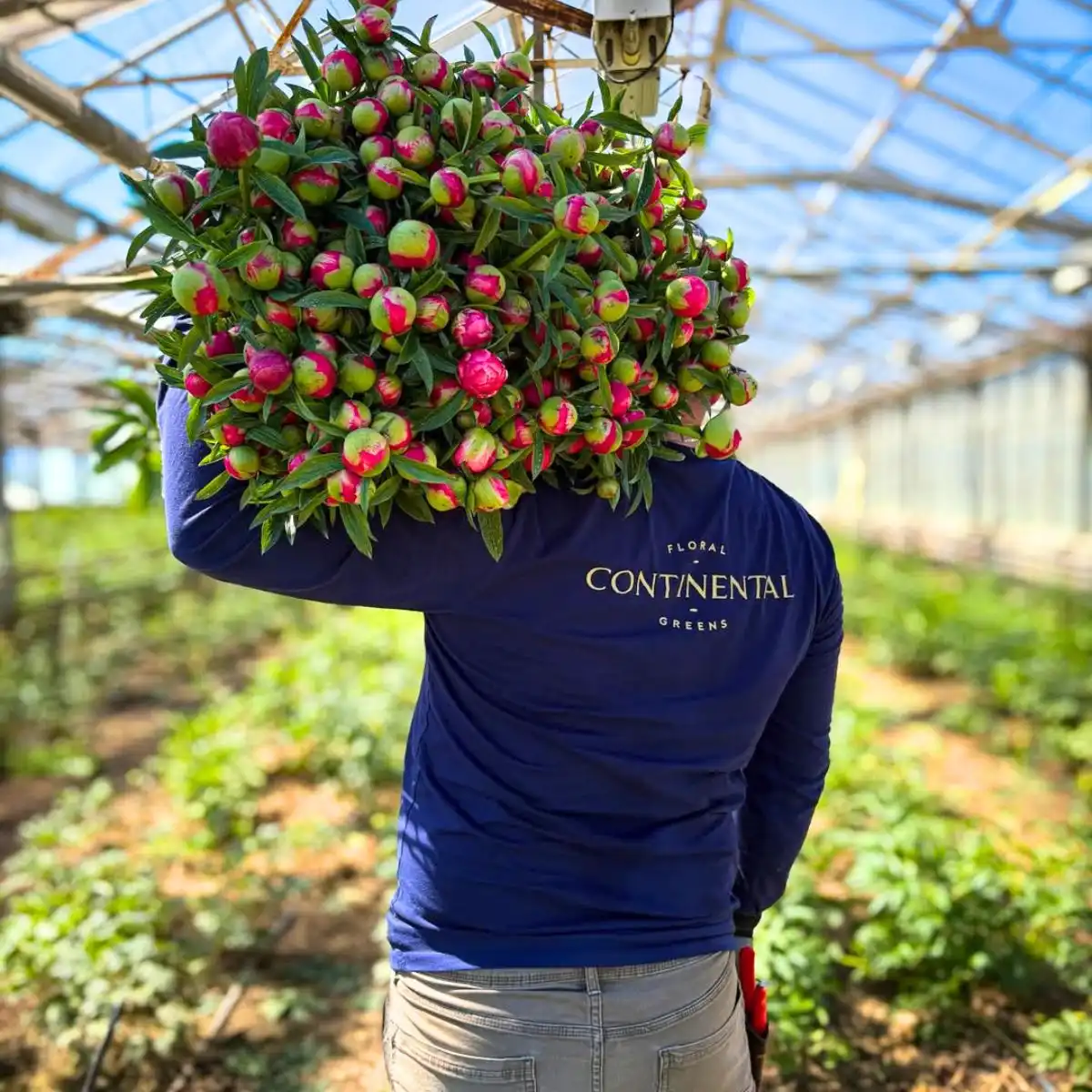
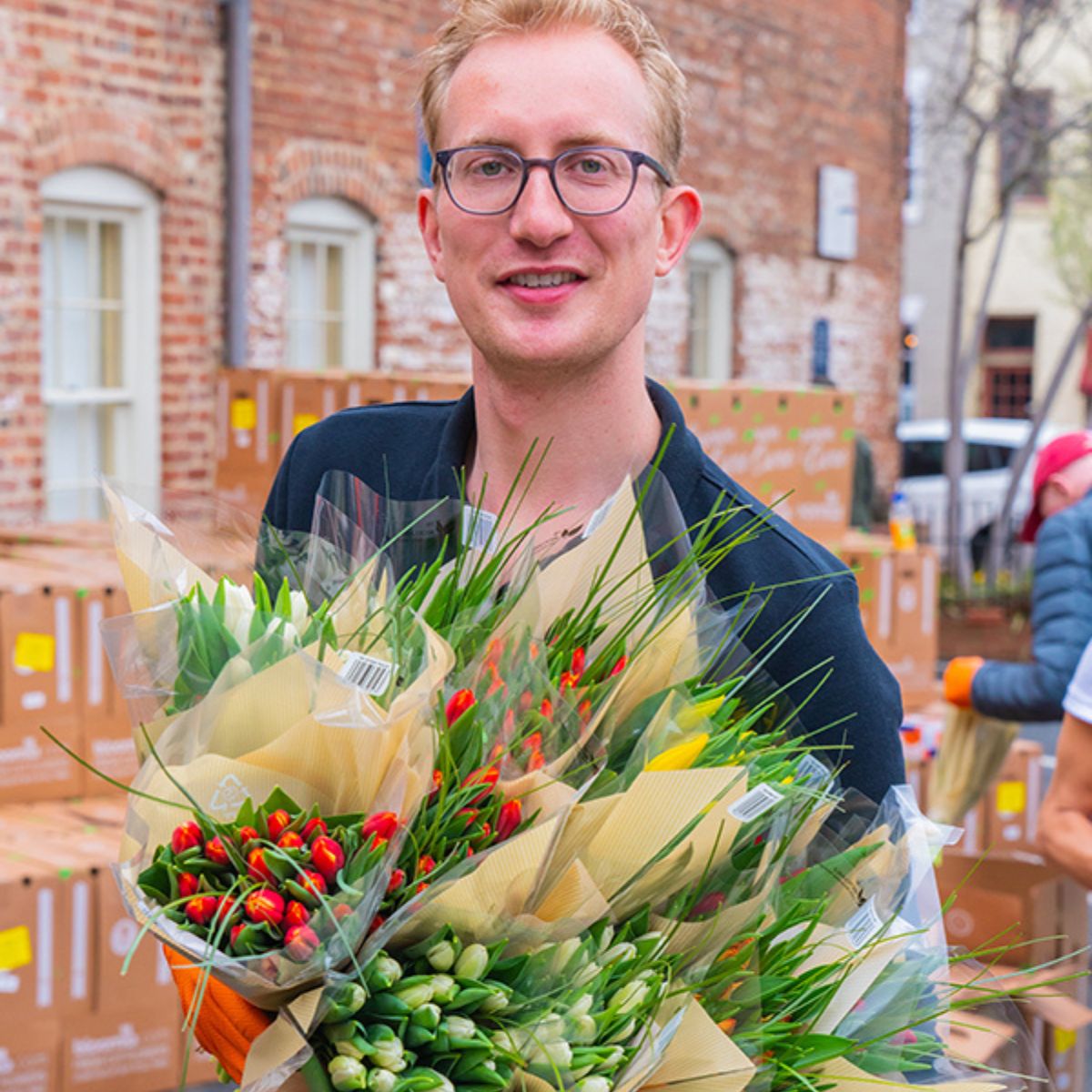
And then there is Bloomia. CEO Werner Jansen, who brought Dutch hydration technology from Amsterdam to King George, Virginia, has built one of the largest tulip operations in the United States – roughly 75 million stems a year sold into Whole Foods, Publix, Trader Joe's, Kroger, and Wegmans. Bloomia is a useful reminder that "American-grown" is not an isolationist category. Dutch capital, Dutch know-how, and U.S. soil combine into a Virginia-grown tulip that meets American consumers where they are. Ko Klaver, president and CEO of Zabo Plant and an officer on the Certified American Grown board, plays a similar bridging role – Dutch-rooted leadership inside the American Grown coalition. Continental Floral Greens led the sponsorship effort, with VP of Brand and Market Strategy Madison Milgard, also a member of the American Floral Endowment's Sustainabloom committee, helping carry the message across the trade.
The Global Pattern
Step back from the Beltway and the picture gets larger. The local-versus-import debate is not a uniquely American conversation. France has the Collectif de la Fleur Française. The UK has the British Flower Collective. The Slow Flowers movement has been reshaping consumer expectations in North America for a decade. Japan has long protected domestic floriculture as cultural infrastructure. The world's flower market is quietly bifurcating into two layers: a long-haul commodity layer led by Colombia, Ecuador, Kenya, and Ethiopia, and a short-haul provenance layer that is showing up in every developed market. The 2026 Flower Fly-In is the United States's final joining of a movement that Europe has already been in for a decade.
What This Actually Means
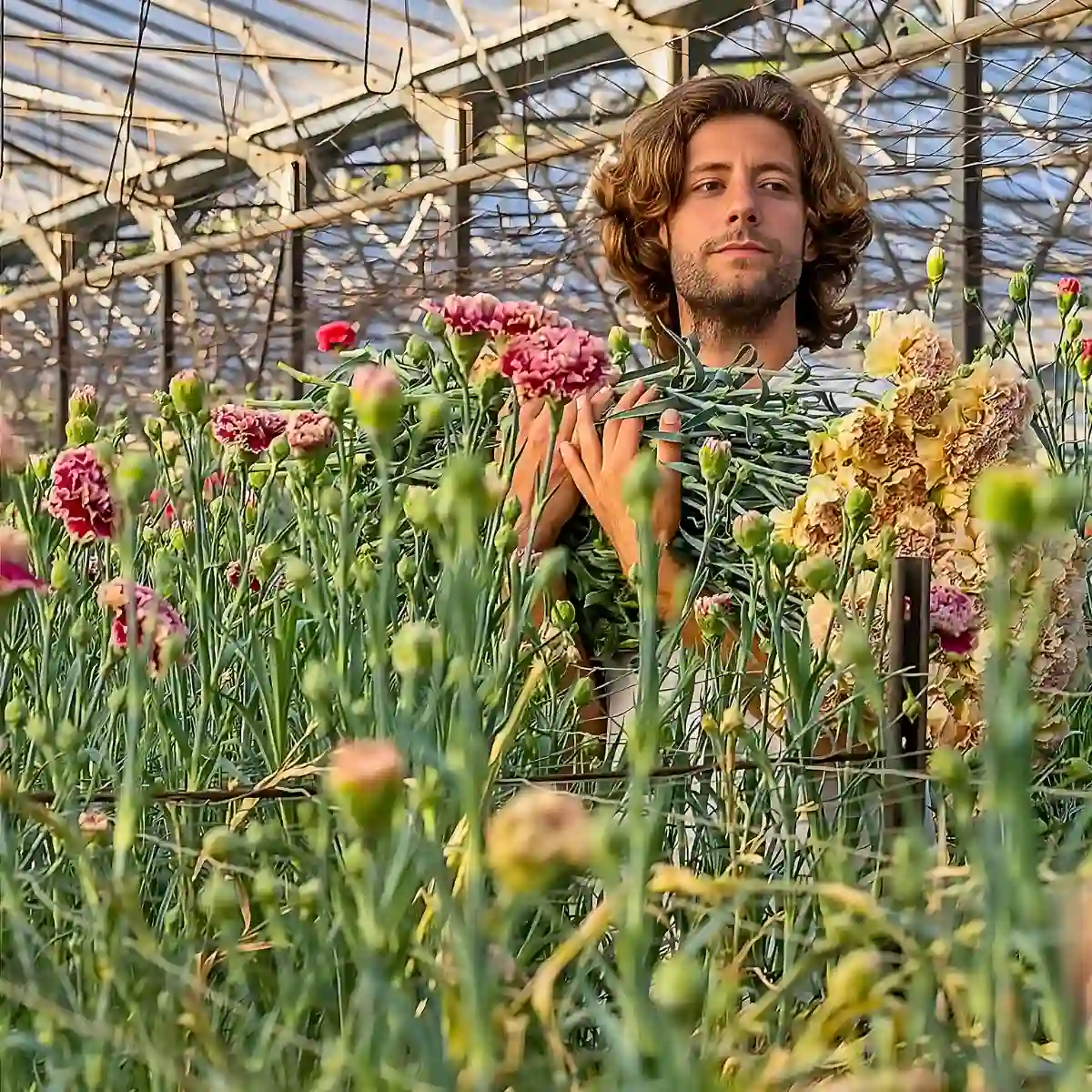
No flowers, no future. That principle is true on every continent. Whether you grow tulips in King George, roses in Live Oak, or carnations outside Bogotá, the underlying question is the same: how do we build infrastructure, policy, and demand that let real growers do real work in real places? American farmers asking Washington for symmetric support is not a threat to global trade – it is a sign that global trade is maturing into something more honest. The Thursd Shop is built around the same shift on the demand side: direct trade, real provenance, and infrastructure that connects growers and florists wherever they are.
American flowers deserve American support. Dutch tulips deserve their place. Colombian and Ecuadorian roses earned theirs. The goal is not to choose. It is to stop pretending the choice was ever a market outcome.