Americans spend close to $27 billion on floral products every year. Yet the flowers in their grocery store displays, bouquets, and arrangements are, in most cases, not grown on American soil. Only about 22% of flowers and foliage sold in the U.S. are domestically grown, with what's left sourced from overseas farms.
That gap is what American Grown Flowers set out to close. As a non-profit trade association with a growing network of flower farmers across all the states, the organization works methodically to put American flower farms and growers back at the center of the nation's floral supply chain.
What/Who Is American Grown Flowers?
So, what (or rather who) is American Grown Flowers? What do they do? American Grown Flowers is a non-profit trade association founded in 2021 to support and promote flower and foliage farmers across the United States. Their ambitious mission is to ensure the being and a thriving future for American cut flower and foliage growers.
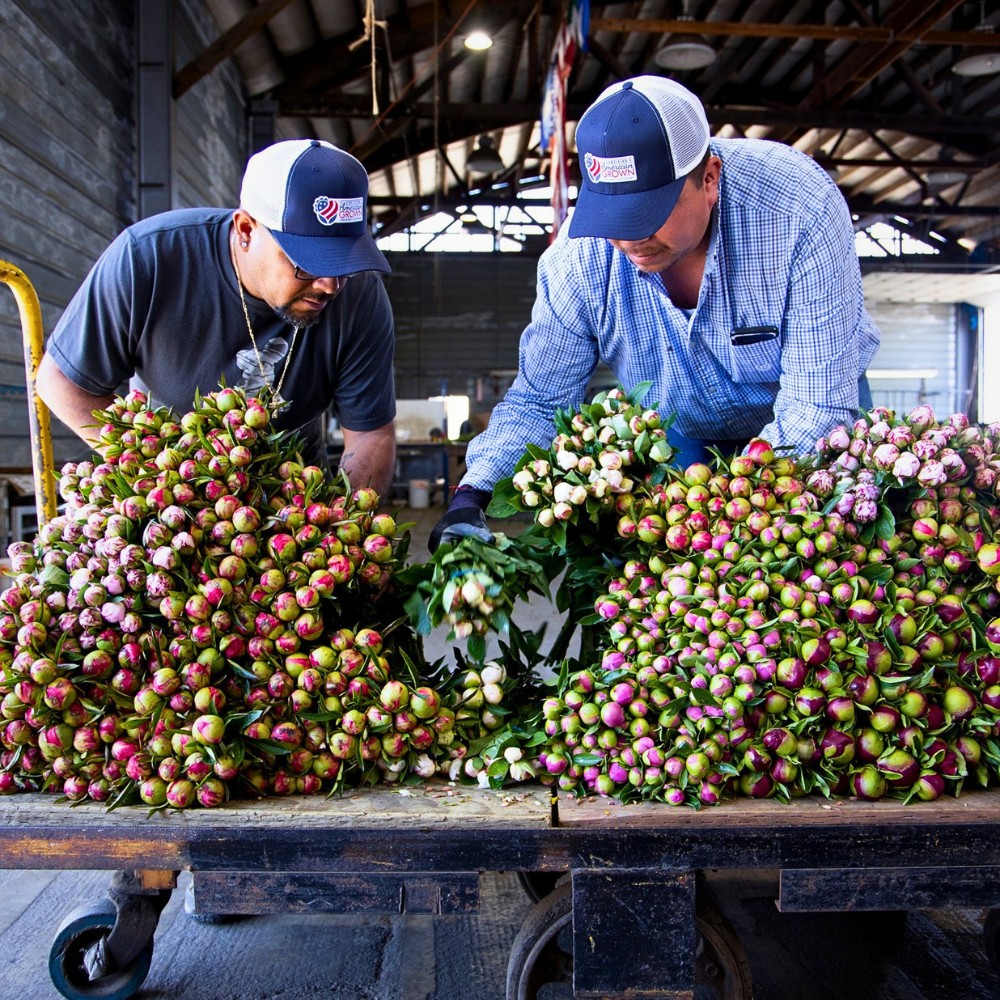
The organization is farmer-led from the ground up. Its Board of Directors consists of 13 American flower and foliage farmers and an Industry Advisor, all elected by their peers. They represent farms of all sizes, specialties, and regions, from small family operations to large commercial growers, giving the domestic farming community a combined and credible voice in conversations that have historically overlooked them.
Their governance structure means the organization's policies, programs, and priorities are shaped by people actively farming, and not industry outsiders. Membership in the organization is open to both farm members and associate members from the general floral trade. And the members gain access to national awareness campaigns, social media and email marketing, participation in special events, and year-round federal advocacy on behalf of domestic growers.
Why 'American Grown Flowers' Was Needed
The founding of American Grown Flowers in 2021 was in reaction to an industry in long-term, structural decline. The U.S. flower farming sector had been losing ground to imported products for decades, a trend that accelerated sharply after the 1991 Andean Trade Preferences Act gave Colombia and Ecuador duty-free access to the American cut flower market.
The policy was designed as a counter-narcotics measure, intended to give Andean farmers a legal alternative to coca production. It worked for that purpose. The side effect, however, was severe, as American rose production fell by roughly 95% in the years that followed, as domestic growers could not compete with the combination of lower labor costs and tariff-free access enjoyed by South American farms.
Today, approximately 85% of cut flowers sold in the United States are imported, with Colombia and Ecuador accounting for the majority. Imports from Colombia alone nearly doubled between 2020 and 2024, climbing from $667 million to $1.24 billion.
The U.S. floral market is, therefore, one of the most import-dependent of any developed nation, and American Grown Flowers was established to address that verity through consumer education, policy advocacy, and organized industry representation that had seemingly been absent for quite a long time.
Programs, Events, and Federal Advocacy
American Grown Flowers runs several programs designed to build visibility, strengthen the flower farming community, and push for the policy changes the industry needs. Field to Vase Dinners is among the organization's most renowned initiatives, taking place on working flower farms across the country.
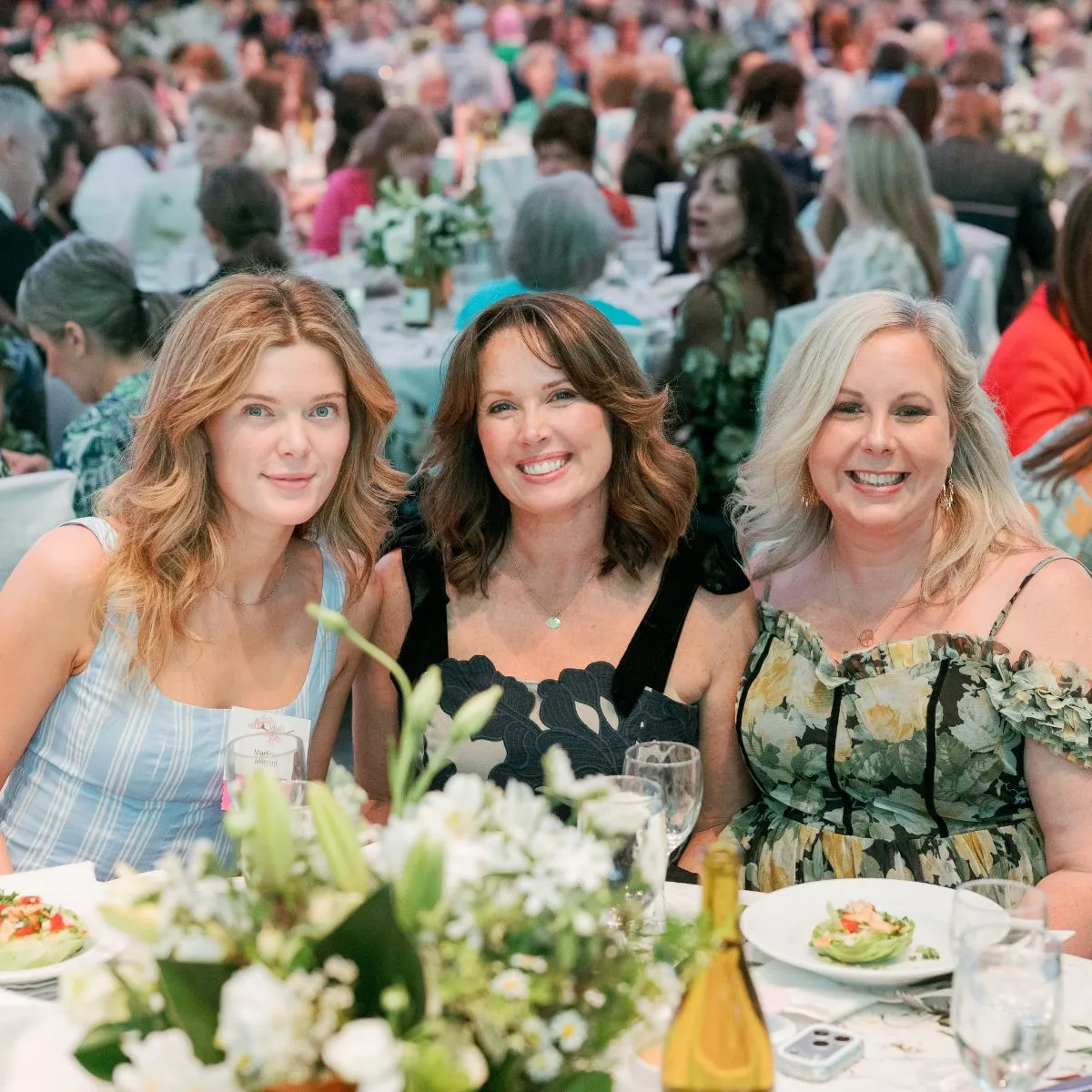
These award-winning events bring together consumers, florists, floral designers, and industry professionals for an experience that connects people with the farms and farmers behind their flowers. For many attendees, a Field to Vase Dinner is the first time they have seen a commercial cut flower operation up close, and the influence on buying habits and professional sourcing decisions is felt.
American Grown Month is another (annual) awareness campaign that encourages consumers, florists, retailers, and event professionals to seek out and purchase American-grown flowers and foliage during a dedicated period each year. The campaign drives media coverage, social engagement, and retail action at a national scale.
Federal Advocacy is also a year-round commitment and arguably the most impactful work the organization does. Floriculture has been a recognized specialty crop since 2004, yet it often falls through the cracks of federal support programs. Recent relief packages illustrate the problem evidently.
The $11 billion Farmer Bridge Assistance Program announced in late 2025 routed payments to row-crop producers, including corn, soy, wheat, and cotton, and excluded flowers totally. The companion $1 billion Assistance for Specialty Crop Farmers program was designed to address that, but cut flowers have continued to slip through the cracks of a system that was never built with floriculture in mind.
Advocacy work was particularly evident in spring 2026, when American Grown Flowers organized the annual Flower Fly-In, bringing U.S. flower and foliage farmers to Capitol Hill and USDA offices in Washington, D.C. The delegation, led by Felicia Alvarez of Menagerie Farm and Flower and President and CEO of American Grown Flowers, included growers from Texas, California, Colorado, New Jersey, Virginia, and elsewhere.
Their appeals included a USDA-administered $12.2 million competitive grant program for floriculture marketing, research, and supply chain investment, passage of the Don Young American Grown Act, a bipartisan bill requiring federal agencies to procure American-grown flowers for official government events, continued funding for the Floriculture and Nursery Research Initiative (FNRI), the only federal research line dedicated to floriculture, significant crop insurance and disaster program access through the next Farm Bill, and improved USDA data collection so the industry stops disappearing from the official record.
The Fly-In, one might say, is quite the direct, coordinated advocacy that did not exist much for American flower growers and farmers before this institution was formed.
The Heart Seal Which Makes Flower Origin Visible
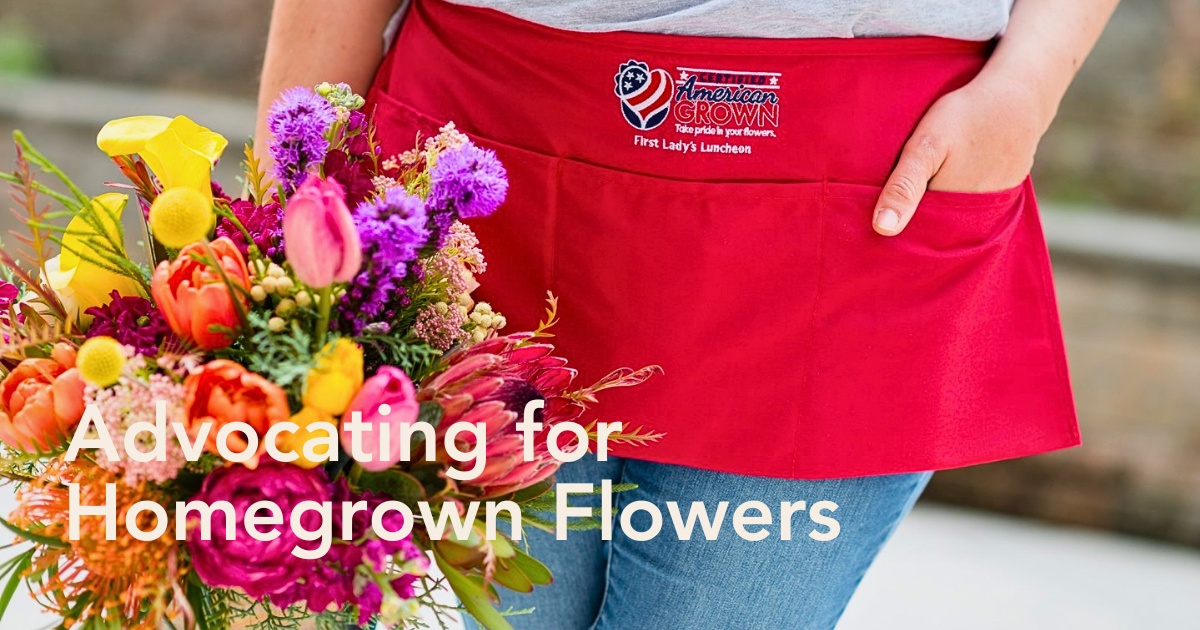
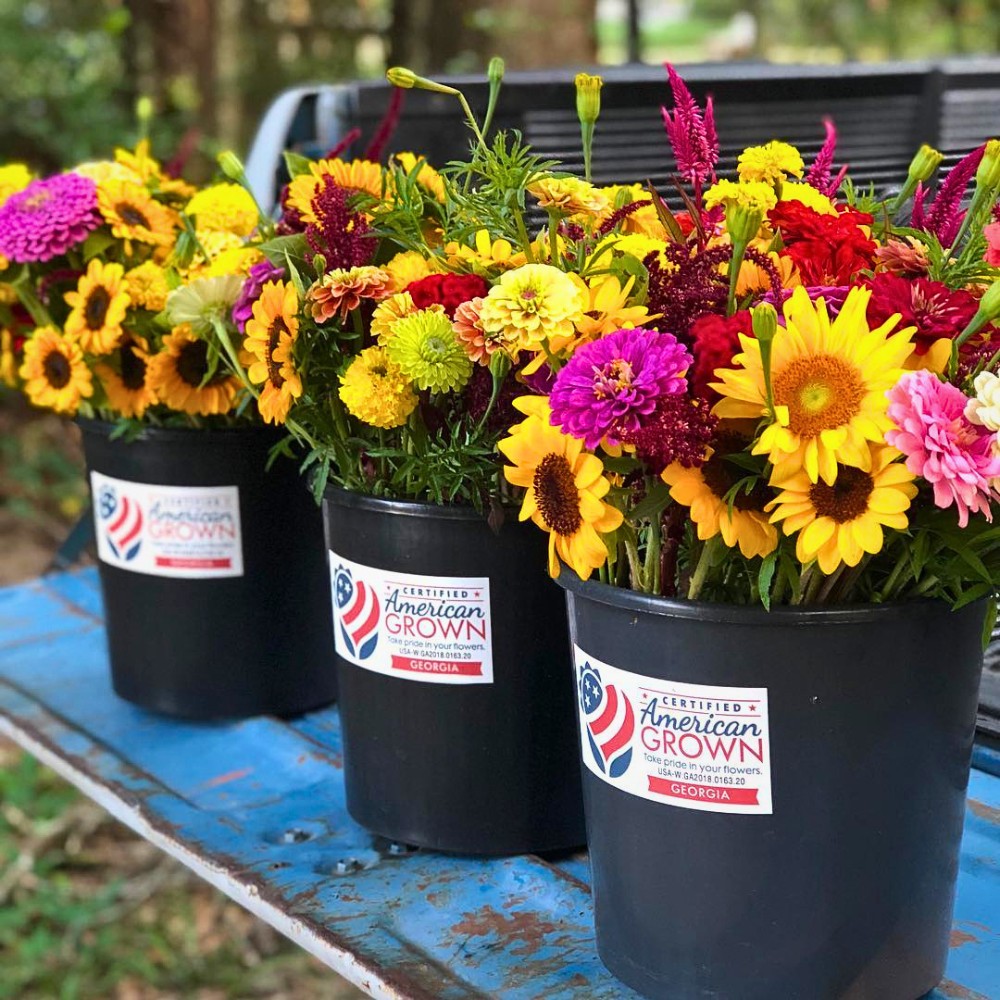
One of the organization's most useful tools is its Heart Seal, a certification mark that helps consumers identify domestically grown products at the point of buying. Whenever a buyer sees the American Grown Flowers Heart Seal on a bouquet or arrangement, it means that the flowers were grown in the United States to the quality and freshness standards that American growers uphold.
Why is that so important? It is simple in that in most retail floral settings, the country of origin is not displayed prominently, and consumers have little way of knowing whether a bunch of roses at their local grocery store came from a farm in California or from an operation elsewhere outside the country. The Heart Seal, therefore, gives American growers a visible identity and consumers a clear indicator to look for.
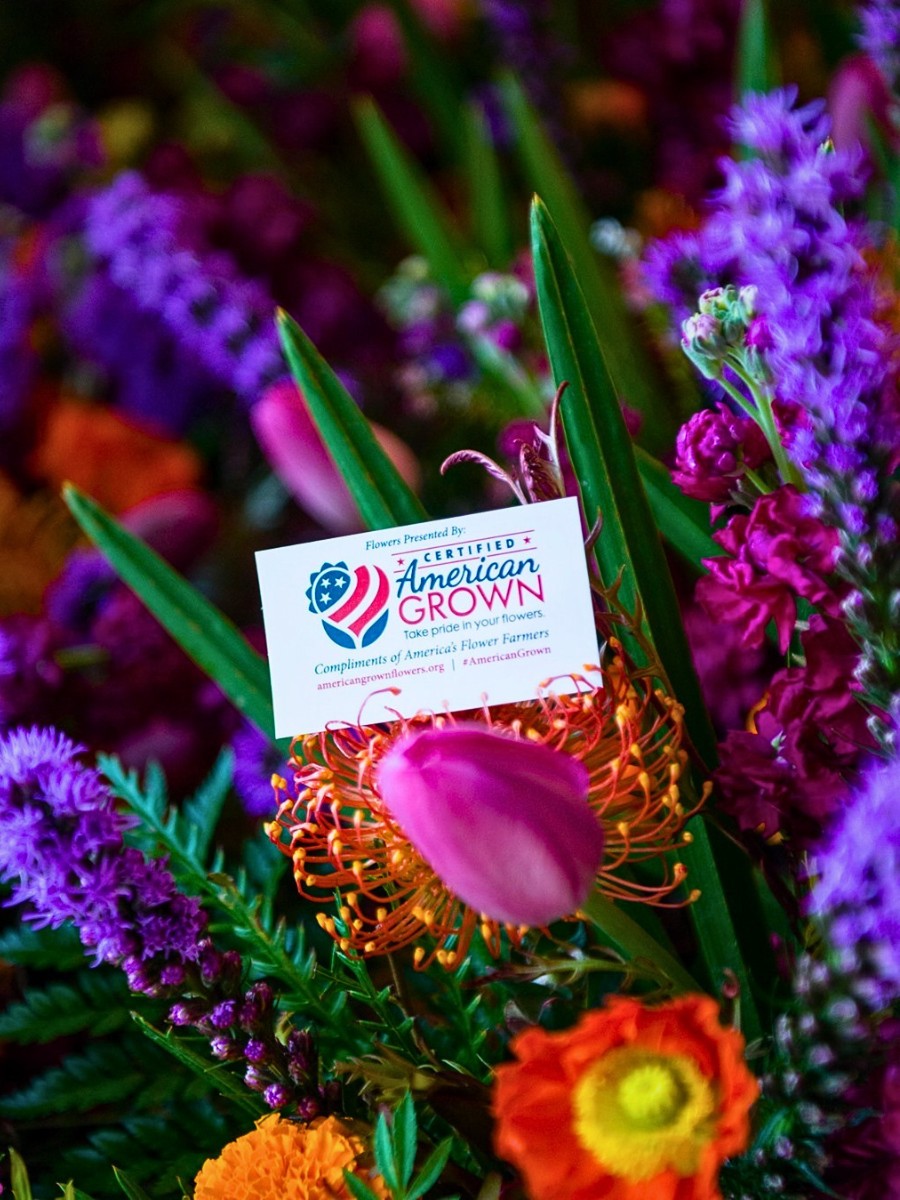
The seal carries more. American-grown flowers need not travel much before reaching a consumer. They arrive fresher, thus last longer, and are grown under production standards that many buyers find more traceable. For florists, event designers, and everyday consumers who care about where their product comes from, the seal is a reliable shortcut to that information.
There is still more. In an economic case, the American flower and foliage industry generates a daily economic impact of close to $42 million, supporting hundreds of farms, thousands of small businesses, and tens of thousands of jobs nationally. Purchases directed toward American-grown products reinforce that economic basis.
A Countrywide Flower-Grower Network
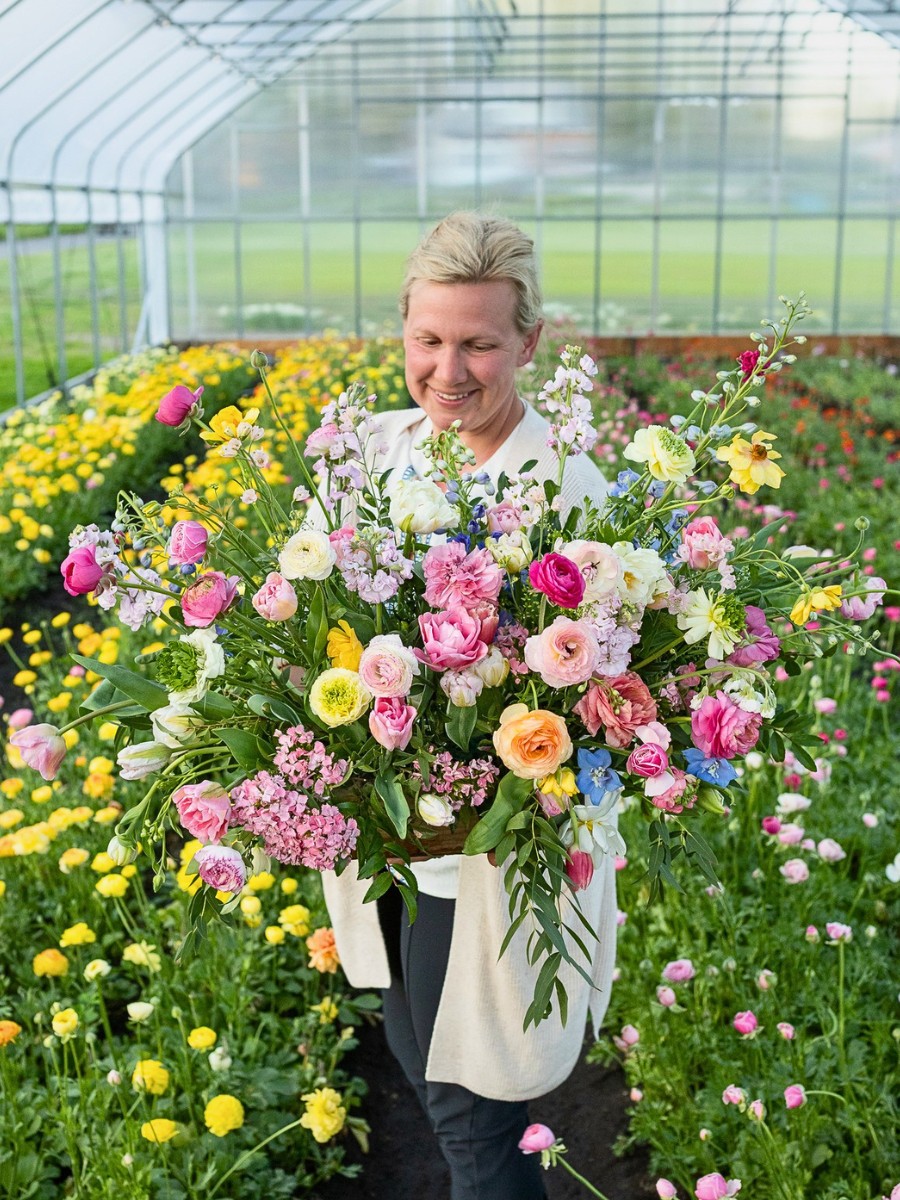
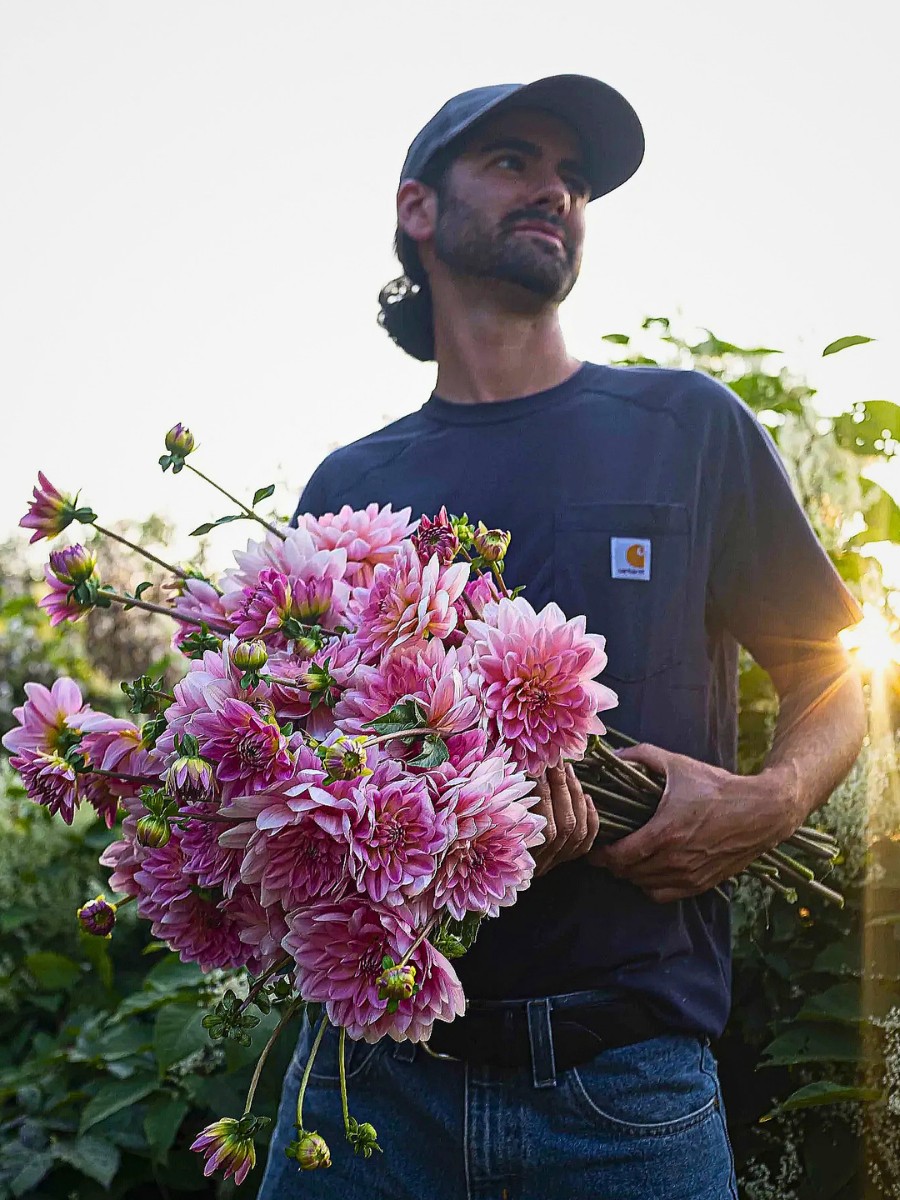
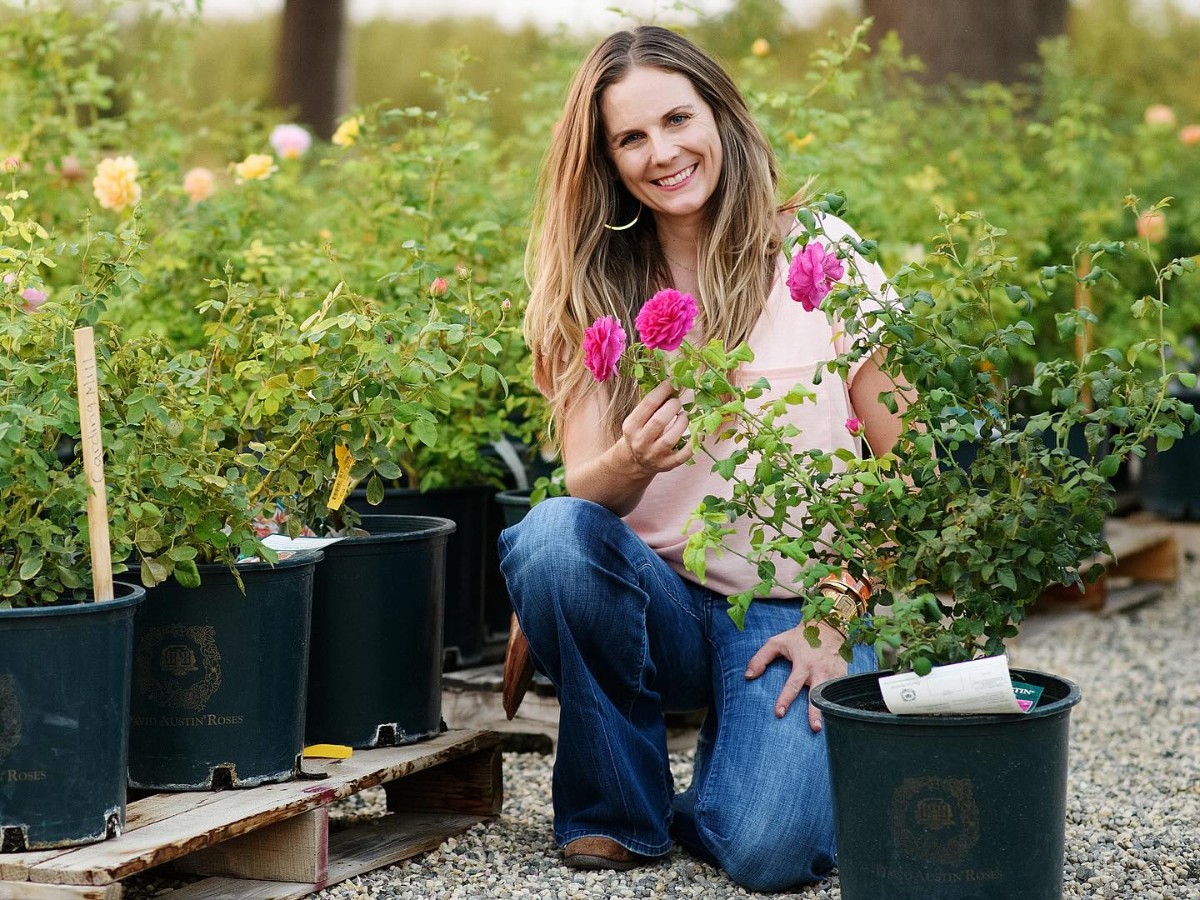
American Grown Flowers maintains a searchable online directory of member farms, filterable by state, crop variety, and distribution method. The network ranges from operations in Alaska to Florida, California, and other states, covering a wide range of specialty crops, including peonies, roses, sunflowers, Dahlias, Ranunculus, Hydrangeas, tulips, Lisianthus, snapdragons, and dozens of other varieties.
Member growers and farms sell their products to consumers, floral designers, retailers, wholesalers, and distributors, and many offer direct farm pickup, farmers' market sales, local delivery, and national shipping options. Their directory is a resource for florists and event planners looking to source domestically, as well as for consumers who want to buy right from American growers.

This directory is also a sign of how wide the American Grown Flowers tent is, given that its membership includes small specialty farms run by individual families, mid-size regional operations, and large commercial greenhouse producers, as well as industry associate members from across the supply chain.
Featured image by @americangrownflowers. Header image by @americangrownflowers.