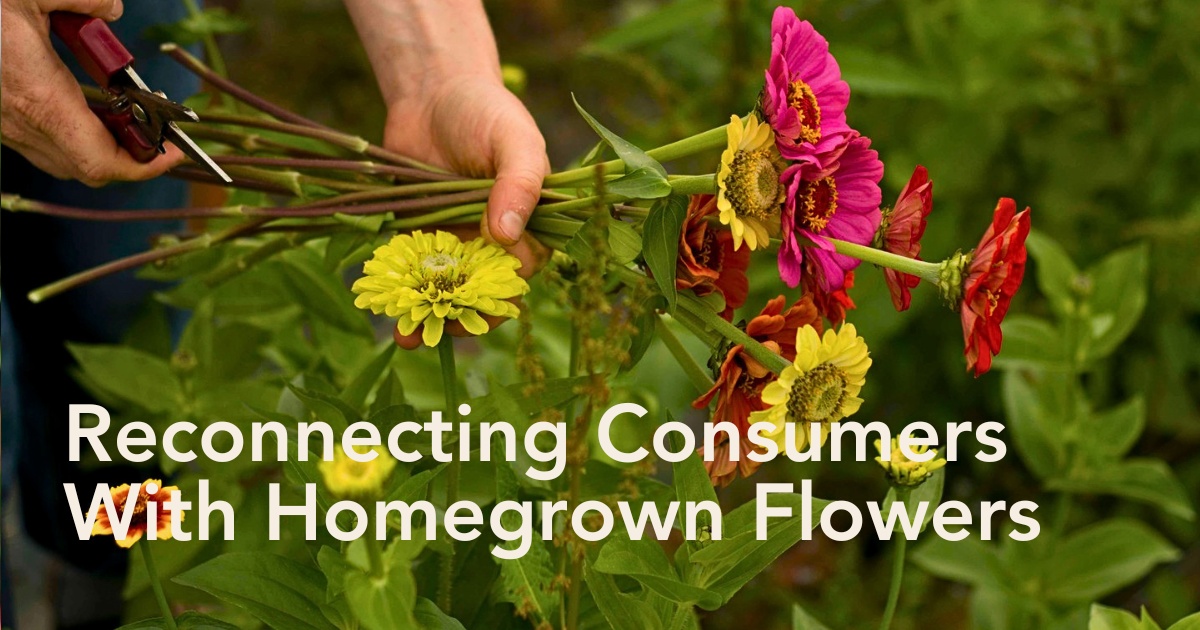
France imports roughly 85% of its cut flowers. And so, a growing network of growers, florists, and industry professionals decided that the number needed to change. Collectif de la Fleur Française is the organization that was formed to change it.
Started as an association in the tradition of the Slow Food movement, it is now the leading voice for local, seasonal flower production in France, bringing together hundreds of floral professionals under shared values and a program of action designed to reconnect French consumers with French-grown flowers.
About Collectif de la Fleur Française
The Collectif de la Fleur Française (CFF) is a French non-profit association dedicated to the promotion and consumption of locally grown, seasonal cut flowers in France. Its main mission is to support a more responsible form of agriculture and to change the consumption habits of average buyers, florists, retailers, and event professionals toward flowers grown on French soil.
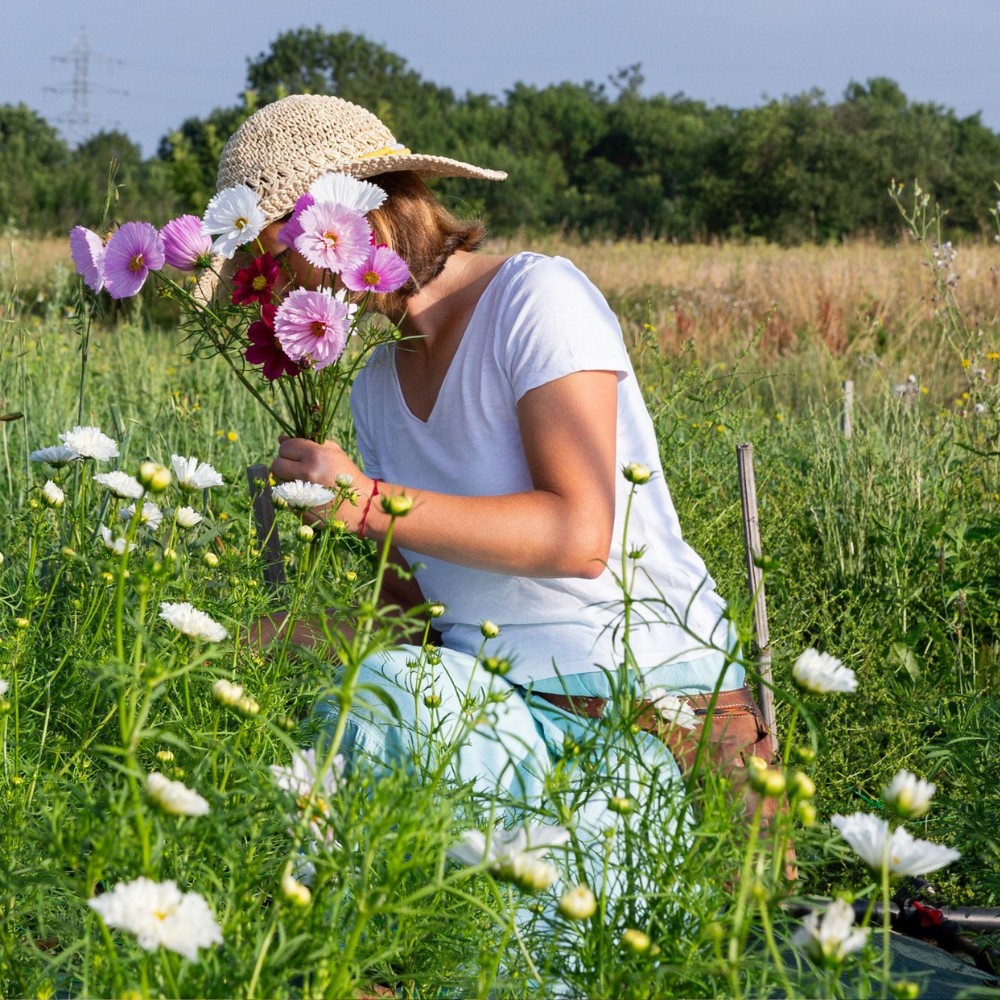
The CFF describes itself as a network at the service of the local and seasonal flower, and this framing is quite clear-cut. It does not work as a traditional trade union focused purely on the commercial interests of growers, but as a broad-based movement that includes producers, florists, and industry supporters, all working toward a common vision of a more sustainable, traceable, and locally rooted French floriculture sector.
The association drew direct inspiration from the cut flower relocalization movement that originated in the United States in the mid-2000s, a movement that has since spread across much of the world. Much as the Slow Food movement built a philosophy and a network around local, responsible food production, the Collectif de la Fleur Française applies the same logic to cut flowers, which outlines everything the organization does.
What Was the CFF Created to Address?
France's situation mirrors what has happened in many developed countries. Currently, approximately 85% of the flowers used there are imported. Nowadays, many buyers care about where their flowers come from, what conditions they were grown in, and what the environmental cost of their purchases is.
The CFF was established to address this through consumer education, industry organization, and an infrastructure that makes it easier for professionals and buyers to access French-grown alternatives. Rather than simply criticizing the status quo, the association set out to build the tools and the community that a functioning local flower sector needs.
CFF’s Formation and Instituting Philosophy
The CFF emerged from a growing recognition among French flower growers and industry professionals that the decline of domestic floriculture was neither inevitable nor irreversible. The founders looked to the experience of the American Slow Flowers movement, which had shown that organized advocacy, consumer education, and a credible network of growers could change purchasing behavior and industry norms within a relatively short time.
Its founding philosophy is set out clearly in the association's manifesto, describing the ‘renaissance of the floral art of living’ as an expression of a new generation's longing for authenticity, generosity, and a different way of living together. This gives the CFF a cultural element that is more than just simple commercial advocacy. It positions the choice to buy French-grown flowers as a value statement about the type of agricultural economy and way of life that consumers want to support, and not just as a purchasing decision.
What the Collectif de la Fleur Française Does
CFF's work falls into several areas that together form a coherent and effective program of action.
The Member Directory
They maintain the first national directory of professionals committed to relocalizing cut flower production across France. This searchable directory lists producers, florists, and other industry participants who have formally committed to the values and standards the association promotes.
It is a useful resource for florists and event planners looking to source French-grown flowers, for consumers wanting to buy directly from local growers, and for media seeking to tell the story of French floriculture. The directory is interactive and map-based, making it easy to find committed producers by region.
Seasonal Flower Calendar
One of the most resourceful tools the CFF offers is its regional seasonal flower calendar, which tells growers, florists, and consumers which flowers are available from French farms at any given time of year, broken down by region. This calendar addresses a key barrier to local flower sourcing. Buyers often do not know what is available domestically and end up defaulting to imported options, not because they prefer them, but because they lack information to make a different choice. The seasonal calendar eliminates that barrier.
Les Journées de la Fleur Française
The Journées de la Fleur Française (French Flower Days) are the CFF's most visible public-facing program. These events, organized on a regional basis across France, bring consumers face to face with local growers and their flowers, creating a connection between producer and buyer that drives lasting changes in purchasing habits.
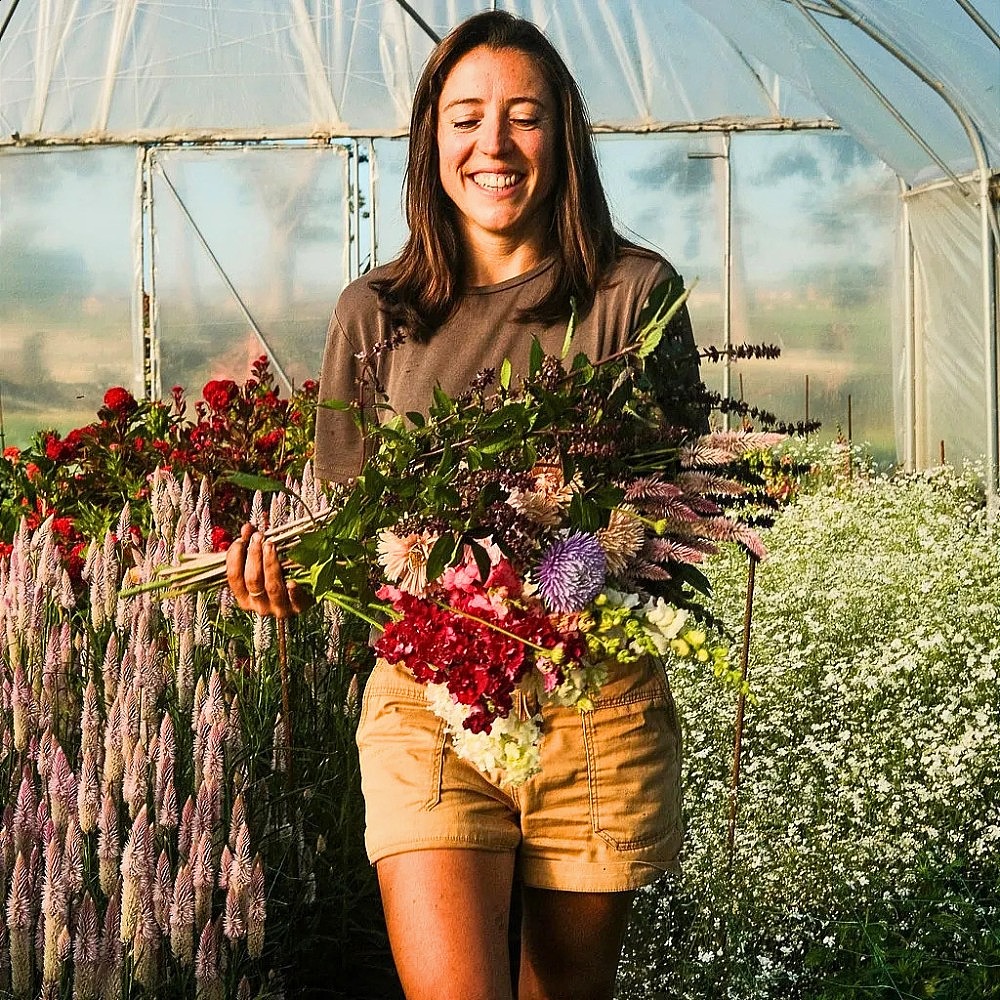
The events are a celebration of French-grown flowers and an opportunity for growers to find new customers, build relationships with local florists, and raise the visibility of local flower farming in their communities. An interactive map shows all upcoming event locations, and growers can register to participate directly through the platform.
Member Communications and Media Presence
The CFF maintains an active presence in the French horticultural and general press, regularly placing member stories in publications like the weekly Rustica, which dedicates a monthly page to CFF members.
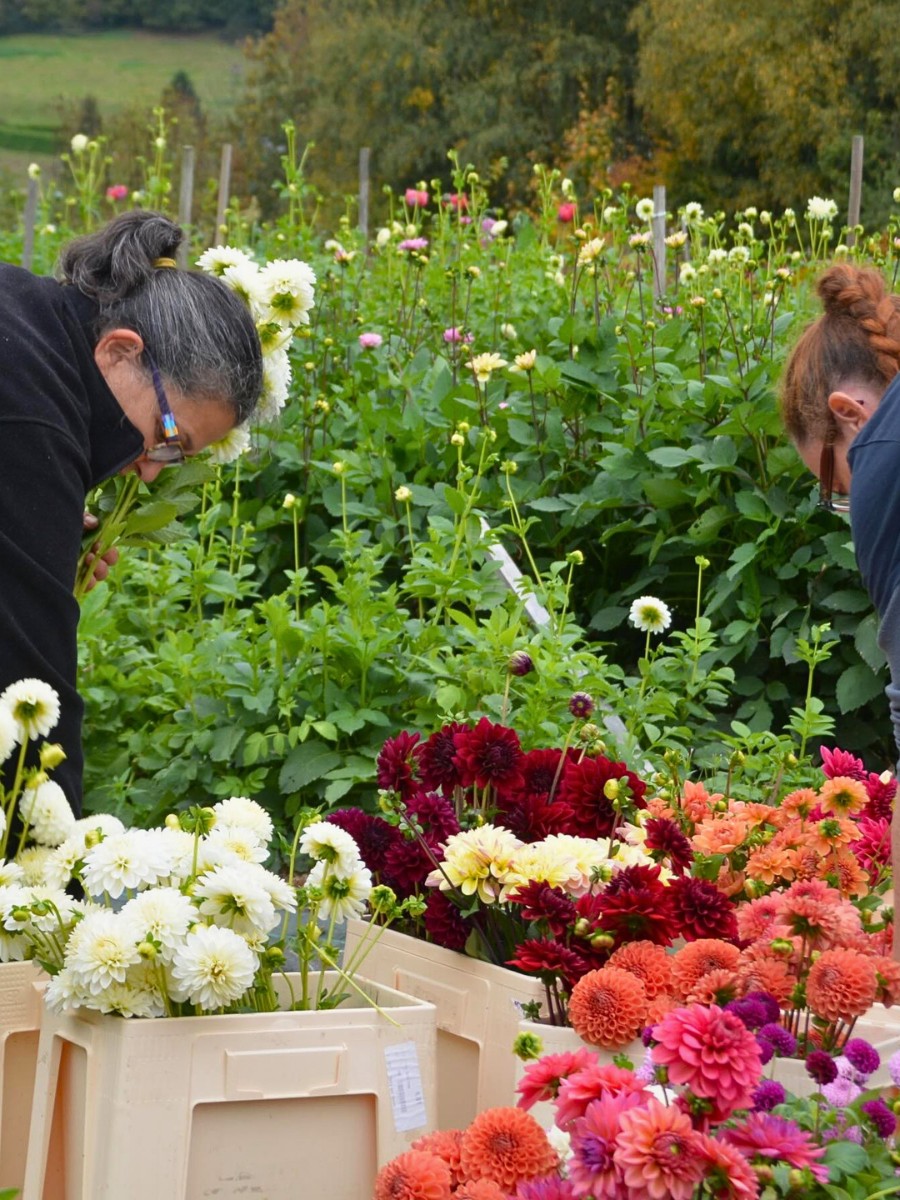
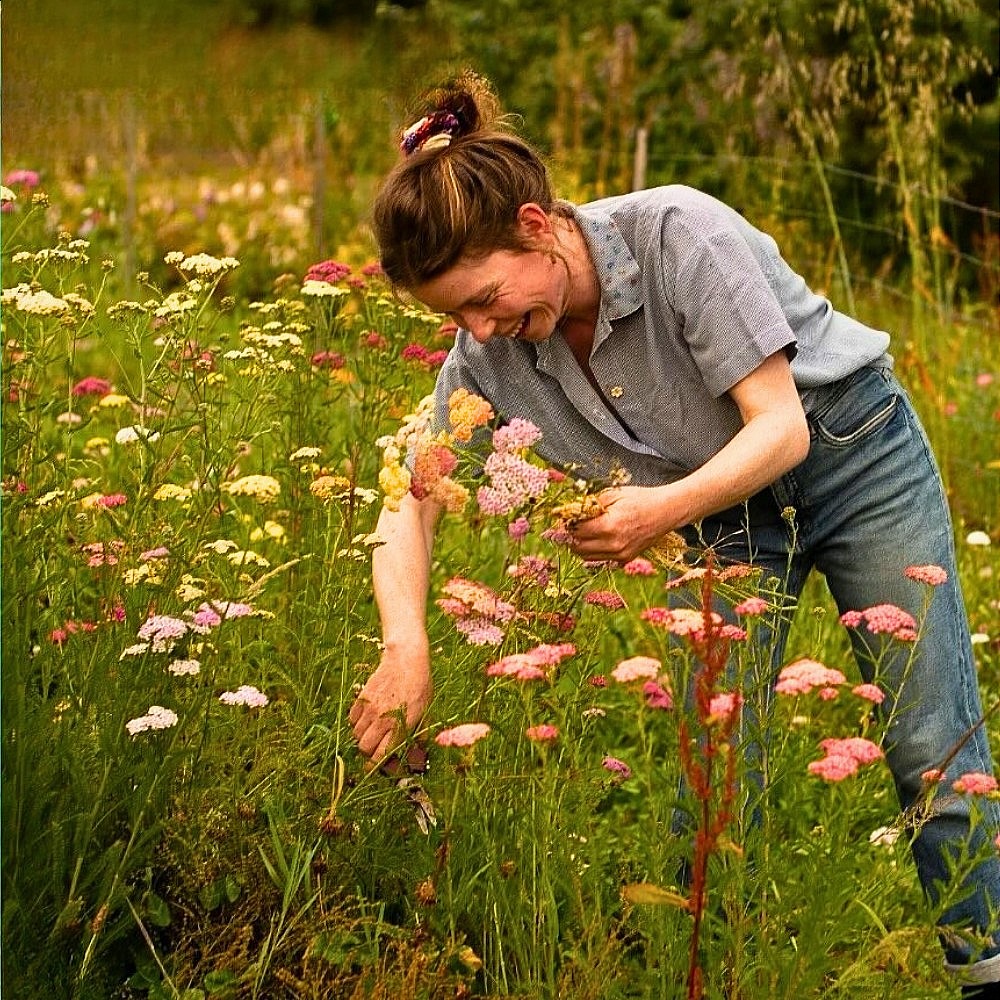
Recent coverage has highlighted individual growers, like Audrey and Ludovic Morel, featured for their work with anemones, and Lisa and Alexandre Brunet of Ferme Florale Botanik in Saint-Martin-des-Noyers. Such human-centered storytelling is essential for CFF's approach, connecting their mission of French floriculture localization to farms and people doing the work.
Sustainability and Industry Events
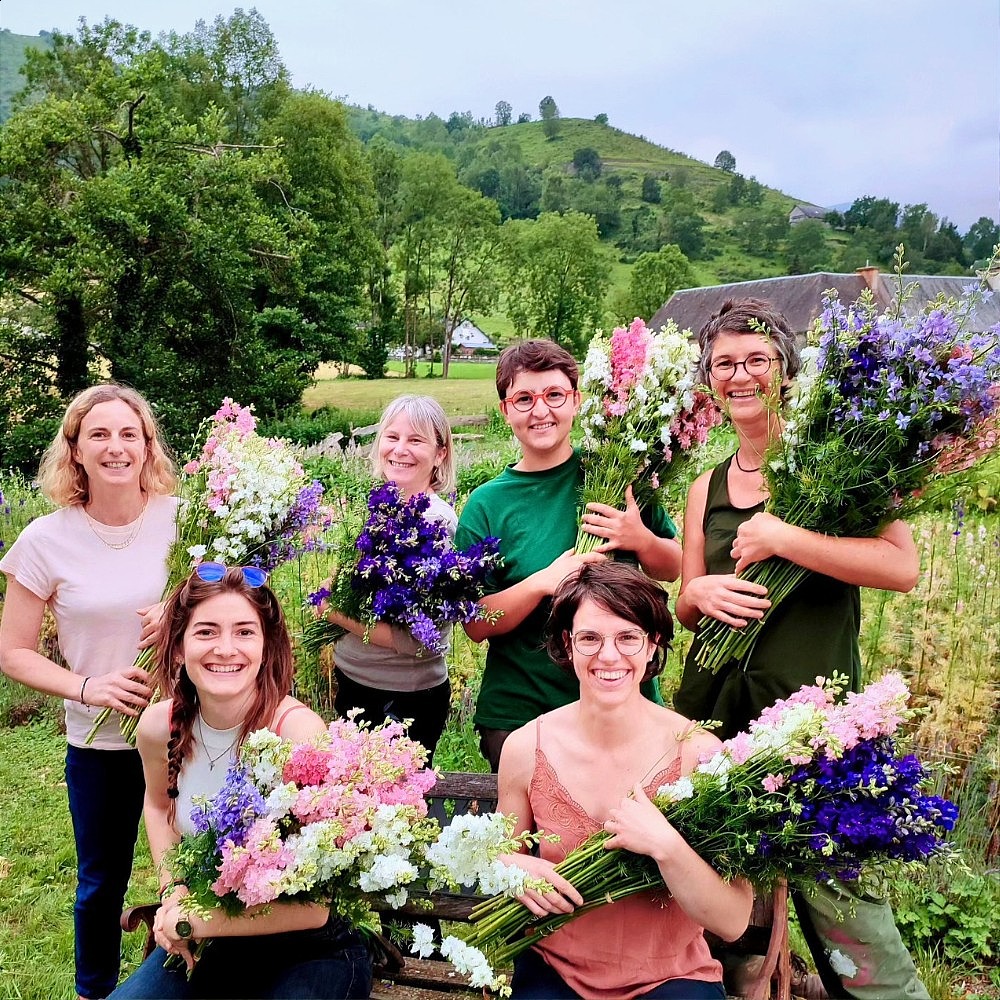
In January 2026, the CFF was involved in the first Salon de la Fleur Coupée Durable, a trade event dedicated to building a more sustainable cut flower sector. Events like this are meant to show the organization's role as a network for its existing members and also as an active player in shaping the direction of the French flower industry.
The CFF as a Global Movement
CFF does not work in isolation, but is part of a global change in how consumers, professionals, and policymakers think about flower provenance. In the United States, an analogous movement has been building for several years. American Grown Flowers, founded in 2021, has organized flower and foliage farmers into a national network, created certification tools, and taken the argument for domestic floriculture to the highest levels of the federal government.
The 2026 Flower Fly-In was a pointed illustration of what organized domestic flower advocacy looks like. American growers traveled to Capitol Hill and USDA offices in Washington, D.C., making the case for federal programs that would support domestic flower farming the way other specialty crops have long been supported.
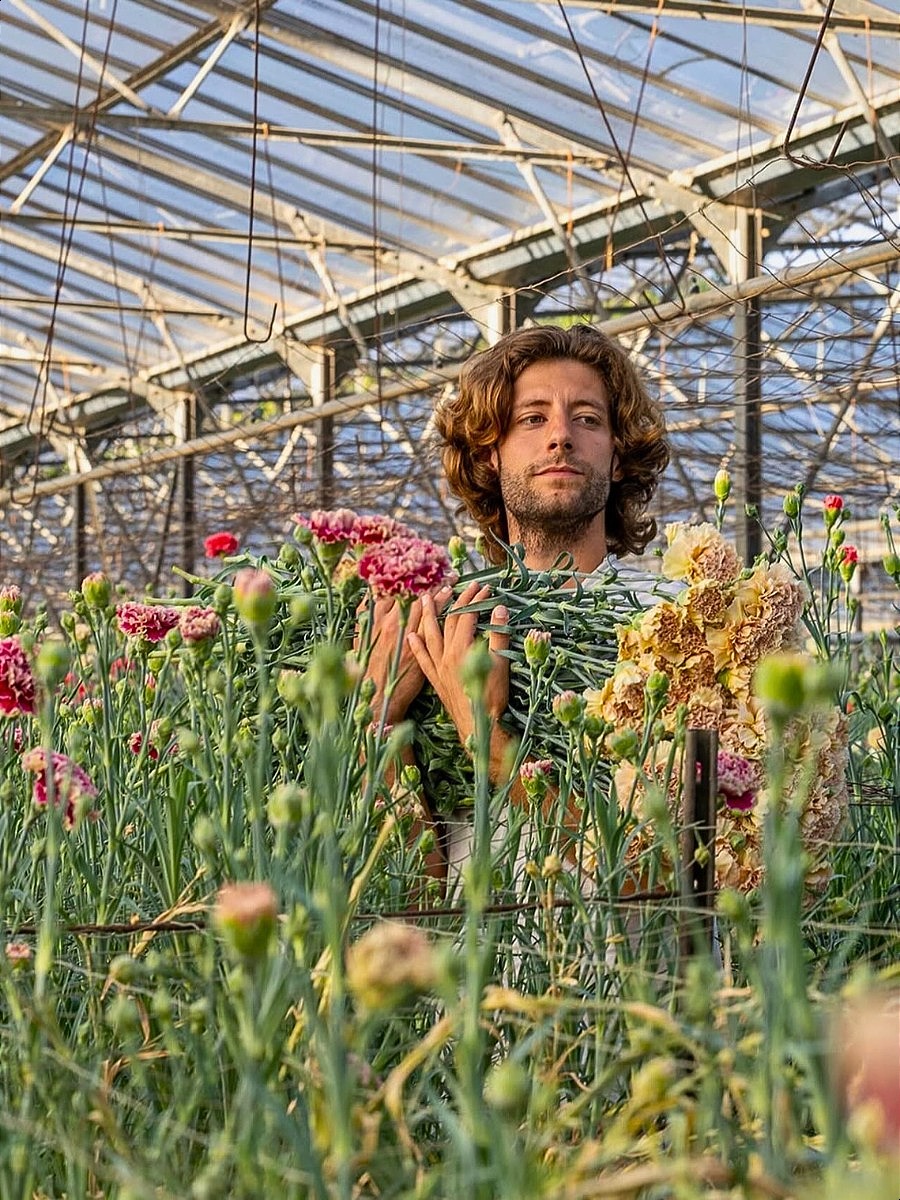
Their arguments, showing that 85% of American cut flowers are imported, a figure that parallels France's situation almost exactly, landed in congressional offices because growers had an organized platform, a clear set of policy demands, and credibility from years of coalition-building. This is the model the CFF has been developing in France: an organizational infrastructure that makes advocacy credible and consumer education effective.
The British Flower Collective is doing similar work in the United Kingdom, the Slow Flowers movement continues to expand across North America, and Japan also treats domestic floriculture as cultural infrastructure worth protecting. The world's flower market is bifurcating into a long-haul commodity layer and a short-haul provenance layer, and the CFF is France's rejoinder to that.
Why the Collectif de la Fleur Française Is Important
The case for what the CFF does is environmental and economic. Their environmental argument is that imported flowers have a carbon footprint, and their production conditions in many source countries are not subject to the labor and environmental standards that French buyers might prefer. Locally grown flowers, they argue, are generally fresher, last longer after cutting, and are produced under more visible and traceable conditions.
The economic case is that a healthy domestic flower farming sector supports local agricultural employment, keeps skilled horticultural knowledge active in French communities, and contributes to a short-supply-chain rural economy that many French locals say they want to support. The CFF gives buyers a way to act on that preference, and growers the network, visibility, and collective voice to make local production commercially viable.
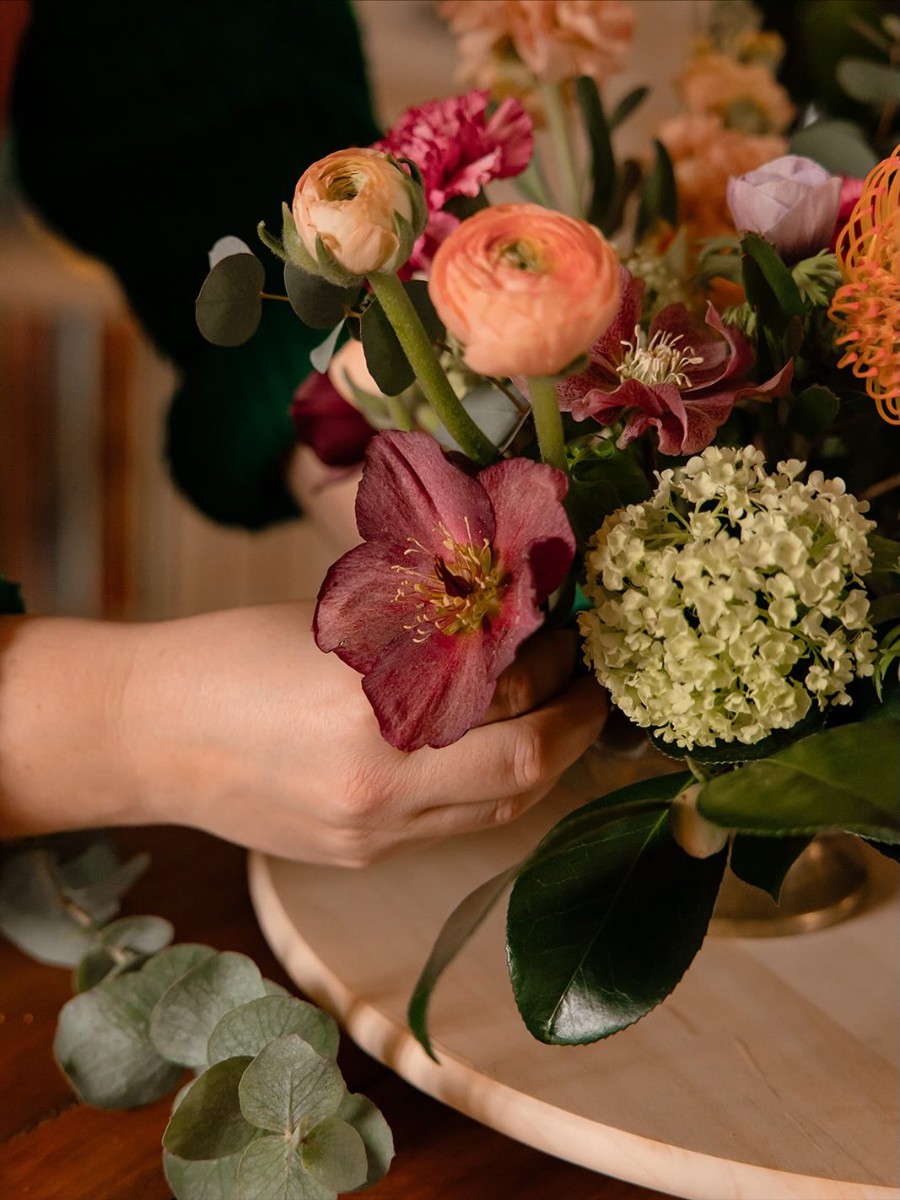
The association's manifesto puts it all as a matter of reconnecting with the land, encouraging agricultural know-how and craftsmanship, and building a floral economy that the next generation can be proud of.
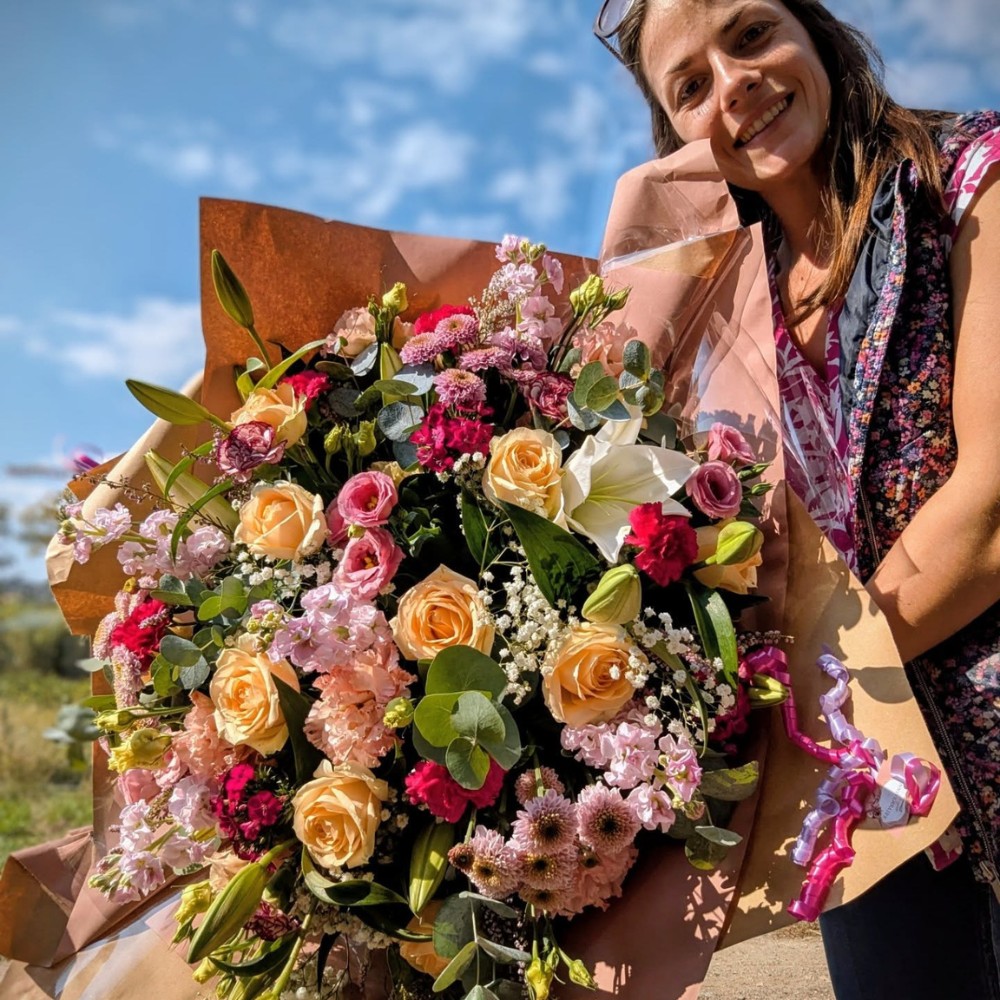
Featured image by @collectif_delafleurfrancaise. Header image by @printemps.fermeflorale.