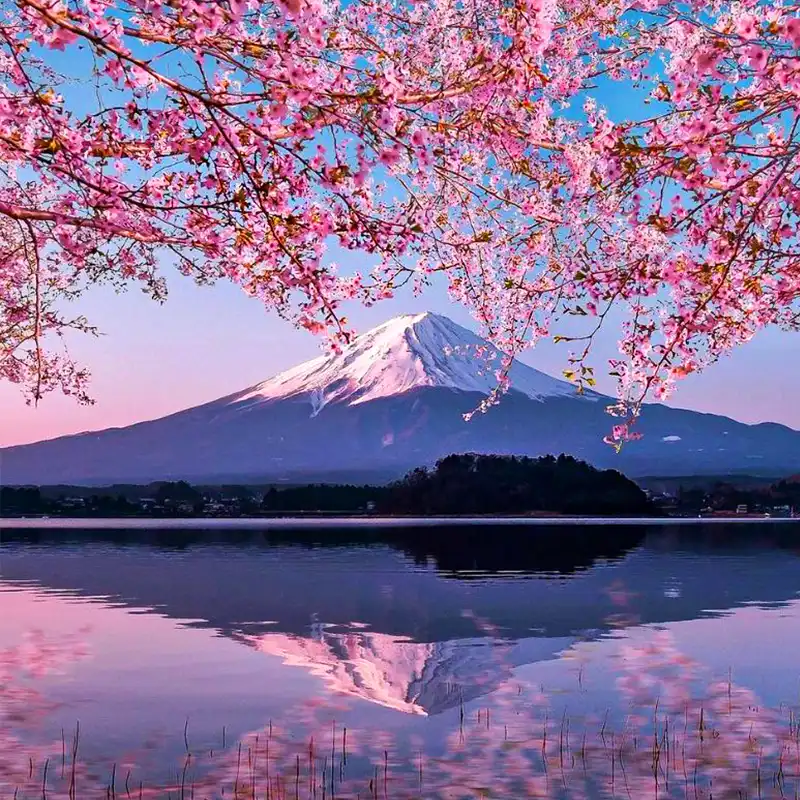
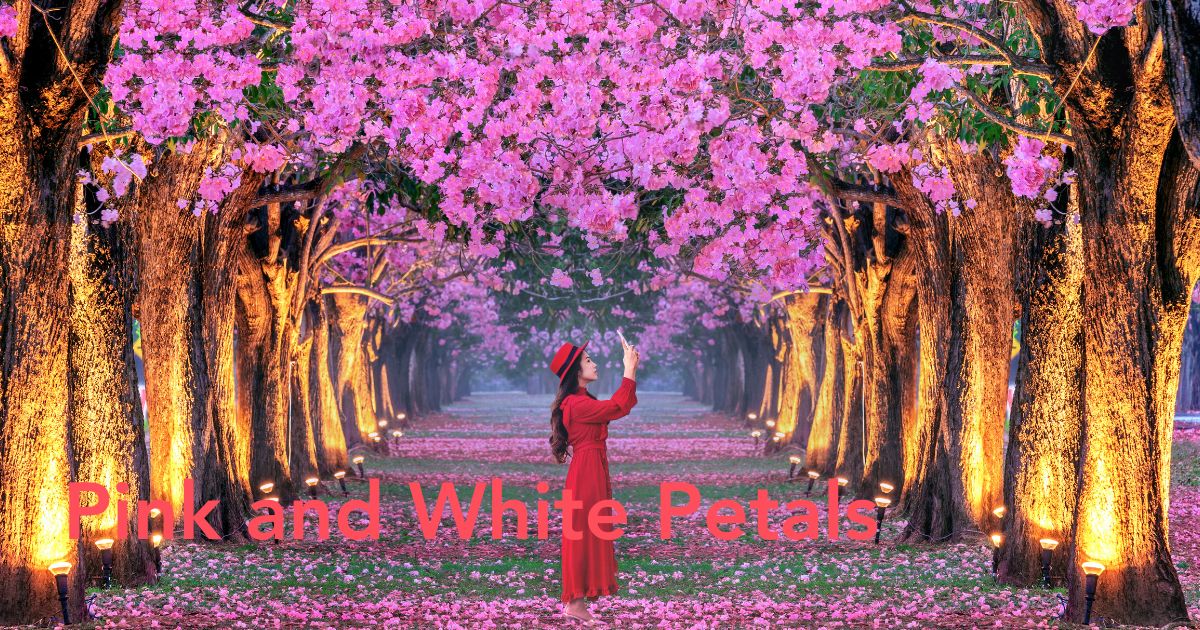
The arrival of spring is often heralded by a singular, breathtaking phenomenon that captures the world's collective imagination. Across continents, the delicate pink and white petals of the cherry blossom, or sakura, transform landscapes into ethereal tapestries of color. This annual awakening is more than just a seasonal change; it is a global cultural moment that resonates deeply with professional florists, landscape architects, and designers alike.
In recent years, the fascination with these ephemeral flowers has transcended traditional garden displays to become a cornerstone of international floral movements. From high-fashion runway installations in Paris to minimalist interior arrangements in New York, the aesthetic of the cherry blossom continues to set the pace for industry-wide trends. Its influence is rooted in a unique blend of historical reverence and modern versatility, making it a perennial favorite for creative professionals seeking to evoke both elegance and transience.
The Global Impact of Japan’s Floral Legacy
The sheer scale of interest in these flowers is supported by significant data. In 2025, the economic impact of the sakura season in Japan reached approximately 1.39 trillion yen, roughly equivalent to 9 billion US dollars. This surge was driven by over 42 million international visitors who traveled specifically to witness the peak flowers. For those planning to experience this firsthand, staying updated on the Japan Rail Pass blog for the latest blossoming forecasts is an essential step for navigating the country’s diverse regional schedules.
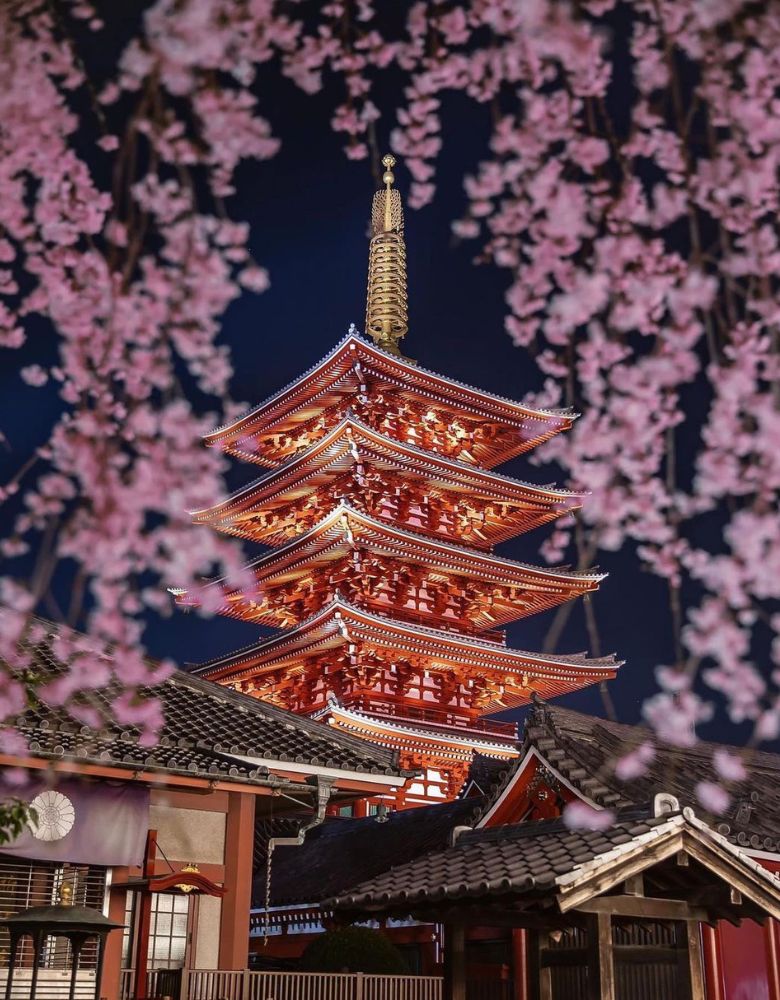
This massive influx of "floral tourism" has direct repercussions on global floriculture. As travelers return home, they bring a demand for sakura-inspired designs, prompting breeders and growers to innovate. According to the International Fresh Produce Association, 2025 consumer trends in the floral industry are increasingly focused on environmental harmony and the emotional resonance of specific varieties, a niche that the cherry blossom fills perfectly.
Sakura Aesthetics in Modern Professional Floriculture
The influence of the cherry blossom on professional design can be categorized through several distinct creative movements:
- Minimalist Branch Design: influenced by Japanese Ikebana, designers are moving away from dense bouquets toward structural "line" arrangements that highlight the natural curve of flowering branches.
- Sustainable Cultivation: There is a growing emphasis on developing disease-resistant varieties and flowers that require fewer resources, mirroring the resilience of ancient cherry trees.
- Digital and AI-Driven Trends: AI-driven inventory management and yield prediction are now being used to help growers align their production with the highly specific, time-sensitive demand of the spring peak.
In many urban centers, the "sakura effect" has led to a rise in permanent floral installations. Designers at Thursd frequently highlight how these installations use both fresh and high-quality silk blossoms to create year-round immersive environments. This trend reflects a broader shift toward "biophilic design," where natural elements are integrated into professional and retail spaces to improve well-being.
Economic Pressures and the Future of Floral Traditions
Despite its popularity, the cherry blossom industry faces modern challenges. Global inflation has impacted traditional celebrations, such as Japan's "hanami" picnics, where the cost of essential items rose by 25% compared to 2020 levels. These rising costs are compelling the industry to adapt by offering more value-driven products and focusing on sustainable practices that ensure long-term viability.
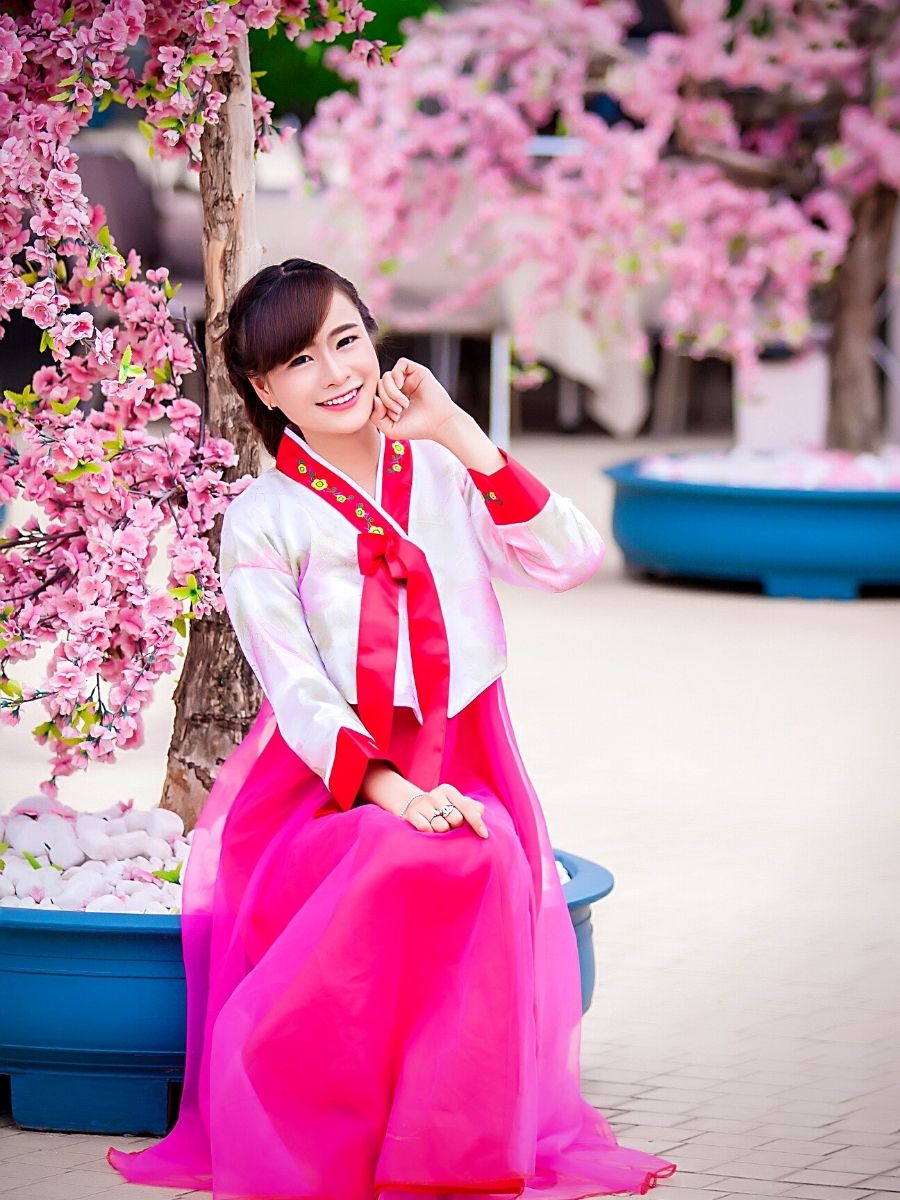
Photo by LichDinh
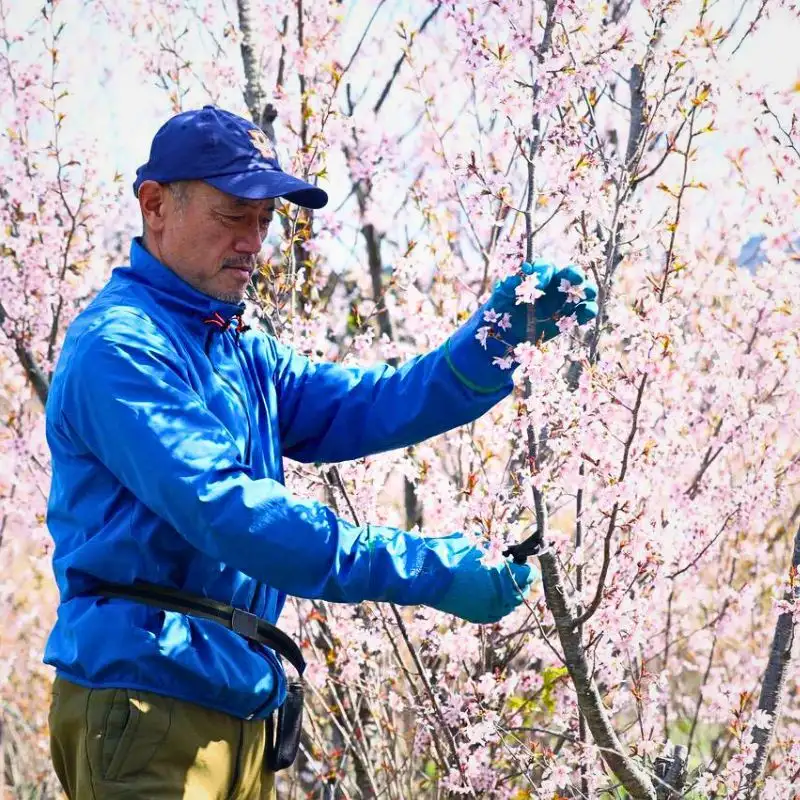
Furthermore, climate change is shifting traditional flowering windows. In 2025, Tokyo reached full flowers by March 29th, with variations across the archipelago influenced by rising spring temperatures. For the professional sector, these shifts mean that precision agriculture and real-time data from sources like the Japan Weather Association are becoming as critical as the artistic skill of the florist.
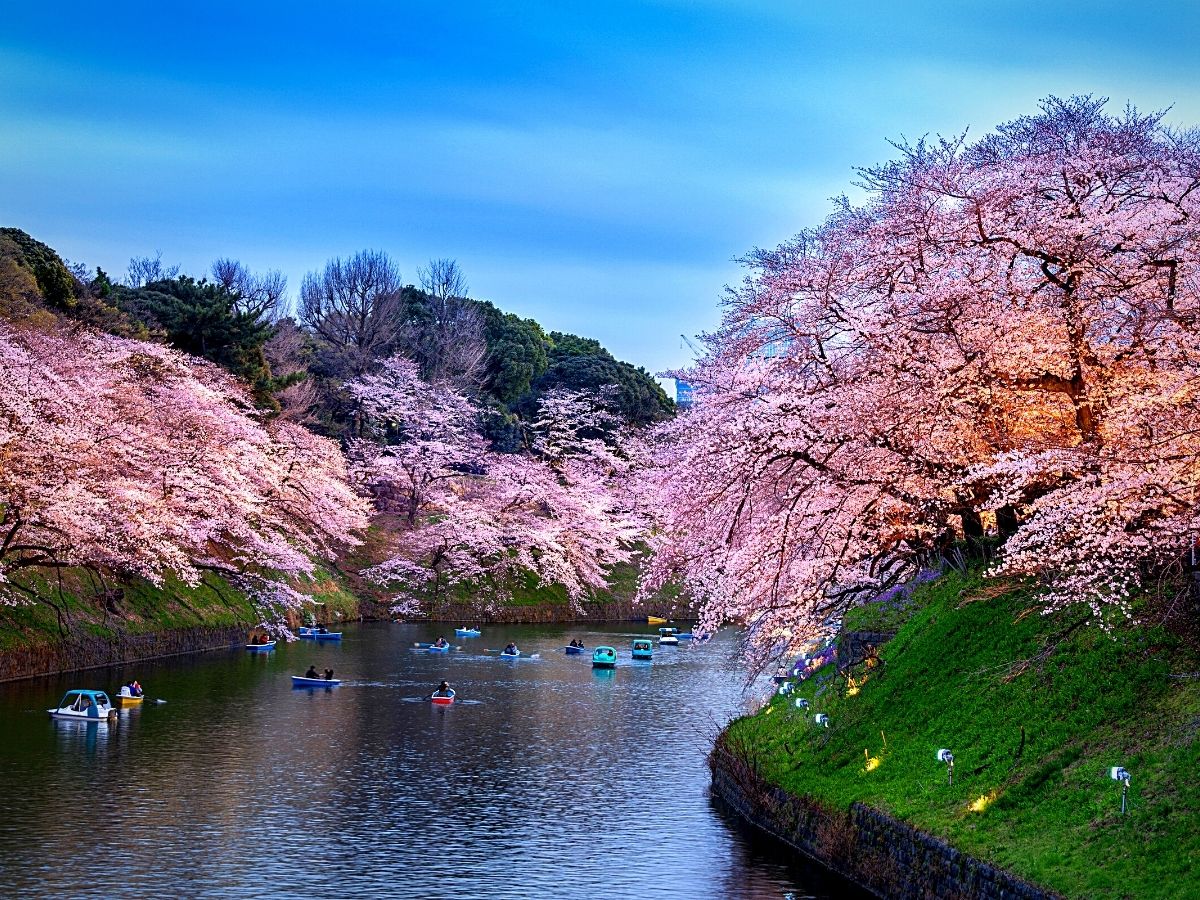
Photo by tawatchai07
A Timeless Muse for the Floral Industry
As we look toward future seasons, the cherry blossom remains a symbol of renewal and high-end aesthetic value. Whether it is through the lens of a detailed botanical history or a feature in a leading floral magazine, the sakura’s story is one of constant evolution. It serves as a bridge between ancient tradition and the cutting-edge future of professional floriculture.
For designers and brands, the lesson is clear: the most successful trends are those that connect with the consumer's desire for beauty, story, and a sense of place. The cherry blossom, with its brief but brilliant appearance, continues to be the ultimate teacher in the art of making a lasting impression.