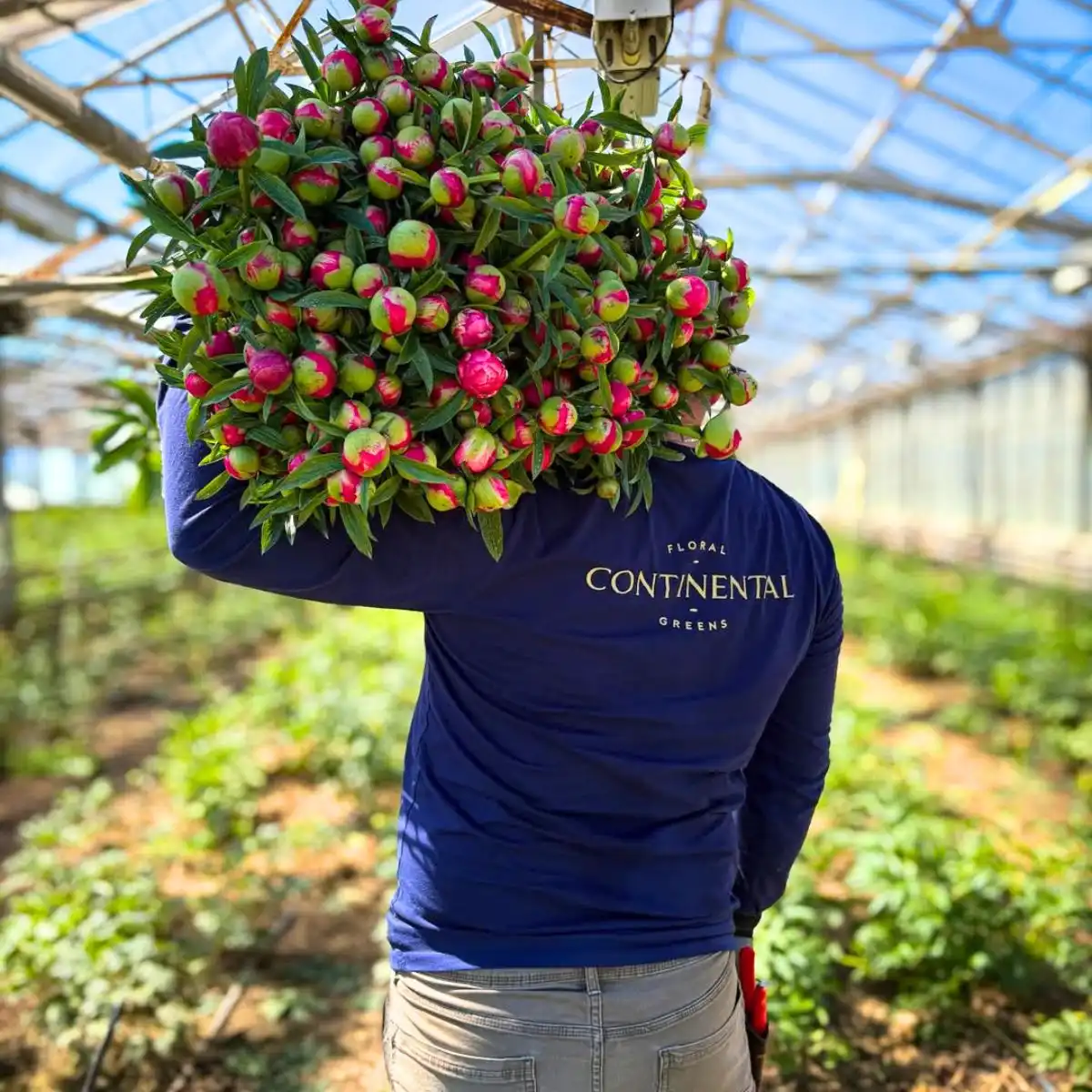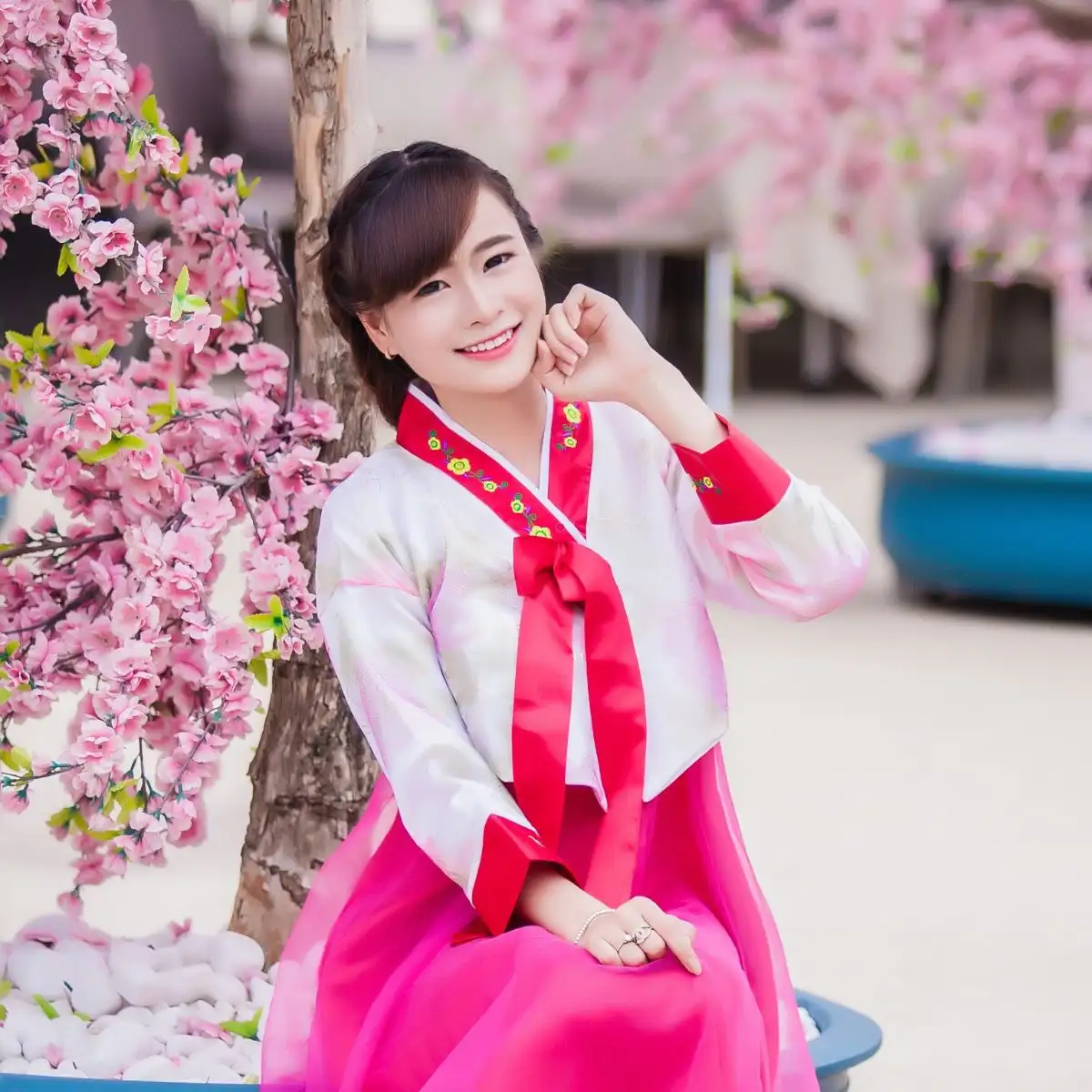

Winter may feel quiet in the garden, but for florists and event designers, it's one of the most exciting moments of the year. Flowering branches arrive just as the season craves movement, height, and anticipation. They bridge winter and spring - offering texture, scale, and a slow, dramatic bloom cycle that no cut flower can replicate. At Continental Floral Greens, flowering branches are one of their most anticipated winter products. From cherry blossom and quince to Forsythia, Prunus, Magnolia, peach, and almond, these branches bring nature indoors - rewarding patience, planning, and thoughtful design.
The Design Power of Flowering Branches by Continental Floral Greens
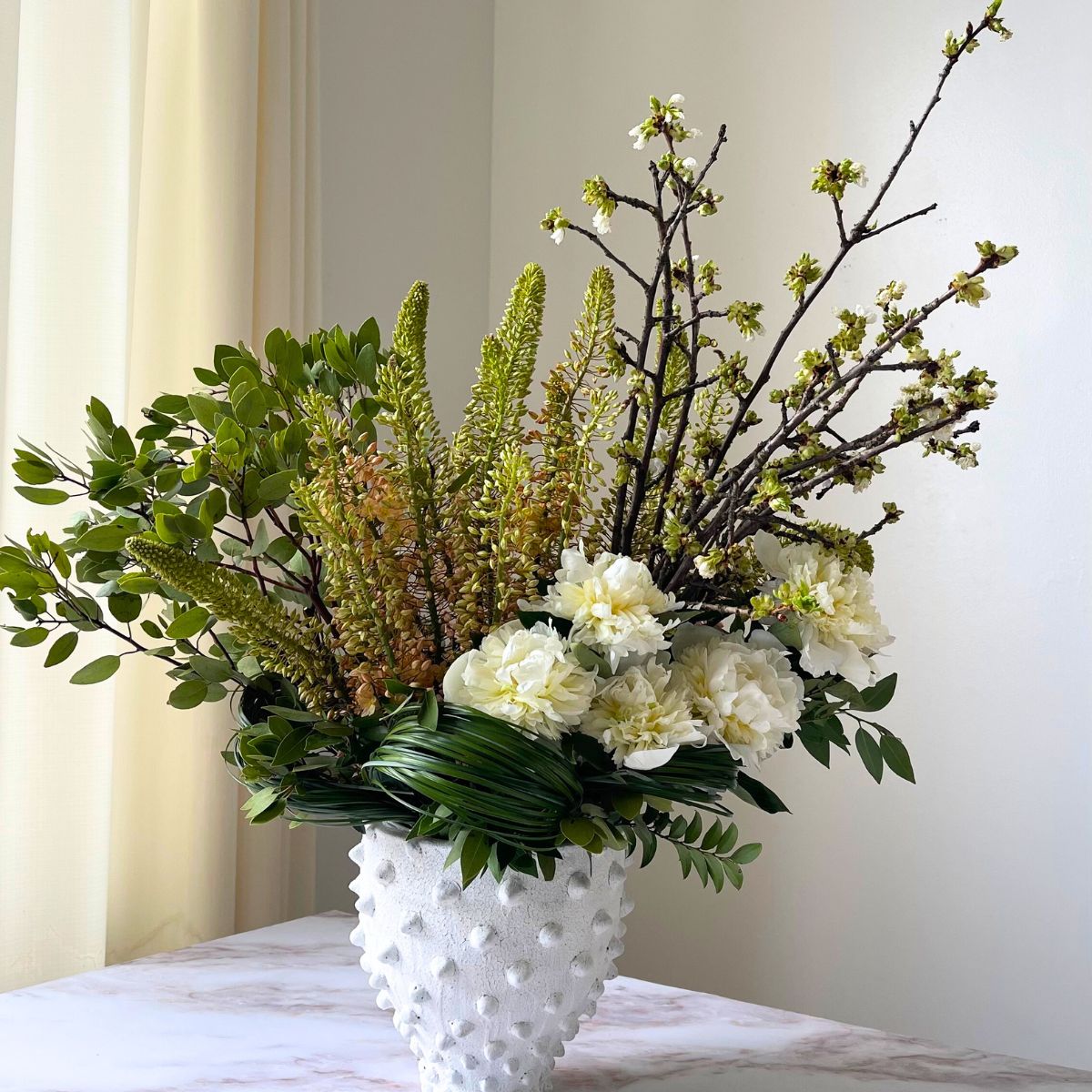
Flowering branches are widely recognized for setting the tone of a space due to their distinctive characteristics and appearance. Branches naturally create height and scale in a way that standard cut flowers can't. With just one or two stems, they can renovate an entryway, altar, retail display, or dining table, adding impact without making the design feel crowded.

Another advantage is the natural look they create. Unlike dense floral arrangements, branches allow air and light to move through the design. This makes them especially suitable for minimalist installations, modern winter events, and large-scale designs that have a lighter look and feel. Every branch is also unique. Each one grows differently, shaped by wind, weather, and the passage of time. That organic structure means no two arrangements are ever the same. Designers don't need to force movement or form because the branch already brings its own natural flow.

Patience Is the Point
Flowering branches invite a different relationship with floral design. They don't arrive fully open, and that's the magic. Watching buds swell, color emerge, and flowers slowly open over several days is part of their appeal. Designers can:
- Cut branches to different heights as they bloom
- Use them across multiple installations
- Control the timing of peak bloom for events
This slow reveal makes flowering branches especially valuable for planners working on multi-day installs or seasonal retail displays.
Built for Coolers, Travel, and Long Lead Times
One of the most practical advantages of flowering branches is their durability.
- They hold exceptionally well in coolers
- Blooming can be paused or slowed with cold storage
- They travel beautifully, even over long distances
This makes flowering branches ideal for:
- Event planners installing ahead of time
- Florists managing heavy holiday demand
- Valentine's Day planning during peak winter season

Planning Ahead and Why Timing Matters
Flowering branches are seasonal by nature, and their availability depends on weather patterns and bloom cycles. Planning is essential, especially with Valentine's Day landing right in the middle of peak branch season.
General Availability Window by Continental Floral Greens
(Exact timing varies year to year based on weather conditions)
- Forsythia: January–May
- Quince: January–March
- Prunus (plum and apricot): January–April
- Cherry blossom: March–April
- Magnolia: March–April
- Peach and almond: March–April
Cold winters can delay blooming, while warmer spells may cause branches to flower earlier than expected. Because of this natural variability, early communication with suppliers is key, particularly when planning weddings, installations, or important seasonal events.

Perfect for Winter and Early Spring Celebrations
Flowering branches by Continental Floral Greens offer both visual impact and symbolic meaning, making them ideal for key moments throughout the season:
For Valentine's Day, quince, cherry, peach, and almond branches bring soft pink tones, romance, and longevity, making them suitable for designs that last well beyond February 14.
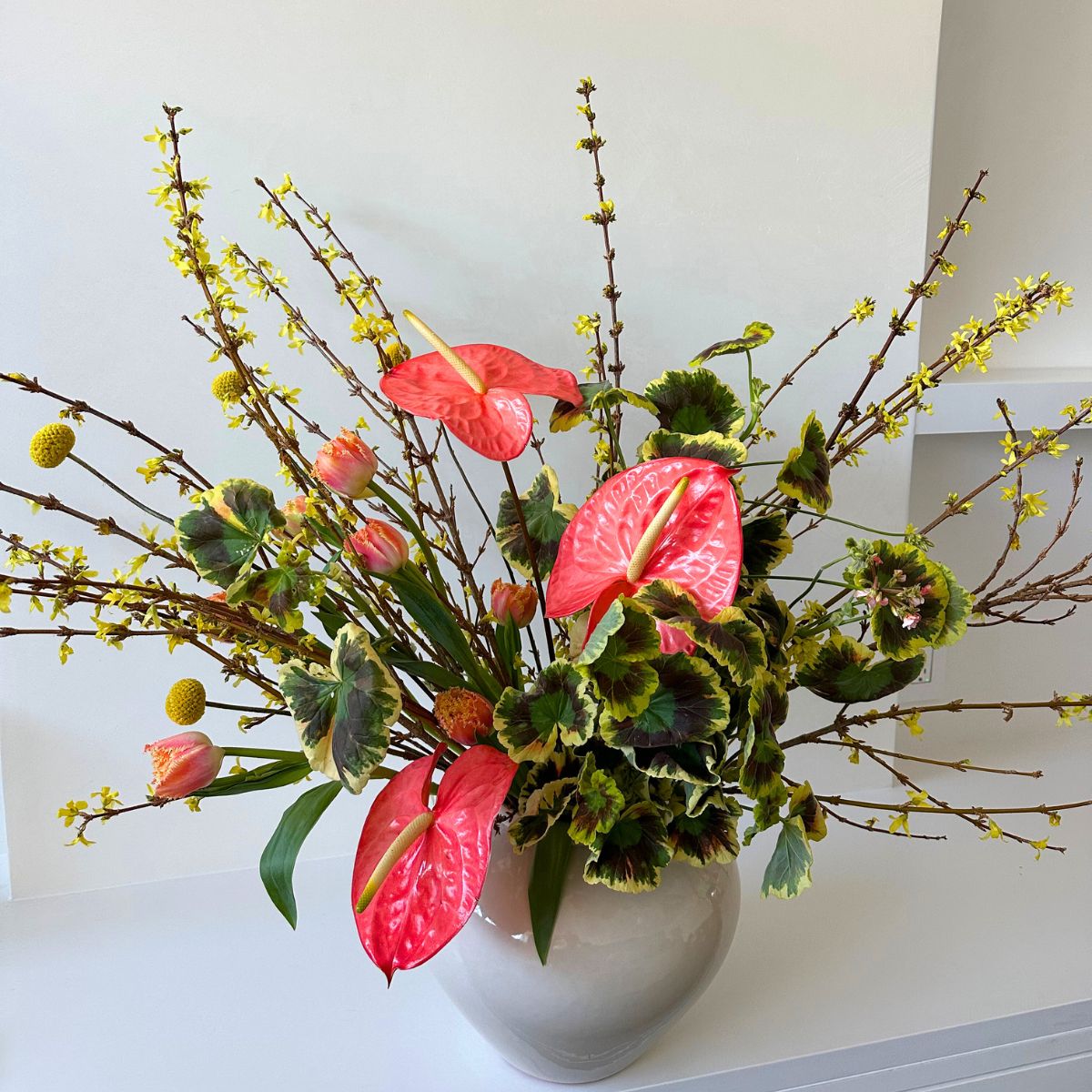
Forsythia is associated with prosperity and good fortune, and its bright golden blooms stand out beautifully in winter décor, making them perfect for the Chinese New Year. For International Women's Day, Magnolia and Forsythia create strong yet refined floral statements, and last but not least, for Easter and early spring events, Prunus, cherry, and almond branches symbolize renewal and rebirth, aligning naturally with the season.
Care and Handling – Set Them Up for Success
- Proper care helps flowering branches reach their full potential and ensures a longer, more controlled bloom period.
- Remove branches from dry packs as soon as possible.
- Recut the stems at an angle, about 3 cm (1 inch) from the base.
- Place branches in at least 3 inches of clean water.
- Store at 2-3°C (36-38°F) to maintain the desired bloom stage.
- Change the water frequently to prevent bacterial growth.
Bloom Control Tips
The Flowers typically begin opening about five days after hydration. To encourage faster blooming, move the branches to a warmer environment. To slow down the process, return them to a cooler space. With proper handling, they can last for weeks, allowing blooms to open gradually and on your schedule rather than all at once.
Why Florists Love Working With Branches
Florists are drawn to flowering branches because of their incomparable versatility. A single product can serve multiple purposes, offering adjustable height and scale while delivering a strong visual impact with very few ingredients. Their long vase life and ability to be stored in cool conditions make them both practical and reliable. If styled on their own or layered with seasonal flowers, branches are efficient, expressive, and endlessly adaptable in floral design.
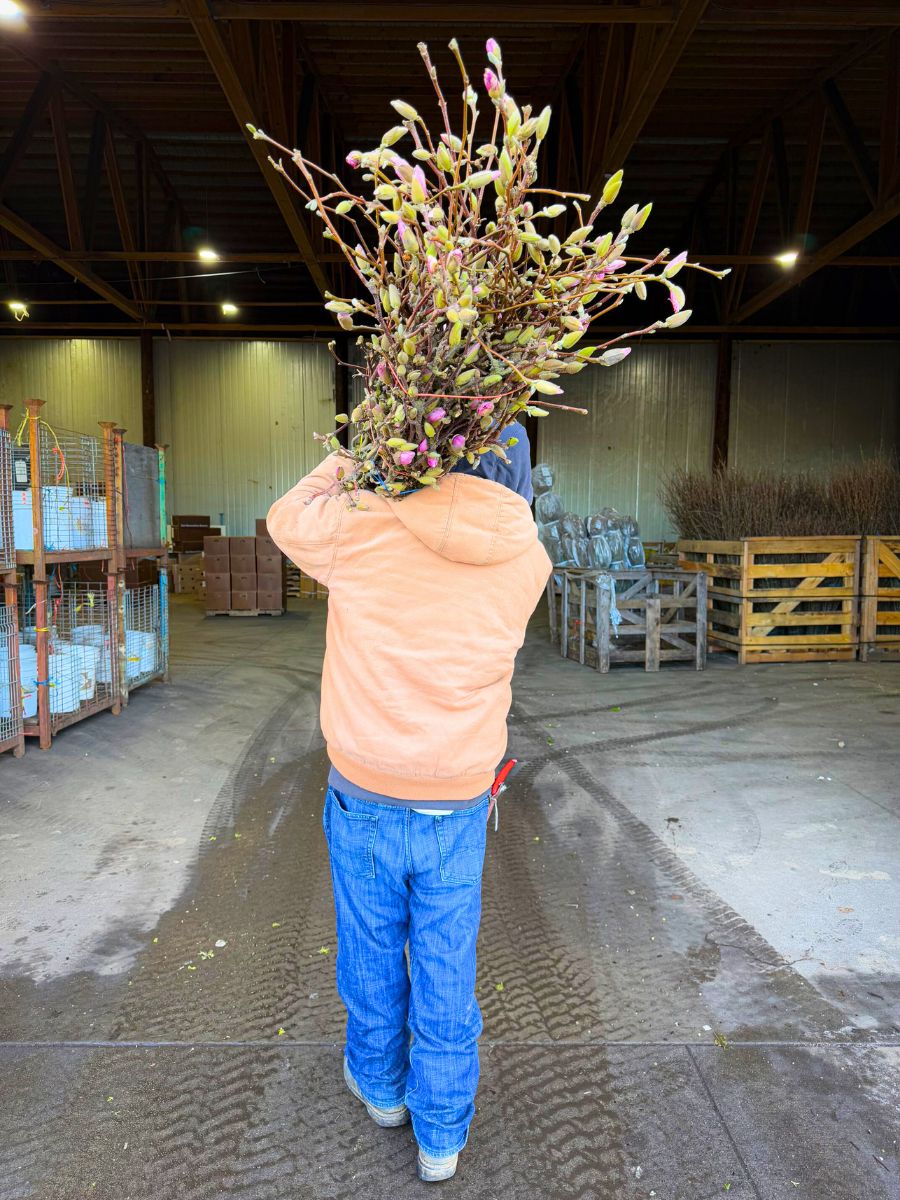
At Continental Floral Greens, flowering branches are cultivated with intention, both in the company's own fields and through trusted local partners. Working close to home allows for careful monitoring of bloom timing, quick responses to weather changes, and the ability to offer fresh, responsibly harvested products. This seasonal approach supports not only designers but also growers and the land itself, reinforcing a thoughtful and sustainable floral supply chain.
Photos courtesy of Continental Floral Greens.