Recycling is the word most businesses reach for. Yet we've spent the last two years asking a different question: before something reaches general waste or a mixed recycling bin, could it go somewhere more specific instead? That question is why our waste at Blooming Haus doesn't go into one stream anymore. It goes into five.
The Case for Separating Waste Before It Leaves the Building
Most waste ends up in one of two places: general waste or a mixed recycling bin. For a lot of what a florist's studio produces (film plastics, flexible wrap, wax, spent flower heads), the odds of actually being recovered once it's in one of those mixed streams are low. Sorting facilities aren't built to pick out that material, and it's more likely to be rejected and sent for incineration or landfill than processed.
The step that matters isn't recycling harder. It's separating sooner: identifying which parts of our waste a specific partner would want as a primary material, before it ever reaches general waste or a mixed bin. Over the past two years, we’ve built five of these partnerships. We call them our five loops.
*Unless noted otherwise, the following figures cover our reporting year, April 2025 to March 2026.
Loop One: Flower and Plant Waste to Compost
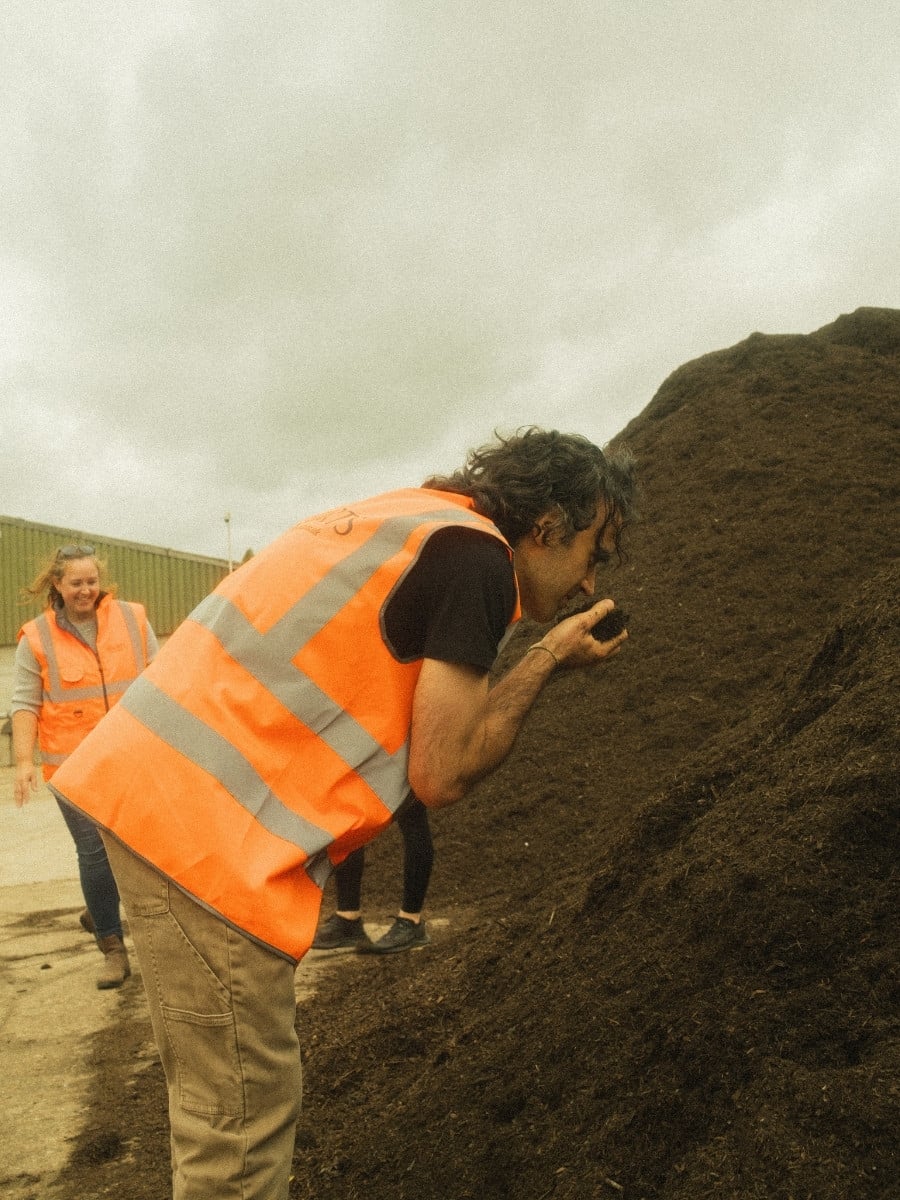
Every floral studio generates green waste, spent stems, foliage, and the material left over once an installation comes down. Since July 2024, we've sent ours to COM:POST, a specialist floral waste composting service built for the floristry industry.
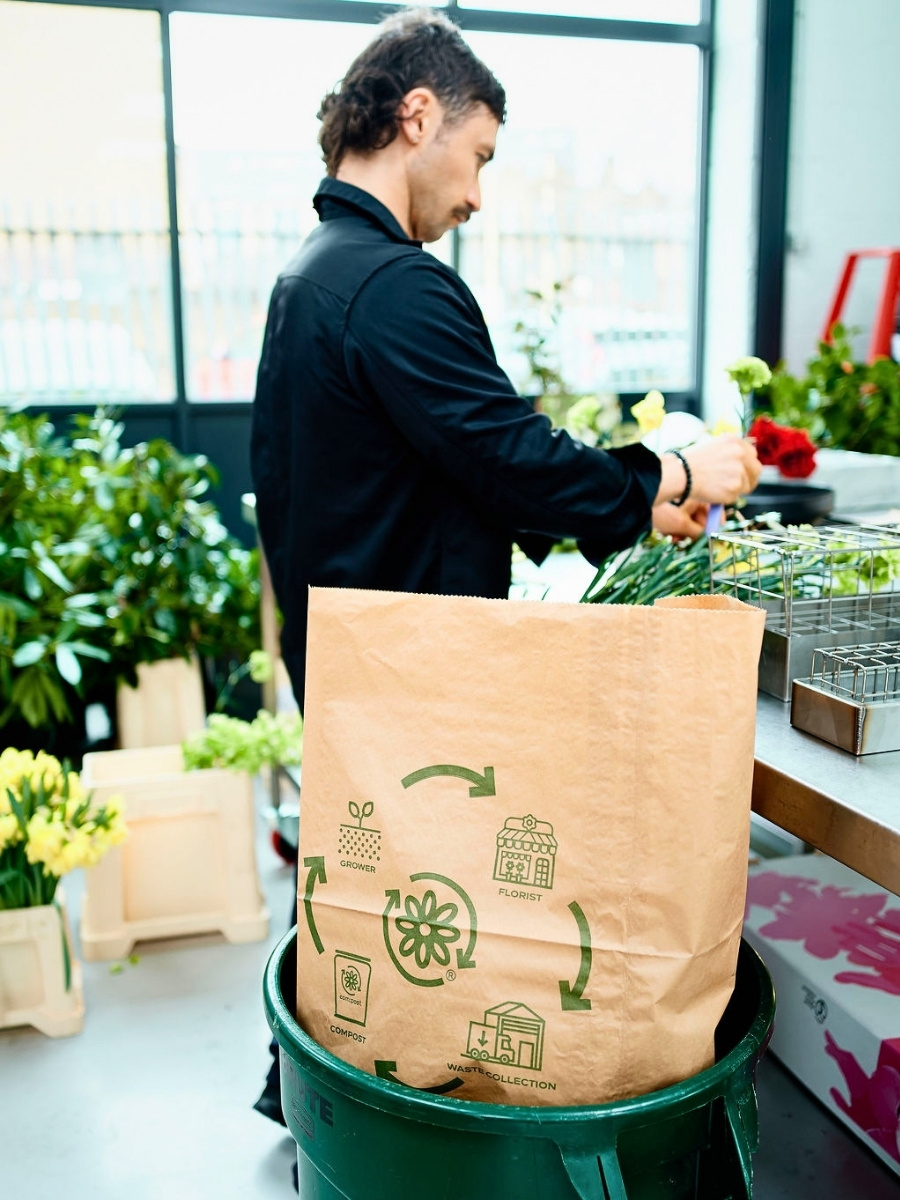
Over the year, that was 15,145 kg of green waste, which came back as 11,359 kg of usable compost. The compost is sold directly back into the UK floriculture and horticulture industry, which means the loop closes near where it started: growers and florists, on either end of the same material.
Loop Two: Hard-to-Recycle Plastic Film to Construction Board
Flexible film plastics are one of the most common materials to move through a florist's studio, and one of the least welcome in a standard recycling bin. Most kerbside and commercial collections reject them because they tangle and jam the sorting machinery built for rigid plastics.
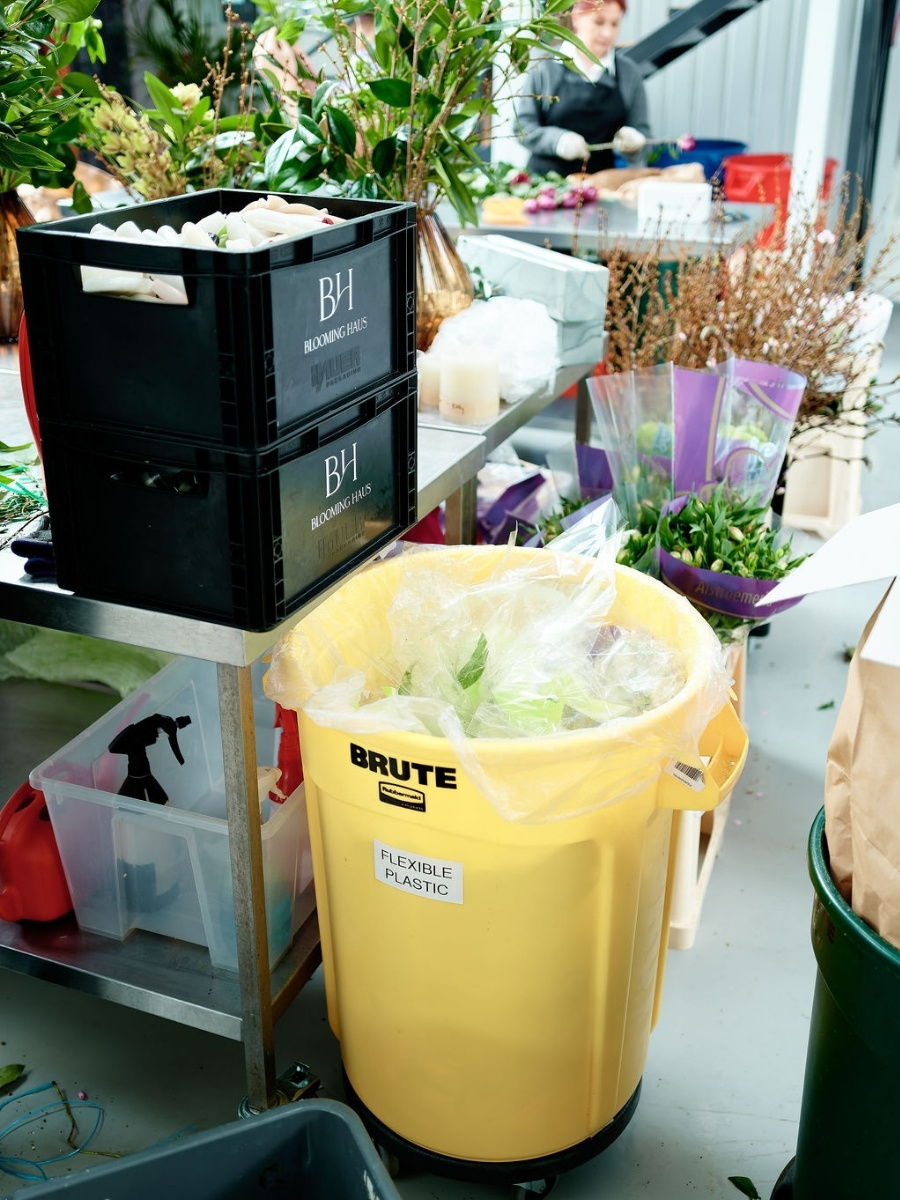
Since July 2025, we've sent ours through Recorra's Circular Box service, which then gets processed into Stormboard, a durable, recyclable plywood alternative used mainly in construction. Between July 2025 and March 2026, that redirected 85 kg of film plastic that would otherwise have gone to general waste.
Loop Three: LDPE Plastics to Design-Led Homeware
Low-density polyethylene (LDPE), the wrap used around flower trolleys, is a film plastic too, and standard recycling rejects it for the same reason as the material in Loop Two.
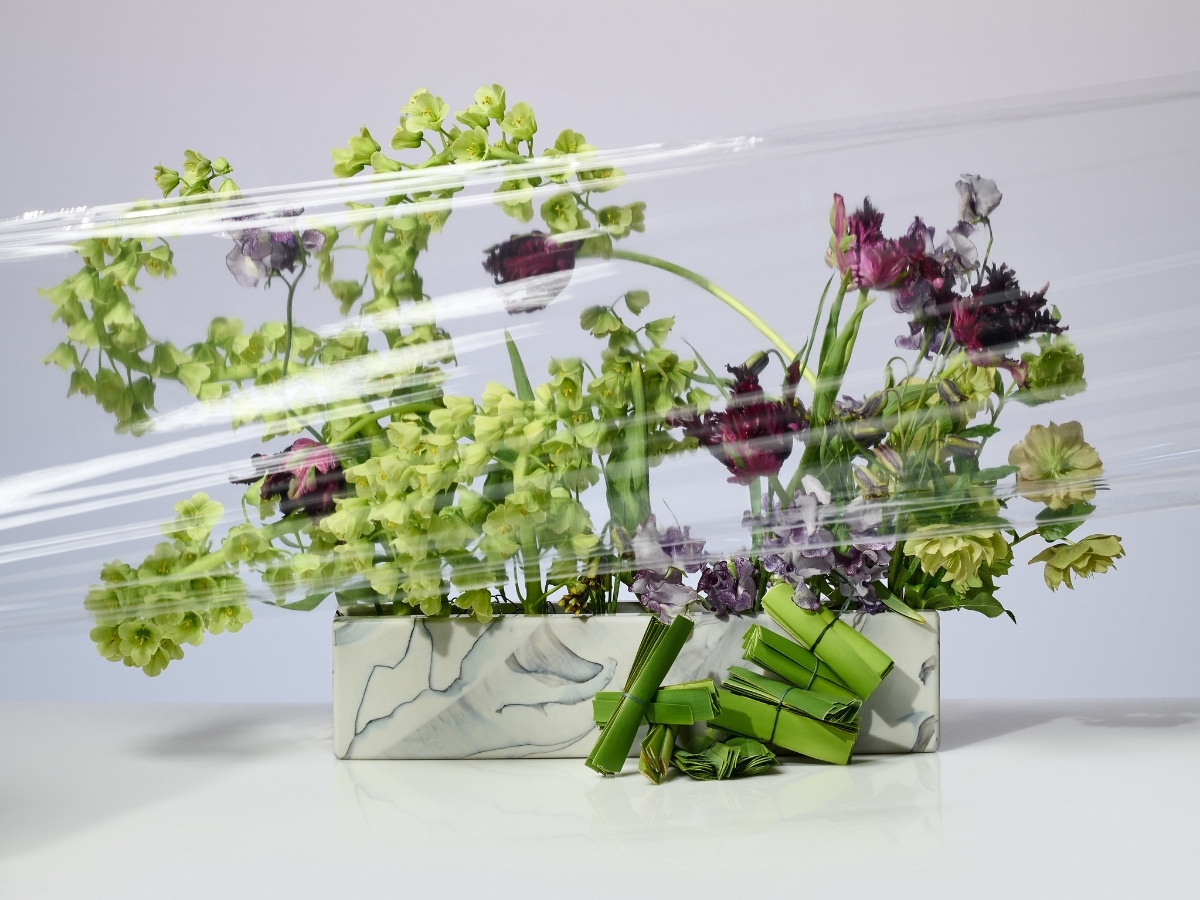
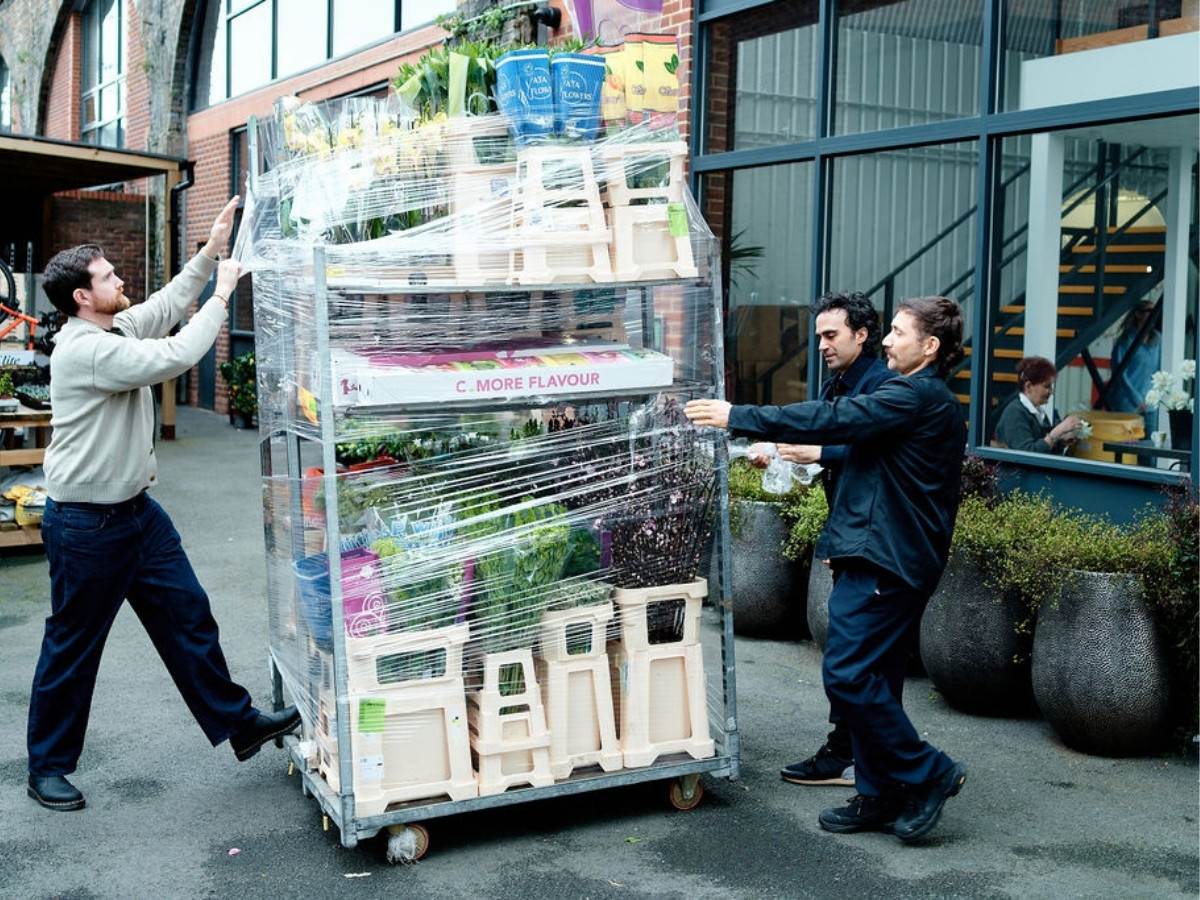
We separate it from the rest of our film because this partner works with LDPE specifically. Weez & Merl is a Brighton-based studio that turns it into design-led homeware, vases, and similar pieces. Over the year, that was 56.2 kg of LDPE diverted from general waste and given a new life, rather than being rejected further down the line.
Loop Four: Used Candle Wax to Recycled Wax
Candles are a constant in event floristry, and used wax is one of the by-products that comes with them. Ours is diverted from general waste and sent to Recycled Wax, a company specializing in upcycling exactly this material.
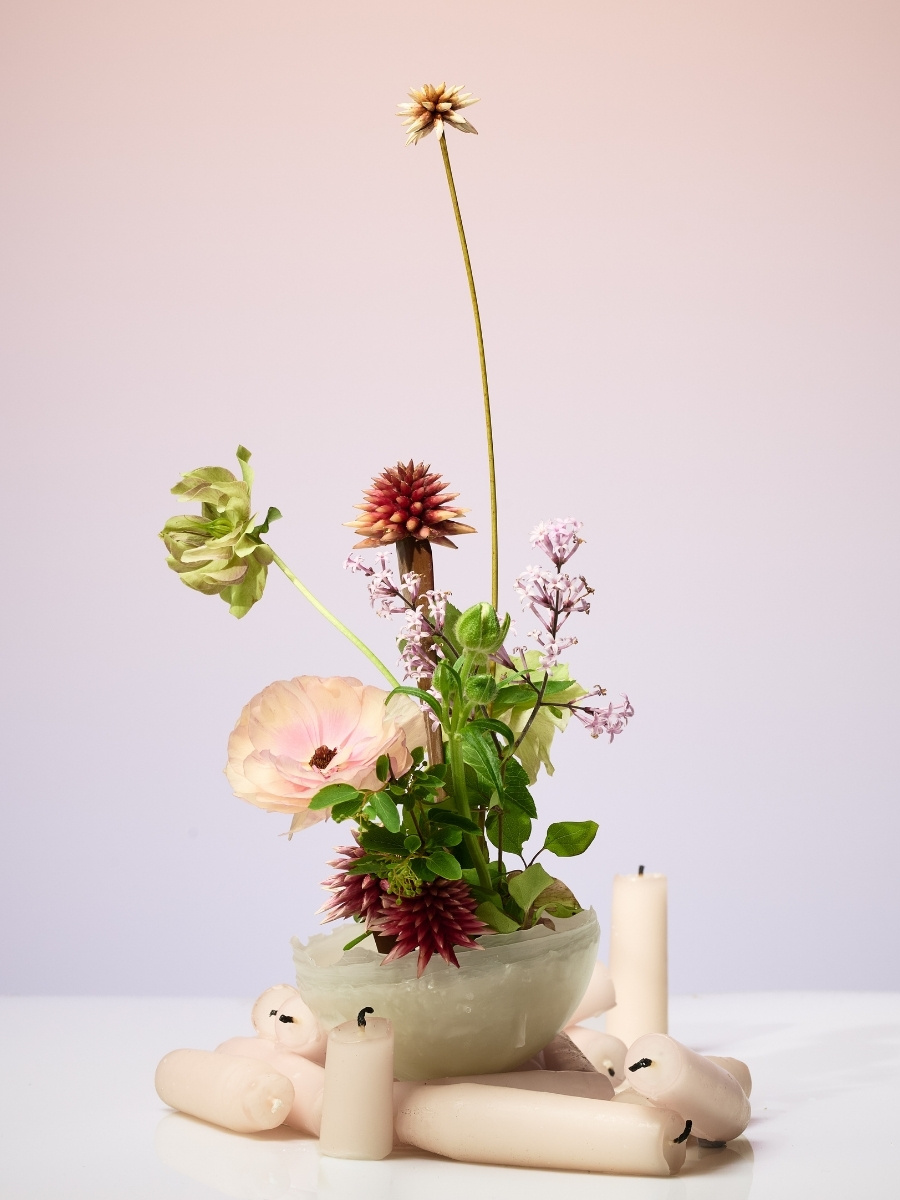
91.8 kg of candle wax was diverted from general waste over the year. Based on our supplier's current methodology, that's roughly 44.2 to 59.9 kg of CO2e avoided against standard disposal and virgin wax production.
Loop Five: Used Flower Heads, from Confetti Club to Custom Paper
Flower heads at the end of their working life, still intact enough to be worth more than compost, went to Confetti Club, a partner that turned them into biodegradable confetti. Over the year, that was 1,550 flower heads, producing 175 liters of confetti. There was a social layer to this one too: Confetti Club's fundraising work supported cancer research charities, so the same material cut our waste and contributed beyond our own studio walls.
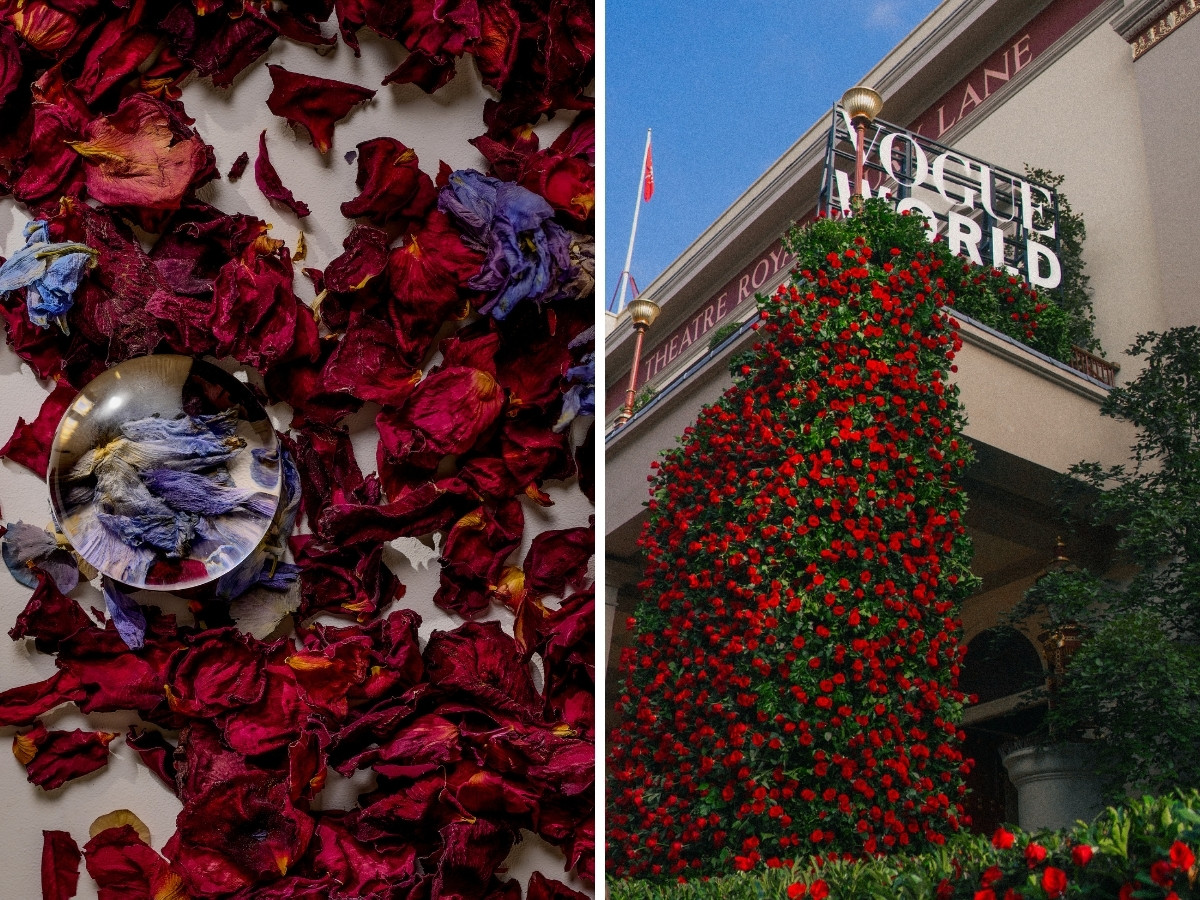
Confetti Club has since closed. In its place, we're now working with Paper Foundation, the British paper mill already behind our flower-waste wrap paper, turning spent flower heads into a custom paper of our own. The material will be developed to become our delivery cards and bouquet wrapping. It's still an early stage, and we'll share more as it moves into production.
What This Adds Up To
Across all five loops, plus our standard commercial recycling routes for mixed recyclables, paper, and food waste, Blooming Haus reached 100% diversion from landfill and a 77% repurposing rate for the year, out of just over 28 tons of total waste collected. General waste that can't be recycled or upcycled is sent to waste-to-energy incineration rather than landfill, the last resort in this hierarchy.
We cover all collection and transport costs for every partner ourselves; none of it is grant-funded or subsidized. It took time to find partners who wanted these specific materials, and it takes ongoing coordination to keep five separate collection relationships running alongside the day-to-day of a working studio.
An Example, Not a Template
I'm not sharing this as a claim that every florist or event business should build five identical partnerships. Our waste streams are shaped by what we do: large-scale events, high plastic and packaging turnover, and a lot of cut flowers moving through the studio in a short space of time. Another business's waste will look different from ours, with different practical options attached to it.
What I do think is worth sharing is the underlying question. It's one thing any business can ask of its own waste: before it goes in a bin, is there someone who could actually use it?
Sometimes the honest answer is no, and recycling or energy recovery is genuinely the best available option. Sometimes, as I've found five times over, the answer is yes, and the material is worth more to someone else than it would ever be in a bin.
Read more on our sustainability page.
All photos by Blooming Haus, unless otherwise noted.