Blooming Haus has built its reputation by combining floral design with a strong focus on sustainability. Founded by Michal Kowalski and Michael Dariane, the London-based studio integrates environmental responsibility into its day-to-day work through certifications including B Corp and Planet Mark, as well as collaborations with organizations such as Ecologi and Confetti Club London.
Alongside this commitment, the studio has designed flowers for major events and brands, including Vogue World and Cartier's Style et Luxe at Goodwood, while continuing to develop projects that place sustainability alongside floral creativity. Join this week's florist special with them!
Blooming Haus by Michal Kowalski and Michael Dariane
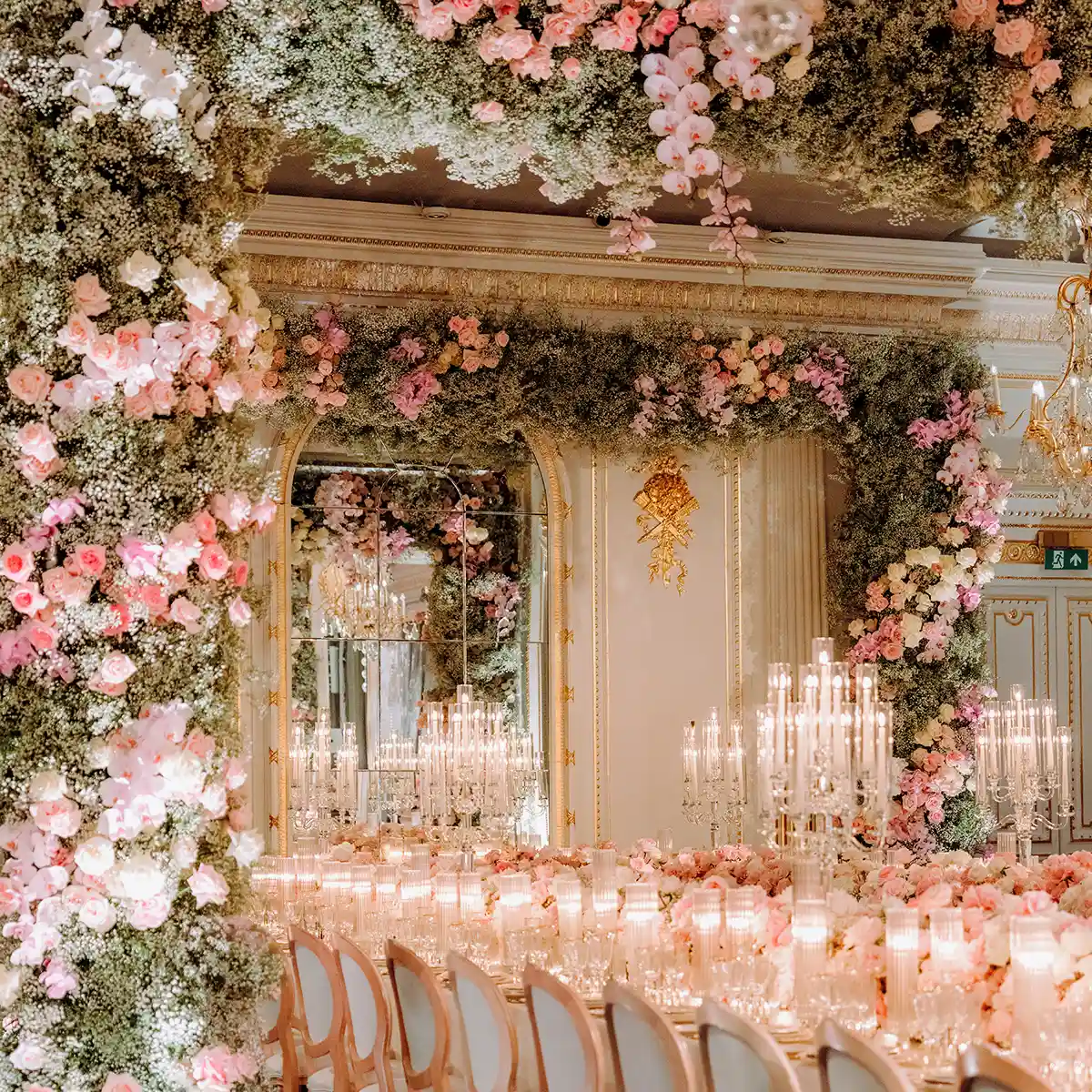
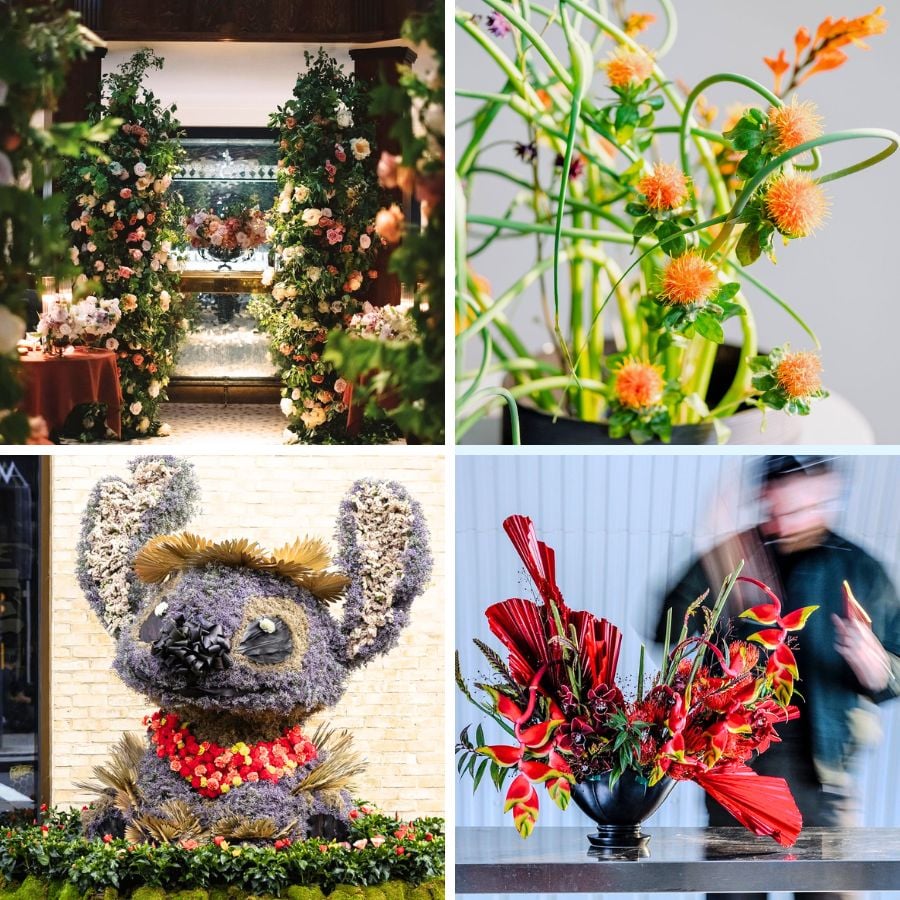
Founded in London in 2014 by Master Florist Michal Kowalski and sustainability consultant Michael Dariane, Blooming Haus is a B Corp-certified floral studio specializing in weddings, events, brand activations, and permanent floral installations across the UK and internationally. Over the years, the studio has worked with top clients including Cartier, British Vogue, Raffles London, Annabel's, Burberry, and Condé Nast.
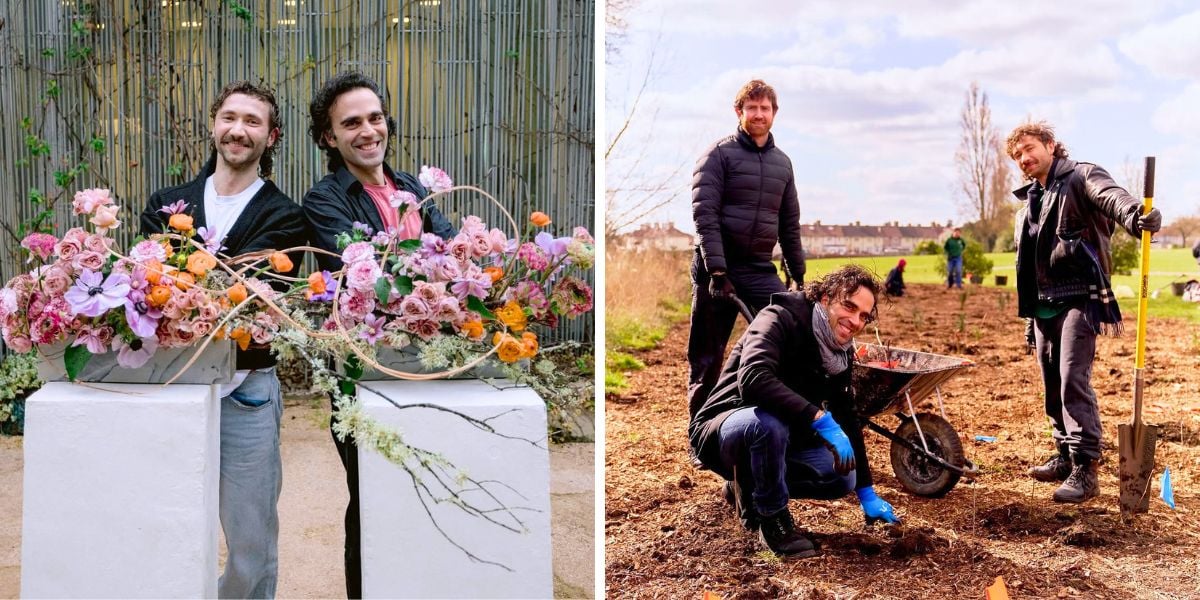
Michal trained as a Master Florist in Switzerland and Austria under Nicole von Boletzky at the Academy of Flower Design, making him one of the few florists in the UK to hold this qualification. Michael brings a background in sustainability, holding an MBA from Imperial College as well as credentials as a LEED-accredited chartered environmentalist. Together, they have built Blooming Haus around both floral design and environmental responsibility.
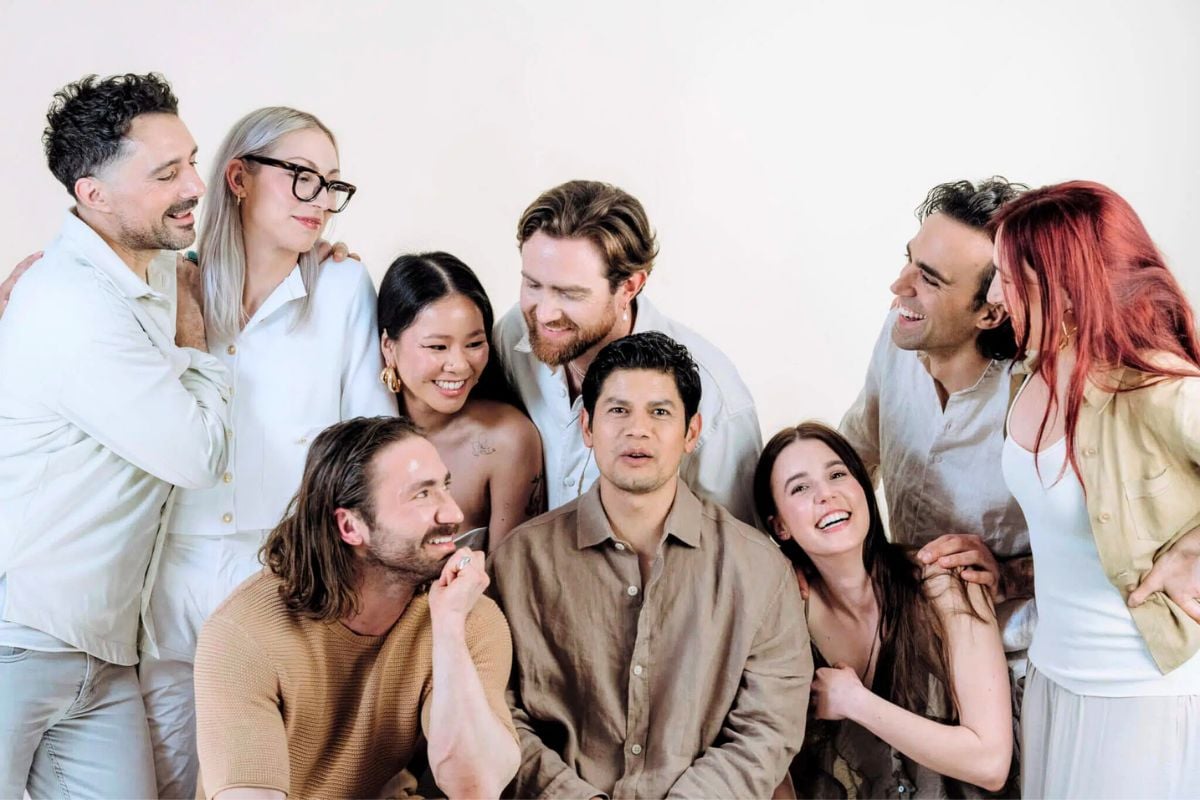
The company measures its carbon footprint annually as part of its ongoing sustainability commitments. Operating from its 350-square-meter headquarters at Arch 707–709, Havelock Terrace in Battersea, the studio includes design and office spaces, storage facilities, and a walk-in floral cooler. Today, a team of twelve works across every aspect of the business.
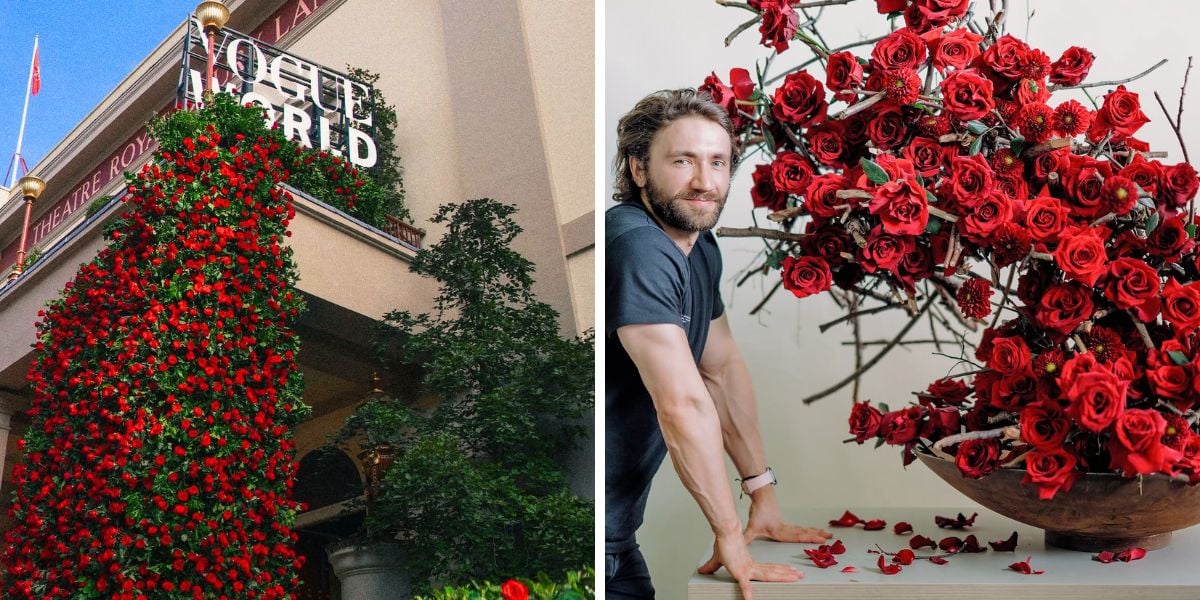
Every commission begins with a conversation, allowing the team to understand the space, the client's vision, and the story they want the flowers to communicate before the design process begins.
About their inspiration, they both share:
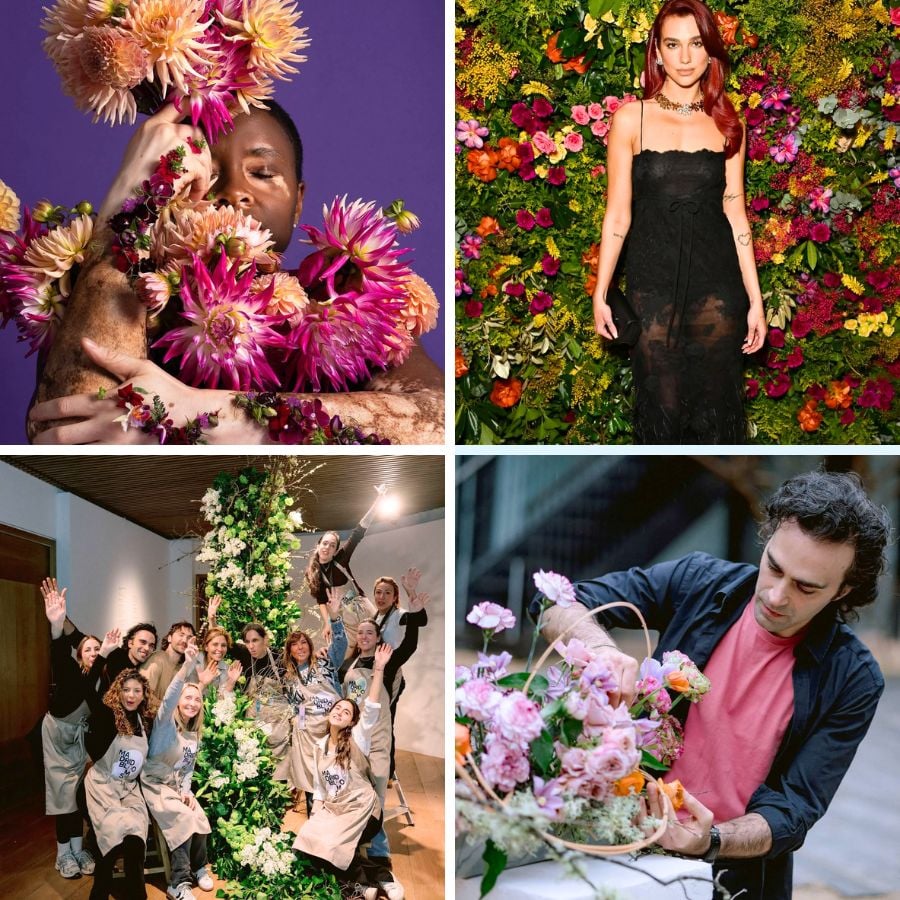
"Our inspiration comes from botanical gardens, contemporary art installations, architectural forms, travel, and the transformations of the seasons. We’re captivated by the interplay between natural textures and human creativity. Recently, we’ve been studying the nuances of how light dances across petals, how colors shift throughout a plant’s lifecycle, and how different environments shape flowers and their designs. By immersing ourselves in these details, we uncover endless possibilities. Ultimately, it’s about drawing from the world around us and reimagining its beauty through the lens of living art."
A Floral Business Built on Sustainability
Environmental responsibility influences every aspect of Blooming Haus, from the flowers it sources to the way installations are dismantled after an event. The company has developed a business model where environmental performance is measured alongside creative work, allowing sustainability to become part of its daily operations instead of a separate initiative.
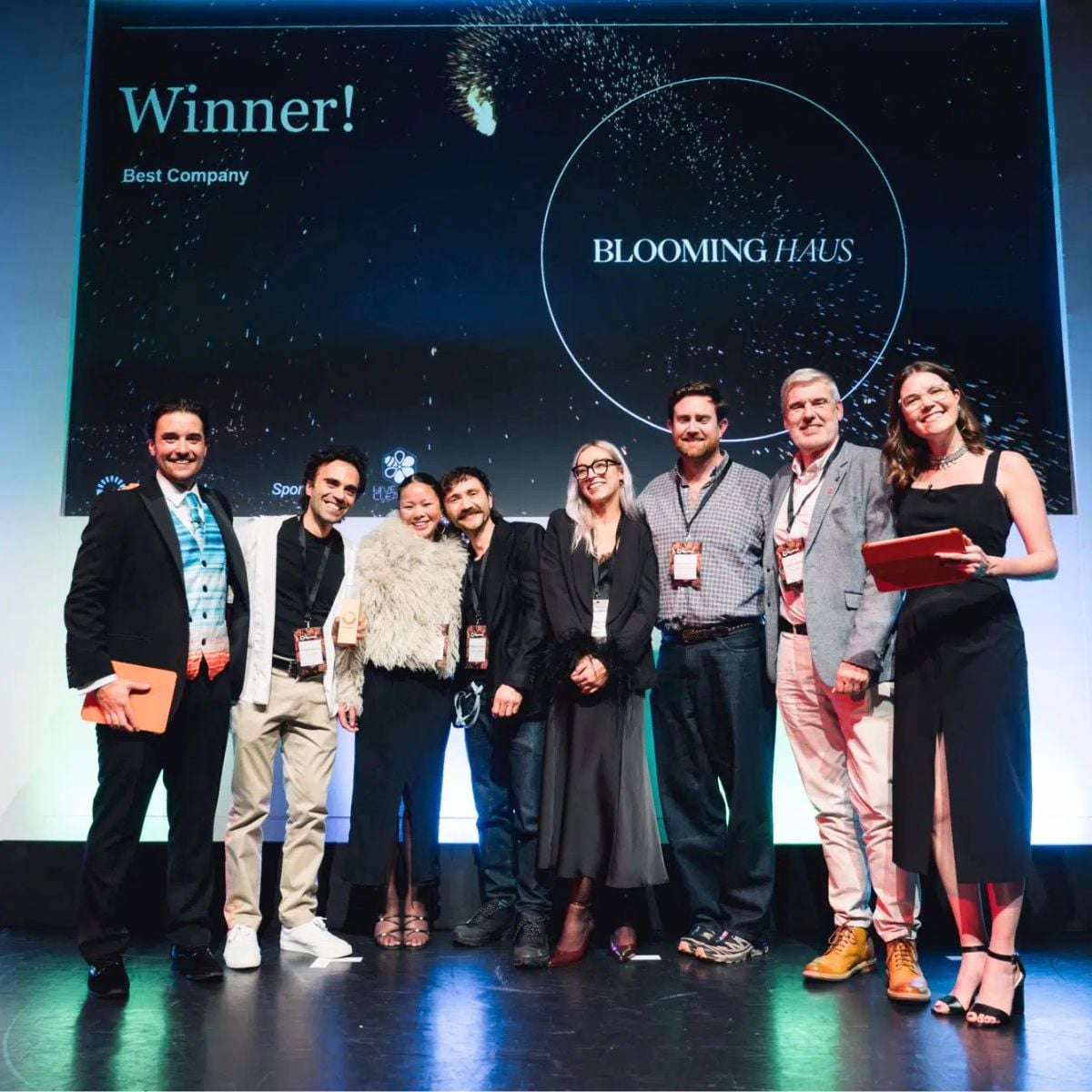
Blooming Haus is the world's only event florist certified by both B Corp and Planet Mark, two independent certifications that evaluate environmental performance, transparency, governance, and social responsibility. The company measures and publishes its carbon footprint annually, tracking its emissions and using this data to improve future operations. In 2025, Blooming Haus was also recognized with Planet Mark's Best Company Award for its measurable environmental progress.
A Luxury Florist Built Around Responsible Flower Production
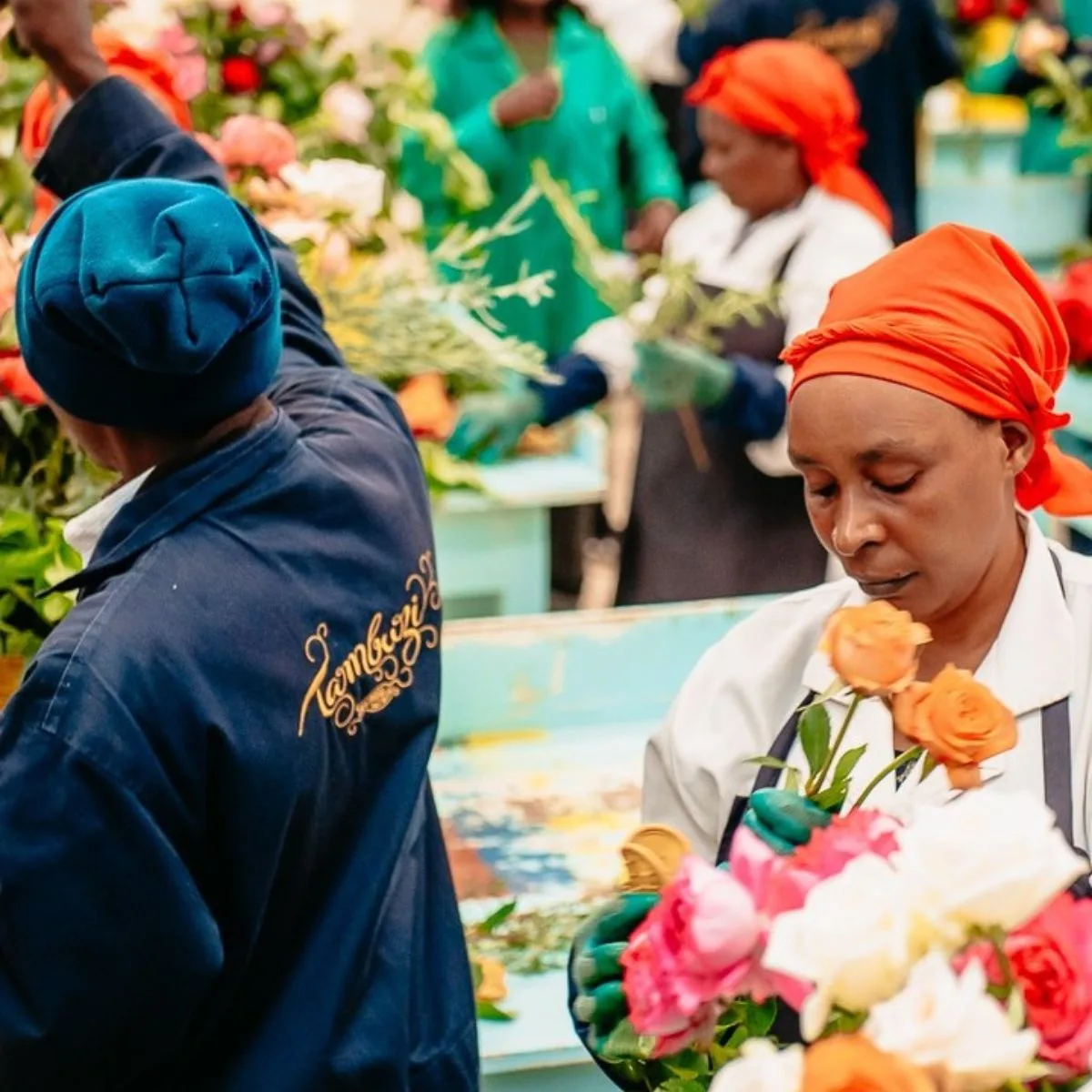
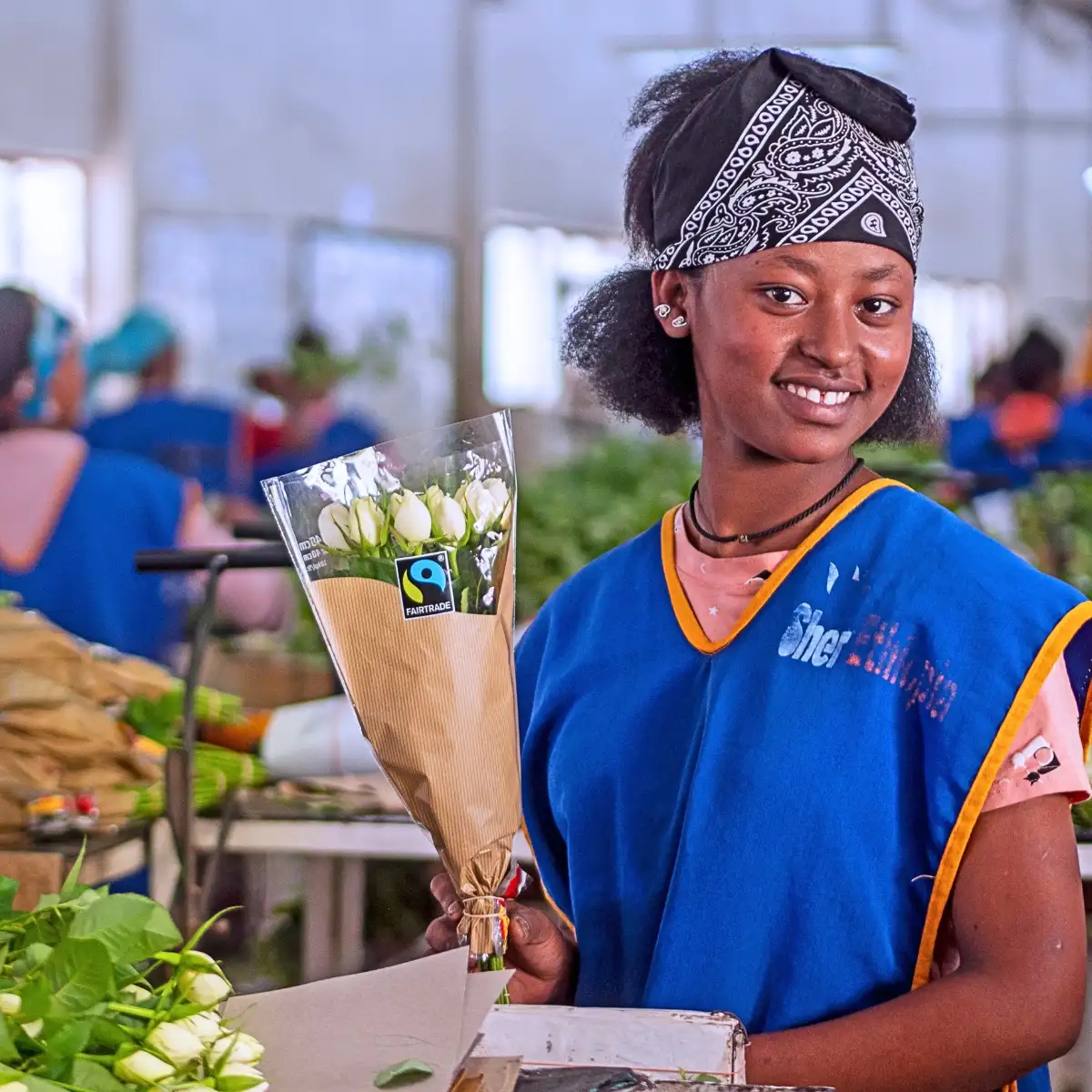
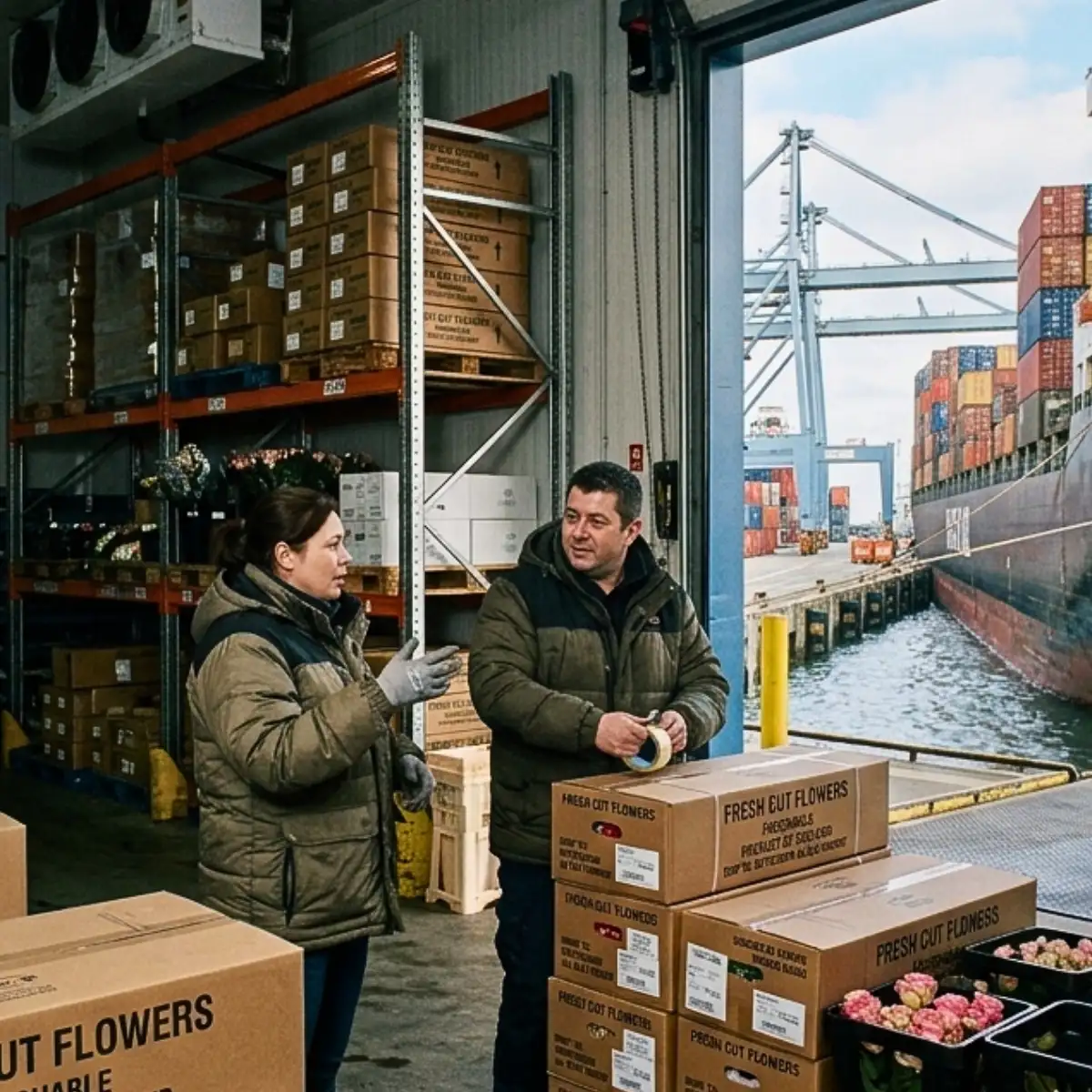
Flower sourcing follows the same standards. Whenever seasonal availability allows, the studio purchases British-grown flowers and foliage from local growers. Imported flowers are sourced from farms that meet recognized environmental and ethical standards, with the studio aiming for 90% of its international suppliers to be classified as sustainable producers. Many of these growers also work with organizations such as the Rainforest Alliance and the Soil Association, while Blooming Haus itself is an active member of the Floriculture Sustainability Initiative (FSI), helping improve responsible production, transparency, and traceability throughout the international flower supply chain.
Inside the studio, sustainability influences everyday operations. The Battersea headquarters is powered entirely by renewable electricity, the company's delivery fleet is fully electric, and bicycle couriers are used for smaller deliveries across London. Organic floral waste is composted instead of being sent to landfill, flower buckets are returned to suppliers or reused, cardboard packaging is recycled, and the team avoids non-compostable materials whenever practical. These operational decisions have allowed Blooming Haus to achieve zero waste to landfill, with every waste stream redirected through composting, recycling, or upcycling initiatives.
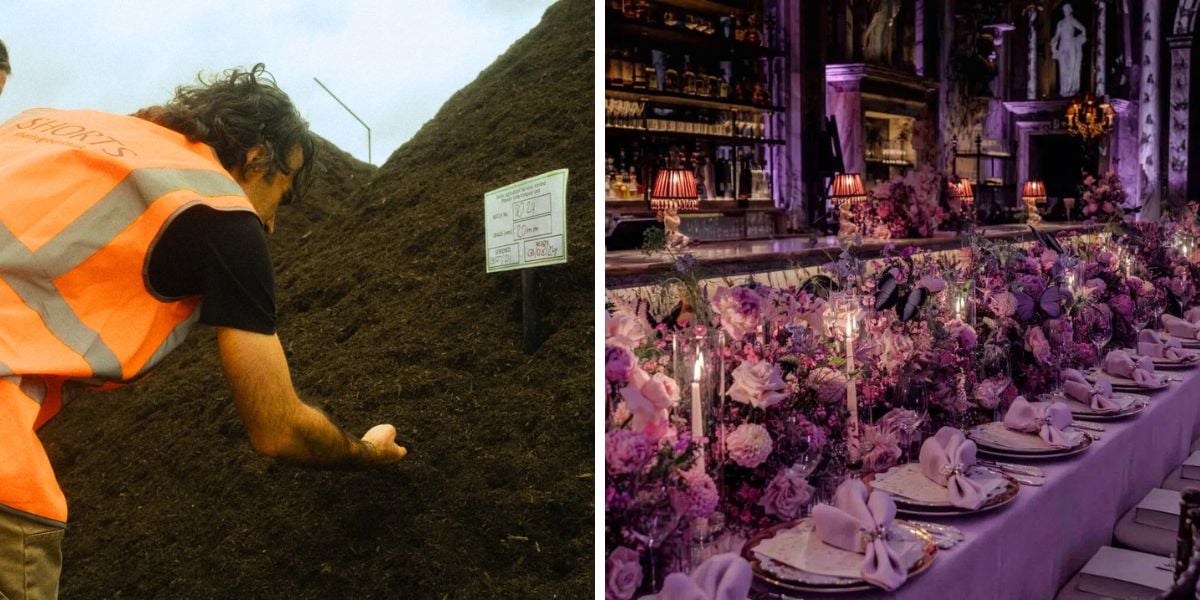
One of the studio's most distinctive initiatives is extending the life of flowers after events. Floral installations are regularly donated to charities, hospitals, and community organizations, while flowers that have reached the end of their decorative use are repurposed through partnerships with specialist companies. Working with Confetti Club London, petals are naturally dried and transformed into biodegradable wedding confetti, while collaborations with Balfern & Grove recycle used candles, Recorra processes difficult-to-recycle plastics, and Weez & Merl transform studio plastic waste into decorative vases and objects. Together, these partnerships create multiple circular waste streams that keep materials in use for as long as possible.
Confetti Club x Blooming Haus
From Ethical Flower Farms to Zero-Waste Operations
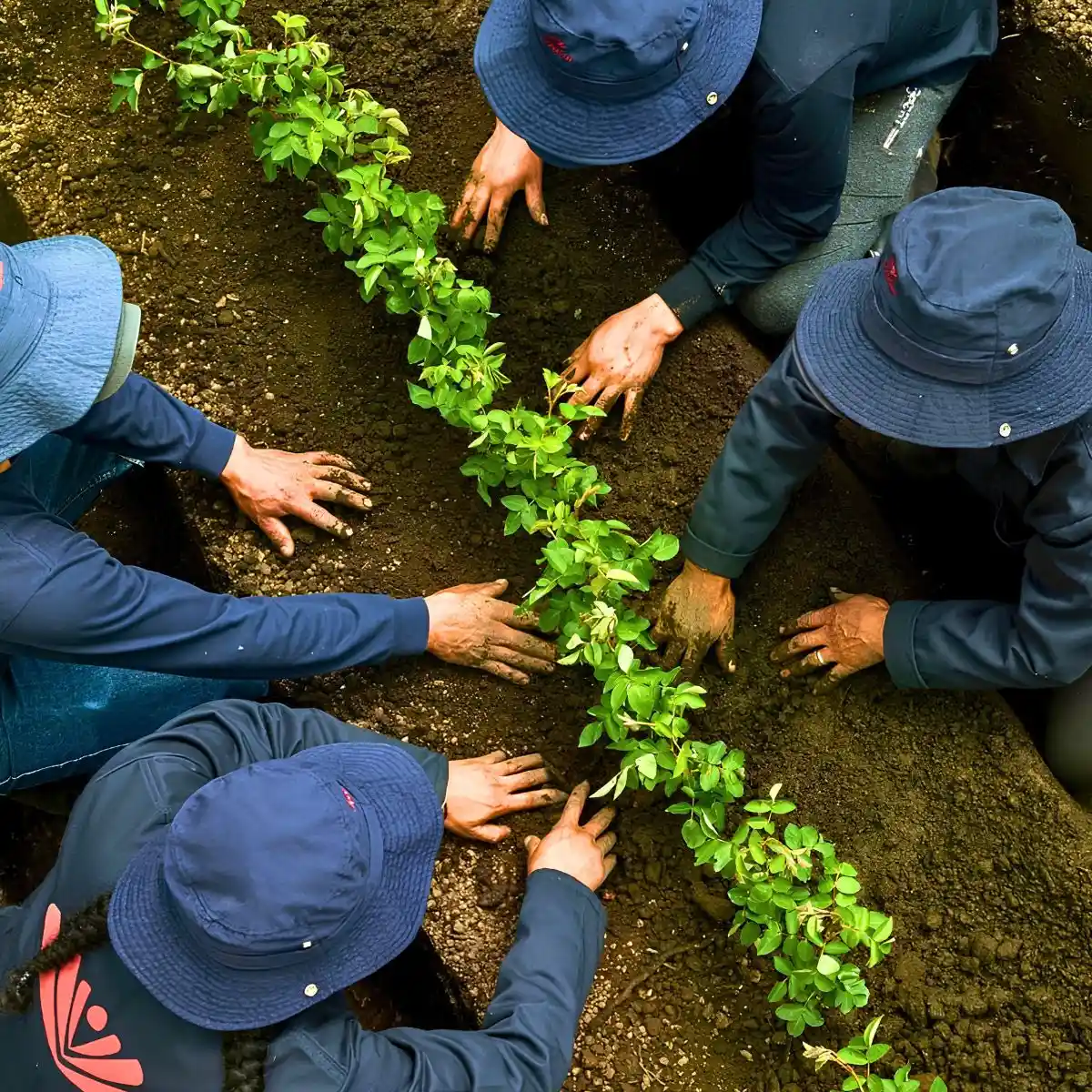
Blooming Haus also invests in environmental restoration beyond its own studio. Through partnerships with Ecologi, Trees for Cities, the Woodland Trust, and the National Forest, the company funds tree planting linked to weddings, corporate contracts, event commissions, and online shop purchases. The team also participates in biodiversity projects, including habitat creation for pollinators, volunteering initiatives, and urban ecological restoration programs that support wildlife in and around London.
Education has become another important part of the company's work. Blooming Haus collaborates with universities, delivers workshops and lectures on sustainable floristry, contributes to international industry guides, and works directly with suppliers to improve packaging, logistics, and environmental reporting. The studio also shares its research publicly through articles and sustainability reports, encouraging other florists and event businesses to adopt similar practices.
Transparency underpins each of these initiatives. Blooming Haus publishes measurable environmental data, reports both achievements and ongoing challenges, and avoids making environmental claims that cannot be supported with evidence. Its sustainability policies require claims to be regularly verified and updated, reflecting the company's belief that accountability depends on measurable actions rather than marketing language.
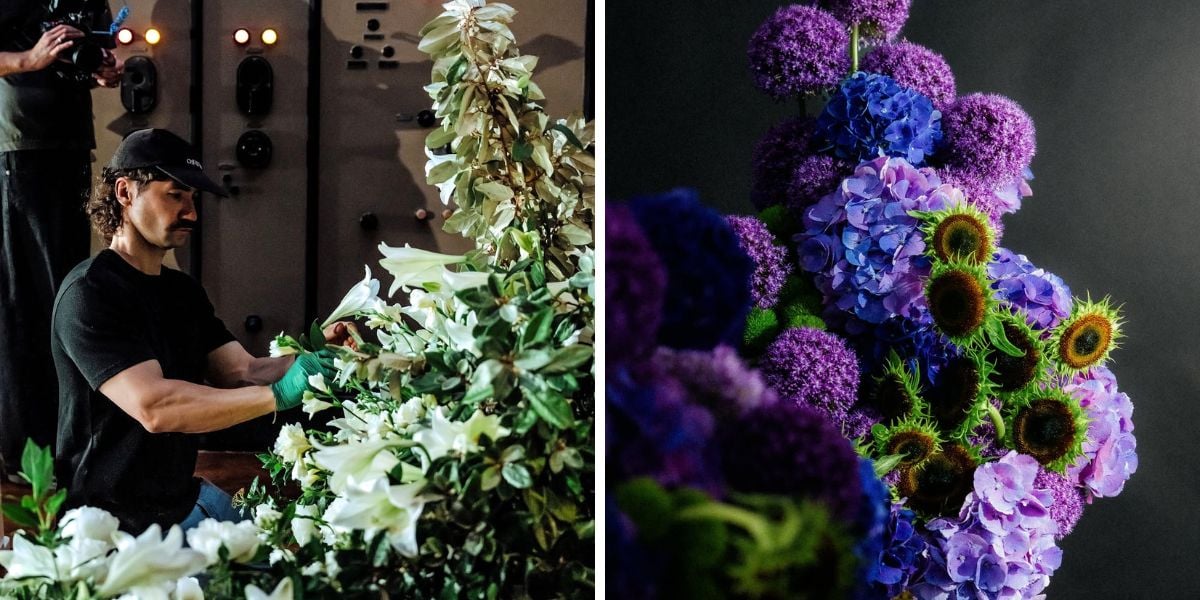
All in all, Blooming Haus exists to show that floristry can be environmentally honest and socially responsible at every stage, from how flowers are grown to how they are designed, used, and returned to the earth. There's so much more to see! Head to Blooming Haus' Instagram to explore all their designs.
Photos: @bloominghaus.