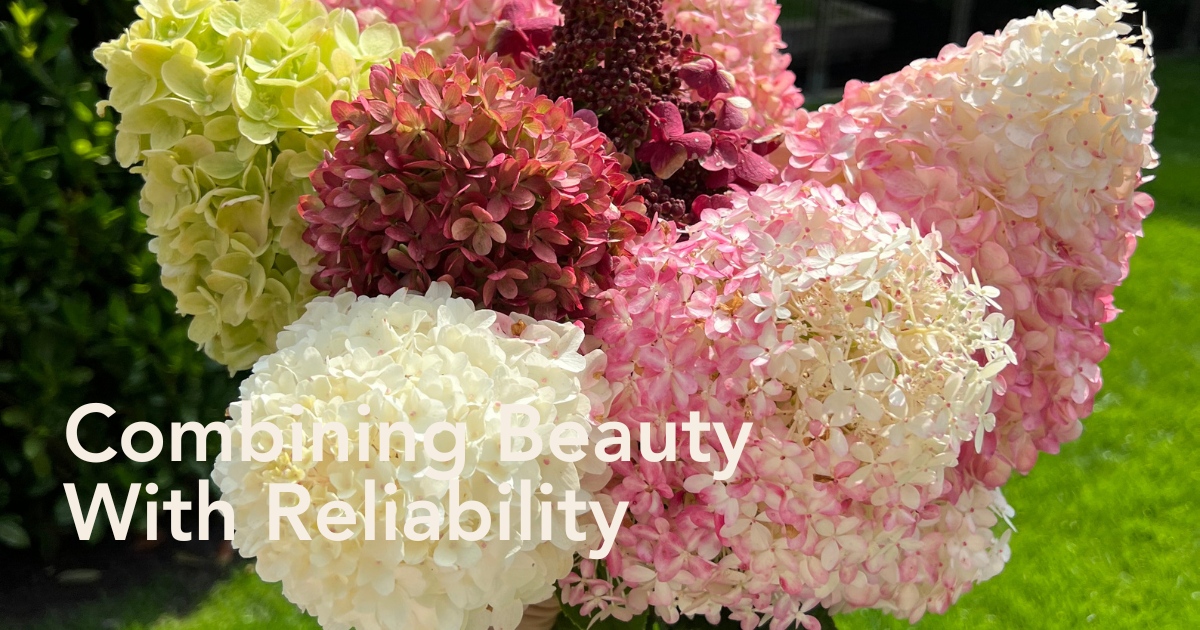
The Netherlands – as we well know – has long been a leader in ornamental horticulture, and I always learn so much from every visit I make. In particular, the Living Creations® Hydrangea Series is a strong example of this Dutch tradition. Developed in Boskoop, a historic center of plant breeding, the series reflects a modern approach that combines beauty with reliability.
Hydrangeas With Superior Structural Strength
The collection and class-leading marketing was developed by entrepreneur Alex Schoemaker, whose work has focused on creating stronger, more resilient ornamental Hydrangea suited to today’s gardens. No floppy stems here!
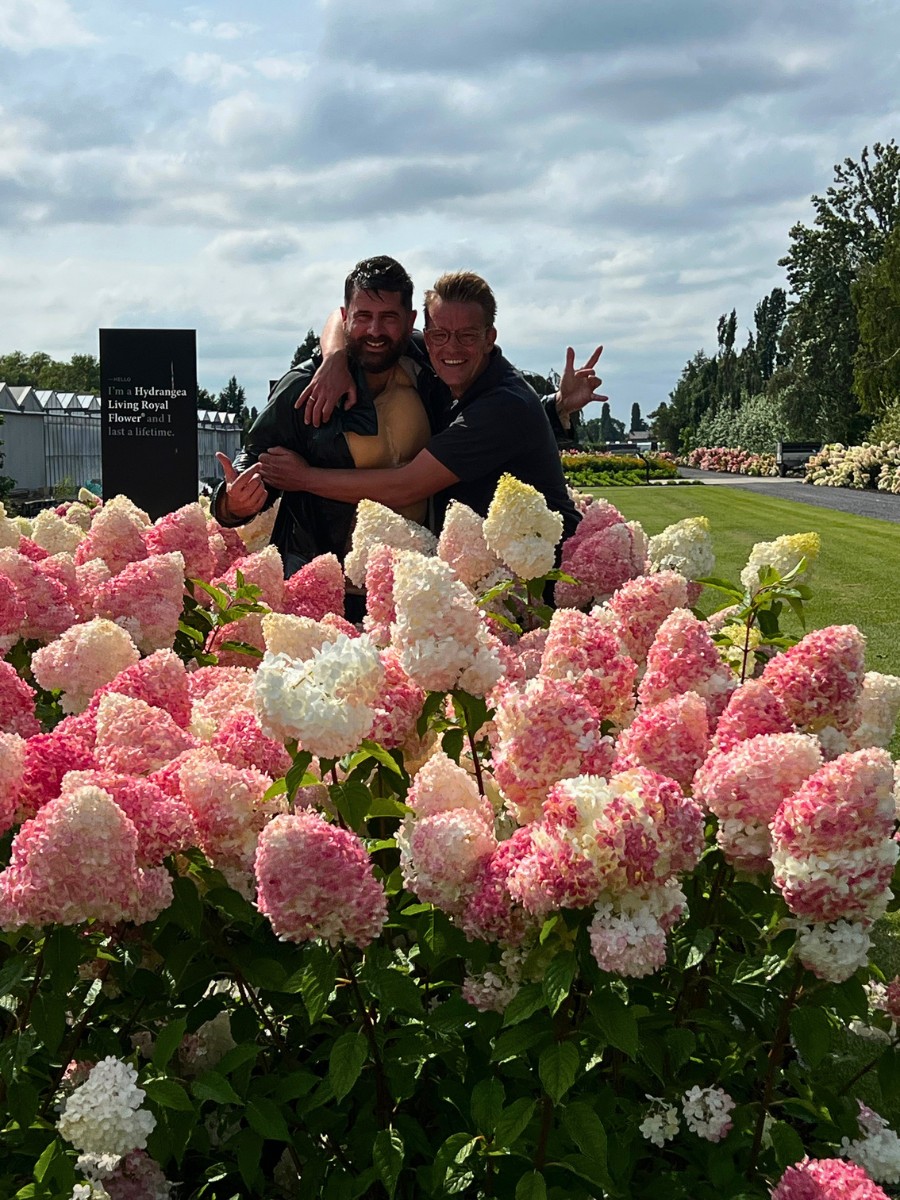
A defining feature of the Living Creations® Hydrangea Series varieties is their superior structural strength. Many traditional hortensias produce large, heavy flower heads that cause stems to bend or collapse, particularly after rain.
Varieties Specifically Bred to Avoid Weakness
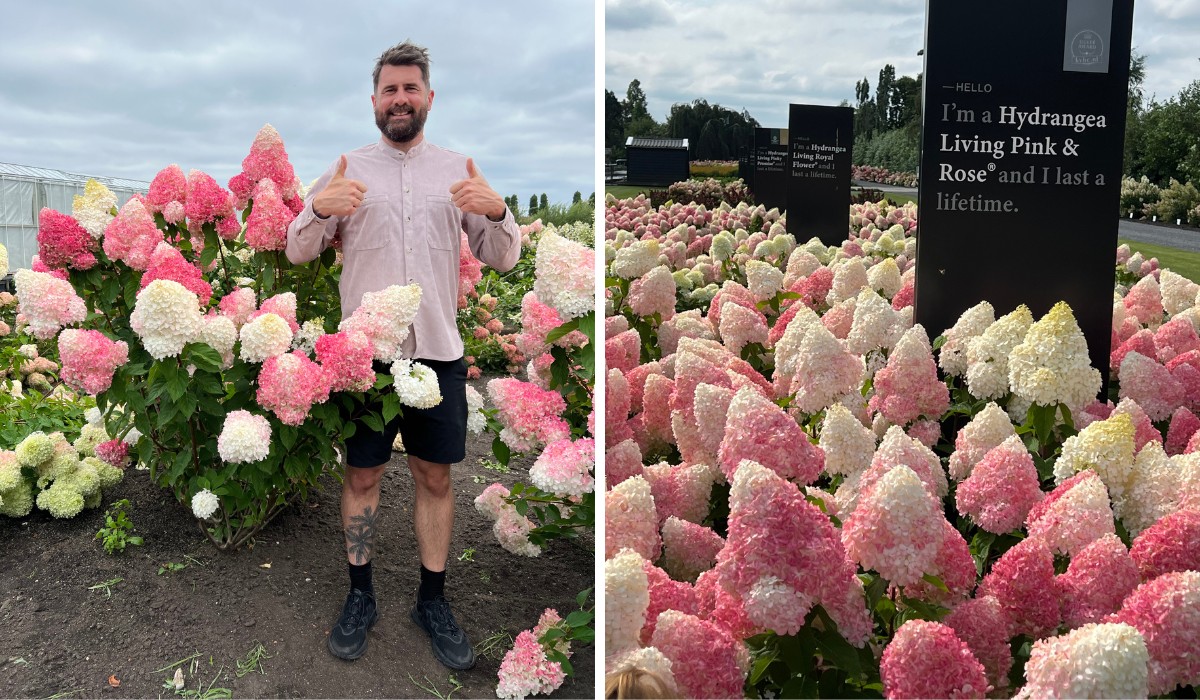
In contrast, Living Creations® varieties have been specifically bred to avoid that weakness. Their robust stems hold even the largest blooms upright, maintaining a neat, architectural form throughout the flowering season.
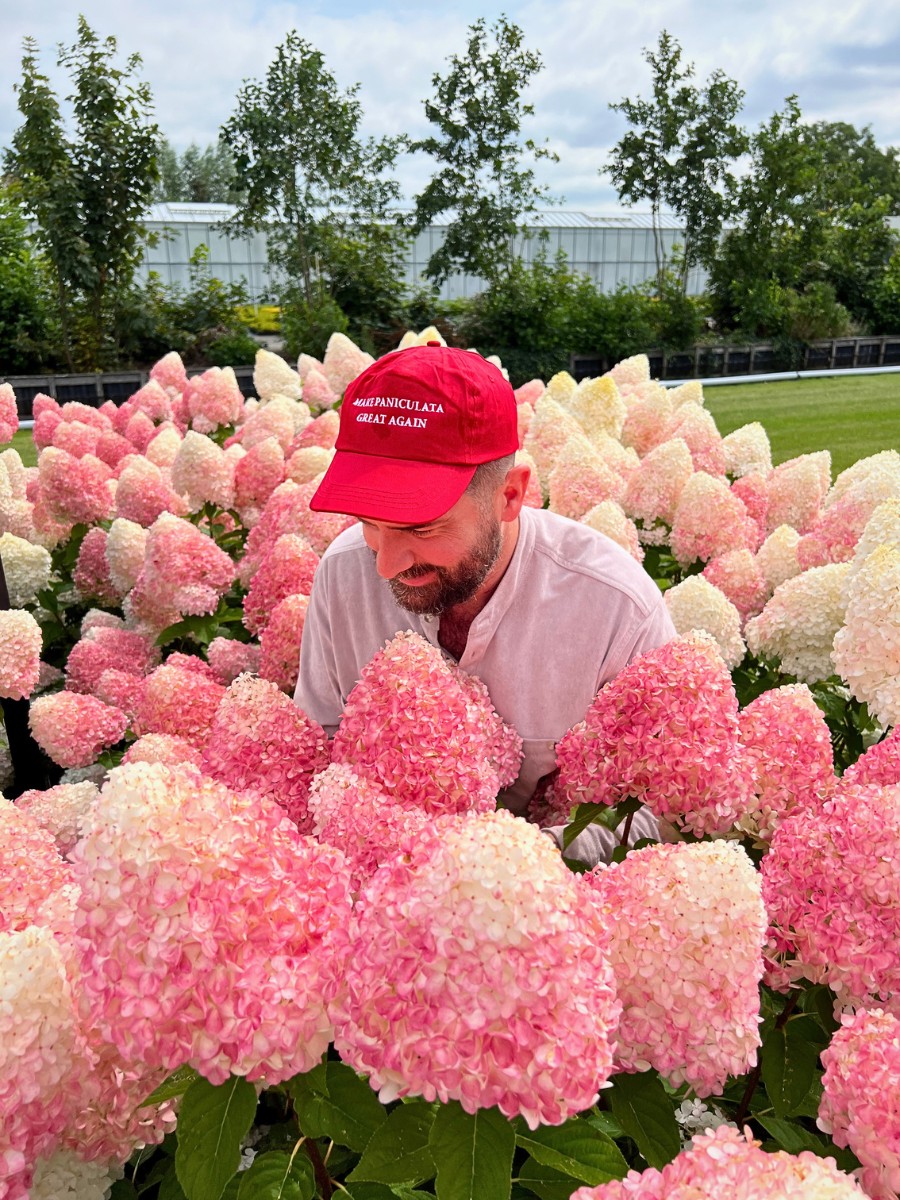
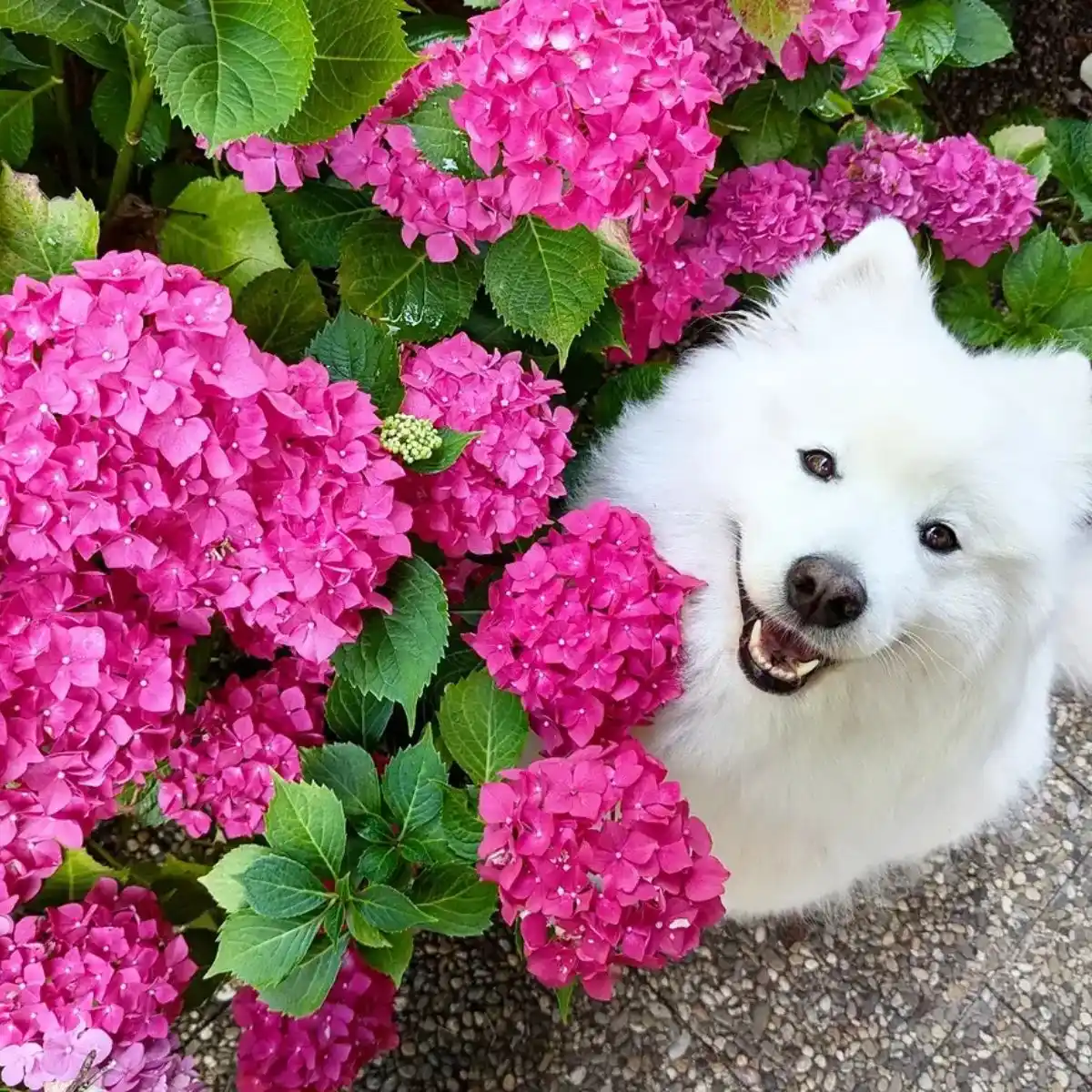
Among the standout introductions is Hydrangea paniculata Living Pink & Rose, which clearly demonstrates these qualities. It delivers an extended flowering period of around 100 days, beginning in early summer and continuing well into autumn.
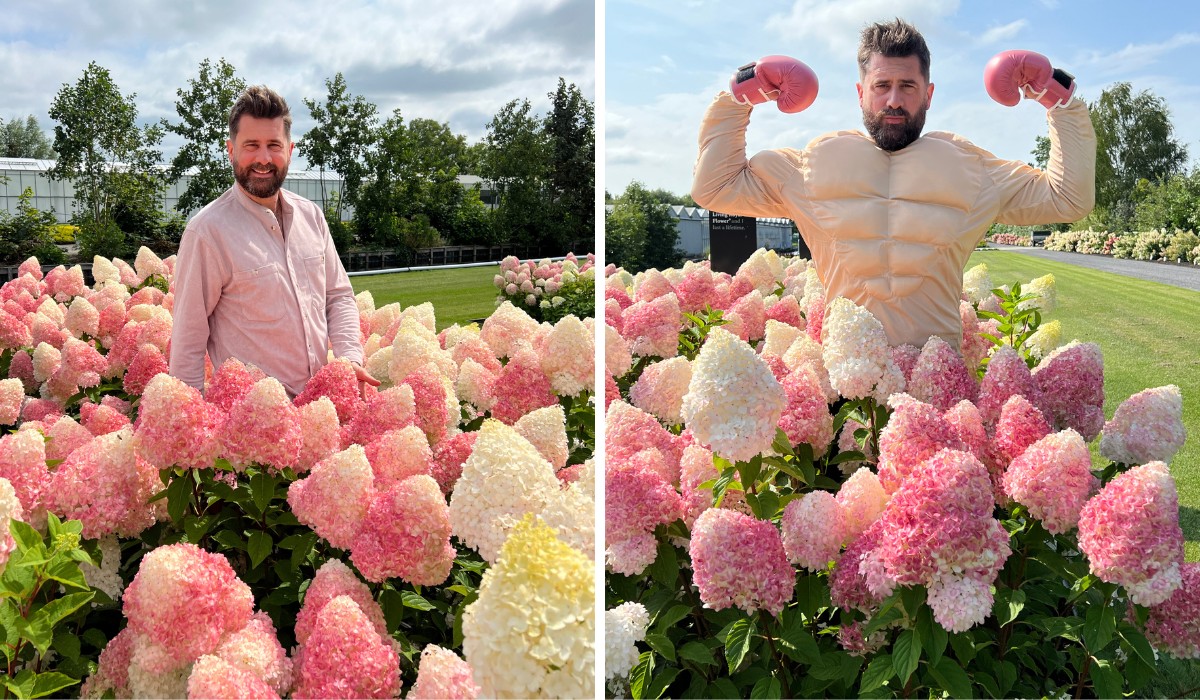
Consistent Performance Year After Year
The blooms emerge creamy white, gradually blush soft pink, and then deepen into a rich rose tone. Consumers would absolutely love this transition. Another key strength of the series is its extreme hardiness. These Hydrangeas are capable of withstanding very low winter temperatures, -30°C in fact, making them suitable for colder climates where other varieties may struggle.

This resilience, combined with foolproof pruning methods, ensures consistent performance year after year. Hydrangea paniculata Living Pink & Rose forms a compact, upright shrub, typically reaching around one to one and a half meters in height and spread. It thrives in both full sun and partial shade and adapts well to a wide range of soil types.
Photos by Michael 'Mr Plant Geek' Perry.