Why do some flowers change their colors? You may wonder, because you’ve certainly observed it. Mountain Hydrangea (Hydrangea serrata), moving between blue, pink, purple, lavender, and magenta shades, Lantana camara, turning from yellow to red or pink, common lungwort (Pulmonaria officinalis), whose flowers switch from vivid pink to violet and then blue over a few days, and even perhaps a rose whose blush deepens (or fades) with time.
The simple answer to this is that flowers are hardly fixed decorations, but essentially living ‘beings’ that respond to age, pollination, light, temperature, soil chemistry, and genetics. In many cases, a color change is part of a plant’s strategy for attracting pollinators at the right time, then indicating that the flower has already done its job. In other cases, it is just chemistry.
Why Do Flower Color Changes Happen?
To understand why flowers change color, consider pigments first. The colors seen in petals come from three main groups of compounds, namely anthocyanins, carotenoids, and chlorophyll. Betalain, nearly similar to anthocyanin, is a lesser group found in specific species. Anthocyanins are water-soluble pigments that produce reds, purples, and blues. Carotenoids give yellows and oranges. Chlorophyll, which most people associate only with leaves, influences green hues in petals as well.
When these pigments rise, fade, change, degrade, or interact differently with their surrounding chemistry, the flower changes color. Anthocyanins are especially sensitive molecules whose color depends on their concentration and the pH of the surrounding cellular fluid. In an acidic environment, they lean toward red and pink. In a more alkaline setting, they move toward purple and blue. This explains much of the color-changing behavior often seen in gardens.
Pollination is one of the most interesting triggers. In some flowers, once pollen lands and fertilization begins, the plant changes color to tell pollinators that the nectar may be gone and fresh visits are less useful, which helps the plant save energy and informs insects to avoid seeking already serviced flowers. Here’s more on why flower color changes happen.
1. Chemistry and pH
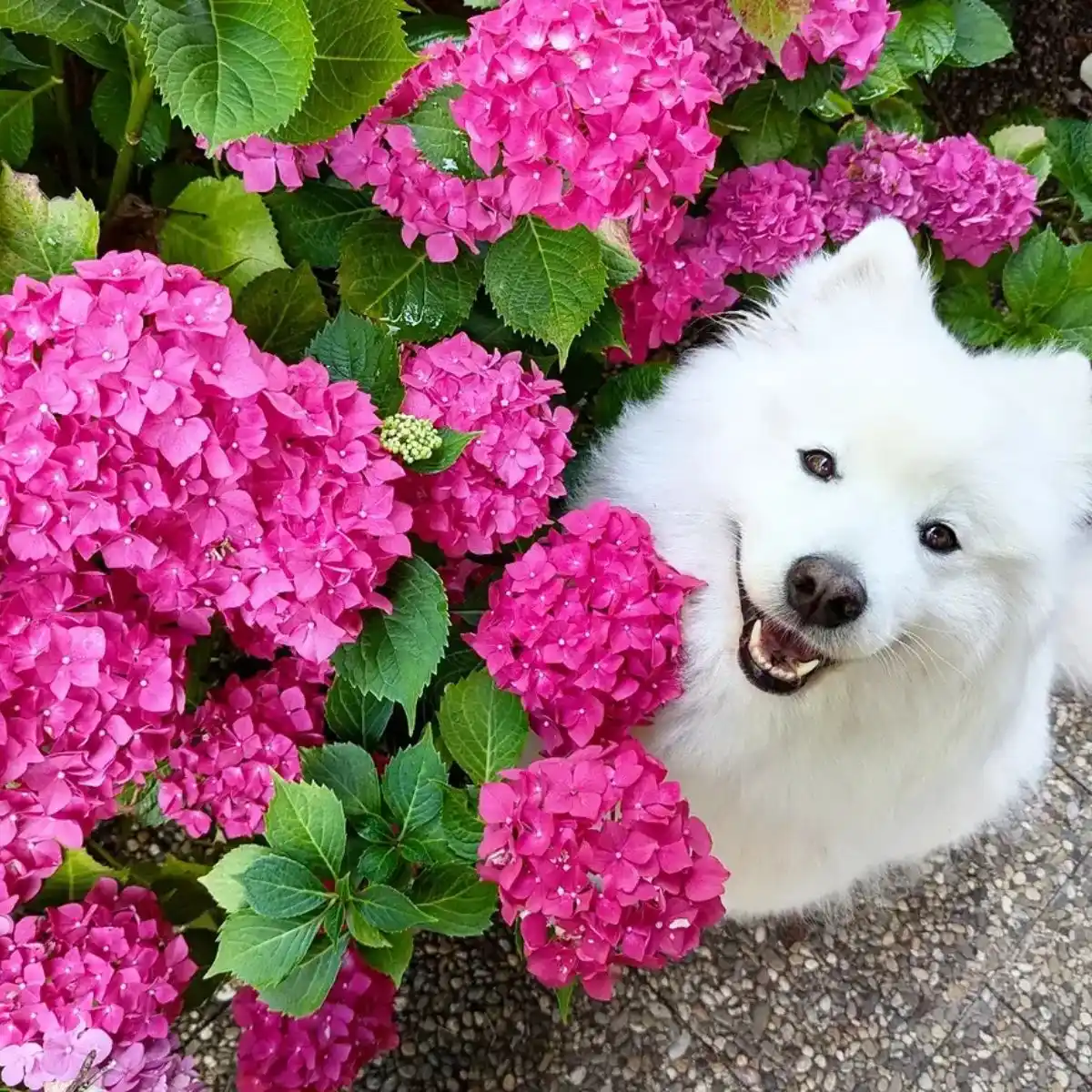
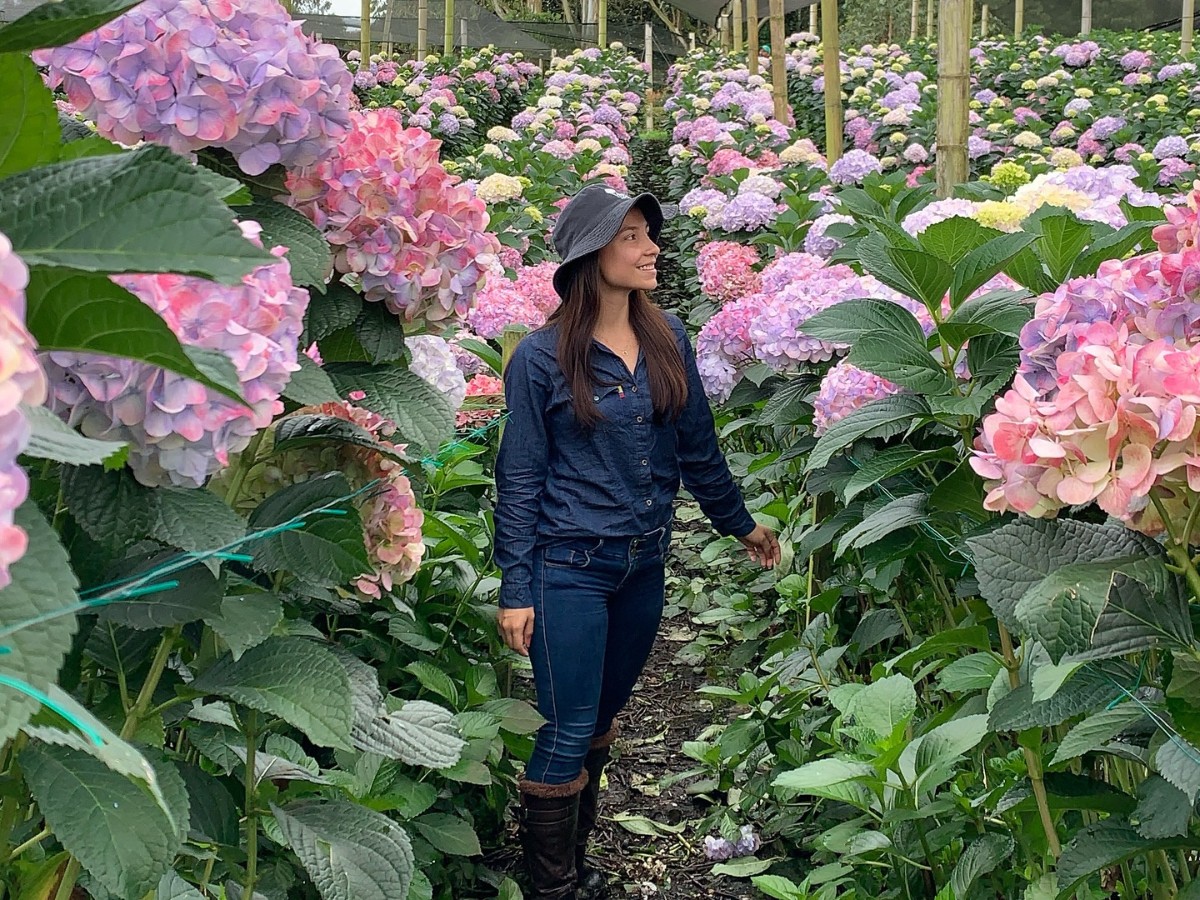
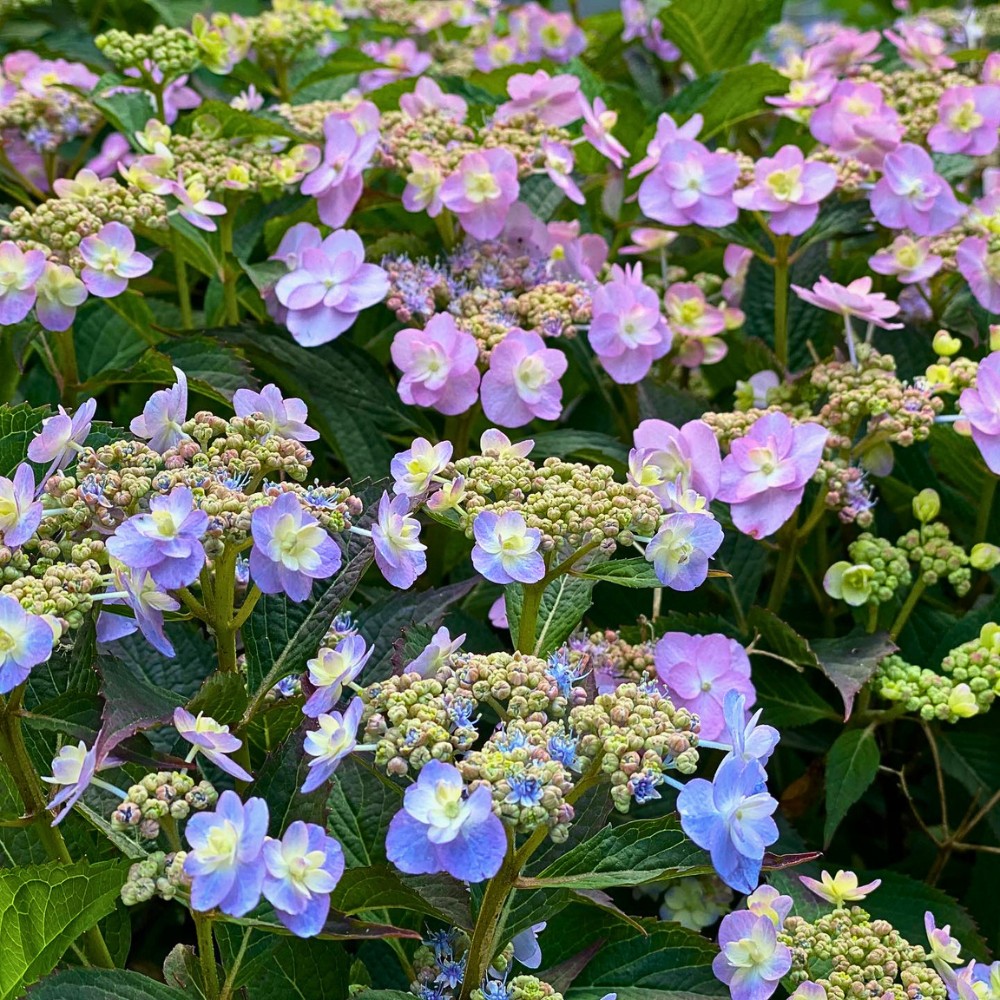
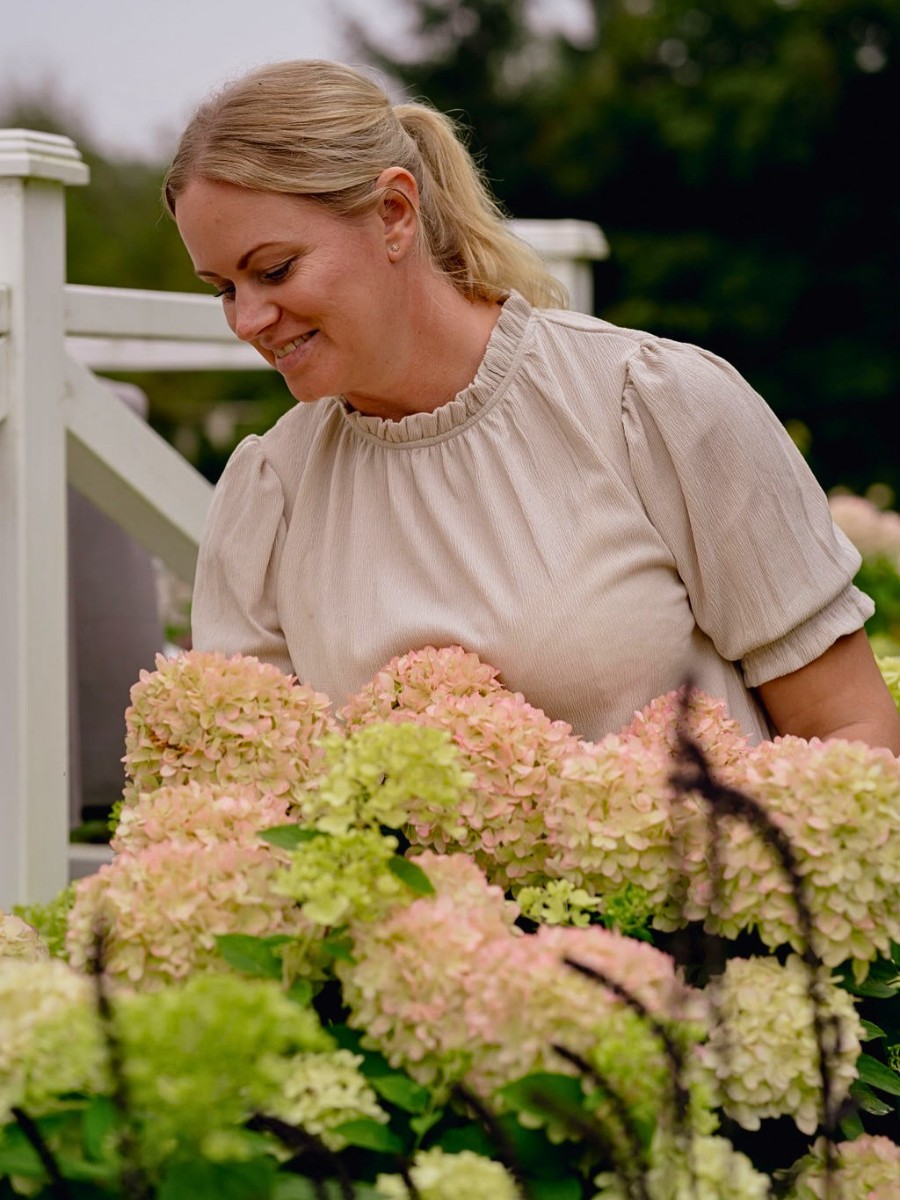
One of the best-known examples in this regard is Hydrangea. Its color depends strongly on soil pH and the availability of aluminum in the soil. In acidic soil, many Hydrangeas turn blue, while in more alkaline conditions, they often lean toward pink, which is not the flower’s doing for the sake of beauty, but a chemical response to the ground it grows in.
Essentially, Hydrangeas produce a pigment called delphinidin-3-glucoside. In acidic soils, the plants absorb aluminum more readily, and when aluminum binds to that pigment, the flower turns blue. In alkaline soils, aluminum is less available, and the flowers move toward pink and red.
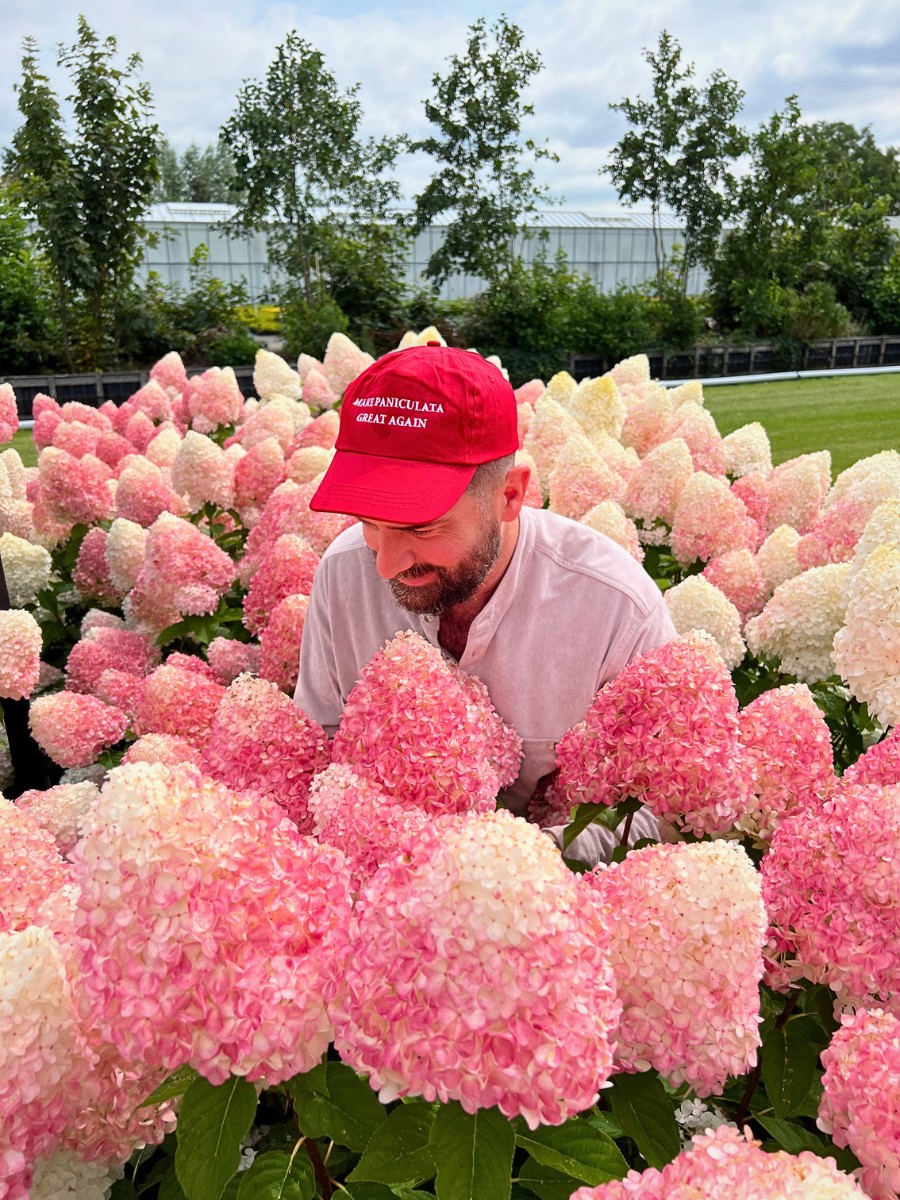
This is why two Hydrangea plants of the same variety, growing side by side but in slightly different soil conditions, can display noticeably different colors. Growers have often used this quirk intentionally, adding aluminum sulfate to the soil to push flowers toward blue or adding lime to encourage pinker tones.
Hydrangea pigments also react to temperature, light, and stress. Strong sun, heat, drought, flooding, or poor nutrition can all affect how intense a flower looks. The plant may color up well one season and appear softer or duller the next, even when it is the same variety and the same grower.
2. Signals (Re)Directing Pollinator Traffic
Some flowers change color after pollination. Once already visited and fertilized, it no longer needs pollinators, but instead of closing or dropping its petals, some change their color as a signal. Pollinators, many of which see color differently from humans, learn to avoid the changed flowers and focus on the ones that still offer nectar.
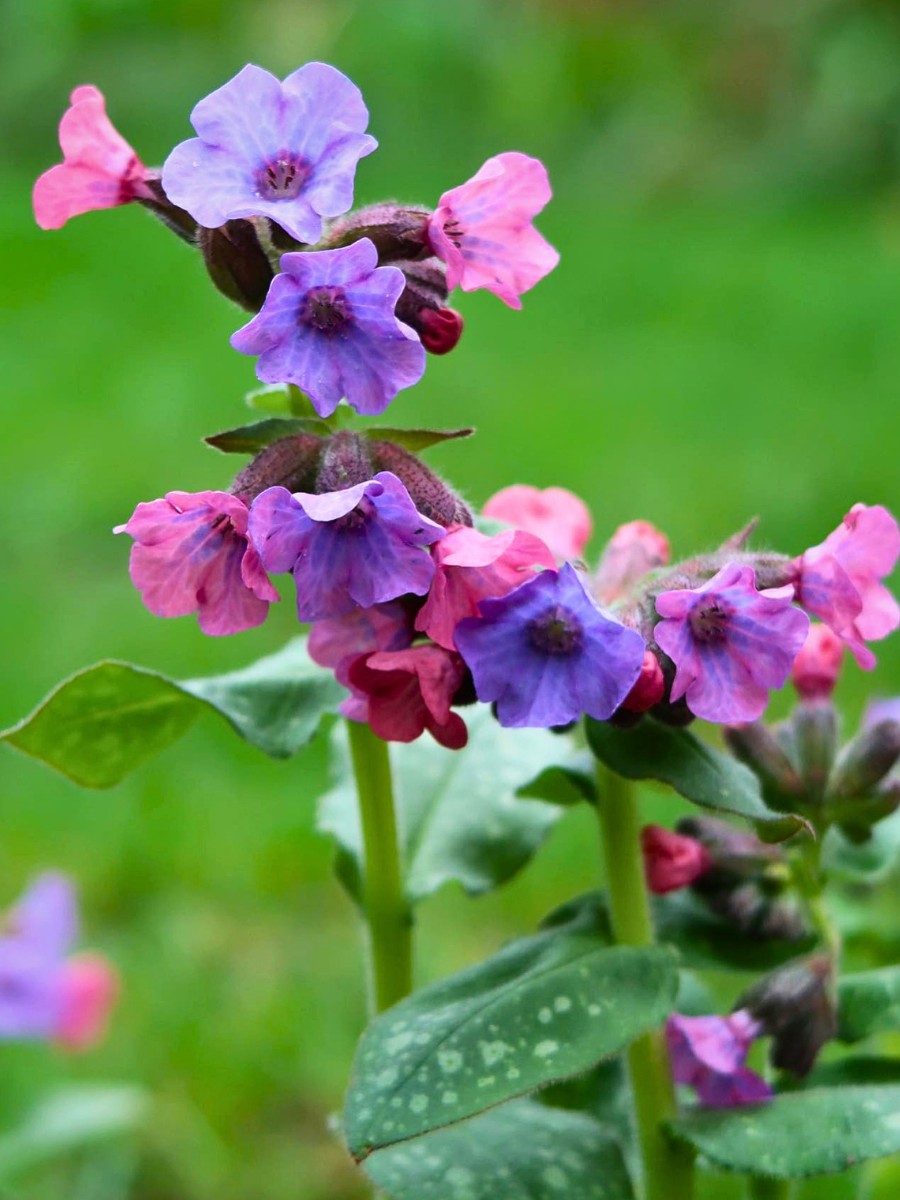
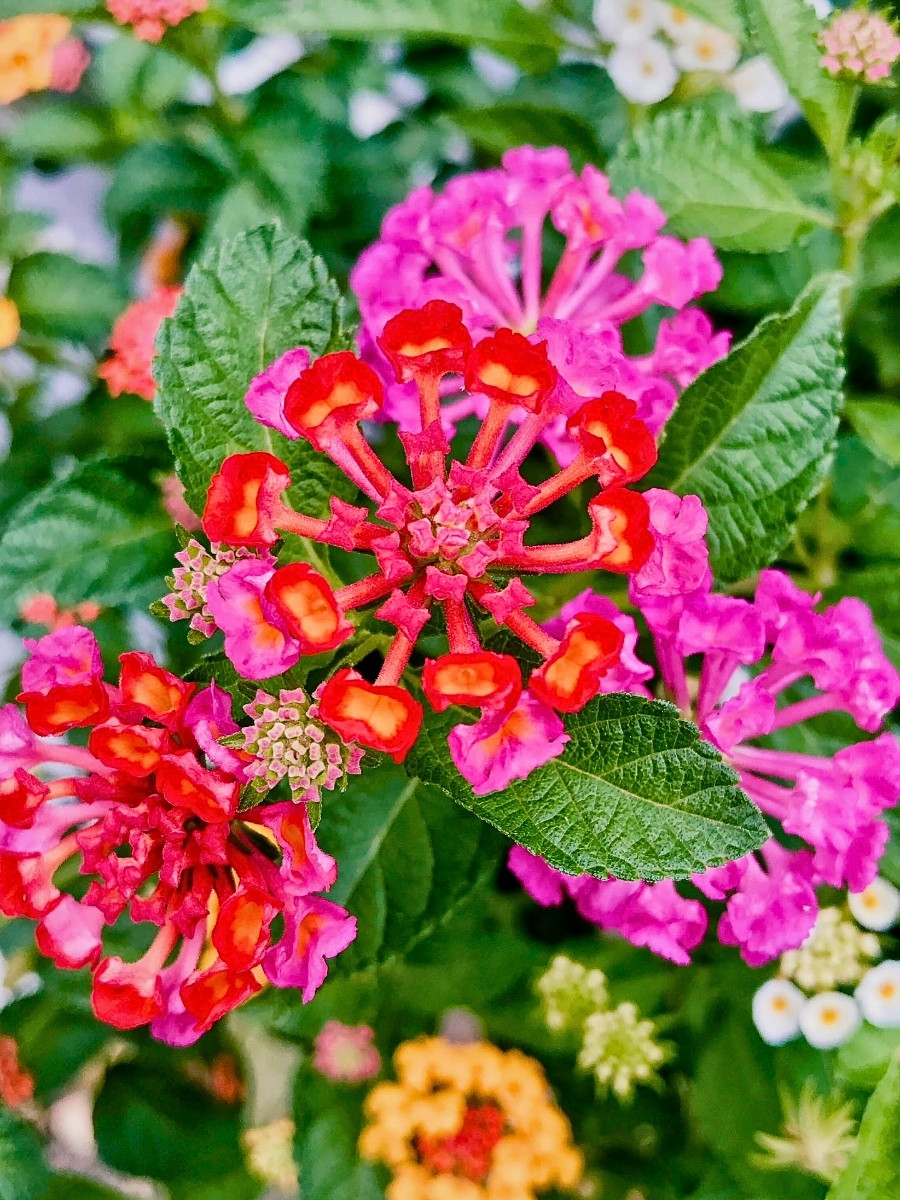
Lungwort, the woodland perennial, is one of the best examples. Its flowers open pink and age to a deep blue-violet as they are pollinated. Since bees tend to prefer the pink, newly opened flowers, the plant essentially redirects pollinator traffic with color. Lantana follows a similar pattern, with individual flower clusters showing different colors as different florets age at different rates.
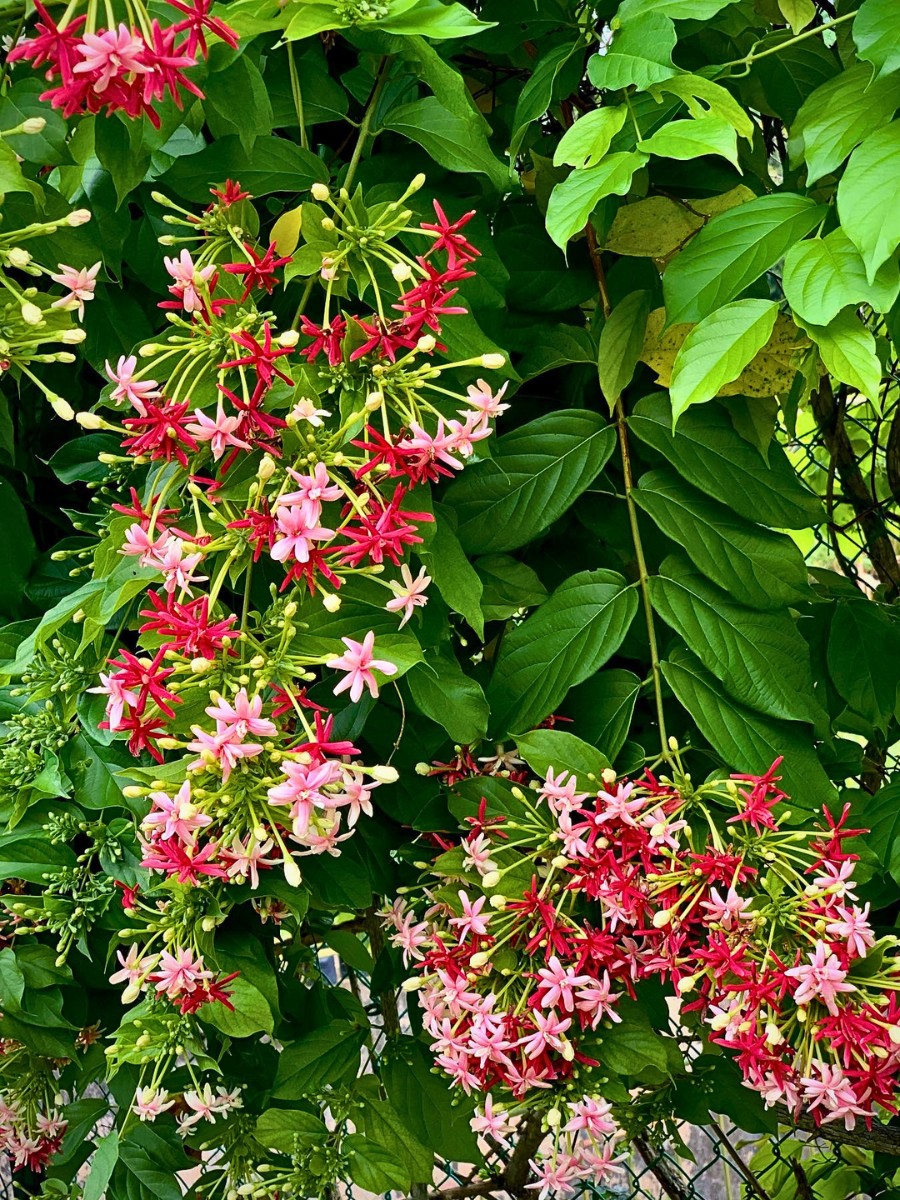
Quisqualis indica, commonly called the Rangoon creeper, is another example. Its tubular flowers open white in the evening, transition to pink by the following morning, and deepen to red by the afternoon of the same day. The white flowers attract nocturnal moths, the pink attract morning butterflies, and the red are essentially spent and no longer in the game.
3. Temperature (And the Colors of Some Roses)
In roses, color change is particularly interesting, and not only in wild or heritage varieties. Temperature affects the enzymes that produce anthocyanins. In cooler conditions, these enzymes are more active, resulting in a richer and more saturated pigmentation. In heat, enzyme activity changes, and the color can appear softer or more washed out.
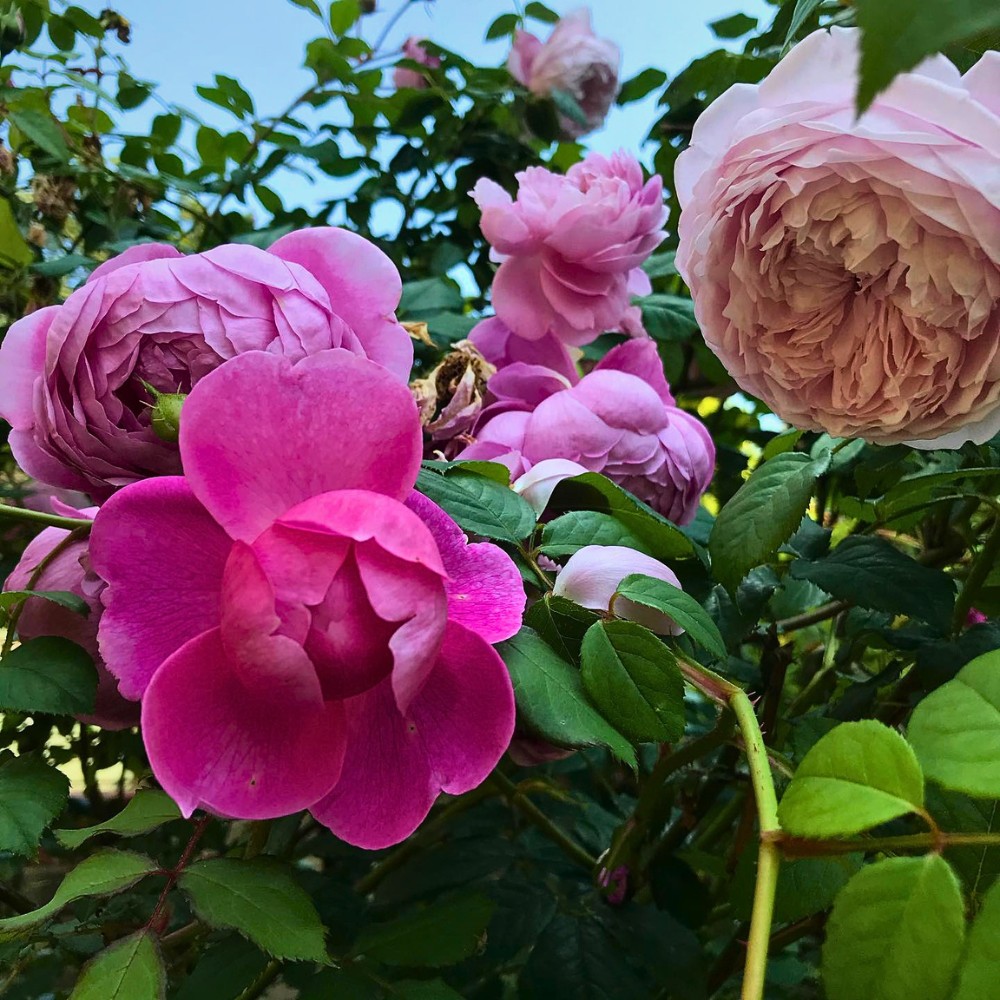
Many rose growers have, perhaps, noticed that their flowers are more deeply colored in spring and fall than in the height of summer, which is not always about water stress or soil nutrition. Sometimes it is just a matter of temperature and the enzymatic activity it controls. Some modern roses are specifically bred for this color-changing behavior.
4. Genetics and Breeding
Some flowers are naturally preset to show color variation, and some change because of mutations or hybridization. In cultivated plants, some breeders often select for subtle color changes because they create interest. Many modern roses are bred to open in one shade and age into another.
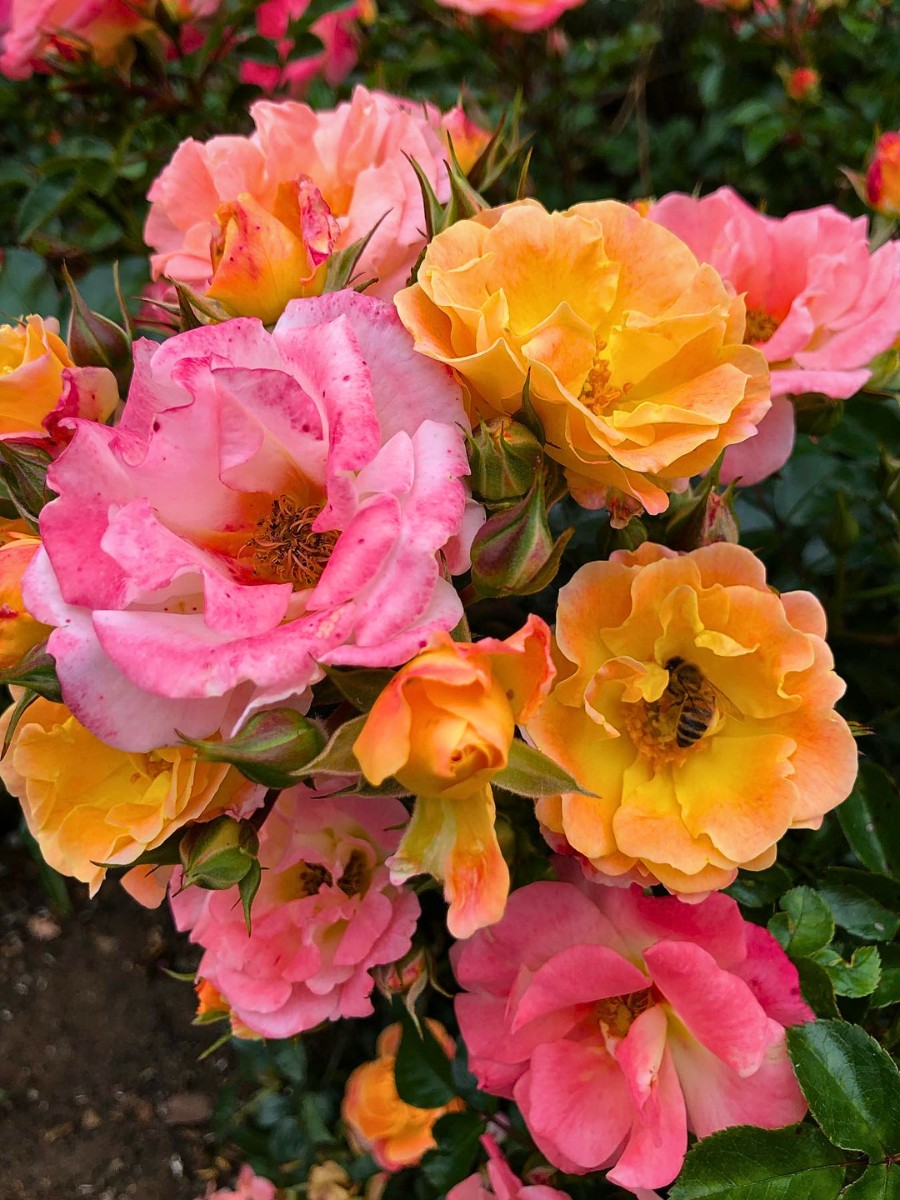
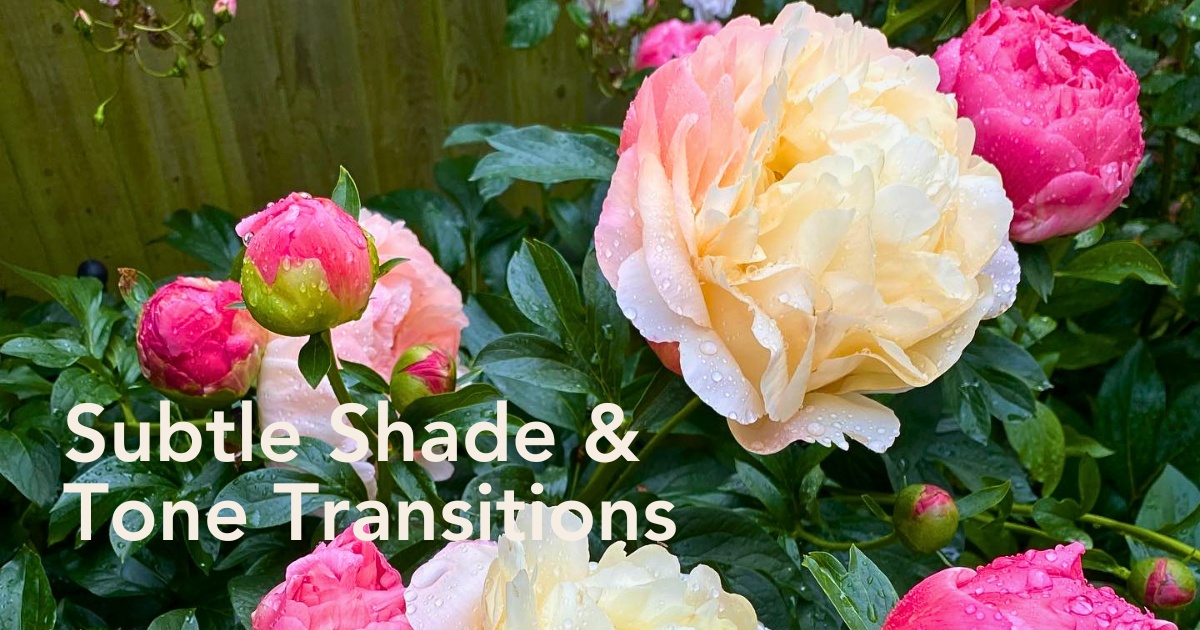
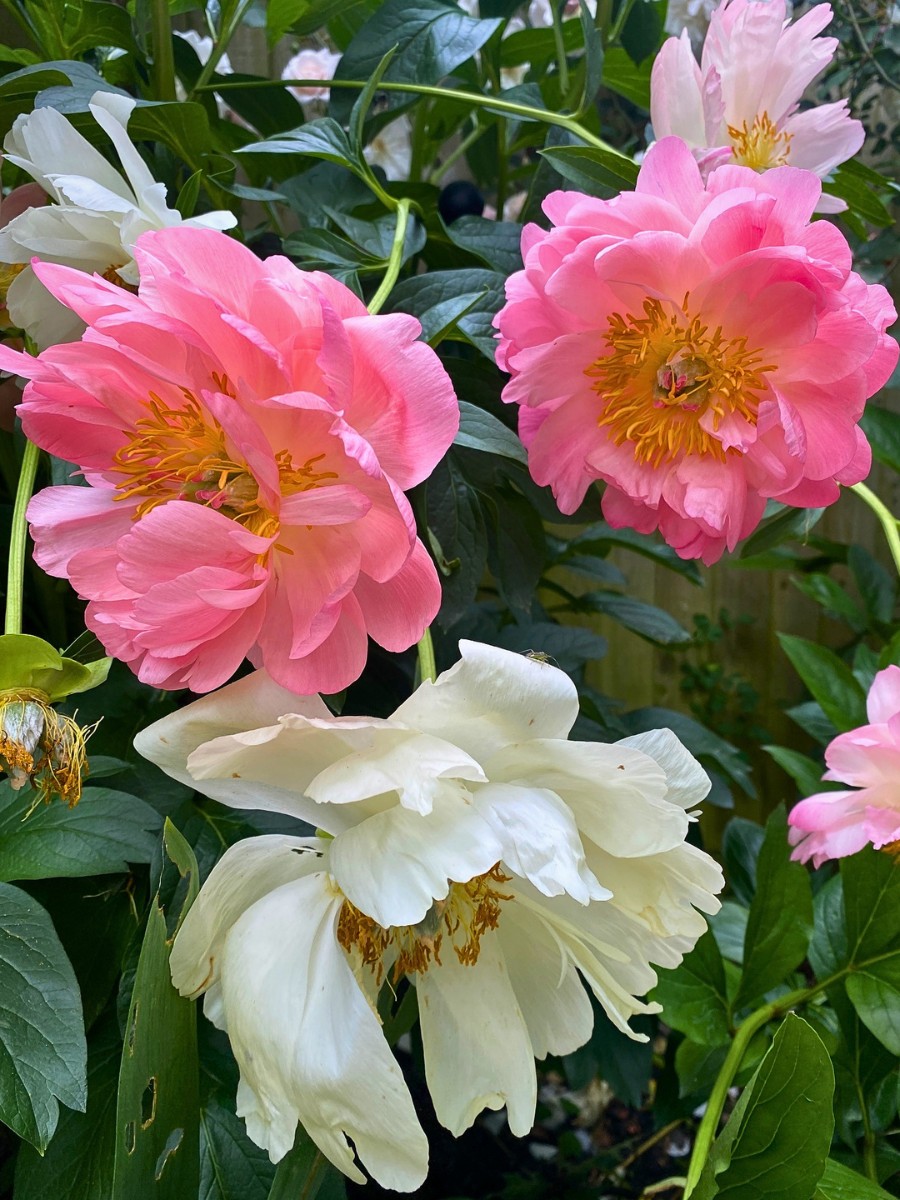
An example could be a rose that opens soft peach or pink and later deepens into a creamier blush, or a yellow rose that fades to ivory as the petals age, or one that opens a warm, light crimson color and deepens to a rich, velvety red as the petals age and temperature drops.
Some breeders favor these transitions because they give a flower a longer visual life and more character through the days it remains open. The change is usually not sudden, but subtle, more like a slow, sublime move from one note to the next.
Lantana is another well-known example, which often changes from yellow to orange, then red as its clusters age. Morning glory and related species can also fade or deepen as the flower matures through the day.
5. Aging and Senescence
Not every color change is strategic. Some flowers change their color when they age. This stage is called senescence, which is a natural part of the flower's life cycle. As petals mature, pigment pathways change, and the flower may fade, darken, or take on a new hue.
In this case, carotenoid and chlorophyll pigments break down as a flower ages, and the vibrant yellow of a freshly opened Daffodil, for instance, softens to a paler, creamier tone. Anthocyanins, though more stable, also degrade in prolonged sunlight and heat. The deep purple of a freshly cut Lisianthus eventually bleaches to a softer lavender if left in bright conditions.
Evening primroses, on the other hand, may open pale and then be completely changed by morning. Often, such a change is common in flowers with a short display period, and the flower (as noted before) signals to pollinators which flowers are still fresh and worth visiting. Notably, this is part of a flower's life arc. The flower is no less beautiful for being ordinary. Some florists specifically seek out flowers at different stages of this process, creating designs that have different shades of the same color.
6. Water Stress and Pigment Concentration
Also, when a plant is under water stress, the cellular fluids in its petals become more concentrated. This can intensify pigmentation, making a flower appear more deeply colored than it would in well-watered conditions. The opposite is also true. Overwatered plants may, albeit briefly, produce paler-than-expected flowers. The same flower variety can look subtly different depending on the grower's watering habits. Cut flowers also sometimes show a brief intensification of color in the first hours after a fresh cut.
7. Light and Ultraviolet Exposure
Prolonged UV exposure bleaches many pigments over time, which is why a flower on a sunny window often fades faster than one in filtered light. But UV light also stimulates anthocyanin production in some species, which is why certain flowers develop richer color in bright outdoor conditions than they would indoors or in shade. The same pigment that protects plant tissue from UV damage also gives those deep purples and reds. Sunshine, in the right doses, deepens the tones that it would eventually wash out.
Featured image by @london_blooms. Header image by @london_blooms.