We know how to sell flowers when the calendar tells people to buy them. The more interesting question is what happens when it doesn't.
The flower industry likes a milestone. Valentine's Day. Mother's Day. Birthdays. Anniversaries. We know how to plan for them, grow for them, and merchandise them. But something is shifting in the way consumers create reasons to spend. The big milestones have not disappeared, but they increasingly sit alongside much smaller, self-defined moments: finishing a difficult project, surviving a bad week, getting through something stressful, finally doing the thing that had been sitting on the list for days.
Milestones are being joined by inchstones. And consumers are spending on them.
How Often Do Americans Buy Themselves Little Treats?
SurveyMonkey's 2026 Treatonomics research found that 62% of US adults buy themselves a small, affordable treat at least monthly, with 43% doing so weekly or even daily. More than half of them keep each purchase at $25 or less. Circana found a similar pattern: 44% of Americans indulge in little treats at least a few times a week, often as a reward, an impulse, stress relief, or self-care.
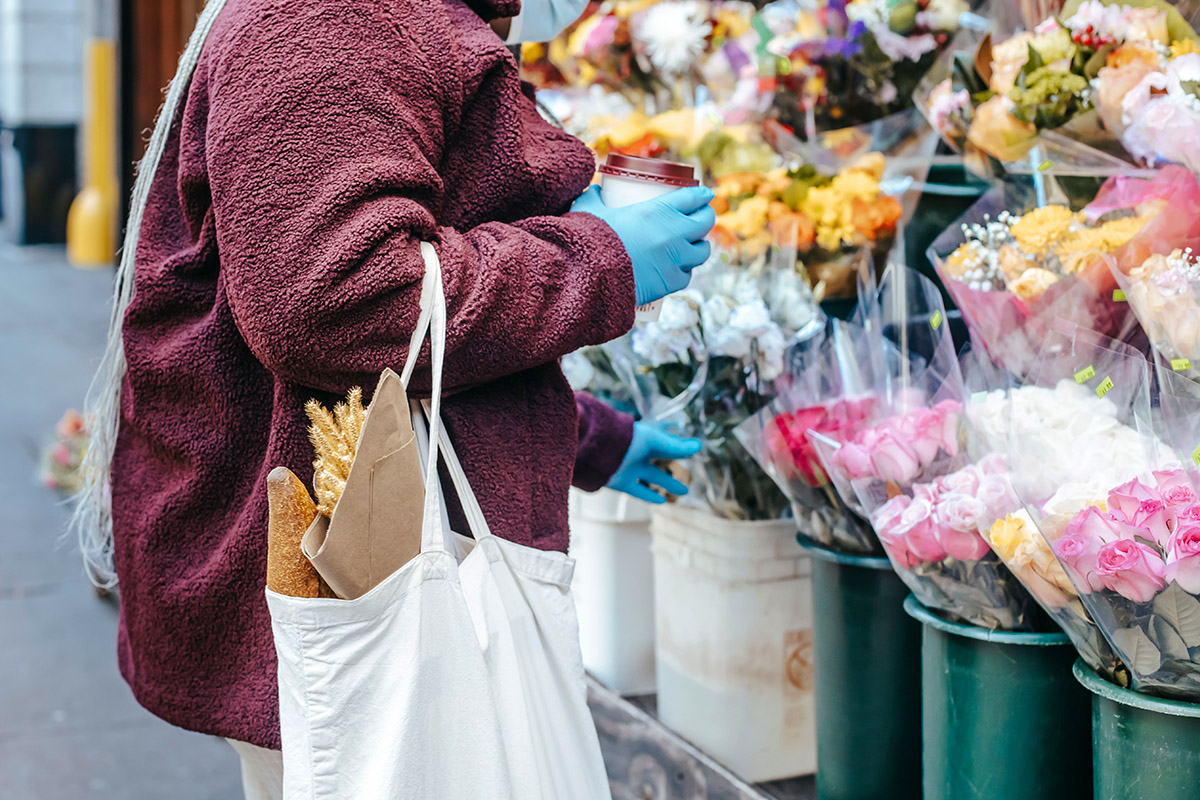
That is a pretty significant shift from waiting for the calendar to provide a reason. And it should be interesting to floral, because flowers already do exactly what many of these little treats are supposed to do. They give you a lift. Change the feel of a room. Mark a mood. Reward a moment. Make an ordinary day feel slightly less ordinary.
The question is whether we are designing and selling them that way.
Maybe the Product Should Change Too
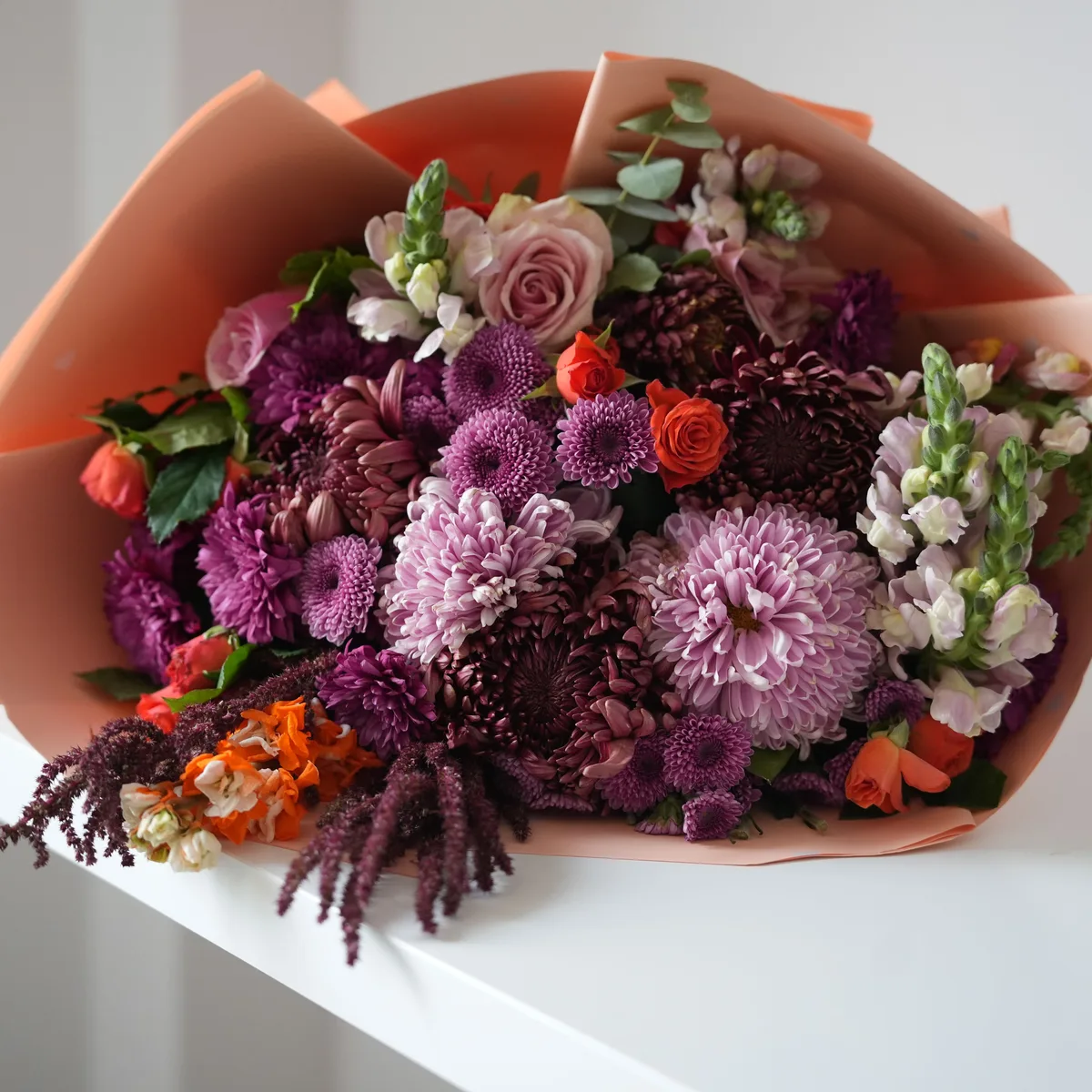
If the occasion is getting smaller, perhaps the product should sometimes get smaller with it. Not cheaper-looking. Smaller. There is a difference. A few fantastic stems in a cute reusable vase can feel much more intentional than a larger bouquet that has simply been engineered down to a price.
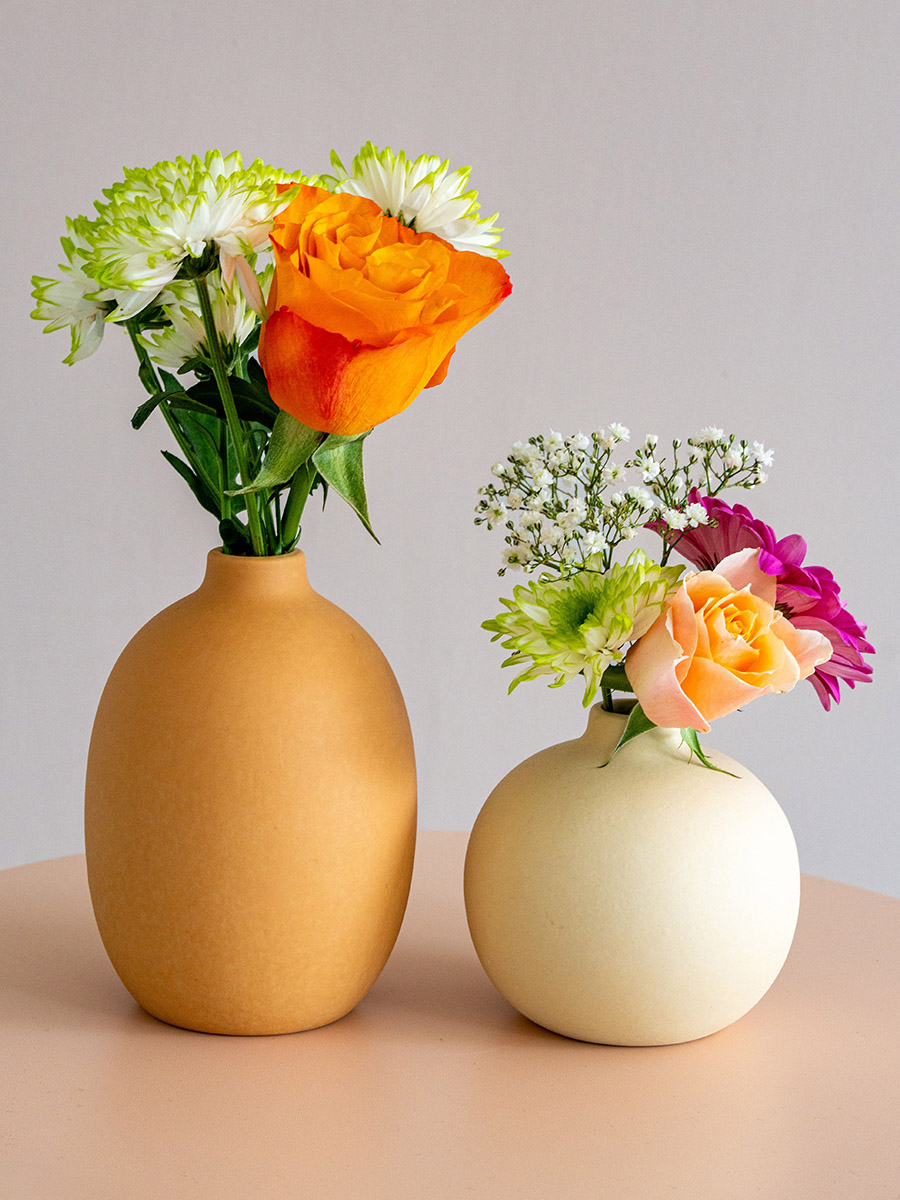
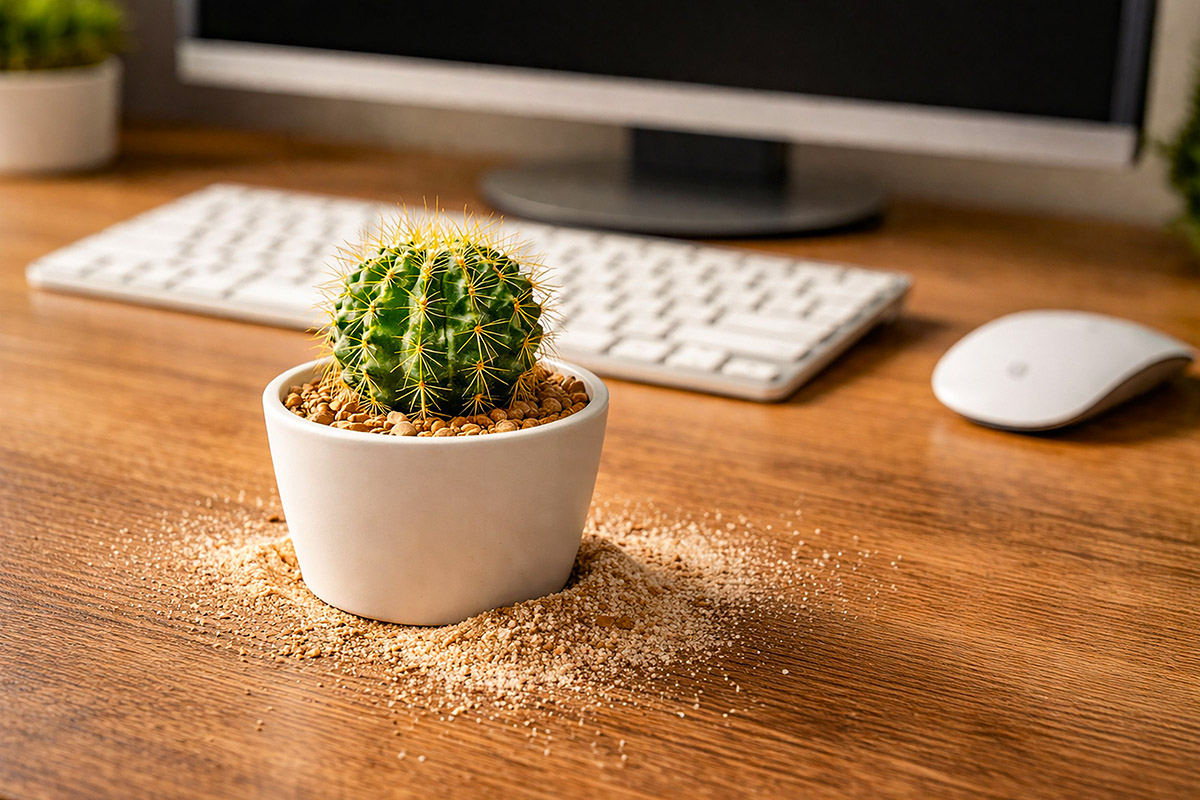
A compact bunch built around one great color could be perfect for a desk or kitchen counter. A small plant in a really good pot can compete quite comfortably with the candle, pastry, or beauty product currently winning that little-treat dollar.
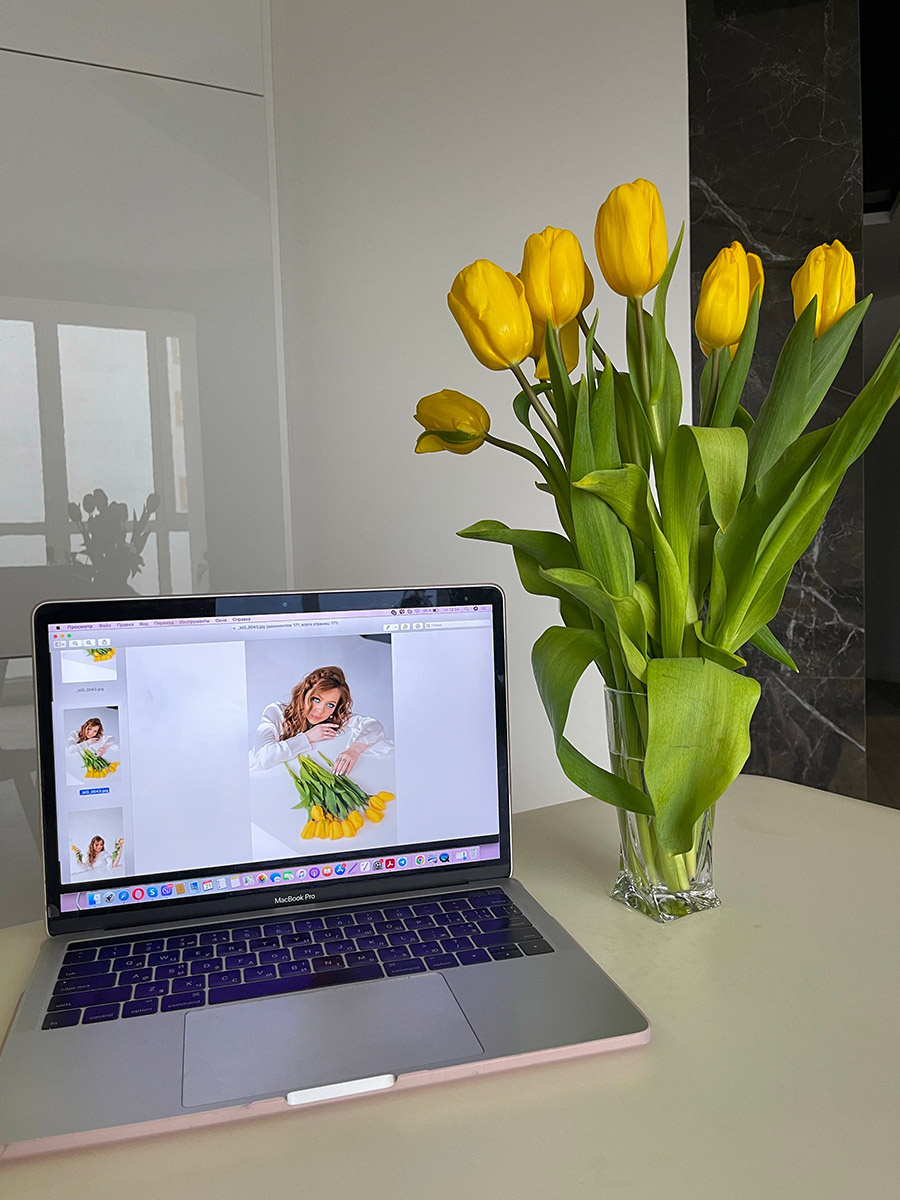
The interesting question is not: How do we make our regular bouquet cost five dollars less? It is: What would we create if the whole brief were an inchstone? Something easy to pick up. Easy to justify. And still special enough to feel like a treat.
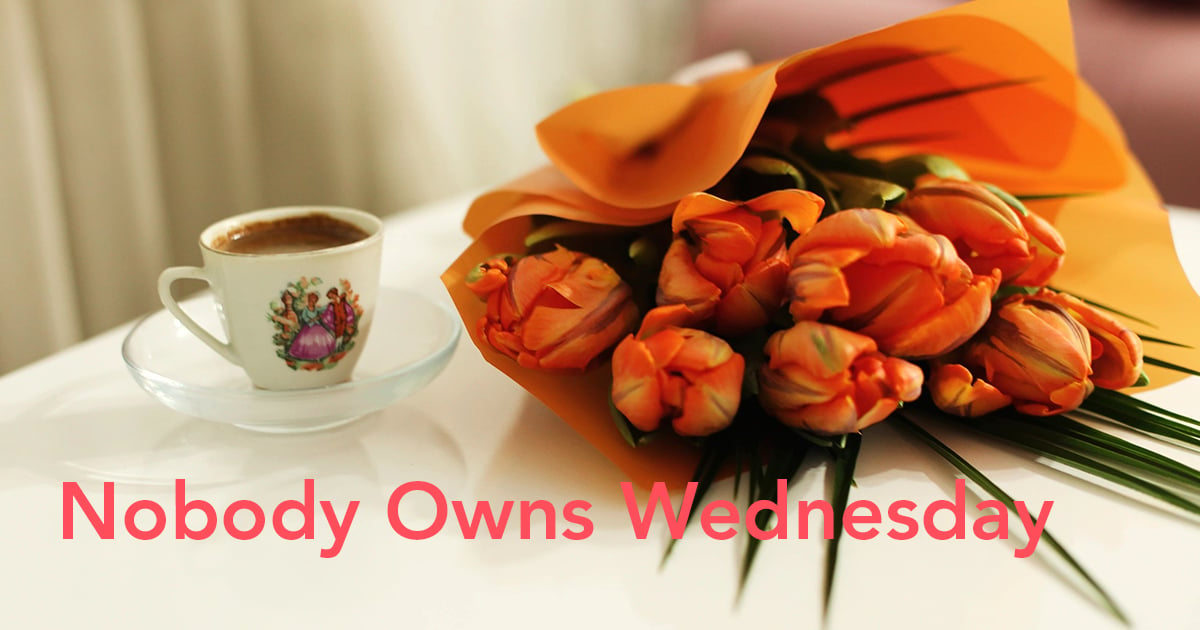
Nobody Owns Wednesday
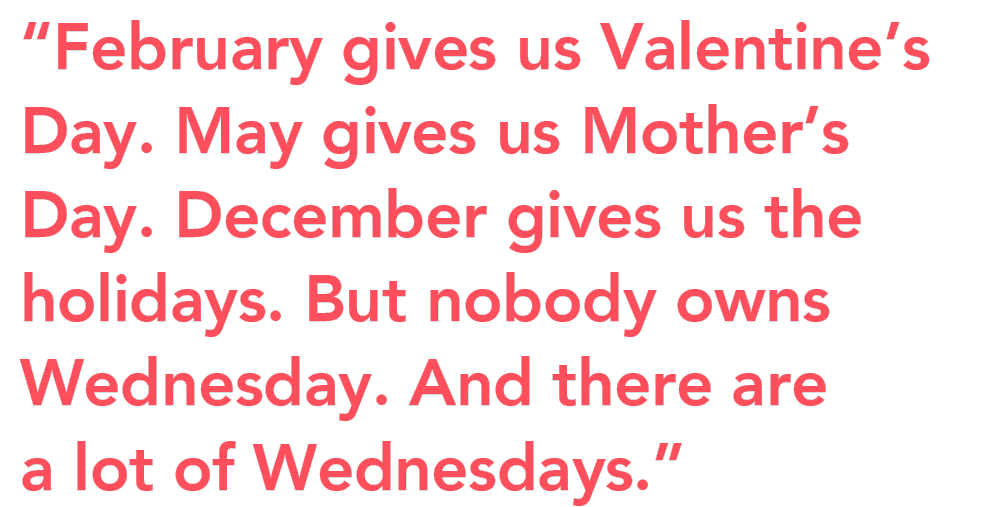
We are excellent at building floral programs around occasions somebody else has already created for us. February gives us Valentine's Day. May gives us Mother's Day. December gives us the holidays. But nobody owns Wednesday. And there are a lot of Wednesdays.
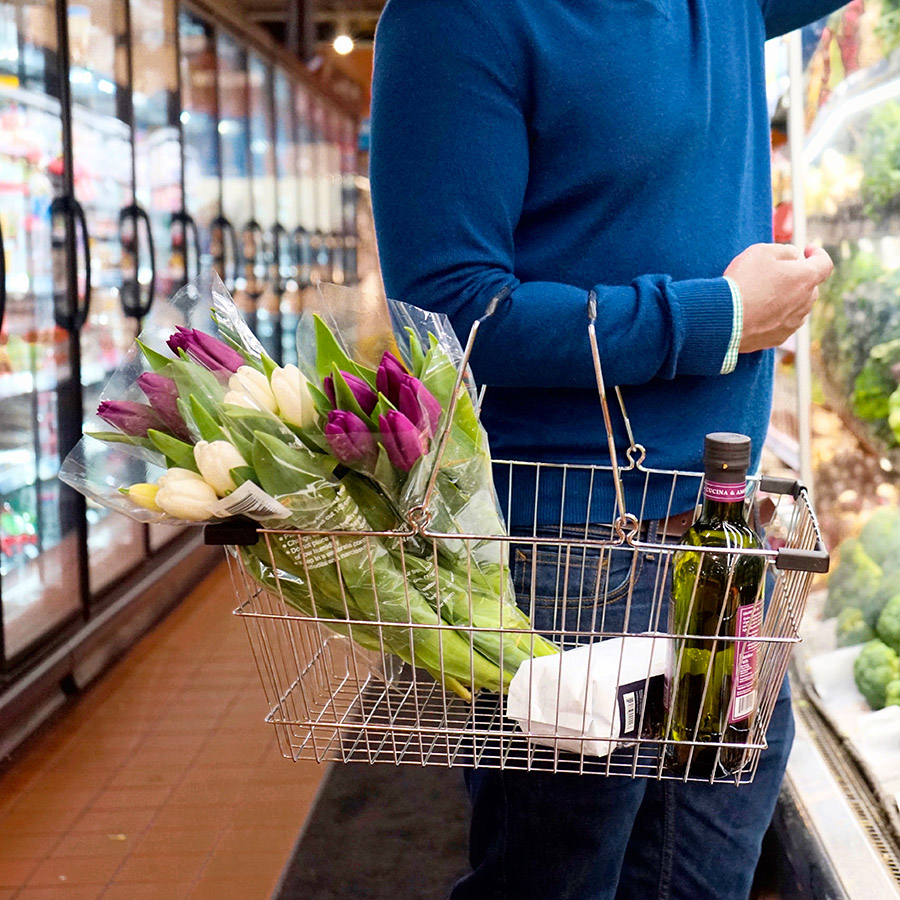
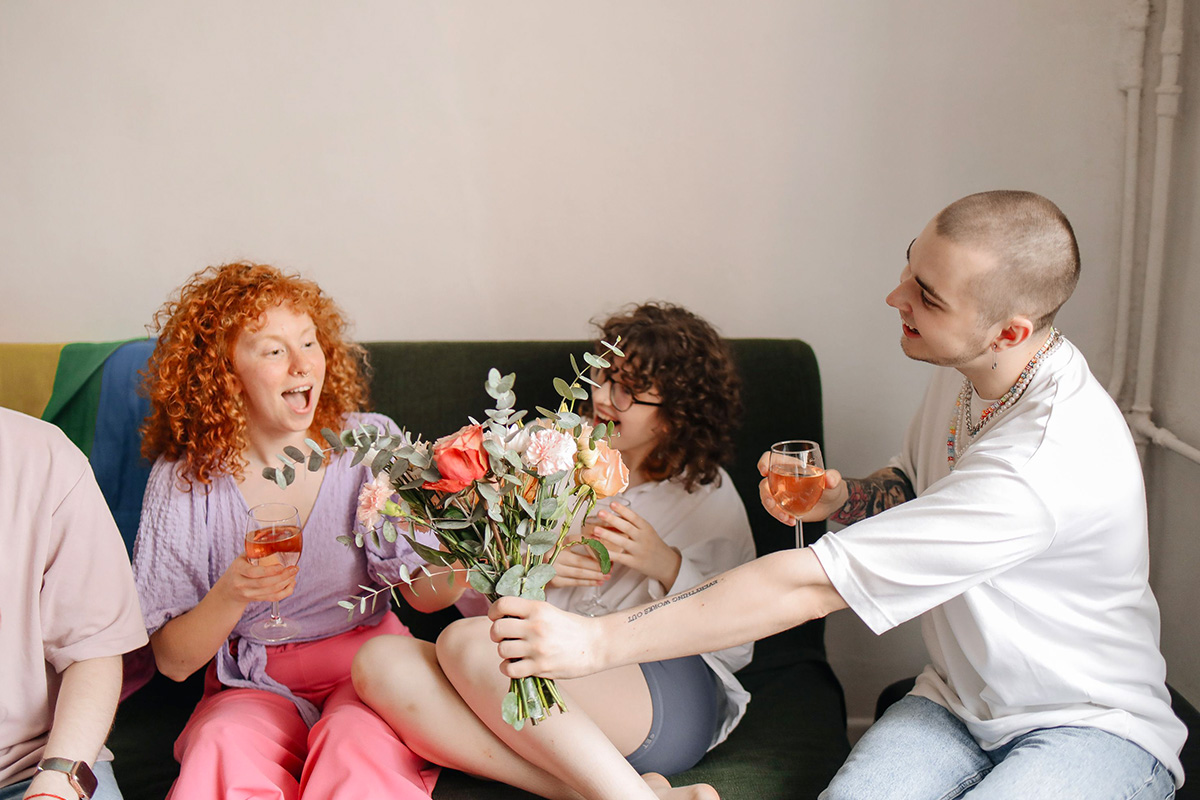
Friends coming over tonight. A rotten day at work. A freshly cleaned apartment. A little something for someone who needs it. Flowers because the kitchen table suddenly looks rather empty without them. We do not need to turn those into another promotional calendar. The opportunity is subtler: give shoppers permission to make an ordinary moment a flower moment.
Other categories have become very good at this. Coffee attached itself to daily rituals. Beauty mastered the small indulgence. Candles have somehow become appropriate for almost every emotional state known to humanity.
Floral has at least as much emotional range.
But the product and merchandising have to play along. A $10 or $15 floral treat should feel intentionally designed for that moment, not like the cheapest option in the department. Maybe flowers and a small vase belong together. Maybe packaging suggests a new reason to buy. Maybe a display is built around the moment rather than only around variety and price. We often talk about getting flowers onto the weekly shopping list. Maybe the better ambition is getting them into ordinary life.
The milestones will always matter. But there are only so many of them. Between them sit hundreds of bad days, good days, little victories, dinners, fresh starts, and completely unremarkable Wednesdays.
That is a lot of inchstones.
And perhaps a lot of flower occasions we have not designed for yet.
Header image by Sümeyye Acar on Pexels. Featured image by Tara Clark on Pexels.