As a grower's daughter, I learned early on that you can make a good product without a market automatically waiting for it. That idea runs through this whole series. No matter how good your product is, the market decides whether it is relevant, and that market keeps changing. Which raises a question: how well do we actually know who we are producing for?
Many companies in the floral industry know their direct customers well: florists, exporters, wholesalers, retailers, or garden centers. We know what they order, which varieties sell well, and which colors are popular. But do we also know the customer of our customer? Who ultimately decides whether to buy flowers or plants? Where do they look for ideas, what matters to them, and what holds them back? And perhaps most important: what are flowers and plants actually competing with in that consumer's mind?
Generation Is a Starting Point, Not an Explanation
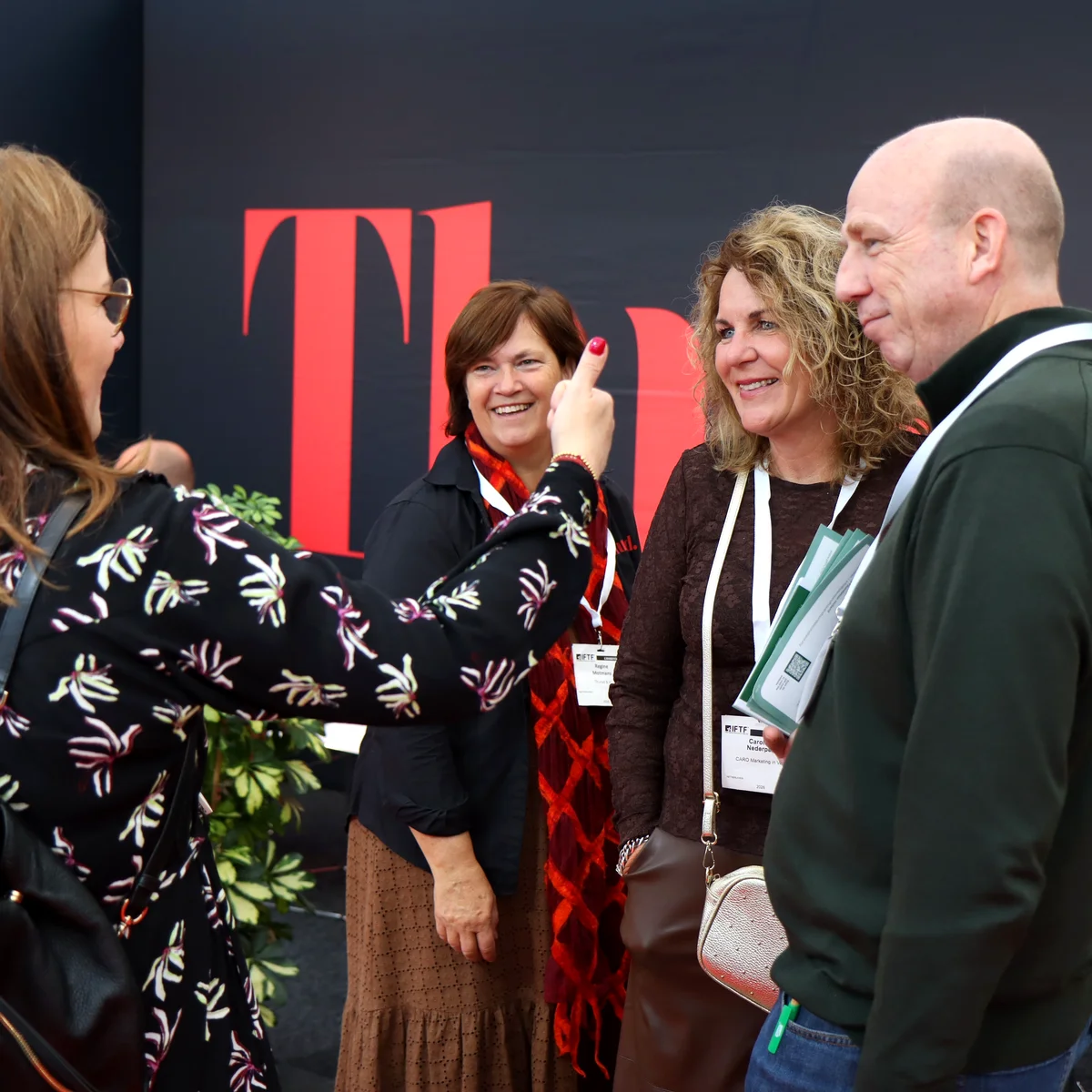
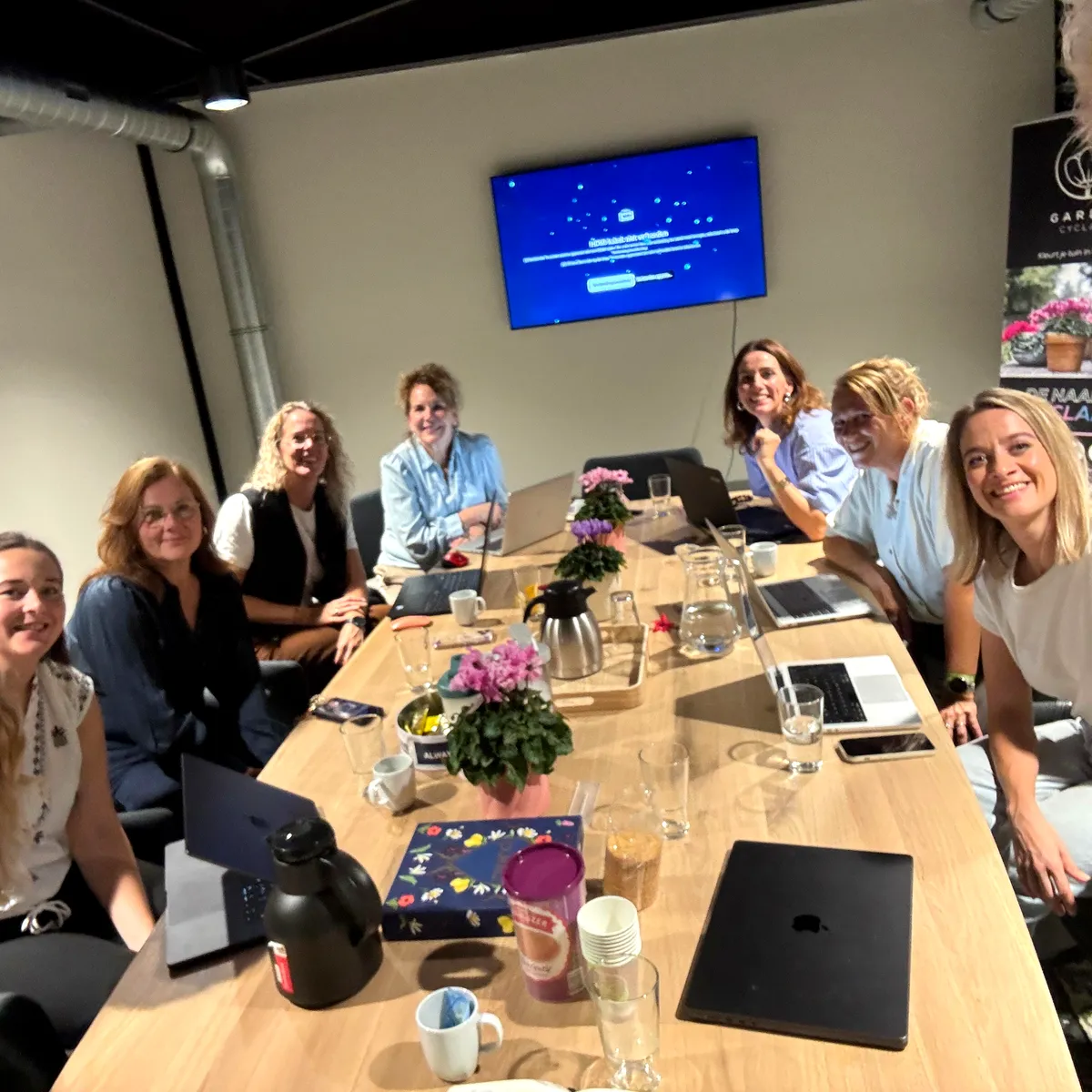
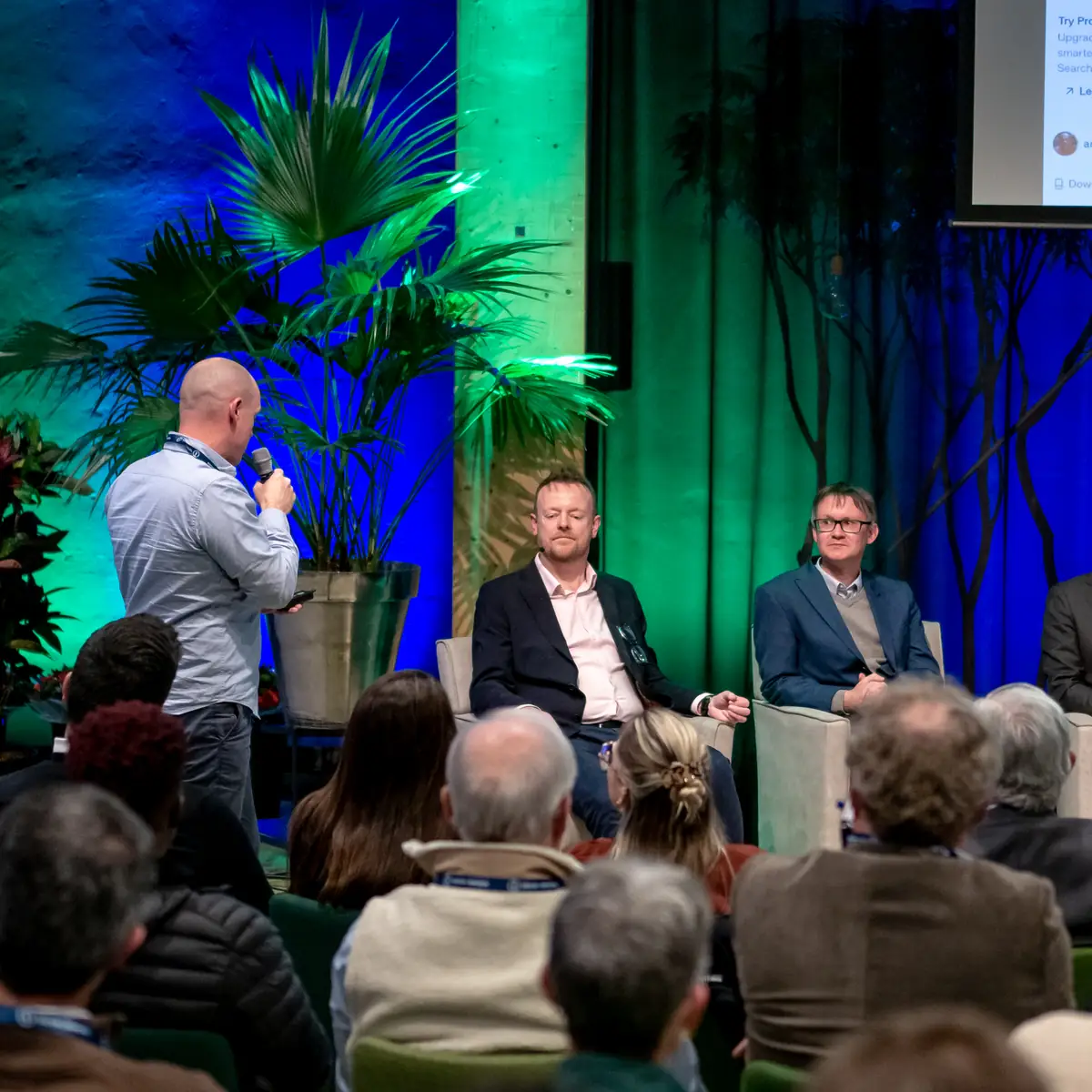
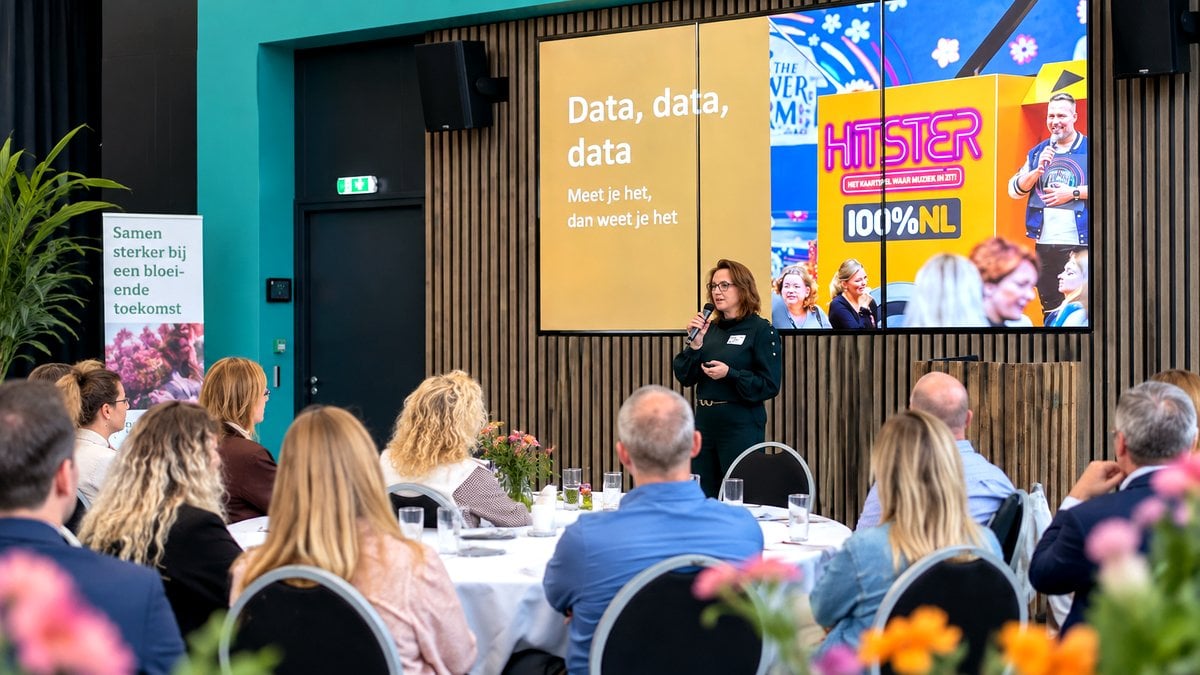
That question was at the heart of the 14th Sierteelt Marketing Event (Ornamental Horticulture Marketing Event) on September 24 in Naaldwijk, Netherlands. The theme: from generation to inspiration, how flowers and plants can stay relevant for tomorrow's consumer. I organized the event together with Cock van Bommel, Ronald van Schie, and Sebastiaan Hattink for NIMA, the Dutch Institute for Marketing.
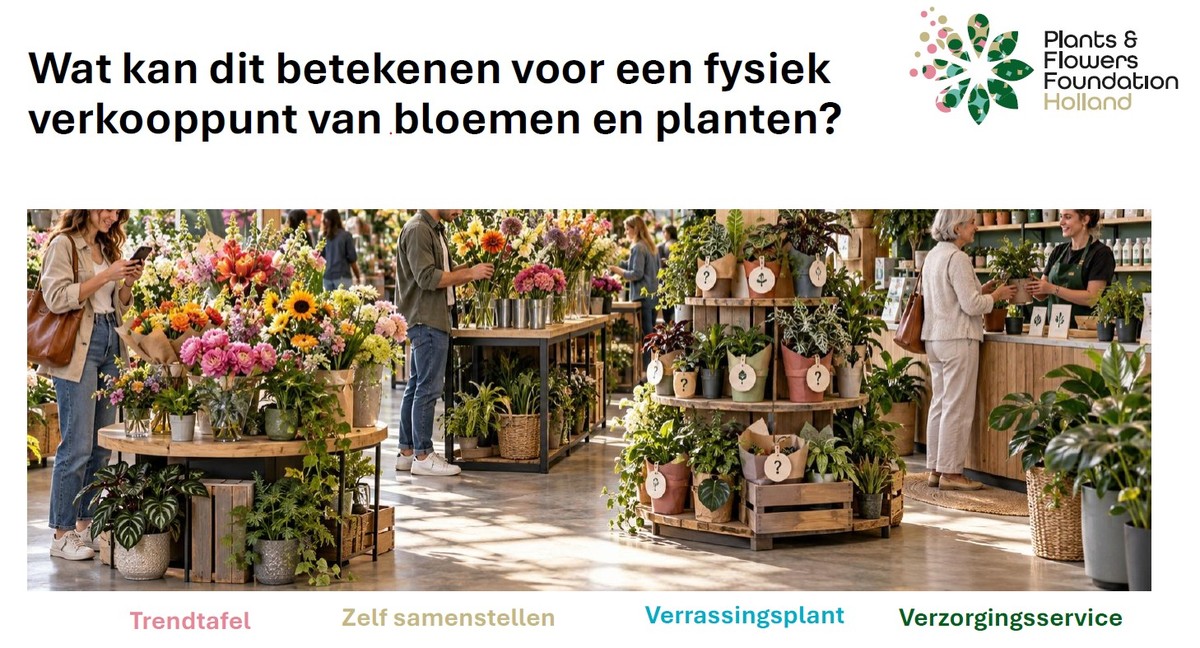
What stayed with me most is that we need to be careful with easy conclusions about generations. Young people want convenience. Older people want quality. Gen Z is on TikTok. Baby boomers go to the store. Of course, it isn't that simple. Research that Plants & Flowers Foundation Holland presented at the event shows that generation can be a useful starting point, but that life stage often shapes behavior more strongly. Housing, income, relationships, and habits all play a role, as do someone's experiences when they were younger and the world they live in today.
That matters for our industry. If consumers don't fit into one box, we can't rely on one product, one message, or one way to reach them.
Flowers Compete for Relevance, Not Just With Other Flowers
Younger consumers don't simply buy less. They buy differently. A few research figures made me think. Among 18- to 34-year-olds, 49% buy flowers as a gift, while 63% of people aged 66 and over buy flowers for themselves. Younger buyers also look for ideas online and on social media far more often, while older groups rarely do so.
Another figure interests me even more. When 18- to 34-year-olds buy flowers as a gift, 78.8% also consider alternatives such as a plant, a gift card, food or drinks, a personal item, or home decor. Among those aged 66 and over, 83% didn't consider an alternative at all.
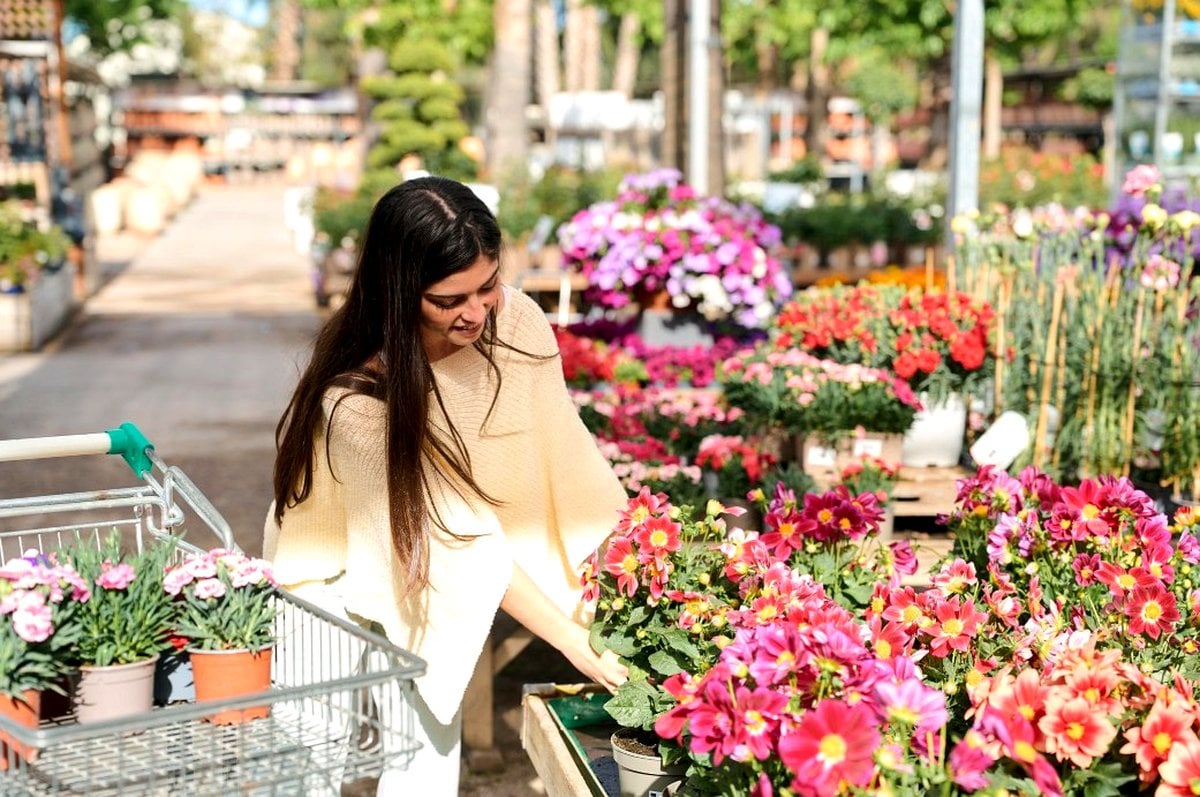
We aren't only competing with other flowers, plants, growers, or suppliers. We are competing for relevance. When someone wants to give a gift, flowers or plants first have to come to mind as a fitting option. And when someone wants to make their home feel nicer, a plant may be competing not only with another plant but also with a lamp, a cushion, or another interior product. That calls for a different way of thinking than just asking how we can sell more of what we produce.
What Retail and a Consumer Fair Can Teach Growers
Royal FloraHolland Starts at the Shop Floor
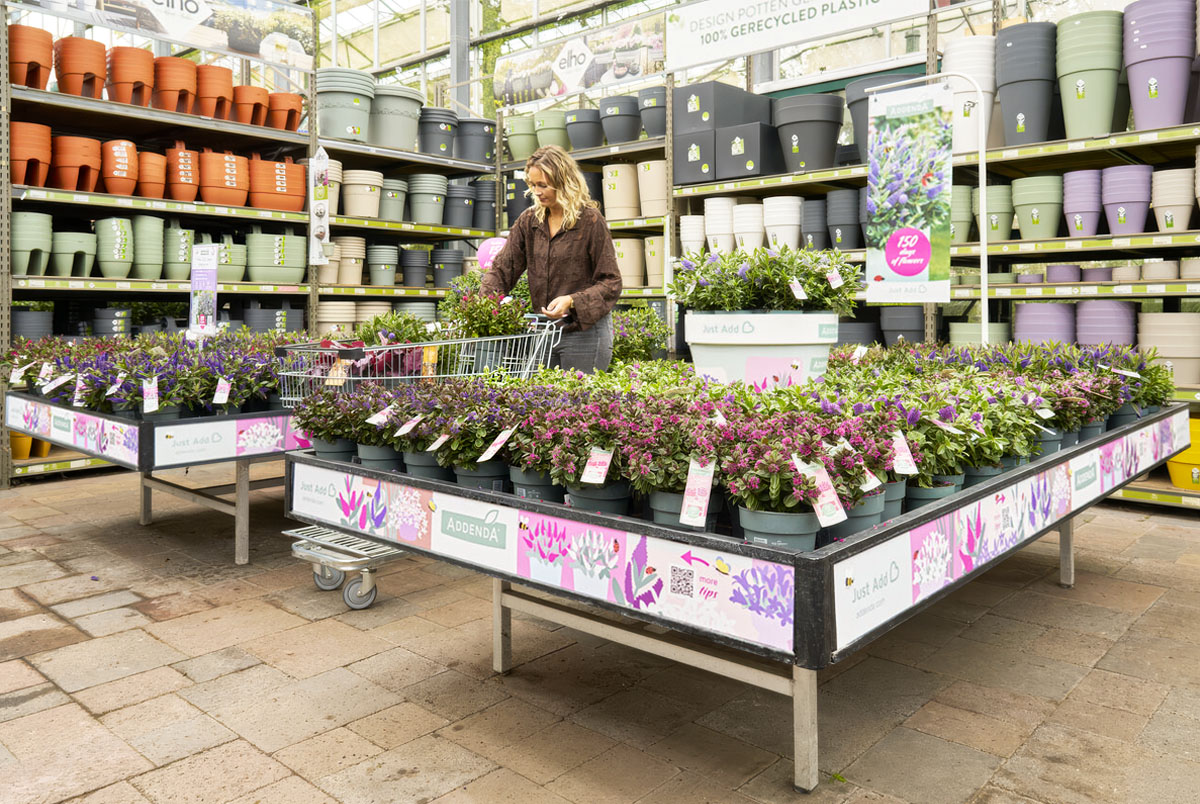
That became concrete in the Retail Services department's presentation at Royal FloraHolland. They don't start with the product; they start with the shopper and where the purchase happens: the shop floor. The goals are to reach more consumers and shoppers, increase basket value, and/or raise purchase frequency.
The before-and-after images from their retail cases said a lot. The product doesn't necessarily have to change. The context in which it is offered does. A different presentation or different communication on the shop floor can change how a consumer discovers, experiences, and chooses the product.
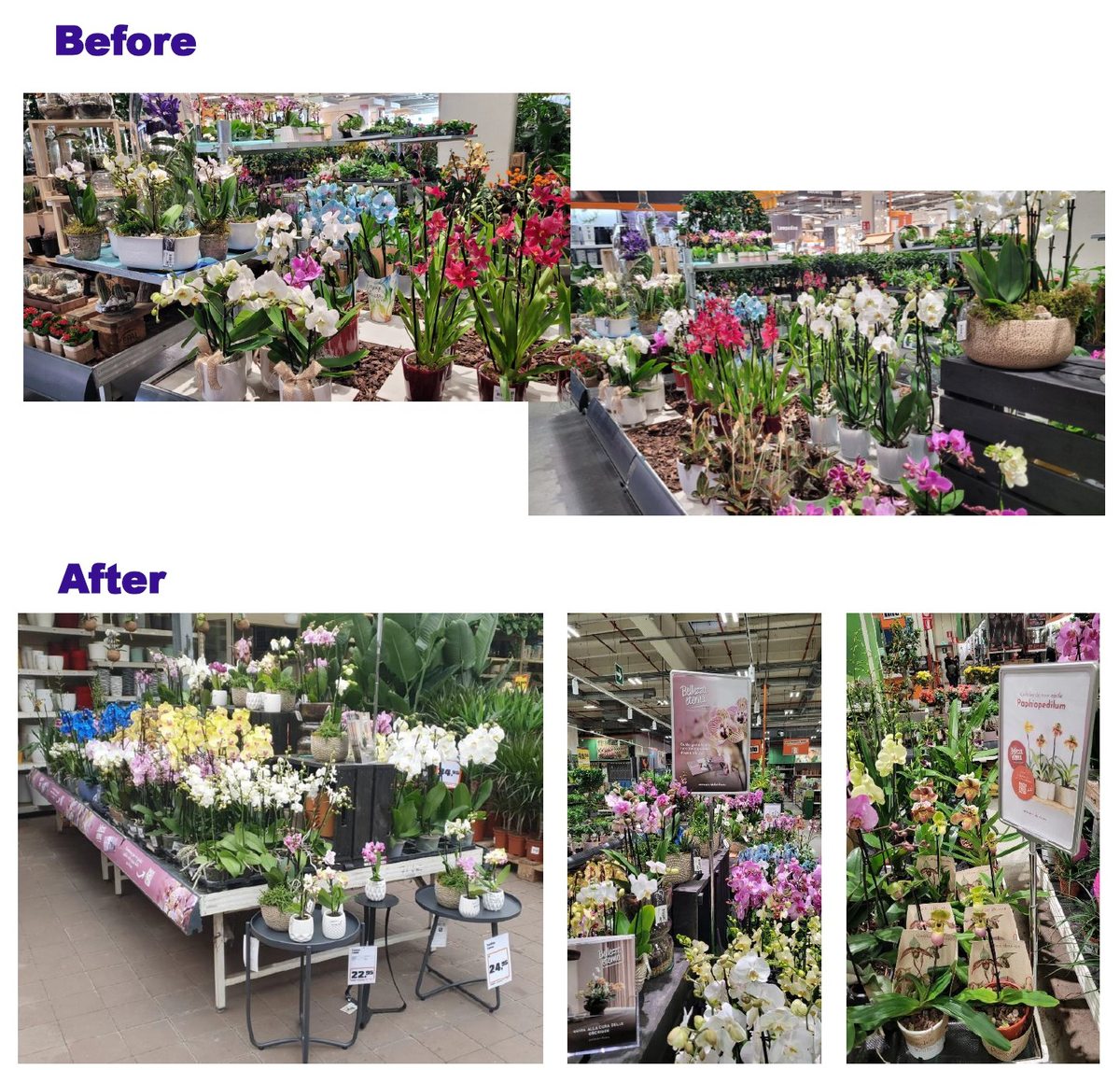
That may look like a retail issue, but for me it goes much further. If consumers discover, choose, and buy differently, the retailer's needs change. That changes the exporter's needs. And in the end, it affects the grower and the breeder too. That is why I think it is so important that we look beyond our own link in the chain.
How the Huishoudbeurs Got Younger After 80 Editions
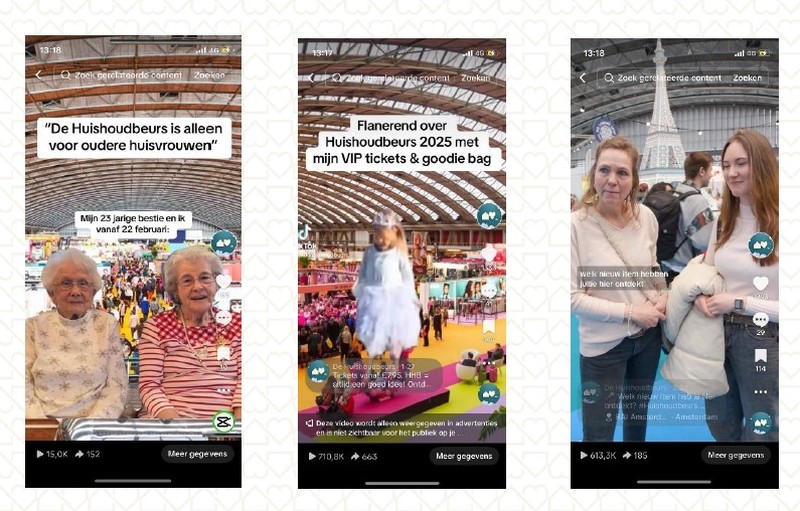
Maybe that is why I found the case of the Huishoudbeurs, the Dutch home and lifestyle fair in Amsterdam, so interesting. How do you stay relevant to new generations after 80 editions? Not by doing the same thing 80 times.
The Huishoudbeurs works strongly from data. Its motto: "If you measure it, you know it." But here too, it isn't only about age or demographics. The organization looks at lifestyles, motivations, and behavior, because two people of the same age can have completely different needs and interests. Those insights are then translated into choices in programming, content, channels, and communication.

It works. Between 2023 and 2026, visitor numbers rose from just over 101,000 to just over 118,000, while the average age dropped from 48 to 41. The share of the growth target group increased from 17% to 28%. At the same time, visitor satisfaction, length of stay, and average spending increased.
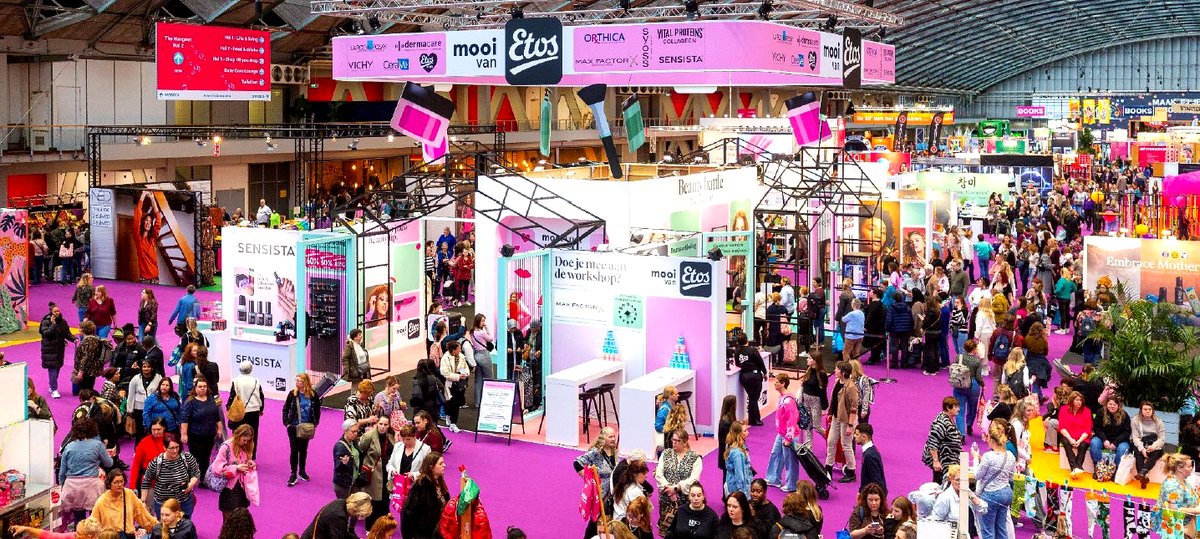
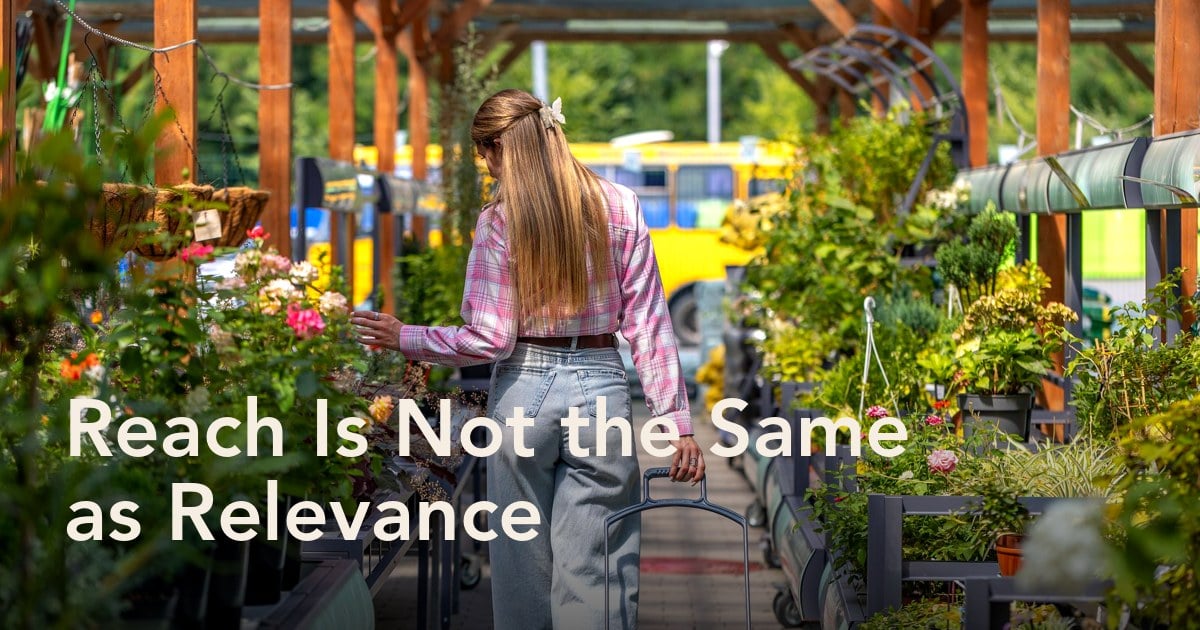
The Huishoudbeurs doesn't just want to reach people; it wants to touch them. In Dutch, it combines the two words, "bereiken" (to reach) and "raken" (to touch), into one: "beraken". That word stuck with me. It's hard to find a good English translation, but I'm sure you can feel what it means. Reach alone says nothing about relevance. You can reach thousands of people with a message, but if it doesn't connect with their life, their needs, or the moment they make a choice, what have you actually achieved?
Know the Customer of Your Customer
Our industry has enormous knowledge about flowers and plants: varieties, colors, cultivation, quality, logistics, and trade. But how much structured knowledge do we have about the people who ultimately decide whether to buy them? And above all, what do we do with that knowledge?
For a grower, I don't think this means you suddenly have to start doing consumer marketing yourself. It does mean you want to understand what happens further down the chain. Which needs are changing? Where are new buying moments emerging? Where do consumers hesitate? How do they get inspired? And why does someone choose flowers or plants at that moment, or something else entirely?
Those questions don't only concern the retailer. They can influence choices about assortment, product development, packaging, presentation, distribution, communication, and cooperation in the chain. If you understand your customer's customer, you can make more relevant choices for the future.
That brings me back to the thread of this series. Moving from product to position also means understanding what place your product can still have in the consumer's life tomorrow. Consumers, shop floors, channels, and buying moments are all changing. So the question is not whether our market is changing. The question is whether your organization is changing enough to keep up.
How well do you know not only your customer, but also your customer's customer? And what are you already doing with that knowledge today?